
Geocaching.com's Blog
November 18, 2026
Super Heroes in Jeopardy — Geocache of the Week
Calling all superheroes! Think you know your heroes from your villains?
It’s time to put your knowledge to the test with this week’s Geocache of the Week, Super Heroes in Jeopardy! (GC97PZ4). This creative gadget cache turns an ordinary geocaching outing into a trivia showdown where brainpower is your greatest superpower.
In Washington, United States, cache owner Bouncebounce has brought a superhero showdown to the geocaching world, complete with a creative gadget and a few unexpected twists.
Open the cabinet, and a glowing superhero Jeopardy! display welcomes you into the action. Colorful lights, buttons, and categories like “Superhero Powerpourri,” “Can You Keep a Secret?” and “Frenemy” set the stage for a game that’s anything but an ordinary cache hunt.
Video by Miawallace.
Bouncebounce has included a healthy dose of humor, too. A warning inside the cabinet cautions that exposure to the cache may cause smiles, satisfaction, and even addiction. Judging by the reactions in the logs, that warning might be onto something!
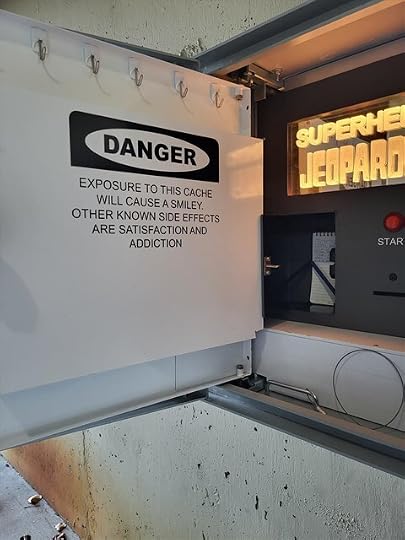 Image by Karate Hiker.
But don’t let the playful atmosphere fool you. Players must work through superhero trivia and make it to the final round before earning the chance to sign the logbook. Even the biggest superhero fans might find themselves scratching their heads.
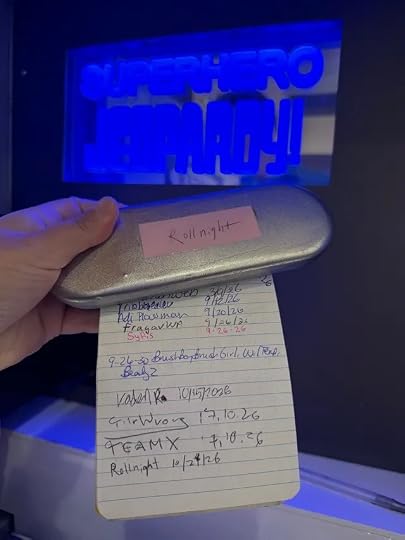 Image by RollNight.
Bring a friend, combine your knowledge, and prepare for a few laughs along the way.
Geocacher RollNight shared their experience: “Wow! What a fun experience. We lack superhero knowledge, got dissed along the way, but we did it!” With 581 Favorite points, Super Heroes in Jeopardy! has made a lasting impression on the geocaching community. Some players conquer the challenge on their first attempt, while others are happy to give it another go. Geocacher LordGimmik enjoyed the experience so much that one round wasn’t enough: “I was so enthralled that I solved it twice, and the second time I recorded the whole process for my friends back home.”
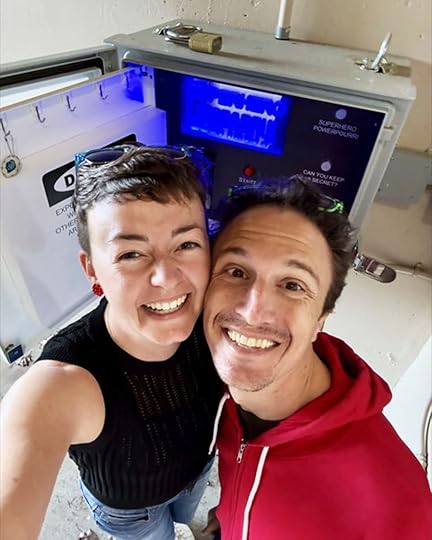 Image by -Bigfoot-.
Every superhero adventure is better with a sidekick! You don’t need super strength or the ability to fly to conquer this cache. A little persistence, some teamwork, and a willingness to laugh at yourself can go a long way.
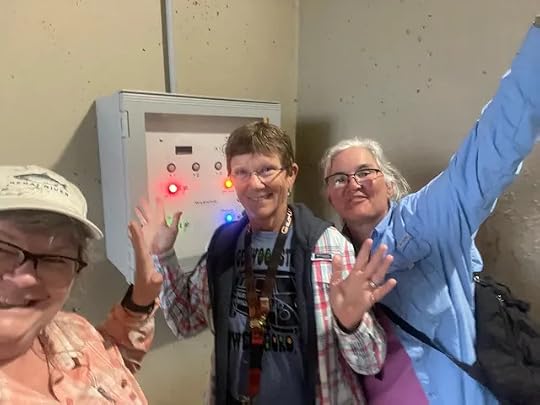 Image by LizzyRN.
From its colorful design to its clever challenge, Super Heroes in Jeopardy! celebrates the creativity that makes geocaching so memorable. So gather your sidekicks, brush up on your superhero knowledge, and get ready for your next adventure. This time, you’re the hero of the story!
Header image by KadonR.
Continue to explore some of the most amazing geocaches around the world. Check out all of the Geocaches of the Week on the Geocaching blog. If you would like to nominate a Geocache of the Week, fill out this form.


November 17, 2026
De “¿y si?” a “¡lo encontré!”: Conoce a LucTheKey
Para algunos propietarios de cachés, una idea comienza con un contenedor. Para LucTheKey, todo podría empezar con un boceto, un reto mecánico y mucha paciencia.
Con su interés de toda la vida por la tecnología, la carpintería y la resolución práctica de problemas, LucTheKey aporta una mentalidad de creador al geocaching. Sus escondites combinan conceptos ingeniosos, diseño CAD, impresión 3D y mucha experimentación para crear experiencias memorables para los geocachers que los encuentran.
Hablamos con LucTheKey para saber qué le llevó a iniciarse en el geocaching, cómo aborda la construcción de cachés y por qué, a veces, la mejor parte de la creación es ir descubriendo las cosas sobre la marcha.
Geocaching HQ: ¿Qué haces aparte del geocaching?
Siempre me han interesado las cosas técnicas. De niño, me gustaba jugar con kits de electrónica y juguetes técnicos, y siempre he encontrado gratificante el trabajo manual y práctico. Hace doce años compramos una casa antigua que, junto con algunos amigos, renovamos prácticamente nosotros mismos. Hoy tengo un pequeño taller allí. Profesionalmente, trabajo en la industria automotriz para un fabricante de automóviles alemán muy conocido. Comencé allí hace 24 años con un aprendizaje técnico y desde entonces he seguido desarrollando mis habilidades y mi trayectoria profesional. Tras completar una formación adicional para convertirme en maestro artesano certificado (Meister) mientras la compaginaba mi trabajo, también trabajé como supervisor industrial. Ahora desempeño un rol diferente, donde puedo aprovechar la experiencia que he adquirido a lo largo de mis diversos puestos en la empresa.
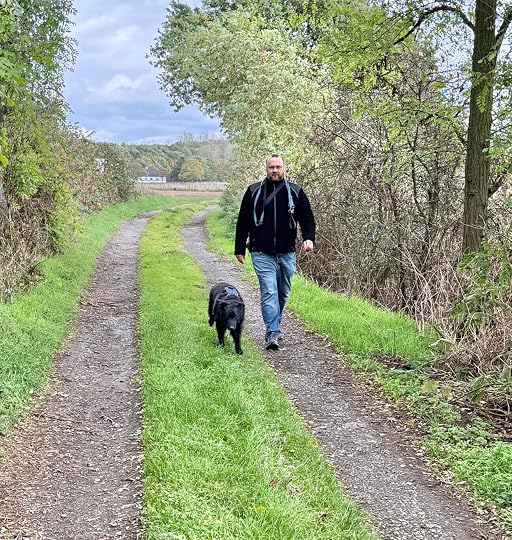 Imagen de LucTheKey.
Geocaching HQ: ¿Cómo y cuándo conociste el geocaching?
Un muy buen amigo me descubrió este hobby en 2014. Estábamos en la fiesta de cumpleaños de un amigo en común cuando me lo contó y, finalmente, me sugirió: “Venga, déjame ver si hay algún geocaché cerca” Resultó que había uno muy cerca. Salimos inmediatamente y conseguimos encontrarlo. Durante los días siguientes, visitamos varios geocachés más, me creé una cuenta propia y juntos hicimos muchos más descubrimientos. Así fue como me inicié en esta afición.
Geocaching HQ: ¿Cuáles son tus geocachés favoritos de los que has encontrado?
Existen algunos geocachés cuyos propietarios han tenido ideas realmente excelentes y han invertido una cantidad increíble de tiempo, esfuerzo y dinero. Para mí, esto incluye, por ejemplo, ZIDZ 4.0 vom Wully (GC62M7P), Die Expendables (GC2ACV6), 4) Mit der Seilbahn zum Cache ( mit TB-Hotel….) (GC4N9R6) y Goonies Revenge: THUNDER (GC5YA0B). Los geocachés creados por Hotbina en Wachtendonk y por djpebe cerca de Helmond, en los Países Bajos, también me han dejado una impresión positiva y duradera.
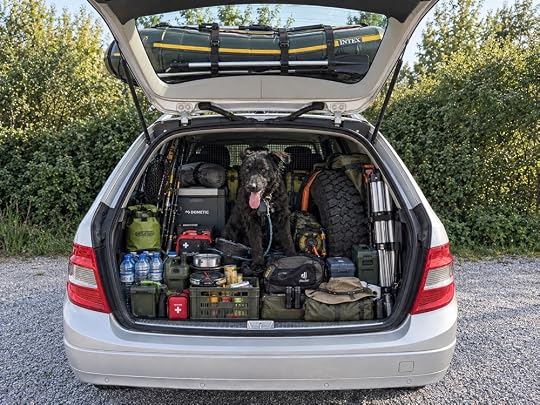 Imagen de LucTheKey.
Geocaching HQ: ¿Cuál es el mejor enfoque para crear un geocaché?
A la hora de construir, me gusta trabajar al revés: primero considero cuál debería ser el resultado final y qué tipo de experiencia quiero ofrecer a quienes lo descubran. Solo entonces me fijo en la técnica y los materiales necesarios. En el proceso, a veces busco el consejo de otros y experimento con diversas soluciones. Como es lógico, las cosas no siempre salen bien al primer intento. En ocasiones, tengo que buscar un camino diferente o rediseñar completamente un proyecto, pero para mí, eso forma parte del proceso. Mi mujer también aporta ideas geniales frecuentemente. Ella describe cómo imagina algo, y yo entonces intento encontrar la manera de hacerlo realidad. Creo que es importante no comprometerse con una solución específica demasiado pronto. Si algo no funciona, no significa automáticamente que toda la idea sea errónea; a veces, simplemente requiere un enfoque diferente.
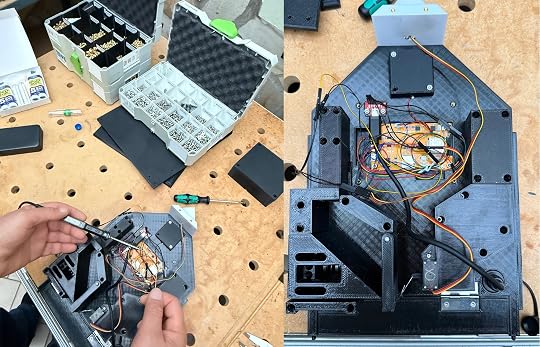 El consejo de LucTheKey para los aspirantes a creadores de geocachés es sorprendentemente sencillo: dale una oportunidad a tus ideas. Prueba algo, aprende de lo que no funciona y sigue construyendo. Nunca se sabe cuándo un proyecto sin terminar, una nueva habilidad o un poco de creatividad para resolver un problema pueden convertirse en una experiencia que los geocachers recuerden mucho después de firmar el registro.
¿Qué idea de geocaching te gustaría crear pero aún no has llevado a cabo? Déjanos tu opinión en los comentarios.
¡Cierra el 2026 con un nuevo souvenir y comienza el 2027 con otro!
El año está llegando a su fin, ¡y menudo año ha sido para los geocachers! Este año, los geocachers de todo el mundo convirtieron su día a día en algo extraordinario al descubrir nuevos lugares, crear nuevos escondites y explorar la naturaleza.
Celebramos nuestra salida de 2026 y nos preparamos para una nueva aventura en 2027 con dos nuevos souvenirs.
Entre el 24 y el 31 de diciembre de 2026, consigue el souvenir “Salida 2026” encontrando un geocaché o una ubicación de Adventure Lab®.
Entre el 1 y el 8 de enero de 2027, consigue el souvenir Arrival 2027 encontrando un geocaché o una ubicación de Adventure Lab®.
¿Cuál es tu recuerdo favorito de geocaching de 2026? ¡Compártelo en los comentarios!
November 16, 2026
Terminez l’année 2026 avec un nouveau souvenir, et entamez 2027 avec un autre !
L’année touche à sa fin, et quelle année pour les géocacheurs ! Partout dans le monde, les géocacheurs ont transformé leur quotidien en une expérience extraordinaire cette année en découvrant de nouveaux endroits, en créant de nouvelles caches et en explorant la nature.
Nous fêtons la fin de l’année 2026 et nous nous préparons à une nouvelle aventure en 2027 avec deux nouveaux souvenirs.
Du 24 au 31 décembre 2026, gagnez le souvenir “Departure 2026” en trouvant une géocache ou en validant un Emplacement d’Adventure Lab®.
Du 1er au 8 janvier 2027, gagnez le souvenir “Arrival 2027” en trouvant une géocache ou en validant un Emplacement d’Adventure Lab®.
Quel est votre meilleur souvenir geocaching en 2026 ? Partagez-le dans les commentaires ci-dessous !
Close out 2026 with one new souvenir, and start 2027 with another!
The year is drawing to a close, and what a year it’s been for geocachers! Around the world, cachers made their everyday extraordinary this year by discovering new places, making new hides, and exploring the outdoors.
We’re celebrating departing 2026 and getting ready to arrive for a new adventure in 2027 with two new souvenirs.
Between December 24 and 31, 2026, earn the Departure 2026 souvenir by finding one geocache or Adventure Lab® Location.
Between January 1 and 8, 2027, earn the Arrival 2027 souvenir by finding one geocache or Adventure Lab® Location.
What’s your favorite geocaching memory from 2026? Share them in the comments below!
Von “Was wäre wenn?” zu “Gefunden!”: Triff LucTheKey
Für einige Cache-Owner beginnt eine Idee mit einem Behälter. Für LucTheKey kann es mit einer Skizze, einer mechanischen Herausforderung und viel Geduld beginnen.
Mit einem lebenslangen Interesse an Technik, Holzbearbeitung und Problemlösungen bringt LucTheKey die Denkweise eines Makers ins Geocaching. Seine Verstecke verbinden kluge Konzepte, CAD, 3D-Druck und viel Ausprobieren, um Geocachern ein unvergessliches Funderlebnis zu bieten.
Wir haben mit LucTheKey gesprochen um von ihm zu erfahren, wie er Geocacher wurde, wie er beim Bau von Geocaches vorgeht und warum die besten Ideen manchmal während des Cachebauens entstehen.
Geocaching-HQ: Was machst Du abgesehen von Geocaching?
Ich habe mich immer für technische Dinge interessiert. Als Kind habe ich gerne mit Elektronikexperimentierkästen und technischen Spielzeugen gespielt und mochte immer praktische, handwerkliche Arbeit. Vor zwölf Jahren haben wir ein älteres Haus gekauft, welches wir, zusammen mit Freunden, weitgehend selber renoviert haben. Heute habe ich dort eine kleine Werkstatt.
Beruflich arbeite ich in der Autoindustrie bei einem bekannten deutschen Autohersteller. Ich habe vor 24 Jahren als technischer Auszubildender angefangen und mich seitdem beruflich weiterentwickelt. Nach einer Weiterbildung legte ich die Meisterprüfung ab und arbeitete auch als Aufseher in der Industrie. Ich bin jetzt in einer anderen Rolle, in der ich meine berufliche Erfahrung nutzen kann.
Bild von LucTheKey.Geocaching-HQ: Wie und wann hast Du von Geocaching erfahren?
Ein sehr guter Freund hat mich 2014 in das Hobby eingeführt. Wir waren auf der Geburtstagsfeier eines gemeinsamen Freundes als er mir davon erzählte und schließlich vorschlug nachzusehen, ob ein Geocache in der Nähe ist. Wie sich herausstellt, war einer ganz in der Nähe. Wie gingen sofort los und fanden ihn. In den nächsten Tagen suchten wir weitere Geocaches, ich meldete mich an und wir fanden gemeinsam weitere Geocaches. So kam ich mit dem Hobby in Berührung.
Geocaching-HQ: Was sind die besten Geocaches, die Du bisher gefunden hast?
Es gibt ein paar Geocaches, deren Owner sehr gute Ideen mit einem großen Einsatz von Zeit, Aufwand und Geld umgesetzt haben. Für mich sind das zum Beispiel ZIDZ 4.0 vom Wully (GC62M7P), Die Expendables (GC2ACV6), 4) Mit der Seilbahn zum Cache ( mit TB-Hotel….) (GC4N9R6), und Goonies Revenge: THUNDER (GC5YA0B). Die Geocaches von Hotbina in Wachtendonk und djpebe in der Nähe von Helmond in den Niederlanden haben auch einen bleibenden, positiven Eindruck hinterlassen.
Bild von LucTheKey.Geocaching-HQ: Was ist die beste Herangehensweise beim Bau von Geocaches?
Beim Bauen gehe ich rückwärts vor: Ich überlege zuerst, wie das Ergebnis aussehen soll und welches Erlebnis ich den Findern bieten möchte. Danach kümmere ich mich um die technische Realisierung und das benötigte Material.
Dabei frage ich manchmal andere um Rat und probiere einiges aus. Selbstverständlich funktioniert nicht alles auf Anhieb. Manchmal probiere ich etwas ganz anderes aus oder überarbeite einen Entwurf – aber das ist für mich ein Teil des Vorgangs. Meine Frau bringt sich ebenfalls regelmäßig mit tollen Ideen ein. Sie beschreibt, wie sie sich etwas vorstellt und ich finde heraus, wie man das umsetzen kann.
Ich halte es für wichtig, sich nicht zu früh auf eine Lösung festzulegen. Wenn etwas nicht funktioniert bedeutet das nicht, dass die ganze Idee schlecht ist; manchmal benötigt man nur einen anderen Ansatz.
LucTheKey‘s Rat für ehrgeizige Geocachebauer ist erfrischend einfach: gib Deinen Ideen eine Chance. Versuche etwas, lerne von dem, was nicht funktioniert und baue weiter. Du weißt nie, wann ein unfertiges Projekt, eine neue Fähigkeit oder eine kreative Problemlösung sich in eine Erfahrung verwandeln, an die sich Geocacher lange nach dem Loggen erinnern werden.
Hast Du eine Geocache-Idee, die Du schon immer umsetzen wolltest, es aber bisher nicht gemacht hast? Lass es uns in den Kommentaren wissen.
Od „Co kdyby?“ k „Našel jsem to!“: Seznamte se s LucTheKey
Pro některé majitele keší začíná nápad právě u schránky. Pro LucTheKey to může začít náčrtkem, technickou výzvou a spoustou trpělivosti.
Díky svému celoživotnímu zájmu o technologii, práci se dřevem a praktické řešení problémů vnáší LucTheKey do geocachingu přístup typický pro tvůrce. Jeho skrýše jsou výsledkem kombinace důmyslných nápadů, návrhu v CADu, 3D tisku a mnoha pokusů a omylů, jejichž cílem je vytvořit nezapomenutelné zážitky pro kačery, kteří je najdou.
Setkali jsme se s LucTheKey, abychom se dozvěděli, co ho přivedlo k geocachingu, jak přistupuje k zakládání keší a proč je někdy tou nejlepší částí tvorby právě to, že se věci postupně vyjasňují až během procesu.
Geocaching HQ: Co děláš mimo geocaching?
Vždy mě zajímaly technické věci. Jako dítě jsem si rád hrál s elektronickými stavebnicemi a technickými hračkami a praktická, ruční práce mi vždy přinášela uspokojení. Před dvanácti lety jsme si koupili starší dům, který jsme – společně s několika přáteli – z velké části zrekonstruovali sami. Dnes tam mám malou dílnu.
Pracovně působím v automobilovém průmyslu u velmi známého německého výrobce automobilů. Začal jsem tam před 24 lety jako technický učeň a od té doby neustále rozvíjím své dovednosti a buduji svou kariéru. Poté, co jsem při plném pracovním úvazku absolvoval další vzdělávání a získal titul certifikovaného mistra (Meister), působil jsem také jako průmyslový supervizor. Nyní zastávám jinou pozici, ve které mohu čerpat ze zkušeností, které jsem nasbíral během svého působení na různých pozicích v této společnosti.
Obrázek: LucTheKey.Geocaching HQ: Kdy a jak ses poprvé dozvěděl o geocachingu?
V roce 2014 mě k tomuto koníčku přivedl jeden velmi dobrý přítel. Byli jsme na oslavě narozenin společného kamaráda, když mi o tom vyprávěl a nakonec navrhl: „Pojď, podíváme se, jestli je nějaká keš někde poblíž.“ Jak se ukázalo, jedna byla hned vedle. Hned jsme vyrazili a podařilo se nám ji najít. V následujících dnech jsme navštívili ještě několik keší, založil jsem si vlastní účet a společně jsme pak našli ještě spoustu dalších. Tak jsem se k tomuto koníčku poprvé dostal.
Geocaching HQ: Jaké jsou tvé nejoblíbenější keše, které jsi našel?
Existují keše, u nichž jejich majitelé přišli s opravdu vynikajícími nápady a vynaložili na ně neuvěřitelné množství času, úsilí a peněz. Mezi ně pro mě patří například ZIDZ 4.0 od Wullyho (GC62M7P), Die Expendables (GC2ACV6), 4) Mit der Seilbahn zum Cache (s TB-Hotelem…) (GC4N9R6) a Goonies Revenge: THUNDER (GC5YA0B). Trvalý a pozitivní dojem na mě zanechaly také kešky, které vytvořila Hotbina ve Wachtendonku a djpebe poblíž Helmondu v Nizozemsku.
Obrázek: LucTheKey.Geocaching HQ: Jaký je nejlepší postup při vytváření keše?
Při tvorbě rád postupuji od konce k začátku: nejprve zvažuji, jak by měl vypadat konečný výsledek a jaký zážitek chci nabídnout těm, kteří ho objeví. Teprve poté se zabývám technickou realizací a potřebnými materiály.
Při tom se někdy radím s ostatními a zkouším různá řešení. Samozřejmě to ne vždy vyjde hned na první pokus. Občas musím najít jinou cestu nebo návrh úplně přepracovat – ale to pro mě patří k celému procesu. I moje žena často přichází se skvělými nápady. Popisuje, jak si něco představuje, a já se pak snažím přijít na to, jak to zrealizovat.
Domnívám se, že je důležité se příliš brzy nezavázat k nějakému konkrétnímu řešení. Pokud něco nefunguje, neznamená to automaticky, že je celý nápad špatný; někdy je prostě potřeba zvolit jiný přístup.
Rada od LucTheKey pro začínající tvůrce keší je příjemně jednoduchá: dejte svým nápadům šanci. Zkuste něco, poučte se z toho, co nefunguje, a pokračujte v práci. Nikdy nevíte, kdy se nedokončený projekt, nová dovednost nebo trochu kreativního řešení problémů může proměnit v zážitek, na který kačeři budou vzpomínat ještě dlouho poté, co se zapíší do logbooku.
Jaký nápad na keš jste vždycky chtěli zrealizovat, ale ještě jste ho neuskutečnili? Dejte nám vědět v komentářích níže!
De “et si ?” à “trouvée !” : Rencontre avec LucTheKey
Pour certains propriétaires de caches, une idée surgit avec un contenant. Pour LucTheKey, tout commence peut-être par une ébauche, un défi technique et beaucoup de patience.
Passionné depuis toujours par la technologie, le travail du bois et la résolution concrète de problèmes, LucTheKey apporte au geocaching l’esprit d’un ‘maker’. Ses caches allient des concepts ingénieux, la conception CAO, l’impression 3D et de nombreux essais et erreurs afin d’offrir des expériences inoubliables aux géocacheurs qui les trouvent.
Nous avons rencontré LucTheKey pour savoir ce qui l’a amené au geocaching, comment il s’y prend pour créer des caches et pourquoi parfois le plus intéressant dans la création, c’est de trouver des solutions au fur et à mesure.
Geocaching HQ : Quel est ton parcours en dehors du geocaching ?
J’ai toujours été intéressé par les choses techniques. Enfant, j’aimais beaucoup jouer avec des kits électroniques et des jouets techniques, et j’ai toujours trouvé que le travail manuel et pratique était enrichissant. Il y a douze ans, nous avons acheté une maison ancienne que nous avons rénovée — avec l’aide de quelques amis — en grande partie par nos propres moyens. Aujourd’hui, j’y ai un petit atelier.
Sur le plan professionnel, je travaille dans le secteur automobile pour un constructeur automobile allemand très connu. J’ai commencé dans cette entreprise il y a 24 ans par un apprentissage technique et, depuis, je n’ai cessé de développer mes compétences et de faire évoluer mon parcours professionnel. Après avoir suivi une formation complémentaire pour obtenir le titre de maître artisan certifié (Meister) tout en continuant à exercer mon métier, j’ai également occupé un poste de superviseur industriel. J’occupe désormais un poste différent, dans lequel je peux mettre à profit l’expérience que j’ai acquise au fil des différentes fonctions que j’ai occupées au sein de l’entreprise.
Image de LucTheKey.Geocaching HQ : Comment as-tu découvert le geocaching ?
Un très bon ami m’a initié à l’activité en 2014. Nous assistions à la fête d’anniversaire d’un ami commun lorsqu’il m’en a parlé et qu’il m’a finalement proposé : “Allez, je vais voir s’il y a une géocache dans le coin.” Il s’est avéré qu’il y en avait une tout près. Nous sommes partis tout de suite et avons réussi à la trouver. Dans les jours qui ont suivi, nous avons visité plusieurs autres géocaches, j’ai créé mon propre compte et nous avons continué à faire de nombreuses autres trouvailles ensemble. C’est ainsi que je me suis lancé dans ce passe-temps.
Geocaching HQ : Quelles sont tes caches favorites parmi celles que tu as trouvées ?
Il existe certaines géocaches pour lesquelles leurs propriétaires ont eu des idées vraiment géniales et ont consacré du temps, des efforts et de l’argent considérables. Pour moi, cela inclut, par exemple, ZIDZ 4.0 vom Wully (GC62M7P), Die Expendables (GC2ACV6), 4) Mit der Seilbahn zum Cache ( mit TB-Hotel….) (GC4N9R6), et Goonies Revenge: THUNDER (GC5YA0B). Les caches créées par Hotbina à Wachtendonk et par djpebe près de Helmond, aux Pays-Bas, m’ont également laissé un souvenir positif et durable.
Image de LucTheKey.Geocaching HQ : Quelle est ta routine pour créer une cache ?
Lorsque je crée quelque chose, j’aime procéder à rebours : je commence par réfléchir au résultat final souhaité et au type d’expérience que je souhaite offrir à ceux qui vont le découvrir. Ce n’est qu’à ce moment-là que j’étudie la mise en œuvre technique et les matériaux nécessaires.
Lors de l’élaboration, il m’arrive parfois de demander conseil à d’autres personnes et d’essayer différentes solutions. Bien sûr, ça ne marche pas toujours du premier coup. Il m’arrive parfois de devoir emprunter une autre voie ou de revoir entièrement une conception — mais pour moi, tout cela fait partie intégrante du processus. Ma femme apporte aussi souvent d’excellentes idées. Elle me décrit ce qu’elle a en tête, et j’essaie ensuite de trouver un moyen de lui donner vie.
Je pense qu’il est important de ne pas s’engager trop tôt sur une solution précise. Si quelque chose ne fonctionne pas, cela ne signifie pas pour autant que l’idée dans son ensemble soit mauvaise ; parfois, il suffit simplement d’adopter une approche différente.
Le conseil de LucTheKey aux créateurs de caches en herbe est d’une simplicité rafraîchissante : donnez une chance à vos idées. Essayez quelque chose, tirez les leçons de vos échecs et continuez à progresser. On ne sait jamais quand un projet inachevé, une nouvelle compétence ou une petite solution créative à un problème pourrait se transformer en une expérience dont les géocacheurs se souviendront longtemps après avoir signé le logbook.
Quelle idée de géocache avez-vous toujours rêvé de réaliser, mais que vous n’avez pas encore mise en œuvre ? Dites-le nous dans les commentaires.
From “what if?” to “found it!”: Meet LucTheKey
For some cache owners, an idea starts with a container. For LucTheKey, it might start with a sketch, a mechanical challenge, and lots of patience.
With a lifelong interest in technology, woodworking, and hands-on problem-solving, LucTheKey brings a maker’s mindset to geocaching. His hides combine clever concepts, CAD design, 3D printing, and plenty of trial and error to create memorable experiences for the geocachers who find them.
We caught up with LucTheKey to learn what got him into geocaching, how he approaches building caches, and why sometimes the best part of creating is figuring things out along the way.
Geocaching HQ: What’s your background outside of geocaching?
I have always been interested in technical things. As a child, I enjoyed playing with electronics kits and technical toys, and I’ve always found hands-on, manual work rewarding. Twelve years ago, we bought an older house, which we—along with some friends—renovated largely by ourselves. Today, I have a small workshop there.
Professionally, I work in the automotive industry for a very well-known German car manufacturer. I started there 24 years ago with a technical apprenticeship and have continued to develop my skills and career path ever since. After completing further training to become a certified master craftsman (Meister) alongside my job, I also worked as an industrial supervisor. I am now in a different role, where I can draw upon the experience I’ve gained throughout my various positions at the company.
Image by LucTheKey.Geocaching HQ: How and when did you hear about geocaching?
A very good friend introduced me to this hobby in 2014. We were at a mutual friend’s birthday party when he told me about it and eventually suggested, “Come on, let me see if there’s a geocache nearby.” As it turned out, there was one very close by. We set off immediately and managed to find it. Over the next few days, we visited several more geocaches, I created an account of my own, and we went on to make many more finds together. That is how I first got into the hobby.
Geocaching HQ: What are your favorite geocaches you’ve found?
There are some geocaches for which the owners have come up with truly excellent ideas and invested an incredible amount of time, effort, and money. For me, this includes, for example, ZIDZ 4.0 vom Wully (GC62M7P), Die Expendables (GC2ACV6), 4) Mit der Seilbahn zum Cache ( mit TB-Hotel….) (GC4N9R6), and Goonies Revenge: THUNDER (GC5YA0B). The caches created by Hotbina in Wachtendonk and by djpebe near Helmond in the Netherlands have also left a lasting, positive impression on me.
Geocaching HQ: What keeps you engaged with the game?
What motivates me most is the feedback from people who visit my geocaches. Reading in the log entries that someone had fun or appreciated the concept is a wonderful form of validation—especially when you’ve spent months building a cache and invested a great deal of your free time into it.
At the same time, I also really enjoy the act of searching itself. I love heading out with my wife and our dog, or meeting up with friends to go geocaching. I’ve even managed to get two of my friends interested in the hobby; they now have their own accounts, create their own geocaches, and often join me on our outings. What I particularly like about geocaching is that it encourages you to discover new places and perceive your surroundings more consciously. Thanks to this hobby, we’ve found some lovely routes for walking our dog and have gotten to know our own local area much better. Before our honeymoon in Venice, for instance, we checked the geocaching map; it’s a fantastic way to experience a city from a different perspective, as you end up discovering spots you might otherwise have walked right past, or taking paths that aren’t typical tourist routes. Ever since then, I always check the geocaching map before booking a vacation—just to make sure there are some great geocaches nearby.
Image by LucTheKey.Geocaching HQ: What’s the best approach to creating a geocache?
When building, I like to work backwards: I first consider what the final result should be and what kind of experience I want to offer those who discover it. Only then do I look into the technical implementation and the materials required.
In the process, I sometimes seek advice from others and experiment with various solutions. Naturally, things don’t always work out on the first try. Occasionally, I have to find a different path or completely overhaul a design—but that’s all part of the process for me. My wife also frequently contributes great ideas. She describes how she envisions something, and I then try to figure out a way to bring it to life.
I believe it’s important not to commit to a specific solution too early. If something doesn’t work, it doesn’t automatically mean the entire idea is flawed; sometimes, it simply requires a different approach.
Geocaching HQ: Your newer caches involve CAD, 3D printing, mechanical components, and extensive prototyping. Where did that maker side of geocaching begin for you?
I am very interested in technology; I am highly open to new tech and always willing to learn whatever is necessary to use it. I have consistently sought out—and found—better ways to manufacture parts according to my own specifications. Initially, I did this in my small woodworking shop using pencil sketches; now, I use CAD software on my computer.
After acquiring my first 3D printer, I realized that if I truly wanted to create things myself—rather than just printing ready-made files found online—I would need to master CAD design. Consequently, I taught myself how to design parts by following YouTube tutorials.
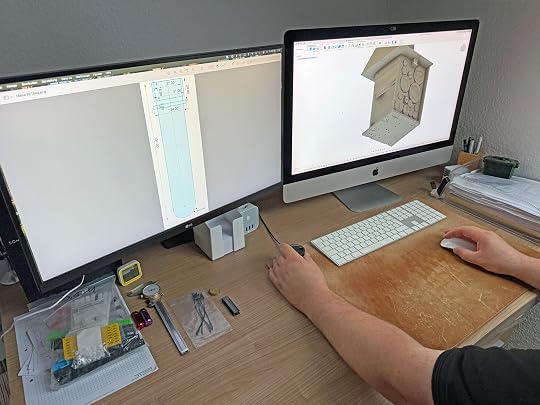 Image by LucTheyKey.
Geocaching HQ: If someone reading this is looking for inspiration, what words of advice would you give them?
My advice would be: just get started and give it a try! I believe it’s better to give an idea a chance rather than dismissing it right from the start, just because the execution might prove difficult. It’s often only while building and testing that you discover what works well and what still needs tweaking. You learn a great deal from failures, and with every new build, you gain more experience.
There’s also no need to put yourself under unnecessary pressure. Geocaching is a hobby, after all. If a cache takes longer to complete than planned, that’s just how it goes. I have a few half-finished projects sitting on a shelf—ideas I eventually stopped pursuing because they couldn’t be realized the way I had envisioned. But that’s perfectly fine. Sometimes a better idea comes along later, and those old builds can even serve as a foundation.
Geocaching HQ: You have a number of complicated and intricate caches. Do you find it difficult to provide maintenance on them?
So far, I haven’t found the maintenance to be particularly difficult. During the design phase, I make an effort to engineer the components so that they can withstand normal wear and tear for as long as possible. 3D printing is a huge advantage here. I primarily use PETG, a weather-resistant material that works well for many of my components. If something does break, I can simply print a replacement part. While the initial design process takes some work, once it’s finished, reproducing spare parts is relatively straightforward.
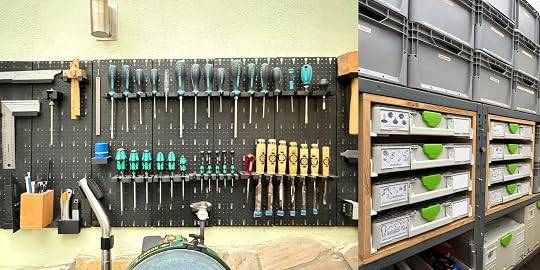 Images by LucTheKey.
Geocaching HQ: Do you have a favorite hide of your own active caches?
I think that, alongside my 80s-themed cache featuring a floppy disk, a cassette tape, and a VHS tape (GCBGZ27)—which became quite well-known thanks to a nearby Mega-Event and was even named “Geocache of the Week”, GCBCDAB is one of my personal favorites.
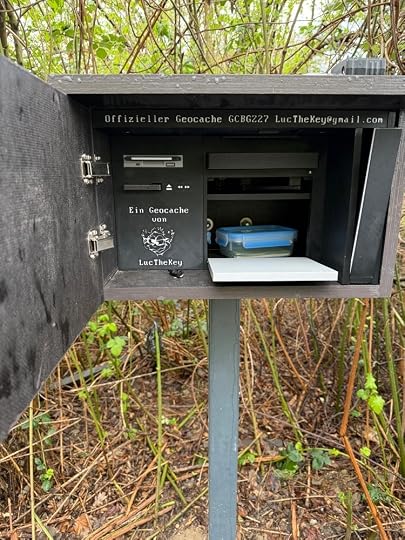 Image by Berndk53.
LucTheKey’s advice for aspiring cache creators is refreshingly simple: give your ideas a chance. Try something, learn from what doesn’t work, and keep building. You never know when an unfinished project, a new skill, or a little creative problem-solving might turn into an experience that geocachers remember long after they sign the log.
What’s a geocache idea you’ve always wanted to create but haven’t built yet? Let us know in the comments.
Van “wat als?” naar “gevonden!”: Maak kennis met LucTheKey
Voor sommige cache-eigenaars begint een idee met een behuizing. Voor LucTheKey kan het beginnen met een schets, een mechanische uitdaging en heel veel geduld.
Met een levenslange interesse in technologie, houtbewerking en praktisch problemen oplossen brengt LucTheKey een makersmentaliteit mee naar het geocachen. Zijn caches combineren slimme concepten, computerondersteund ontwerpen, 3D-printen en heel veel vallen en opstaan om gedenkwaardige ervaringen te creëren voor de geocachers die ze vinden.
We spraken met LucTheKey om erachter te komen hoe hij met geocachen is begonnen, hoe hij het bouwen van caches benadert en waarom het soms het beste onderdeel van het maakproces is om onderweg dingen uit te vogelen.
Geocaching HQ: Wat is je achtergrond buiten geocaching?
Ik ben altijd al geïnteresseerd geweest in technische dingen. Als kind hield ik ervan om met elektronische bouwpakketten en technisch speelgoed te spelen en ik heb praktisch handwerk altijd al bevredigend gevonden. Twaalf jaar geleden kochten we een ouder huis, dat we – samen met wat vrienden – grotendeels zelf hebben gerenoveerd. Tegenwoordig heb ik daar een kleine werkplaats.
Professioneel gezien werk ik in de auto-industrie voor een algemeen bekende Duitse autofabrikant. Ik begon daar 24 jaar geleden met een technische stage en heb mijn vaardigheden en carrière sindsdien steeds verder ontwikkeld. Na het voltooien van een verdere opleiding om een gecertificeerd vakmeester (Meister) te worden naast mijn baan, werkte ik ook als industrieel leidinggevende. Ik heb nu een andere rol, waar ik kan putten uit de ervaring die ik binnen mijn verschillende posities binnen het bedrijf heb opgedaan.
Foto door LucTheKey.Geocaching HQ: Hoe en wanneer heb je over geocaching gehoord?
Een erg goede vriend liet me in 2014 kennismaken met deze hobby. We waren op de verjaardag van een gemeenschappelijke vriend toen hij me erover vertelde en hij uiteindelijk voorstelde: “Kom op, laat me even kijken of er een geocache in de buurt ligt”. Naar bleek lag er een erg dicht in de buurt,. We gingen meteen op pad en wisten hem te vinden. De dagen erna bezochten we nog meer geocaches, ik maakte zelf een account aan en we gingen nog vaak samen op pad om meer caches te vinden. Dat is hoe ik begon met de hobby.
Geocaching HQ: Wat zijn je favoriete geocaches die je gevonden hebt?
Er zijn een aantal geocaches waarbij de eigenaars werkelijk briljante ideeën hebben gehad en een ongelooflijke hoeveelheid tijd, moeite en geld hebben geïnvesteerd. Voor mij zijn dit bijvoorbeeld ZIDZ 4.0 vom Wully (GC62M7P), Die Expendables (GC2ACV6), 4) Mit der Seilbahn zum Cache ( mit TB-Hotel….) (GC4N9R6) en Goonies Revenge: THUNDER (GC5YA0B). De caches die gelegd zijn door Hotbina in Wachtendonk en door djpebe in de buurt van Helmond in Nederland hebben ook een blijvende, positieve indruk bij me achtergelaten.
Foto door LucTheKey.Geocaching HQ: Wat is de beste aanpak om een geocache te maken?
Als ik aan het bouwen ben, hou ik ervan om achterstevoren te werken: ik bedenk eerst wat het eindresultaat moet worden en wat voor ervaring ik wil bieden aan de mensen die de cache ontdekken. Pas daarna kijk ik naar de technische implementatie en de materialen die ik nodig heb.
Tijdens het proces vraag ik soms advies aan anderen en experimenteer ik met verschillende oplossingen. Natuurlijk vallen dingen niet altijd meteen op hun plek bij de eerste poging. Soms moet ik een andere weg bewandelen of een ontwerp volledig herzien – maar dat is voor mij allemaal onderdeel van het proces. Mijn vrouw draagt vaak ook geweldige ideeën aan. Zij beschrijft hoe ze zich iets voorstelt en dan probeer ik een manier te vinden om dat tot leven te wekken.
Ik geloof dat het belangrijk is om je niet te vroeg vast te leggen op een specifieke oplossing. Als iets niet werkt, betekent dat niet meteen dat het hele idee niet klopt; soms heb je gewoon een andere aanpak nodig.
LucTheKey‘s advies voor beginnende cacheleggers is verfrissend simpel: geef je ideeën een kans. Probeer iets, leer van wat er niet werkt en blijf bouwen. Je weet nooit wanneer een onvoltooid project, een nieuwe vaardigheid of een beetje creatief problemen oplossen verandert in een ervaring die geocachers zich nog lang nadat ze het logboek getekend hebben herinneren.
Wat is een geocache-idee dat jij altijd al hebt willen maken maar dat je nog niet gebouwd hebt? Laat het ons weten in de reacties.
Geocaching.com's Blog
- Geocaching.com's profile
- 7 followers
