
Tom Barry's Blog
June 15, 2015
Thumbs down for show-off McEwan
 The Children Act by Ian McEwan
My rating: 2 of 5 stars
Here's the reflections of me and my Bookclub:
Synopsis:
Fiona Maye – High Court Judge in the Family Division and Husband Jack live a very comfortable life in the cloistered surroundings of the Inns of Court. Life is turned upside down for Fiona when Jack suddenly and out of the blue tells her he wants to experience “one last passion” before sinking into old age! and has somebody in mind, a young student. Fiona is grappling with her judgment on the custody of twin girls when she get a call needing an emergency judgment of a young jehovah witness boy (17) who needs a blood transfusion. Leaving her personal problems behind she visits the boy in hospital and subsequently makes the judgement that the transfusion will be given. The tale after this takes a few twists and turns – the boy “stalks” her. Fiona changes the locks on her flat but Jack comes back. The boy is bright and enjoys the life he has been given, but finally succombs to his illness and now at 18, comes back to his faith refuses the transfusion and dies. Meanwhile Fiona and Jack are back living a very comfortable life in the cloistered surroundings of the Inns of Court.
What we all thought!
Although none of us actively disliked the book, the reception was at best lukewarm but in the main disappointing.
AA - liked the exploration of the law, but felt that McEwan was showing off, it was stagey, the couple smug and the boy Adam not realistic.
BB - echoed this, and although “densley” written lacked a good flowing storyline.
CC – did find it rather emotional having had expience of a marriage breakdown. She has also had personal experience of working with the “Children Act” and for the few glimpses that we had of that within the book were believable. Felt that Fiona and Jack had considered their jobs a calling and a commitment (All of us thought that children – if they were considered were going to be a by-product of the relationship).
DD- could see Stephanie Beecham in the role of Fiona Maye!, felt very strongly that it was written by a man with no sense of the woman’s perspective. She thought that the couple were both artistically talented, but in “their reality”, led an emotionally empty life. She had hope that the book would tackle (and therefore we would be able to discuss) “who has the right to decide about life and death of an individual” – who has the right to play “God” human rights etc., (which of course would have been an interesting debate in the light of the current political debates that are happening).
EE - “Quite enjoyed” it. Found McEwan’s take on the law interesting, but like BB thought it was show off time. Felt that the Maye’s living with the same type of people in the same environments with the same outlooks would have an effect on how they viewed others lives. Felt that parts of the book did not work. e.g. the the “Elders” coming to see the boy in hospital all urging him with their own advice, but would they take if they were in Adam’s place. EE also pointed out that this particular Jehovahs directive about not taking blood products into your own body did not come in until 1947. She also felt that the boy in the story did not have the support from his social worker and this was why he turned to the judge for the support needed.
FF – very disappointed, had read the authors note at the back of the book first!!!! And had found virtually the self-same account of a Jehovah family and hospital going to the Family court for a judgment from a high court judge. So felt that there was a large dollop of plagurism within the book. Found the book rather cold, and unemotional.
So what were our final thoughts
Glad that the boy Adam had the experience of some sort of life post the transfusion. We were however irritated that the parents, although pleased that their son lived, had had a decision made without having to complromise themselves and could therefore point the finger of blame at the judicial system. We all felt that the author had short-changed us, there was not enough on any level of the book to get our teeth into. It lacked emotiion and there was no real resolution – or was not clear enough for us.
View all my reviews
When the Siren Calls


April 20, 2015
20 Top Tips for better book signings
You want to have a successful book signing? I can guarantee you will have one. Every time you meet with customers and potential customers you are gaining multiple important benefits, no matter how many or how few books you sell. Believe me, customer-facing time is golden time, savour it, learn from it, and don’t judge the success by the number of books you sell.
But as we’d all like to sell as many books as we can at every signing, let’s look at how to do that. I’ve spent over 20 years in sales and marketing, selling to some of the biggest brand companies on the planet. I drew on that experience to create the master persuader Jay Brooke in my novel, When the Siren Calls.
When the Siren Calls
Jay knows how to appeal to the head and the heart; he knows what makes you tick, and what buttons to press so that you are seduced into giving him what he wants. And what works for Jay in the boardroom and the bedroom, also works in the bookstore. And remember, it’s ok to be proficient in Jay’s persuasive skills, what is important is the intent, and our intent is simply to have others share the pleasure of our work.
These top 20 tips are geared toward a bookstore signing, but most will apply anywhere you want to sell books. The circumstances of each bookstore and your relationship to it will impact the levers you can pull. So test every potential lever against two key questions:
Is this helping capture attention?
Is this encouraging the target to take action?
If the lever fails both tests, it’s probably not a lever that’s right for you. Equally, my Top 20 is not an exhaustive list, and they are Tom Barry’s Top 20. So work from first principles, think creatively and practically about other things you might do, and test each idea out against my two questions. Pretty soon you’ll have your own top 20 list that is tailored perfectly to your strengths.
Before we get into the tips, I’m going to give you one absolute must do if you want to maximize your effectiveness – have someone with you to help. There are many reasons for this, and one is that it’s important we capitalise on our strengths, and don’t fret over our weaknesses. There’s a good reason for all those pretty PR girls with short skirts at corporate events! Apart from increasing the selling horsepower, an energetic and enthusiastic youngster can do your ice breaking and PR for you. “We’ve got a celebrity author in store today who I would love to introduce you to …”. Who can possibly resist that invitation from a pretty girl or handsome lad? (And if your helper is unlucky enough to encounter old grumps who doesn’t want to meet a celebrity author, why would you waste your time with them when you could be spending it with someone who does?) With the best will in the world, not every author can or wants to push themselves into the limelight. If you are one of those authors, then pick an extrovert helper and let them take the strain, have them pull the target into your limelight.
Ok, I’m beginning to think I’m over-delivering on the promise of this post. So here is Tom’s Top 20 Tips for a successful book signing – in no particular order.
1. Pick a busy day (usually a weekend perhaps before a holiday.)
2. Let everyone you know, know about the book signing.
3. Get the bookstore to promote it in advance (email, twitter, poster, discounts)
4. Look the part – dress to impress, be a class act
5. Be visible; operate inside and outside the bookstore in busy malls
6. Position your book at multiple strategic locations in store
7. Trumpet or invent your local credentials for local connectivity
8. Hand out freebies, e.g. a bookmark, mints and sweets,
9. Look for icebreaker clues in customer behaviour (what shelf are they at?)
10.Engage targets with an easy, open-ended question or friendly observation
11. Be warm, welcoming and smile; let the customer buy, don’t overtly sell
12. Be conversational, not interrogative
13. Use humour, it’s the closest thing between people
14. Use flattery, and endorse the customer’s reading preferences
15.Use “if” to plant subliminal suggestions
16. Be agreeable; don’t create a right/wrong, win/lose contest with a target
17. Be a showman/woman, offer OTT dedications “to the beautiful and elegant.”)
18. Be a dealmaker, round down the price, discount for multiple purchases
19. Have a “10 second” flyer with blurb that targets can read as they queue
20. Create a sense of scarcity for you and your product (hide those stacks of books!)
And one for luck, bring a pen, and make it a flashy one.
The secret to a successful book signing is really your own behaviour in front of the target. Forget those images of celebrities sitting behind a table in front of a line of people. That’s OK if you are Jeffrey Archer (who has sold nearly 300 million books). For mere mortals that is WRONG, WRONG, WRONG. We must take responsibility for engaging the customer. When you’ve captured the target’s attention, just be nice and friendly, and you will sell your books without using any of those manipulative closing techniques that belong on the used car lot.
Remember to thank everyone you speak with for their attention – whether they bought or not. And make a further call to action by ostentatiously inserting something in the book as you pass it over. It could be a postcard or bookmark highlighting your website, it could be a discount coupon for another of your books, and my favourite, a simple thank you card saying how much you appreciate Amazon reviews!
Still hungry for more tips? Check back here for my 20 Top Power Phrases to use at bookstores to help people come to a decision in 10 seconds to buy your book; remember, people love to buy, but hate to be sold to. Or, if you’d like to be entertained while you’re being informed, check out how Jay Brooke operates in When the Siren Calls. Whether it’s in the boardroom or the bedroom, observe Jay’s words and behaviours as he seduces his hard nosed business partner, and the woman of his dreams.
Thanks for popping in and please do leave a comment below to build on this post.

But as we’d all like to sell as many books as we can at every signing, let’s look at how to do that. I’ve spent over 20 years in sales and marketing, selling to some of the biggest brand companies on the planet. I drew on that experience to create the master persuader Jay Brooke in my novel, When the Siren Calls.
When the Siren Calls
Jay knows how to appeal to the head and the heart; he knows what makes you tick, and what buttons to press so that you are seduced into giving him what he wants. And what works for Jay in the boardroom and the bedroom, also works in the bookstore. And remember, it’s ok to be proficient in Jay’s persuasive skills, what is important is the intent, and our intent is simply to have others share the pleasure of our work.
These top 20 tips are geared toward a bookstore signing, but most will apply anywhere you want to sell books. The circumstances of each bookstore and your relationship to it will impact the levers you can pull. So test every potential lever against two key questions:
Is this helping capture attention?
Is this encouraging the target to take action?
If the lever fails both tests, it’s probably not a lever that’s right for you. Equally, my Top 20 is not an exhaustive list, and they are Tom Barry’s Top 20. So work from first principles, think creatively and practically about other things you might do, and test each idea out against my two questions. Pretty soon you’ll have your own top 20 list that is tailored perfectly to your strengths.
Before we get into the tips, I’m going to give you one absolute must do if you want to maximize your effectiveness – have someone with you to help. There are many reasons for this, and one is that it’s important we capitalise on our strengths, and don’t fret over our weaknesses. There’s a good reason for all those pretty PR girls with short skirts at corporate events! Apart from increasing the selling horsepower, an energetic and enthusiastic youngster can do your ice breaking and PR for you. “We’ve got a celebrity author in store today who I would love to introduce you to …”. Who can possibly resist that invitation from a pretty girl or handsome lad? (And if your helper is unlucky enough to encounter old grumps who doesn’t want to meet a celebrity author, why would you waste your time with them when you could be spending it with someone who does?) With the best will in the world, not every author can or wants to push themselves into the limelight. If you are one of those authors, then pick an extrovert helper and let them take the strain, have them pull the target into your limelight.
Ok, I’m beginning to think I’m over-delivering on the promise of this post. So here is Tom’s Top 20 Tips for a successful book signing – in no particular order.
1. Pick a busy day (usually a weekend perhaps before a holiday.)
2. Let everyone you know, know about the book signing.
3. Get the bookstore to promote it in advance (email, twitter, poster, discounts)
4. Look the part – dress to impress, be a class act
5. Be visible; operate inside and outside the bookstore in busy malls
6. Position your book at multiple strategic locations in store
7. Trumpet or invent your local credentials for local connectivity
8. Hand out freebies, e.g. a bookmark, mints and sweets,
9. Look for icebreaker clues in customer behaviour (what shelf are they at?)
10.Engage targets with an easy, open-ended question or friendly observation
11. Be warm, welcoming and smile; let the customer buy, don’t overtly sell
12. Be conversational, not interrogative
13. Use humour, it’s the closest thing between people
14. Use flattery, and endorse the customer’s reading preferences
15.Use “if” to plant subliminal suggestions
16. Be agreeable; don’t create a right/wrong, win/lose contest with a target
17. Be a showman/woman, offer OTT dedications “to the beautiful and elegant.”)
18. Be a dealmaker, round down the price, discount for multiple purchases
19. Have a “10 second” flyer with blurb that targets can read as they queue
20. Create a sense of scarcity for you and your product (hide those stacks of books!)
And one for luck, bring a pen, and make it a flashy one.
The secret to a successful book signing is really your own behaviour in front of the target. Forget those images of celebrities sitting behind a table in front of a line of people. That’s OK if you are Jeffrey Archer (who has sold nearly 300 million books). For mere mortals that is WRONG, WRONG, WRONG. We must take responsibility for engaging the customer. When you’ve captured the target’s attention, just be nice and friendly, and you will sell your books without using any of those manipulative closing techniques that belong on the used car lot.
Remember to thank everyone you speak with for their attention – whether they bought or not. And make a further call to action by ostentatiously inserting something in the book as you pass it over. It could be a postcard or bookmark highlighting your website, it could be a discount coupon for another of your books, and my favourite, a simple thank you card saying how much you appreciate Amazon reviews!
Still hungry for more tips? Check back here for my 20 Top Power Phrases to use at bookstores to help people come to a decision in 10 seconds to buy your book; remember, people love to buy, but hate to be sold to. Or, if you’d like to be entertained while you’re being informed, check out how Jay Brooke operates in When the Siren Calls. Whether it’s in the boardroom or the bedroom, observe Jay’s words and behaviours as he seduces his hard nosed business partner, and the woman of his dreams.
Thanks for popping in and please do leave a comment below to build on this post.
April 14, 2015
How to sell a book a minute at book signings
My home for the last 20 years has been in rural Surrey, 20 miles outside London. In that time my local high street has changed enormously – from a charming main street full of independent traders and quirky tea shops to one that is little different to any high street in a small UK town. The chain stores have moved in and the independent traders are increasingly forced out by spiralling rents that only the multiples can afford. The butcher, baker, and candle-stick maker have all been replaced by a one-stop Waitrose supermarket. At least the High Street has no Mucky D yet (except in my new novel), so when the golden arches do arrive, maybe I’m the guy to blame.
But the one beacon that survives is the local bookshop. Despite the internet, Amazon and e-readers, it is still doing a thriving trade. You get friendly service and expert advice from genuine book-lovers who are knowledgeable on the books they stock, many of which the staff have read. Advice you know you can trust, unlike a 5 Star review on Amazon !
At the moment I am a long way from Surrey, in sunny California in fact. And it was here that, last week, Coronado library hosted a local author book-signing. I was flattered to be asked my advice on how to make it a success. My mind went to the time my local store kindly hosted my first ever book signing. I remember being unsure what to expect, but optimistically took 50 copies of my debut novel, When the Siren Calls along. Here’s what I learnt about book signing:
1. If you do it wrong, you will sell no books.
2. If you do it well, you will sell lots of books
In the first hour I sold no books. I was suited and booted sitting behind my specially set out table with my books on display, smiling and saying hello to everyone who passed by. In that first hour only one customer stopped for a chat, a pretty long one as it turned out, but did not buy a book.
Three hours later I had sold all 50 books. If I’d had a helper with me I reckon I could have sold 100 books in those 3 hours. That’s 33.3 books an hour, or a book sold ever 2 minutes.
What changed?
Simple. I got off my butt and took responsibility for engaging every customer that entered the store – apart from the ones I simply couldn’t engage because I was too busy selling books.
Now, while this was my first ever book signing, I confess I am not a novice in the psychology of selling. I know not to begin by offering help, and not by asking a question that can be answered with a yes or no. “I don’t suppose you want to buy my book” being the classic example. But the most important thing I did was taking responsibility for making the customer connection. I would say about 9 out of 10 of the customers I engaged bought my book.
But if you ARE interested in knowing more about the do’s and don’ts, then leave a comment, and I will happily send you my 20 sure fired tips for selling more books at book signings.
But the one beacon that survives is the local bookshop. Despite the internet, Amazon and e-readers, it is still doing a thriving trade. You get friendly service and expert advice from genuine book-lovers who are knowledgeable on the books they stock, many of which the staff have read. Advice you know you can trust, unlike a 5 Star review on Amazon !
At the moment I am a long way from Surrey, in sunny California in fact. And it was here that, last week, Coronado library hosted a local author book-signing. I was flattered to be asked my advice on how to make it a success. My mind went to the time my local store kindly hosted my first ever book signing. I remember being unsure what to expect, but optimistically took 50 copies of my debut novel, When the Siren Calls along. Here’s what I learnt about book signing:
1. If you do it wrong, you will sell no books.
2. If you do it well, you will sell lots of books
In the first hour I sold no books. I was suited and booted sitting behind my specially set out table with my books on display, smiling and saying hello to everyone who passed by. In that first hour only one customer stopped for a chat, a pretty long one as it turned out, but did not buy a book.
Three hours later I had sold all 50 books. If I’d had a helper with me I reckon I could have sold 100 books in those 3 hours. That’s 33.3 books an hour, or a book sold ever 2 minutes.
What changed?
Simple. I got off my butt and took responsibility for engaging every customer that entered the store – apart from the ones I simply couldn’t engage because I was too busy selling books.
Now, while this was my first ever book signing, I confess I am not a novice in the psychology of selling. I know not to begin by offering help, and not by asking a question that can be answered with a yes or no. “I don’t suppose you want to buy my book” being the classic example. But the most important thing I did was taking responsibility for making the customer connection. I would say about 9 out of 10 of the customers I engaged bought my book.
But if you ARE interested in knowing more about the do’s and don’ts, then leave a comment, and I will happily send you my 20 sure fired tips for selling more books at book signings.
March 2, 2015
Seven "Secrets" of a Wealthy People
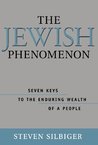 The Jewish Phenomenon by Steve Silbiger
My rating: 3 of 5 stars
A bit like "How to Make Friends and Influence People", or "The Seven Habits of Successful People", I feel this book could have been synthesised down to a single page. And if all you want to know are the key behaviours to making and keeping money, then all you probably need to do is read the contents page. If what you you want is a light and at times amusing perspective from within the US Jewish community that also gives you a sense of the culture of this phenomenally successful people, with some amazing stats (2% of the US population account for 30% of the millionaires), then this book is a worthwhile read that won't take more than a day to skip through. If you're looking for something more academic and heavyweight then this everyday and somewhat homely perspective may not hit the spot.
View all my reviews
Conservative Coronado (California) goes 50 Shades Crazy
Quintessentially conservative Coronado, the sleepy hollow Island across the bay from San Diego and the setting for the sensual romantic thriller When the Siren Cries, has just seen unprecedented scenes outside its only movie theatre, currently showing the film adaptation of the blockbuster erotic novel Fifty Shades of Grey. Idyllic Coronado, home to the illustrious Navy Seals but otherwise average age 93, witnessed long lines outside the theatre, with excited and excitable silver haired and cane carrying movie fans in line. So unprecedented was the scene that local TV, radio and press rushed along to Orange Avenue to capture the moment. Speculation was rife from visiting tourists and passing motorists, seeing the lines and the banner billboard for Fifty Shades, that the genteel City of Coronado is indeed the Peyton Place many long suspected. Has Coronado really gone Fifty Shades crazy?
The reality is a little less headline grabbing, but equally intriguing. Coronado residents were indeed in line to celebrate a moment of movie history, a film of romance and heartbreak. But that moment was not for a steamy movie with the most unlikely plot in the history of romantic fiction. The Coronadoans had gathered to celebrate and honour one of their own, Lisa Bruce, producer of the Oscar nominated movie The Theory of Everything. This film is one of the most enthralling and moving movies you’re likely to see this year. Based on the life of ALS (“The Lou Gehrig disease”) sufferer and Einstein of our time, Stephen Hawking, and an adaptation of the memoir of Hawking’s first wife, the movie is more about love and heartbreak than science and history. It tracks the ups and downs of Hawking and his wife, from when she met him in 1963 – shortly before he was diagnosed with ALS – through their marriage with three children, until their eventual breakup . Despite the ultimate failure of their union, this is an inspiring story, largely of a love that conquers all and of triumph over adversity. (Hawking, now aged 72, and given two years to live when diagnosed, is one of the longest recorded survivors of ALS.)
The Theory of Everything is unlikely to match Fifty Shades in box office receipts, but it will live in the memory long after a silly tale of a ridiculous billionaire and his besotted doormat has been forgotten. And I for one, was rooting for the enormously talented Lisa Bruce and her team at this year's Oscar ceremony. Special congratulations to Britain's Eddie Redmayne on his best actor awards at the Oscar, Bafta and Golden Globe events.
When the Siren Cries
(The ALS Association and its Greater San Diego Chapter – 858 271 5547 -has a mission to improve the lives of ALS suffers and work towards a cure. The ALS is a non-profit organisation that carries tax benefits for donors.)
The reality is a little less headline grabbing, but equally intriguing. Coronado residents were indeed in line to celebrate a moment of movie history, a film of romance and heartbreak. But that moment was not for a steamy movie with the most unlikely plot in the history of romantic fiction. The Coronadoans had gathered to celebrate and honour one of their own, Lisa Bruce, producer of the Oscar nominated movie The Theory of Everything. This film is one of the most enthralling and moving movies you’re likely to see this year. Based on the life of ALS (“The Lou Gehrig disease”) sufferer and Einstein of our time, Stephen Hawking, and an adaptation of the memoir of Hawking’s first wife, the movie is more about love and heartbreak than science and history. It tracks the ups and downs of Hawking and his wife, from when she met him in 1963 – shortly before he was diagnosed with ALS – through their marriage with three children, until their eventual breakup . Despite the ultimate failure of their union, this is an inspiring story, largely of a love that conquers all and of triumph over adversity. (Hawking, now aged 72, and given two years to live when diagnosed, is one of the longest recorded survivors of ALS.)
The Theory of Everything is unlikely to match Fifty Shades in box office receipts, but it will live in the memory long after a silly tale of a ridiculous billionaire and his besotted doormat has been forgotten. And I for one, was rooting for the enormously talented Lisa Bruce and her team at this year's Oscar ceremony. Special congratulations to Britain's Eddie Redmayne on his best actor awards at the Oscar, Bafta and Golden Globe events.
When the Siren Cries
(The ALS Association and its Greater San Diego Chapter – 858 271 5547 -has a mission to improve the lives of ALS suffers and work towards a cure. The ALS is a non-profit organisation that carries tax benefits for donors.)
September 19, 2014
Life after Life by Kate Atkinson
 Life After Life by Kate Atkinson
My rating: 3 of 5 stars
Life after Life by Kate Atkinson - my book club's perspective:
The book discussed:'LIFE AFTER LIFE'BY KATE ATKINSON.
A lively meeting sitting around the garden table.
Kate Atkinson's book tells us the story of Ursula Todd who dies at birth but is reborn several times. Each time her life and that of some of the main characters takes a dramatically different direction.
The question is, how much is she able to control and change each lifetime?
What if? Had she managed to shoot and kill Hitler. Etc....
There are many ' What If's ' in this original and clever portrait of family life.
General opinion was:
A hard one to follow 'THE GOLDFINCH' (the Club's last book choice) with it's perfect prose, storyline etc.
Kate Atkinson fully explored her power as author by including always interesting, if some of us thought, occasionally unlikely scenarios - for example Ursula's marriage in Germany, meeting and being befriended by Eva Braun.
FF thought the book's set-up a bit slow and was not impressed by the ongoing food theme. She found the prose not rich enough to linger in the mind. However she considered it an intriguing and enjoyable read but won't be recommending it to her son.
RR found the book a little too clever and tricksy and like the rest of us, had to keep an eye on the contents page. She also found some of the character's storylines too short. It would have been interesting to find out what Ursula's mother was up to when seen coming out of the Hotel by her daughter. The marriage to the underachieving and violent teacher was also not quite plausible, RR thought.
SS in contrast thought the marriage not so absurd given the earlier rape at 16 and Ursula's consequent loss of self esteem and feeling of 'worthlessness'.
SS did find the marriage in Germany too far fetched.
After initially wondering why Ursula, after a very eventful, turbulent life choose to live a rather quiet and maybe even mediocre life, we, thought that people we had known in the past, with a turbulent life had later chosen a quieter route.
The happy ending was pleasing but a bit Hollywood.
Not a life changing read but certainly an enjoyable book we would recommend to people interested in the genre.
View all my reviews
When the Siren Cries

August 26, 2014
Why we love the 'Pretty Woman' revenge on snooty sales girl
For everyone who enjoyed the hugely successful rom-com Pretty Woman, with the unlikely couple of hooker Vivian (Julia Roberts) and business big-shot Edward (Richard Gere), there’s one scene above all we seem to remember. It’s when dolled up Vivian goes on a shopping spree along glitzy Rodeo drive and returns, carrying all her designer bags, to the shop that had snubbed her the day before. (The day before she had been dressed in her hooker street gear!) She tells the snooty sales girl that refused to serve her that she had made a “big mistake – you work on commission, don’t you”, before announcing that she “has to go do more shopping now”. And the reason we love it is because…well read on and enjoy best selling romance author Harriet Schultz’ insights on why adding revenge to romance is a sure-fire way to create a page turner. Take it away, Harriet:
“…if you wrong us, shall we not revenge?”- The Merchant of Venice, William Shakespeare
When wronged, who hasn’t craved the satisfaction that revenge can bring? The target could be a boyfriend whose betrayal broke your heart, those mean girls who made your life miserable, or the villain who stole something you value — a material object, something more abstract such as honor, or even the life of a loved one. The list of triggers that might set off the need for vengeance is endless.
Revenge is a very human emotion, a dark and powerful one, yet one that’s hard to resist. It’s the rare person who hasn’t yearned to retaliate for a wrong at some point. In real life, however, getting back at someone isn’t always wise or do-able, so as readers and writers we derive vicarious pleasure when fictional characters do the deed for us. Vengeance is a popular theme in romance novels and crosses all subgenres from historicals to the paranormal, contemporary chick lit and, of course, suspense.
A quick Amazon search for “romance” and “revenge” results in more than one thousand titles. (I was happy to find my newest, A Legacy of Revenge, among the first fifteen on this list). Delve further and Google comes up with more than two million hits for “revenge in romance novels.” The titles of romance novels with a revenge theme show that payback can take many forms and may be delivered by a disparate group of characters — billionaires, banshees, jocks, vampires, homecoming queens, rock chicks and even one middle-aged woman.
The plots and people who inhabit the pages of these books are as wide-ranging and original as writers’ imaginations can make them, but all feature at least one protagonist with an overwhelming desire to retaliate for a real or perceived wrong. What is it that makes revenge such a satisfying plot device? It’s certainly not a new one. The Bible is filled with “an eye for and eye” tales of revenge, it was a favorite of Shakespeare’s and there would have been no Count of Monte Cristo without it. Country music’s queen of revenge songs, Miranda Lambert, says people connect with her lyrics because “these songs make you feel emotion. They are just so passionate.” And we all know that a romance novel without passion is a book that will not be read.
Revenge snakes its way through both of my romantic suspense novels, but it doesn’t pit the hero and heroine against each other. Instead they’re united in a quest to discover why the heroine’s husband — the hero’s best friend — was murdered and to avenge the killing. The smoking hot (of course) former womanizer’s feelings for the heroine run deep and our hero is equally determined to win her heart. They believe that the vendetta is over at the end of book one, but it comes back to haunt them in the sequel. As Daniel Craig (aka James Bond) says, “revenge doesn’t stop.”
Bestselling author Jayne Ann Krentz (aka Amanda Quick) knows something about the appeal of revenge in romance novels. “When I use revenge as a motive for a hero or a heroine it is always all about family and responsibility to others — never personal. There is nothing noble, heroic or romantic about seeking revenge for yourself. But to avenge a deep wrong done to someone in your family or to someone you love? Ah, that is another story — one I can write.”
The uncertainty about if, how and when the revenge will take place, whether it will be successful, and the ultimate happiness of our hero and heroine are what make these romances so deliciously engaging and keep us turning the pages late into the night.
•••
Harriet Schultz is the author of the Amazon bestselling contemporary romantic suspense novels, LEGACY OF THE HIGHLANDS and A LEGACY OF REVENGE. The third book in the series, LEGACY OF LOVE, will be published this summer. She is an award-winning journalist whose career began at TIME magazine. Harriet loves to travel and is happy that something she enjoys adds realism to the locations of her books.
My thanks to Harriet for gracing my blog and sharing her insights on romance and revenge. Harriet welcomes reader questions and you may connect with her via:
Email: authorharrietschultz@hotmail.com Twitter: @HarrietSchultz Facebook: https://www.facebook.com/Author.Harri... Blog: www.harrietschultz.blogspot.com
When the Siren Cries
“…if you wrong us, shall we not revenge?”- The Merchant of Venice, William Shakespeare
When wronged, who hasn’t craved the satisfaction that revenge can bring? The target could be a boyfriend whose betrayal broke your heart, those mean girls who made your life miserable, or the villain who stole something you value — a material object, something more abstract such as honor, or even the life of a loved one. The list of triggers that might set off the need for vengeance is endless.
Revenge is a very human emotion, a dark and powerful one, yet one that’s hard to resist. It’s the rare person who hasn’t yearned to retaliate for a wrong at some point. In real life, however, getting back at someone isn’t always wise or do-able, so as readers and writers we derive vicarious pleasure when fictional characters do the deed for us. Vengeance is a popular theme in romance novels and crosses all subgenres from historicals to the paranormal, contemporary chick lit and, of course, suspense.
A quick Amazon search for “romance” and “revenge” results in more than one thousand titles. (I was happy to find my newest, A Legacy of Revenge, among the first fifteen on this list). Delve further and Google comes up with more than two million hits for “revenge in romance novels.” The titles of romance novels with a revenge theme show that payback can take many forms and may be delivered by a disparate group of characters — billionaires, banshees, jocks, vampires, homecoming queens, rock chicks and even one middle-aged woman.
The plots and people who inhabit the pages of these books are as wide-ranging and original as writers’ imaginations can make them, but all feature at least one protagonist with an overwhelming desire to retaliate for a real or perceived wrong. What is it that makes revenge such a satisfying plot device? It’s certainly not a new one. The Bible is filled with “an eye for and eye” tales of revenge, it was a favorite of Shakespeare’s and there would have been no Count of Monte Cristo without it. Country music’s queen of revenge songs, Miranda Lambert, says people connect with her lyrics because “these songs make you feel emotion. They are just so passionate.” And we all know that a romance novel without passion is a book that will not be read.
Revenge snakes its way through both of my romantic suspense novels, but it doesn’t pit the hero and heroine against each other. Instead they’re united in a quest to discover why the heroine’s husband — the hero’s best friend — was murdered and to avenge the killing. The smoking hot (of course) former womanizer’s feelings for the heroine run deep and our hero is equally determined to win her heart. They believe that the vendetta is over at the end of book one, but it comes back to haunt them in the sequel. As Daniel Craig (aka James Bond) says, “revenge doesn’t stop.”
Bestselling author Jayne Ann Krentz (aka Amanda Quick) knows something about the appeal of revenge in romance novels. “When I use revenge as a motive for a hero or a heroine it is always all about family and responsibility to others — never personal. There is nothing noble, heroic or romantic about seeking revenge for yourself. But to avenge a deep wrong done to someone in your family or to someone you love? Ah, that is another story — one I can write.”
The uncertainty about if, how and when the revenge will take place, whether it will be successful, and the ultimate happiness of our hero and heroine are what make these romances so deliciously engaging and keep us turning the pages late into the night.
•••
Harriet Schultz is the author of the Amazon bestselling contemporary romantic suspense novels, LEGACY OF THE HIGHLANDS and A LEGACY OF REVENGE. The third book in the series, LEGACY OF LOVE, will be published this summer. She is an award-winning journalist whose career began at TIME magazine. Harriet loves to travel and is happy that something she enjoys adds realism to the locations of her books.
My thanks to Harriet for gracing my blog and sharing her insights on romance and revenge. Harriet welcomes reader questions and you may connect with her via:
Email: authorharrietschultz@hotmail.com Twitter: @HarrietSchultz Facebook: https://www.facebook.com/Author.Harri... Blog: www.harrietschultz.blogspot.com
When the Siren Cries
August 20, 2014
The Goldfinch - Perspectives from a book club
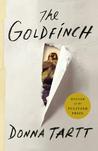 The Goldfinch by Donna Tartt
My rating: 4 of 5 stars
Perspectives from a book club:
Interested in book clubs and how they work? Read on and be a voyeur with my local book club's reflections on The Goldfinch:
Story: Theo Decker is caught up in a terroist explosion in the Met Museum, where his mother is killed and from there on in she is always a central part of Theo’s life and this terrible event is the defining moment of Theo’s life. He sits with the old man Welti as he dies and is given his ring and whilst Theo makes his way out from the debris of the gallery picks up the Fabritius painting of The Goldfinch. The story is complex with twists and turns and takes the reader from New York to Las Vagas and Europe. We’re given a full education about drugs, antiques and restoration techniques, art fraud and theft. But the book is essentially a story of pain, loss, love and friendship. All of these emotions in all of their guises are fully developed and explored.
Now come on in and join the discussion...
So what did we all think. All of us, when we actually got the book thought OMG! What a tome. However, without exception we all enjoyed the book. We loved the writing, X felt that the writing almost overshadowed or overwhelmed the story, Y thought it quite Dickensian in feel and both she and Z could see it as good film material – the style of writing is very visual. YY, although doubtful at first, enjoyed it, and thought that not one word was wasted. I thought the writing was really wonderful but had to read it in chunks so that I could digest what I had read, and even go back and re-read sentences over so that I could appreciate the way the words had been put together. (for me it was actually like eating and savouring a really good meal, each moughtfull had to be enjoyed – Food again!) Both PP and RR thought it could have been made into two or three volumes.
]The descriptive passages are very evocative and the characters very well defined. PP felt that Pippa was rather flimsy and I thought that the character of Mrs Barbour was a little flakey after the death of Andy and her husband. We really all loved/liked the character of Boris the ultimate bad boy – with a fantastically clear Eastern European voice that jumps from the page. A lot of characters, but we never lost track of them throughout the course of the tale.
Lots of great sub-plot reads within the whole: - the greyhound bus ride across America, The anguish and animal pain of the father when he knows that he can’t get hold of Theo’s money to pay off his gambling debts, the descriptions of the antiques shop and even Popchik the dog is a character to meet again!. It is definitely a book that we thought would be worth a re-read and would become a future classic.
The only criticism was that perhaps it could have done with a little less philosophising, which might have slowed things down a bit.
If the above sounds like a discussion you'd enjoy, then pop into your local bookshop and ask them about book clubs in the area. You'll be glad you did.
When the Siren Cries
View all my reviews
August 19, 2014
Amazon v Hachette and the right price for ebooks
We’ve all used the phrase “something is only worth as much as people are prepared to pay for it”. House prices go up and down irrespective of the cost of bricks. Yet the idea that the value of something is determined by the cost of producing it is surprisingly resilient.
Why is this? In my days suffering through economics lectures at University, I remember being told about ‘the labour theory of value’. Apparently we owe Karl Marx for that one. As I recall, the labour theory of value contends that something is worth the sum of the labour that went into producing it. It’s a seductive argument. A Rolls Royce is worth more than a Mini Cooper because, quite obviously, one costs more than the other to make.
But this is looking through the wrong end of the telescope. If gasoline suddenly cost $1000 a litre you wouldn’t be able to give a Rolls Royce away. Yet the cost of production has not changed. The simple fact is that because whoever it is makes Rolls Royce believes they can sell luxury cars at luxury car prices, they gamble that they can afford to invest more in production costs.
Where am I going with this? Well, the mighty Amazon recently wrote to me (and a million others no doubt), seeking my support in their business dispute with a company called Hachette. The essence of the dispute is that Amazon is arguing that Hachette is over-pricing e-books, and that it is self evident that e-books should cost less than paperback books. Here’s Amazon’s argument:
“We want lower e-book prices. Hachette does not. Many e-books are being released at $14.99 and even $19.99. That is unjustifiably high for an e-book. With an e-book, there’s no printing, no over-printing, no need to forecast, no returns, no lost sales due to out of stock, no warehousing costs, no transportation costs, and there is no secondary market – e-books cannot be resold as used books. E-books can and should be less expensive.”
There you have it. Karl Marx rides again. e-books should be less than paperbacks because the costs of making them and supplying them are less. And in deploying this argument Amazon invokes economic theory, something called the “elasticity of demand”. (If you know that when prices go up sales go down, then you know pretty much all you need to know about this particular piece of economics hogwash.)
I could equally argue to Amazon that ebook prices need to be higher than paperback because not only can you resell them, you can pirate them! But, frankly, I couldn’t give a rat’s ass about Amazon’s dispute with Hachette. But as an author and avid reader, I do care about the price of e-books. And my advice to any author out there is to charge the price that the market will pay (remembering of course that the lower the price the more books you will sell, and if you want to make a real killing, set your e-book price at $0.00!)
And as for Amazon’s argument that e-books should be priced based on production and supply cost, I say this. What about the value of the creative talent that went into the story? Isn’t that much more relevant than the price of paper?
When the Siren Cries
Why is this? In my days suffering through economics lectures at University, I remember being told about ‘the labour theory of value’. Apparently we owe Karl Marx for that one. As I recall, the labour theory of value contends that something is worth the sum of the labour that went into producing it. It’s a seductive argument. A Rolls Royce is worth more than a Mini Cooper because, quite obviously, one costs more than the other to make.
But this is looking through the wrong end of the telescope. If gasoline suddenly cost $1000 a litre you wouldn’t be able to give a Rolls Royce away. Yet the cost of production has not changed. The simple fact is that because whoever it is makes Rolls Royce believes they can sell luxury cars at luxury car prices, they gamble that they can afford to invest more in production costs.
Where am I going with this? Well, the mighty Amazon recently wrote to me (and a million others no doubt), seeking my support in their business dispute with a company called Hachette. The essence of the dispute is that Amazon is arguing that Hachette is over-pricing e-books, and that it is self evident that e-books should cost less than paperback books. Here’s Amazon’s argument:
“We want lower e-book prices. Hachette does not. Many e-books are being released at $14.99 and even $19.99. That is unjustifiably high for an e-book. With an e-book, there’s no printing, no over-printing, no need to forecast, no returns, no lost sales due to out of stock, no warehousing costs, no transportation costs, and there is no secondary market – e-books cannot be resold as used books. E-books can and should be less expensive.”
There you have it. Karl Marx rides again. e-books should be less than paperbacks because the costs of making them and supplying them are less. And in deploying this argument Amazon invokes economic theory, something called the “elasticity of demand”. (If you know that when prices go up sales go down, then you know pretty much all you need to know about this particular piece of economics hogwash.)
I could equally argue to Amazon that ebook prices need to be higher than paperback because not only can you resell them, you can pirate them! But, frankly, I couldn’t give a rat’s ass about Amazon’s dispute with Hachette. But as an author and avid reader, I do care about the price of e-books. And my advice to any author out there is to charge the price that the market will pay (remembering of course that the lower the price the more books you will sell, and if you want to make a real killing, set your e-book price at $0.00!)
And as for Amazon’s argument that e-books should be priced based on production and supply cost, I say this. What about the value of the creative talent that went into the story? Isn’t that much more relevant than the price of paper?
When the Siren Cries
July 25, 2014
Chicken Soup for Writers
Is nothing sacred? Type into google “who said ‘always have a sun tan’” and the first entry on the page will quote me. It’s true I said it, but I wasn’t the first. And I have forgotten the name of the Hollywood actor who really did say it long before me, but I still remember his curiously orange face. So my congratulations to whoever first described Celebrity Authors’ Secrets as “Chicken Soup for Writers”, it’s a great hook and an apt tag line for this unique collection of author secrets.
In any walk of life it seems there are successful people who have their sure fire tip for being successful, (my own personal favourite ‘be nice to your boss’, which is why I try and keep my wife happy.) So, anyway, you can now imagine why I was fascinated to read Stephanie Hale’s book about celebrity authors and what makes them successful. And we do indeed learn from Ms Hale that authors are no different, they all have an anecdote to share about the secret to their success. But if there are any aspiring authors out there looking for a silver bullet, be warned, the consistent message from this book is that the only place success comes before work is in the dictionary (I’m not the first person to say that but as soon as I’ve finished this post I’m going on google and…)
While people will buy a book because a famous author wrote it, all the famous authors in this book have had to do the heavy lifting to reach their summit. Take Jeffrey Archer for example. From modest beginnings and despite not taking up a pen till his mid-thirties, he’s sold more than 270 million books in 97 countries and 37 languages (we learn from Hale’s book). He is phenomenally disciplined, rises early, and writes every day.
But hard work alone doesn’t make you successful, which is why my father’s will was not eagerly anticipated. And as I sometimes say to the know it all’s that cross my path with unsolicited advice, “if you’re so smart, why aren’t you rich?” (like Jeffrey Archer.)
So, the secret to celebrity authors is working hard and doing something smart, or lots of things smart, until you’re so rich and successful like Jeffrey that you can pay other people to do all the smart things you cant be bothered to get off your butt to do yourself. Here’s seven insightful and inspiring celebrity author snippets you’ll learn from reading this book:
-Writing a book is only half the work, next you must get it out to the world
- If one is ever to copy anything – then copy success
- I sit and think: who is this person and why are they interesting enough to be written about
- I put myself in the position of the narrator or the hero
-When the reader gets to the end of a chapter, they have to curse you
- Non-fiction is an enthusiastic conversation on paper
- Keep working until you get a book everybody wants to give to their friends.
So, what do you get from Ms Hale's book? Through the medium of author interviews, she looks at all stages of the process, starting prior to inspiration, through the ordeal of the first draft, from there to polishing it for publisher and public, until one’s work has the shine of an engagement ring. But that’s just the start: the book also provides a string of invaluable and practical tips on the best use of bookshops, social media, radio, and TV to drive sales forward. In short it is a primer not only on how to radically improve one’s success, but also how to transform the painful bits of writing into a joy.
This book should be essential reading for anyone interested in becoming a storyteller (as Archer points out, there are many great writers out there, but few great storytellers), and also to anyone interested in why writers write.
When the Siren Cries
In any walk of life it seems there are successful people who have their sure fire tip for being successful, (my own personal favourite ‘be nice to your boss’, which is why I try and keep my wife happy.) So, anyway, you can now imagine why I was fascinated to read Stephanie Hale’s book about celebrity authors and what makes them successful. And we do indeed learn from Ms Hale that authors are no different, they all have an anecdote to share about the secret to their success. But if there are any aspiring authors out there looking for a silver bullet, be warned, the consistent message from this book is that the only place success comes before work is in the dictionary (I’m not the first person to say that but as soon as I’ve finished this post I’m going on google and…)
While people will buy a book because a famous author wrote it, all the famous authors in this book have had to do the heavy lifting to reach their summit. Take Jeffrey Archer for example. From modest beginnings and despite not taking up a pen till his mid-thirties, he’s sold more than 270 million books in 97 countries and 37 languages (we learn from Hale’s book). He is phenomenally disciplined, rises early, and writes every day.
But hard work alone doesn’t make you successful, which is why my father’s will was not eagerly anticipated. And as I sometimes say to the know it all’s that cross my path with unsolicited advice, “if you’re so smart, why aren’t you rich?” (like Jeffrey Archer.)
So, the secret to celebrity authors is working hard and doing something smart, or lots of things smart, until you’re so rich and successful like Jeffrey that you can pay other people to do all the smart things you cant be bothered to get off your butt to do yourself. Here’s seven insightful and inspiring celebrity author snippets you’ll learn from reading this book:
-Writing a book is only half the work, next you must get it out to the world
- If one is ever to copy anything – then copy success
- I sit and think: who is this person and why are they interesting enough to be written about
- I put myself in the position of the narrator or the hero
-When the reader gets to the end of a chapter, they have to curse you
- Non-fiction is an enthusiastic conversation on paper
- Keep working until you get a book everybody wants to give to their friends.
So, what do you get from Ms Hale's book? Through the medium of author interviews, she looks at all stages of the process, starting prior to inspiration, through the ordeal of the first draft, from there to polishing it for publisher and public, until one’s work has the shine of an engagement ring. But that’s just the start: the book also provides a string of invaluable and practical tips on the best use of bookshops, social media, radio, and TV to drive sales forward. In short it is a primer not only on how to radically improve one’s success, but also how to transform the painful bits of writing into a joy.
This book should be essential reading for anyone interested in becoming a storyteller (as Archer points out, there are many great writers out there, but few great storytellers), and also to anyone interested in why writers write.
When the Siren Cries


