
Elizabeth Spann Craig's Blog
April 26, 2026
5 Key Development Questions to Bring Your Characters to Life
by Loretta Bushell
The most beloved fictional characters aren’t faultless heroes. They’re complex characters who feel real — they have flaws, quirks, likes, and dislikes.
Many authors turn to handpicked development questions to help them achieve greater character depth. Over on Reedsy Studio, we have hundreds of prompts for each character role. Here are five crucial questions to ask yourself about every significant character in your story.
1. How did their childhood shape them?Admittedly, this first question’s not very original — but it is important, as any therapist will tell you, and it’s a key pillar of our own character profile template.
Why? When readers learn about a character’s past, it helps them understand their present choices, fears, and motivations. In Donna Tartt’s The Secret History, for example, Richard’s “boring” upbringing and strained relationship with his parents explain his desperation to fit in with the wealthy and sophisticated Ancient Greek students. He covets their acceptance so much, in fact, that — spoiler! — he chooses not to report them for murder.
Indeed, backstory is such a powerful tool that it can make readers feel sorry for even the most nefarious villains. In Wuthering Heights, Heathcliff commits heinous crimes of domestic violence and kidnapping, but we still pity him when we think of the neglect, abuse, and discrimination he faced as a child.
Remember: it’s not only trauma that a person carries with them to adulthood. Think about the routines, habits, and values your character picked up from their parents or carers. In A Man Called Ove by Fredrik Backman, for instance, Ove inherits his principles from his father — who taught him to always act honorably, rather than merely talking about taking action.
2. If they could change one thing about the world, what would it be, and why?You can be sure that Ove’s answer to this question would be admirable. But what about your character’s response?
One of our 101 questions to ask any character, this prompt immediately reveals a person’s level of selfishness. Would they change something to benefit their personal agenda, or something that would make the whole world a better place?
Dive into the specifics to discover more about their priorities. Assuming your character is fairly selfless, for instance, which would be most important to them: world peace, an end to poverty, or a cure for cancer? The actual answer could be anything, but thinking about the reason will help you dive deeper into your character’s mind. Consider their past experiences, their loved ones, and/or any religious or cultural influences in their life.
Remember: your character’s answer might change over the course of the story or series. I’m not J.K. Rowling, but I imagine 10-year-old Harry Potter would just want a loving family, whereas an older Harry would wish Voldemort out of existence.
3. If they knew they only had one year (or month or day) left to live, how would they spend it?On a related note, when Harry is on his way to die in Deathly Hallows, he uses the resurrection stone to summon echoes of loved ones who have gone before him. Chances are, such a stone doesn’t exist in your story world — but would your character also choose to spend their final moments with loved ones, or would they rather be alone?
This question, another one of our 101, is supposed to elicit a selfish answer, even from the noblest of heroes. It tells us who and what is most important to them.
But it also tells us how they would cope with knowledge of an ill-fated future. Would they live every day to the fullest, or fall into a depressive stupor? Would they pursue their romantic interest with renewed urgency, or would they think it kinder to distance themselves? Would they still chase their primary goal, or would it all seem pointless now? The answers to these questions will reflect your character’s resilience, determination, and outlook on life.
In John Green’s The Fault In Our Stars, Augustus and Hazel both face terminal illness, but deal with it differently. Hazel withdraws and tries to distance herself from Augustus so that he will hurt less when she is gone, whereas Augustus seizes the day, flying to Amsterdam and staging his own prefuneral. These actions reflect the teenagers’ underlying fears: Hazel is afraid of the pain she’ll cause those left behind, while Augustus is afraid of fading into oblivion.
4. What’s something they still need to forgive themselves for?Even teenage cancer patients Hazel and Augustus have regrets, mostly about not making the most of every moment. All multidimensional characters will have flaws and regrets — though they may not be self-aware enough to regret their flaws.
This question divides characters into two: those who need to forgive themselves for a genuinely bad deed, and those carrying misplaced guilt. Amir from Khaled Hosseini’s The Kite Runner is an example of the former: at 12, he stood by as his friend was assaulted and said nothing. Starr from Angie Thomas’ The Hate U Give falls into the latter category: it’s not her fault that the police killed her friend, but she thinks she could have done something to change his fate. While Amir is aware of his own failings, Starr’s inability to see the truth is a flaw in itself.
Besides highlighting one of your character’s weaknesses, this question lets you explore how strongly they cling to the past. Does their guilt torture them constantly or only occasionally, and do they ultimately manage to forgive themselves? If so, what act of redemption or change in thought pattern allows them to move on? In Amir’s case, he makes strides toward redemption when he rescues his old friend’s son and gets badly beaten instead of running away again.
5. Which words or phrases do they overuse?Our final question helps you craft a distinct voice for every major player in your story, allowing readers to recognize who’s talking even when there are no dialogue tags.
Some authors use this trick to make their characters memorable beyond the realm of their book. If I say “phony,” whom do you think of? Probably Holden Caulfield, if you’ve read The Catcher in the Rye. And “old sport” is practically Gatsby’s catchphrase.
Be careful not to overdo it (unless for deliberate comedic effect). You probably know people who overuse certain slang phrases, fillers, or swear words. Try to draw inspiration from these individuals to keep the frequency of the overused expressions realistic.
After these five development questions, you should know your characters much better. But there’s always more to discover, so keep on asking!
Five questions to ask about every significant character in your story. Guest post by Loretta Bushell via @ReedsyHQ
Share on X
Loretta Bushell writes for Reedsy , a marketplace that connects authors with top publishing professionals. If she only had one month left to live, she would rent out a soft play center and invite all her friends and family along.
The post 5 Key Development Questions to Bring Your Characters to Life appeared first on Elizabeth Spann Craig.


April 25, 2026
LitLinks

by Elizabeth S. Craig, @elizabethscraig
LitLinks are fed into the Writer’s Knowledge Base search engine (developed by writer and software engineer Mike Fleming) which has over 70,000 free articles on writing related topics. It’s the search engine for writers. While you’re there, check out the Writer’s Digest award-winning Hiveword novel organizer.
Have you visited the WKB lately? Check out the new redesign where you can browse by category, and sign up for free writing articles, on topics you choose, delivered to your email inbox! Sign up for the Hiveword newsletter here. Follow the WKB on Facebook here.
Shortlist Announced for the $150,000 Carol Shields Prize for Fiction: by Andrew AlbaneseShortlist Revealed for the U.K.’s 2026 Women’s Prize for Fiction: by Andrew AlbaneseNew Writers, Are you Making These 4 mistakes? by Anne R. AllenHow to Spark Creative Play: by Rochelle MelanderThe Perfect Novel: Pride and Prejudice: By Dave KingThe Truth About Time Management: by Gabriela PereiraWriting the Books We Want to Write: by Virginia PyeThe Stories Inside You Don’t Have to Stay There: by Meg DowellThe Limits of Pain: On Writing Against Chronic Illness: by Ysabelle CheungOn Being Tired of a Self-Congratulatory Liberal Book Group: by Kristen ArnettMeet These Delightful Bookshop Cats (and One Dog): by Daphne du MeowierWriting Your Book Makes an Impact Way Before You Publish: by Lisa TenerKeeping the Passion Alive: by Erik BorkHow Not to Write Your Novel: by James Scott BellHow to Finish Your Novel When Your Brain Resists: by Colleen M. StorySpring Cleaning for Writers: by Paula MunierWhy writers are so bad at estimating time: by Daphne Gray-GrantThe Pull of Gritty, Authentic Crime Fiction in the Era of AI Slop: by Will DeanThe NATO typo: by Daphne Gray-GrantHow To Deal With A Writer’s Inner Critic: by Amanda PattersonExcavating Buried Memories for Memoir: by Mimi NichterMining as an Element in Crime Fiction: @mkinberg.bsky.socialIn The Spotlight: Katie Siegel’s Charlotte Illes is Not a Detective: @mkinberg.bsky.socialField Notes on Subtitles: Is Your Self-Published Children’s Book Professionally Done? by Karen CioffiWhat It Takes to Publish a Book of Poetry: by Megan Alpert10 Quick Tips To Writing Romance In The 2020s: by Lucy V. HayA Plea for More Yearning in Romance: by Shannon A. ThompsonBookstagrammers and What You Should Know: By Ann Marie NievesAmerican Library Association Shares Book Ban Data, List of ‘Most Challenged’ Titles of 2025: by Andrew AlbaneseAn Ode To A Good Editor: By Juliet MarillierThe Future of Publishing: Predictions: by Richard CharkinInternational Publishing Headlines: By Carlo CarrenhoEffective Novel Beginnings: by Kathleen McClearyDressing Your Characters: by Noelle Granger3 Ways to Write Effective Backstory: by Jessica StrawserHow to Make Use of Incidental Characters: By Kathryn CraftWhich of These Six Prose Styles Are You Writing? by Chris WinkleWhat Is Exposition In A Story? by Amanda PattersonHow to Write the Stasis: by Eva DeverellFrom lifeless to compelling: 5 craft fixes that transform a story: @rozmorris.bsky.socialTorture in Fiction: by Charles YallowitzCraft: Suspense vs. Explanation: by Philip AthansWhy Your Story Keeps Stalling (and How to Get It Moving): by Leslie Bradford-Scott @janefriedman.comThe Four-Act Structure and the Circular Shape of Story: by K.M. WeilandPunctuation for Writers: By Jim DempseyRevision Isn’t Always Renovation: from Fox Print EditorialHow to Turn Feedback into Action: Understanding Editorial Letters: By Jenn Windrow11 Steps from Your Big Fat Mess to Your Next Draft: by Audrey Kalman @janefriedman.comUsing Contradictions to Create Masterful Microtension: by C.S. LakinWhose Voice Is on Your Pages? Human vs. AI Writing: by Ann KroekerWhat I Learned from Turning Myself Into an AI Chatbot: by Josh Bernoff @janefriedman.comEmbracing AI for Promo: By John GilstrapWriting: Is AI Friend or Enemy? by Linda S ClareA Look at “Story Genius”: by Terry OdellThe Best Podcasts for Writers: Our Top 10 Picks: by Elizabeth Nettleton
The Top Writing Links From Last Week Are On LitLinks:
Share on X
The post LitLinks appeared first on Elizabeth Spann Craig.
April 19, 2026
Keeping Your Mystery Plausible
by Elizabeth S. Craig, @elizabethspanncraig.com
Complex murder schemes might seem clever, but they often backfire with readers who prefer believable motives and realistic methods. The best mysteries feel like they could actually happen.
Ground Motives in Human Nature
The strongest murder motives come from universal emotions like greed, jealousy, fear, revenge, or desperation. A killer who murders for a million-dollar inheritance feels more believable than someone with an elaborate scheme involving ancient curses. Even unusual motives should connect to recognizable human feelings. Readers need to understand why someone would risk everything to commit murder.
Keep Methods Accessible
Poison requiring a chemistry degree or murder weapons that need special training can make plots feel unrealistic. Simple methods often work better: a push down the stairs, a convenient allergy, or basic household items used harmfully. The method should feel like something an ordinary person could conceive and execute under pressure, not a masterpiece of criminal engineering.
Limit the Number of Twists
Too many revelations exhaust readers and strain credibility. If the victim was secretly married to three different people while running an art forgery ring and blackmailing the mayor, you’ve probably gone too far. One or two significant secrets can drive your plot without piling on complications that require increasingly elaborate explanations.
Make Timing Realistic
Things take as long in fiction as they do in real life. Characters can’t cross town in five minutes during rush hour, and complicated schemes need adequate setup time. If your killer needs to establish an alibi, plant evidence, and dispose of a weapon, make sure the timeline allows for all of that without superhuman efficiency or impossible coincidences.
Test Your Plot Against “Would I Believe This?”
Here’s what helps me: stepping back and asking whether my mystery would convince me if I read it as a news story. If the answer is no, it’s worth simplifying. Real crimes often succeed because they’re straightforward, not because they’re brilliantly complex. Sometimes the most obvious suspect really is guilty, and that’s perfectly fine if you’ve built a solid case around understandable motives.
A simple, well-executed mystery trumps an overly complicated one every time.
What helps you keep your mysteries grounded and believable?
5 ways to keep your mystery plots believable and grounded in realistic human behavior:
Share on X
The post Keeping Your Mystery Plausible appeared first on Elizabeth Spann Craig.
April 18, 2026
LitLinks
by Elizabeth S. Craig, @elizabethscraig
LitLinks are fed into the Writer’s Knowledge Base search engine (developed by writer and software engineer Mike Fleming) which has over 70,000 free articles on writing related topics. It’s the search engine for writers. While you’re there, check out the Writer’s Digest award-winning Hiveword novel organizer.
Have you visited the WKB lately? Check out the new redesign where you can browse by category, and sign up for free writing articles, on topics you choose, delivered to your email inbox! Sign up for the Hiveword newsletter here. Follow the WKB on Facebook here.
Anthropic Copyright Settlement: April Update: @victoriastrauss.com20 Ways to Get Paid as a Writer: by Suzy Vadori30 Writing Prompts For April 2026: by Mia BothaInspiring Prompts to Spark Your Imagination: by Beem Weeks100 Years of Fiction: Bestselling Books of the Past Century: by Caroline VincentThe Writing Time Treasure Hunt: by Anne JanzerDoes Writing Ever Get Easier? @philathans.bsky.socialFive Things I’d Go Back and Tell “New Writer Me”: by Jenny HansenWhy can’t human editors identify AI? by James FoltaTurning to Thoreau for Lessons on Living Through Difficult Times: by Kristy Beachy-QuickJules Verne’s Writing Process: by Amanda PattersonWho’s a Better Writer: A.I. or Humans? Take Our Quiz. By Kevin Roose and Stuart A. Thompson for the New York TimesWhy Writers Write: by Kay DiBiancaWhy Writing Feels So Emotionally Intense: by Colleen M. StorySowing the Seeds of a Story: by Laura LyndhurstWhy Write a Book? By Rochelle MelanderThe Power of Giving Your Disabled Characters a Happily-Ever-After: by Sabina NordqvistThe Big Mistake That Keeps Writers From Finishing a Novel: by Zena Ryder @janefriedman.comWriting the Books We Want to Write: by Virginia PyeThe Best Fantasy Map Hacks: by Christopher Luke Dean7 Spine-Chilling Tips For Writing An Unforgettable Horror Story: by Anthony EhlersIn The Spotlight: Stephen Ross’ The Bride Must be Stopped! @mkinberg.bsky.socialDesperate Competitions in Crime Fiction: @mkinberg.bsky.social2026’s Gothic Romance Boom: By Joanna MargaretHow to Publish a Short Story: Find Your Publication and Idea: by Sarah GribbleThe Dos and Don’ts of Blogging for Writers: By Edie MelsonPodcasts and How Authors Can Use Them: By Ann Marie NievesCan anyone get a book deal? What it takes to be a novelist in 2026: by Josh RiveraHachette Turns In a Solid First Quarter 2026: by Andrew AlbaneseBookTok is Influencing UK Sales: by Erin L. CoxA Prominent French Publisher Is Dismissed, Alarming Authors and Media Watchers: by Olivia SnaijeMaking Publishing Decisions the Frugal Way: By Carolyn Howard-JohnsonHow to Spot an AI Publishing Scam: By Marissa DeCuir for The IWSGSlow Opening–A Death Knell Or Not? by Patricia Bradley6 Fascinating Fictional Character Types: by Anthony EhlersMistakes Writers Make When Describing a Character’s Fear: by Angela AckermanCharacter Change and Backstory: by Marilynn ByerlyTop 10 Dastardly & Deadly Female Villains In Movies & TV: by Lucy V. HayFive Stories That Need More Credible Stakes: by Oren AshkenaziWriters: Dissect Your DNFs: from Fox Print EditorialSix Ways to Keep Characters in the Danger Zone: by Chris WinkleHow to Craft a Satisfying Reveal: from MythcreantsDoes Your Story Have Speed and Snap? by James Scott BellIs Single or Multiple Viewpoints Best for Your Story? by Becca PuglisiWhy Tough Choices Create Stronger Stories: By Janice HardyThe Art of Deceit: Crafting a Novel With an Unreliable Narrator: by Dana IsaacsonDelay Tactics for Writers: by Eva DeverellThe Rule Of Two For Writers: by Christopher Luke DeanEffects of Physical Injuries in Fiction: by Charles YallowitzHow To Fix a Scene That Feels Dead In Deep POV: By Lisa Hall-WilsonWeaving a Story: Multiple Viewpoints in the Novel: by Linda S. ClareWriters’ Critique Groups: by Daphne Gray-GrantUsing Contradictions to Create Masterful Microtension: by CS LakinUsing AI for the Grunt Work: by RJ ReddenWhose Voice Is on Your Pages? Human vs. AI Writing: by Ann KroekerA Look at “Story Genius”: by Terry Odell
The Top Writing Links From Last Week Are On LitLinks:
Share on X
The post LitLinks appeared first on Elizabeth Spann Craig.
April 12, 2026
Mistakes Writers Make When Describing a Character’s Fear
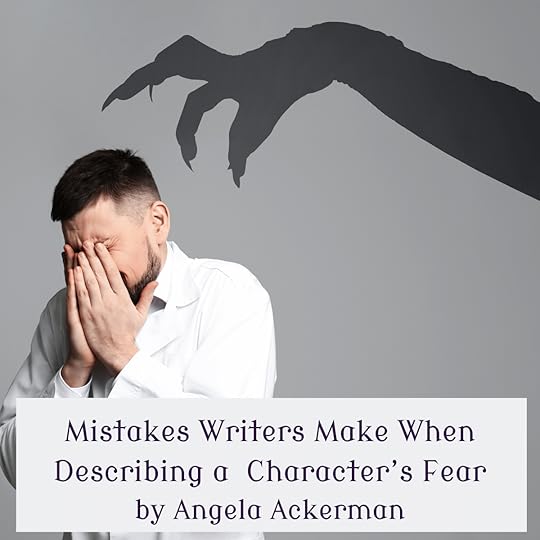
Fear is one of the most powerful emotions we can write about. When readers sense a character is experiencing it, they practically lean in, waiting to see what will happen next. But showing fear in a tangible way requires strong, descriptive choices that layer on discomfort and dread. It’s easy to make common mistakes when describing fear, so let’s look at what they are and how to avoid them.
Telling Instead of ShowingIn real life—say, when you’re giving directions or are short on time—it’s often best to explain things as simply as possible. But writing fiction is different because you’re creating an experience for readers and inviting them into the character’s world.
“Telling” thwarts this effort because it’s a form of talking down to readers. By spelling things out, the author is unintentionally saying I’m not sure you’ll get the point if I write it subtly, so I’ll make it super simple.
Telling also fails to draw readers in because it doesn’t create an experience for them to share. It merely relays information. Instead of joining the character on their journey, readers are kept out of it, forced to hear about events at a distance.
It’s especially important to show a character’s emotions, and fear most of all. So don’t tell readers the character is afraid–use physical cues to show it. If you’re in the character’s point of view, share a thought or two that shows them struggling to process the triggering event. Add sensory details that engage the senses and make readers feel as though they’re in the scene. Let’s try an example:
A log shifted and crumbled in the fireplace, waking Julian from a doze. He blinked and closed the book in his lap. Past time for bed. He gathered breath to blow out the lamp when something thumped on the porch.
His head whipped around. It had sounded like something heavy, but nothing seemed amiss. The door was barred, anyway. After a long moment of listening, he let go of his breath. Maybe a branch had fallen or a barrel had tipped over in the wind.
Then a glaring light flashed, flooding the windows.
Blinded, Julian stumbled to his feet. The door shook violently, and the bar rattled. A shrill keening rose on the porch, and he caught a whiff of sulfur. Heart pounding, he jammed his fists over his ears and scrambled back to the hearth, lips moving in a frantic prayer that was cut off as the door blew off its hinges.
A trick for identifying places where you’ve told the character’s fear is to look for emotion being spelled out: afraid, terrified, panicked, fearful, etc. In most cases, these telling words can be replaced with stronger details that show the character’s emotional state.
Too Much DescriptionJulian’s example contains the right mix of sensory details, physical fear cues, and internal dialogue. Put together, they create a believable response. But it’s not always easy to strike the right balance. Too much of any of these can turn a strong description into a tedious one.
To keep readers engaged, be judicious with physical cues. Choose only the ones your character would notice in their current state. As their fear grows, they’ll continue to take in their surroundings but will register less of it while their focus is centered directly on the danger or threat.
MelodramaJulian’s example shows his fear so clearly that readers can see what he’s feeling and maybe get a twinge of it themselves. This is possible because his emotions follow a natural progression. He begins at peace, becomes concerned at the unexpected sound outside, and surges to full-blown fear when the situation escalates.
Melodrama is created when we disregard the natural emotional progression and send characters immediately from a mild emotion to an intense one. This doesn’t ring true for readers because they recognize that what they’re reading isn’t a realistic depiction of how fear escalates or feels.
To avoid this trap, plot the character’s emotions to evolve naturally and sensibly. Be patient. Let the scene play out with enough escalations to move the character from one emotion to the next until they reach the level of fear you need.
Another cause of melodrama is overblown emotional reactions. A character who’s always fainting, hyperventilating, or screaming in terror grates on readers’ nerves because extreme responses like these aren’t the norm. To prevent these problems, map out your character’s emotional baseline so you’re familiar with their emotional range and how they’re likely to react. This gives you a blueprint for writing realistic, reasonable responses in those harrowing moments.
Lack of Sensory DetailsSensory details elevate descriptions, creating a multi-faceted world readers can see, hear, feel, smell, and taste. They pull readers into the scene, so we always want to include them.
Many writers get tripped up here because they’re hyper-focused on maintaining a quick pace or relaying important information. But when we don’t engage the senses—when we provide only visual details and dialogue—readers can’t become fully immersed in the scene.
To see this in action, look back at Julian’s example and read it without any sensory details: no shifting logs, no fiercely rattling door or unearthly shrieking, no stink of sulfur. Without those, the scene is reduced to a one-dimensional picture that readers must view from a distance.
Protect those sensory details but write economically. Choose the ones that highlight important sounds, smells, and textures. With them, you’ll provide contextual clues and keep readers engaged and attuned to the character’s fear.
Repeated Fear CuesWe all struggle to some degree with conveying emotion well, so when we find fear cues that work, it’s easy to fall back on them. But if a character’s eyes are always going wide or their knees continually buckle, readers begin noticing the repetition and it pulls them out of the story. Vary your descriptions to give characters a wider range of reactions and avoid redundancy.
A similar problem arises when those cues transfer to other characters, and everyone is wide-eyed with knees on the verge of giving out. No two people are identical, so each person’s response to fear (and what triggers it) should be different. Study your character and get a feel for how they each react. Many authors find character bibles helpful for recording and tracking emotional range, personality traits, nervous tics, and other factors that influence their character’s reactions in moments of high emotion.
Fear is one of the most powerful emotions a writer can put on the page, but conveying it well requires balance. Showing fear through choices, behavior, perceptions, and sensory detail helps you write scenes that are immersive and realistic. Readers won’t just read about what’s triggering a character’s anxieties, they’ll feel that unease and dread themselves.
Want more ideas on how fear shapes character behavior and choices? The Fear Thesaurus: A Writer’s Guide to What Holds Characters Back explores 80+ deep fears, from betrayal and heartbreak to powerlessness and death, and shows you how to write them into the story so your character’s inner struggles are on full display.
 Angela Ackerman is a story coach, international speaker, and a firm believer that writers succeed best together. Her desire to make writing easier for others led to her book collaborations with Becca Puglisi, as well as the development of One Stop for Writers, a creativity portal with game-changing tools and resources that enable writers to craft powerful fiction.
Angela lives in Okotoks, Alberta, in the foothills of the Canadian Rockies. She has an embarrassingly large collection of garden gnomes and enjoys traveling & connecting with writers all over the world. The Fear Thesaurus releases April 15.
Connect with Angela: Facebook | Instagram
Common mistakes when writing a character's fear—and how to fix them (by Angela Ackerman):
Share on X
The post Mistakes Writers Make When Describing a Character’s Fear appeared first on Elizabeth Spann Craig.
April 11, 2026
LitLinks
by Elizabeth S. Craig, @elizabethscraig
LitLinks are fed into the Writer’s Knowledge Base search engine (developed by writer and software engineer Mike Fleming) which has over 70,000 free articles on writing related topics. It’s the search engine for writers. While you’re there, check out the Writer’s Digest award-winning Hiveword novel organizer.
Have you visited the WKB lately? Check out the new redesign where you can browse by category, and sign up for free writing articles, on topics you choose, delivered to your email inbox! Sign up for the Hiveword newsletter here. Follow the WKB on Facebook here.
Freelance Editor Recommendations: by Rachelle GardnerWhat Bookstores Want From Traditional Publishers—and How the Bookstore Market Has Changed: by Jane Friedman8 copyediting essentials: by Louise Harnby34 Awesome Writing Conferences and Workshops in April 2026 in the US: by Erica VerrilloTeachers Read Professionally: Practices of Great Writing Teachers: by Jessica Carey8 Reasons Why Reading Books Is Important (and Good for Your Health!): by Bryn Donovan5 Novels with Perfectly Unsympathetic Protagonists: by Sophie HannahHow writers can regulate emotions (without suppressing them): by Daphne Gray-GrantHighlights of a Decade as a Published SF/F Author: by Dan KoboldtQuiet Lamplight in a Noisy World: By Barbara O’NealOwn Your Age: Writing as a Later Bloomer: by April DávilaWrite It All Down: by Meg DowellWriting at the Intersection of Fear, Politics and Responsibility: by Rebecca MorrisonMenopause, Writer’s Block, and Being a Late Bloomer: by Roxane GayAm I the Literary Asshole For Wanting My Friends to Shut Up About “Querying”? by Kristen ArnettHere to Make Friends (and Maybe Write a Novel): by Stephen FishbachWhat Actually Scares Me About AI: by Alicia McCallaPerfectionism is killing your writing: by Daphne Gray-GrantHow Many Words a Day Do Professional Writers Write? by Paula MunierWriting Standards, Elitism, and the Real Problem Here: By Cathy YardleyHow Hopequesting Can Change Your Life: by Rochelle MelanderLet Go or Get Dragged: A Mantra for Writers: by Paula Munier5 Important Ways a Book Furthers Your Cause: by Nina AmirWhat Is A Cozy Fantasy? by Elaine DodgeFinding the Right Tone for Your Memoir: by Stephanie MitchellThere’s a Lot To Be Said About Knowing Your Niche: by Nicole PylesHow Agatha Christie Played the “Game-within-the-Game” in ‘The Murder of Roger Ackroyd’: By John CurranDisreputable Establishments in Crime Fiction: @mkinberg.bsky.socialWriter’s Block as an Element in Crime Fiction: @mkinberg.bsky.socialHow to Pitch a non-fiction book to a publisher: by Deborah JayBook Reviewing for Authors: Special Situations and Awkward Anomalies: by Audrey DriscollWhat is Vanity Publishing? A Guide for Authors: by Elizabeth NettletonHow I Navigated My Way to a Memoir Deal from a Small Publisher: by Audrey ShippWhy you should embrace rejection: by Farrah JarralHow to Identify & Avoid Author Scams: by Ellen BuikemaI Meet the Villain Last: By Gwen HernandezThree Ways to Develop Characters in Fiction: By Joseph LalloInappropriate Character Flaw or Nervous Habit: by Sue ColettaSeven Decisions That Can Crash Your Story Onto The Rocks: by PJ ParrishImpatient With Your Draft? Here’s What That Really Means: by April DávilaEndings: Sticking Your Landing: by Hank Phillippi RyanWhat Improv Comedy Taught Me About Writing Novels: by Kyla ZhaoAnton Chekhov’s 6 Rules For Writing Fiction: by Amanda Patterson5 Top Tips Crime Writers Can Learn From BBC1’s “The Traitors”: by Lucy V. HayThree-Act Analysis of A Christmas Carol: by Gabriela PereiraThe Quest Plan: by Eva DeverellWriting: Avoid Generalizations and Stereotypes: by Linda S. ClareHandling Longer Projects Without Relying on a Plot Outline: by Adriana KantchevaWriting Without Trying to Manage the Reader: By Harper RossThe Secret to Stronger Scenes: by Angela Ackerman for the IWSGRadical Immersion: Becoming Your Character: By Boo WalkerThe 7 Types of Plots: The Quest Plot: by Liz BuremanThe Death Trap – A Plot Device: by Amanda PattersonWriting Camera Angles: by Linda S. ClareCreating Unskippable Settings: How NOT to Confuse Your Readers: by Erin Halden @janefriedman.com
The Top Writing Links From Last Week Are On LitLinks:
Share on X
The post LitLinks appeared first on Elizabeth Spann Craig.
April 5, 2026
Creating Unskippable Settings
by Elizabeth S. Craig, @elizabethspanncraig.com
Long setting descriptions make readers’ eyes glaze over. Mine do, too. Usually I’ll skim settings as a reader. The key is to keeping reader attention is weaving essential details into action and dialogue so readers absorb the environment naturally without realizing they’re being given a tour.
Use Character Actions to Show Space
Instead of describing a cluttered kitchen, show your character pushing aside stacks of mail to find counter space for their coffee cup. Rather than listing all the books in a library, have someone climb a rolling ladder to reach a high shelf. Character movement through space reveals layout and atmosphere more effectively than static description.
Choose Details That Serve Double Duty
Every setting detail should work overtime. Peeling paint on a porch railing suggests both the building’s appearance and the owner’s financial situation. A hospital waiting room’s broken coffee machine implies both the setting and the general state of things. Select details that establish place while revealing character, mood, or story information.
Filter Setting Through Character Perspective
What your character notices tells readers about both the place and the person. A chef entering a restaurant kitchen will spot different details than a health inspector would. A nervous witness in a police station might focus on uncomfortable chairs and flickering fluorescent lights. Character-filtered setting feels natural because readers experience the space through someone’s specific viewpoint.
Spread Setting Throughout the Scene
Drop setting details gradually instead of front-loading them. Start with one or two key elements, then add details as characters interact with their environment. This approach keeps setting integrated with action rather than creating separate descriptive paragraphs that readers skip.
Use Setting to Create Atmosphere
Choose environmental details that reinforce your scene’s emotional tone. A tense conversation might happen in a coffee shop where the espresso machine hisses loudly, the barista drops a cup, and someone’s phone keeps buzzing. These atmospheric touches support the mood while establishing place without lengthy description.
The goal is making readers feel grounded in your story world without making them work to get there.
What techniques help you create effective settings without losing reader attention?
5 techniques for creating environments that readers absorb naturally while staying engaged with your story:
Share on X
The post Creating Unskippable Settings appeared first on Elizabeth Spann Craig.
April 4, 2026
LitLinks
by Elizabeth S. Craig, @elizabethscraig
LitLinks are fed into the Writer’s Knowledge Base search engine (developed by writer and software engineer Mike Fleming) which has over 70,000 free articles on writing related topics. It’s the search engine for writers. While you’re there, check out the Writer’s Digest award-winning Hiveword novel organizer.
Have you visited the WKB lately? Check out the new redesign where you can browse by category, and sign up for free writing articles, on topics you choose, delivered to your email inbox! Sign up for the Hiveword newsletter here. Follow the WKB on Facebook here.
Happy Easter to all who celebrate. :)
The Top Writing Links From Last Week Are On LitLinks:
Share on X
The post LitLinks appeared first on Elizabeth Spann Craig.
March 29, 2026
Writing a Book with a Friend (and Staying Friends)
by Jessica (J.R.) Lancaster and Jessica Thompson
Writing a book with a friend sounds great until you think about all the time one spends in the publishing trenches, effort spent making another person understand you, and tying up all the loose ends when you are not even the person holding them all.
We, Jessica (J.R.) Lancaster and Jessica Thompson, have written a book together, we didn’t fight, we’re still friends, and it makes sense and everything! Therefore, we must have some wisdom to share on how to write and publish a book with a friend and keep the peace.
Where or how do you start writing a book together?
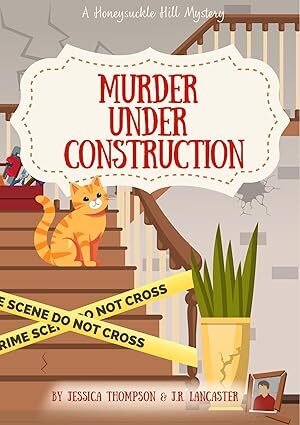
J.R.: Build the foundation first. I would highly recommend doing it with someone whose company you truly enjoy. Writing a book is a labor of love and a long one, so the two of you will be spending a lot of time together. It took Jessica and I two years to write Murder Under Construction. Set expectations up front. The two of you must always be on the same page with deadlines, responsibilities and clear direction. Jessica and I had two initial meetings to create the characters, plot and outline before getting started, then we set a time to meet for one hour every week until the first draft was complete. This gave us the ability to make tweaks when we needed to. Make sure you both understand that when writing there are times when the outline will need to be tweaked -account for it, allow it and adjust.
Jessica: I say start with a good friend who already matches your brain’s wavelengths and you know you can work out potential problems together. You’ll still disagree on things, but this way you already mostly understand each other. Then, when creative differences arise, you know you can work out differences amicably with this person. If you have a great but tumultuous friendship with a person, pick a different project.
How do you reconcile the differences in writing style and voice?
J.R.: One of the things that helped us get the idea off the ground was to have a conversation about our writing styles and process so we were familiar with each other’s flow from the get-go and to decide whose process you will follow. For instance, I am a pantser and Jessica is a plotter, so early on we decided to meet in the middle and create a loose outline to follow. Jessica cut back on the details she usually adds to allow for discovery writing for me and I learned how to outline so we could see the plot points clearly for each chapter. As far as the voice, we really only had a baseline for the personalities and allowed the voice to be controlled by the writer because the whole idea was that it was written from two different viewpoints so the goal is for the chapters to sound different.
Jessica: Yeah, our book has alternating chapters by the two main characters. The Birdie chapters were written by J.R. and the Blanche chapters were written by me. That way we only had to agree on the plot and tone of the book, not the voice or trying to mimic each other. And that way we could take turns writing a chapter a week.
Did you just build on the other person’s chapters or did you plan it out?
J.R.: We did plan it sort of, ha ha. Think of it like building a house. We decided where to start with an idea and dream for what it would look like in the end, then we laid the foundation with our characters, setting and processes so we could effectively work together and play to our strengths. Next we build the framework with a loose outline so we would know where everything would go within the story. Once we understood each other we could set off separately to close it all in. In this part of the process, most of our conversations started with I stuck to the main idea for this chapter but ended up (insert creative license here). The only real building we did on each other’s chapters was in the transitions.
Jessica: We had lots of phone and Zoom meetings, and kept records in a shared Google drive folder to plan out the tone, genre, audience, characters, setting, vision, and any issues that arose, like “Wait, what is the floorplan of this house? I think we just said two different things for where the kitchen is.” We also just kept in touch the whole time with weekly meetings. That helped us make small, adjustments as needed, and helped us edit after the manuscript was drafted.
Be honest, how are you splitting the work and money?
J.R.: Everything is 50/50 in my book. It hasn’t been nearly how we thought it would be, but it’s still fair. Initially we were going to tag team our tour and edits, but life happened to both of us at different points meaning one tackled one then the other took on the other. Still equal parts though. I’ll be honest with you, I feel like a lot of co-writers fall out in this step. You have to be flexible though and understanding of the other person. I also think clear communication is key. There have been points where each of us has said, this is too much at the moment, could I take a break or I don’t think I can handle this part. But if you are able to come back together and say, okay I can for sure handle this part if you could do this one, it will all work out. As for the money, it was never about that anyway, it was about the time as friends we got to spend together doing what we love.
Jessica: As for work, I think J.R. has done more than I have, but I’m trying to catch up. Luckily we both take turns saying “I’m so sorry, I don’t feel like I’m doing enough. I’ll recommit and try harder.” And every time the other person has been like “No, I wasn’t thinking that. Probably because I got busy too.”
So we shared the planning, split the writing, she did most of the editing both developmental and line, we split formatting, split the cover art, it’s published on my accounts, and I’m trying to do most of the marketing. So, I guess it’s working out because we’re both doing our best to contribute as much as the other person.
Would you coauthor a book again?
J.R.: Absolutely, probably not right away though. I got lucky to have such an amazing friend who just jives with me so I would jump at the chance, especially in this series. How much more fun can you have than writing a gender-swap Grumpy Old Men with an Agatha Christie twist? I’ve never laughed so much. We actually have several anthologies out together right now and another on the way later this year.
Jessica: I think so. But probably only with J.R. Not most people. We might even be better at it the second time around. We’ve talked about writing more in a series with our new book “Murder Under Construction,” but we don’t have any immediate plans. We both have other projects to publish first, so if we write more in this series it’ll have to wait.
First, J.R. is putting out an anthology later this year and I’m helping however I can. The working title is “The Splintered Spindle” because it’ll be Grimm fairytale stories that have a murder mystery twist. It’ll come out for Halloween 2026.
We could go on and on about the process and fun we had writing together, but I think both of us could agree that writing with someone else won’t work without clear communication, a shared vision and willingness to meet in the middle. If you have that, you can figure out the rest.
***
 When Jessica discovered mystery novels with recipes, she knew she had found her niche. Now Jessica is the award-winning author of best-selling cozy and classic mysteries. She is active in her local writing community and volunteers as the Finance Chair of the Storymakers Guild. Jessica lives outside Austin, Texas with her husband and two children, plus her parents and their nearby cattle ranch.
 J.R. Lancaster is a published author and journalist as well as CEO of Musings & Company Creative Agency. She lives in the Midwest with her husband and children. J.R. is a graduate of Southern New Hampshire University and possesses an MFA in Creative Writing and Teaching Degree in English. She has a passion for writing that is only rivaled by her love of reading. In her spare time, you can find her outside with her family or behind the pages of a book.
How do you write a book with a friend and stay friends? J.R. Lancaster and Jessica Thompson share what worked for them:
Share on X
The post Writing a Book with a Friend (and Staying Friends) appeared first on Elizabeth Spann Craig.
March 22, 2026
Editing Your Own Work
by Elizabeth S. Craig, @elizabethspanncraig.com
Self-editing can’t replace professional editing, but it can make your manuscript stronger before it reaches your editor. Also, the less time your editor spends with your manuscript, the less-expensive the edits are.
Here are a few tips for better self-editing.
Let Your Manuscript Rest
Put your finished draft away for at least a week, preferably longer. This distance helps you see problems you missed while writing. When you return to the manuscript, you’ll notice repetitive phrases, unclear passages, and plot inconsistencies that were invisible when the story was fresh in your mind. The longer the break, the more objective you’ll become about your own work.
Read Aloud for Flow and Dialogue
Reading your manuscript aloud reveals problems your eyes skip over. Awkward sentences become obvious when you stumble over them. Dialogue that looks fine on paper might sound stilted when it’s spoken. You’ll catch missing words, repeated phrases, and sentences that run too long. This technique is especially good for identifying rhythm problems in your prose.
Search for Your Problem Words
Most writers have verbal tics: words they overuse without realizing it. Use your word processor’s search function to find these patterns. Common culprits include “just,” “really,” “very,” “that,” and “had.” You don’t need to eliminate every instance, but seeing how often you use certain words helps you vary your language and tighten your prose.
Check Scene Purposes
Every scene should accomplish something specific: advance the plot, develop character, or reveal important information. If you can’t identify why a scene exists, consider cutting or combining it with another scene. This structural editing step helps eliminate unnecessary passages that slow your story’s momentum.
Print and Mark Up
Reading on paper can show different problems than reading on screen. Try printing your manuscript and use a red pen to mark awkward spots, unclear passages, and areas that feel slow. The physical act of marking up pages often reveals issues you miss during computer-based editing. This old-school method can provide a different perspective on your work.
Self-editing takes practice, but it’s a skill that improves your writing overall and makes professional editing more effective when you’re ready for that step.
What self-editing techniques work best for you?
5 essential self-editing techniques every writer should master:
Share on X
The post Editing Your Own Work appeared first on Elizabeth Spann Craig.


