K. D. Capener's Blog
August 29, 2026
Coming Soon! Unforgettable New Story, Astonishing New Characters
If you have been following my social media or receiving my newsletters, you know that I have a new book releasing in early January 2027. It’s called A Beautiful Stroke of Luck, and I couldn’t be more excited to share some tidbits with you.
Coming Soon – New Characters
First of all, know that there are several characters and each is important to the story. I posted a reel on social media (@kdcapenerauthor on Instagram) with stock photos representing the characters of Cassidy, my main character and her friends, Nico, Jillian, Ava, Belle, Pepper and Ben. I had to stop there because there were too many to add. Mom, Dad, Hannah and Eli are Cassidy’s family members and they’ll be featured at a later date, along with other friends, Sara, Tess and Joni.
Why so many characters, you may ask? It’s because this story is a journey through a difficult time in a teen’s life and with every personal change for Cassidy, it involves different people. So let’s dig into each one.
Cassidy: Sixteen years old. Junior in high school. Involved in cheerleading, cares a lot what people think of her, but tends to think of herself as better than others. She is average height with brown hair and eyes.
Nico: Cassidy’s crush. All I really need to say here is “those curls.” You’ll understand when you read the book. Nico has a difficult time accepting change.
Jillian: Cassidy’s best friend. Is it because they are both cheerleaders or for some other reason?
Ava: another one of Cassidy’s cheerleading friends. She’s a little more soft-spoken than Jillian, but she still has trouble leading rather than following.
Belle: and yet another cheerleading friend. Belle has a good heart, but her people-pleasing tendencies may leave her in a bind.

Pepper: Cassidy’s former friend. There are some big reasons why these two characters are no longer anything more than aloof toward each other.
Ben: Ben comes into the story a little later in the journey. He doesn’t care about status and he is a true gentleman.
Carol: Cassidy’s mom. Works at the gym. Insists on eating dinner together as a family. Typically pretty chill and easy to get along with.
Peter: Cassidy’s dad. Works as an engineer. Is always trying to solve a problem. Takes a back seat to disciplinary matters at home.
Hannah: Cassidy’s older sister. College junior. Looks completely opposite of Cassidy. (She is tall, with blond hair and blue eyes). Brilliant. Passionate about her studies.
Eli: Cassidy’s ten-year-old brother. All boy. Plays all the sports. Annoys Cassidy to no end.
Sara: Cassidy’s friend who shows maturity and compassion well above her years.
Tess and Joni: Cassidy’s friends who witness some heated confrontations and still accept her.
Coming Soon – New StorySettingA Beautiful Stroke of Luck is set in the suburbs of Denver, Colorado in a fictionalized suburb. Most important to this setting is the winter weather.
Within the setting, there are several important places where the story unfolds.
Home: every important event somehow comes right back to home.
Whittier High School (Whitt)- You’ll meet teachers, students, experience cheer practice and lunches, along with sitting in on discussions with Cassidy’s counselor, Mrs. Yee.
Kippy’s: everyone’s favorite burger and fries restaurant.

The Atomic Burrito: a food truck. Need I say more?
The hospital: Any book about a health crisis is going to involve the hospital…

The arcade: Lots of teens hang out here, but it’s not such a happy place for one of our characters.
The movie theatre: Someone witnesses something suspect here. The story isn’t a mystery and I know that sounds mysterious, but these things do happen.
Ben’s house: a place of new beginnings.
ConclusionThere you have it. A little more information to wrap your mind around and I hope it makes you curious to dive right in in 2027. Thanks for coming along on this journey! Follow me at https://www.instagram.com/kdcapenerauthor/ and https://www.facebook.com/profile.php?id=61578733347717 on Facebook to stay updated on all the new release information. Watch kdcapener.com/news for updates there too. I can’t wait to share my new story with all new characters. Coming soon!


July 30, 2026
Help! The Writer in me is Stuck! – 7 Reasons for Writer’s Block and 7 Ways to Fight it
If you’ve been writing for long, you’ve likely experienced writer’s block. It’s that awful feeling of not being able to get the words onto the page. Often it seems it hits out of nowhere, leaving us confused and frustrated. For many of us, there’s only a limited amount of time in the day set aside for writing, so when the words don’t’ flow, we end up stressed out. Looming deadlines also don’t help when the writer in you is stuck. Let’s explore some of the reasons we get writer’s block and ways we can combat it.
 7 Reasons for Writer’s BlockPerfectionism – Expecting the story to unfold in an edited/revised version right from the start is not realistic. Worrying about correct word usage, punctuation or length of the piece doesn’t help. Remember, the editing can’t happen if you don’t finish the story.Your story is headed in the wrong direction – Often writer’s block happens because what you thought was the plan for your characters isn’t where they want to take the story.Not willing to be vulnerable – Sometimes when writing an emotional storyline, we resist delving in deep because it’s painful or we don’t feel we are expressing the emotions well. Letting go of those thoughts and allowing yourself to really feel the words will help get them on the page.Distractions – This is the biggest problem for many of us. Other things often pull our attention away from the time we need to write Family responsibilities, work, errands, social media, or a loud environment all contribute to the words staying locked in our minds.Imposter syndrome – Imposter syndrome is a mindset that one isn’t talented enough to accomplish what they are trying to accomplish. Feeling like a fraud is a common feeling with imposter syndrome. Comparing ourselves to other writers can suck all the joy out of writing and makes us wonder why we are even trying.Not enough ideas – Perhaps your story is very one-dimensional, and you struggle with how to move it along. This is when you need to spend time brainstorming ideas. Come up with a few and see where your thoughts take you.You are incorporating too many ideas in the story – Too many ideas for your story can just make it chaos to write. If you can’t follow it with clarity, neither can your readers.7 Ways to Fight Writer’s BlockTake a walk or engage in other physical activity – Movement will help your body and your brain. Physical activity combined with pondering your writing can yield great ideas. It’s like recess in elementary school. Running around and expending physical energy refreshes your brain too.Write in a new/different place – If you normally write at home in a home office or your dining table and the words are just stuck, try moving to another location. Sometimes the change of scenery can stimulate ideas. If your house is too noisy for you to think clearly, try writing at the library. Mix it up and see what helps get you out of the rut.Read more books – I could not be a writer without first being a reader. Reading exposes us not only to stories, but how stories are shaped, how they are structured and what makes them work. Reading can give us ideas of how to fix whatever is blocking the words from flowing.Search for inspiration in new settings – Explore similar settings as the ones in your story and take note of what you see, hear, feel, smell and/or taste. Use those sensations in your writing.Short writing periods – Instead of writing for 5 hours straight, try breaking your time into smaller increments. The more stuck you are in your writing, the shorter you should make the writing period. Try ten minutes to start. Take a break. If the ten minutes weren’t hard to get through, extend the next writing period to fifteen or twenty minutes. Expecting yourself to write for a long period of time can be too much of an expectation, resulting in a stressed-out writer.Don’t worry about meeting a word count goal – Word count goals can be great if your writing is coming easily. If you’re stuck, ditch the word count expectations and work more on getting the flow back instead.Just write anything – Set a timer, pick up your pen and paper and write as much as you can without worrying about spelling, punctuation, grammar. You just need words. Sometimes an exercise like this helps unlock the dam of words and get you going again.Conclusion
There is no one-size-fits-all solution when it comes to writer’s block. Each of us is different and is experiencing varied circumstances that can prevent the free flow of words that we all crave. Hopefully, these suggestions have sparked some ideas for you to try the next time you get stuck.
Good luck and happy writing!
June 30, 2026
What is Your Name? – 8 Ideas for Naming Your Characters
People often ask how writers come up with their characters’ names. The process is likely as varied for each author as their books are. Different genres, like fantasy, tend to require a little more creativity when it comes to the perfect character names. But here are a few simple ideas to help you as you search for the ideal name.
 Use Baby Names Books
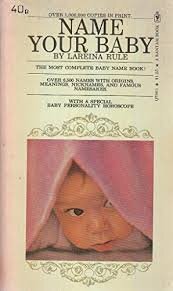
You can either invest in a book of baby names or look at baby name lists online. A great place to start is Most lists are alphabetical by gender. Simply scroll through each letter, noting the ones that seem to fit your particular characters. There are also baby name generators online, such as that you may spend a lot of time just playing around with because it’s so much fun. A bonus with baby name books and some online lists is that they also have the meaning of the names. That way if you’re naming a giant, you’ll know to look for names that mean strong or big.
 Maintain a List of Names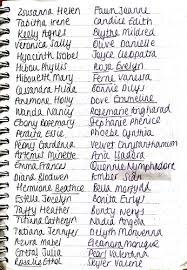
Whether it’s in a word document or a physical notebook, keep a list of names handy as you write. Whenever you read names you like, add them to the list. When you are out and about, pay attention to people’s names and jot them down so you don’t ask yourself hours later “what was that name I heard?”
Consider the Genre, Setting, and Age Level For Character NamesIf you are writing a western or cowboy romance, your character names will be very different from those of a historical fiction novel set in Victorian England. Consider too the age level of the reader. An adult may have no problem reading the name Esmerelda, although it is long. But a young reader would likely stumble over a name that long and unfamiliar. Many fantasy characters’ names are made up by the author just by playing with letters and sounds to create the right combination.
Consider Ease of Spelling and Pronouncing the NamesThis kind of goes along with age level, but readers of adult level fiction like names that are easy to say and spell too. Short names can often be a little harder to make unique, yet the simplicity of a name helps keep the focus on the story and not on the name. Usually, the most common spelling of a name is best. Adding extra letters in is unnecessary and can cause reader confusion. Example: Character name is Dale. Don’t change it to Dayle. There’s no need for it.
Each Character Name Should be Distinctively Their OwnWell, what does that mean? I’ll give you an example. In Hidden by These Walls, one of Libby’s friends is named Nicole. The husband of Libby’s boss was originally named Nico in the rough draft. My beta readers told me those names were too close and they were right. So, I changed Nico’s name to Reed and saved the name Nico for my next book. And yes, I think both names work better for both characters. Even repeated first letters can cause confusion. Think Jeff, John, and Jason. You’ll probably be confused as to who’s who. Better to name them each with different beginning letters.
Ask your Readers for InputSocial media is a great place to ask your readers for their opinions on names. Another great place is your newsletter. If you are stuck, consider your reader feedback. Name association is a big deal to some people, so you don’t want a name that is generally disliked. Take a poll and see what your audience has to say. And then listen.
 Consider Using Nicknames
If your heart is set on using a long name, consider shortening the name or assigning a nickname. A long name like Penelope can be shortened to Penny for ease of writing as well as pronunciation. Make sure that the nickname actually relates to the full name, or readers will wonder where the new character came from and why nothing makes sense.
Don’t Forget the Last NameNow that you’ve settled on a first name, it’s time to go through the entire process again with last names. This helpful website can help you come up with a last name that matches with the first name according to how they sound together, length of names, nationality, genre, setting, etc. Again, make sure the name is easy to spell and easy to pronounce.
ConclusionConclusion
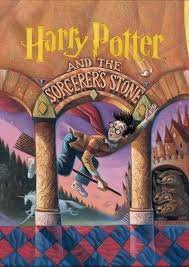
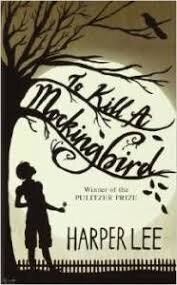
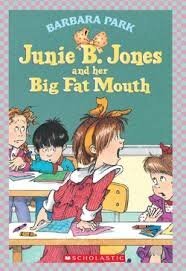
While it may seem daunting to find perfect names for all of your characters, there are some tools out there to make it easier and if you remember these tips, you’ll be coming up with some amazing names in no time. Who knows? You may come up with the next Scout Finch, Harry Potter, or Junie B. Jones.
May 31, 2026
13 Young Adult Fiction Books with the Best Found Family Vibes

The Found family trope was something I’d never heard of before I wrote my book. As a reader, I never even knew what tropes were. I just read what I liked. It wasn’t until joining the Bookstagram community on Instagram that I learned about tropes and which ones Hidden by These Walls has. Found family, or family of choice, is a literary device where characters who are not related biologically form deep connections and lasting family bonds with each other.
Since I now recognize this trope, I am finding it everywhere I look in young adult fiction and other genres too. I decided to spotlight twelve books that feature this trope in the hopes you might find the found family trope as interesting as I do. You can’t go wrong with any of these books, and neither can your teen! Books are listed by genre in no particular order.
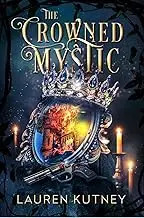
Fantasy with Found Family1.The Royal Insight Series is by Lauren Kutney and to date there are two books in this series which the author classifies as a Princess Diaries meets The Bodyguard royalty romance. In The Crowned Mystic, Elena, discovers she’s royal—with hidden powers that make her a target—and is thrown into a dangerous new world. As threats close in, Alexei, the one person sworn to protect her becomes the one she can’t resist. With relentless action, rising stakes, and a forbidden romance, this is a story you won’t be able to put down.
2. In Book 2, Hunted, Kidnapped Queen Elena must uncover who orchestrated attacks against her, while warrior Alexei Novak tears through enemy lands to rescue her before a force threatening the Markova bloodline destroys them. They stole his queen. He’ll burn the world to get her back.
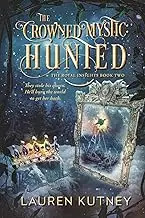
Find Lauren at laurenkutney.com or @authorlaurenkutney on Instagram.
3. The City of Shadow and Light by Catherine Argueta is set in Ebon Hollow, a land that once belonged to the Gods’ chosen people who vanished off the face of Faye. Few call it home, but to the nomad Tetara, it’s all she’s ever known. That is, until she meets Piri, a hapless and ignorant princess. Embarking on what should be a simple journey to return the young princess home, Tetara finds herself thrust into a chaotic war against the insidious Iron Clad.
Amid the mayhem, she is tormented by haunting dreams and strange visions of her forgotten past. Now she will stop at nothing to uncover the secrets of her lost memory. However, one’s past can be a deadly thing, and, with Iron Clad on the prowl, survival is unlikely.
This fateful, dark, magical adventure that will test their will and courage. After all, in Faye, a realm that mimics the Gods who conceived it, darkness always lurks just around the corner.
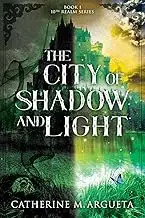
Find Catherine on Instagram @c_arguetaauthor
4. Heartmender by V. Romas Burton is a dark fantasy that takes place in the land of Barracks, where the economy thrives on the barter of their citizens’ most precious commodity—a human heart. Each year, the Heart Reign festival is thrown for those who have become of age to trade their hearts for their deepest desires. And this year is Adelaide Tye’s year to trade. After despising Heart Reign for years, Addie endures her Extraction and discovers that her heart isn’t gray and dying, like all other hearts in Barracks, but bright red, alive, and teeming with power.
With a warning from the extractor of hearts, Addie rushes through Heart Reign to make her choice—trade her heart to Schism, the monster who took her brother years before, or go in search of the Mender—a mythical man said to purify hearts and save her own heart. Either decision will rip her away from the one man who has always been by her side.
Knowing there is only one real choice to make, Addie jumps through Schism’s red door and is thrust into a dark and dangerous realm where she is faced with making a trade she may not survive.
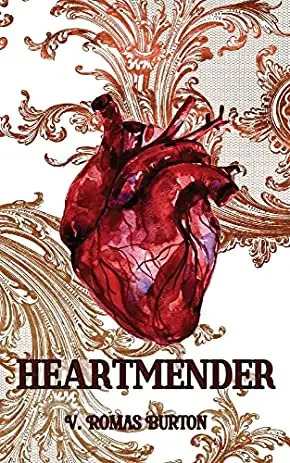
Find Vanessa at vromasburton.com or on Instagram @vromasburton.
5. Next up is The Forgotten Realm by Alexandrea Dawn. A flight interrupted. A hidden realm revealed. Danger lurking in every shadow. Lana’s life takes a turn for the impossible when she crash-lands in a world of kingdoms, dragons, and deadly threats. Trapped in a land where nothing is as it seems, she must appease a powerful monarchy and save herself and her friends from forces that would see them destroyed. She’ll do whatever it takes to get them all home—even if it means accepting a perilous mission. Will she find her way back to the life she once knew—or will this realm claim her heart and soul forever?
Find Alexandrea on Instagram @authoralexandreadawn.
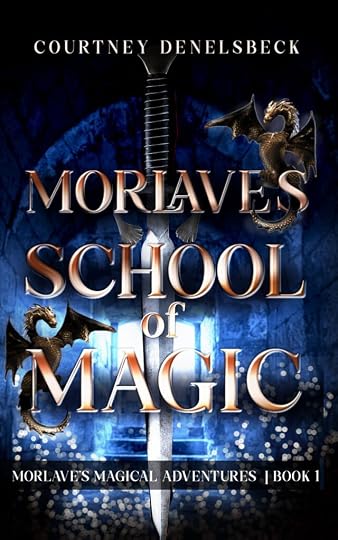
6. Courtney Denelsbeck is the author of 2 books on our list. The first is Morlave’s School of Magic, a YA Christian Fantasy. An insecure wizardry student struggles to understand why he received a rare scholarship to the most prestigious magic school in all the world. While battling to secure his position, he develops strong bonds and uncovers dark secrets.
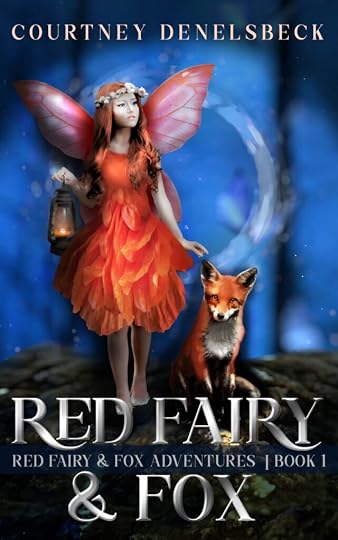
7. The next book by Courtney is Red Fairy & Fox, a Middle Grade/Lower YA Christian Fantasy. Sick of her duties as queen, Red follows a mysterious fox into another world. At first she is confused no one recognizes her. But in Faireland she is Regina, a lowly farmhand with no way back home. When she meets the unhelpful fox that led her to this strange world, destiny calls her to save both Faireland and her own world from the same evil that killed her parents.
Find Courtney at author-courtney-denelsbeck.mailerpage.io and @courtney.denelsbeck on Instagram.
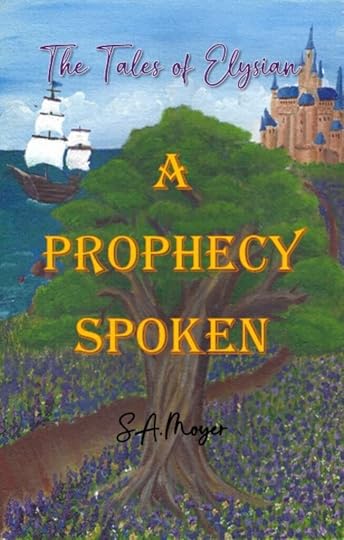
8. A Prophecy Spoken is the first book in the Tales of Elysian series by S. A. Moyer.
When young Maeve is suddenly thrust into another world, riddled with division and on the brink of war, she must fight for answers, unlock secrets, escape foes, and face decisions she never dreamed she’d need to make. Join her on a journey of adventure and self-discovery as she learns bravery, friendship, sacrifice, and most of all, love.
Find the author at thetalesofelysian.company.site and on Instagram @thetalesofelysian.
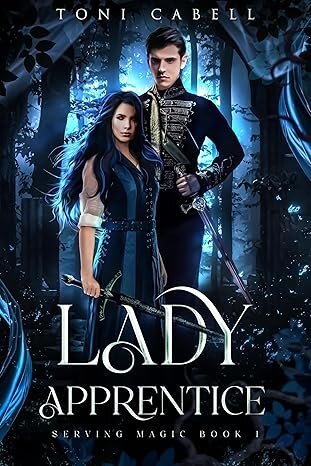
9. Lady Apprentice by Toni Cabell was a finalist for the Wishing Shelf Book Awards. Linden’s homeland is under siege. A dark sorcerer is hot on her trail. All the prophecies say Linden can stop him. Who are they kidding? Linden is the worst mage apprentice in her school—maybe in the whole country! When raiders ransack her home and steal her portrait, she realizes it’s personal. But if Linden can’t master a basic shape-shifting spell without starting a fire, how can she take on the darkest sorcerer in generations?
Find the author at tonicabell.com and @tonicabellwrites on Instagram.
Contemporary Young Adult Fiction with Found Family10. Through Quick and Quinn by Erica Mimran Sherlock is a modern story that deals with contemporary issues. Quick is a teenager drowning in the aftermath of an unspeakable tragedy. Estranged from his dysfunctional parents and disconnected from his peers, he numbs his pain with endless distractions, struggling to survive each agonizing day.
Quinn, a self-imposed outcast, seeks refuge in the spiritual world. After a heartbreaking loss, she immerses herself in energy healing, embracing nature’s solace and striving to move forward with positivity and gratitude.
Both uninterested in forming connections, Quick and Quinn are shocked to discover a bond that propels them on parallel journeys of self-discovery. As they grapple with the traumas that shattered their childhood innocence, they muster the courage to uncover the truths behind their circumstances. Delving into research and introspection, they unveil a cascade of questions about the world around them, navigating through a perceived web of lies.
Quick and Quinn were bold enough to share their tale. Will you be brave enough to read it?
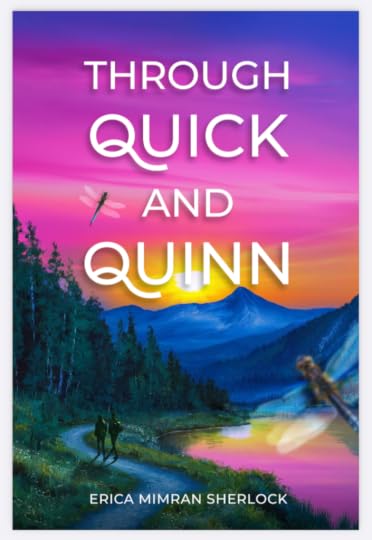
Find Erica at ericasherlock.com and @emimransherlock on Instagram.
11. I had to include the story I wrote, Hidden by These Walls by K. D. Capener. Sixteen-year-old Libby’s home life is a mess, and only her best friend Jake knows her secret. Libby’s mom uses anger, alcohol, and violence to handle life’s problems, and Libby has no father at home to intervene. The abuse that Libby has been subjected to for years starts spilling over to her younger sisters, especially after Libby gets an after-school job. Libby wants to protect her sisters, but the consequences of sharing her secret could be just as dire as keeping quiet.
Libby discovers shocking revelations about her parents that push her to act, and she and Jake make plans to inform an adult relative about the abuse. But plans don’t always go as intended. When a friend from school stumbles upon her secret, Libby knows she can’t hide any longer, and she is relieved and terrified at the same time. With time running out, can Libby trust her friends to help her save her sisters?
Set in the 1980s, Hidden by These Walls is a gripping tale of love, loyalty, and the courage to speak out against injustice.
Find K. D. (me) at kdcapener.com and on Instagram @kdcapenerauthor.
Young Adult Historical Fiction with Found FamilyOur last two books are by Sharon Cameron, one of my favorite historical fiction writers.
12. The first is Bluebird. In 1946, Eva leaves Berlin for New York City, stepping from one war into another, where power is the ultimate goal and lies abound. Eva holds secrets about Project Bluebird — a horrible experiment of concentration camps. Both the Americans and the Soviets want Bluebird. But Eva has only one mission: to bring the Nazi at the head of Project Bluebird to justice.
13. Artifice is based on the true stories of Han Van Meegeren, an art forger who sold fakes to Hermann Goering, and Johann van Hulst, and is credited with saving 600 Jewish children from death in Amsterdam. The story revolves around Isa, who becomes involved in the forgeries and the goal to save the Jewish children.
Find Sharon at sharoncameronbooks.com and on Instagram @sharoncameronbooks.
ConclusionAnd there you have it! Twelve young adult books of different genres that include the found family trope as part of the story. If found family interests you, read one of these and you can’t go wrong.
April 30, 2026
Hidden by These Walls Characters on the Menu, in the Movies, and on a Map
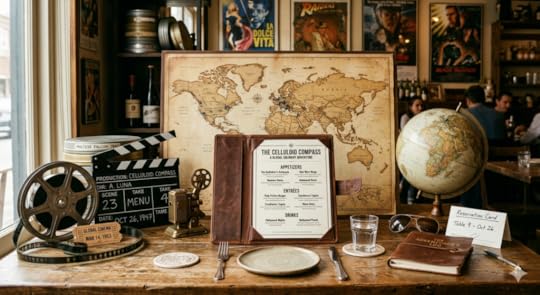
There are ten characters in Hidden by These Walls who all play important roles in the story. Each has a unique personality, and as such, each has different responses to the situations in the story. I’ve seen some trends on social media where authors describe their characters as foods, depending on the personality traits they possess. I’m taking it two steps further by also describing them as movie characters (from 1980s or older movies) and countries of the world.
Libby
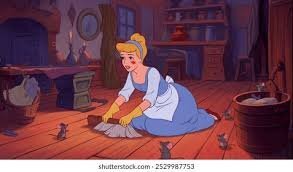
Libby is the main character in Hidden by These Walls, the one whose point of view we see. She is the older sister, the one who comforts and protects Anna and Edie. She is steady, reliable, and hard-working. Some foods to describe her would be roast beef and mashed potatoes or chicken noodle soup. Movie characters who possess the same qualities as Libby include Mr. Miyagi in Karate Kid, Fezzik in Princess Bride and Cinderella. A country that resembles Libby’s personality is Switzerland, a safe, high work ethic environment that values hard work.
Jake
Jake is Libby’s best friend, the one who knows her struggles and supports her through it all. Jake is an all-American 1980s teen who plays baseball. He could be described as loyal, stalwart and a planner. Foods to describe him would be hamburgers, fries, and apple pie. Jake could be compared to Goose in Top Gun, Alfred in Batman and Ferris Bueller in Ferris Bueller’s Day Off (minus the let’s just skip school attitude). A country that is comparable to Jake is Japan where they value loyalty in community and work, they are reliable and persevering.

Anna
Anna is Libby’s sweet and loving ten-year-old sister. She is quiet and obedient, and she tries to be brave, but deep down is very afraid. She could be compared to warm cinnamon rolls, banana bread, and hot chocolate. Her movie character resemblances would be Mary Poppins, Piglet in Winnie-the-Pooh and Charlie in Charlie and the Chocolate Factory. Anna fits the personality of Canada, where the people are polite, and they are known for apologizing often and following the rules.

Edie
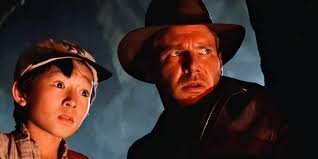
Edie is the youngest of the three sisters, at eight years old. Her personality is completely different from that of her sisters. She is a little spitfire, unafraid to challenge anyone. She’s sassy, messy, and vibrant. As foods, Edie could be described as chips and salsa, sloppy joes, and pineapple. Movie characters who are similar to Edie are Short Round in Indiana Jones and the Temple of Doom, Scout Finch in To Kill a Mockingbird and all the kids in The Goonies. Edie. as a country, fits the personality of Colombia, where the urban environment is chaotic, disorderly, and loud, but the culture is spirited and passionate.
Donna
Donna is the mother of Libby, Anna, and Edie. She is a single mom with an addiction and a temper. Her character could be described as bitter, angry, and mean. Some of the foods that compare to Donna aren’t as common as some of the foods to describe our other characters. Foods like arugula, bleu cheese, and spicy chili don’t sound quite as good to me either. Donna can be compared to Johnny in Karate Kid, Beth in Ordinary People, and Jake in Raging Bull. Several countries could be described as angry, but I won’t name them here. I’m sure you can guess some to fit Donna.

Holly
Holly is Libby’s friend from school. She is a dancer who is popular and pretty. She is trustworthy and supportive and is as beautiful on the inside as on the outside. Foods that fit Holly’s personality are grilled cheese sandwiches, sweet potatoes, and watermelon. She is similar to Mary McFly in Back to the Future, Atticus Finch in To Kill a Mockingbird, and Buttercup in Princess Bride. The country that compares best to Holly is Norway, where the beauty of the Northern Lights, mountains, and fjords is well-known and where the society is supportive and highly trusted.

Nicole
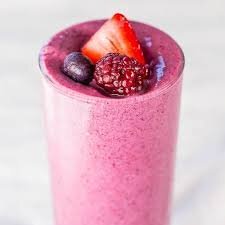
Nicole is a character who tends to be outshone by her best friend, Holly, and is always the last to know about Libby’s life, yet she remains steadfastly by their sides. She is positive, energetic, fashion conscious, and owner of lots of hair scrunchies. Nicole could be a lemon, with its zingy flavor, a fruit smoothie for its energy-giving qualities, or a chocolate chip cookie, because she’s so sweet. Nicole’s movie character twins are Jordan in Real Genius, Andie in Pretty in Pink, and Doc Brown in Back to the Future. Brazil’s energetic, friendly vibe fits Nicole’s personality nicely.
Nolan
Nolan is Libby’s stepfather, and the father of Anna and Edie. He lives in another state, so he isn’t privy to what’s going on behind the walls of his girls’ home. He is a big teddy bear, devoted and strong. You’d probably agree that honey buns and waffles describe him perfectly. He is similar to Jack in Mr. Mom, Inigo Montoya in Princess Bride and George Bailey in It’s a Wonderful Life. If you visit New Zealand, you may find the people there are friendly, strong and resilient, just like Nolan.
Jerri

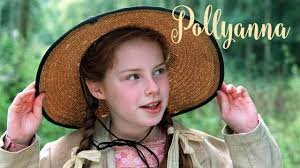
Who wouldn’t want a boss like Jerri? She Is optimistic, lighthearted, and accessible for Libby. Her concern for Libby is admirable. She’s a softie, like cooked spaghetti. She also is like popcorn, because it’s a happy snack. Jerri pays attention to Libby’s words and her actions, concluding more than Libby intends, but because of that, she is like a pomegranate, which requires attention and focus to eat. Uncle Buck, Chris in Stand by Me, and PollyAnna all can represent Jerri. The country that best describes her is Denmark, which is famous for the concept of hygge (cozy contentment).
Roy
Roy is introduced later in the book, but without him, there is no unhinged ending. He is greasy, arrogant, and immature, resembling Iceman in Top Gun, Biff in Back to the Future, and Greasy in Who Framed Roger Rabbit? He is processed cheese, green bananas and artichokes all rolled in one. Unfortunately, the best country to describe Roy is the United States of America (gasp!). Americans are often seen as arrogant with a superior attitude, by other countries.

Conclusion
There you have it: a menu, movie characters to check out, and a world map to describe the characters in Hidden by These Walls. I hope these characters interest you, and that you’ll be looking for Hidden by These Walls for your next read. Oh, and writers, try this with your characters! It’s a fun exploration of their personalities and certainly a helpful way to describe them!
March 31, 2026
Baking Perfect Sourdough Bread and Writing Captivating Stories: 6 Connections Between Them
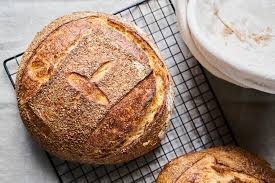
Recently, I completed my first attempt at making sourdough bread. I know you’re wondering if I was successful, and I will say I followed all the steps. It just didn’t turn out like I was hoping! I’ve heard sourdough can be finicky, so I’m determined to keep trying until I get it right. But it got me thinking about how going through the process to make sourdough bread is very similar to the process of writing a story.
You Need a StarterSourdough requires a starter that has been flour and water to keep it “alive.” The starter goes through a natural fermentation process as it’s fed. With writing, your starter is your idea(s). Every story begins with an idea, but that idea requires “feeding” to expand it into a full story or novel. The feeding of an idea is done through brainstorming, outlining, charting and notetaking, to name a few.
 You Need Time for the Starter to Be Ready
The feeding of a starter must take place over several days. It’s not going to be ready right when your neighbor surprises you with your own, so you can stop eating all of her finished products. This time to be ready to use can be compared to the shaping of story details through research, plot twist planning or getting to know your characters. It could also be compared to the development of writing skills through courses, seminars, conferences or learning one-on-one from other authors.
 The Dough Needs to Rest; So Does Your Story
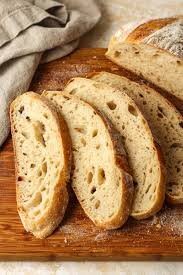
Resting time for bread is when it rises. You don’t want your bread to be dense when it should be light and airy. Guess which mine was? Maybe it didn’t rest long enough! The rough draft of your story will take a lot of time, but when you are finished, you really should take a break. If there’s one piece of writing advice I’ve gotten repeatedly, it’s this: For one month after you have finished writing your first rough draft, do not look at the story. Work on something else, catch up on household chores, take a vacation, but whatever you do, just let the story rest. When a month is up, come back to it and you’ll see much more easily how to make the story better.
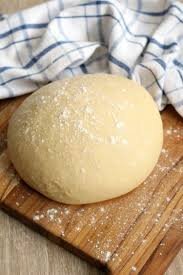 The Dough and the Story Must Be Stretched
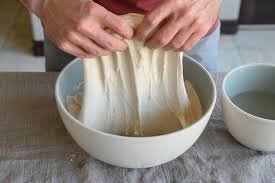
With sourdough, stretching is a mandatory step. You pull it like taffy, fold it back in and turn the bowl a quarter turn, repeating several times with periods of rising/rising in between. Your story can only be stretched into a polished tale through revising. Like the stretching of dough, editing must be done multiple times to have the most perfect work you can possibly have.
 Baking Bread and Writing Stories are both Tricky
The reason why I’m not too disappointed with how my sourdough bread turned out is that I know how tricky it can be to get it exactly right, especially the first time. It’s pretty common knowledge that it may take a few times for you to know what you’re doing. Writing is the same. It’s extremely rare for a newbie to hit the best-seller list with a debut novel. Not impossible, but rare. Writing takes continuous effort to perfect your style, your voice, and your craft before you have a big following. Remember, practice makes perfect.
 When it Works, It Works!
Perfectly baked sourdough bread should be browned to a crispy crust with those airy, open spots inside. It should be light, chewy, and tangy. Not at all like my first attempt! Your story works when it flows seamlessly, when it evokes feelings in the reader, and when it sends our imaginations to another world, place or time. You’ll know a story works when the feedback from readers is positive.
 Conclusion
Both bread-making and writing require steps that must be achieved to end up with a finished product you can be proud of. It doesn’t matter how quickly you learn the steps or how many times you need to start over, it’s all part of the learning process. Bread may have to be tossed and a draft may have to be scrapped, but that’s okay. Keep at it and it will get easier. Now who’s ready for some bread?
March 1, 2026
Reading is Fun! – 10 Surprising Benefits of Reading and How to Become a Reader for Life
March is National Reading Month, inspired by the birthday of Dr. Seuss on March 2. In honor of an entire month dedicated to one of my favorite pastimes, let’s delve into the reasons reading is beneficial and how we can foster a love of reading in others.
Benefits of Reading
Reading Expands Your Vocabulary – The best way to learn new words is to read them or hear them in conversation. Studies have shown the correlation between reading and increased vocabulary. Not only will you learn new words, but you’ll learn how to use words correctly. Relying on a dictionary for definitions ensures understanding of meaning and helps you know when to insert that word into a conversation or written work.. Reading is Exercise for Your Brain – Reading does for your brain what vitamins do for your body: It strengthens it. Reading turns your brain into a detective, helping you think critically, solve problems, analyze behavior and motivations, draw conclusions and formulate questions. Reading Enhances Communication Skills – Whether it’s oral or written communication, the more you read, the better your ability to communicate. If you want to be a better writer, or a better speaker, try reading more. And it’s not just a small benefit either. Research has shown the improvement is exponential. Over time, you will begin to feel confidence in your prose.Reading Bolsters Memory – Fictional stories are crafted with beginning, middle and end and you must remember through imagery the order of events in the story. If you skip parts of the story, the connections won’t be there for it to make sense, like you’ve hit a pothole in a road. Research has shown that levels of cognitive decline are lower in those who read regularly.Reading Equals Better Sleep – Reading helps your mind and body relax leading to improved sleep. It’s much better to read a physical book at bedtime than reading from a screen. The blue light from a device can have the opposite effect of a physical book.
 Reading Increases Empathy – Empathy is the action of understanding, being aware of, being sensitive to, and vicariously experiencing the feelings, thoughts, and experience of others. When you read, you learn to relate to the characters, thus enabling you to carry those feelings of understanding into your real life. When we take time to put ourselves in their shoes, we learn to show empathy.Reading Diminishes Stress – Regular readers already know this benefit! When we read, we block out our own life, problems, thoughts, whatever, and we focus on the story. It only takes six minutes of reading to reduce stress by almost seventy percent. That’s more than if you took a walk or turned on some music! So, pull out a book and let the stress float away.Reading Elevates Mood – Reading can provide a mental vacation, leaving us rested, refreshed, and ready to face whatever life is throwing at us. Reading can be used in treating depression, a concept called bibliotherapy.
 Reading Stimulates Imagination – As adults, the books we read are filled with text, requiring us to use our imaginations to picture the characters and the setting. The more we use our imaginations, the more it spurs our creativity in other areas of our lives.Reading Connects Us with Other Readers – Why else would there be book clubs or a entire Bookstagram community on Instagram? Those who enjoy reading want to share their love of books with their friends because it’s fun! The social connections we build through a hobby we love often last a lifetime.
Ways to Foster a Love of Reading in Children
First, start young. Read books aloud and let children touch and hold books. Point out pictures. Talk about the story after. Reread books often. Let children choose which book they want to hear/look at. Take them to the library and let them find the books they’d like.
As children get older, find books that relate to their interests. Dinosaurs one day, Baseball the next. The key is to show them all the exciting things that can be found in books.
When they are chapter book readers, find a series that matches their interests. This is a great way to keep them reading, with one book leading to the next to the next. Many times, children want to read books that make them laugh because it’s fun. And don’t forget that magazines, comic books and graphic novels all count as reading. Let them choose, let them read at their pace and hopefully you’ll have helped foster a love of reading for life!
February 1, 2026
Flavorful Foods Found in Fantastic Books
Yeah, I know, that title probably caught you a little off guard, but if you’re like me, I bet it made you think of some kind of food and book combination that brings back delicious or disgusting memories for you. Why is food so memorable in the stories we read? Because we all have to eat, right? And what better way to discover new foods or picture ourselves in the story than to mention something as relatable as a meal?
In my book, Hidden by These Walls, the circumstances are such that there’s nothing special about the meals my main character, Libby, cooks: everything from macaroni and cheese (which is a true comfort food for some people) and casseroles for dinner, to pancakes or oatmeal for breakfast. But what Libby’s sisters get really excited about are the unexpected treats they get: Twinkies, cookies, and even the Whatchamacallit candy bar (anyone remember that one?).
Food in Children’s Books
Who doesn’t remember at least one book from your childhood that mentions food? Chances are you can remember a lot of them. I was fascinated by The Very Hungry Caterpillar, by Eric Carle, eating his way through all sorts of food and seeing the very holes he made in all of them. What about the adventures Winnie-the-Pooh went on, always seemingly distracted by his love for honey?
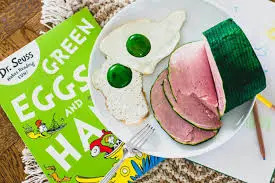
Food is also mentioned in Alexander and the Terrible, Horrible, No Good, Very Bad Day by Judith Viorst as one of the unacceptable things that completely ruins a young boy’s day. Lima beans is one of those, and I know a few someones who might agree. Green Eggs and Ham by Dr. Seuss was a crazy combo, at least to me, because I’d never eaten green eggs. But do I remember it? Of course!
And then we have books that focus on a certain food for the entire story. If you Give a Mouse a Cookie by Laura Numeroff is one giant tale that depends solely on something you might feed a rodent if you have the imagination for it. Charlie and the Chocolate Factory is a fantastical tale by Roald Dahl that is memorable because who doesn’t love chocolate? And what child wouldn’t want to spend the day inside a chocolate factory, including the mishaps?
Food Featured in Middle Reader/Young Adult Literature
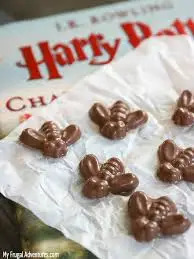
If I mentioned The Chronicles of Narnia by C. S. Lewis to you, what food would you think of? Probably Turkish Delight, the magical confection to which Edmund is so drawn. How about the Harry Potter series? I bet you couldn’t name all the food enjoyed in those beloved stories! Butterbeer is the most memorable for me, especially since it is sealed in my mind forever. A visit to Universal Studios provided opportunity for a glass of that taste bud-approved delight. I was in heaven!
Let’s not forget all the floating delicacies during the Hogwarts meals. Roast beef and sausages, puddings and pies made Harry glad for a world of food otherwise unavailable to him in the Dursley’s home. But the visits to Honeydukes really provided some joy for Harry and his friends. With candies galore, the shop provided more tasteful (get it?) fun than Harry, or we, had ever experienced. Who didn’t want to try chocolate frogs, Fizzing Whizzbees, and even Bertie Bott’s Every Flavor Beans? Be careful what you choose though!
The Hunger Games might at first glance seem like the title of a book about getting your preschooler to try new foods, but we all know it as a dystopian tale of something more focused on deprivations of all kinds (except for the Capitol). Katniss had to hunt or trade for food. So, when Peeta tossed a loaf of burnt bread from his family’s bakery to the starving Katniss, we all felt what she did: relief at finally having food in her stomach.
Adult Genres Don’t Forget the Food Either
Several authors have taken the food theme and run with it, creating entire culinary mystery series. Diane Mott Davidson’s main character, Goldy Bear, is a caterer who gets mixed up in all sorts of murder and mayhem. Readers are given the recipe for each of Goldy’s dishes, providing a way to enjoy it for themselves. There are other series that have the same concept, including Josi Kilpack’s Sadie Hoffmiller mysteries and Joanne Fluke’s cozy mysteries featuring baker Hannah Swensen.
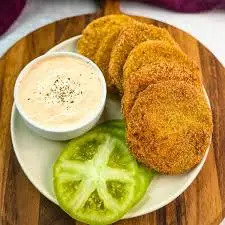
And adult genre that tends to showcase foods with cultural significance include historical fiction. Fried Green Tomatoes at the Whistle Stop Café by Fannie Flagg is an example. Historical fiction can bring on all the nostalgic memories of foods we grew up with or wish we could have again.
The romance genre is big on fabulous foods. How many couples have fallen in love over a picnic, or a fancy restaurant meal or even a cozy, home-cooked dinner? Richard Paul Evans, author of several Christmas romance novels, includes food regularly in his stories. And more often than not, many of the dishes mentioned are Italian fare, because of his love of Italy.
Food + Books = A Deliciously Good Time
I think you can see that one tried and true element to include in your books is food! In every genre, from ages 0-100, food helps us feel strong emotions, forgotten memories or excited adventurousness that can come in no other way. Pay attention the next time you read to how many times food is mentioned. See if that doesn’t bring the story to life.
Happy reading and eating!
January 1, 2026
2 Types of Publishing: Self or Traditional and Which is Best for You?
It’s funny when I talk with someone unfamiliar with the publishing industry. Some of them don’t realize there are different types of publishing. So, let’s pretend we’re all new to this and hopefully answer some of the most asked questions about the differences between self-publishing and traditional publishing. And I’ll explain my journey to publication.
Self-Publishing
Someone once asked if self-publishing meant I did everything myself. And I had to say, “Yep, pretty much!” And even if it doesn’t mean I did all the work myself, like my cover for instance, it certainly does mean that I am the one in charge of all the decision making for my work. I run the show. That can be daunting, especially when you are inexperienced or just learning. Let’s take a look at the pros and cons of self publishing.
Pros: 1. You are in charge! That means you get to decide what you write. If it’s really important to you to not have any of you story left out, you’ll probably like this aspect of self-publishing. You also get to choose who will edit your book, proofread your book, and design the cover. You can choose where and how you will publish. For example, do you only want ebooks, or do you want physical books too? Making that decision will help you narrow down which platform you’ll use for publishing. Some of the most common are KDP (Amazon), IngramSpark, Draft2Digital and Barnes and Noble Press.
2. You’ll save time. Self-publishing will get your book out to your readers so much faster than traditional publishing will. Most of your timeline with self-publishing is in your control: how fast you write, edit, design, format, and hit publish. We’re talking about years of time you aren’t querying to find an agent, then waiting for said agent to sell your book. Once a traditional publisher agrees to publish, your book will be placed in a long line behind all the other books they need to publish first.
3. You’ll receive higher royalty rates than traditionally published authors. Now don’t get too excited. It’s not THAT much more. As a self-published author, you have to pay for any printing costs too, so it narrows the gap a bit.
4. You will always have the rights to your work. In the traditional publishing industry, your rights can be sold to the publisher to do what they’d like with your book. Use a purchased ISBN and you will be your own publisher.
Cons: 1. You will pay for everything! And I do mean everything. Need a content editor? What about a copy editor? How about a formatter or cover designer? Those things cost money, sometimes a lot of money, and it all comes out of your own pocket. If you’d rather purchase software to help with formatting, for instance, that too will cost you. Running any kind of advertising also adds up quickly. Just be prepared for this by saving your money for publishing like you’d do for any other large purchase you would make. If you are traditionally published, the publisher covers these costs for you.
2. You are your own marketer. Marketing is a huge deal, and probably the one area where writers struggle the most. All social media marketing and content creation is on you unless you hire someone, but then you’re back to con #1. Knowing where to market and how much to spend on advertising is a learning process. You just have to try things and see what works. Marketing yourself can be scary. Most authors would much rather just write, but marketing is a necessity if you want people to know about your book. A traditional publisher has more money to put towards marketing, but they still expect you to do much of the work yourself.
3. It may take a long time to be recognized for your work. Because you are only one person trying to do it all and not a large corporation with resources to help your book become visible to the world, you will likely struggle with fluctuating sales. It will take time to be noticed. You will likely have to exert much effort into placing your books in stores. Traditional publishers can place your books in any store worldwide. To me, that’s the biggest advantage of going with a traditional publisher.
My Story
As a newbie author, my biggest fear has been the marketing aspect. I specifically struggle with promoting myself or my work on social media. It’s been a learning curve for sure, and I’m still learning, but I’m more comfortable with it now. I originally hoped to be traditionally published, but the querying process to find an agent was so long and I wanted to get my book out now, not five years from now. Once I made the decision to stop querying and go with self-publishing, I had a lot to learn. And I still do. One suggestion would be to find some author friends who can answer questions and provide some guidance. I have also found the author community to be very supportive and motivating for each other. Use resources on the internet to help teach you. There are plenty of classes/webinars you can participate in.
Ultimately, the decision is yours. I hope by using the information provided here, it will help make that decision easier for you. Go with your instincts. Follow your heart. I wish you the best of luck!
K. D. C.
December 1, 2025
7 Tips for Creating Eye-Catching Book Covers
Since publishing Hidden by These Walls in October, I’ve had several compliments on the cover. I was even interviewed for Pressing Matters podcast, discussing the creation of the cover. If you haven’t listened to that interview, you definitely should (Nov 21 episode on Spotify or YouTube!)
Take a look at the cover of Hidden by These Walls. It’s dark and moody with realistic characters, a full moon, the woods, and an old gray house, all elements important to the story. Today I want to give you some tips to consider as you prepare to create your own eye-catching book covers.
Pay attention to the genre. Rom-coms are clearly identifiable by their illustrated characters and bright, cheerful colors. Fantasy books typically have a calligraphic font and monsters, swords, crowns and magical elements. Now if it’s romantasy, they typically include a couple on the cover as well. It’s pretty obvious that horror or thrillers have a bold font and spooky elements like ghosts, haunted houses, blood, etc.Consider your use of color. Color reflects mood, so think about the tone or feel of your story. You want to use a color that best represents that feeling.Red can represent boldness, anger, danger, passion or power. I often see it on thriller or horror books because they scream of all the descriptors above. Sometimes red can give a feeling of foreboding and that’s why those genres use it. Since red is also a Christmas color, so you’ll see it as a prevalent color on holiday stories too.
Blue can be a calm color or a deep, mysterious color depending on the shade. Blue seems to be a very common choice for every genre of book from romance to sci-fi. Most books I’ve seen have some element of blue on the cover.
Green reflects nature, magical elements, peace and refreshment. Several fantasy books have green covers for this reason. Green is, not surprisingly, showcased on holiday fiction
Purple reflects royalty, magic, and power. Deep purples are great for fantasy books or fairy-tale retellings. Purple creates a mystical feeling and a sense of wonder.
Yellow=happiness and sunshine. Pink=love and fun. Orange=warmth and energy. Think Fall and Halloween too.
3. What about the font? Does it really make a difference what your title and author name look like on the cover? Most definitely! Some books have large, bold lettering that takes up most of the cover with minimal design. If that is what you like, go for it, but as a reader, I like to have some indication of what’s actually in the book. A smaller font allows other elements of the story to be showcased as well. Do you want your title in all caps? Or do you want a softer, swirly font for a lighter read?
Think about what type of book you’ve written and make choices that relate. The font for Hidden by These Walls has little fracture lines embedded in it, so it’s perfect for my story. My favorite part of the title is the little BY hiding in the word HIDDEN. It is a creative way to show the story is about secrets just by hiding that little word.
4. Consider the most important aspects or scenes of your book. Would it give too much away if you showcase one of them on the cover or would it create a sense of intrigue or wonder in the reader? We all know that we shouldn’t be judging a book by its cover, but everyone I know does, including myself. If the cover images spark my curiosity, chances are I will pick up the book to read the blurb.
5. Decide who will design your cover. Are you gifted in graphic design? It’s possible you could create your own cover, but if you’re like me, that’s not happening. Look for reputable companies or individuals to work with you. I was worried about finding someone who wouldn’t take my money and run or someone who would be able to take my vision and convert it into something that looked professional without breaking the bank.
I didn’t have a huge budget to work with and when I found Getcovers.com, I wasn’t sure about them because the cost seemed so inexpensive. I decided to give them a try, thinking that if the cover came back and I didn’t like it, I wouldn’t be out much money. Turns out, they did an excellent job. I was pleased with most elements of the cover from the get-go, and with a couple minor tweaks I had my cover in a short amount of time.
6.What kind of finish do you want? Shiny or matte?
Shiny finishes allow darker colors to stand out more. They are reflective and will have glare. They also will show fingerprints.
Matte finishes are more sophisticated and have a soft feel. They tend to mute bright colors and can look dirty from handling. My advice is to take a trip to the bookstore. Hold and feel books with shiny and matte covers, so you know what you like and what is more appropriate for your work.
7. Have fun with the process! Your book is the packaging for your words, so enjoy making it exactly what you want it to be.
I hope these ideas will spark your imagination on your journey to creating an eye-catching book cover!