Courtney C. Stevens's Blog
December 20, 2015
New Website
Please visit:
courtneycstevens.com
This site will be redirected very soon.
courtneycstevens.com
This site will be redirected very soon.


June 27, 2015
Time Management for Artists
When I was in college, one of my professors introduced a theory on time management called 21 Blocks.
Every day had 3 primary time blocks: morning, afternoon, and evening, which meant each week had 21 Blocks. The theory suggests that each time block should be designated for something specific. One might say, "Each week I'll give four time blocks to family, ten to work, three to exercise, three to entertainment, three to personal growth." (Or however you need/want to break up your time.) Scheduling these particular blocks would bring purpose, reduce guilt, and empower the person to better yeses and nos. My professor suggested that whether we used 21 Blocks or not, that time needed to be allocated or it would be lost or misused.
I never wanted the rigidness of committing to only do x activity during y time at an hour-by-hour emphasis, but the philosophy resonated. Planning productivity//scheduling success: that was something I got behind and started to live out.
Over the years, I've fleshed out my own theories regarding productivity and success, and I thought there might be a few type B creatives who would appreciate a type A/B approach to creativity. I don't use the 21 Block Method. I use a modified 12 Chunk Idea. I have found that it brings purpose and possibility, reduces my guilt, and empowers my decisions. Warning: none of this is rocket science.
Here's what I do:
1. Understand what it is I want (from my career.)
This is actually different from setting goals, because want comes from the ID part of your brain. Execution comes from the EGO. My friend and mentor Ruta Sepetys uses the guiding question, "What do I want my name to mean?" to define want, and I think this is a stellar approach.
Saying "I want to be successful" is dangerous. Success is a moving target and so very personal to each of us. (For instance, I volunteered one day with an adaptive climbing clinic at my gym. I worked with a disabled boy for nearly an hour to be able to place his foot on a toehold that was four inches off the ground. Upon achievement, he looked at me and said, "I'm climbing," and all the volunteers cried. For me, that same climb wouldn't have been achievement. For him, it was a gold medal effort, a perfect success.) Achievement must be personalized and accurately defined. So a follow up to that initial question is useful: I'll know I've achieved success when ________ happens.
2. I write down measurable goals in two stages.
One, the big goal or the big success destination.
Two, the pitstops I'd naturally (seemingly) have to pass along the route to that success destination.
(I do this every January 1st and have for years.)
3. I "Time Chunk" the year in months based on realistic expectations, known deadlines (both personal and professional) and the knowledge of how I work best.
This is my actual Time Chunk Calendar for 2015. (It will be different in 2016.)
January, February and March are drafting/revising months.
April and May are marketing months.
June and July are rest and exploration months. (i.e. I'm playing around with a middle grade that has permission to suck.)
August and September are draft-a-100 pages of Book Four months
October and November are marketing months
December is marketing and family.
Here are some of the things that informed those Time Chunk choices:
I had an April 1st deadline for my third novel, Dressing the Part.
My next deadline isn't until April of 2016, but time is sneaky.
My next novel, The Lies About Truth releases November 3rd.
I want to add MG to my repertoire over the next three years. (Yes, I build five and ten year trajectories for my career.)
I believe in taking sabbath time and I often can't on a weekly basis, because I juggle three jobs.
4. I assign pitstop destinations to each Time Chunk and I protect them.
For instance, I want to do 24 school visits in 2015 based on one of my overarching goals, I want my name to mean "Friend to Educators." Because I was drafting in the spring, I gave the weight to the fall and set the following pitstop goals:
I would like to do 10 school visits in April and May
I would like to do 14 school visits in October, November, December.
Other than schools I'd booked too far in advance, every single time an educator approached me for a visit that would take place in January, February or March, I said, "How about April or May?"
Does that mean if my editor comes back in April and May and asks that I do a revision I say, "I'm sorry, I'm not back to writing until June." Of course not. I adapt. Time Chunking is about creating ideal conditions and focus, not about controlling everyone/everything around me.
What I've found from using this method:
-Measurable productivity.
-Career trajectory.
-Focus.
I used to struggle with thinking I needed to be marketing and writing at the same time. Maybe some writers can do this. I can't. Those two things feel separate and come from different parts of my brain. When I gave myself permission to say, "I'm not worried about marketing right now; I'm drafting" or "I'm focused on marketing for this month; all of my story work exists in liminal space until August" I felt the incredible gift of focus.
-Less guilt.
If I know what I want and I'm working toward it, then when I use my NOs, the Nos come from a conviction rather than laziness and my yeses come from trajectory rather than succumbing to people-pleasing pressure
-A stronger sense of being present.
I used to be body in one place, mind in another all the time. I've managed to reduce some of my wandering attention span by giving myself permission not to do all of the things all of the time.
-Freedom.
Being locked in at the hourly level of 21 Blocks gave me hives. When I tried adaptations of this, I constantly felt like a failure and feelings of failure drain my energy levels. (I was supposed to get x done, and I didn't because of this unforeseen circumstance that popped up.) Having a month or sometimes three months to achieve a pitstop goal something gave me freedom to make soup for a sick friend or take a really long walk or drive the Trace to clear my head or watch a soccer game. I'm going to work a lot (because of the sheer number of jobs I hold), but I don't have to be a slave to those jobs. I am a human being, not a human doing.
-Less stress in a stressful profession.
Does Time Chunking work all of the time?
No. Unexpected things come up and I adjust. I.e. August and September are writing months, but I will be attending the SCBWI LA Conference, TASL regional conference, SCBWI Midsouth Conference, and a MadCap Retreat. Those tighten the schedule and mean I'll say no to more day to day social things, but I'm committed to those organizations because they meet a larger goal for my I want my name to mean, "Generous and growing professional."
Will Time Chunking work for everyone?
Probably not. The goal is to find something that produces feelings of success and impact in your life
Do I hope Time Chunking helps someone?
Absolutely.
Every day had 3 primary time blocks: morning, afternoon, and evening, which meant each week had 21 Blocks. The theory suggests that each time block should be designated for something specific. One might say, "Each week I'll give four time blocks to family, ten to work, three to exercise, three to entertainment, three to personal growth." (Or however you need/want to break up your time.) Scheduling these particular blocks would bring purpose, reduce guilt, and empower the person to better yeses and nos. My professor suggested that whether we used 21 Blocks or not, that time needed to be allocated or it would be lost or misused.
I never wanted the rigidness of committing to only do x activity during y time at an hour-by-hour emphasis, but the philosophy resonated. Planning productivity//scheduling success: that was something I got behind and started to live out.
Over the years, I've fleshed out my own theories regarding productivity and success, and I thought there might be a few type B creatives who would appreciate a type A/B approach to creativity. I don't use the 21 Block Method. I use a modified 12 Chunk Idea. I have found that it brings purpose and possibility, reduces my guilt, and empowers my decisions. Warning: none of this is rocket science.
Here's what I do:
1. Understand what it is I want (from my career.)
This is actually different from setting goals, because want comes from the ID part of your brain. Execution comes from the EGO. My friend and mentor Ruta Sepetys uses the guiding question, "What do I want my name to mean?" to define want, and I think this is a stellar approach.
Saying "I want to be successful" is dangerous. Success is a moving target and so very personal to each of us. (For instance, I volunteered one day with an adaptive climbing clinic at my gym. I worked with a disabled boy for nearly an hour to be able to place his foot on a toehold that was four inches off the ground. Upon achievement, he looked at me and said, "I'm climbing," and all the volunteers cried. For me, that same climb wouldn't have been achievement. For him, it was a gold medal effort, a perfect success.) Achievement must be personalized and accurately defined. So a follow up to that initial question is useful: I'll know I've achieved success when ________ happens.
2. I write down measurable goals in two stages.
One, the big goal or the big success destination.
Two, the pitstops I'd naturally (seemingly) have to pass along the route to that success destination.
(I do this every January 1st and have for years.)
3. I "Time Chunk" the year in months based on realistic expectations, known deadlines (both personal and professional) and the knowledge of how I work best.
This is my actual Time Chunk Calendar for 2015. (It will be different in 2016.)
January, February and March are drafting/revising months.
April and May are marketing months.
June and July are rest and exploration months. (i.e. I'm playing around with a middle grade that has permission to suck.)
August and September are draft-a-100 pages of Book Four months
October and November are marketing months
December is marketing and family.
Here are some of the things that informed those Time Chunk choices:
I had an April 1st deadline for my third novel, Dressing the Part.
My next deadline isn't until April of 2016, but time is sneaky.
My next novel, The Lies About Truth releases November 3rd.
I want to add MG to my repertoire over the next three years. (Yes, I build five and ten year trajectories for my career.)
I believe in taking sabbath time and I often can't on a weekly basis, because I juggle three jobs.
4. I assign pitstop destinations to each Time Chunk and I protect them.
For instance, I want to do 24 school visits in 2015 based on one of my overarching goals, I want my name to mean "Friend to Educators." Because I was drafting in the spring, I gave the weight to the fall and set the following pitstop goals:
I would like to do 10 school visits in April and May
I would like to do 14 school visits in October, November, December.
Other than schools I'd booked too far in advance, every single time an educator approached me for a visit that would take place in January, February or March, I said, "How about April or May?"
Does that mean if my editor comes back in April and May and asks that I do a revision I say, "I'm sorry, I'm not back to writing until June." Of course not. I adapt. Time Chunking is about creating ideal conditions and focus, not about controlling everyone/everything around me.
What I've found from using this method:
-Measurable productivity.
-Career trajectory.
-Focus.
I used to struggle with thinking I needed to be marketing and writing at the same time. Maybe some writers can do this. I can't. Those two things feel separate and come from different parts of my brain. When I gave myself permission to say, "I'm not worried about marketing right now; I'm drafting" or "I'm focused on marketing for this month; all of my story work exists in liminal space until August" I felt the incredible gift of focus.
-Less guilt.
If I know what I want and I'm working toward it, then when I use my NOs, the Nos come from a conviction rather than laziness and my yeses come from trajectory rather than succumbing to people-pleasing pressure
-A stronger sense of being present.
I used to be body in one place, mind in another all the time. I've managed to reduce some of my wandering attention span by giving myself permission not to do all of the things all of the time.
-Freedom.
Being locked in at the hourly level of 21 Blocks gave me hives. When I tried adaptations of this, I constantly felt like a failure and feelings of failure drain my energy levels. (I was supposed to get x done, and I didn't because of this unforeseen circumstance that popped up.) Having a month or sometimes three months to achieve a pitstop goal something gave me freedom to make soup for a sick friend or take a really long walk or drive the Trace to clear my head or watch a soccer game. I'm going to work a lot (because of the sheer number of jobs I hold), but I don't have to be a slave to those jobs. I am a human being, not a human doing.
-Less stress in a stressful profession.
Does Time Chunking work all of the time?
No. Unexpected things come up and I adjust. I.e. August and September are writing months, but I will be attending the SCBWI LA Conference, TASL regional conference, SCBWI Midsouth Conference, and a MadCap Retreat. Those tighten the schedule and mean I'll say no to more day to day social things, but I'm committed to those organizations because they meet a larger goal for my I want my name to mean, "Generous and growing professional."
Will Time Chunking work for everyone?
Probably not. The goal is to find something that produces feelings of success and impact in your life
Do I hope Time Chunking helps someone?
Absolutely.
June 13, 2015
MadCap Retreats: The Anatomy of Publishing
 From Rose-Lynn Fishers
 Topography
of Tears StudyI had a semi-breakdown last year. There were many reasons. My financial life wasn’t awesome. My relational life really wasn’t awesome. My creative world crumbled.
And I was on deadline. Of course. For two months (maybe more), I cried every day. Nearly every tear was amassed in front of my computer.
I had failed and every time I looked at the computer screen, failure winked at me like we’d made a blood pact—you and me kid, we’re evergreen, it mocked. The failure used a particular whip of words to strike me. Here is what I heard: You aren’t smart enough to fix this. Not your life. And certainly not your manuscript. You’ll have to move home and live with your parents. Faking Normal was a fluke.
Have you ever stared down your computer and wondered? Am I smart enough to do this?Can I write this book?
Am I good enough?
Am I worth of being an author?
I have.That’s why I am writing this post. Also, because I found a stopgap for that downward spiral—a simple solution.
The stopgap to that terrible taunting voice is more education. You see, I’d heard that voice before. Growing up, I wasn’t ever the smartest in the class, but I was a great student. I hung my hat on studying—on my ability to learn, rather than my ability to know. And when I hit this breakdown, I went back to that truth.
I wasn’t failing because I wasn’t smart enough, I was failing because I didn’t know enough.
 Huge difference. I set out from that realization to study and grow as a writer. I sought the advice and wisdom of other authors. They all pointed me in the direction of John Truby. This book was like finding a handful of keys to the locked doors of my manuscript.
 John Truby’s The Anatomy of Story helped me.And I’d like to offer that same help to others.
I spent 200+ hours studying and translating his work for young adult culture. I built a personal workbook for individual manuscripts. I built stopgaps for others, and then I led a retreat. It helped other writers. Now, I want to do that again in August.
So, this incredible long post is an invitation to join me for a weekend retreat. Please click this link and check it out:
http://madcapretreats.com/anatomyofstory.html
I won’t promise you the earth will tilt on its axis if you attend, but I can promise you’ll leave more confident in your own abilities as an artist. (Not to mention, you’ll leave with a personal marketing plan. See the retreat description for more information.) If you need a pick-me-up, this might be it for you. Take a risk with me. Find your stopgap.
Because I believe in this retreat (in all the Madcap Retreats), I’m trying to spread the word. I have an amazing team of bloggers who volunteered to generate traffic, but I’m also asking you for help. Please spread the word.
In return for sharing your platforms, I’m offering a contest to treat you to these prizes:
3- $300 coupons to this Madcap Retreat: 1- 50 page manuscript critique by me (Courtney C. Stevens)3- signed copies of Faking Normal1- ARC of The Lies About Truth5 - electronic copies of The Blue Haired Boy
The contest runs from June 15th-June 20th. U.S./Canada only for mailable prizes.
Click here to enter:
Praise for this workshop:
This series of workshops would benefit both the beginning writer and the novelist with several books on the shelf. Courtney Stevens’s teaching style combined with the accessible material make this a learning experience that could level up any writer on the publishing journey.--Rae Ann Parker
The wisdom in that room was tangible and contagious, and I hope I caught enough of it to be able to apply John Truby's ANATOMY OF STORY to all of my future manuscripts.
-- Genetta Adair
April 16, 2015
Dressing UP
Occasionally, I get an idea for a post that I have no idea if it will ever move from unpublished draft to published post.
This is one of those.
It will not be made of rocket science and publishing secrets. Rather, it will be made of realizations.
I spent the last few days at Dragon Con in Atlanta. For those of you that know what that is, awesome, take a break. For those of you who have never been or heard, Dragon Con is a twenty five year old convention gathering of science fiction and fantasy fans. Or as I described it on Twitter, four days of adult Halloween on the planet of Geek and Fan.
It's brilliant, and it's also crazy overwhelming. I suppose I could say a great many things about the Con and the things I saw but I'd rather zero in on one thing.
I know why 55,000 adults dress up.
It's not because it's fun.(It is.)It's not because it's creative. (It is.)It's not just to honor the particular medium they happen to love. (Although that's awesome.)It's not to impress people. (That happens at every turn of the street corner.)
It's because four those four days you get a free pass to be someone else.
And not just anyone.
You get to be an already developed character. Their behavior is acceptable. Their clothes (however scarce) are acceptable.
Their theirness is you. Just for a short while you get a vacation from you and everyone embraces it.
I know I'm speaking directly to the psychology of cosplay, but I didn't understand it until this weekend. I think this is the first time in my adult life where I played around with being a different version of me.
I mean this is me: [image error]
Chacos, running shorts, t-shirt, I probably haven't brushed my hair before I jerked it back in a ponytail. (I don't usually have the watermelon tho.)
I'm usually a ruckus of a girl.
This was me at Dragon Con:
[image error]
I don't even know what to make of this girl.
But I liked her.
I kept trying to figure out if I was her or if she was some else I was just playing at. I'm still not sure.
Is that a costume? Yes!Would I wear those clothes again (sans temporary tattoos)? I think so.Would I have before the Con? No.
As a writer, I create characters. And honestly, they are all me. Some version of me. Me selfish. Me brave. Me as a parent. Me as a scared kid. Me saving someone. Me hurting someone. Me winning. Me losing. Me loving. Me living poorly. Me shallow. Me deep.
It sounds narcissistic at first. But honestly, it's terrifying. If I really liked myself that much, I'd never share that much. I know the best and worst parts about myself. All the things I don't really want to share, but I chose to do through a character. It's vulnerability in a way I can't describe.
This is one of those.
It will not be made of rocket science and publishing secrets. Rather, it will be made of realizations.
I spent the last few days at Dragon Con in Atlanta. For those of you that know what that is, awesome, take a break. For those of you who have never been or heard, Dragon Con is a twenty five year old convention gathering of science fiction and fantasy fans. Or as I described it on Twitter, four days of adult Halloween on the planet of Geek and Fan.
It's brilliant, and it's also crazy overwhelming. I suppose I could say a great many things about the Con and the things I saw but I'd rather zero in on one thing.
I know why 55,000 adults dress up.
It's not because it's fun.(It is.)It's not because it's creative. (It is.)It's not just to honor the particular medium they happen to love. (Although that's awesome.)It's not to impress people. (That happens at every turn of the street corner.)
It's because four those four days you get a free pass to be someone else.
And not just anyone.
You get to be an already developed character. Their behavior is acceptable. Their clothes (however scarce) are acceptable.
Their theirness is you. Just for a short while you get a vacation from you and everyone embraces it.
I know I'm speaking directly to the psychology of cosplay, but I didn't understand it until this weekend. I think this is the first time in my adult life where I played around with being a different version of me.
I mean this is me: [image error]
Chacos, running shorts, t-shirt, I probably haven't brushed my hair before I jerked it back in a ponytail. (I don't usually have the watermelon tho.)
I'm usually a ruckus of a girl.
This was me at Dragon Con:
[image error]
I don't even know what to make of this girl.
But I liked her.
I kept trying to figure out if I was her or if she was some else I was just playing at. I'm still not sure.
Is that a costume? Yes!Would I wear those clothes again (sans temporary tattoos)? I think so.Would I have before the Con? No.
As a writer, I create characters. And honestly, they are all me. Some version of me. Me selfish. Me brave. Me as a parent. Me as a scared kid. Me saving someone. Me hurting someone. Me winning. Me losing. Me loving. Me living poorly. Me shallow. Me deep.
It sounds narcissistic at first. But honestly, it's terrifying. If I really liked myself that much, I'd never share that much. I know the best and worst parts about myself. All the things I don't really want to share, but I chose to do through a character. It's vulnerability in a way I can't describe.
January 18, 2015
Marketing and Myers-Briggs
For a long time now, I have been studying book marketing. Not professionally, of course. Primarily just for my own knowledge in hopes that I might be successful with sales of my debut novel, Faking Normal and subsequent titles. Like many authors, I only have a limited budget for which to market my books, and I want to use those dollars in the best possible way. If using your time, energy and money more wisely to sell your book sounds like something you’re interested in, keep reading.
Over the last six months, I’ve found a connection between my Myers-BriggsType Indicator Test (personality type assessment tool) and my natural marketing style. I have a background in mental health studies that prompted the interest. I thought it might be helpful to share the insights with other authors. If you are completely unfamiliar with MBTI, please click here for more information: http://www.dec.co.th/mbti_explanation.htm
Because the MBTI is a professionally administered test, I will suggest a basic free tool that I have found to be relatively accurate and then make broad marketing suggestions based on your primary results.
[Please note that this is not a true scientific analysis. These are only my thoughts and basic suggestions. A much more in-depth study could be done with additional time.] Overall, it will take you about ten minutes and it might just save you some guilt and worry. I often think I should be doing ALL THE THINGS EVER or my book WILL NEVER SELL. But the reality is, no one can do all the things, but everyone needs to find a way to sell their book. This will give you a direction of where to focus your time and energy. It doesn't mean that you don't possess the skills sets to do other marketing tools; only that they won't feel like your natural style or as energy-giving when you do them.
This will be a three step recommendation.
1. Take the following free test: http://www.16personalities.com/free-personality-test It is a free (and shorter) test of the Myers-Briggs. In roughly ten minutes, it will score you on the eight primary indicators: extravert/introvert, Sensing/Intuiting, Thinking/Feeling, Judging/Perceiving. Even if you know your Myers-Briggs code, as many of you will, I recommend you take the test again to identify your strongest percentage. Some of you may get a different score than in a previous test. That is okay. We're just trying to identify the strongest indicator on your code.
2. Identify your strongest percentage.
For instance, here is mine. Of all the traits, my J is the strongest.
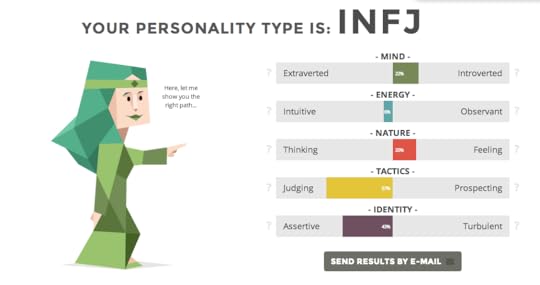
And as you can see, my full score is INFJ. For more information on code scores, this link will help: http://www.16personalities.com/personality-types We're not going to worry about the full score here, although, I do believe that knowing your full score and using it to market is very wise.
3. Use the below categories to see my very basic marketing advice based on your personality type. You don't have to read all of the below; skip to your particular heading, and please know my only goal here is to help writers identify some form of marketing that feels intrinsic to them rather than something they “have to do.”
Extraverting – This trait primarily deals with energy derived from interacting with people. If this is your primary percentage, then you need to be driving your marketing energies toward eventing (panels, school visits, book festivals, etc.) It will fill you; feeling like intake rather than output. That doesn’t mean you won’t be tired or run down ever, so be careful, but it does mean you will probably feel a people-high from engaging with others about your book. (You can probably do events while you are on deadline.) That energy will translate to readers and ultimately sell your book to more people.
Introverting – Because you don’t derive energy from group interaction, you want to drive your efforts toward things that can be done in solitude or small groups, rather than large-scale events. [Note: This doesn’t mean you can’t/shouldn’t do events; it means, they will rob you of energy. They might be particularly hard when you are on deadline or if you have a number of events back-to-back. They might even cause resentment for taking away your alone/family time.] I suggest that you drive your main marketing efforts into mailings. Send schools posters, bookstores postcards, develop awesome swag that you can mail to readers. Don’t fall into the trap of thinking that this means you will love social media; social media is still interaction and requires an enormous amount of effort. No one on social media believes in the wizard anymore. They all know that the great and powerful OZ is a real person and they want to see that real person.
Sensing/Observing– If this is your primary percentage, the thing within marketing that will satisfy you is measureable results. You don’t want to buy a bunch of swag and send it out because who knows if that really does build readership. And what if you do an event with only a few people? Is it worth it to take time away from your family or interest or writing for that? Probably not. You say things like: I want to know what things actually sell my book. So what do I recommend for you? Not a suggestion, but a theology of marketing. Test your market. Measure the results. Lean into the highest yield. It will make you happy because you know the things you are doing work. You will feel good about your time and the ability to justify it to others. You will find yourself trending toward traditional marketing strategies. That’s okay. If someone puts pressure on you to think out of the box, brainstorm with a Thinker or Perceiver.
Intuitive – If this is your primary percentage, here’s the cold hard truth. You probably don’t care a hill of beans about marketing; you just want to write a better book. You’re creative and imaginative and marketing feels like dirty work that takes you away from what you really want out of being an author. You think, shouldn’t I be writing? And the only way to sell a book is to write a great book. Here’s my best advice for you: develop a great relationship with the marketing team at your publishing house. Try to convince them to not only champion your books, but you. Because at the end of the day, you’re not going to be the primary marketer of your book, but someone needs to be. If your house isn’t doing it, I recommend giving some hard earned pennies to a professional company.
Thinking – Because you guys are logical and critical, it will be worth your weight in gold to figure out how to apply those logical and critical concepts to your book. I am apt to say that you will be satisfied in using discourse to sell your book. Get to know your own book beyond the writing of it. Analyze it, and then use that information to engage with readers and booksellers. You are probably the people who love Goodreads and even the occasional two star review that actually made a good point about your story. You’ll fix that problem in the next book. I recommend that you write blog posts about topics within your book; add to the conversation of the world around your book. Write a discussion guide and then look for ways to ignite conversations via skype or social media. You will enjoy creating extra content and stimulating conversation and others around that content.
Feeling – If feeling is your strongest percentage, you need reader reactions and want people to know how deeply connected you are to the experience. Here’s the problem, as you have already discovered, there is no way to predict what those reactions will be. The first thing I would do as a feeler is to find a buffer for reader opinions. You will probably be addicted to them via reviews and blogs and justify the reading as a learning experience. (Which can obviously help in some cases, if you hadn’t read that scalping one you can’t get out of your head.) It doesn’t sound like a marketing plan to say, the first thing you need to do is create a defense system for your feelings, but create a defense system for your feelings.
Then, with that system in place, use social media and events to get to know readers and let them get to know you in a powerful way. Let them see you feel; it will be attractive and inviting. I would put both time and energy into being a real person on popular social medias (instagram, twitter, facebook, tumblr, pinterest, or a blog/vlog). Use your emotional expression to find likeminded people. You won’t even need many of them to feel stimulated. You just need that one person who understands you. Except, you want that one person to spiral into thousands, and given time, they just might.
Judging- Okay, judgers, I’m one of you. J With that in mind, your best friend in the world of marketing isn’t one thing; (much like sensing) it’s a good, solid, plan. I highly recommend you study successful marketing campaigns. What did they do? What accounts for hype? Is that replicate-able? Ask those questions first, and identify the commonalities that might possibly translate to your personal skill set. You should attend extra events and watch how other authors handle panels and readings and talks. Take notes. You will feel more confident because you will eliminate things that you don’t do well before you ever try them out in public/online. You’re more likely to say, I hate social media, and decide not to do it than to have someone force you into the social media box. My best advice for you is stick to your gut on the things you’ve learned about the process and yourself and lean into those things. For me, I know I’m an educator at heart so I gravitate toward school visits. What do you gravitate toward naturally? That’s your marketing plan.
Perceivers – If your highest percentage falls in perceiving, here’s the great news: you’re probably good off the cuff and should utilize that skill first. Radio, TV, interviews, Vlogs, and panels are a decent idea for you to market your book. You’re naturally laid back and that makes you easy-going, which people love. You’ll do well on tours (although you probably shouldn’t be the one to organize them) and probably in school visits, because unusual questions won’t rattle you. You won’t be the one to set a blog tour or have excessive initiative, so it might be a great idea for you to hire a booking agent.
Here is a list of traits from the Myers-Briggs site which I used to make suggestions on marketing plans:
Extraverting Introverting Sensing Intuiting Thinking Feeling Judging Perceiving Initiating
Expressive
Gregarious
Active
Enthusiastic Receiving
Contained
Intimate
Reflective
Quiet Concrete
Realistic
Practical
Experiential
Traditional Abstract
Imaginative
Conceptual
Theoretical
Original Logical
Reasonable
Questioning
Critical
Tough Empathetic
Compassionate
Accommodating
Accepting
Tender Systematic
Planful
Early Starting
Scheduled
Methodical
Casual
Open-ended
Prompted
Spontaneous
Emergent
Over the last six months, I’ve found a connection between my Myers-BriggsType Indicator Test (personality type assessment tool) and my natural marketing style. I have a background in mental health studies that prompted the interest. I thought it might be helpful to share the insights with other authors. If you are completely unfamiliar with MBTI, please click here for more information: http://www.dec.co.th/mbti_explanation.htm
Because the MBTI is a professionally administered test, I will suggest a basic free tool that I have found to be relatively accurate and then make broad marketing suggestions based on your primary results.
[Please note that this is not a true scientific analysis. These are only my thoughts and basic suggestions. A much more in-depth study could be done with additional time.] Overall, it will take you about ten minutes and it might just save you some guilt and worry. I often think I should be doing ALL THE THINGS EVER or my book WILL NEVER SELL. But the reality is, no one can do all the things, but everyone needs to find a way to sell their book. This will give you a direction of where to focus your time and energy. It doesn't mean that you don't possess the skills sets to do other marketing tools; only that they won't feel like your natural style or as energy-giving when you do them.
This will be a three step recommendation.
1. Take the following free test: http://www.16personalities.com/free-personality-test It is a free (and shorter) test of the Myers-Briggs. In roughly ten minutes, it will score you on the eight primary indicators: extravert/introvert, Sensing/Intuiting, Thinking/Feeling, Judging/Perceiving. Even if you know your Myers-Briggs code, as many of you will, I recommend you take the test again to identify your strongest percentage. Some of you may get a different score than in a previous test. That is okay. We're just trying to identify the strongest indicator on your code.
2. Identify your strongest percentage.
For instance, here is mine. Of all the traits, my J is the strongest.
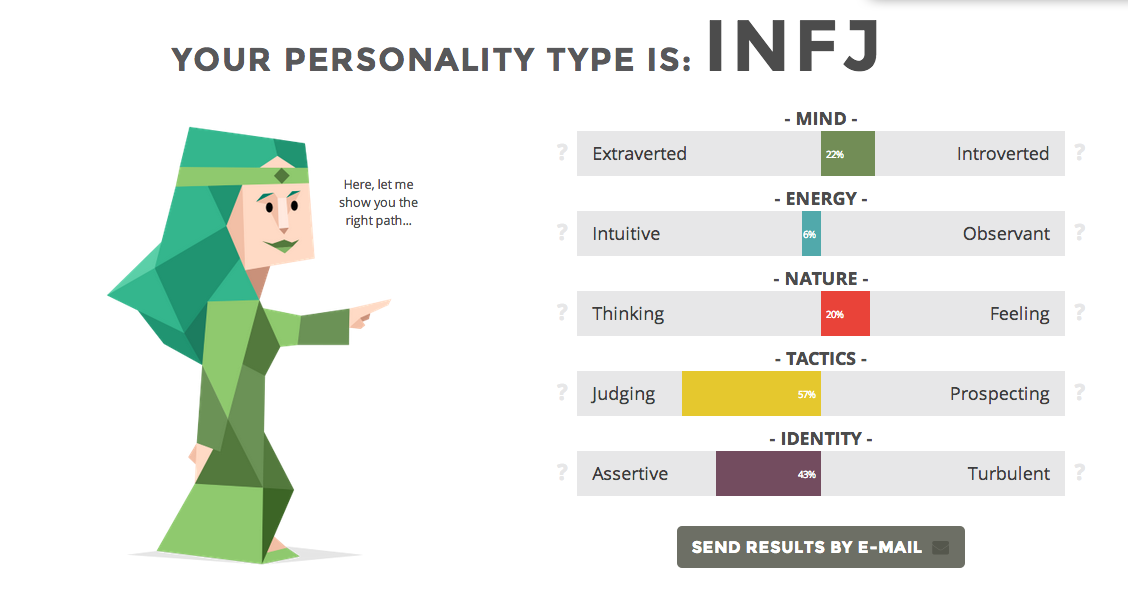
And as you can see, my full score is INFJ. For more information on code scores, this link will help: http://www.16personalities.com/personality-types We're not going to worry about the full score here, although, I do believe that knowing your full score and using it to market is very wise.
3. Use the below categories to see my very basic marketing advice based on your personality type. You don't have to read all of the below; skip to your particular heading, and please know my only goal here is to help writers identify some form of marketing that feels intrinsic to them rather than something they “have to do.”
Extraverting – This trait primarily deals with energy derived from interacting with people. If this is your primary percentage, then you need to be driving your marketing energies toward eventing (panels, school visits, book festivals, etc.) It will fill you; feeling like intake rather than output. That doesn’t mean you won’t be tired or run down ever, so be careful, but it does mean you will probably feel a people-high from engaging with others about your book. (You can probably do events while you are on deadline.) That energy will translate to readers and ultimately sell your book to more people.
Introverting – Because you don’t derive energy from group interaction, you want to drive your efforts toward things that can be done in solitude or small groups, rather than large-scale events. [Note: This doesn’t mean you can’t/shouldn’t do events; it means, they will rob you of energy. They might be particularly hard when you are on deadline or if you have a number of events back-to-back. They might even cause resentment for taking away your alone/family time.] I suggest that you drive your main marketing efforts into mailings. Send schools posters, bookstores postcards, develop awesome swag that you can mail to readers. Don’t fall into the trap of thinking that this means you will love social media; social media is still interaction and requires an enormous amount of effort. No one on social media believes in the wizard anymore. They all know that the great and powerful OZ is a real person and they want to see that real person.
Sensing/Observing– If this is your primary percentage, the thing within marketing that will satisfy you is measureable results. You don’t want to buy a bunch of swag and send it out because who knows if that really does build readership. And what if you do an event with only a few people? Is it worth it to take time away from your family or interest or writing for that? Probably not. You say things like: I want to know what things actually sell my book. So what do I recommend for you? Not a suggestion, but a theology of marketing. Test your market. Measure the results. Lean into the highest yield. It will make you happy because you know the things you are doing work. You will feel good about your time and the ability to justify it to others. You will find yourself trending toward traditional marketing strategies. That’s okay. If someone puts pressure on you to think out of the box, brainstorm with a Thinker or Perceiver.
Intuitive – If this is your primary percentage, here’s the cold hard truth. You probably don’t care a hill of beans about marketing; you just want to write a better book. You’re creative and imaginative and marketing feels like dirty work that takes you away from what you really want out of being an author. You think, shouldn’t I be writing? And the only way to sell a book is to write a great book. Here’s my best advice for you: develop a great relationship with the marketing team at your publishing house. Try to convince them to not only champion your books, but you. Because at the end of the day, you’re not going to be the primary marketer of your book, but someone needs to be. If your house isn’t doing it, I recommend giving some hard earned pennies to a professional company.
Thinking – Because you guys are logical and critical, it will be worth your weight in gold to figure out how to apply those logical and critical concepts to your book. I am apt to say that you will be satisfied in using discourse to sell your book. Get to know your own book beyond the writing of it. Analyze it, and then use that information to engage with readers and booksellers. You are probably the people who love Goodreads and even the occasional two star review that actually made a good point about your story. You’ll fix that problem in the next book. I recommend that you write blog posts about topics within your book; add to the conversation of the world around your book. Write a discussion guide and then look for ways to ignite conversations via skype or social media. You will enjoy creating extra content and stimulating conversation and others around that content.
Feeling – If feeling is your strongest percentage, you need reader reactions and want people to know how deeply connected you are to the experience. Here’s the problem, as you have already discovered, there is no way to predict what those reactions will be. The first thing I would do as a feeler is to find a buffer for reader opinions. You will probably be addicted to them via reviews and blogs and justify the reading as a learning experience. (Which can obviously help in some cases, if you hadn’t read that scalping one you can’t get out of your head.) It doesn’t sound like a marketing plan to say, the first thing you need to do is create a defense system for your feelings, but create a defense system for your feelings.
Then, with that system in place, use social media and events to get to know readers and let them get to know you in a powerful way. Let them see you feel; it will be attractive and inviting. I would put both time and energy into being a real person on popular social medias (instagram, twitter, facebook, tumblr, pinterest, or a blog/vlog). Use your emotional expression to find likeminded people. You won’t even need many of them to feel stimulated. You just need that one person who understands you. Except, you want that one person to spiral into thousands, and given time, they just might.
Judging- Okay, judgers, I’m one of you. J With that in mind, your best friend in the world of marketing isn’t one thing; (much like sensing) it’s a good, solid, plan. I highly recommend you study successful marketing campaigns. What did they do? What accounts for hype? Is that replicate-able? Ask those questions first, and identify the commonalities that might possibly translate to your personal skill set. You should attend extra events and watch how other authors handle panels and readings and talks. Take notes. You will feel more confident because you will eliminate things that you don’t do well before you ever try them out in public/online. You’re more likely to say, I hate social media, and decide not to do it than to have someone force you into the social media box. My best advice for you is stick to your gut on the things you’ve learned about the process and yourself and lean into those things. For me, I know I’m an educator at heart so I gravitate toward school visits. What do you gravitate toward naturally? That’s your marketing plan.
Perceivers – If your highest percentage falls in perceiving, here’s the great news: you’re probably good off the cuff and should utilize that skill first. Radio, TV, interviews, Vlogs, and panels are a decent idea for you to market your book. You’re naturally laid back and that makes you easy-going, which people love. You’ll do well on tours (although you probably shouldn’t be the one to organize them) and probably in school visits, because unusual questions won’t rattle you. You won’t be the one to set a blog tour or have excessive initiative, so it might be a great idea for you to hire a booking agent.
Here is a list of traits from the Myers-Briggs site which I used to make suggestions on marketing plans:
Extraverting Introverting Sensing Intuiting Thinking Feeling Judging Perceiving Initiating
Expressive
Gregarious
Active
Enthusiastic Receiving
Contained
Intimate
Reflective
Quiet Concrete
Realistic
Practical
Experiential
Traditional Abstract
Imaginative
Conceptual
Theoretical
Original Logical
Reasonable
Questioning
Critical
Tough Empathetic
Compassionate
Accommodating
Accepting
Tender Systematic
Planful
Early Starting
Scheduled
Methodical
Casual
Open-ended
Prompted
Spontaneous
Emergent
Marketing and Myers-Brigg
For a long time now, I have been studying book marketing. Not professionally, of course. Primarily just for my own knowledge in hopes that I might be successful with sales of my debut novel, Faking Normal and subsequent titles. Like many authors, I only have a limited budget for which to market my books, and I want to use those dollars in the best possible way. If using your time, energy and money more wisely to sell your book sounds like something you’re interested in, keep reading.
Over the last six months, I’ve found a connection between my Myers-Brigg Type Indicator Test (personality type assessment tool) and my natural marketing style. I have a background in mental health studies that prompted the interest. I thought it might be helpful to share the insights with other authors. If you are completely unfamiliar with MBTI, please click here for more information: http://www.dec.co.th/mbti_explanation.htm
Because the MBTI is a professionally administered test, I will suggest a basic free tool that I have found to be incredibly accurate and then make broad marketing suggestions based on your primary results.
[Please note that this is not a true scientific analysis. These are only my thoughts and basic suggestions. A much more in-depth study could be done with additional time.] Overall, it will take you about ten minutes and it might just save you some guilt and worry. I often think I should be doing ALL THE THINGS EVER or my book WILL NEVER SELL. But the reality is, no one can do all the things, but everyone needs to find a way to sell their book. This will give you a direction of where to focus your time and energy.
This will be a three step recommendation.
1. Take the following free test: http://www.16personalities.com/free-personality-test It is a free (and shorter) test of the Myers-Brigg. In roughly ten minutes, it will score you on the eight primary indicators: extravert/introvert, Sensing/Intuiting, Thinking/Feeling, Juding/Perceiving. Even if you know your Myers-Brigg code, as many of you will, I recommend you take the test again to identify your strongest percentage. .
2. Identify your strongest percentage.
For instance, here is mine. Of all the traits, my J is the strongest.
And as you can see, my full score is INFJ. For more information on code scores, this link will help: http://www.16personalities.com/personality-types We're not going to worry about the full score here, although, I do believe that knowing your full score and using it to market is very wise.
3. Use the below categories to see my very basic marketing advice based on your personality type. You don't have to read all of the below; skip to your particular heading, and please know my only goal here is to help writers identify some form of marketing that feels intrinsic to them rather than something they “have to do.”
Extraverting – This trait primarily deals with energy derived from interacting with people. If this is your primary percentage, then you need to be driving your marketing energies toward eventing (panels, school visits, book festivals, etc.) It will fill you; feeling like intake rather than output. That doesn’t mean you won’t be tired or run down ever, so be careful, but it does mean you will probably feel a people-high from engaging with others about your book. (You can probably do events while you are on deadline.) That energy will translate to readers and ultimately sell your book to more people.
Introverting – Because you don’t derive energy from group interaction, you want to drive your efforts toward things that can be done in solitude or small groups, rather than large-scale events. [Note: This doesn’t mean you can’t/shouldn’t do events; it means, they will rob you of energy. They might be particularly hard when you are on deadline or if you have a number of events back-to-back. They might even cause resentment for taking away your alone/family time.] I suggest that you drive your main marketing efforts into mailings. Send schools posters, bookstores postcards, develop awesome swag that you can mail to readers. Don’t fall into the trap of thinking that this means you will love social media; social media is still interaction and requires an enormous amount of effort. No one on social media believes in the wizard anymore. They all know that the great and powerful OZ is a real person and they want to see that real person.
Sensing/Observing– If this is your primary percentage, the thing within marketing that will satisfy you is measureable results. You don’t want to buy a bunch of swag and send it out because who knows if that really does build readership. And what if you do an event with only a few people? Is it worth it to take time away from your family or interest or writing for that? Probably not. You say things like: I want to know what things actually sell my book. So what do I recommend for you? Not a suggestion, but a theology of marketing. Test your market. Measure the results. Lean into the highest yield. It will make you happy because you know the things you are doing work. You will feel good about your time and the ability to justify it to others. You will find yourself trending toward traditional marketing strategies. That’s okay. If someone puts pressure on you to think out of the box, brainstorm with a Thinker or Perceiver.
Intuitive – If this is your primary percentage, here’s the cold hard truth. You probably don’t care a hill of beans about marketing; you just want to write a better book. You’re creative and imaginative and marketing feels like dirty work that takes you away from what you really want out of being an author. You think, shouldn’t I be writing? And the only way to sell a book is to write a great book. Here’s my best advice for you: develop a great relationship with the marketing team at your publishing house. Try to convince them to not only champion your books, but you. Because at the end of the day, you’re not going to be the primary marketer of your book, but someone needs to be. If your house isn’t doing it, I recommend giving some hard earned pennies to a professional company.
Thinking – Because you guys are logical and critical, it will be worth your weight in gold to figure out how to apply those logical and critical concepts to your book. I am apt to say that you will be satisfied in using discourse to sell your book. Get to know your own book beyond the writing of it. Analyze it, and then use that information to engage with readers and booksellers. You are probably the people who love Goodreads and even the occasional two star review that actually made a good point about your story. You’ll fix that problem in the next book. I recommend that you write blog posts about topics within your book; add to the conversation of the world around your book. Write a discussion guide and then look for ways to ignite conversations via skype or social media. You will enjoy creating extra content and stimulating conversation and others around that content.
Feeling – If feeling is your strongest percentage, you need reader reactions and want people to know how deeply connected you are to the experience. Here’s the problem, as you have already discovered, there is no way to predict what those reactions will be. The first thing I would do as a feeler is to find a buffer for reader opinions. You will probably be addicted to them via reviews and blogs and justify the reading as a learning experience. (Which can obviously help in some cases, if you hadn’t read that scalping one you can’t get out of your head.) It doesn’t sound like a marketing plan to say, the first thing you need to do is create a defense system for your feelings, but create a defense system for your feelings.
Then, with that system in place, use social media and events to get to know readers and let them get to know you in a powerful way. Let them see you feel; it will be attractive and inviting. I would put both time and energy into being a real person on popular social medias (instagram, twitter, facebook, tumblr, pinterest, or a blog/vlog). Use your emotional expression to find likeminded people. You won’t even need many of them to feel stimulated. You just need that one person who understands you. Except, you want that one person to spiral into thousands, and given time, they just might.
Judging- Okay, judgers, I’m one of you. J With that in mind, your best friend in the world of marketing isn’t one thing; (much like sensing) it’s a good, solid, plan. I highly recommend you study successful marketing campaigns. What did they do? What accounts for hype? Is that replicate-able? Ask those questions first, and identify the commonalities that might possibly translate to your personal skill set. You should attend extra events and watch how other authors handle panels and readings and talks. Take notes. You will feel more confident because you will eliminate things that you don’t do well before you ever try them out in public/online. You’re more likely to say, I hate social media, and decide not to do it than to have someone force you into the social media box. My best advice for you is stick to your gut on the things you’ve learned about the process and yourself and lean into those things. For me, I know I’m an educator at heart so I gravitate toward school visits. What do you gravitate toward naturally? That’s your marketing plan.
Perceivers – If your highest percentage falls in perceiving, here’s the great news: you’re probably good off the cuff and should utilize that skill first. Radio, TV, interviews, Vlogs, and panels are a decent idea for you to market your book. You’re naturally laid back and that makes you easy-going, which people love. You’ll do well on tours (although you probably shouldn’t be the one to organize them) and probably in school visits, because unusual questions won’t rattle you. You won’t be the one to set a blog tour or have excessive initiative, so it might be a great idea for you to hire a booking agent.
Here is a list of traits from the Myers-Brigg site which I used to make suggestions on marketing plans:
Extraverting Introverting Sensing Intuiting Thinking Feeling Judging Perceiving Initiating
Expressive
Gregarious
Active
Enthusiastic Receiving
Contained
Intimate
Reflective
Quiet Concrete
Realistic
Practical
Experiential
Traditional Abstract
Imaginative
Conceptual
Theoretical
Original Logical
Reasonable
Questioning
Critical
Tough Empathetic
Compassionate
Accommodating
Accepting
Tender Systematic
Planful
Early Starting
Scheduled
Methodical
Casual
Open-ended
Prompted
Spontaneous
Emergent
Over the last six months, I’ve found a connection between my Myers-Brigg Type Indicator Test (personality type assessment tool) and my natural marketing style. I have a background in mental health studies that prompted the interest. I thought it might be helpful to share the insights with other authors. If you are completely unfamiliar with MBTI, please click here for more information: http://www.dec.co.th/mbti_explanation.htm
Because the MBTI is a professionally administered test, I will suggest a basic free tool that I have found to be incredibly accurate and then make broad marketing suggestions based on your primary results.
[Please note that this is not a true scientific analysis. These are only my thoughts and basic suggestions. A much more in-depth study could be done with additional time.] Overall, it will take you about ten minutes and it might just save you some guilt and worry. I often think I should be doing ALL THE THINGS EVER or my book WILL NEVER SELL. But the reality is, no one can do all the things, but everyone needs to find a way to sell their book. This will give you a direction of where to focus your time and energy.
This will be a three step recommendation.
1. Take the following free test: http://www.16personalities.com/free-personality-test It is a free (and shorter) test of the Myers-Brigg. In roughly ten minutes, it will score you on the eight primary indicators: extravert/introvert, Sensing/Intuiting, Thinking/Feeling, Juding/Perceiving. Even if you know your Myers-Brigg code, as many of you will, I recommend you take the test again to identify your strongest percentage. .
2. Identify your strongest percentage.
For instance, here is mine. Of all the traits, my J is the strongest.
And as you can see, my full score is INFJ. For more information on code scores, this link will help: http://www.16personalities.com/personality-types We're not going to worry about the full score here, although, I do believe that knowing your full score and using it to market is very wise.
3. Use the below categories to see my very basic marketing advice based on your personality type. You don't have to read all of the below; skip to your particular heading, and please know my only goal here is to help writers identify some form of marketing that feels intrinsic to them rather than something they “have to do.”
Extraverting – This trait primarily deals with energy derived from interacting with people. If this is your primary percentage, then you need to be driving your marketing energies toward eventing (panels, school visits, book festivals, etc.) It will fill you; feeling like intake rather than output. That doesn’t mean you won’t be tired or run down ever, so be careful, but it does mean you will probably feel a people-high from engaging with others about your book. (You can probably do events while you are on deadline.) That energy will translate to readers and ultimately sell your book to more people.
Introverting – Because you don’t derive energy from group interaction, you want to drive your efforts toward things that can be done in solitude or small groups, rather than large-scale events. [Note: This doesn’t mean you can’t/shouldn’t do events; it means, they will rob you of energy. They might be particularly hard when you are on deadline or if you have a number of events back-to-back. They might even cause resentment for taking away your alone/family time.] I suggest that you drive your main marketing efforts into mailings. Send schools posters, bookstores postcards, develop awesome swag that you can mail to readers. Don’t fall into the trap of thinking that this means you will love social media; social media is still interaction and requires an enormous amount of effort. No one on social media believes in the wizard anymore. They all know that the great and powerful OZ is a real person and they want to see that real person.
Sensing/Observing– If this is your primary percentage, the thing within marketing that will satisfy you is measureable results. You don’t want to buy a bunch of swag and send it out because who knows if that really does build readership. And what if you do an event with only a few people? Is it worth it to take time away from your family or interest or writing for that? Probably not. You say things like: I want to know what things actually sell my book. So what do I recommend for you? Not a suggestion, but a theology of marketing. Test your market. Measure the results. Lean into the highest yield. It will make you happy because you know the things you are doing work. You will feel good about your time and the ability to justify it to others. You will find yourself trending toward traditional marketing strategies. That’s okay. If someone puts pressure on you to think out of the box, brainstorm with a Thinker or Perceiver.
Intuitive – If this is your primary percentage, here’s the cold hard truth. You probably don’t care a hill of beans about marketing; you just want to write a better book. You’re creative and imaginative and marketing feels like dirty work that takes you away from what you really want out of being an author. You think, shouldn’t I be writing? And the only way to sell a book is to write a great book. Here’s my best advice for you: develop a great relationship with the marketing team at your publishing house. Try to convince them to not only champion your books, but you. Because at the end of the day, you’re not going to be the primary marketer of your book, but someone needs to be. If your house isn’t doing it, I recommend giving some hard earned pennies to a professional company.
Thinking – Because you guys are logical and critical, it will be worth your weight in gold to figure out how to apply those logical and critical concepts to your book. I am apt to say that you will be satisfied in using discourse to sell your book. Get to know your own book beyond the writing of it. Analyze it, and then use that information to engage with readers and booksellers. You are probably the people who love Goodreads and even the occasional two star review that actually made a good point about your story. You’ll fix that problem in the next book. I recommend that you write blog posts about topics within your book; add to the conversation of the world around your book. Write a discussion guide and then look for ways to ignite conversations via skype or social media. You will enjoy creating extra content and stimulating conversation and others around that content.
Feeling – If feeling is your strongest percentage, you need reader reactions and want people to know how deeply connected you are to the experience. Here’s the problem, as you have already discovered, there is no way to predict what those reactions will be. The first thing I would do as a feeler is to find a buffer for reader opinions. You will probably be addicted to them via reviews and blogs and justify the reading as a learning experience. (Which can obviously help in some cases, if you hadn’t read that scalping one you can’t get out of your head.) It doesn’t sound like a marketing plan to say, the first thing you need to do is create a defense system for your feelings, but create a defense system for your feelings.
Then, with that system in place, use social media and events to get to know readers and let them get to know you in a powerful way. Let them see you feel; it will be attractive and inviting. I would put both time and energy into being a real person on popular social medias (instagram, twitter, facebook, tumblr, pinterest, or a blog/vlog). Use your emotional expression to find likeminded people. You won’t even need many of them to feel stimulated. You just need that one person who understands you. Except, you want that one person to spiral into thousands, and given time, they just might.
Judging- Okay, judgers, I’m one of you. J With that in mind, your best friend in the world of marketing isn’t one thing; (much like sensing) it’s a good, solid, plan. I highly recommend you study successful marketing campaigns. What did they do? What accounts for hype? Is that replicate-able? Ask those questions first, and identify the commonalities that might possibly translate to your personal skill set. You should attend extra events and watch how other authors handle panels and readings and talks. Take notes. You will feel more confident because you will eliminate things that you don’t do well before you ever try them out in public/online. You’re more likely to say, I hate social media, and decide not to do it than to have someone force you into the social media box. My best advice for you is stick to your gut on the things you’ve learned about the process and yourself and lean into those things. For me, I know I’m an educator at heart so I gravitate toward school visits. What do you gravitate toward naturally? That’s your marketing plan.
Perceivers – If your highest percentage falls in perceiving, here’s the great news: you’re probably good off the cuff and should utilize that skill first. Radio, TV, interviews, Vlogs, and panels are a decent idea for you to market your book. You’re naturally laid back and that makes you easy-going, which people love. You’ll do well on tours (although you probably shouldn’t be the one to organize them) and probably in school visits, because unusual questions won’t rattle you. You won’t be the one to set a blog tour or have excessive initiative, so it might be a great idea for you to hire a booking agent.
Here is a list of traits from the Myers-Brigg site which I used to make suggestions on marketing plans:
Extraverting Introverting Sensing Intuiting Thinking Feeling Judging Perceiving Initiating
Expressive
Gregarious
Active
Enthusiastic Receiving
Contained
Intimate
Reflective
Quiet Concrete
Realistic
Practical
Experiential
Traditional Abstract
Imaginative
Conceptual
Theoretical
Original Logical
Reasonable
Questioning
Critical
Tough Empathetic
Compassionate
Accommodating
Accepting
Tender Systematic
Planful
Early Starting
Scheduled
Methodical
Casual
Open-ended
Prompted
Spontaneous
Emergent
January 7, 2015
Some of 2014
Want to know more about Court's 2014.
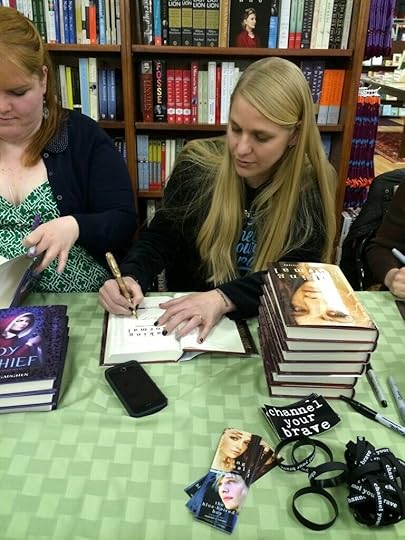
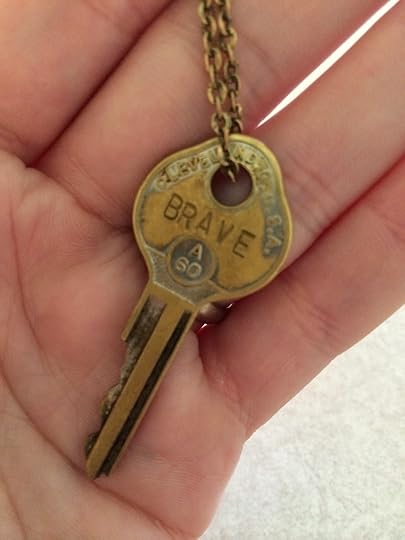
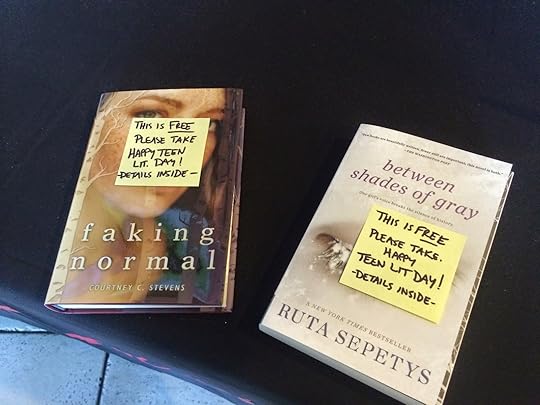
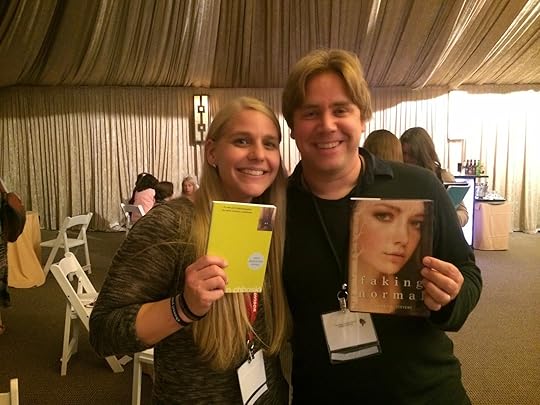
Here are some pictures of the places that books took me in 2014:
(I wish I had photos of EVERYTHING.)
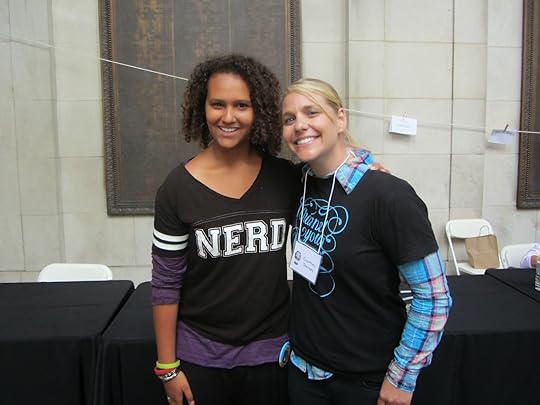 Southern Festival of Books
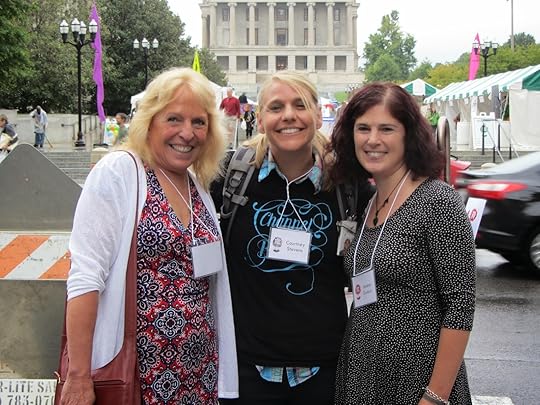
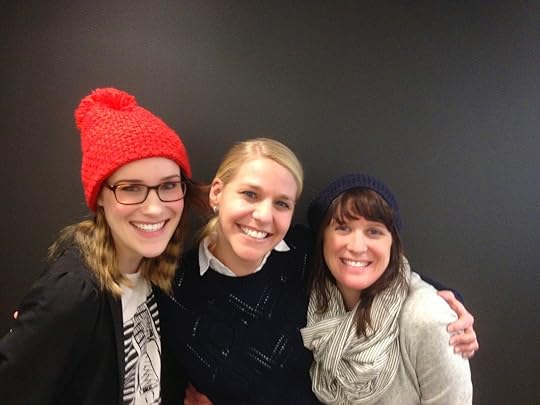 New York City
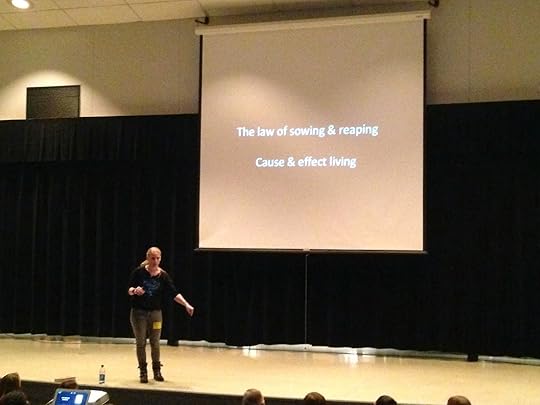 School Visits
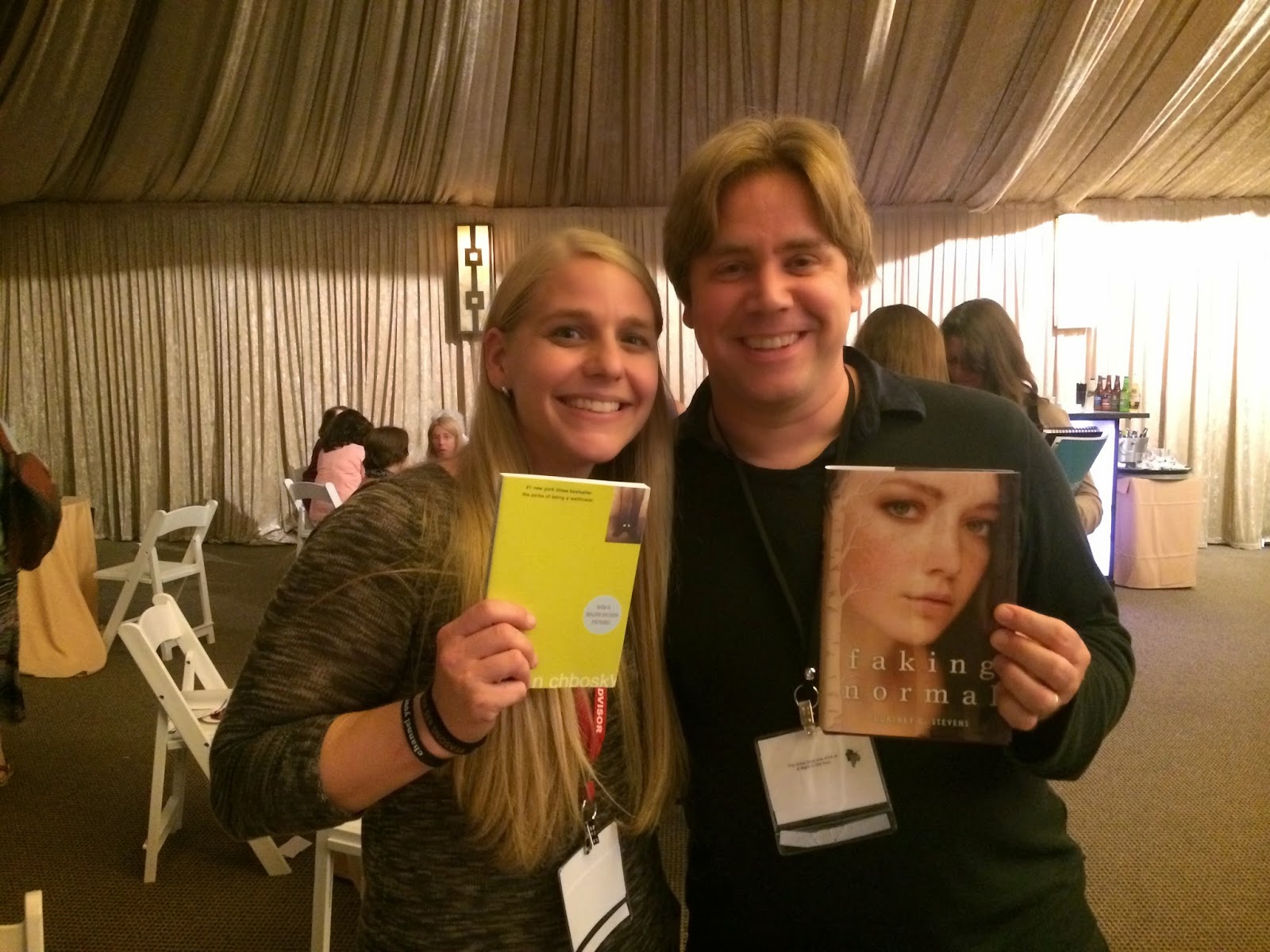
 Launching Faking Normal


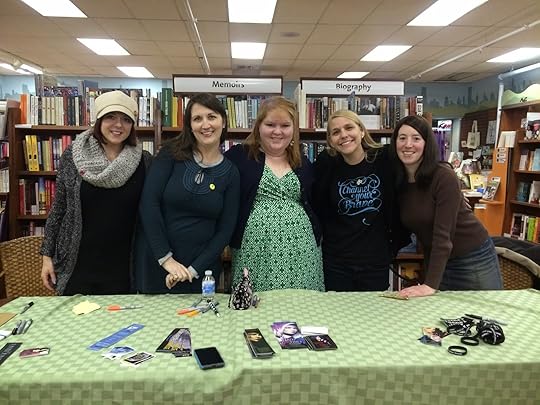
 Tours with Friends

 Rock the Drop
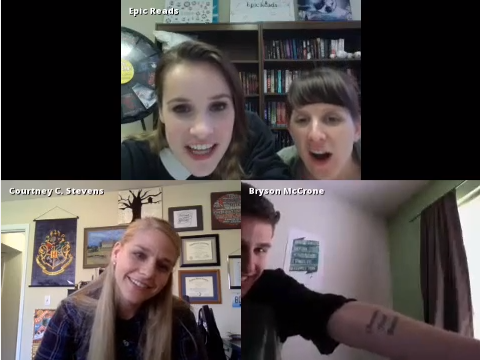 Google Chat of Awesome
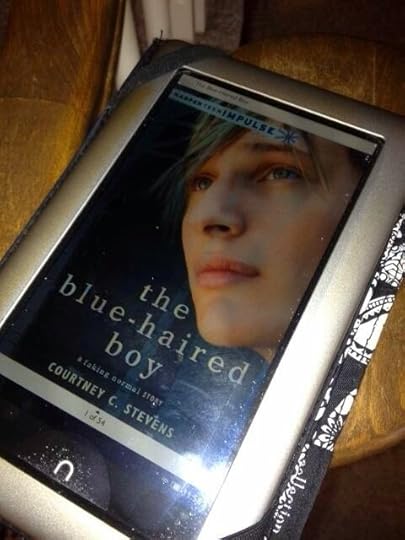 Release of The Blue-Haired Boy
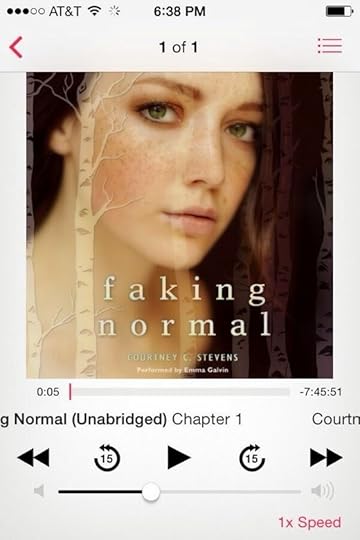 Faking Normal Audiobook
 Fan Art

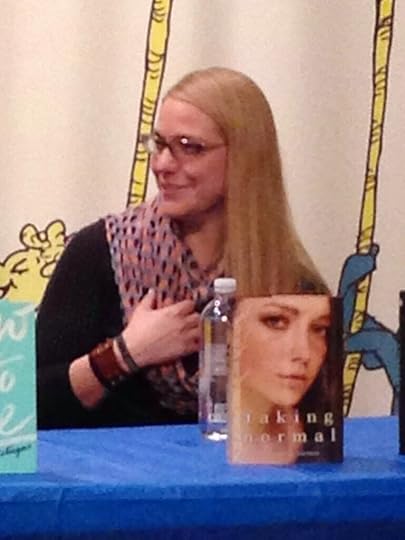
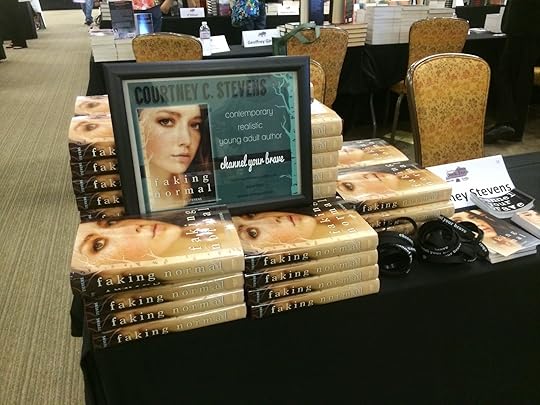 Festivals and Friends
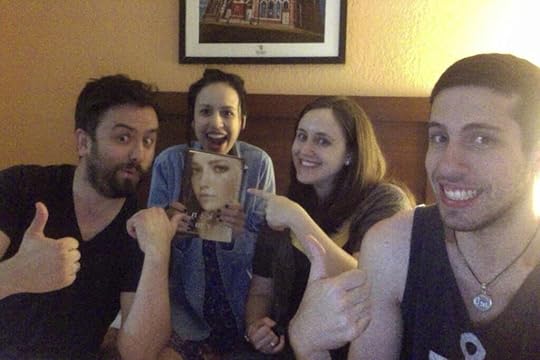
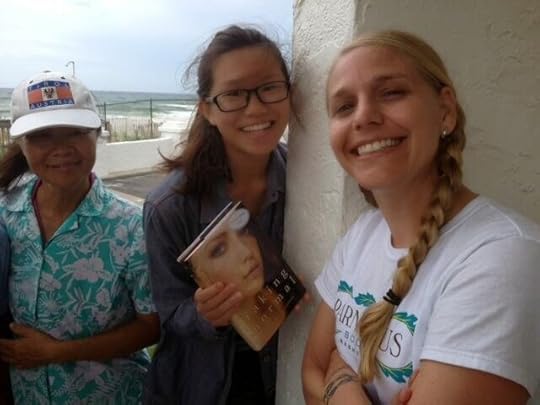
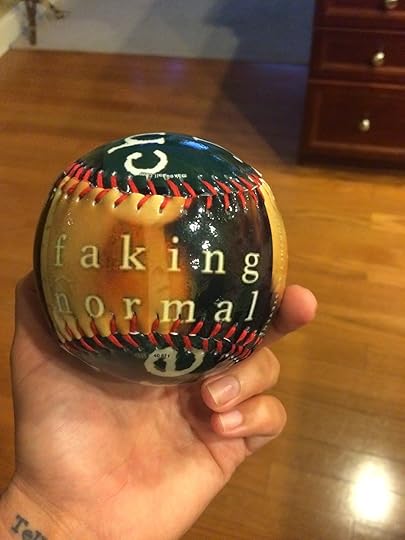
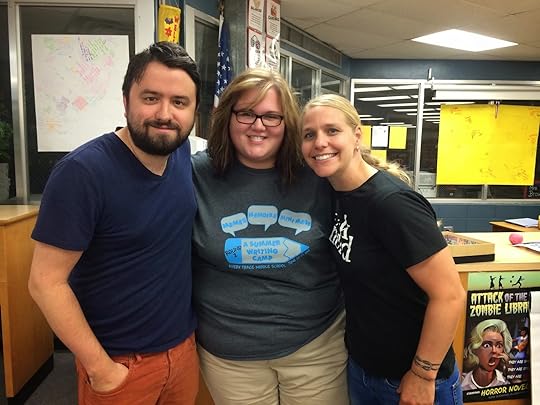
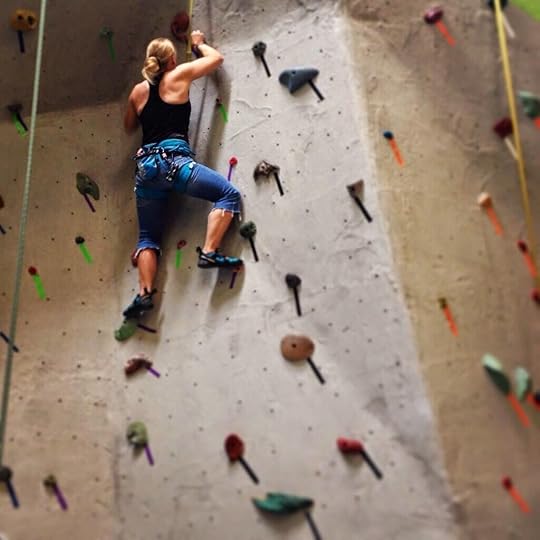
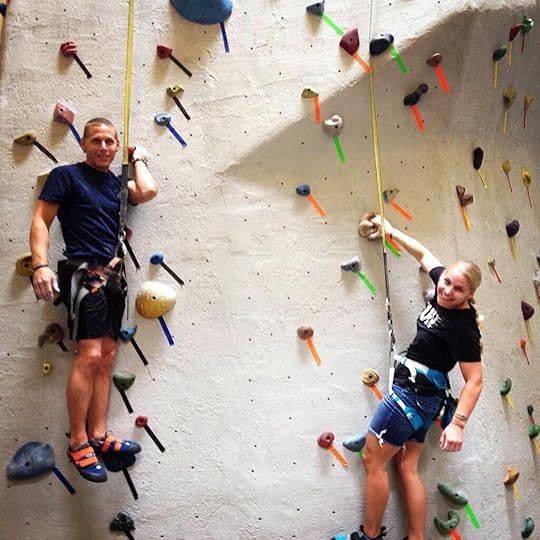 I took up climbing.
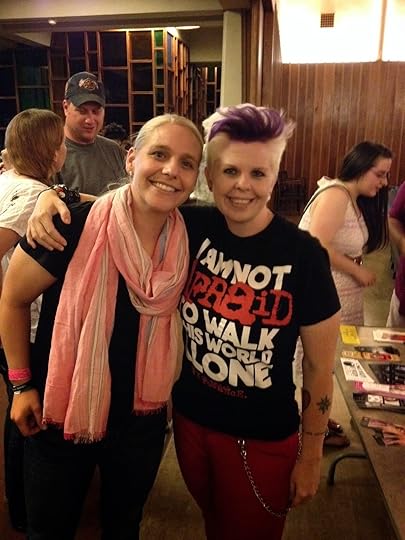
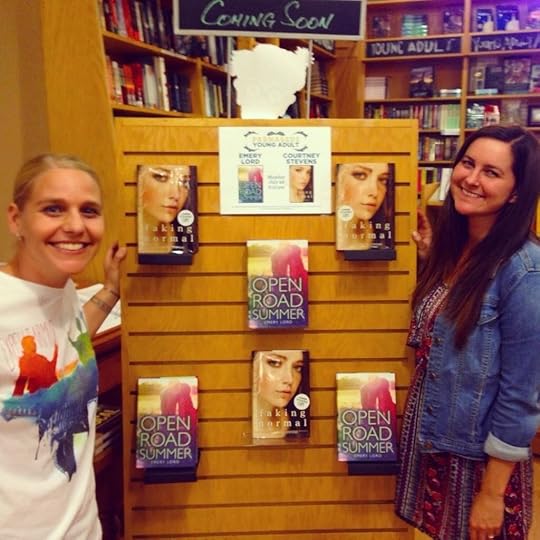
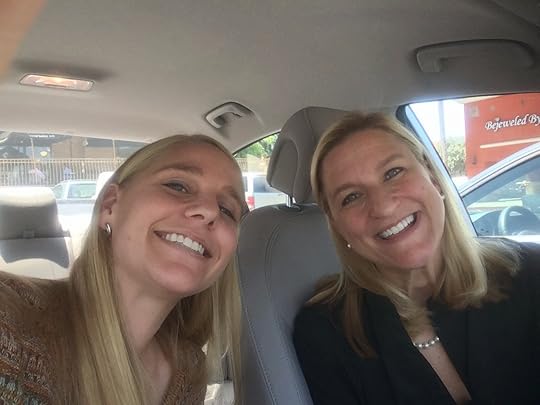 Hang out with my Heroes
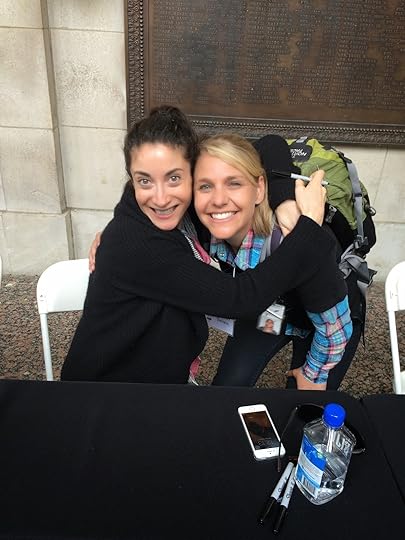
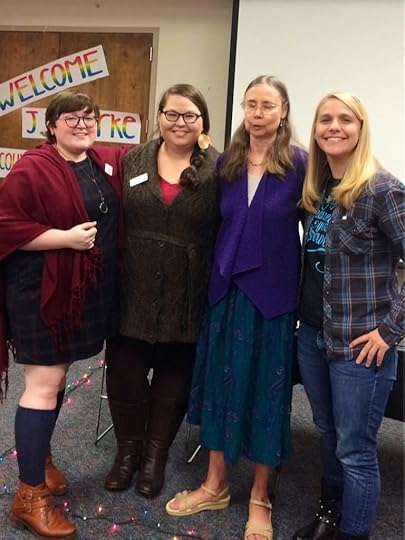
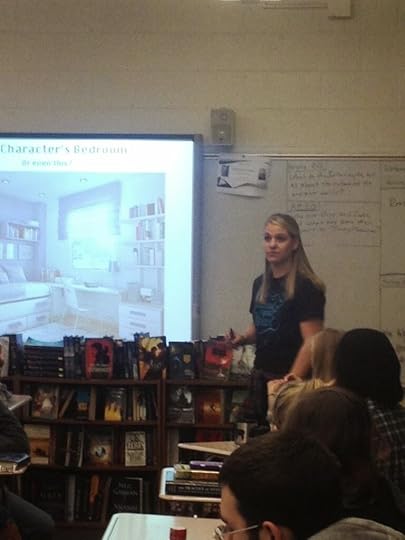
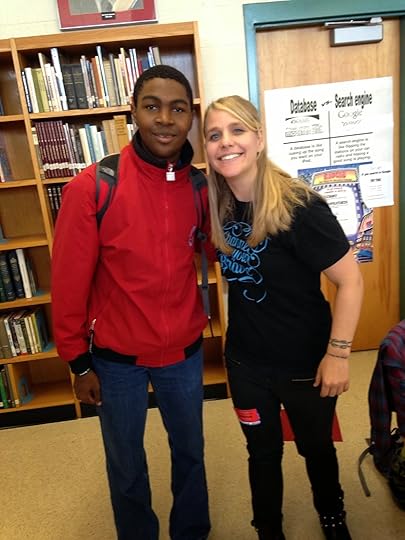 Mentor Awesome High School Writers
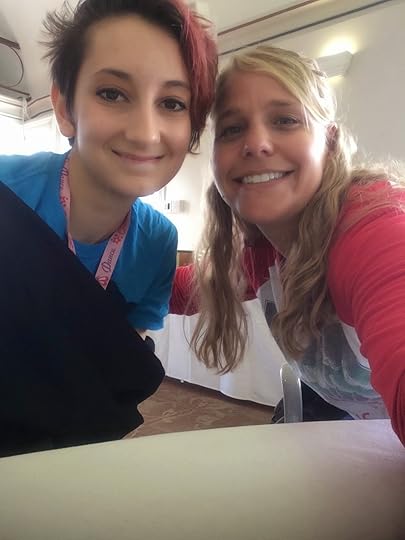
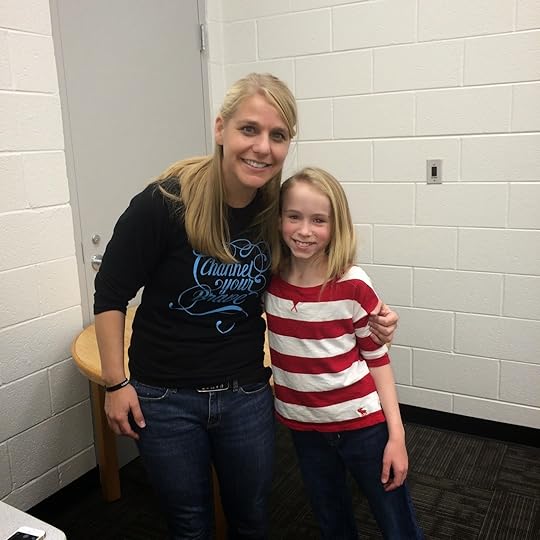
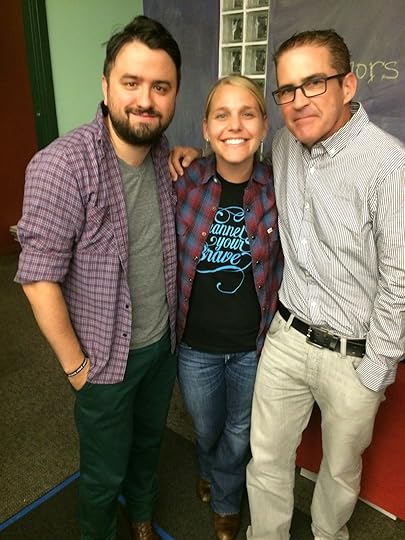
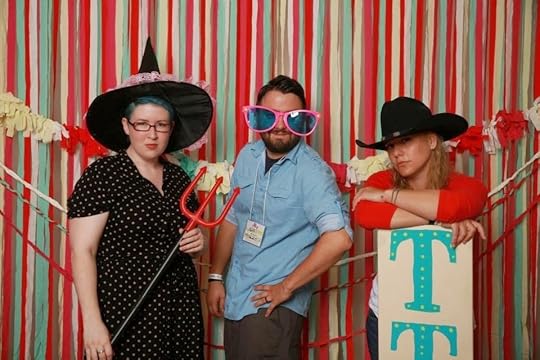
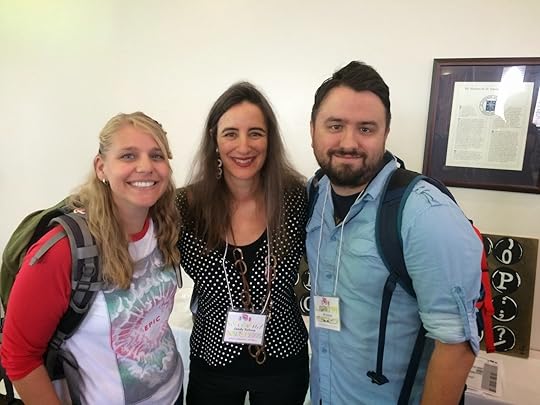 David Arnold and I planned a Tour of Heroes in Texas
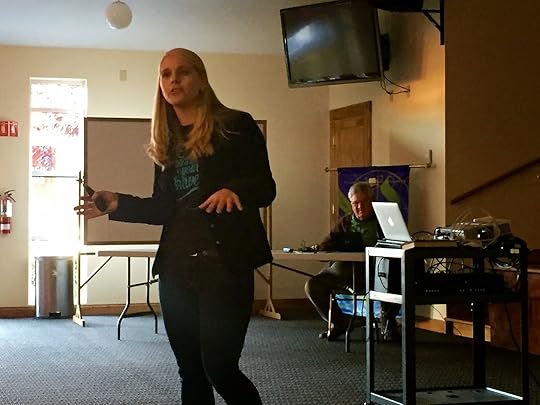
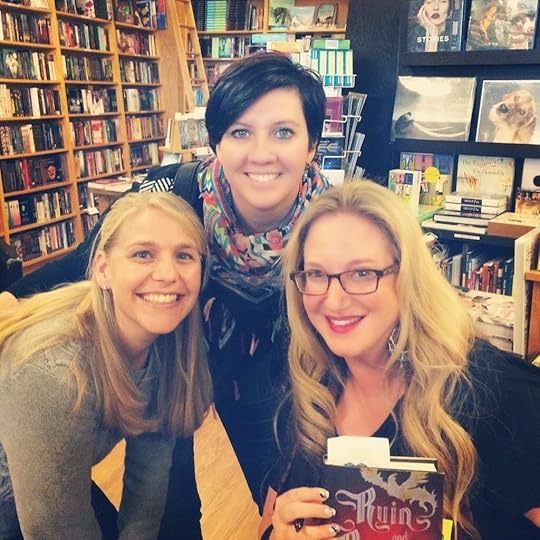
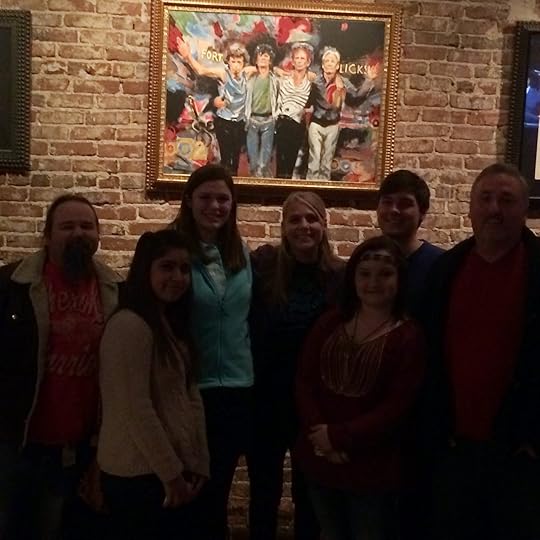
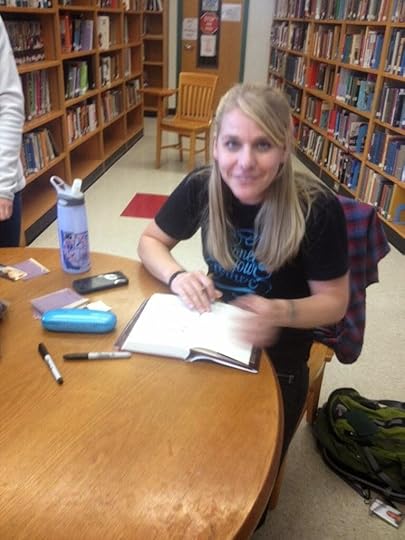
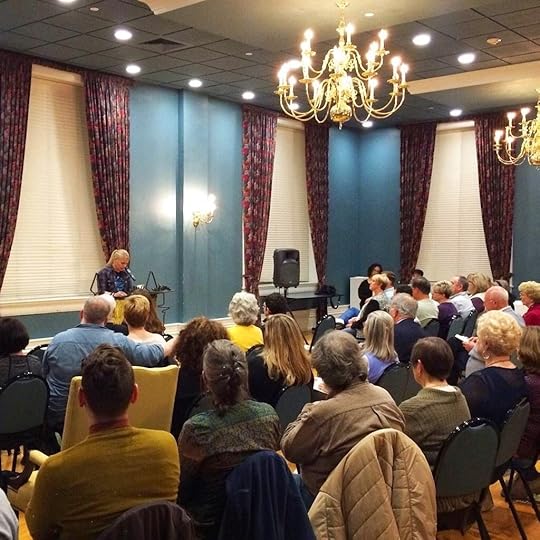 Readings
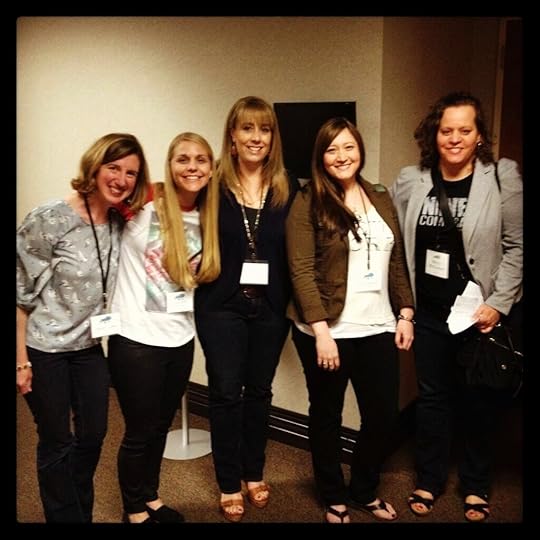
Here are some pictures of the places that books took me in 2014:
(I wish I had photos of EVERYTHING.)
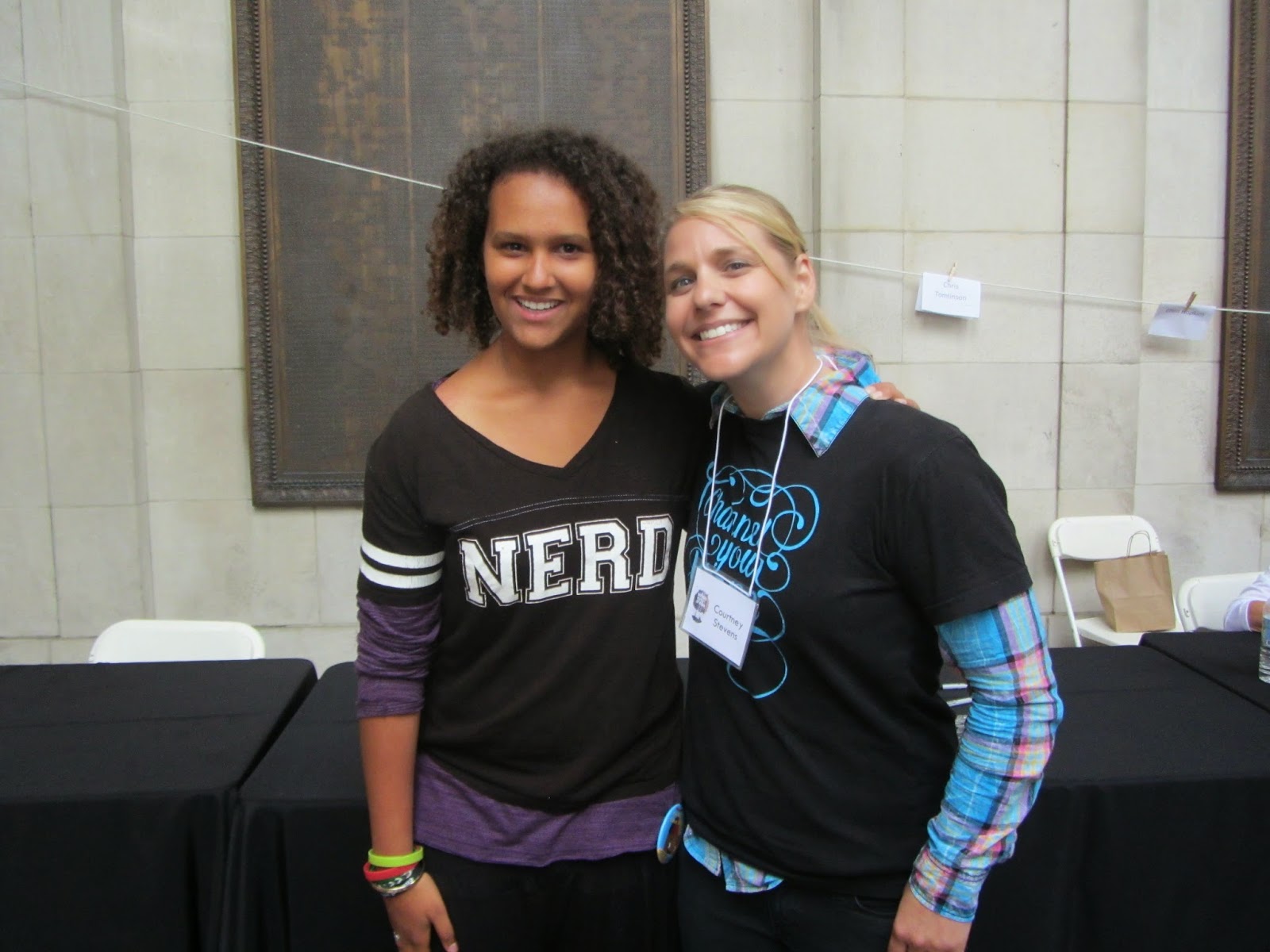 Southern Festival of Books

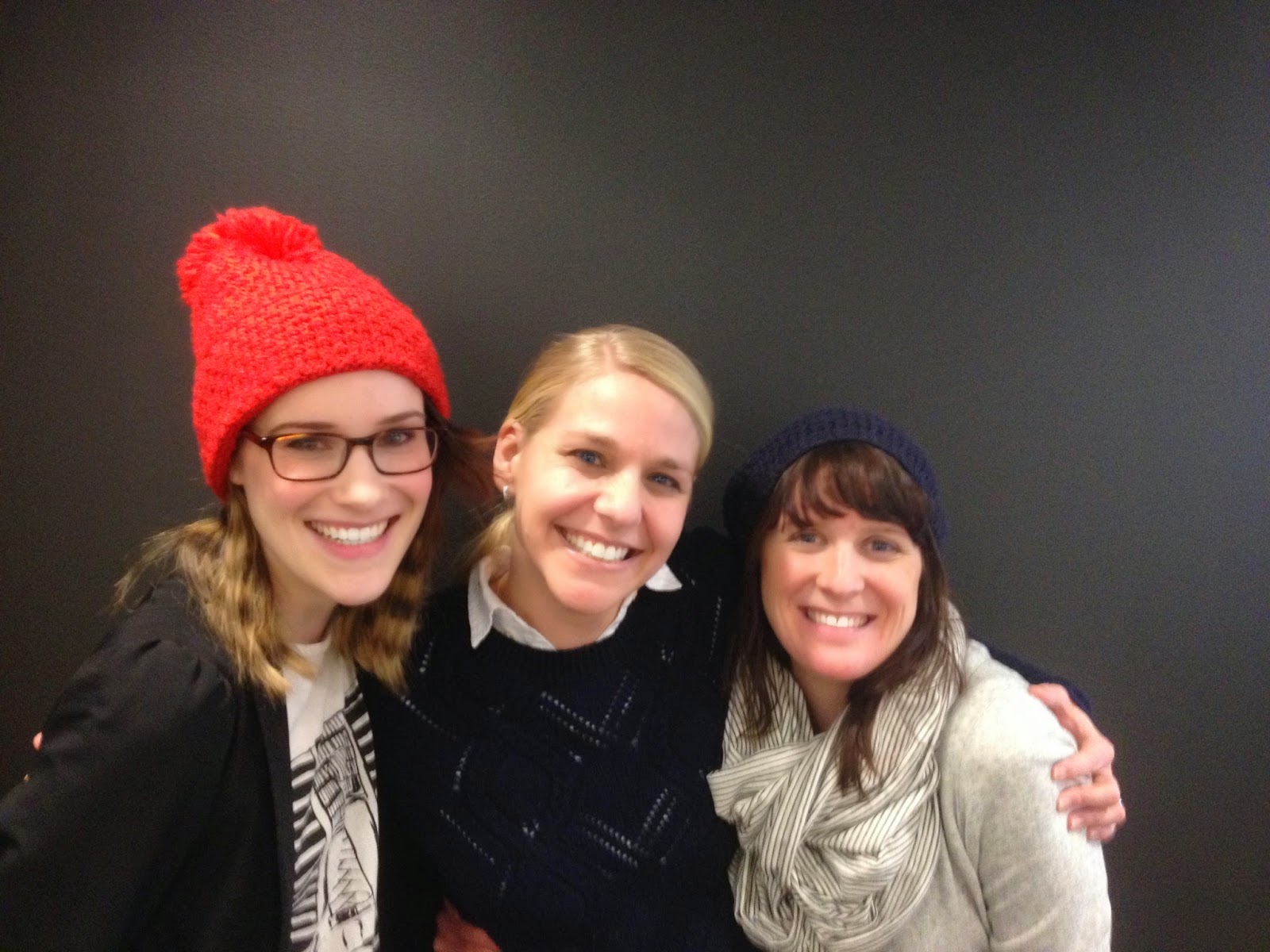 New York City
 School Visits
 Launching Faking Normal


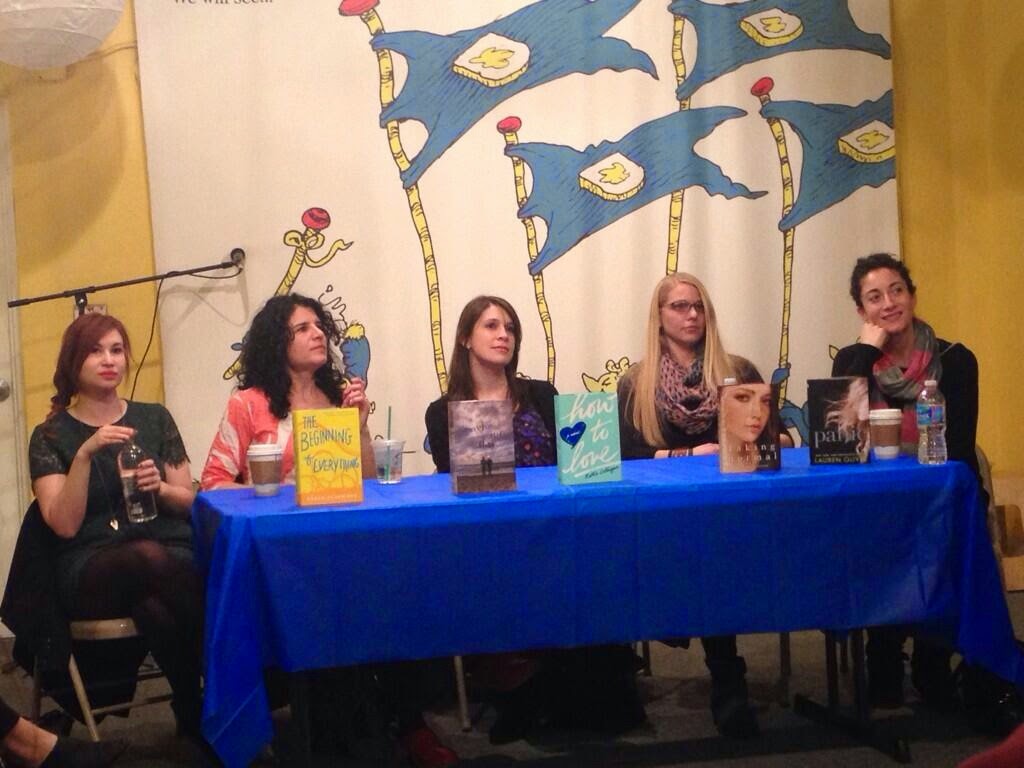 Tours with Friends

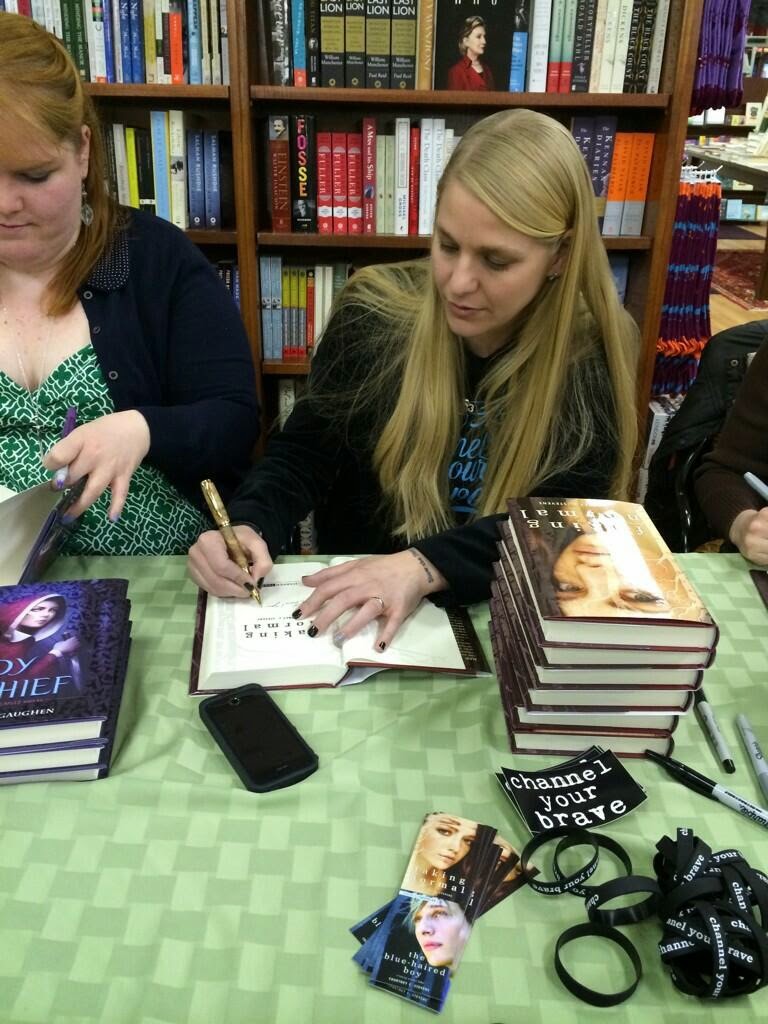


 Rock the Drop
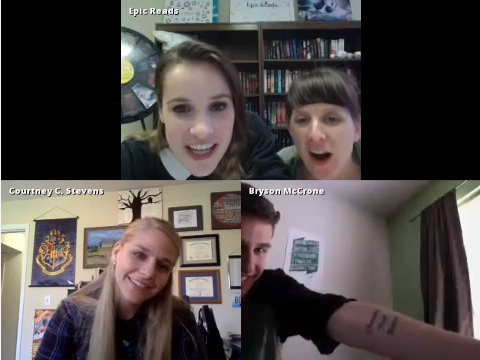 Google Chat of Awesome
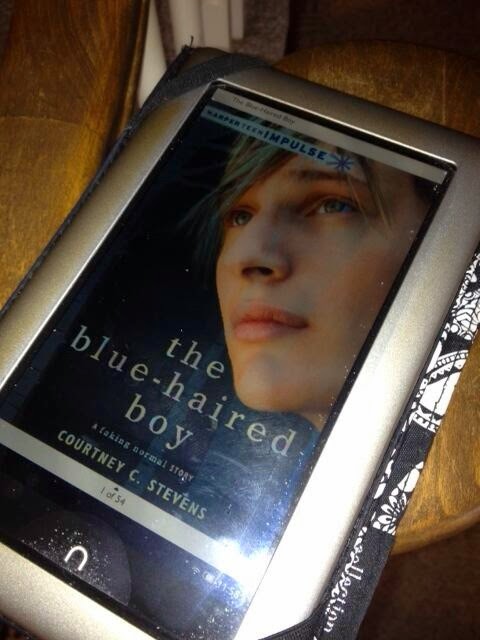 Release of The Blue-Haired Boy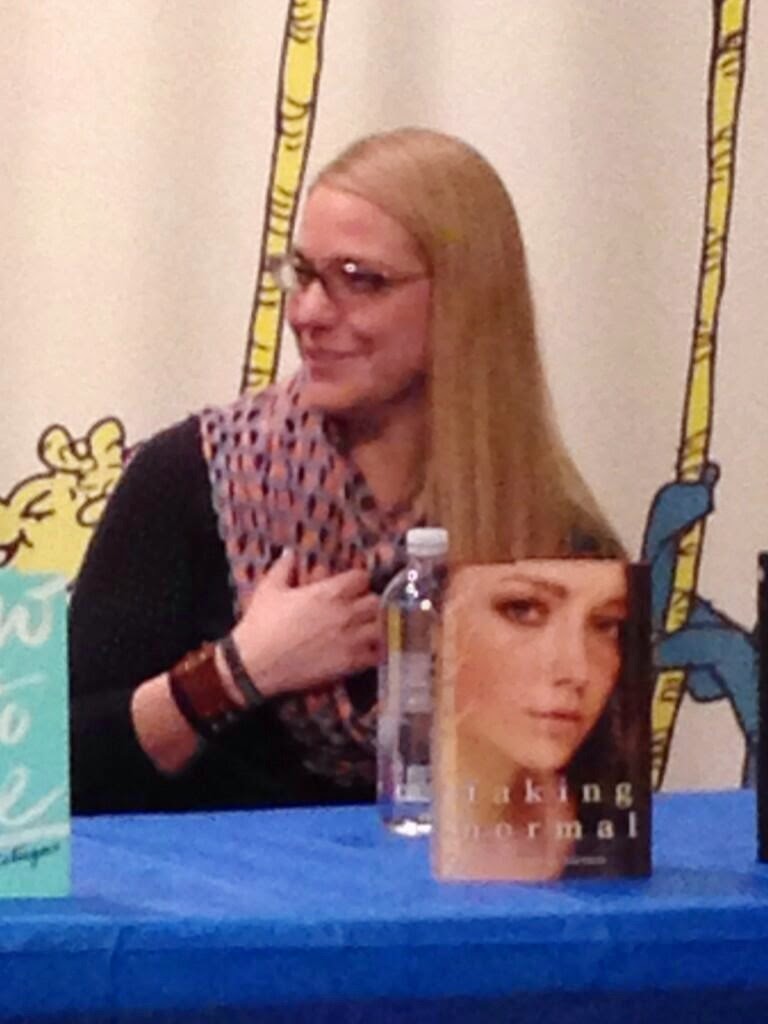
 Faking Normal Audiobook
 Fan Art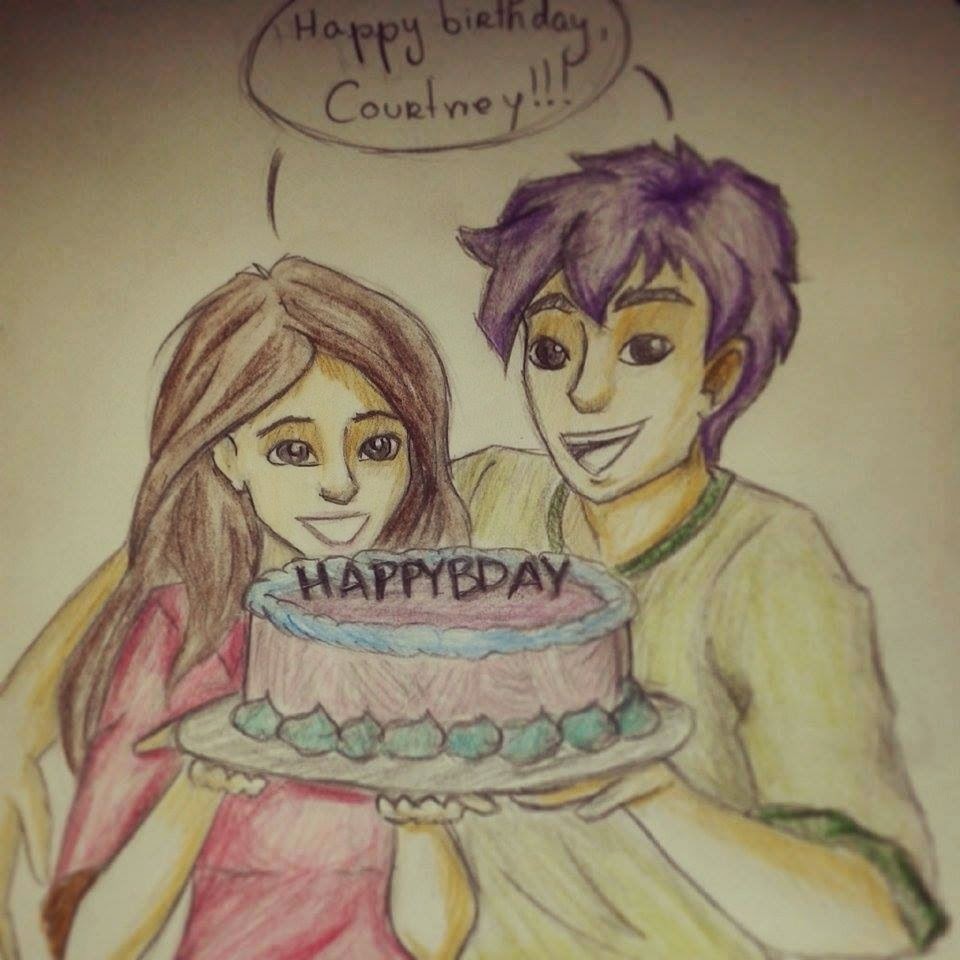
 Festivals and Friends


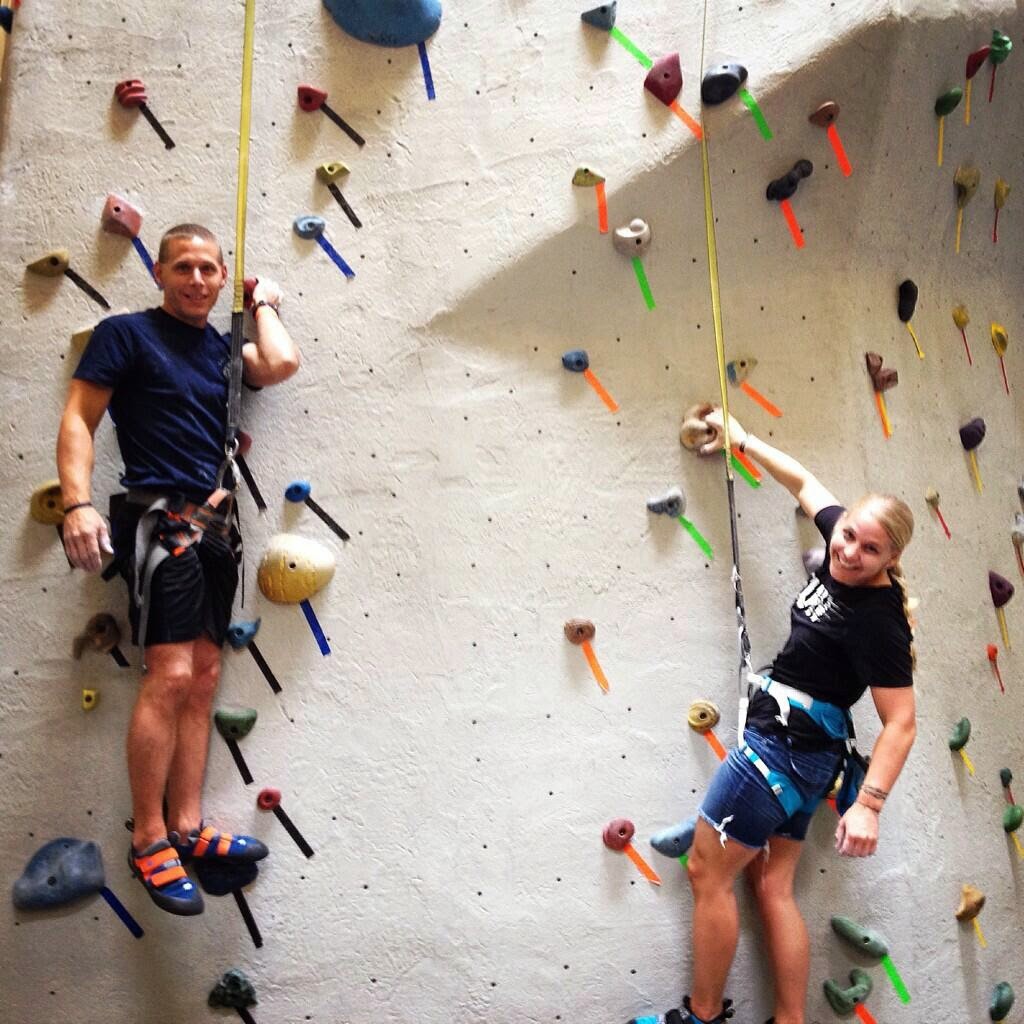 I took up climbing.
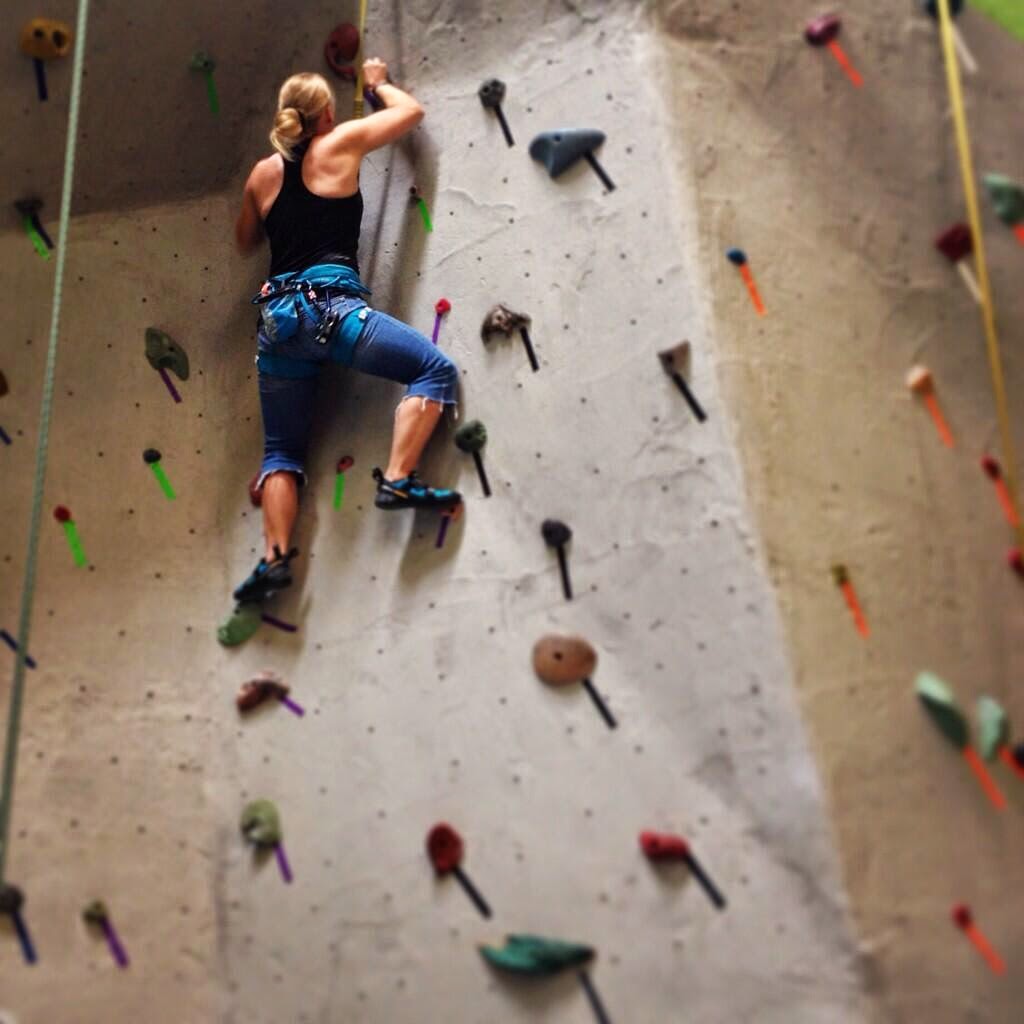


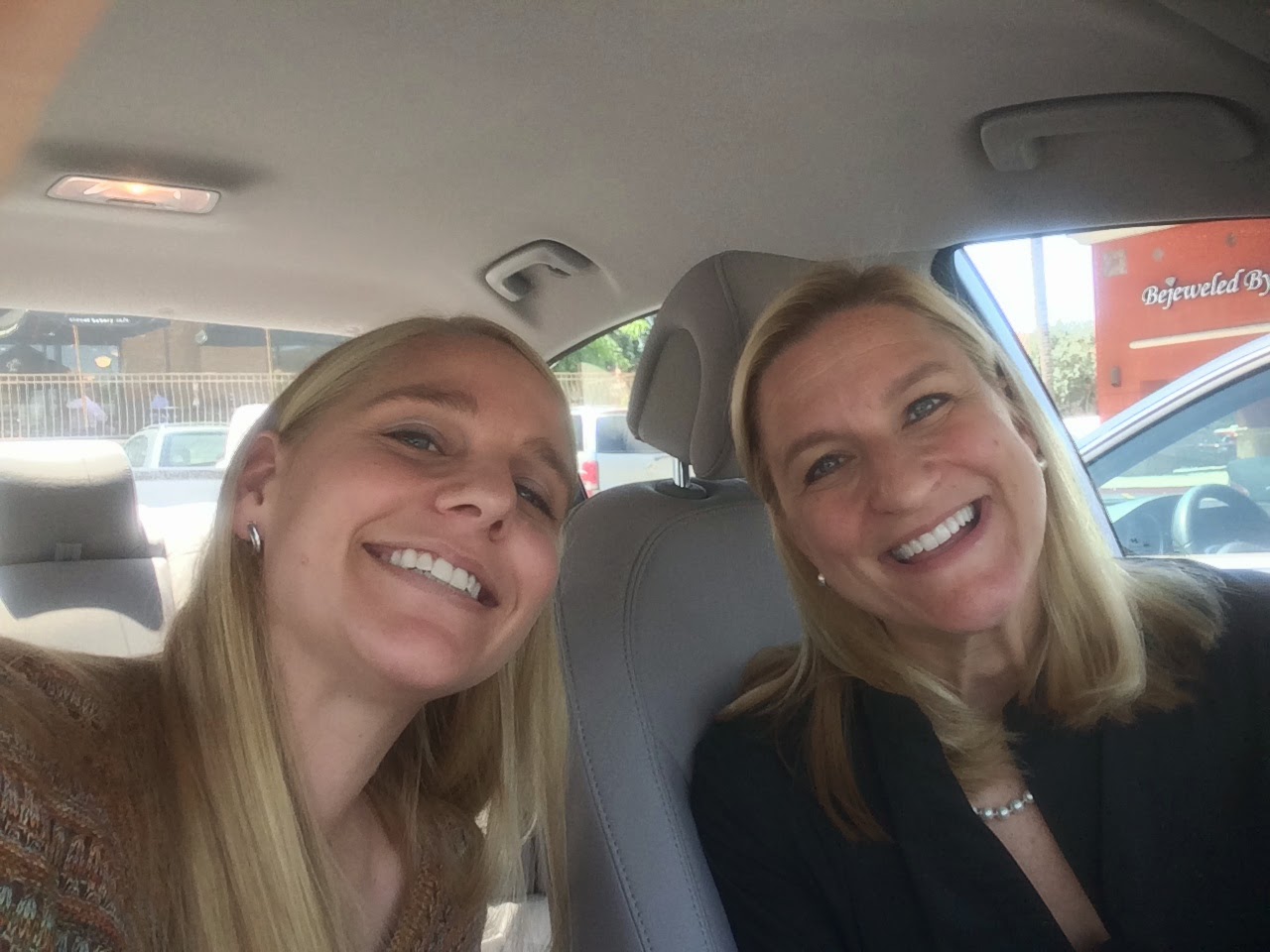 Hang out with my Heroes
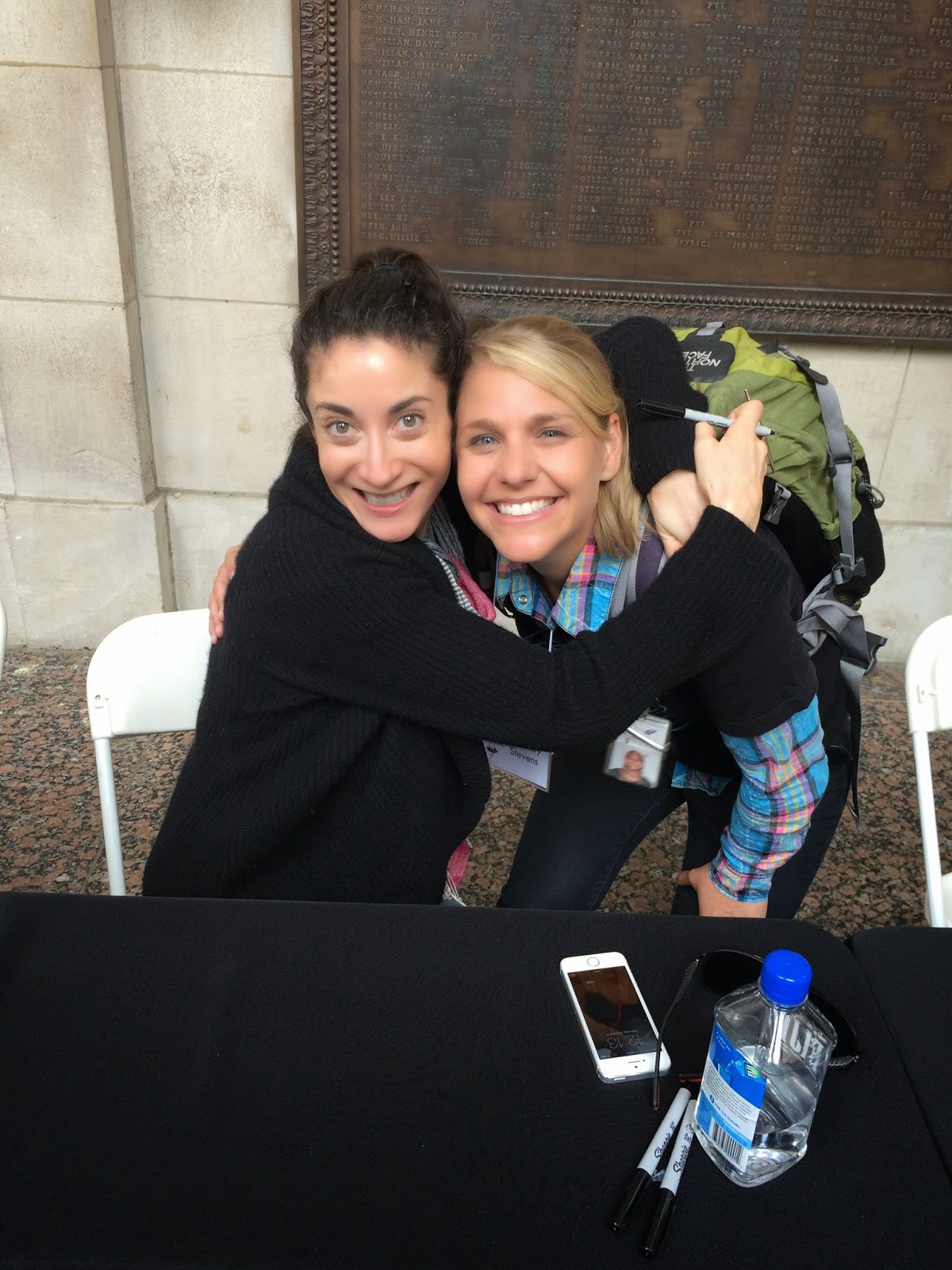
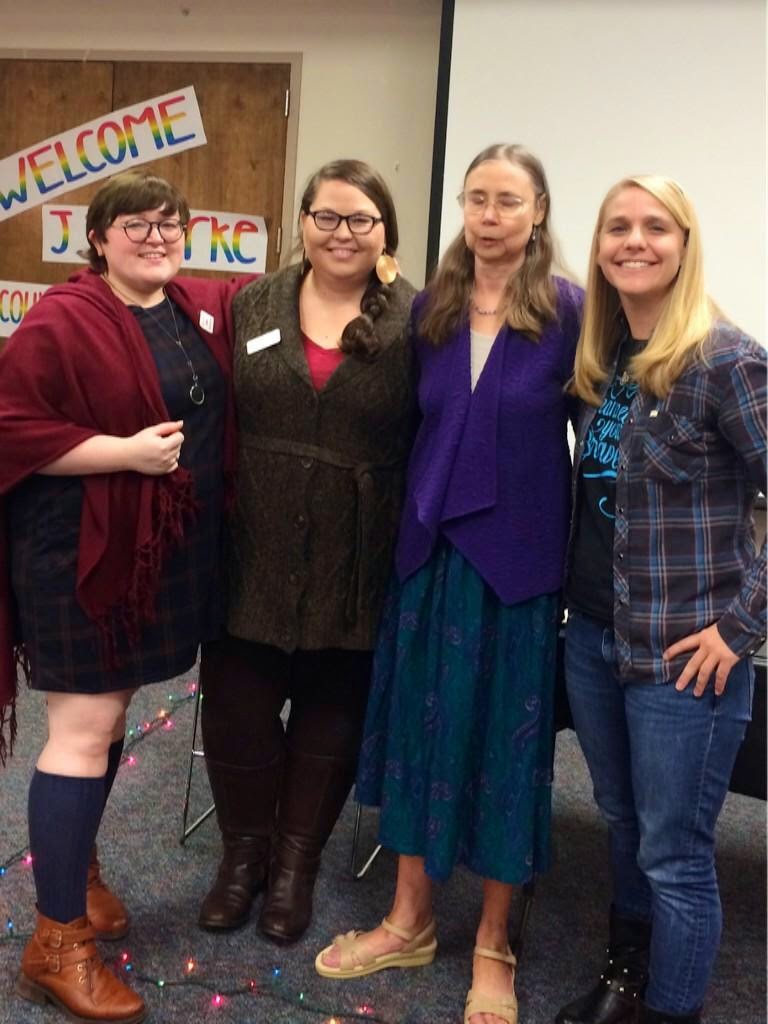
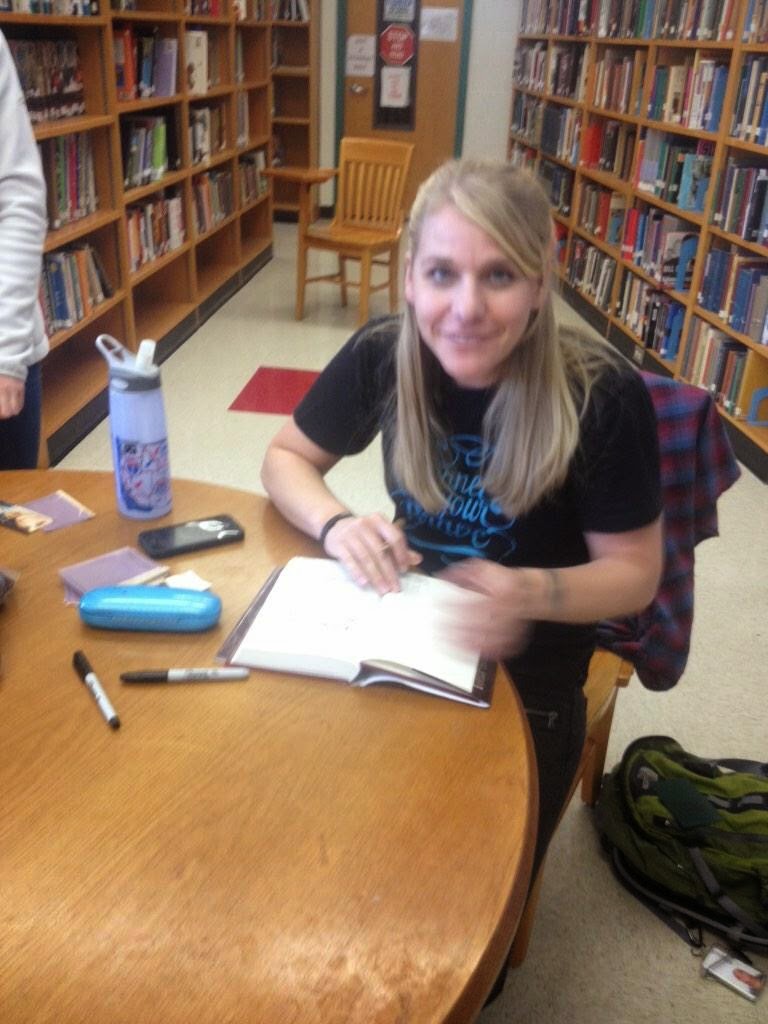
 Mentor Awesome High School Writers



 David Arnold and I planned a Tour of Heroes in Texas


 Readings
April 28, 2014
Welcome to the AFTER THE END blog tour! Amy's Truth or D...
Welcome to the AFTER THE END blog tour! Amy's Truth or Dare This is one of Amy's special author-hosted Truth or Dare stops. (The truth-or-dare theme is particularly relevant to AFTER THE END, since Juneau's oracle has said she has to tell the truth or she won't find her clan.) I opted for "dare," giving Amy the mission to leave a love note at a major tourist site in Paris, with a time and place for potential rendez-vous. For various reasons (timing, having her kids along, etc.) she had to modify the dare, and this is what she came up with:
 This is my note - simple and direct: "I think you are very handsome (or pretty)."
 And here is the drop-off point: a park bench in Place des Vosges on a beautiful Sunday afternoon. The man on the other side of the bench had been sitting there forever, and didn't even notice me drop off the note (with pebble on top - it was windy). I left the note and then went to hide out on a park bench across from it, camera ready. And waited. And waited some more. And then got my daughter to lurk with the camera for a while. And NO ONE came up to read the note. Except, finally...
 my 8-year old son, who was dying of curiosity to know what the note said. He came away with a smile on his face, as if he couldn't help but believe that I hadn't planned whole thing specifically for him just because he was SO DARN HANDSOME. I had so much fun with Courtney's dare, though, that I am determined to try it again. Another place. Another time. Another love letter. It will happen. And now, on to the juicy info about AFTER THE END + prizes! About the Book
 By: Amy Plum, Published by: Harper Teen, hitting shelves on May 6, 2014 Pre-Order from: Amazon | Barnes & Noble | Indiebound Find out more about the bookWorld War III has left the world ravaged by nuclear radiation. A lucky few escaped to the Alaskan wilderness.They′e survived for the last thirty years by living off the land, being one with nature, and hiding from whoever else might still be out there.At least, this is what Juneau has been told her entire life.When Juneau returns from a hunting trip to discover that everyone in her clan has vanished, she sets off to find them. Leaving the boundaries of their land for the very first time, she learns something horrifying: There never was a war. Cities were never destroyed. The world is intact.Everything was a lie. Now Juneau is adrift in a modern-day world she never knew existed. But while she′s trying to find a way to rescue her friends and family, someone else is looking for her. Someone who knows the extraordinary truth about the secrets of her past. About Amy Plum
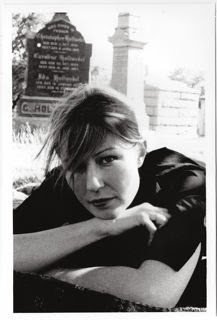 Amy Plum is the author of DIE FOR ME, a YA series set in Paris. The first three books—DIE FOR ME, UNTIL I DIE, and IF I SHOULD DIE—are international bestsellers, and have been translated into eleven different languages. The fourth book is an eNovella, entitled DIE FOR HER. The first book of Amy’s new series, AFTER THE END, releases in May 2014.Amy grew up in Birmingham, Alabama before venturing further afield to Chicago, Paris, London and New York. An art historian by training, she can be found on most days either daydreaming or writing (or both) in a Parisian café.Visit her on: Blog | Twitter | Facebook | GoodReads The Giveaway

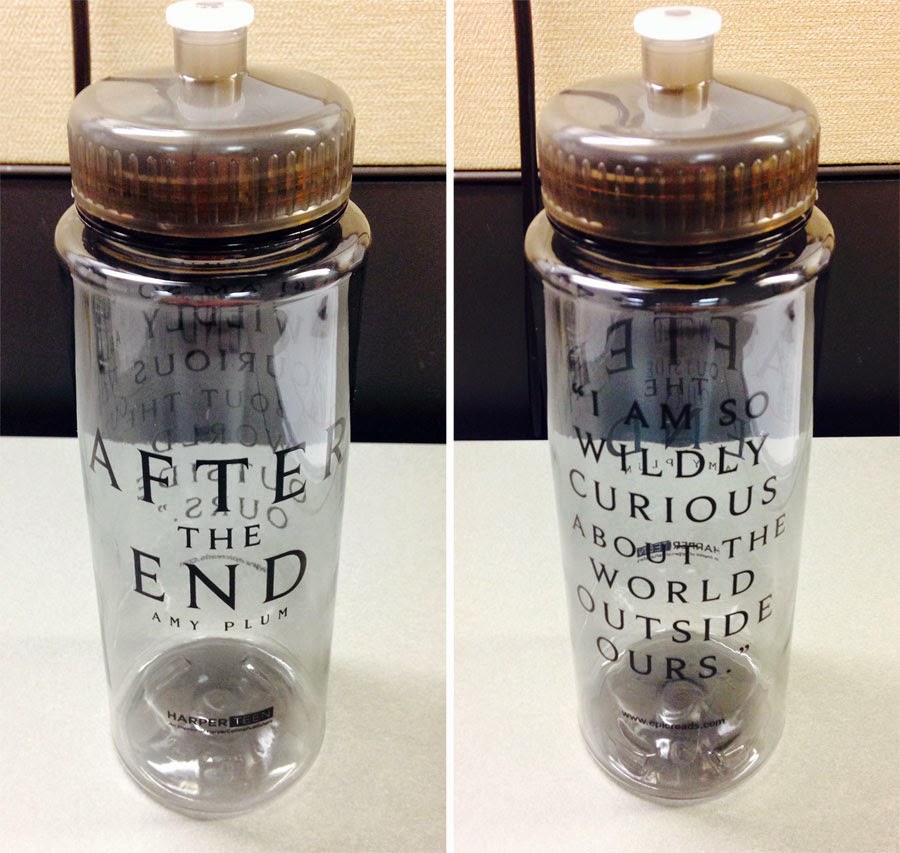
 Each stop on the tour will be hosting a giveaway! We're giving away: - 13 SIGNED After The End books - 6 iPhone After the End shells. *This is open Internationally* To enter, please be sure to fill out the form featured on each stop along the tour. a Rafflecopter giveawayThe first 300 people who pre-order AFTER THE END and show proof of their pre-order will receive one of these limited edition After The End water bottles. *see below*
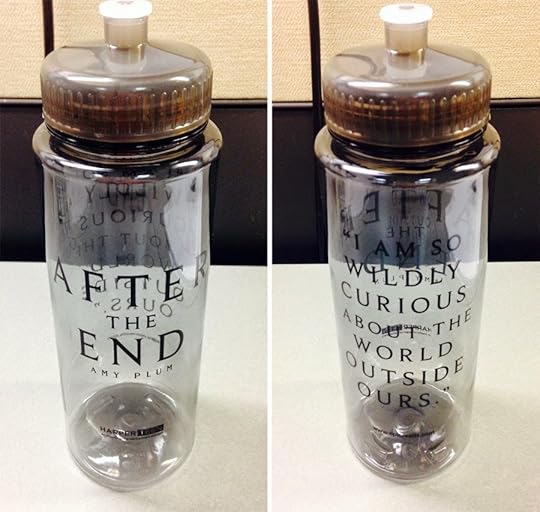 Please be sure to send your mailing address and receipt to katieloumercier@gmail.com.
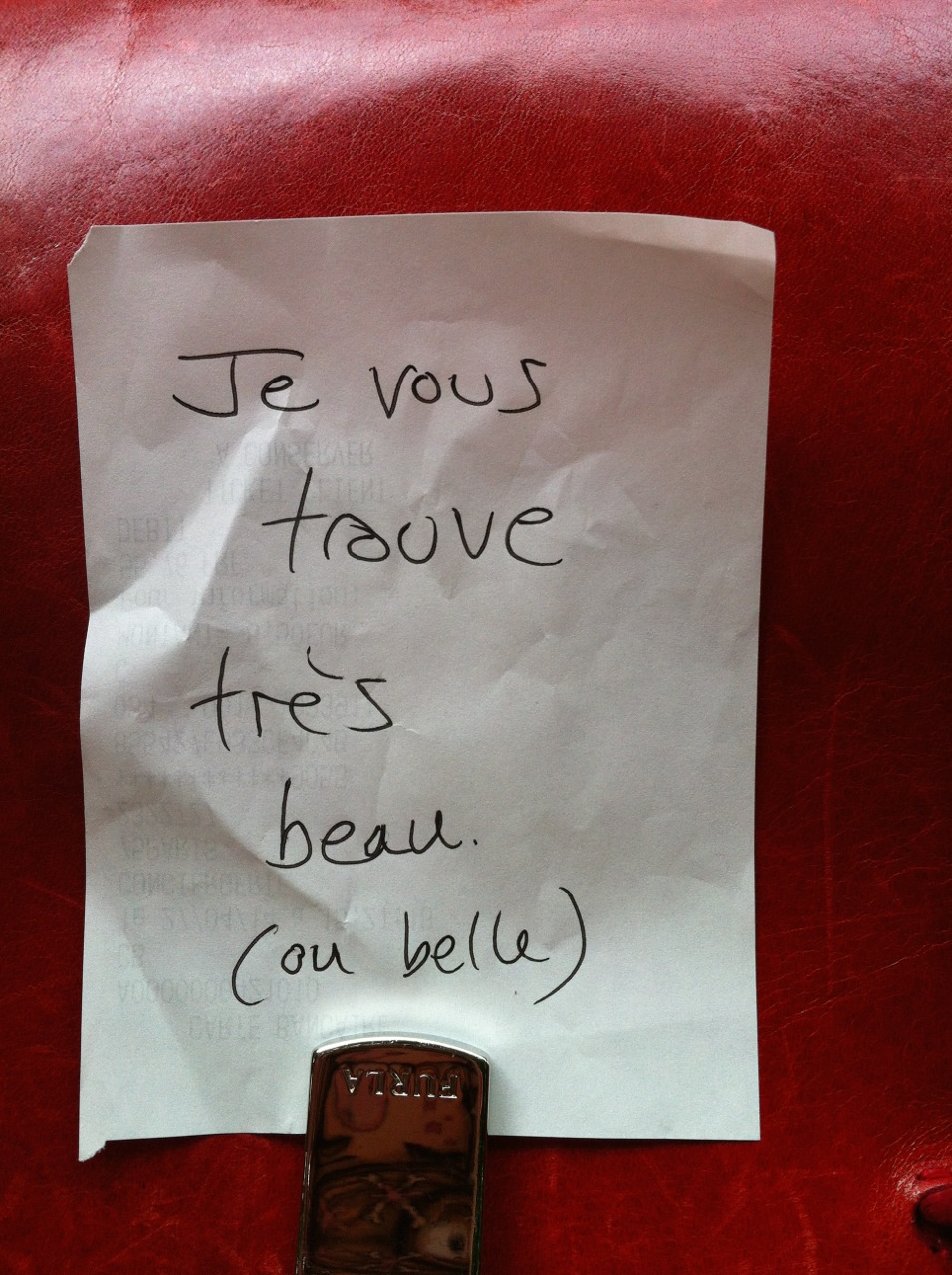 This is my note - simple and direct: "I think you are very handsome (or pretty)."
 And here is the drop-off point: a park bench in Place des Vosges on a beautiful Sunday afternoon. The man on the other side of the bench had been sitting there forever, and didn't even notice me drop off the note (with pebble on top - it was windy). I left the note and then went to hide out on a park bench across from it, camera ready. And waited. And waited some more. And then got my daughter to lurk with the camera for a while. And NO ONE came up to read the note. Except, finally...
 my 8-year old son, who was dying of curiosity to know what the note said. He came away with a smile on his face, as if he couldn't help but believe that I hadn't planned whole thing specifically for him just because he was SO DARN HANDSOME. I had so much fun with Courtney's dare, though, that I am determined to try it again. Another place. Another time. Another love letter. It will happen. And now, on to the juicy info about AFTER THE END + prizes! About the Book
 By: Amy Plum, Published by: Harper Teen, hitting shelves on May 6, 2014 Pre-Order from: Amazon | Barnes & Noble | Indiebound Find out more about the bookWorld War III has left the world ravaged by nuclear radiation. A lucky few escaped to the Alaskan wilderness.They′e survived for the last thirty years by living off the land, being one with nature, and hiding from whoever else might still be out there.At least, this is what Juneau has been told her entire life.When Juneau returns from a hunting trip to discover that everyone in her clan has vanished, she sets off to find them. Leaving the boundaries of their land for the very first time, she learns something horrifying: There never was a war. Cities were never destroyed. The world is intact.Everything was a lie. Now Juneau is adrift in a modern-day world she never knew existed. But while she′s trying to find a way to rescue her friends and family, someone else is looking for her. Someone who knows the extraordinary truth about the secrets of her past. About Amy Plum
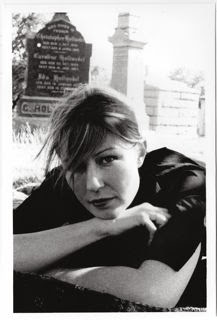 Amy Plum is the author of DIE FOR ME, a YA series set in Paris. The first three books—DIE FOR ME, UNTIL I DIE, and IF I SHOULD DIE—are international bestsellers, and have been translated into eleven different languages. The fourth book is an eNovella, entitled DIE FOR HER. The first book of Amy’s new series, AFTER THE END, releases in May 2014.Amy grew up in Birmingham, Alabama before venturing further afield to Chicago, Paris, London and New York. An art historian by training, she can be found on most days either daydreaming or writing (or both) in a Parisian café.Visit her on: Blog | Twitter | Facebook | GoodReads The Giveaway

 Each stop on the tour will be hosting a giveaway! We're giving away: - 13 SIGNED After The End books - 6 iPhone After the End shells. *This is open Internationally* To enter, please be sure to fill out the form featured on each stop along the tour. a Rafflecopter giveawayThe first 300 people who pre-order AFTER THE END and show proof of their pre-order will receive one of these limited edition After The End water bottles. *see below*
 Please be sure to send your mailing address and receipt to katieloumercier@gmail.com.
February 27, 2014
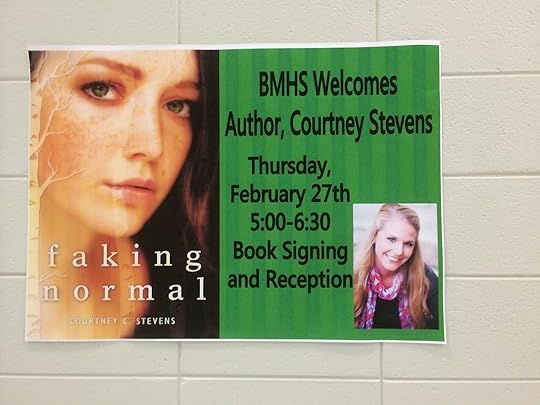
Tonight's Signing at Ballard Memorial
The signing at Ballard Memorial will take place at 5:00 p.m. in the library.
There is a district basketball game tonight at Mayfield at 7:00. (Go Lady Bombers!) I plan to be at school all day today and don't plan to leave. So I can be available after school for anyone who wants a book, but needs to rush off and cheer for our girls.
Please send an email to channelingbrave (at) gmail (.) com to make sure I know you're coming early.
There is a district basketball game tonight at Mayfield at 7:00. (Go Lady Bombers!) I plan to be at school all day today and don't plan to leave. So I can be available after school for anyone who wants a book, but needs to rush off and cheer for our girls.
Please send an email to channelingbrave (at) gmail (.) com to make sure I know you're coming early.