Aarene Storms's Blog
November 29, 2025
In which our Thanksgiving dinner happens mostly in our own backyard
Thanksgiving is special here at Haiku Farm.
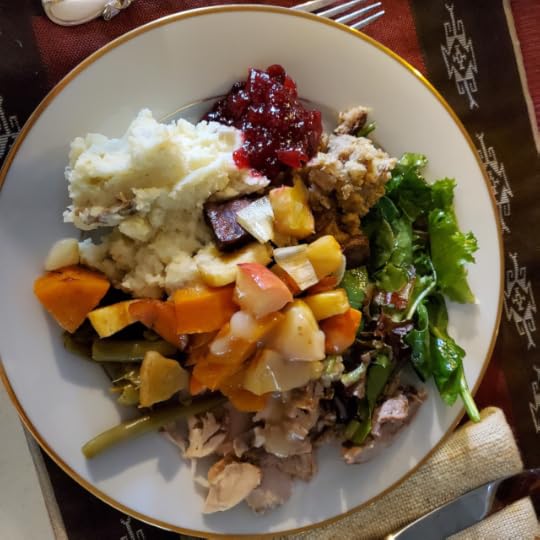 Almost everything on the plate is home-grown
There are only a few ingredients we don't/can't grow here.
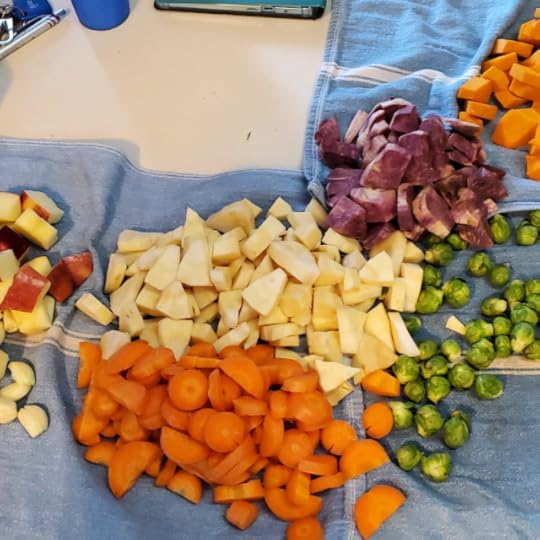 The veg that we roasted for the feast: apples, garlic, parsnips, butternut squash, carrots, leeks, sweet potatoes (purple and orange) and a few baby brussels sprouts.
We don't currently grow sweet potatoes, for example, but I'm signed up for a class in January that will teach the skills so I can try! It's likely that my favorite Korean purple sweet potatoes will always be an exotic. And the wheat flour for the bread, though grown and milled locally, is probably not a crop I will ever pursue.
However, the vast majority of stuff on the table is stuff we grow here. I figured that today, while I'm still replete from a few days of feasting, I would make a planting and harvesting calendar of our ingredients.
Plant in Fall: Garlic. I've already written about growing garlic in a post HERE. I try (not always successfully) to plant the garlic around Hallowe'en each year, but as our fall weather gets increasingly warm, I notice that my planting date is getting later and later each year. Garlic is a very slow-growing crop: I plant in October or November and usually harvest in July. Then the curing of the bulbs takes another month or two--although you can absolutely eat the un-cured fresh garlic and we absolutely always do!
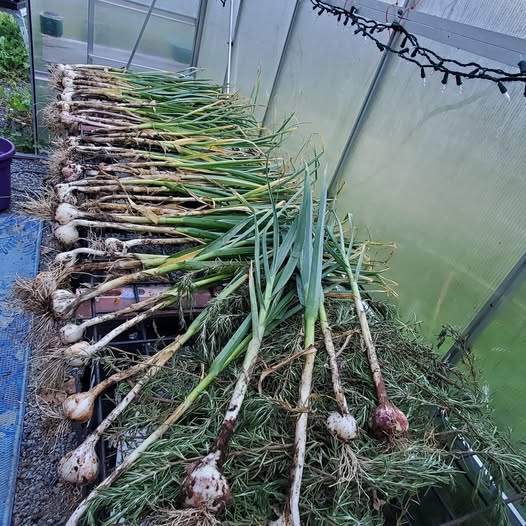 The garlic curing makes the greenhouse smell like an Italian restaurant
Onions can be planted in fall (as sets, not seed) but I usually prefer to buy onion sets for spring planting. I haven't (yet) been successful growing onions from seed, but I might try that next year.
Plant in Winter:
Brussels sprouts - my seeds were planted indoors on February 3rd. We didn't have a super-hot summer this year, which can cause Brussels sprouts and other brassicas to bolt, but I might try planting them directly into the garden in late summer next year as a follow-on crop after something that finishes early, like peas or spinach, just to avoid that issue.
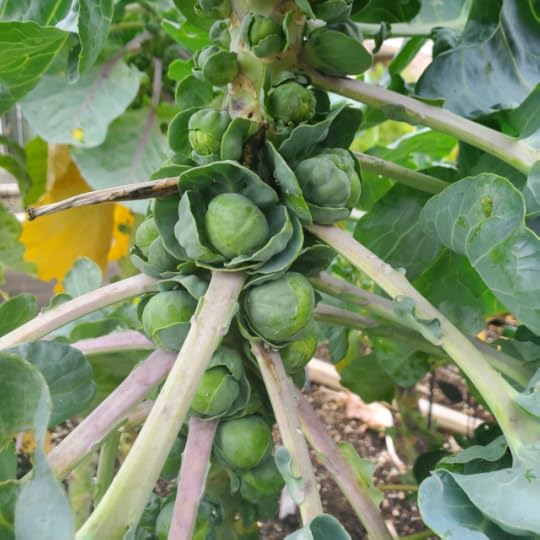 I'm not a huge fan of Brussels sprouts but my mom loves them
and it's nice to make a treat for her on Thanksgiving.
Leeks - my records say that I planted leek seeds into plug trays indoors on February 3rd. In theory, they transplant out when they are about pencil-size, but in reality I put them out into the garden in mid-April no matter what. As I recall, the plants were more thread-like than pencil-like, and they grew just fine.
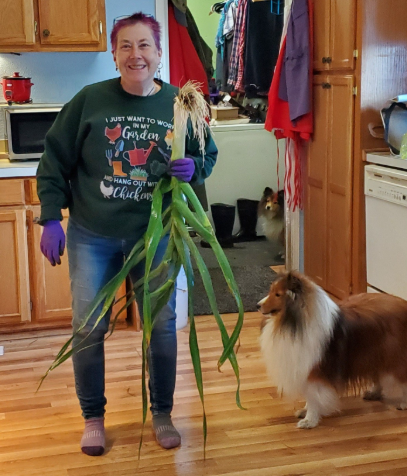 Leeks are left in the garden until we're ready to eat them starting in October.
Plant in Spring:
Beans - This year I tried starting bean plants indoors to see if I could get an earlier crop, and found very little difference. Planting them directly in mid-May is fine, no need to faff around and make extra work! Each spring I wonder if growing green beans to can and dried beans for soup is worth the extra effort, and then we eat them in the middle of winter and the answer is yes.
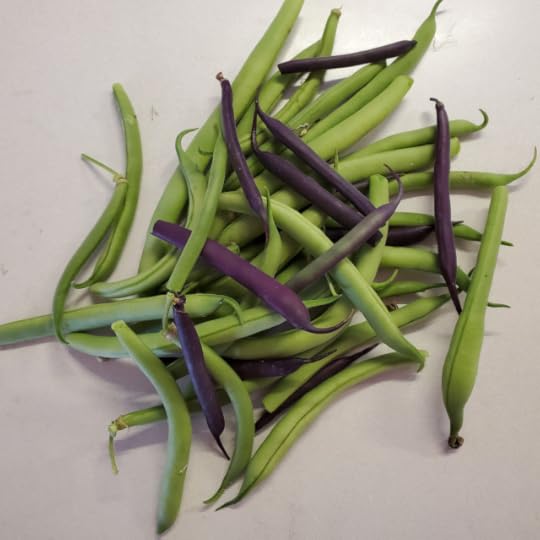 Truthfully, the electronic pressure-canner I bought in 2021 takes most
 of the work out of canning beans.
Parsnips - These (even more than carrots) are a bugger to get germinating, and the seed must be VERY FRESH. Two year old parsnip seed is a waste of time. I planted mine in early April, and I leave them in the ground until the day I want to cook them--getting a good strong frost will convert the starches to sugar and make them very sweet, so we eat parsnips starting in November.
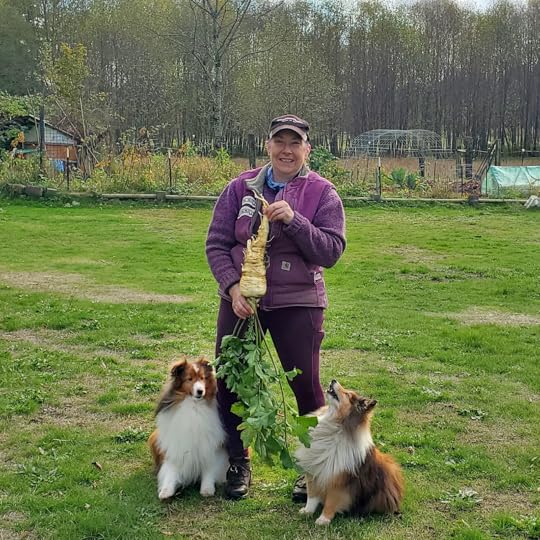 They are not all this monstrous.
 Potatoes - I'm underwhelmed with the harvests I usually get from red, white, and brown conventional potatoes, but I'm thrilled with the productivity of my Makah Ozette potatoes. Fingerling potatoes in general tend to be prolific, but these grow especially well--and they make amazing mashed potatoes, especially when cooked and mashed together with parsnip.
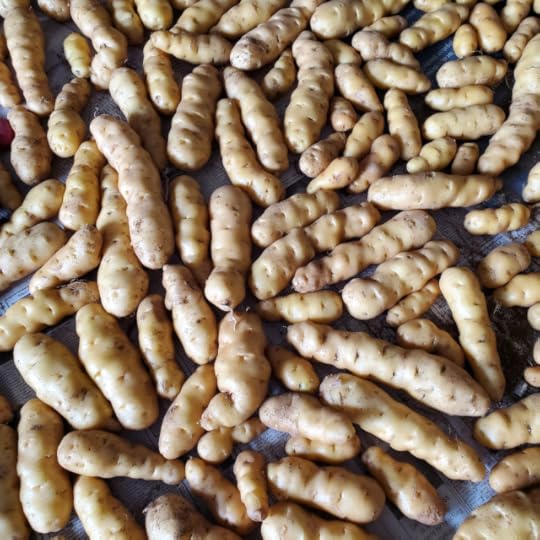 Unlike most fingerling-type potatoes, this variety keeps really well in a cool dry place
Plant in Summer:
Butternut squash -I This year I planted "Honeynut" a stable cultivar of butternut, and it was SO SLOW. I was afraid I wouldn't get any squash at all. The flowering was late, and baby squashes didn't start appearing until the end of August and I had to harvest before most had developed a rind so they won't keep for months. I'm going to try a different variety next year.
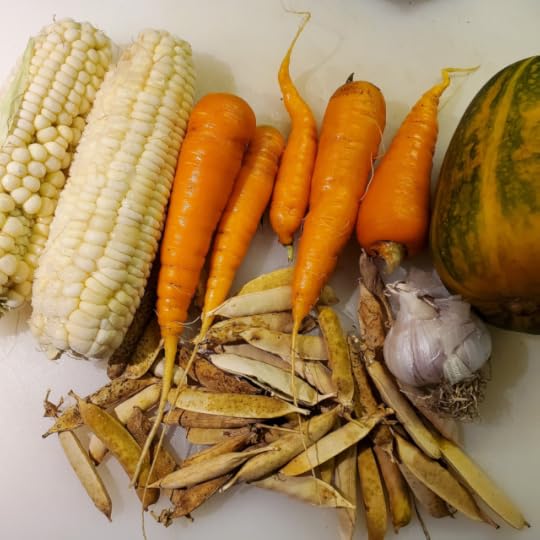 This photo from October shows carrots and an (unripe) squash before we made them
into a very delicious soup.
Carrots - Conventional wisdom (and the seed packet) says to plant carrots in Spring. However, after years of failure-to-germinate crops, I discovered that the secret to growing carrots here in my Swamp is to wait to plant until the soil is actually warm. This year I planted carrots in July, using the ground freed-up when I pulled out the finished pea plants. The carrots germinated promptly, and now I go pull out a few whenever I want some. They will grow slowly now that the ground is cold again.
Perennials:
Apples for pie or roast veg dishes grow on the trees that (mostly) came with the house. In recent years we've added a few new fruit trees including a memorial apple tree for Roo.
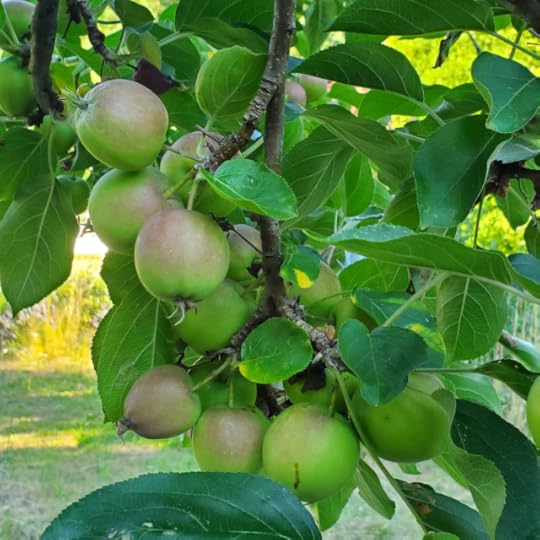 We don't know the real variety name for this apple. We call it the AQT tree
because the apples are usually ugly but are Actually Quite Tasty.
Cranberries & Lingonberries - I haven't harvested more than a few cranberries from our plants so far because they were absolutely not thriving in the spot where I planted them. This fall I moved them and added more ericaceous (acid) soil amendments, which should make them happier.
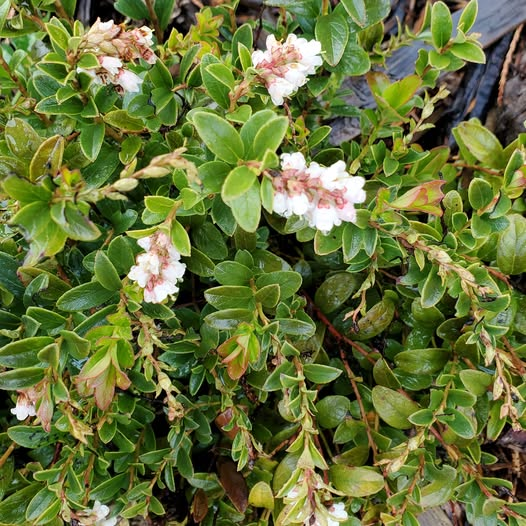 Lingonberries and cranberries like the same conditions as blueberry plants,
and we definitely know how to grow blueberries!
Then of course, there is the star of the show:
The turkey.
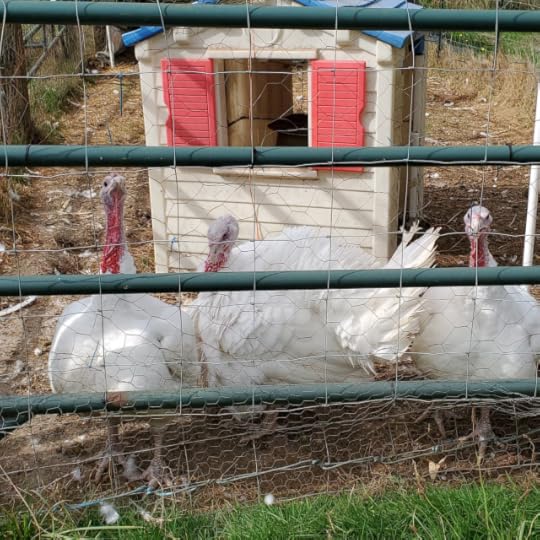 We get them as 3-day old poults in May, and raise them
to maturity in a specially-built pen.
We don't want to grow much meat here on our farm.
Each year we buy 1/4 of a cow (butchered, wrapped and frozen) from our friend Ryan's family in Eastern Washington. We buy salmon from locals out on the Tulalip reservation or out of the back of trucks parked by the side of the road (this is legit how I was raised to buy fish).
We will occasionally harvest a Bad Rooster.
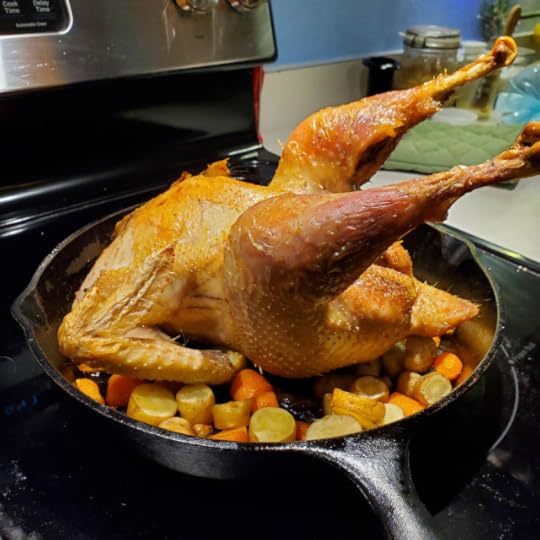 This guy was a bully and a sexual predator...and he was delicious.
Growing turkeys is a PITA.
They aren't cheap to feed, are so dumb that they need their own pen that has everything but padded walls to keep them safe and alive, and the Broad-Breasted White variety (all that was available to raise this year because of bird flu losses at hatcheries) are so prone to heart problems that you cannot delay the harvest date because they will suffer needlessly if left alive too long.
But since Thanksgiving meals are special, I guess we'll keep growing a few birds each year.
They are, after all, delicious.


November 25, 2025
In which the weather is cold and wet and horrible, so let's plant stuff
I'm serious.
I know the weather is awful. Believe me--I know. This year is also weird, weather-wise, because we still haven't had a really hard freeze and I can still pick a couple raspberries out of the garden every few days!
Still, my cute summer sneakers are stacked away in the back of the closet and my wool sweaters are now out on continual rotation.
Which means...it's time to plant garlic!
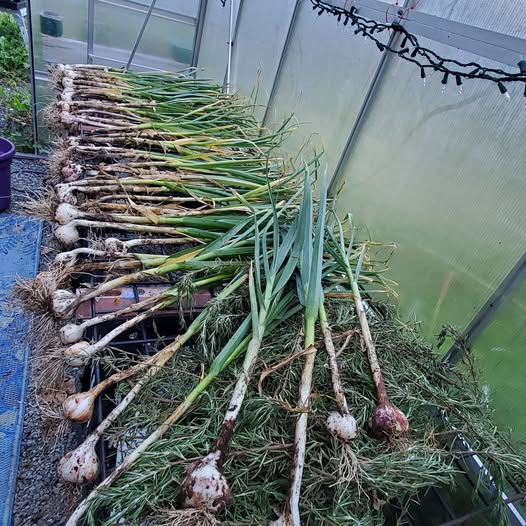 If you wanna harvest garlic next July you gotta plant it pretty soon.
In my region (Hardiness Zone 8b, for those who are counting), we usually plant garlic between Hallowe'en and Thanksgiving, but if that doesn't work for you it can go into the ground anytime between now and Xmas.
Your goal is to get garlic in the ground 4-6 weeks before your first hard frost. It's a nice goal. Don't worry if you've already missed that window. Put the garlic in now and you'll be fine.
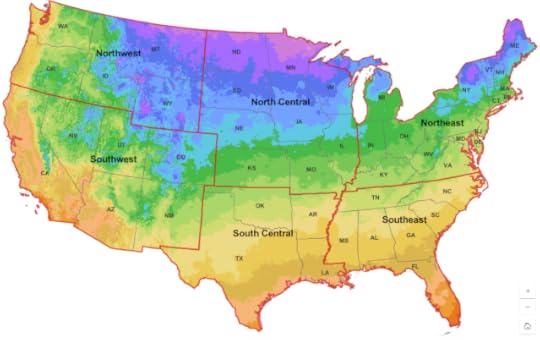 Interactive hardiness zone maps are available free from the USDA HERE
Do I need to talk about Hardiness Zones? Leave me a comment if you want me to write a "Quick and Dirty Guide to Hardiness Zones and Why They Change Sometimes and Are Important But Not The Word of God."
Garlic is one of those garden plants that needs vernalization, which means it's gotta have winter in order to be garlic.
In warm climates (NOT MINE), that means you need to plan ahead and stick it in the fridge for 6-8 weeks to simulate winter. Without vernalizing, garlic plants may just grow leaves, fail to produce cloves, and just end up becoming a pathetic version of leeks.
Leeks are awesome, but they aren't the same as garlic.**
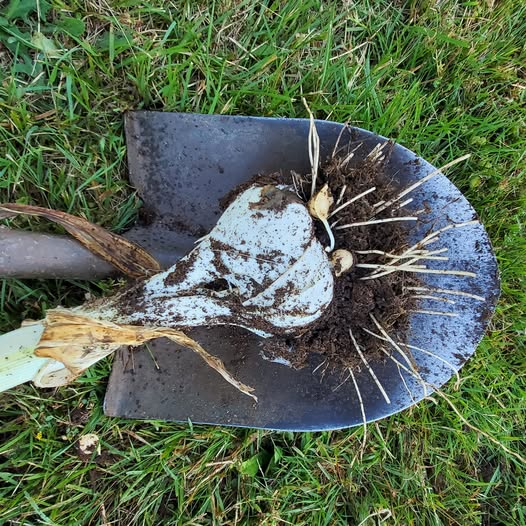 **except ELEPHANT GARLIC, which actually is a leek, but gets cultivated
and cooked like garlic, so that isn't confusing at all
Hardneck, Softneck, or Elephant?
In my region, we can grow all the varieties of garlic, and I do.
Hardneck Garlic has a (surprise!) hard woody stem running through the middle of the bulb, and grows best in cold climates. Hardneck garlic produces fewer, larger cloves around that central stem AND hardneck varieties also produce an edible "scape" flower before the bulb is ready to harvest--a free second crop.
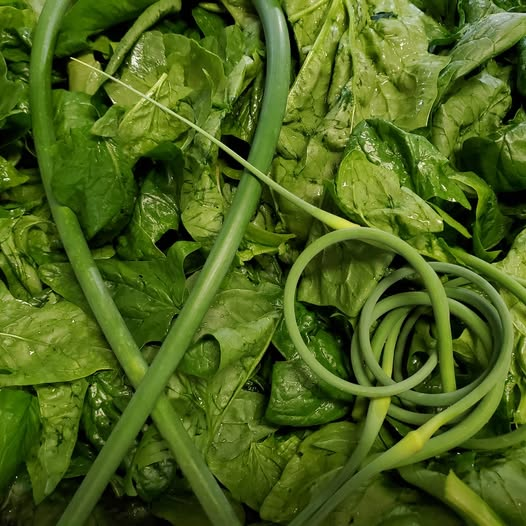 Recipe for Garlic Scape Aioli is HERE and it is amazing.
Softneck Garlic has a pliable stem, and grows well in warmer climates. It stores longer than hardneck, and those soft stems can be braided by people who are more coordinated than me into pretty presentations.
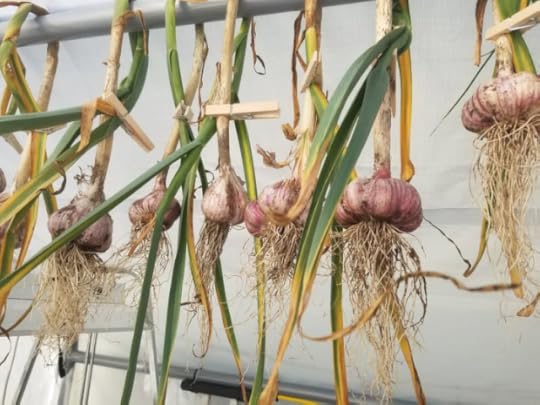 This is as pretty and Pinterest-y as I get with garlic. Note the clothespins. So classy.
Elephant Garlic is actually a leek, but it tastes like garlic and grows like garlic and is cooked like garlic. So, consider it a garlic for most purposes. It grows a huge, very mild-flavored bulb with only a few cloves (but since they are mild + massive, you get more bulk for approximately the same amount of garlic flavor as regular garlic).
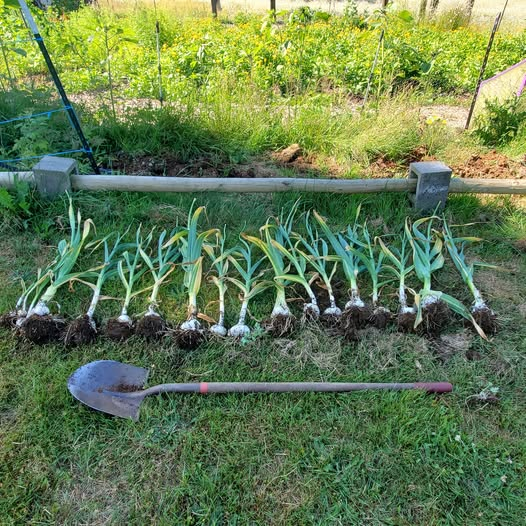 This whole crop of elephant garlic was grown from just three bulbs of seed garlic,
 split into cloves and planted.
Can you grow garlic from the grocery store? Maybe. Some grocery-store garlic is treated with an anti-sprouting agent, so it won't grow well. If you are new to growing garlic, your best bet is to go to your local farmer's supply store and get some seed garlic--they will sell varieties that are appropriate for your area. Once you are experienced at growing garlic, set aside some of the biggest bulbs at harvest-time to plant for the next season.
First step for garlic planting: prepare the soil.
Garlic prefers nice, light soil with plenty of compost and mulch dumped on the top. If your soil isn't perfect, no worries: add a couple inches of compost, stall cleanings, and/or leaves to the top of whatever you have, and use that. No need to dig it in, or double-dig, or whatever your grampa did. Dump amendments on top and let the worms and weather drag all the nutrients down for you.
 I talked a lot about soil prep in THIS POST
Because most of my garden beds look alike in winter, I mark the beds with the garlic using fiberglass fence posts. I'll take the posts down once the garlic is well-sprouted.
Can you grow garlic in a container? Absolutely!
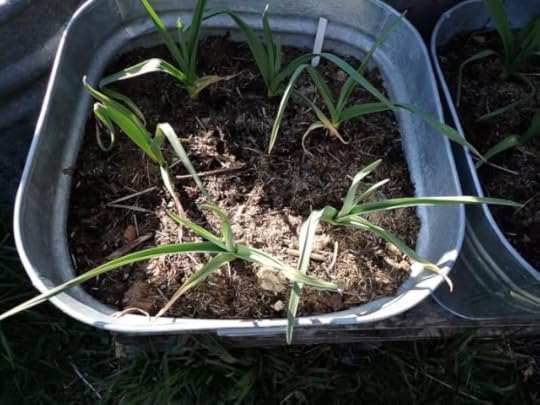 Make sure the container is big and deep enough to give the bulbs plenty of
room and nutrition to develop
Make a hole or a trench about twice as deep as the garlic clove is "tall." In warm climates you could leave the tip of the garlic above the soil, but I find that the root (the food!) grows bigger and the stem grows stronger if it's further down. Some people report that shallow-planted garlic is a target for birds and rodents too. So, go ahead and bury it.
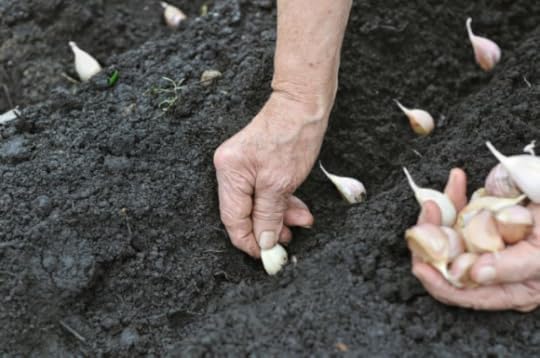 Research says plant the BIGGEST cloves from your bulb of seed garlic, and eat the rest.
Break apart your garlic bulb into cloves just prior to sticking them in the ground. Leave the papery covering on each clove in place, but don't worry if it tears.
Put the flat part (basal plate, i.e. "the part where the roots come out") down and the pointy end (where the stems come out) pointed up. Cover up the clove and pat down gently. No need to stomp it down. Drag your compost and mulch up over the top, and label where you planted them. Water them. In my climate, that will be the last water from me until summer.
Eventually, they will sprout. If your weather is cold and dry, they might sprout in January or February. If you have a warmish, wettish autumn, they may sprout in early December.
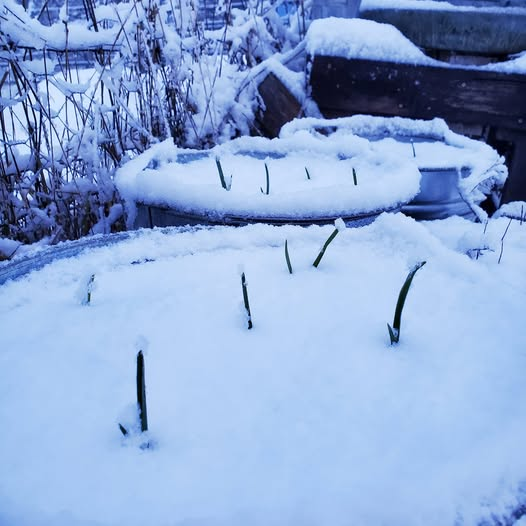 Garlic bulbs don't grow during the cold part of the year, but they also don't die.
They just hang out, waiting for spring.
Come Springtime, they will GROW.
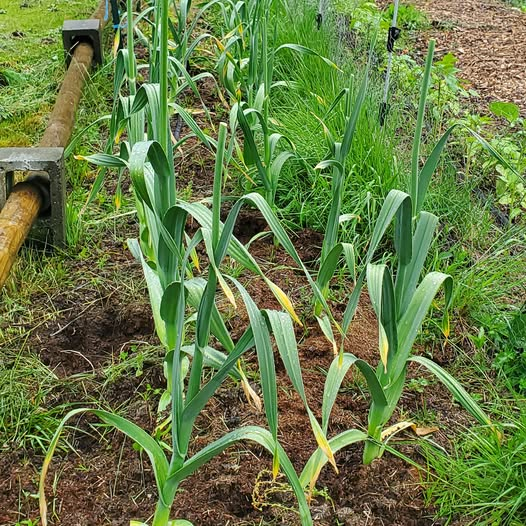 Stand back. This is elephant garlic, and it gets BIG.
If your weather gets hot and dry, you will need to water. Reduce the amount of water needed by adding a mulch of garden compost, straw, or grass clippings, which will keep the soil cooler and help retain moisture below the surface where your garlic can get at it.
A couple weeks before the garlic bulbs are ready to harvest (usually late June, but the weather and the varieties can change that up to a few weeks in either direction), they will send up flower stalks, called "scapes." Cut the scape stalk down as soon as it begins to curl, and chop it up to use in the kitchen as you would green onions.
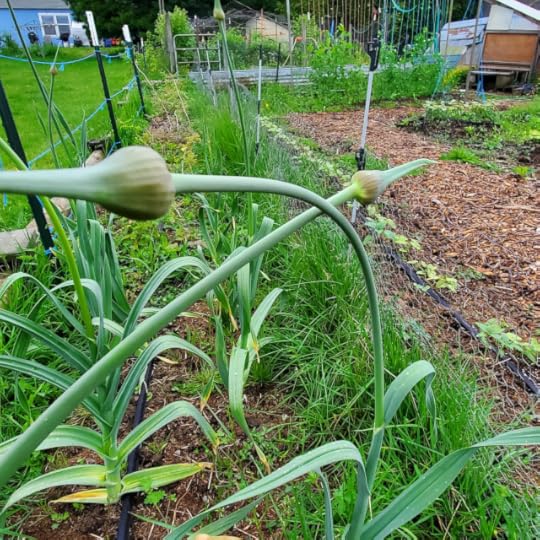 These scapes aren't quite curly enough to harvest, but almost!
I usually stop watering after I harvest the scapes. Sometimes the sky continues to water the crop, though. Sigh.
When at least half the leaves turn yellow or brown, it's time to harvest! Usually July. Sometimes late June. Sometimes early August.
Dig (don't pull) up the bulbs and, if the weather is dry, and lay them on top of the soil for a few hours to dry. If it's raining or fixin' to rain, put them in a dry place to cure.
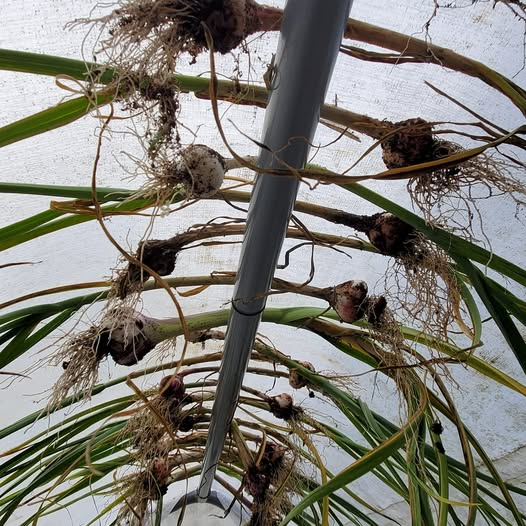 Sometimes I tuck the stalks between the ridge pole and the sheeting of my small greenhouse roof.
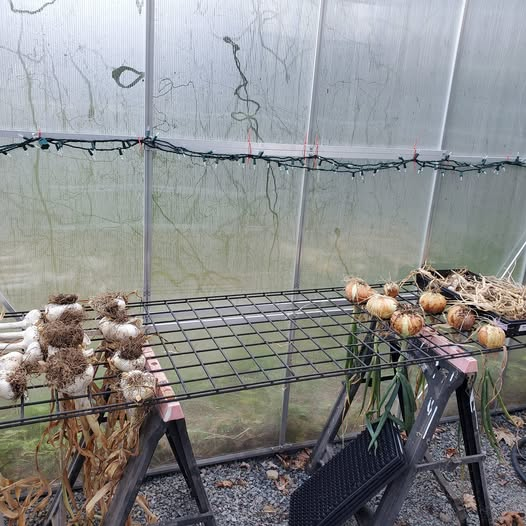 In really wet years (which is most of them), I set up a rack in the big greenhouse to let them
dry out and cure. They can stay in there for months.
If you store your garlic in the house, cut off the stalk and the roots when everything is completely dry. Dust the dirt off the outside of the bulb with a brush (I use a mushroom brush).
The softneck garlic varieties will store longest, so use up hardneck garlic bulbs first. Save back the biggest and most-perfect bulbs to plant again next year!
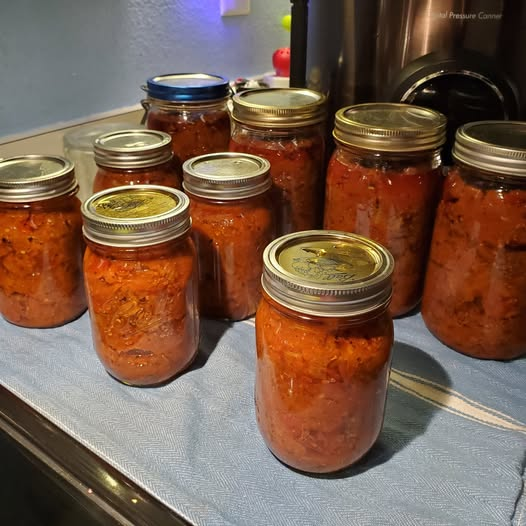 Haiku Farm Spaghetti Sauce, featuring our tomatoes and garlic,
will feed us all winter.
I want your favorite garlicky recipes! Leave 'em in the comments!
November 23, 2025
In which we should already have all the skills we need to get through this thing
Unless you are REALLY new to horses, you've been through equine viral outbreaks a few times.

If you ARE new to horses but you are more than ten years old, you STILL already have the needful skills to get through this, because we had a worldwide pandemic recently and pretty much everybody on the planet got to practice the protocols:
There's no reason to throw away perfectly good skills. Coping with an equine outbreak is just a variation on stuff we already know how to do:Don't travel to crowded places. Boarding facilities should close to haul-ins and restrict haul-outs. If horses do/did travel to a crowded place, they should be isolated 14-21 days after.Keep horses far enough apart that they don't breathe on each other or snork on each other. Don't share halters or buckets. If horses have been in an isolated bubble, let them stay together in the bubble.Wash hands before/after each horse you touch. If you come into contact with an infected horse, don't touch anybody else. Go home and wash everything.Call the vet if you see symptoms.Fish Creek is closed, of course--nobody allowed to haul in or haul out. That seems fair. They've got a lot of horses to keep safe, and a lot of those are seniors or "super seniors."
 The last time we were at FC the Dragon wasn't feeling sociable,
 so we went to the outdoor arena and practiced by ourselves.
I will miss using the arena during terrible weather, but I won't die of rain--that's why God made GoreTex, after all.
My situation is a little unusual: my horse lives with two goats and no other horses nearby.
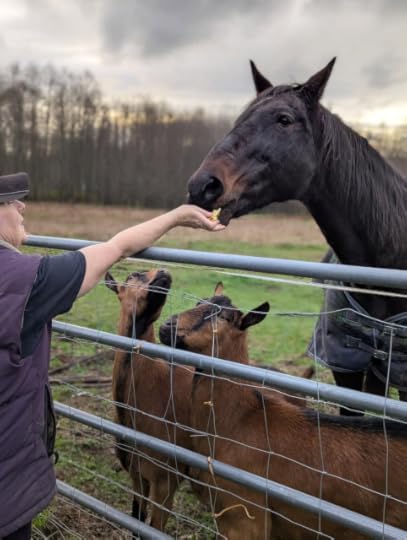 Goats don't spread this particular germ
The northern neighbors' horses are currently on their far pasture (5 acres away from mine), which is good--those horses don't travel but they also don't get vaxxed very often.
The other nearest horses to the south are 20 acres away--we can see them, but we can't hear them.
So, my horse is quarantined with no effort from me at all.
After checking with my favorite vet, I got the green light to haul out to a trailhead. As long as we stay away from other horses at the trailhead and on the trail, we're fine.
 No germs here!
Of course, I saw Kitty and Charlotte while we were tacking up. We waved and talked without petting each others' horses. Not my favorite, but it's fine.
I'm sure Kitty's horse misses the cookies that I keep in my pockets for horses, but I found somebody else to take care of those.
 This is the trick we call "LOOK AWAY", and the reward is a cookie!
Riding solo is what the Dragon and I have done most of our time together for all these years.
We like the company of other horses and riders, but when it's just us, we can meander quietly...
 This is a "meandering" trail
or, we can ZOOM.
 This trail is good for zooming!
We don't zoom nearly as fast or as far as we did in years past. But that's okay.
Any day on the trail with my happy, healthy horse is a Good Day.
November 15, 2025
In which seed porn is examined and some recommendations are made
Seed catalogs are to me now what the old Sears "Wish Book" was when I was 6.
 What could go wrong here?
No matter how outlandish or impractical or ridiculous the items shown on the page of a Wishbook, they inspired hours of wishful thinking.
Fast-forward to Growing Season 2026:
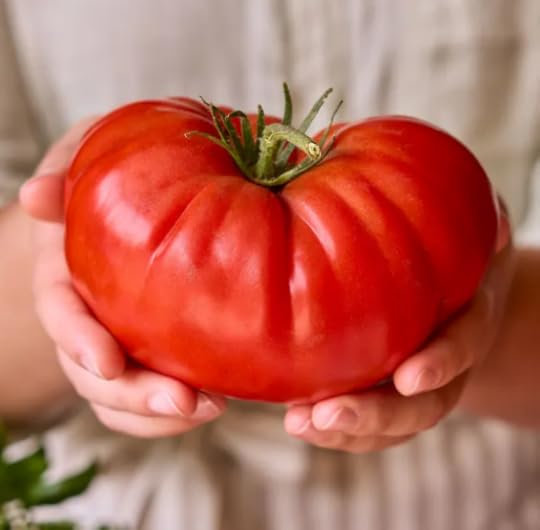 Burpee Co. tomato "Groundswell"
So, yeah: seed catalogs = Wishbooks
Once you've decided on your garden's size and location, it's time to start dreaming.
You can take your time over this. Don't worry about being practical right now.
Linger over the seed catalogs. Dog-ear the pages, scribble your thoughts in the margins.
November is wishbook season, y'all.
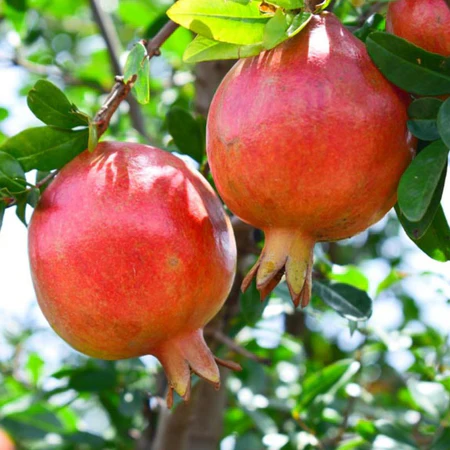 Territorial Seeds pomegranate
Please know that the fruit, veg and flowers in the catalogs are probably airbrushed, and advantageous angles and lighting is definitely in use to make stuff look amazing. Some photos may even be enhanced with AI tools. That's one of the reason I call it "seed porn."
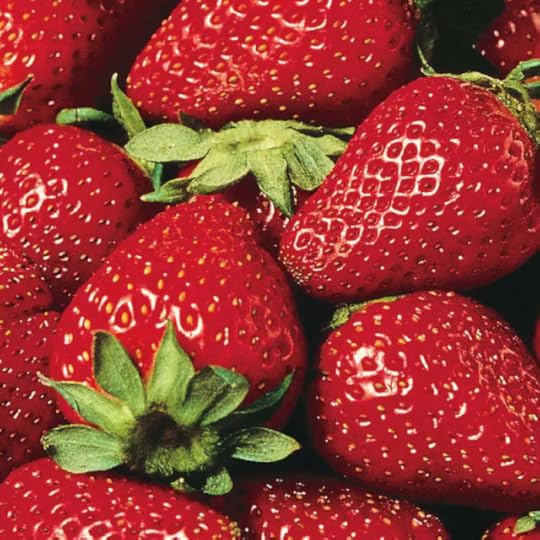 Gurneys strawberries "Eversweet"
Your garden may not grow everything as big and beautifully as the photos in the catalog for the same reason most 1st graders don't build Pinterest-worthy sn*wmen: it takes practice.
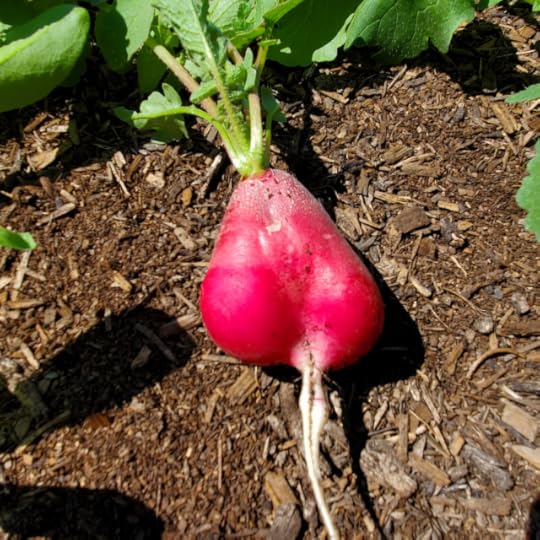 Some veg are more amusingly-shaped than others
Before you hunker down with your hot cocoa and your seed porn catalogs, I wanna put on my Librarian Glasses™ for a moment and lay down some talk about the Perils of AI.
 The future is here, and it's so brite.
I'm gonna be really blunt (surprise!): AI lies. It makes sh*t up. It hallucinates, fabricates, and is used by Unscrupulous Entities to separate people from money.
Do these Unscrupulous Baddies use AI to deceive gardeners? Oh, yes.
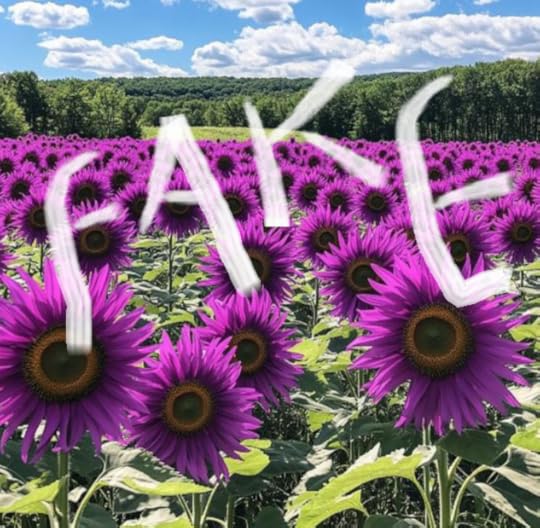 I would love to grow purple sunflowers, but they don't exist
I want your gardening dreams to come true!
I'll link to some reputable seed companies below. Browse their websites, order their catalogs. They will send you real seeds.
If anything goes wrong with their seeds (it happens, sometimes), customer service will help you. You can write to them, or call to ask questions. Your emails and phone calls will be answered by real people, and if they don't know the answers they will find out.
HOW CAN YOU TELL IF THE COMPANY IS REAL?
That's a really good question in this age of AI slop. If you are in doubt, start with the big national brands listed below.
If you're hunting for something more specialized, look at the photos on the website. You know what they say about "if it seems to good to be true...?" Photos that are perfect, especially those that have the AI "shine" to them are definitely suspicious.
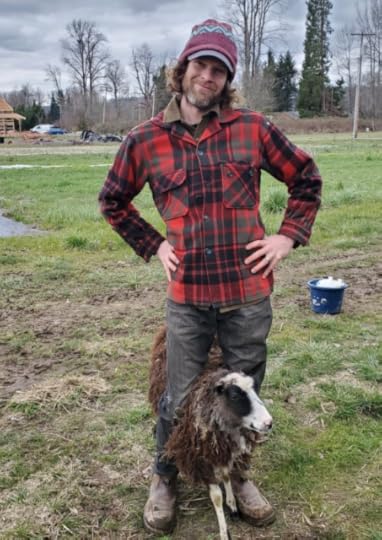 This is a real local farmer on a real local seed farm (with real mud):
 Nathaniel from Deep Harvest Farm on Whidbey Island.
Tomatoes the size of a toddler are fake (you know that, right?)
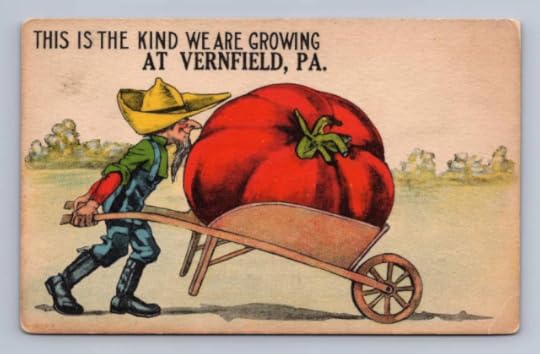 Cute, but clearly not real
Seeds sold on Etsy are fake.
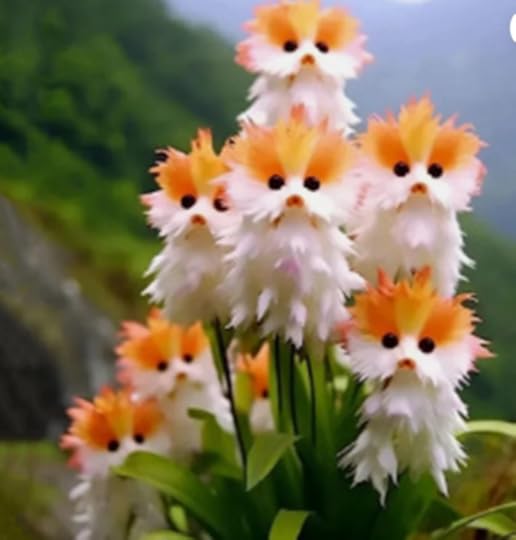 Srsly? SO FAKE!
Plants the colors of Skittles are fake.
 Somebody srsly asked about this in one of our local social media gardening groups.
 "Why don't any of the local nurseries carry these?" Because they aren't real.
Although the seeds sold at the Dollar Store are real, and probably from reputable companies originally, they are usually past their "best-by" date and may not germinate. Here's an article about seed viability and how to test your seeds for viability.
Seeds sold at a national grocery chain store are not necessarily selected for your region.
So, where should you buy seeds?
If you aren't sure about the reality and appropriateness of an online seed source, turn off your phone and buy seeds and starts at your local farming co-op instead.
Farmer's co-ops will sell fresh seeds that give you the best chance of success. In theory, they won't sell seeds for crops that don't grow in your region (watermelons in the Pacific Northwest are not a thing, for example), but in reality there's always somebody with a super-heated greenhouse who wants that stuff, so they may sell them. You can talk to the store staff, most of them are gardeners and/or farmers who will steer you in the right direction.
I'll talk about what crops are good for beginning gardeners in my next post.
I've separated my list into BIG COMPANIES and SMALLER COMPANIES. The big 'uns supply seed appropriate for many regions and growing conditions. Smaller companies specialize--they might grow only potatoes, for example, or focus only on legumes for northern climates. My list of small companies is skewed to the Pacific Northwest--if you aren't here (or in a place like here), let me know and I'll help you find small companies appropriate for your garden needs.
BIG COMPANIES
Baker Creek, also known as Rare Seeds This company focuses on heirloom seeds, although they do supply some stable modern varieties. Based in Missouri, they also have farms in California, Jamaica, and Kenya.
Burpee Burpee was the first researched-based seed growing company in the United States, established in 1876. They established "Fordhook Farm" in Pennsylvania, and the experimental gardens there are recognized world-wide for high-quality veg and flowers.
Gurney's Seed & Nursery Another old standard company, providing access to vegetables, flowers, fruit and trees. I had a problem with a piece of equipment I ordered from Gurney's and they fixed it the same day. Gold star.
Johnny's Seeds Based in Maine, Johnny's was one of the first seed suppliers to specialize in certified organic seed.
Seed Saver's Exchange is a non-profit organization tasked with preserving rare and heritage varieties of vegetables, fruit, herbs, and flowers. Their catalog is a thing of beauty, and many seed varieties come with a short explanation of the provenance of the seeds and plants--good reading for geeks like me! They are based in Missouri but supply seeds gathered and proven in a variety of regions and climates.
Territorial Seeds Oregon-based, this company traditionally provided access to vegetable seeds developed especially for growers "west of the Cascades" ... in other words, SWAMP VEG! The Territorial Seed catalog is an instruction guide as much as a list of products. They have widened their territory in recent years, and now sell things that grow in Northern California but not here. Read the descriptions before ordering.
SMALLER COMPANIES IN THE PACIFIC NORTHWEST
Adaptive Seeds Based in Oregon, on the Wet Side. I've gotten some very good broccoli seed from them.
Deep Harvest Farm Whidbey Island Washington. This company is deeply embedded in the local community, and they grow most of their own seed.
Ed Hume Seeds I remember seeing Ed Hume on local television when I was a kid--a round-faced white guy, always mucking around in dirt and always smiling. He is now 93 years old, and apparently is still gardening! His company participates in the "Plant a Row" program, which encourages home gardeners to plant extra food to donate to local food banks--a worthy cause these days.
Filaree Garlic Farm When I decided to grow Makah Ozette potatoes (a variety grown by Makah tribal members for more than a century), I ran into a problem: Washington State doesn't allow out-of-state potatoes to come here. Potatoes are a big industry in our state and the Washington State Department of Agriculture, which is not staffed by dummies, very correctly put together a set of protective laws and practices to guard that industry. But the only big company selling the Makah Ozette potatoes was Burpee, and it's nowhere near here. Filaree to the rescue! They sell a lot more stuff than just garlic--and they are a super little local company too.
Renee's Garden A nice, ethical seed company run by plant people in California. They sell a ton of heirloom varieties of vegetables and flowers.
Uprising Seeds I would support a seed company based in my hometown of Bellingham Washington no matter what--but this is also a really super group of people, and they raise a lot of their own seed right in Whatcom County. I see that they have a variety of soup pea listed on their website that I've been dying to grow! Highly recommended.
If you are an experienced gardener, please put your recommendations in the comments box! Where do you buy seed? What crops are easy for you to grow? What crops are a challenge to grow?
November 11, 2025
In which we look! up in the sky! it's not a bird or a plane! It's an...
Aurora borealis!
The results of a G4 solar storm, sending charged particles to Earth via the solar wind, all of which sounds like Star Trek-level gibberish, but this is real, and it's cool.
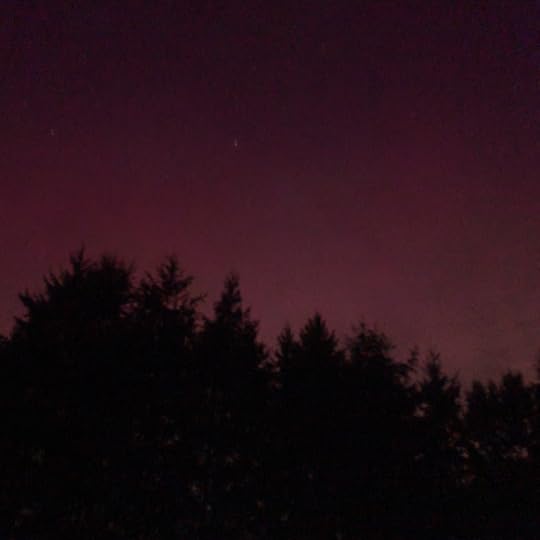 Sky to the north
With our un-aided eyes we could see a pinkish tint to the sky, and some shapes that drifted around. Cameras see these things much better than we do!
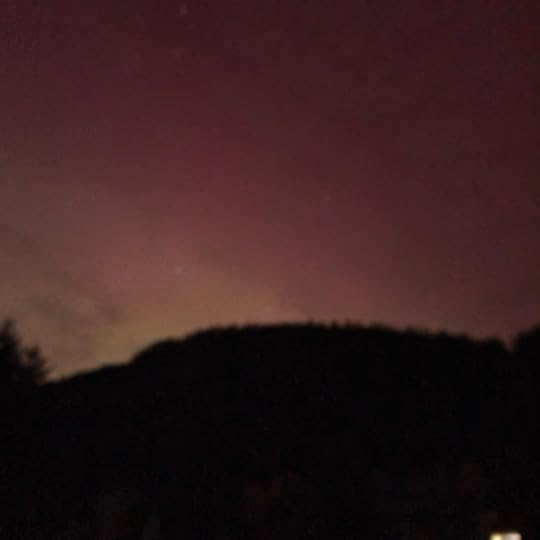 Sky to the east of the farm.
Usually the best time to see the lights is after 10pm, partly because the sky is darker because sunset is long gone, and partly because the neighbors have finally gone to bed and turned off their lights (except that one neighbor because there's always one neighbor).
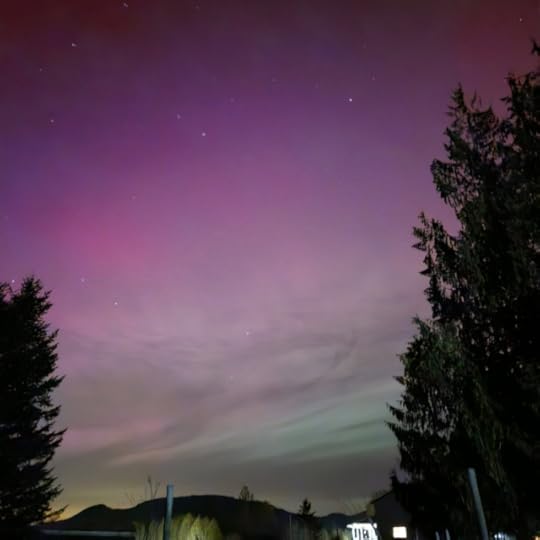 Porchlights from that one neighbor but also colors!
We started getting pings about the lights at 8pm, a mere 3.5 hours after sunset (sniff!! so dark so early!) and I ran outside to take a look.
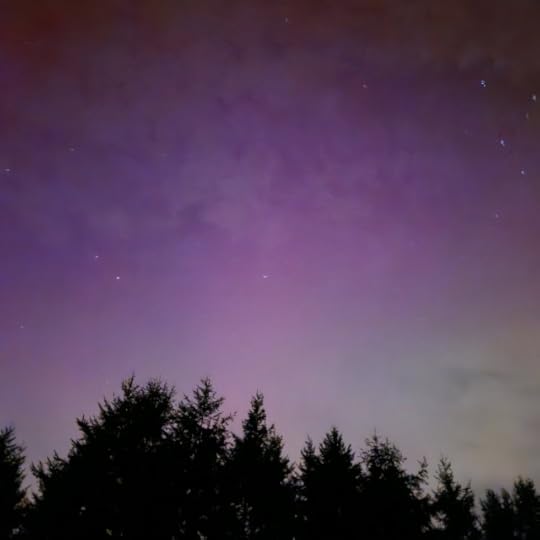 Jim's camera gets the green tones better than mine does
"Come outside right now!" I told Jim, and we both went out to the pasture to trip over helpful cats and look at the sky until my phone battery died.
When the battery was charged back up again, the clouds had moved in and the lights had moved on.
Ah, well.
 The pasture is dark, the Dragon is darker
I've seen Northern Lights many times, most memorably from the deck of a shrimp boat in Blackstone Bay Alaska, when the lights were so bright that seagulls were flying around like it was daytime.
But seeing them from our own backyard is pretty special.
November 7, 2025
In which you've decided to build a garden...and the-e-e-e-n-n-n-n what do you do?
Welcome to the Dark Side, where gardening and plants take over every waking thought.
But not immediately.
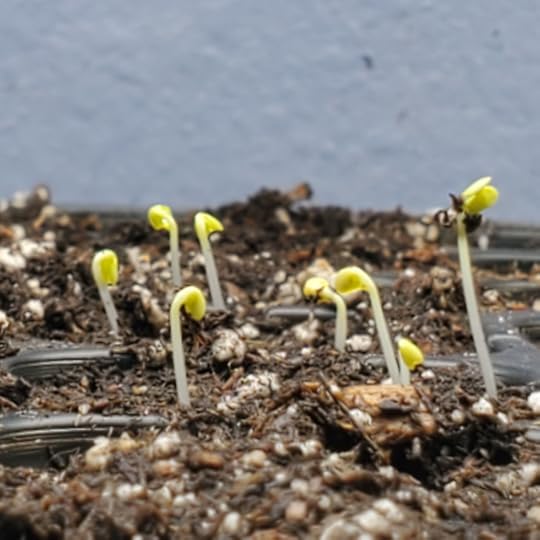 They seem so innocent, don't they?
 The good news about deciding to build a garden in November is that you don't need to rush. Winter is the time to enjoy the easier, fun, non-sweaty, non-prickly, non-dirty part.
You can spend months streaming old episodes of "Gardener's World" (highly recommended for all gardeners, and especially for those who, like us, live in an English-esque climate, aka a Swamp), check out stacks of books at your local library (they are all on the shelf right now, waiting for you to browse them), and start sending out requests for seed catalogs (I'll put a list of my faves in my next post).
Here are some good tasks for November, for both new and experienced gardeners who want to start a new garden:
* Decide on a location. If you are growing vegetables and you live in the afore-mentioned English-esque climate, you will want to put your garden in the sunniest place available. Many flowers appreciate "full sun" (generally defined as 8+ hours of direct sunlight daily) as well.
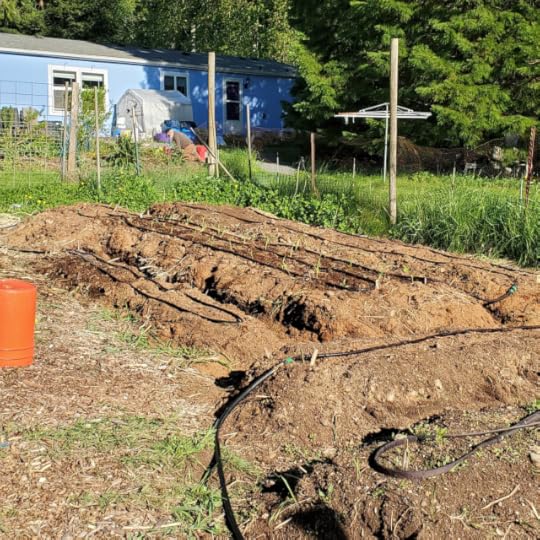 This is the second-sunniest place in our yard. The sequoia trees (photo right) shade the
space in early mornings. We have another garden in the sunniest spot.
Not everybody can immediately point to the sunniest part of their space, so here are a few tips:If you live in the northern hemisphere, the sun will always be south. It moves across the sky from east-to-west, but also south. So figure out where south is first.Now that you know where south is, face that direction. On your left side is east, where the sun will rise. On your right side is west, where the sun will set. Any trees or structures between you and south (from east-to-west) will cast shade on your garden at some point in the day. As in the photo (above) this isn't a death knell, it's just something to know.If you have a tall wall, house, or bank of trees to the south of your available space, you may need to get creative. Find the clearest space you can.There's a gadget that will help! This thing will tell you how many hours/minutes of direct sunlight a specific spot receives in a day. You can move it around, day-by-day, to find the location that will work best for you.
If you live in a very hot climate, you may want to situate the garden in a spot that won't bake all the water out of your soil by 10am. Your plants need sun, but most vegetables don't want to be cooked before your harvest them. A little strategic shade for some plants may be useful if you intend to plant cool-season plants in a warm climate.
* Speaking of water, you'll want that. We had gardens for 15 years that weren't near water spigots, so we hauled hoses around whenever something needed water. When one of the existing water lines needed to be dug up and replaced last spring (it was leaking), we hired our contractor-friend Ishaun to ditch out lines and install water spigots all over the yard.
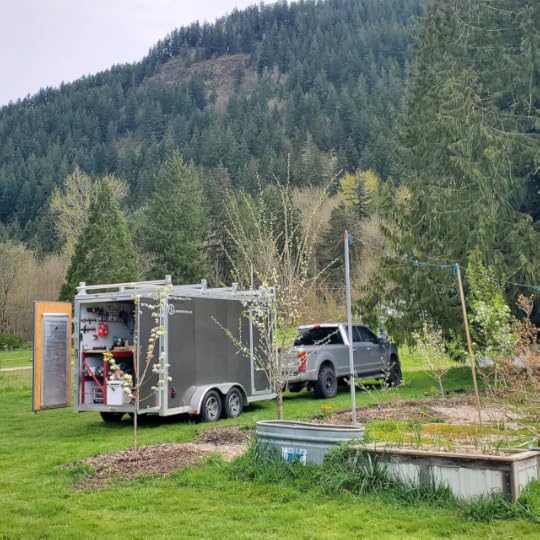 Each garden now has an adjacent spigot!
If you are able to choose between several locations that provide adequate sun and nearby water, I recommend that you place food gardens close to the kitchen if possible. You might think that you won't mind running to the far end of the property to grab a handful of rosemary or pull a carrot to add to dinner, but my experience says that convenience will encourage cooks to use the garden. Especially after dark. Or in the rain. Or after you've already worked all day. Or...you get the idea.
Making a plan means you can plan to make things as easy as possible.
Extra but not vital to your garden plan:
* Have a space to store your tools nearby. We use a retired mailbox on a post to store a few small hand tools and a pair of gloves, but we have to walk across the yard to access larger tools or the wheelbarrow. Someday I might build a little tool shed closer, or replot a pathway to make a better shortcut. Someday, someday.
* Think about the future. You may wish to enlarge your garden space. Is there room to expand? You may, alternately, want to shrink your space? I've never known anybody who wanted a smaller garden after growing stuff for a few years, but it's possible. Does your selected spot allow you to change gears in the future?
* Think about your neighbors. We are lucky to have amazing neighbors who enjoy (and don't complain about) our various farming activities. If you live closer by other people, consider how your garden will affect them, and how their space will affect yours. If they have tall trees that will shade your yard, consider that. If they have invasive plants in their yard (cross your fingers it isn't japanese knotweed or tree of heaven, both of which are noxious invasives!) take steps to protect your space. If they regularly bounce a basketball into your yard, don't place tender plants in the path of it (that's a true thing that happened to me at a former residence).
When you've found a space, mark it out. The size of your garden is up to you. If you're brand-new, start smaller.
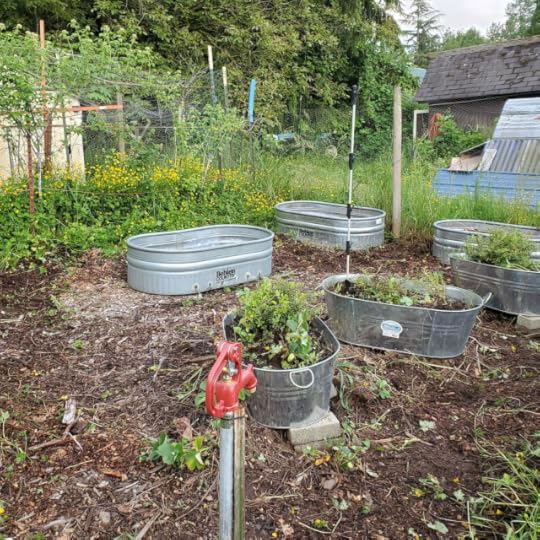 Give yourself enough room to move and turn a wheelbarrow.
Will you need a fence around your garden? Our fences mostly keep dogs, chickens and deer out. It will not keep a bear out (fortunately the bear mostly likes apples and not turnips).
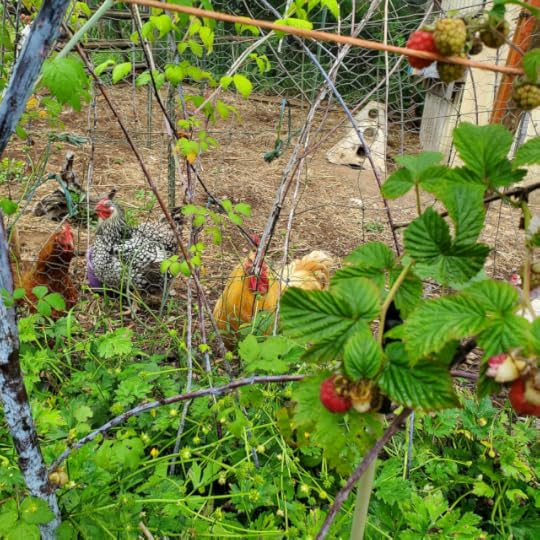 The chickens can't get to the raspberries, tra-la
If you have small children or pets to exclude, you will want a fence. We use posts and chicken wire for our fences, as those materials are cheap, easy, and do not shade the plants within. If invaders are rare in your yard, perhaps you only need to delineate your garden space with some spray paint on the ground to remind you where you want to place the beds.
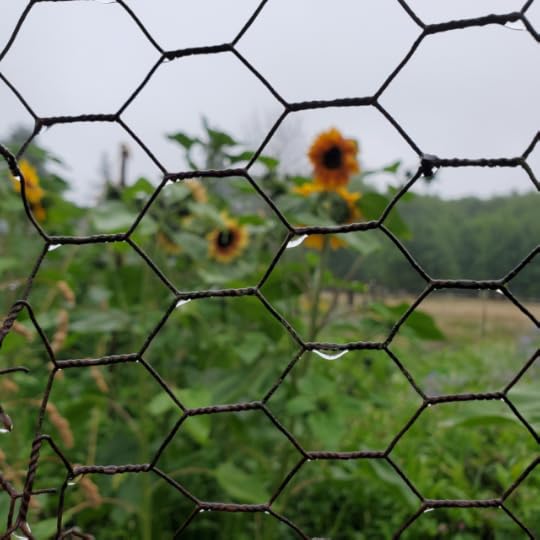 Light can get through but Shetland Sheepdogs can not.
Make gate openings and pathways big enough to get wheelbarrows through and turn them around. Trust me.
Here's your checklist so far: Find a space.Mark it out (or fence it). Figure out where you want beds and paths, and mark those somehow. You can use paint, or sticks, or even dig a shallow trench. Whatever works best for you. Start making better soil. You will always want better soil.
Next Up:
choose your plants!seed porn
I'd love to hear about your garden plans (and hopes and dreams) in the comments. Food? Flowers? Trees?
You can also drop information about your general climate to give me more clues about how to help.
November 4, 2025
In which making a pot of soup takes a lot longer than most folks think
More than 16 years ago, we started making a pot of soup.
Tonight, we'll have a bowl of it.
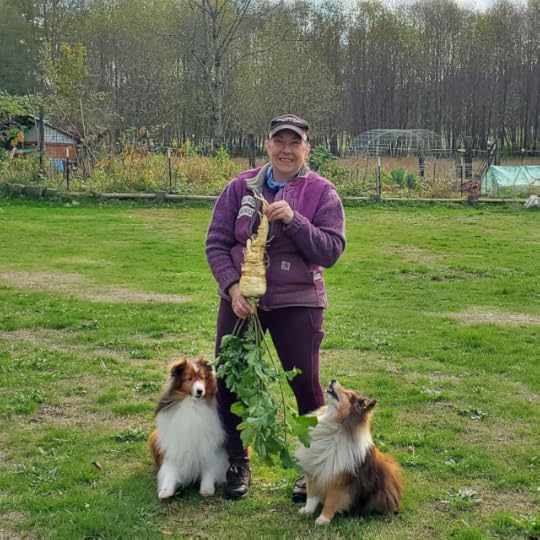 Catch of the day: a parsnip!
Social media algorithms send me a lot of "homesteading" content, often showcasing starry-eyed young women in prairie dresses wafting around a garden or a kitchen. With the magic of sped-up video, it seems perfectly simple to raise a hundred turkeys for meat, harvest enough sweet potatoes to feed a family of eight for the winter, or cut down a forest with a herring--in about a minute.
I'm here to say it ain't so.
There's a lot of talk about food sovereignty (and lack thereof) right now. It's a powerful thing to know where your next meal is coming from...and even more powerful to know exactly where your food came from.
If you want to know more about growing food and you haven't already been doing it for years, I'm here to help.
Starting with soup!
 Most of the ingredients for today's soup were pulled out of the garden about an hour ago.
November is NOT the classic time to start planting a garden, but it is a great time to start planning it.
Bonus: Now is the best time to start improving soil, and that is the first step for making a garden.
Even great soil needs help. Even if you buy Fancy Dirt™ at the Fancy Dirt Store, your plants will need more nutrients as they grow. So, while November is not the right time to go outside and plant spinach and peas and potatoes in the Northern Hemisphere, it is the perfect time to start building up soil.
The native soil here at Haiku Farm is glacial till. Remove the scrawny 1/2 inch of grass-root anywhere on our property and you immediately hit gravel. Great for drainage, totally insufficient for growing food.
It took us a year to get some workable soil, and about 4 years to get good soil!
 Poop to the rescue!
Stall cleanings provide high nitrogen/wet materials (poop!) combined with high carbon/dry materials (wood shavings) : the perfect additive for garden soil.
I start a garden by removing as much grass as I can, and then adding stall cleanings. And more stall cleanings. And more. It's possible to smother the grass and weeds with stall cleanings, but they have to be at least a foot deep! You can also smother with cardboard and then dump stall cleanings on top of that.
Whatever you have most of (cardboard, stall cleanings, or time) use that.
To be clear: I am still always dumping stall cleanings onto some part of some garden.
Fresh stall cleanings are too hot for plants because the biodegrading process produces heat. However, you can dump loads of manure and shavings onto a garden bed, or into raised beds or containers right now and let the rain fall on it. In six months, stall cleanings break down and turn into ideal garden soil.
But what if you lack access to stall cleanings?
If you are local to me, I can hook you up! If you have a truck, I'll help you load it. If you have a car, we will put stall cleanings into trash bags and Amazon boxes, and fill up your passenger seats.
If you are further away, I can still probably help you find a barn where they will give the stuff away. Really, it's the best shortcut I know.
Here's another one:
 LEAVES!
 If you don't have a tree that dumps leaves, you probably know somebody who does. It's entirely possible that somebody will pay you to haul them away. Again: trash bags and Amazon boxes are your allies here.
On a smaller scale: kitchen scraps (plant-based only, no meat or grease or bones) can become your compost. Run it through a blender to speed up the process (or don't, it will still work), and then throw it onto your garden space.
No matter what kind of organic material you choose, dump it all directly onto the space where you want your garden to be, no matter if it's a corner of a back yard or three pots on a patio. If your weather is dry and windy, wet down the leaves to keep them in place--you might have to weight them down with branches. You can even throw cardboard on top (be sure to remove the tape and staples) and let it decompose along with everything else.
You don't need to "dig in" or "turn" your organic matter! Dump it on top, hose it down if it won't rain in the next few days, and walk away. Worms will incorporate it all into your soil for you.
If poop and/or leaves won't work for you, try planting a "green manure" like clover, winter rye, or field peas. Plant the seeds, let them grow a bit, and then chop them down in Spring. No need to remove the plants, just chop-and-drop. The vines and roots will biodegrade and feed the soil.
A pound of clover seed is enough for 1000 square feet of ground, and costs about $11. If your garden isn't 1000 square feet, buy a pound bag and share with a neighbor or a seed library.
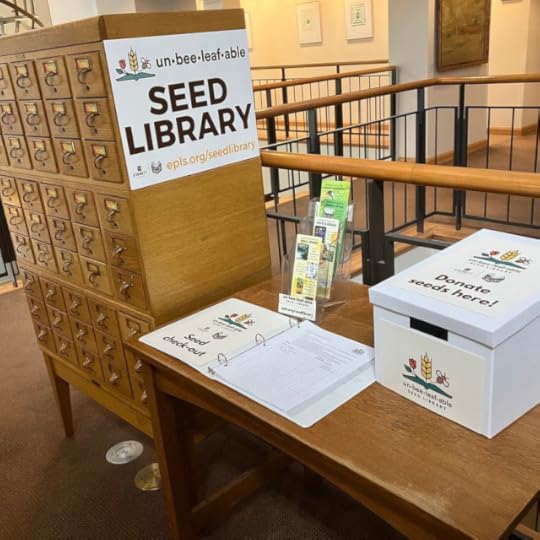 This is the "Un-Bee-Leaf-Able Seed Library" at the Everett Public Library
and I am the Seed Librarian!
Building soil is the first, and most important, step to building a garden and raising food. You can feed your soil with stall cleanings, leaves, or a green manure cover crop--or any combination of these.
As with all things, use whatever you have lots of.
In the next few months, I'll share more information to help readers grow their own food.
But what about that soup?
Here's my "recipe":
Long-Time-Coming SoupAs usual for my soups, there are no measurements or quantities. Use what you have.
Brown in some olive oil:Meat if you have some- we started with a big roast from a cow that Ryan raised, because it was in the freezer where I could reach it. I chopped it into bite-sized pieces.Garlic - chop it upLeek or onion - chopped
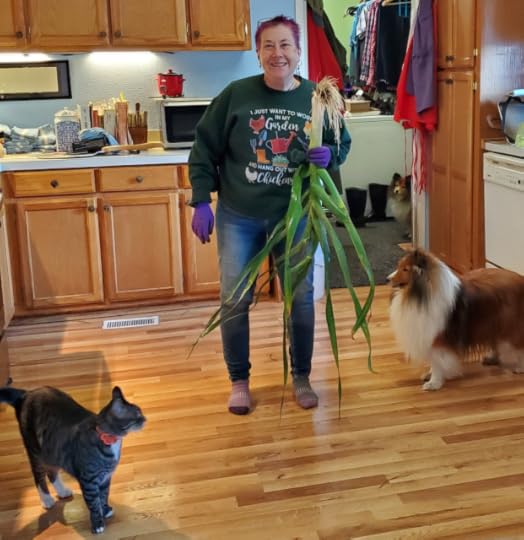 You don't need a giant leek for this soup.
 While that stuff is browning, chop vegetables into bite-sized pieces. You can use whatever veg you have available. Soup is an excellent way to turn vegetables that are soft, saggy, or sad into good food.
For tonight's soup I included veg from the garden:Butternut squash - I used one that wasn't quite ripe. Perfect for eating, but it won't store so into the soup it goes! The rind goes back into the compost pile, the seeds go to the chickens.Carrot - I leave carrots in the ground during the winter and pull them up as needed. The Dragon eats the greens as a treat.Parsnip - these take a LONG time to grow, and most people eat them before they get huge. I am not always successful at growing parsnips.Potatoes - we are eating a variety called "Makah Ozette", which members of the local Makah Tribe have grown since the 1780s. They are particularly well-adapted to growing in our Swamp.Corn - I grew so much corn this summer that we couldn't eat it all fresh, so we threw a bunch of ears into the freezer. Now we'll thaw them out and put them in soup all winter..
 Most gardening books say to plant carrots early in the spring, but I've found that
my carrot crops are best when I plant late summer and harvest in fall.
Soak overnight if you remember:dried beans
 If you forget to soak them the night before (as I usually do), boil them for 5-10 minutes
in very salty water, then drain and rinse before adding to the soup.
Dump the browned stuff and the bite-sized stuff and the beans into a big pot.
Add water or broth, and bring it to a boil briefly before lowering the temp.
Season with salt, pepper, maybe some turmeric? A bay leaf is good. Oooh, red wine would be nice.
Allow to simmer for at least an hour. Stir whenever you remember to do that.
If you like creamy soup, add some heavy cream or half-and-half before serving.
 If you're really organized (I am not) you can put this all in a slow-cooker and then go riding.
 How does your family stretch the food budget? Sound off in the comments!
November 3, 2025
In which the answer to everything is "go for a ride in the woods"
Tired?
Stressed?
Happy?
Sad?
Lonely?
Over-peopled?
Here ya go.
October 31, 2025
In which I try to remember where the buttons go on this thingy
Is this thing on?

Hello, blog world. It's me.
I'm kinda surprised y'all are still here, but lytha over at HorseCrazyAmericanInGermany assures me that you are.
Wow.
It's been a long time.
Lemme explain.
No, there is too much.
Let me sum up.
While the world, especially the USA, has been spinning off into cray-cray land, the farm has been...right where it always is.
The sun rises and sets in the usual places.
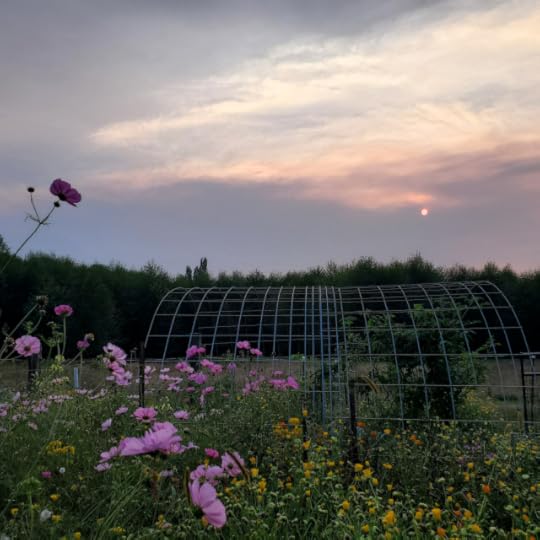 Sunset over the Calendula Garden, which grew some awesome veg this year
The animals need to be fed, sheltered, and cared for on the usual schedule.
 Foxie Loxie and Pooh Bear provide all the floof we need
The gardens are mostly asleep now because it's October.
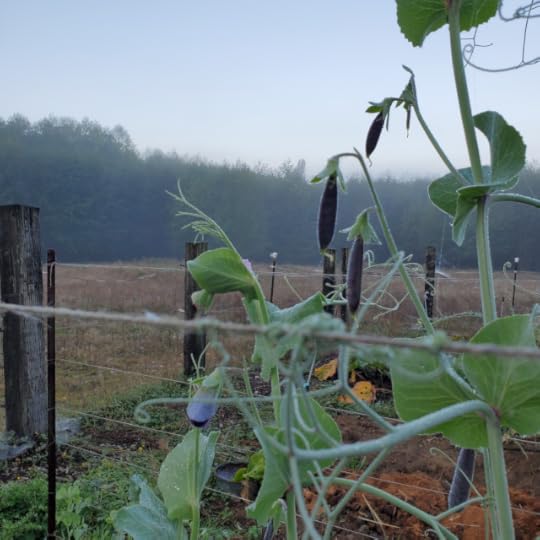 I planted Blaushokker Peas in late summer, and we are eating them now.
I planted garlic this morning!
I'm still loving my "new" job at the Everett Library
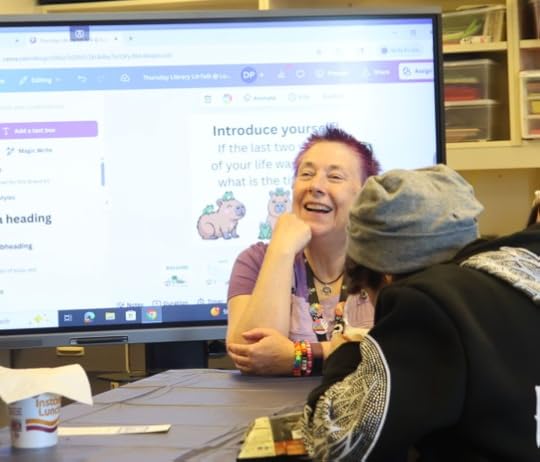 Almost 3 years in, still having fun. This was taken at a book club I run at the local high school, where we eat ramen and talk about books during the school lunch period.
Jim is still rockin' the Santa Look.
 And the gnome look too!
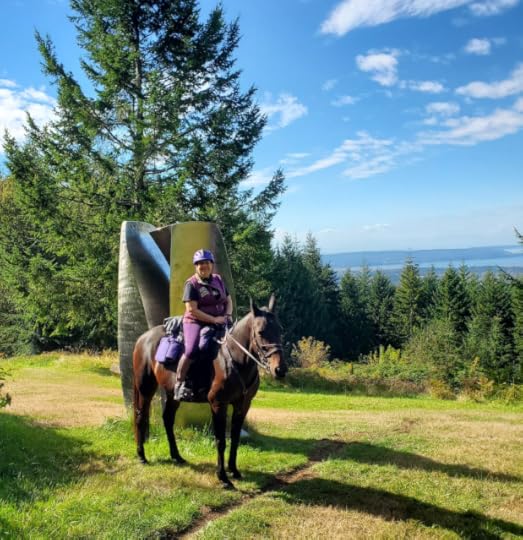 Older, slower, but still 100% Dragon
We still dress everybody up in dumb outfits for Hallowe'en.
 They will do pretty much anything for a cookie
The kids are adults now. Lisa lives in Korea, Will lives in Everett.
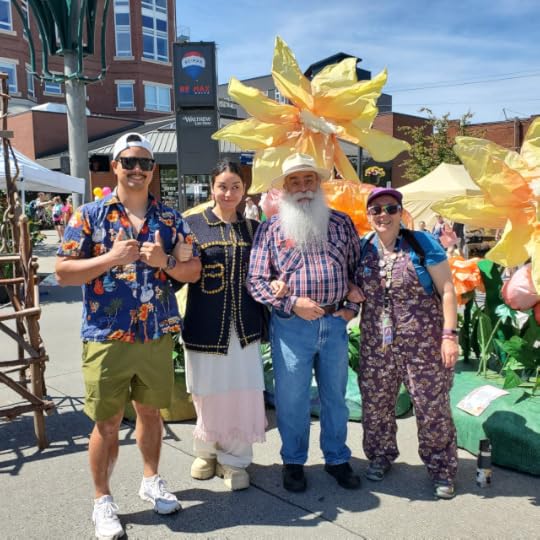 Family photo taken when Lisa visited during Sorticulture last summer
Has anything changed? I guess I've gained some skills I didn't have when I started this blog in 2008. Canning food, for one.
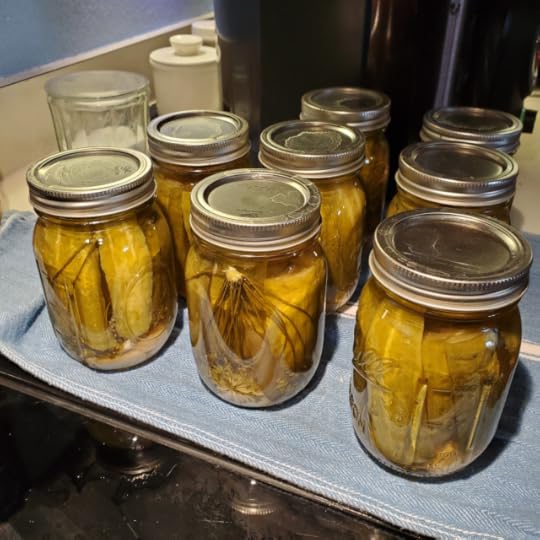 I accidentally canned about 3 years worth of pickles.
 I've sworn not to even plant cucumbers next year.
Growing tomatoes! Two years in a row, even.
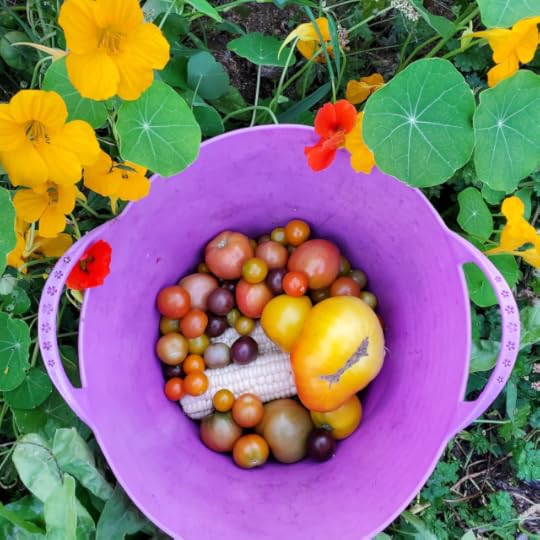 A bucket of tomatoes and corn. Amazing.
In fact, gardening in general is much more successful these days.
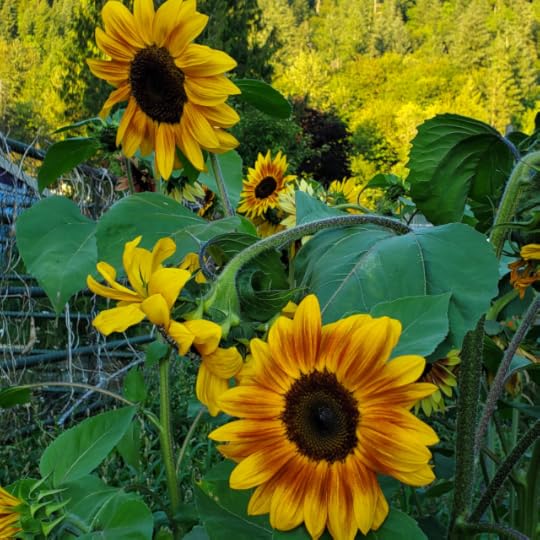 My strategy this year: when a crop was failing, I'd rip it out and throw down sunflower seeds.
Jim finished his Master Gardener certification last month, and I started Green School (like the MG training but without the volunteer requirement) a few weeks ago.
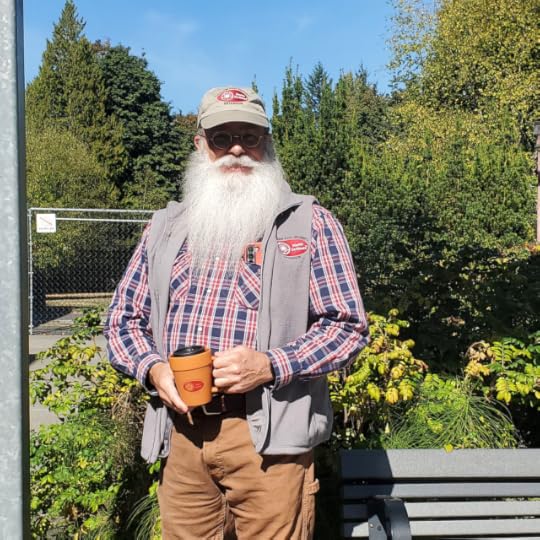 Jim works his tailfeathers off doing Master Gardener stuff.
 I don't have enough time for that--so I signed up for "MG Light" instead.
I did sell my faithful horse trailer (as noted in my last post--in February!!) and bought Duana's trailer from her.
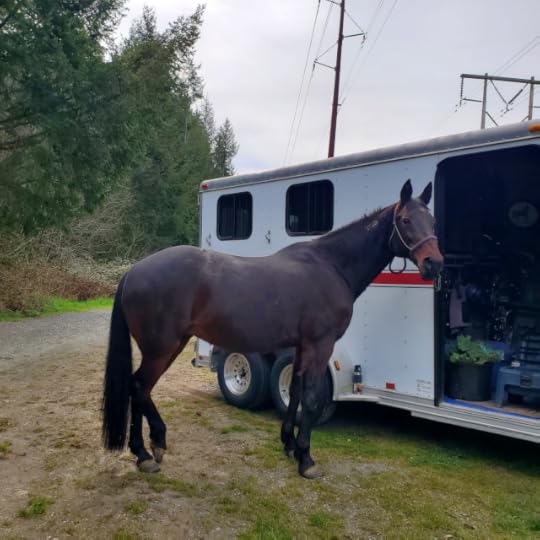 I've been borrowing/stealing this trailer for years.
Speaking of the Dragon, we did a short version of the X-State this summer.
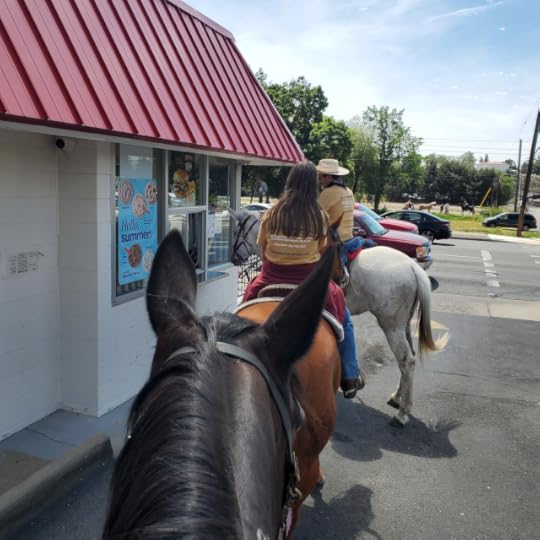 Drive-up window skill: unlocked!
The goats still idolize Herself, as they should.
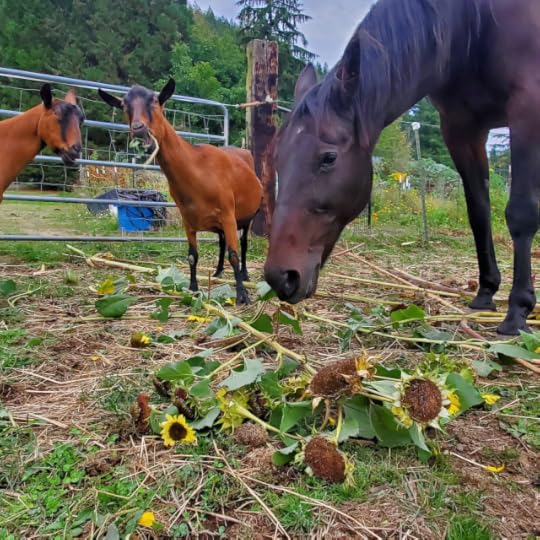 Sunflowers are everybody's favorites
We raised 6 turkeys this summer. They will be delicious.
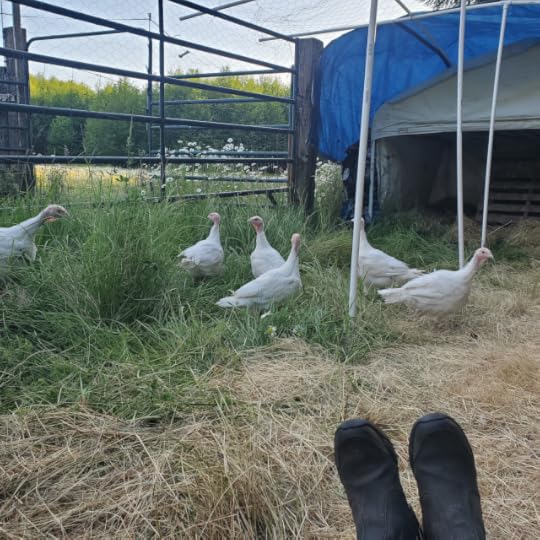 I mostly took videos of turkeys this year, because still photos don't show the idiocy clearly
The chicken population shifted a little. A friend gifted us with three "hens" and a cockerel, which turned out to be three cockerels and a hen. Two of the roos moved to freezer camp because they were Bad Boys and were not kind to the hens.
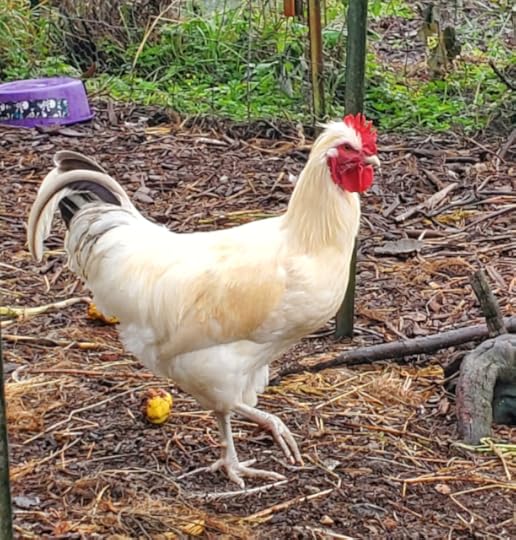 This is Kazoo Who, the remaining cockerel. So far, he remembers that "no" means "NO."
We haven't seen the black cat Goblin for a few months, and we fear he met up with a car on the road. We had similar fears about Sinbad recently...but then he showed back up again.
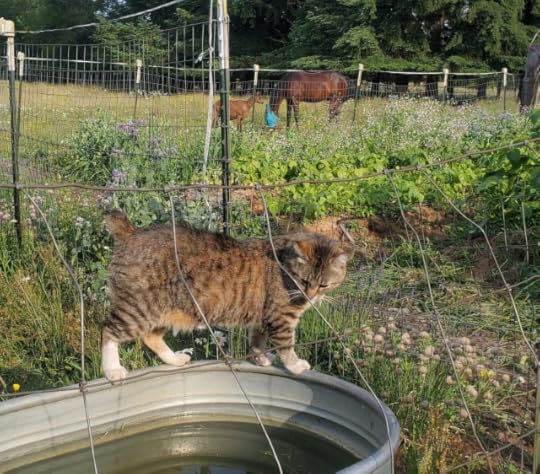 Someday Sinbad's poor choices will end in a final Bad Choice, but so far-so good!
Here's hoping you are all staying safe and warm with somebody you love. Let me know how it's going via the comments, okay?
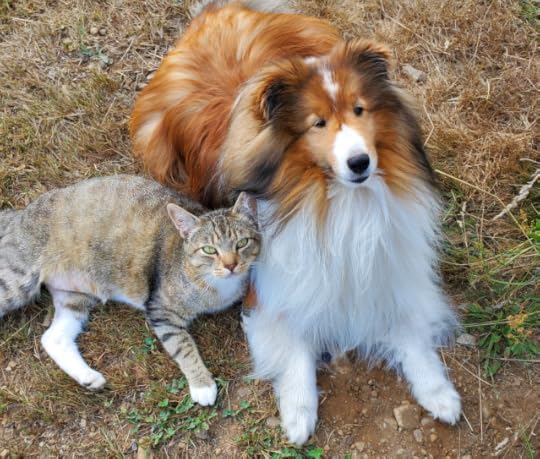 Q and Pooh Bear are Big Friends
February 27, 2025
In which it's time for the faithful trailer to find some new adventures
 2005 Trails West Adventure MX
shown with Silver Medal panels securely mounted on the sides.
 A strong single rear door.
 The plexiglass pieces on the door and on the passenger side
slide out easily to allow airflow during hot weather
 Plenty of room for gear in the tack room, which also includes a 25-gallon water tank.
This trailer comes with 2 sets of Silver Medal panels (8 panels per set, 16 total).
 16 hh mare shown for scale
 Each panel is made from square aluminum tubing, with diagonal pieces for added strength.
Lightweight enough for a 60-year-old librarian to manage.
 Aluminum pegs connect panels at the top
 Steel pins connect panels at the bottom
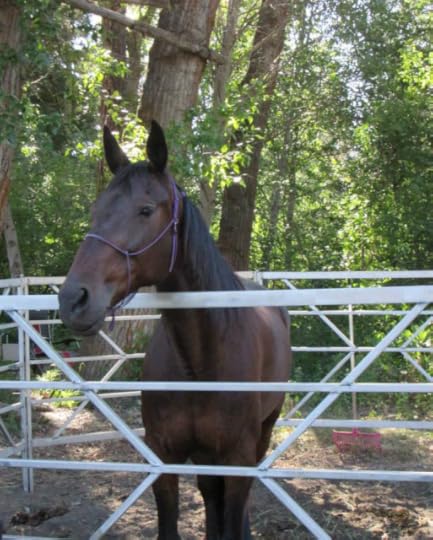 A secure home to keep horses safe in camp!
$10,000 firm. Located in Arlington WA.THE TRAILER AND PANELS SELL TOGETHER, NOT WILLING TO SEPARATE.
contact: aarenex @ haikufarm dot net