John Drake Robinson's Blog
November 24, 2025
Tuscany
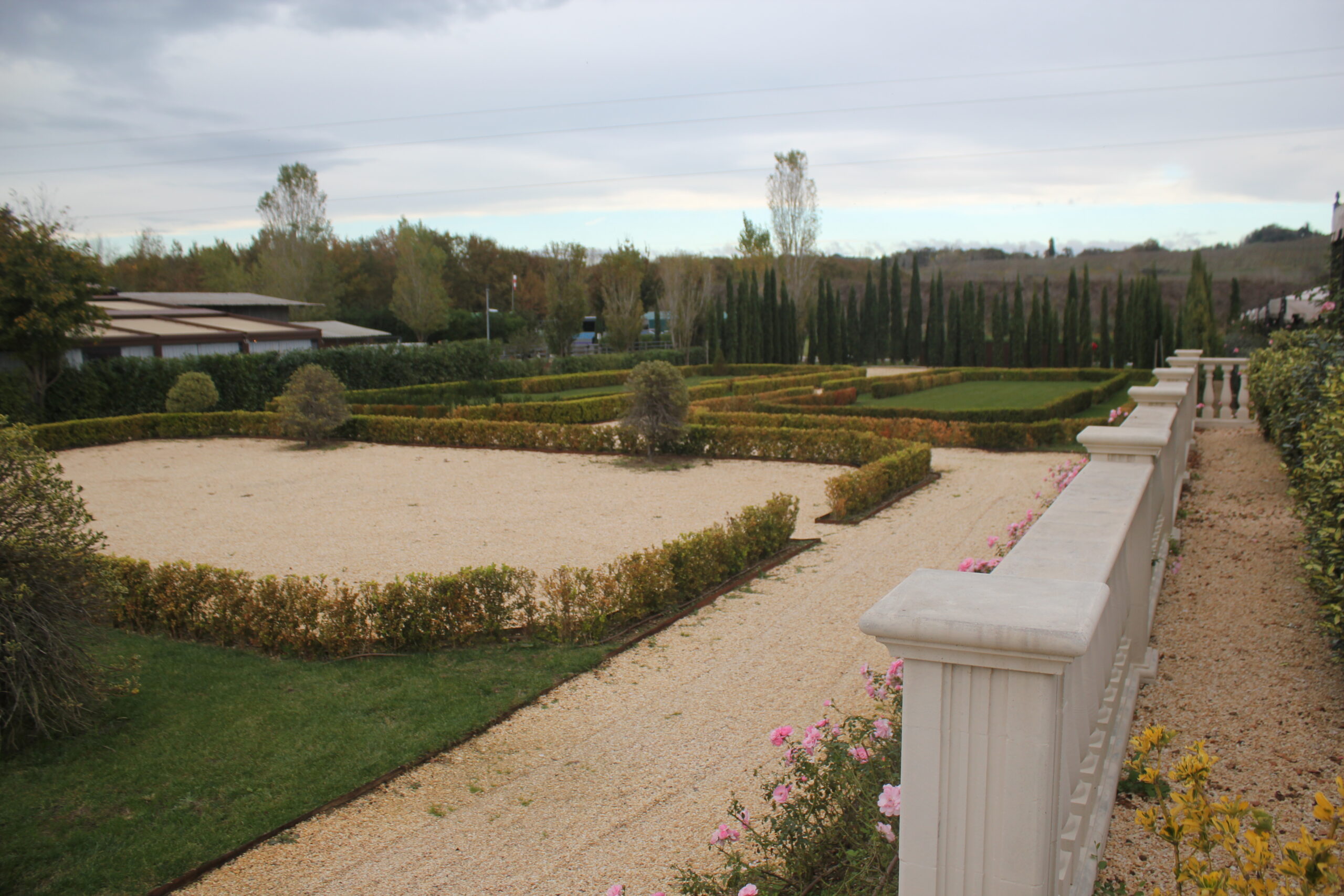
Our drive through the northern Tuscan countryside came too late in the year to see the endless fields of sunflowers. No matter. This is Tuscany. Our path wound through two hilltop villages, nee city states, whose medieval fortress walls now deflect more wind than marauders.

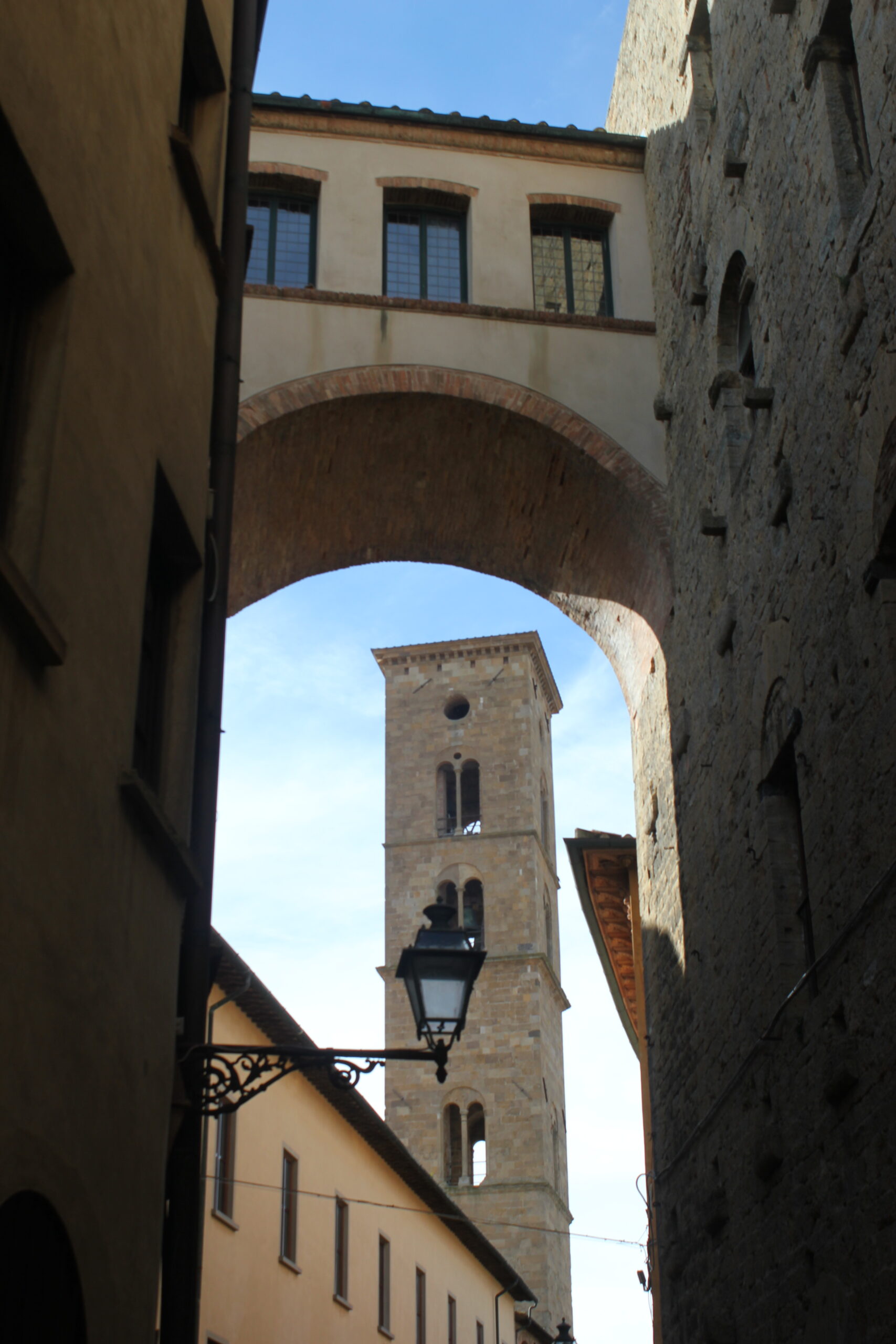
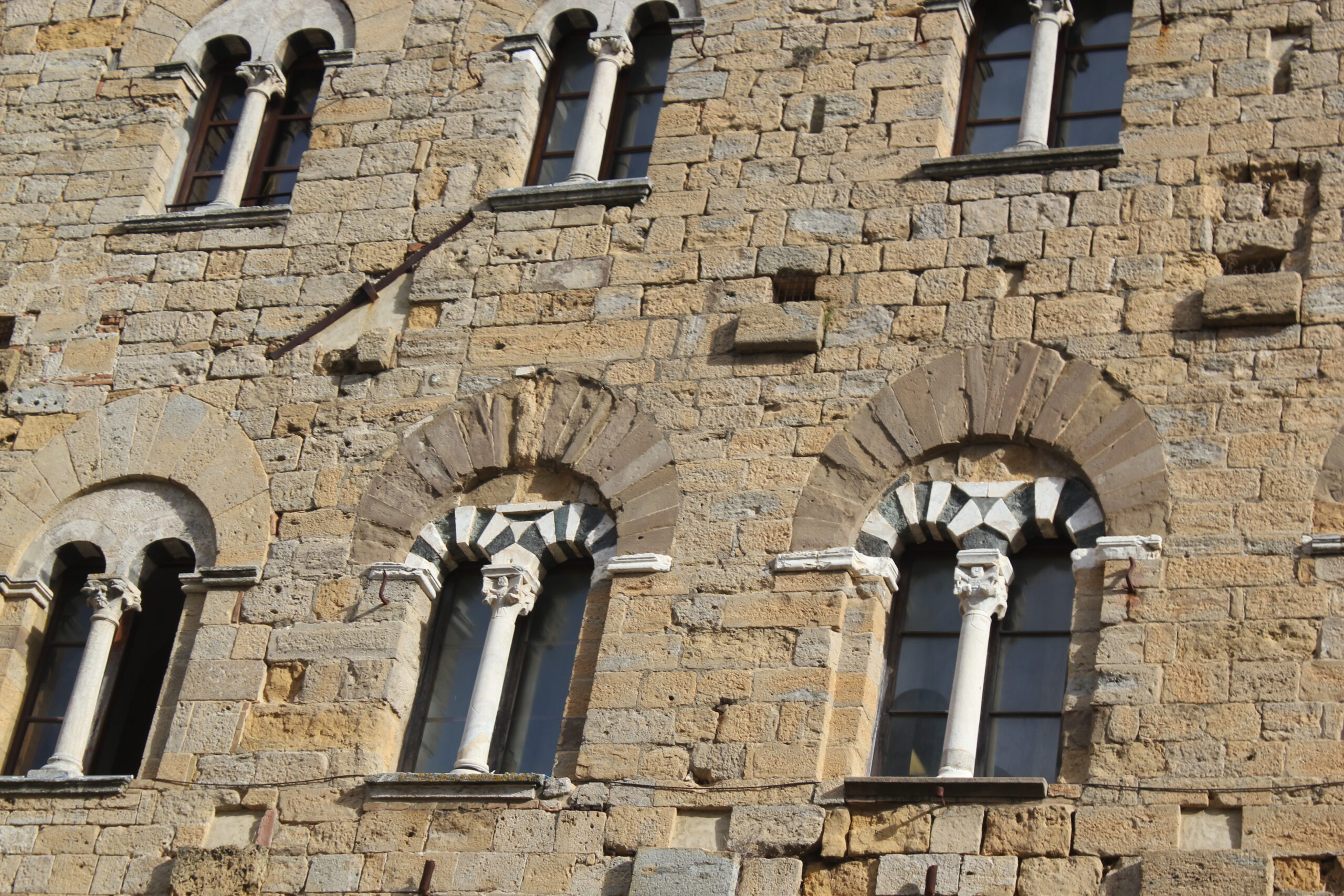
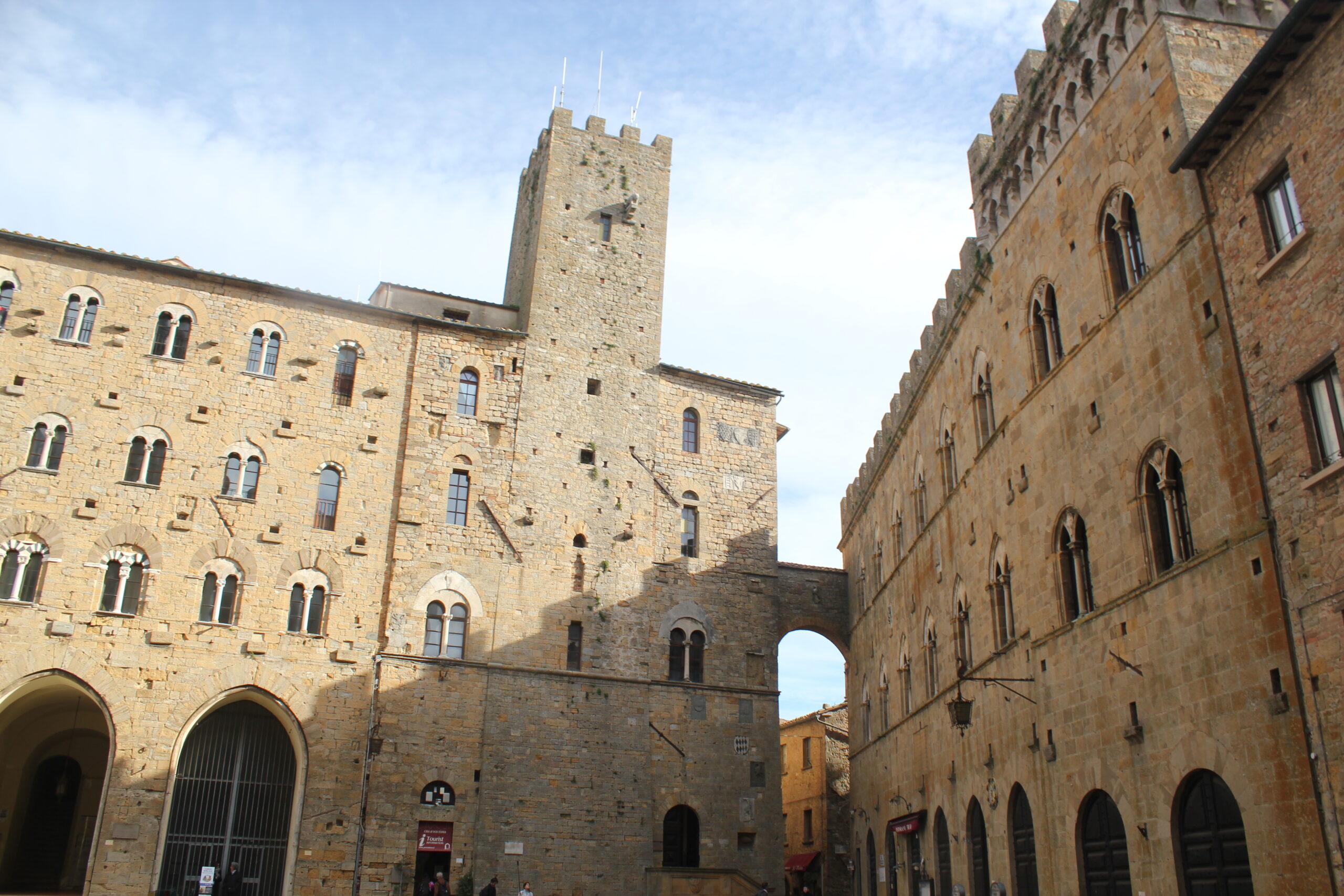
Volterra, built by the Etruscans more than 2000 years ago, served the region as a strategic trading center. The Etruscans were artisans who eventually succumbed to Roman warriors, who borrowed Etruscan technology. For example, Roman arches are Etruscan design. Volterrans claim their 800-year-old city hall is the oldest in Tuscany, the model for Florence’s Palazzo Vecchio.
To the north, the Alps are just out of view, hidden by the Apennines, whose mountainsides seem snow splattered. But what appears to be snow is white marble. These mountains contain 37 grades of marble, including the lesser-grade Carrera preferred by Michelangelo for carving.
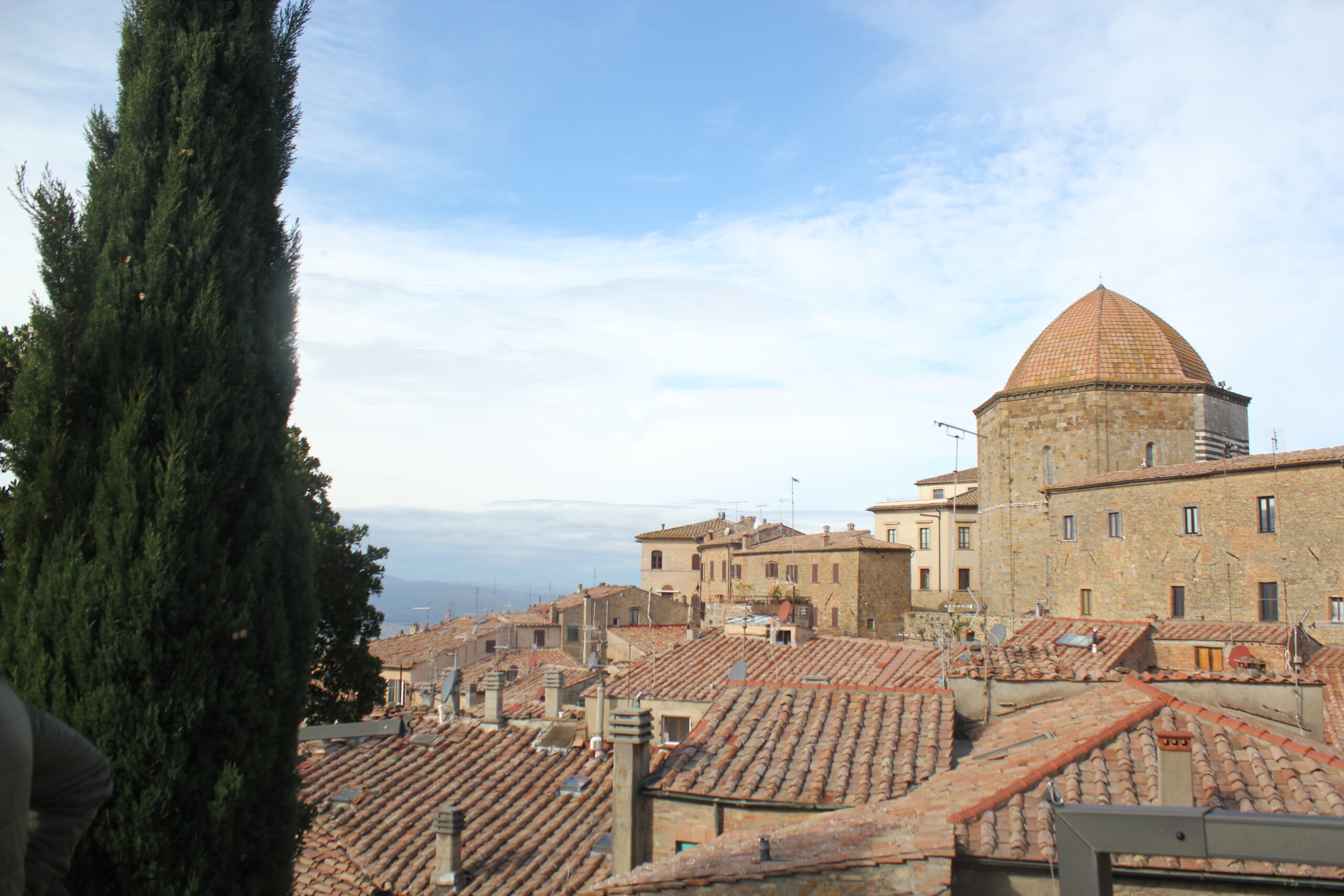
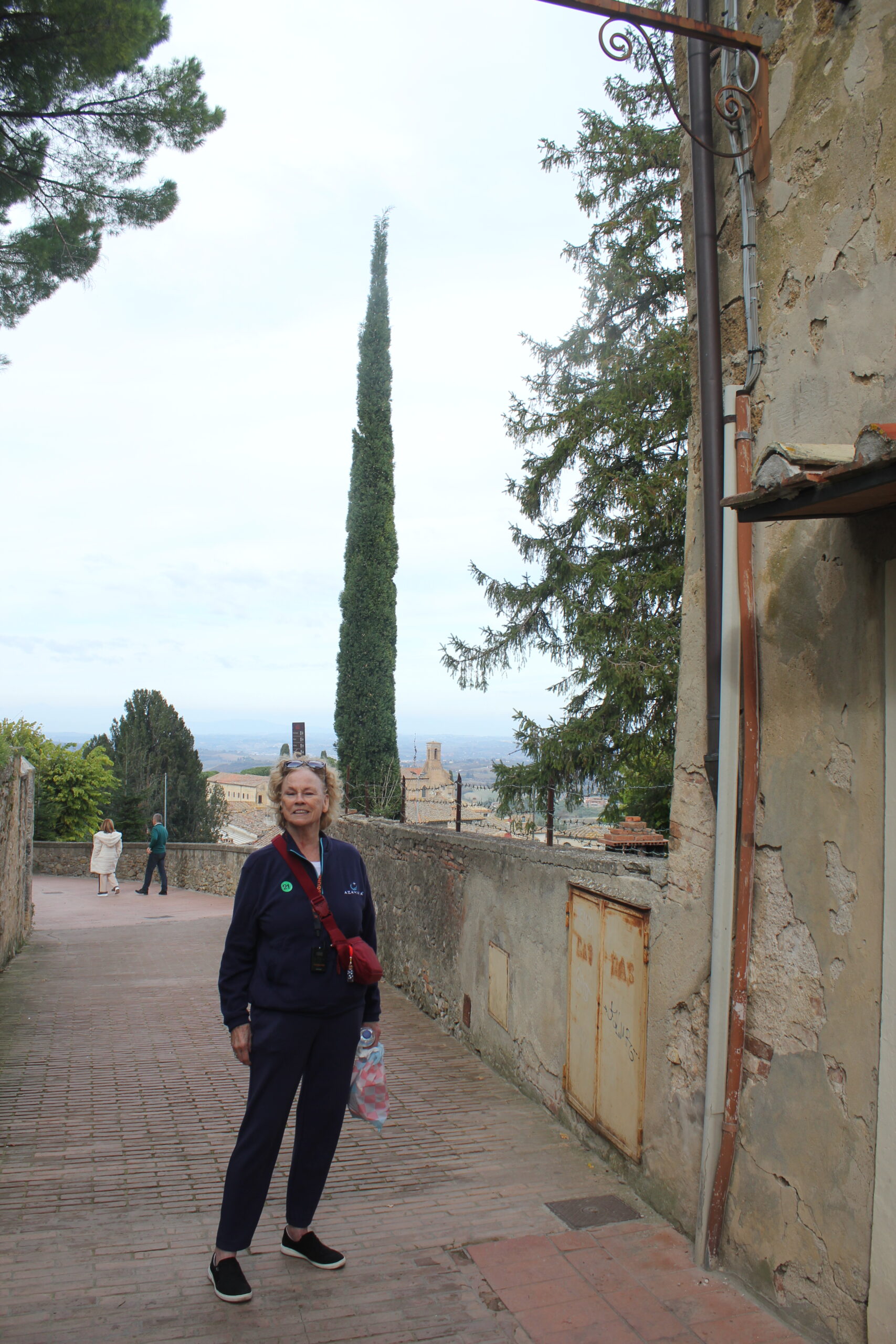
Rows of poplar trees are planted to produce paper. Cypress trees, tall and slender, take their time—500 years–to mature. The umbrella pines produce pine nuts. During a 1980s freeze, 90% of the olive trees were killed.
San Gimignano, also a historic trade center, once boasted 72 towers. But during the 14th Century Florence began flexing its muscle, dominating San Gimignano, razing all but 14 towers.
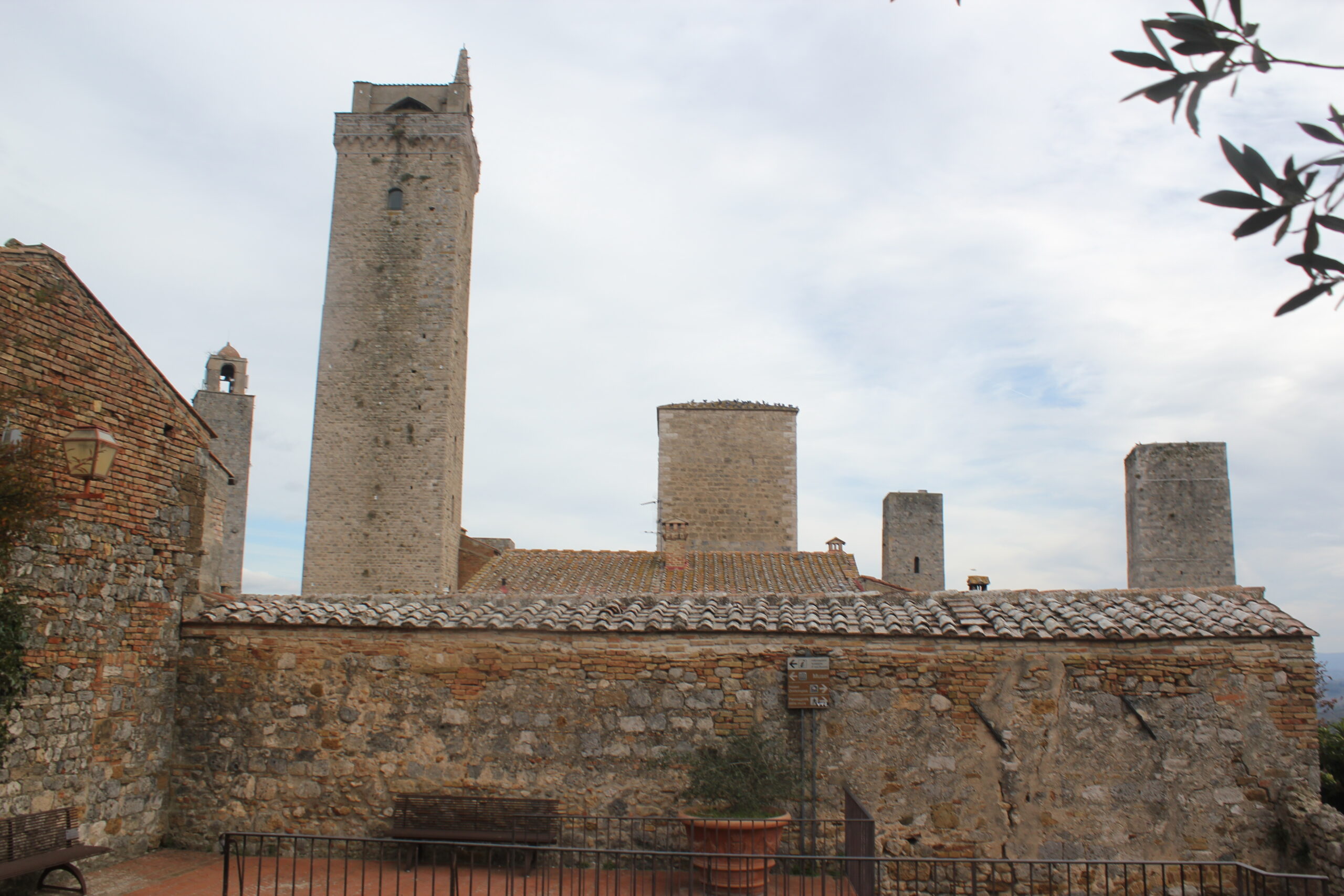

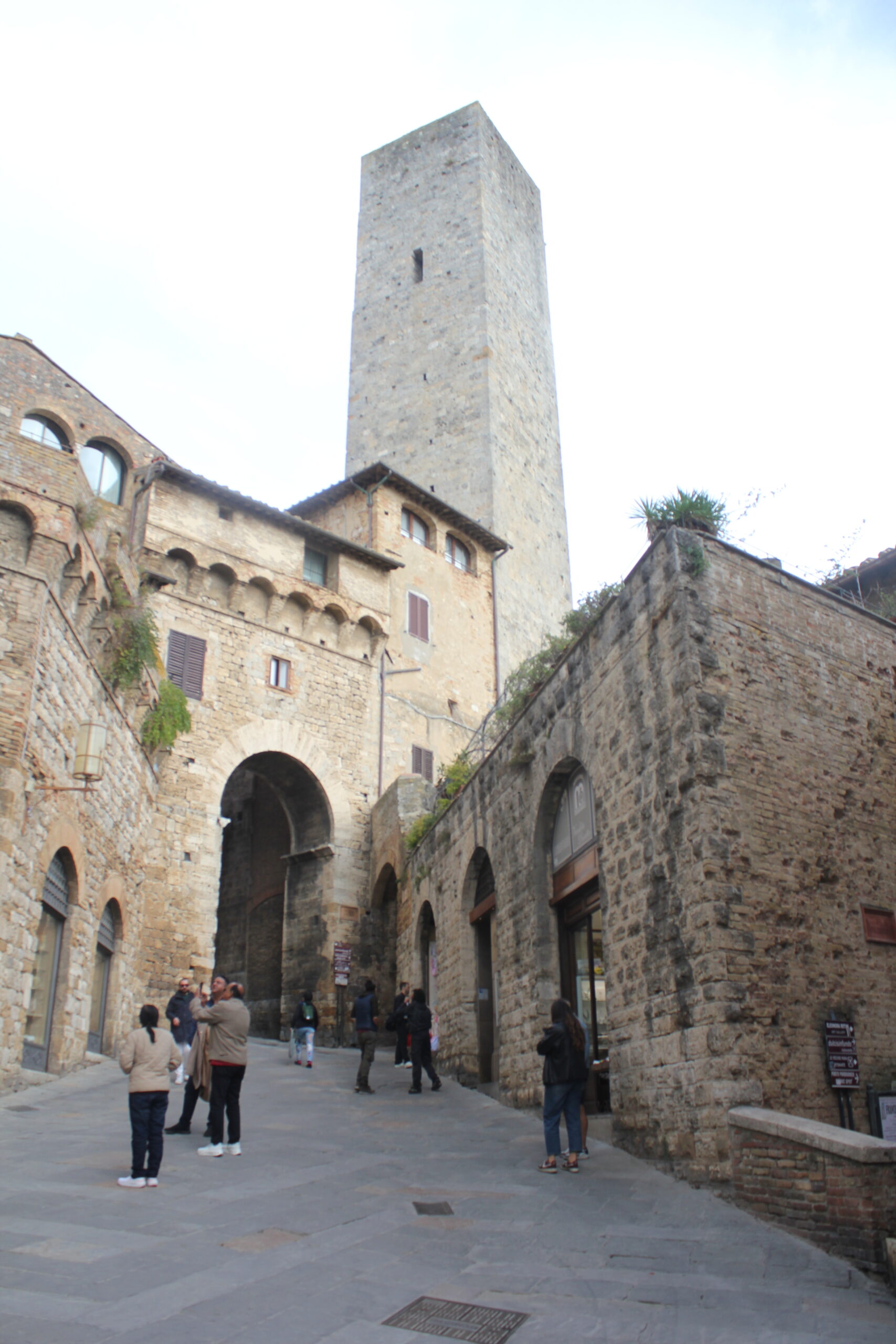
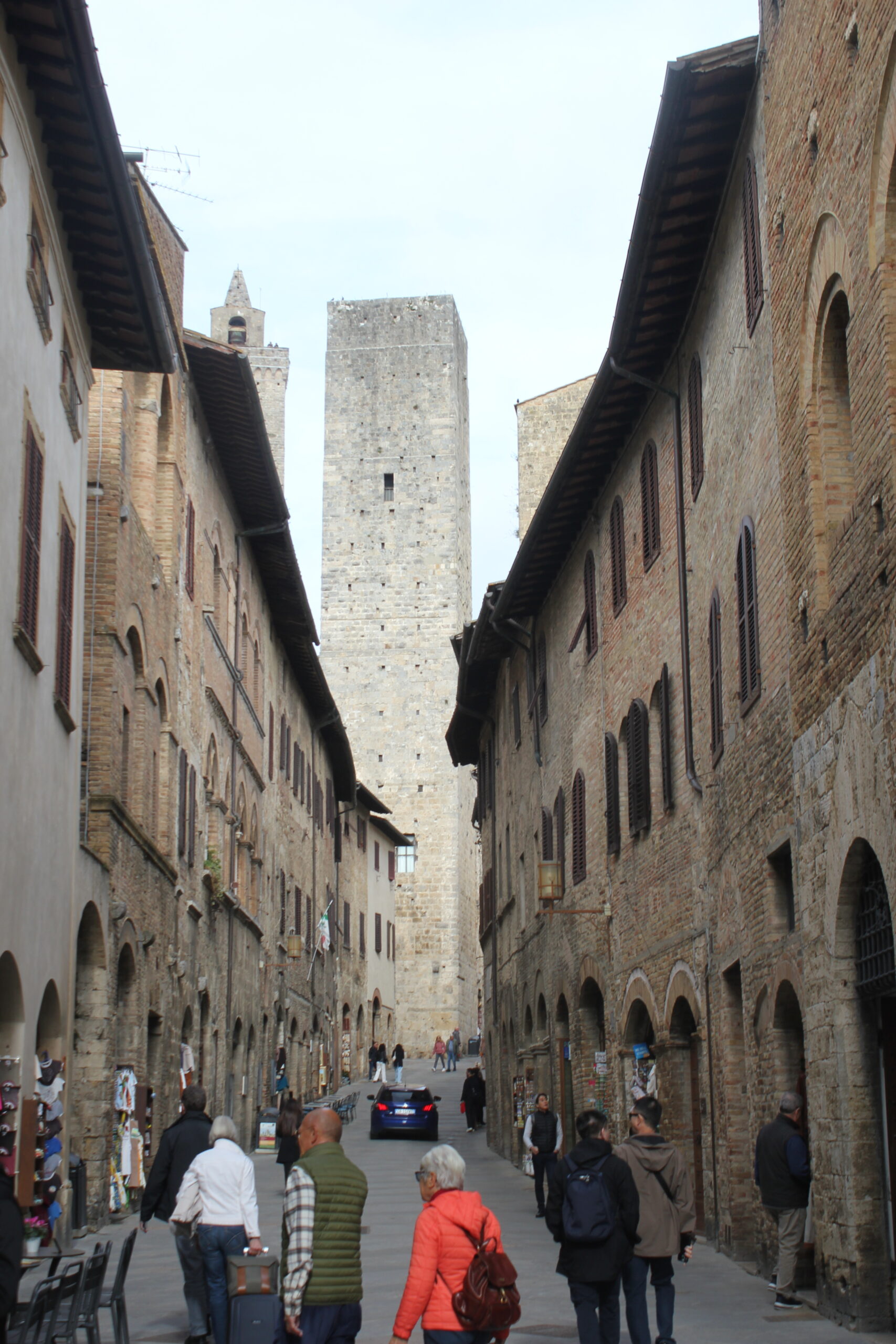

The result is that San Gimignano, frozen in time, looks like a beautiful stone pre-renaissance postcard. Lunch at Tenuta Torciano Winery was a lesson in Tuscan food and wines.


November 23, 2025
Roma
Next time we approach Rome we will do it the way Hannibal did in 211 BCE. He took elephants over the Alps to surprise the Roman Empire, stopping short of the Eternal City because he lacked the necessary supply lines and siege equipment. I can relate. Jubilee assured we wouldn’t see the interior of Saint Peter’s Basilica and the Sistine Chapel, although I saw them when I was a schoolkid.
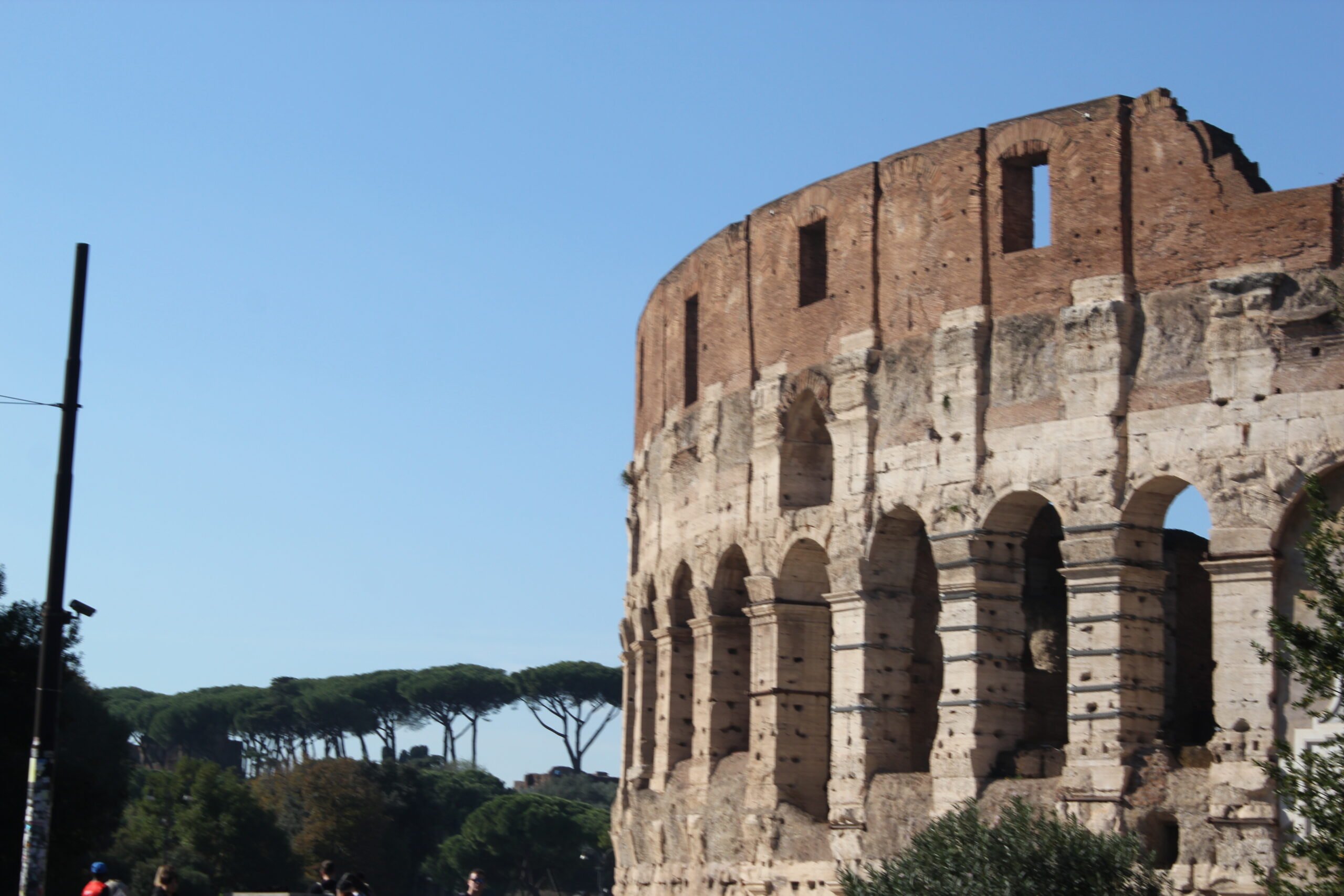
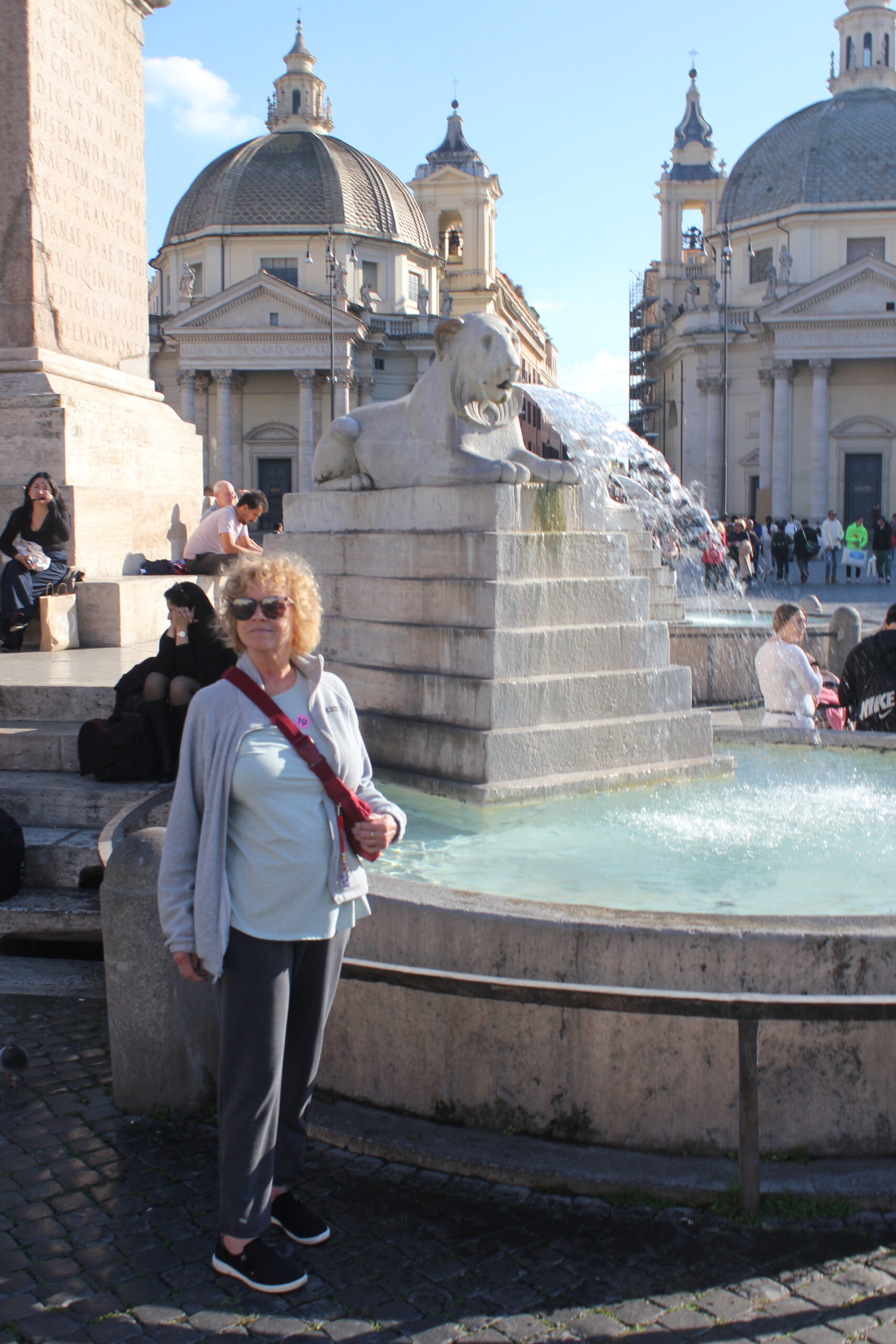
The rest of Rome was crowded for November, both a blessing (tourism) and a curse (traffic). I nicknamed our guide Benita Mussolino. She marched us with the glee of a drill sergeant, and seemed enamored with Il Duce’s architectural prowess, pointing out one building he personally designed. As for World War II, she said, “He just picked the wrong side.” Well, then.
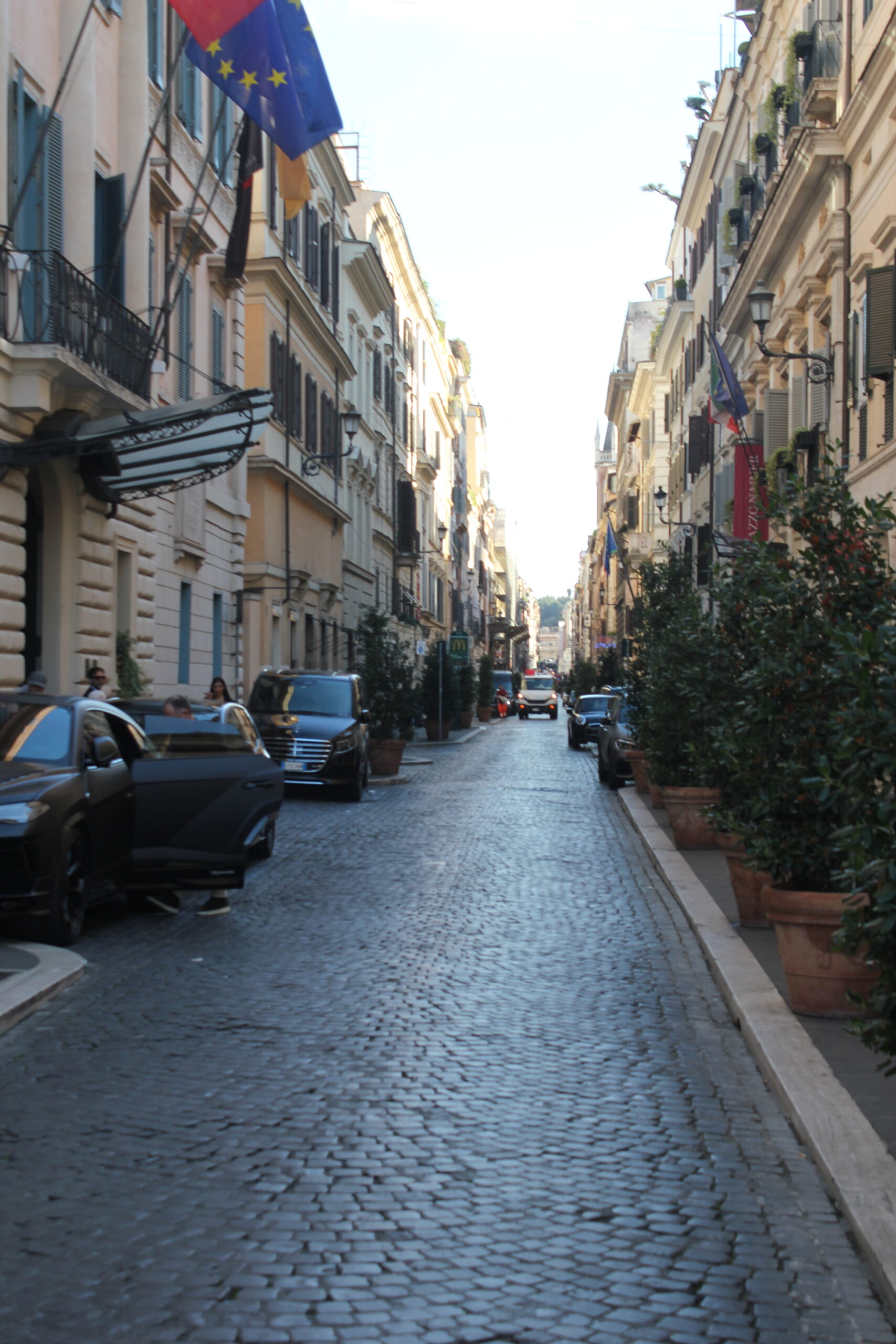
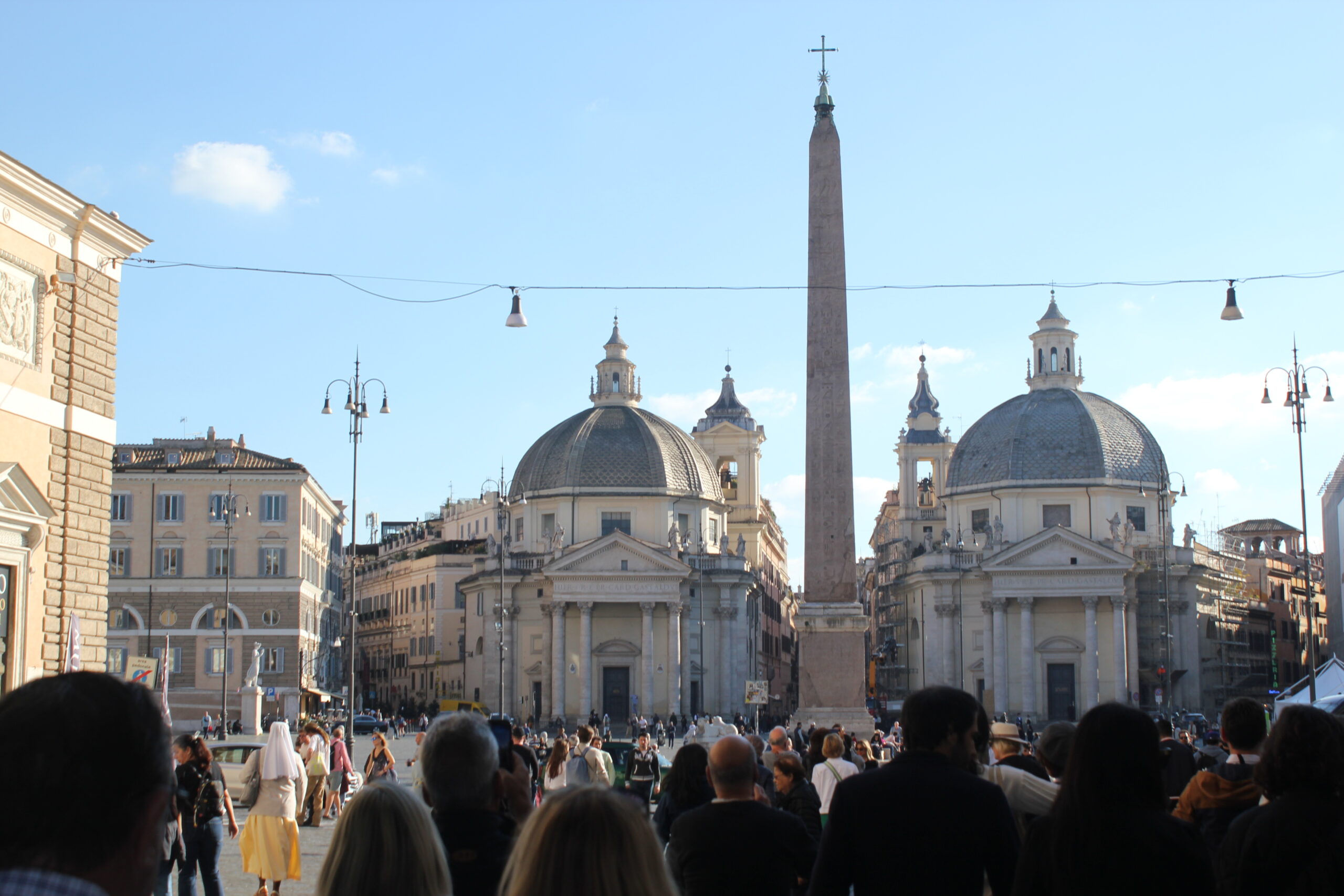
We did have a nice lunch in the embassy district, near what may be the most guarded building in the city outside the Vatican walls.
November 22, 2025
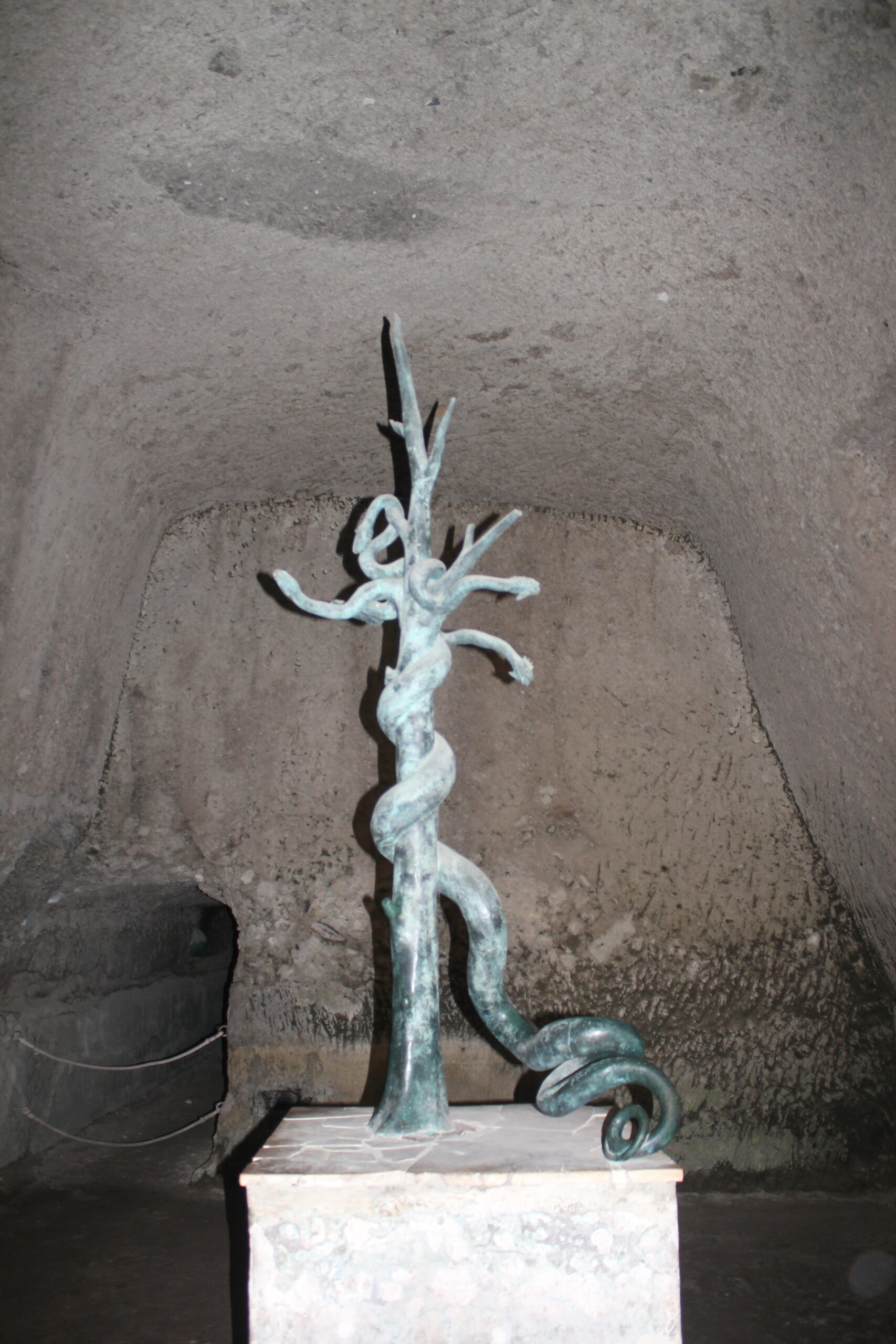
Where is Hercules when you need him?
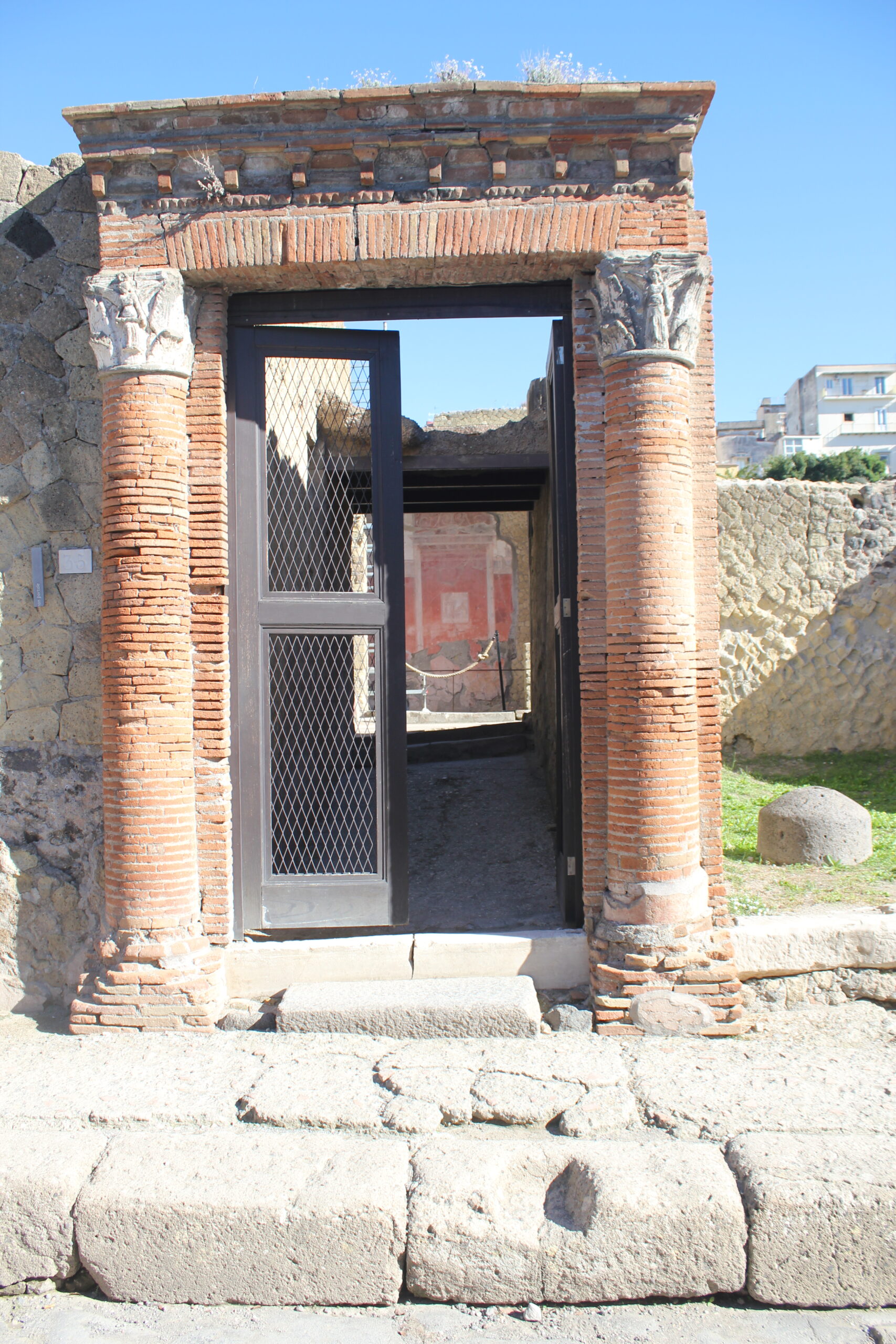
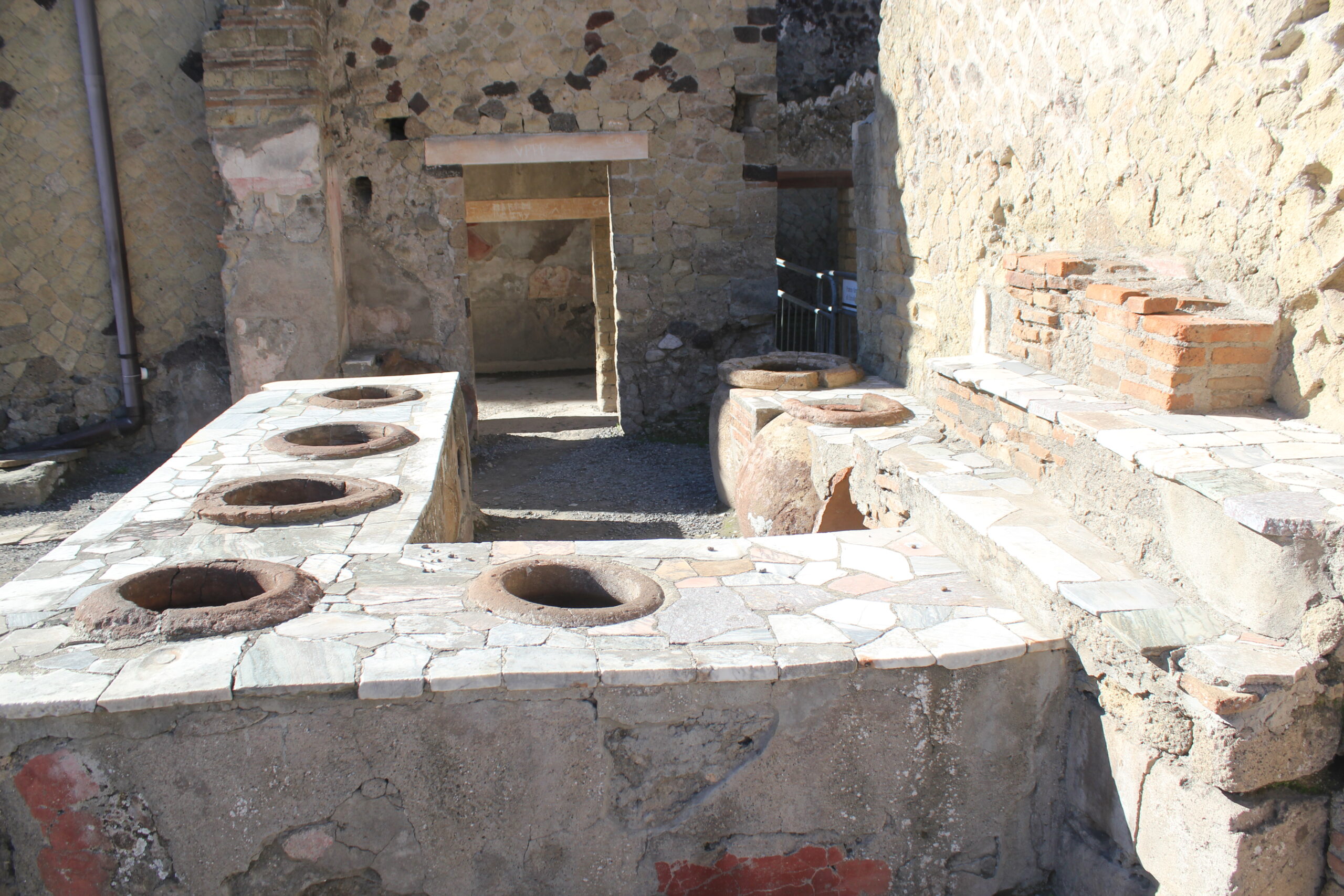
The 79AD eruption of Vesuvius claimed not only Pompeii, but other towns in the shadow of the volcano. Herculaneum–some say founded by Hercules, but at the very least named for him– a prosperous community used as a getaway for wealthy Romans, smaller than Pompeii, was smothered during the eruption, but in a different way.
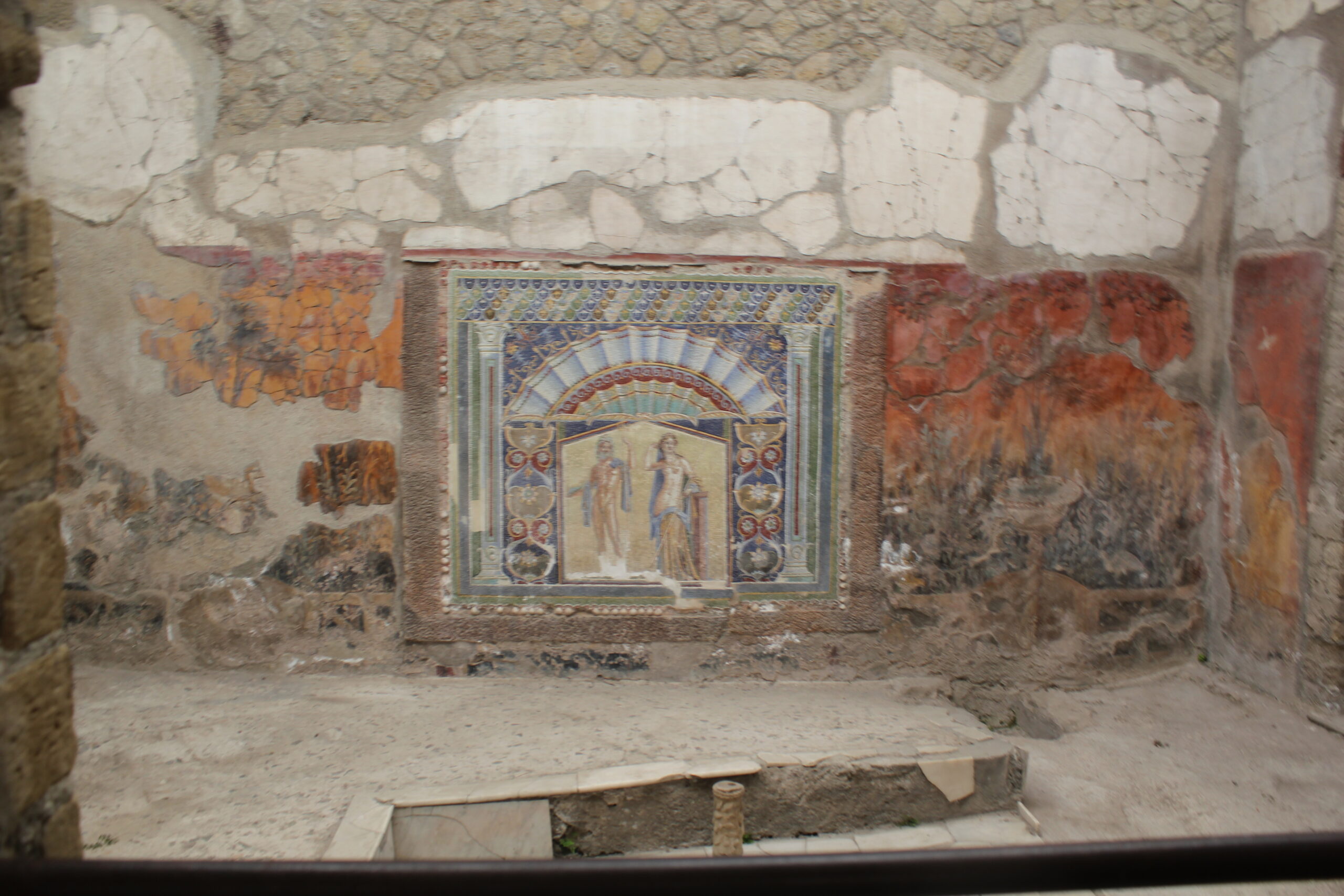


The first column of ash and volcanic pumice and debris rose ten miles high like a many-branched tree and collapsed mostly on Pompeii. Many Herculaneans had time to evacuate.
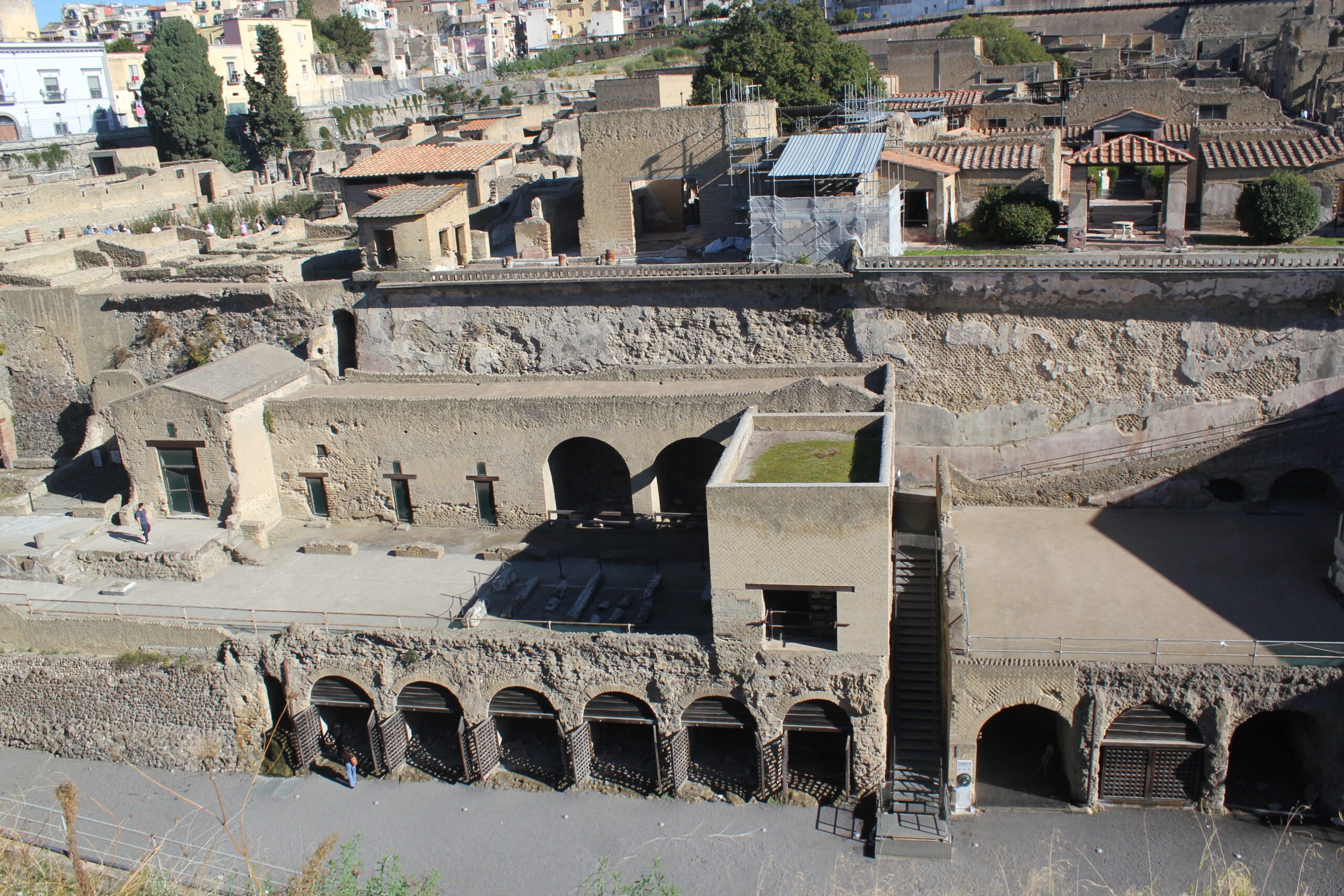

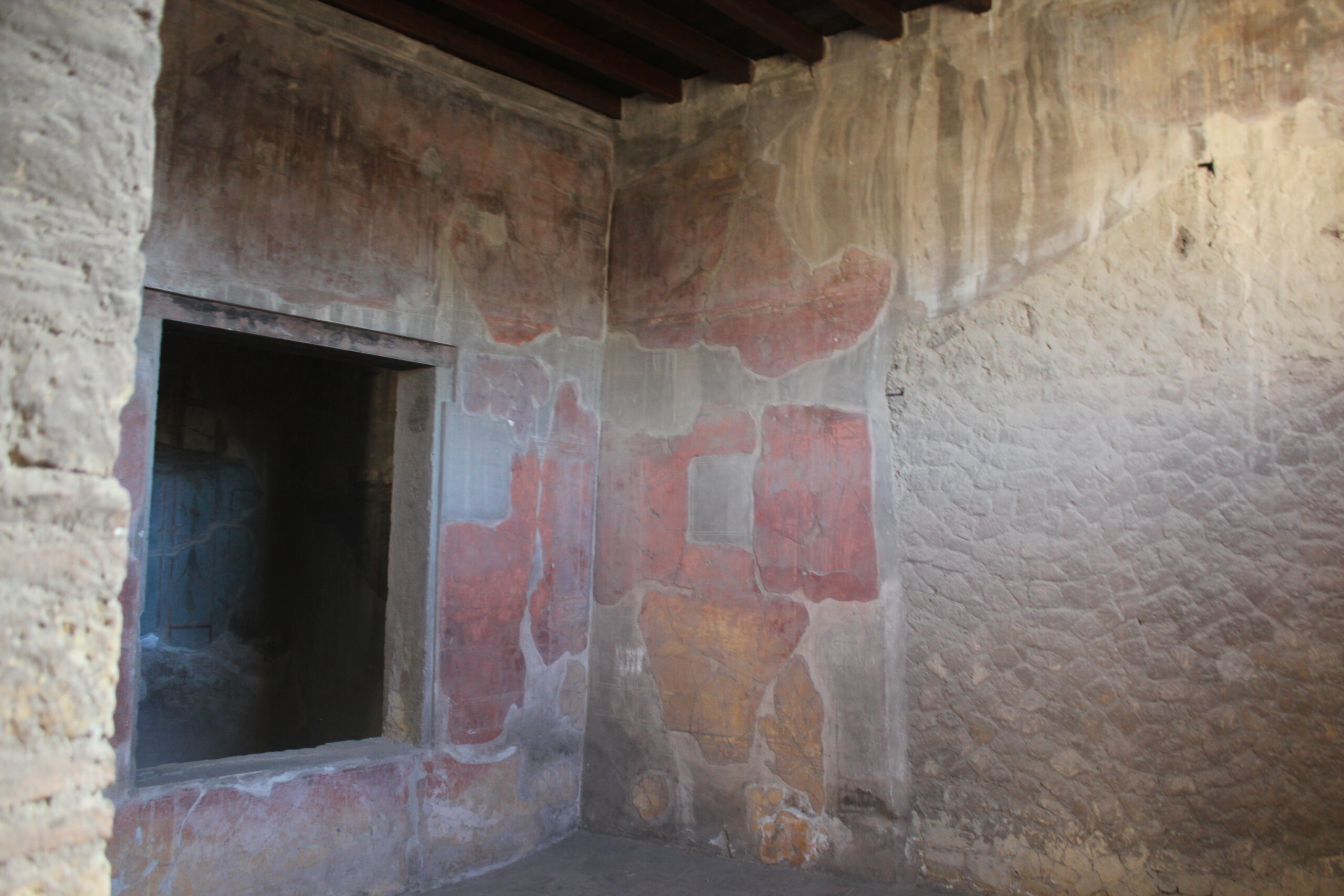
Later a whole section of mountain broke loose amid a series of seven pyroclastic surges—hot mudslides traveling at 100 mph (think Mount Saint Helens)—and sealed Herculaneum under 66 feet of mud, which preserved many of the buildings and artifacts and protected them from looters.


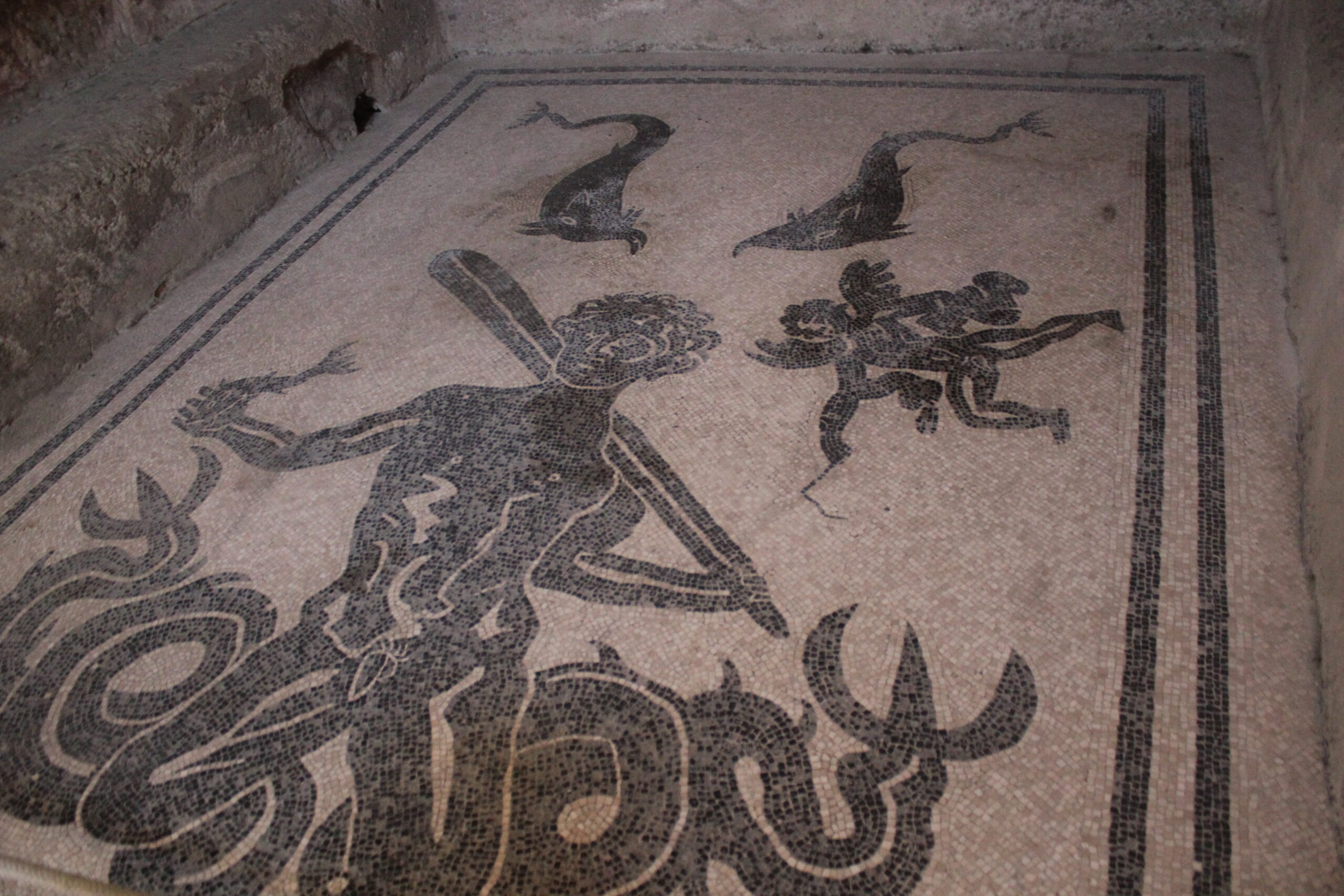
Excavation began in the 1700s. Only a quarter to a third of the town has been uncovered, compared to two-thirds of Pompeii.



November 21, 2025
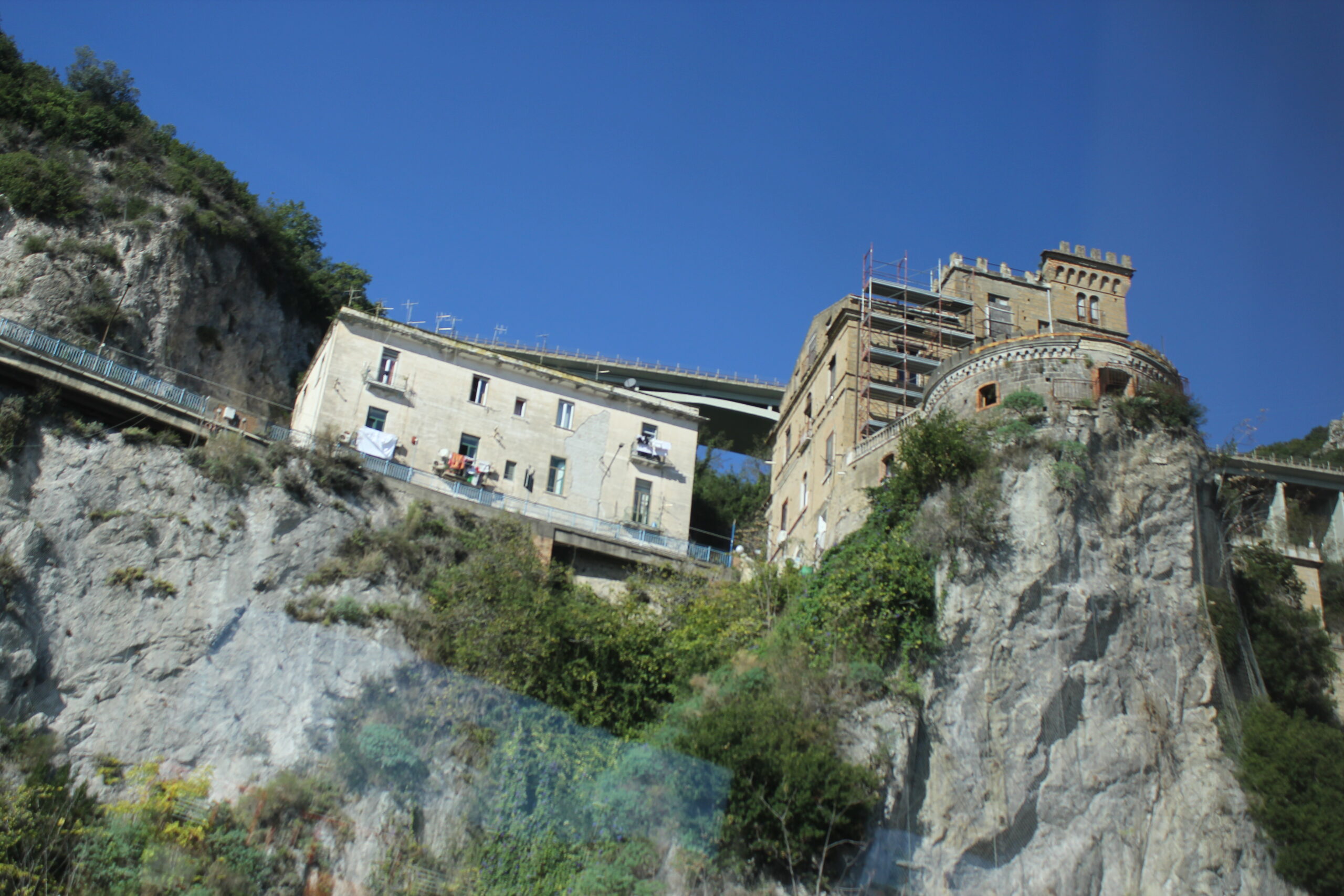
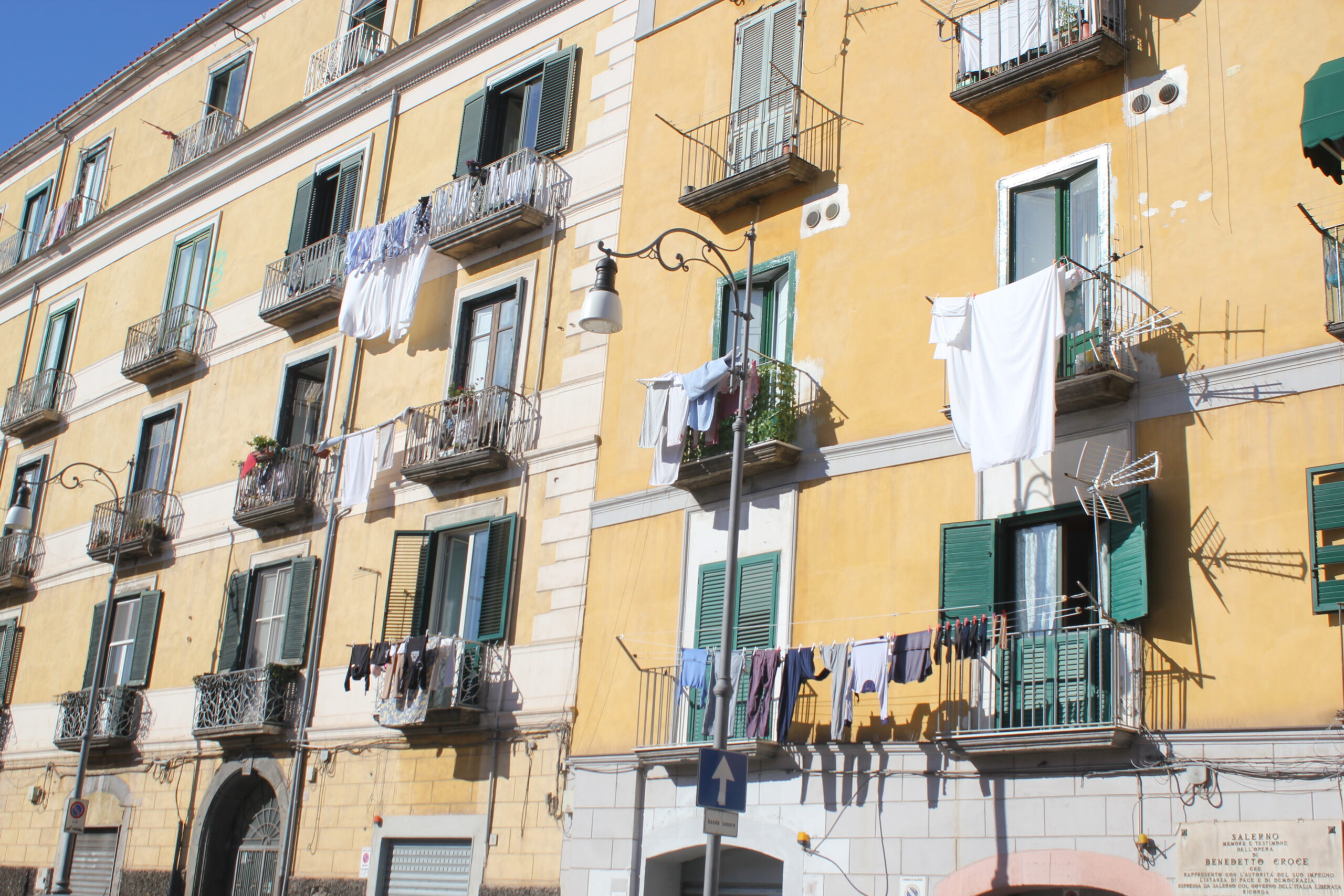
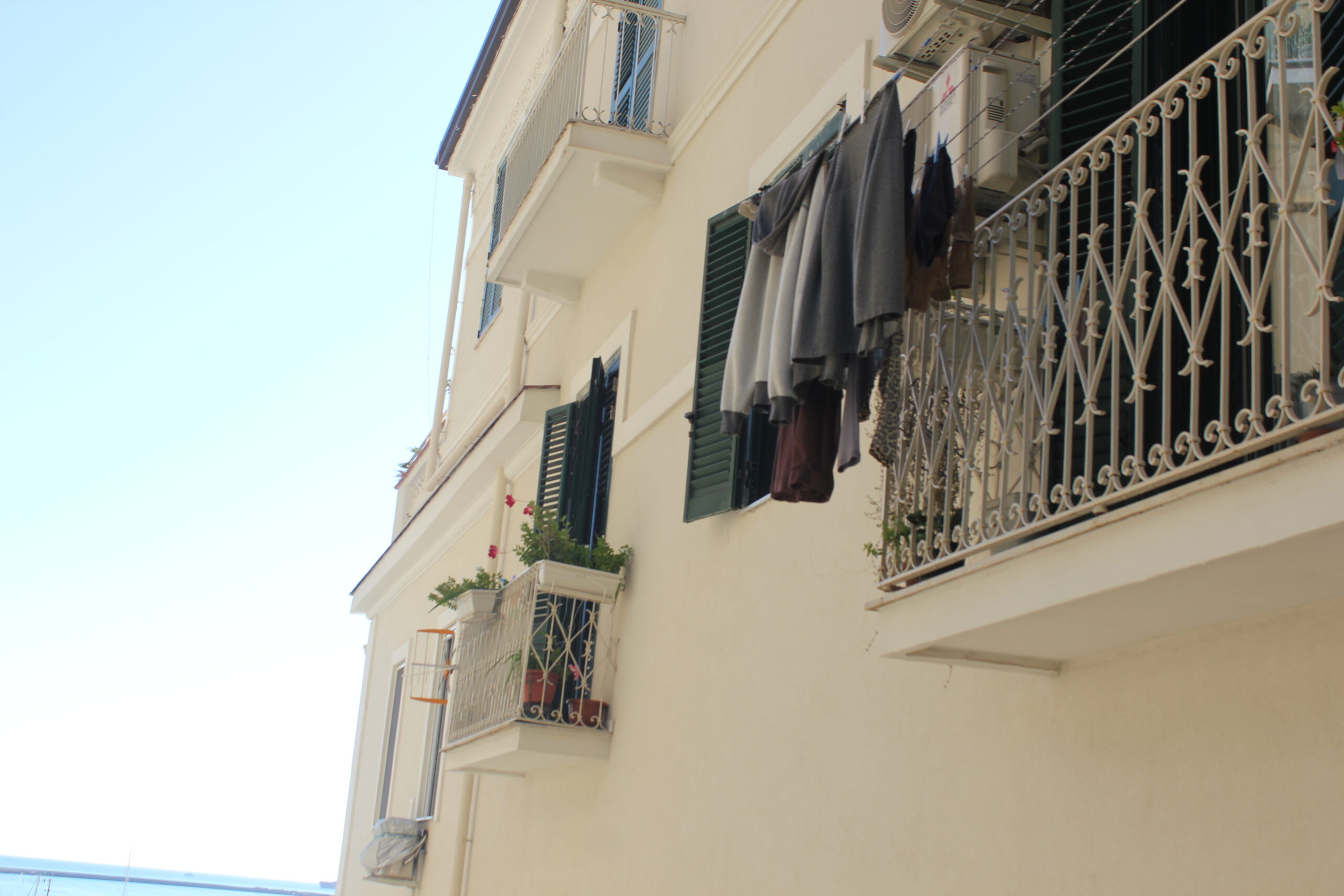
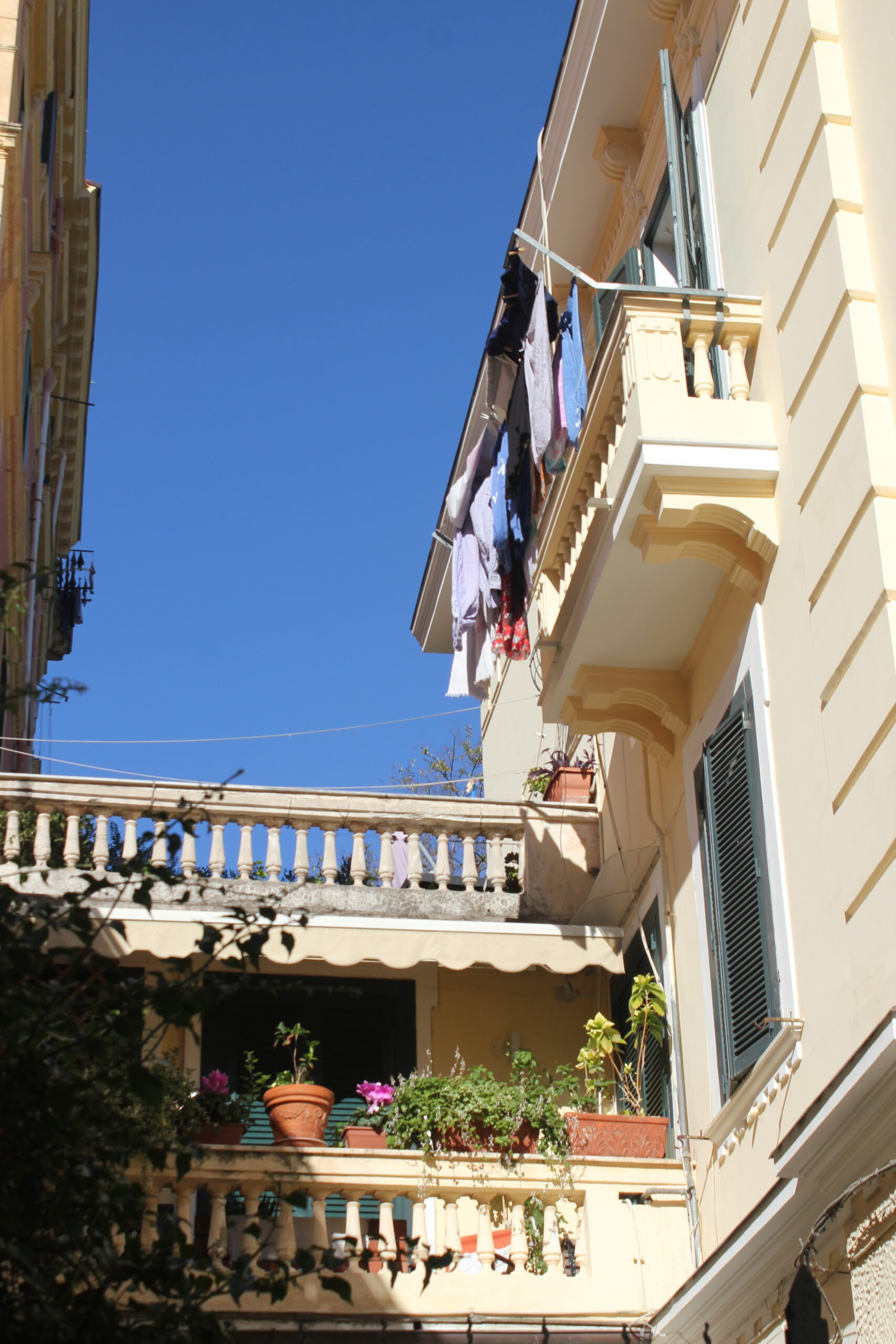
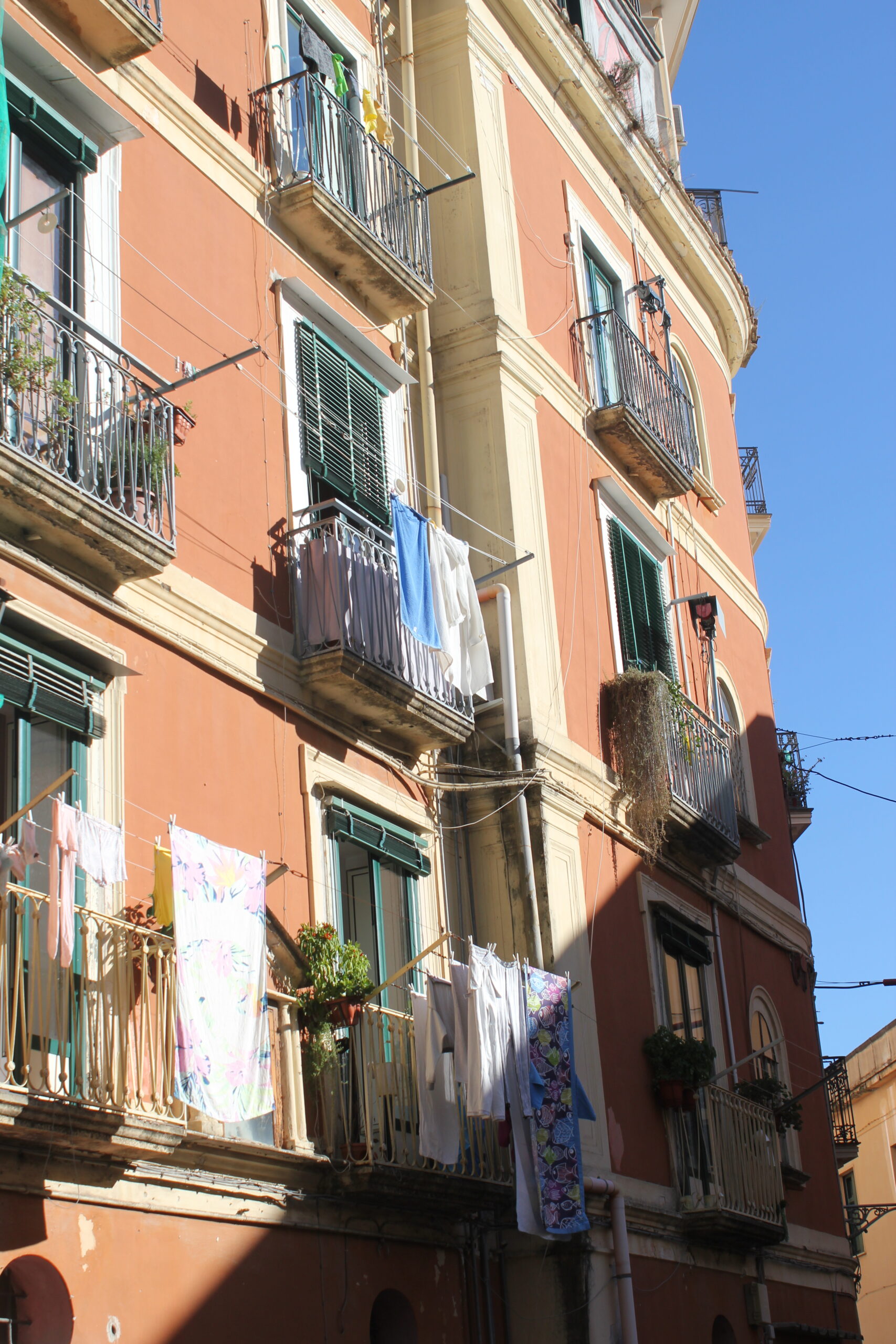
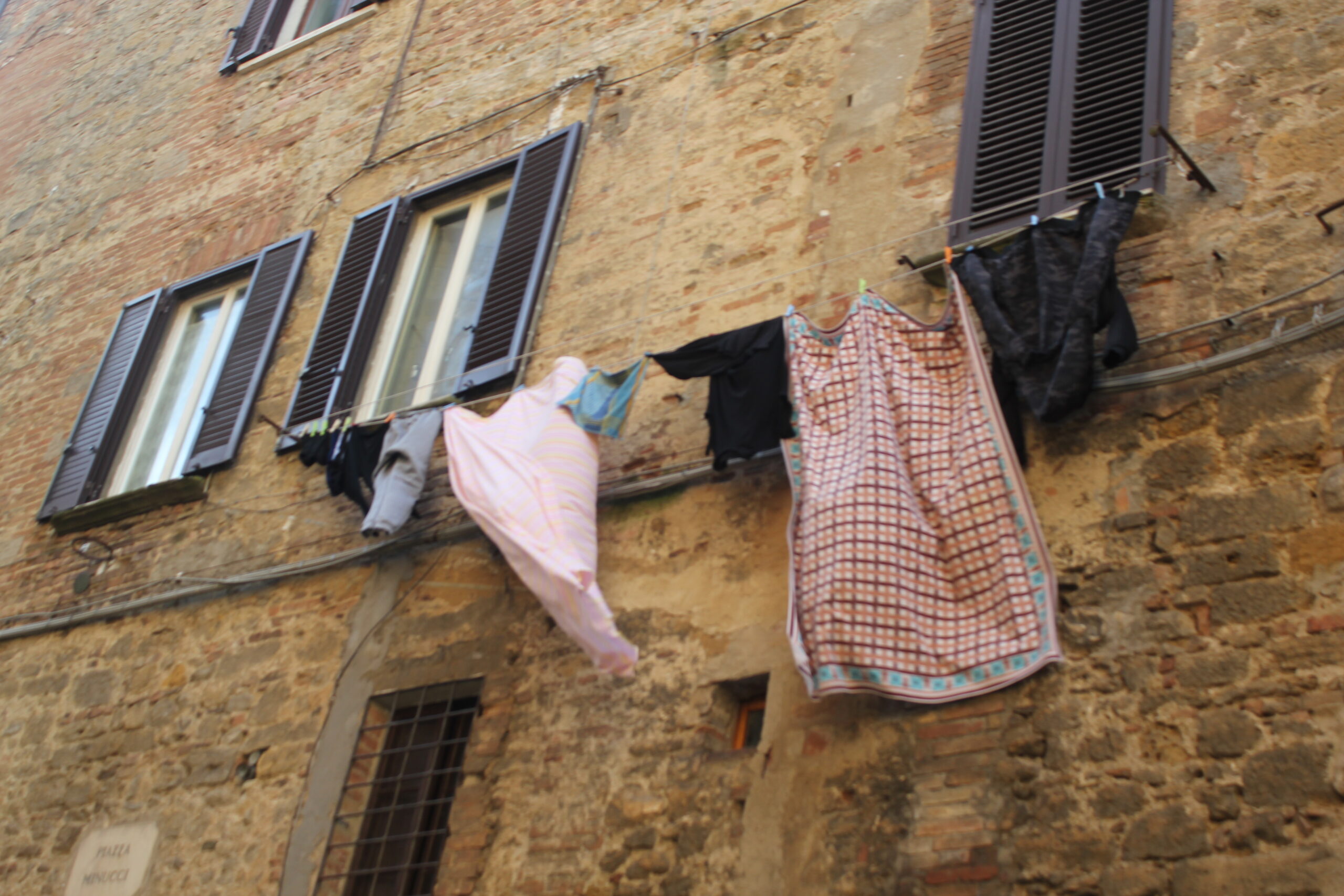
Laundry Day Along The Amalfi Coast
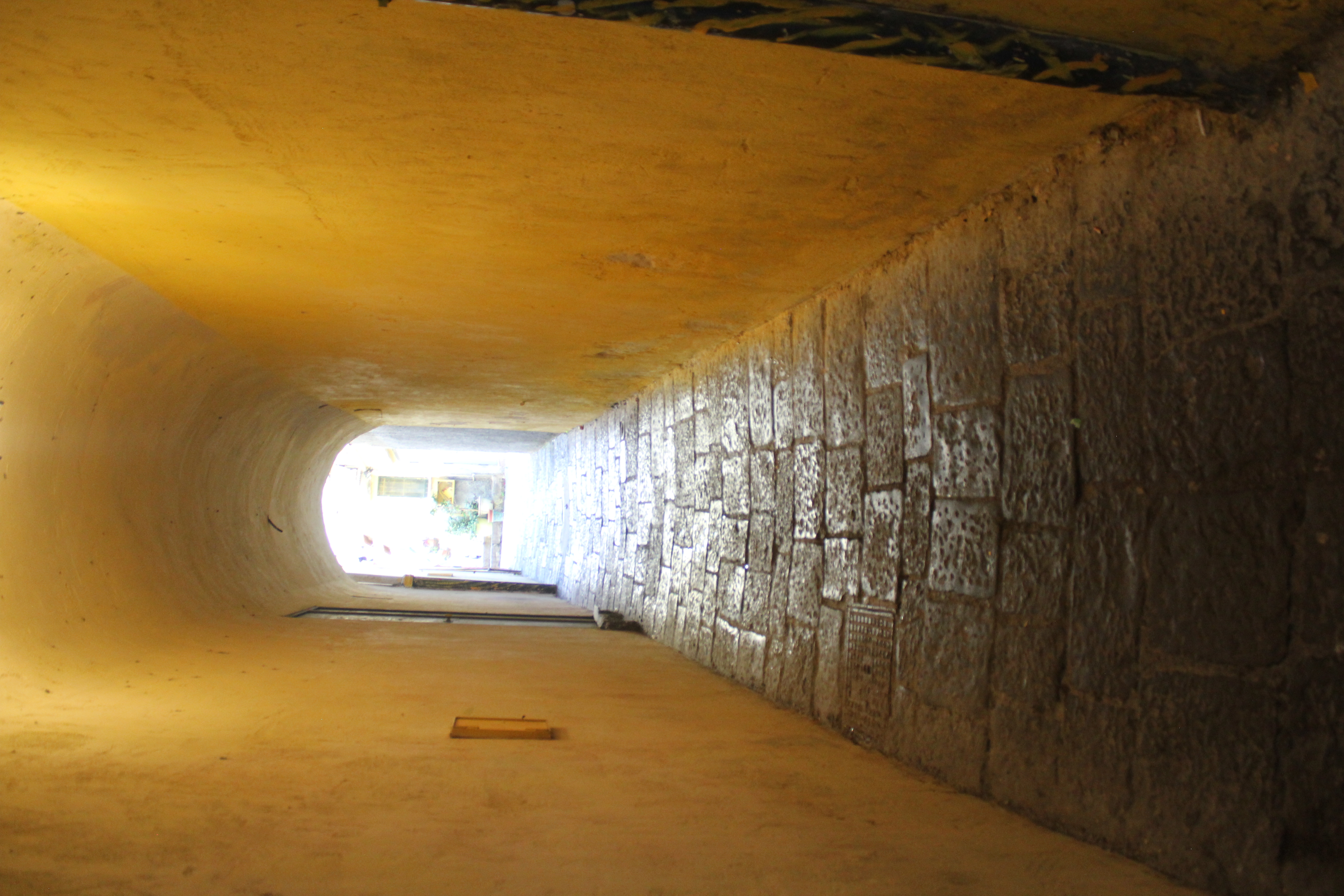
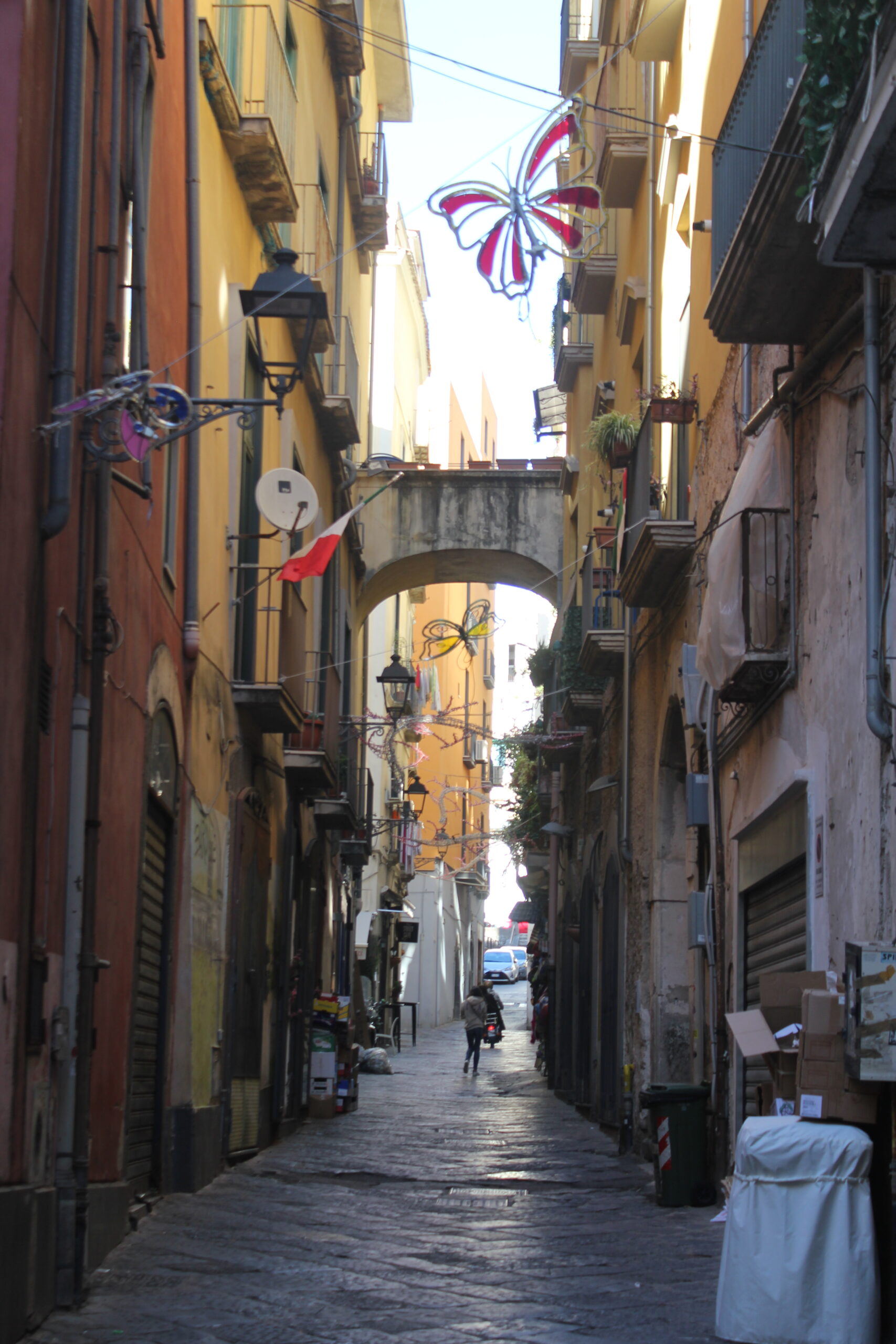
Laundry day along the Amalfi coast. Around the bend, Sorrento is a beautiful city, and on this day the town smelled fresh and clean.



November 20, 2025
When the Volcano Blows
Vesuvius, a beauty, couldn’t hold it any longer. Beneath the mountain seawater poured through fissures into Mother Earth’s fiery furnaces causing a titanic cataclysm, and in late summer79 AD she began a series of eruptions lasting two days, blowing clouds of blazing gases and volcanic debris ten miles high with catastrophic consequences for Pompeii.


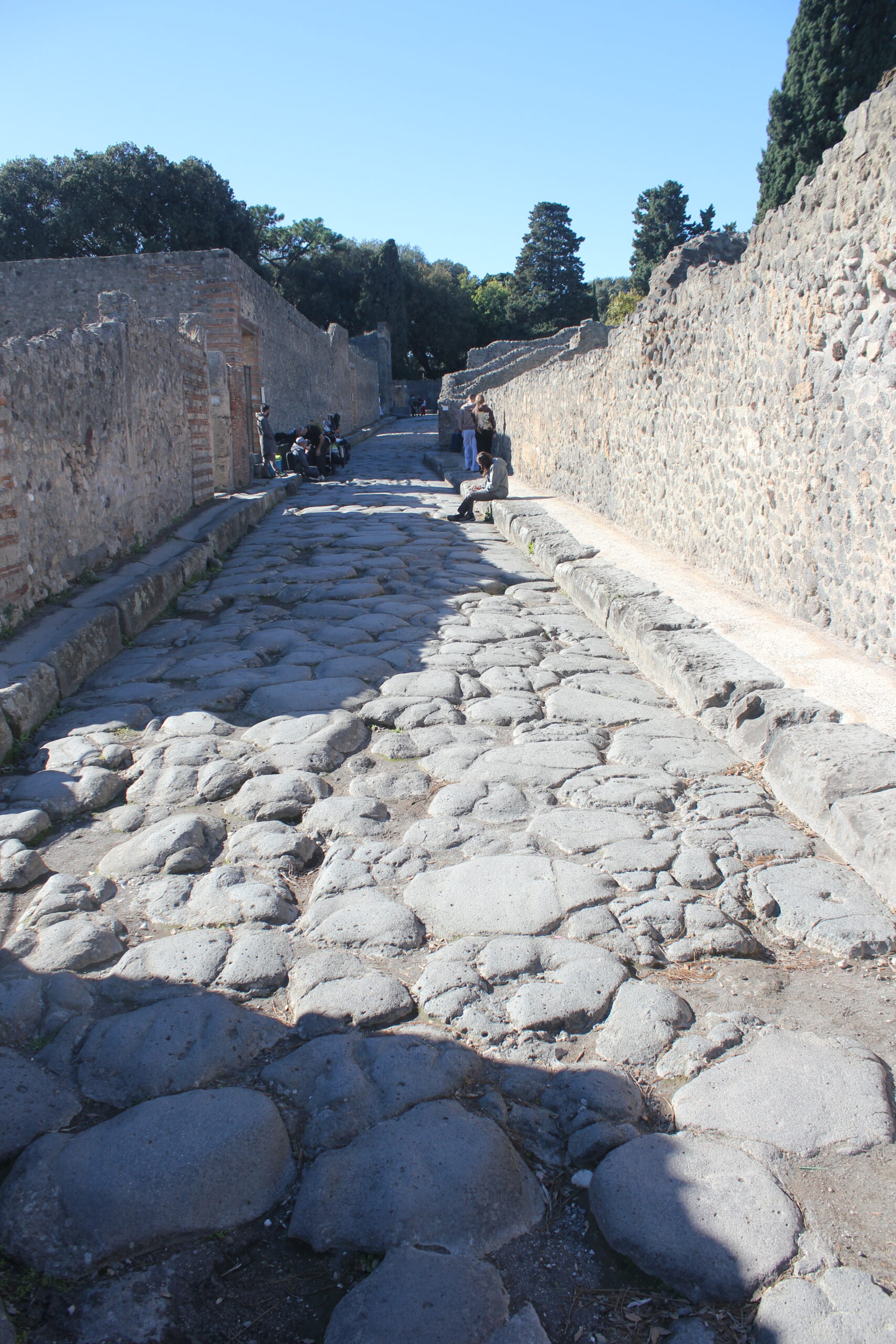
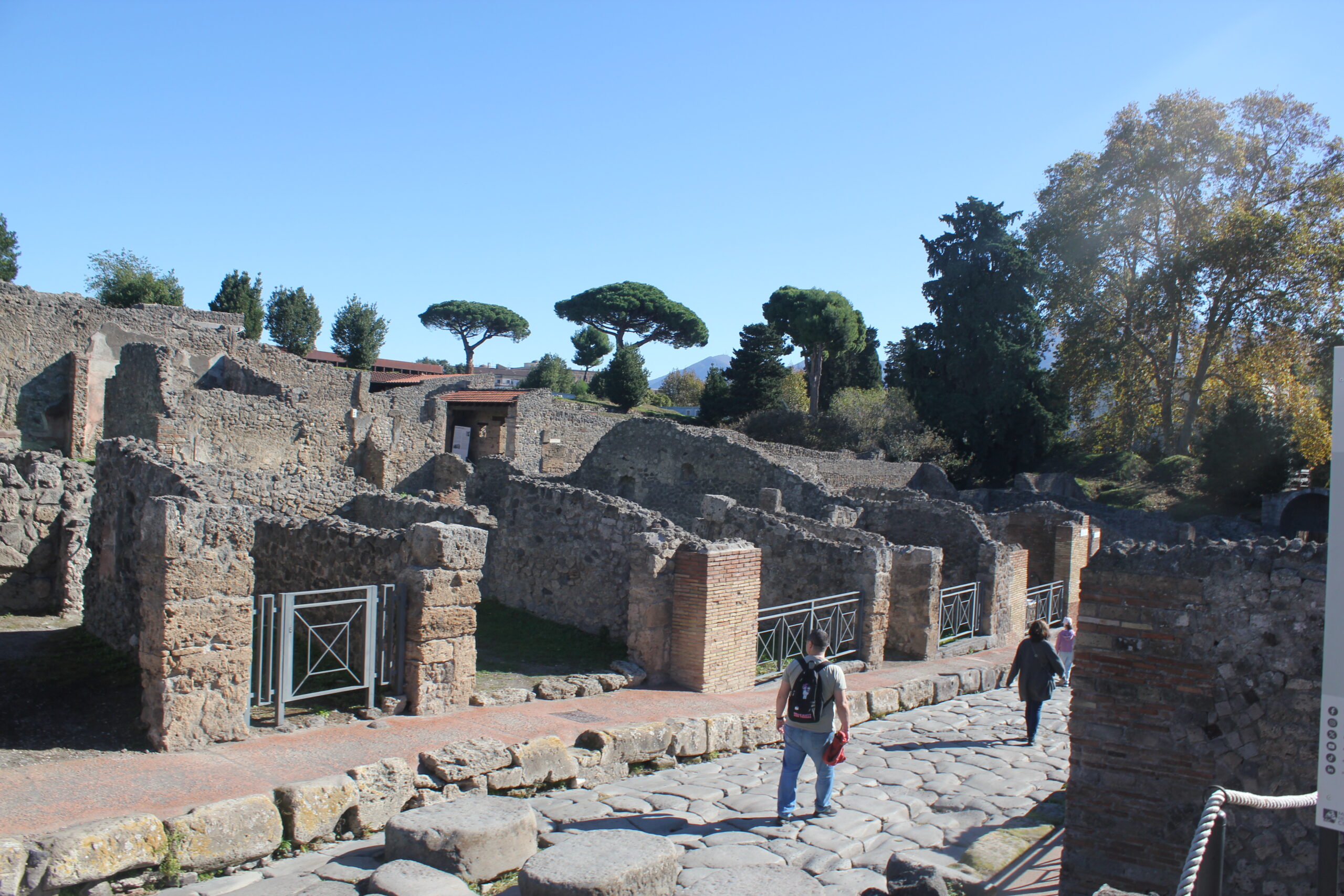
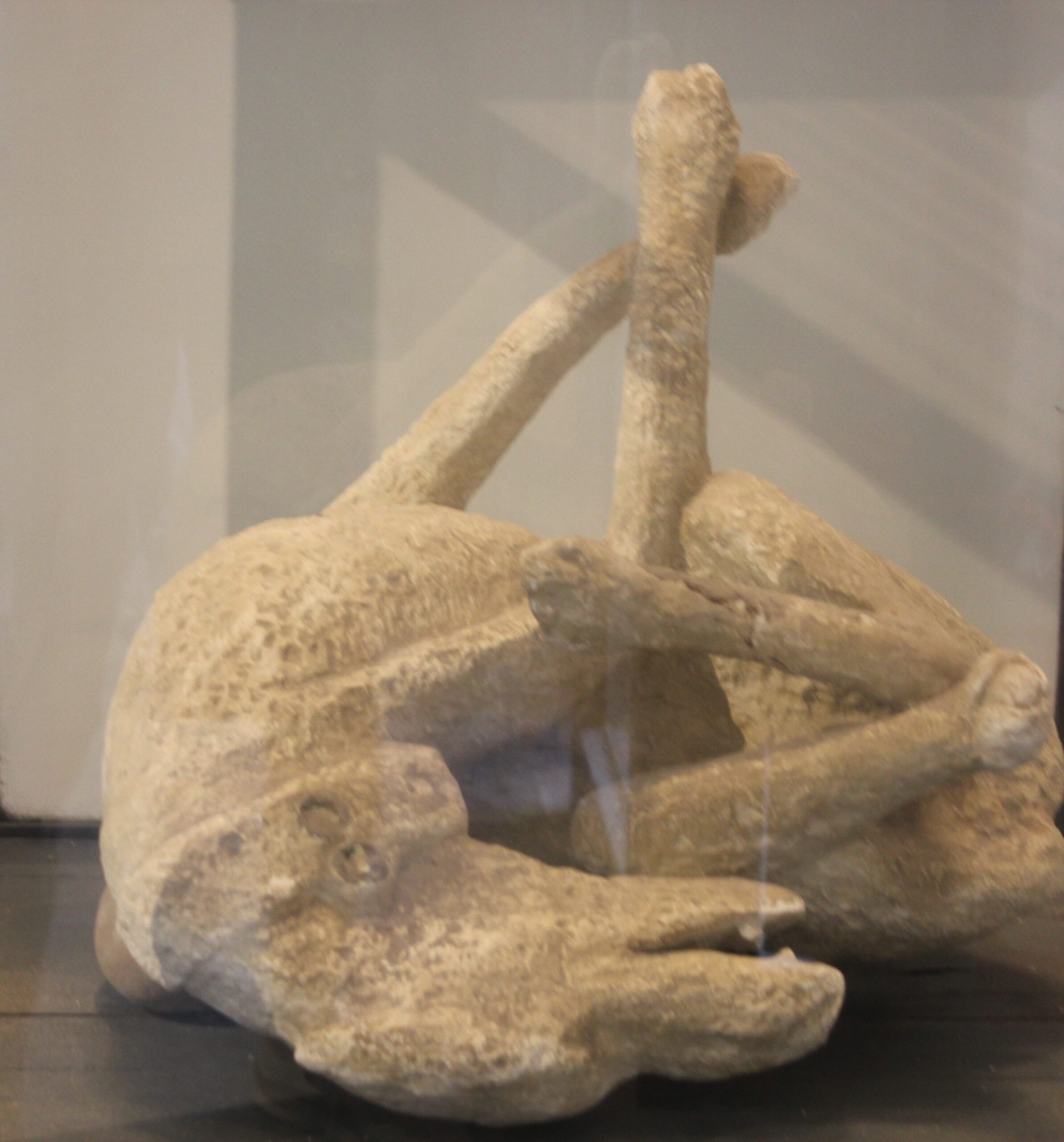
The town was buried beneath up to 70 feet of hot ash, pumice and subsequent pyroclastic surges reaching the temperature of a pizza oven. The dog had no chance.
November 19, 2025
Mamma Etna
Mount Etna is a reliable girl, as far as volcanoes go. Her last dramatic eruption happened less than six months ago, but at her 11,000-foot summit, activity is nearly continuous, with frequent eruptions from her flanks, where mantle magma spews hot. Etna, named for the Greek goddess of volcanoes, is the most active volcano in the Appenine-Maghrebian chain, where the African tectonic plate subducts beneath the European plate, a messy collision. Etna gets a boost from a microplate in the Ionian Sea.

While Mamma Etna steams and gurgles, watching over Sicily’s coastal communities like Catania, Sicily, an old man watches over Catania’s harbor from the wharf.
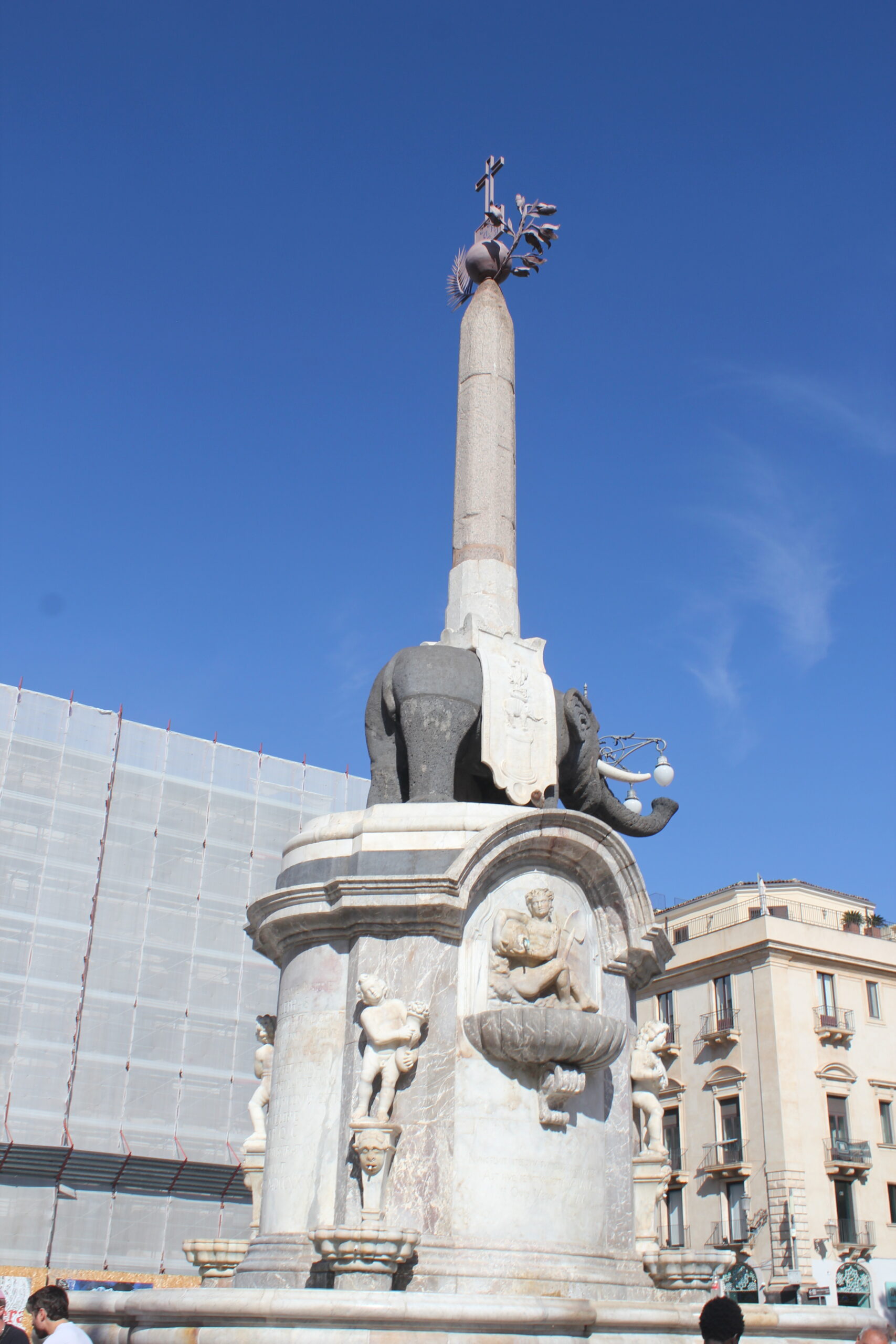
In the town square a statue of an elephant protects her paesanos from Etna’s moods.
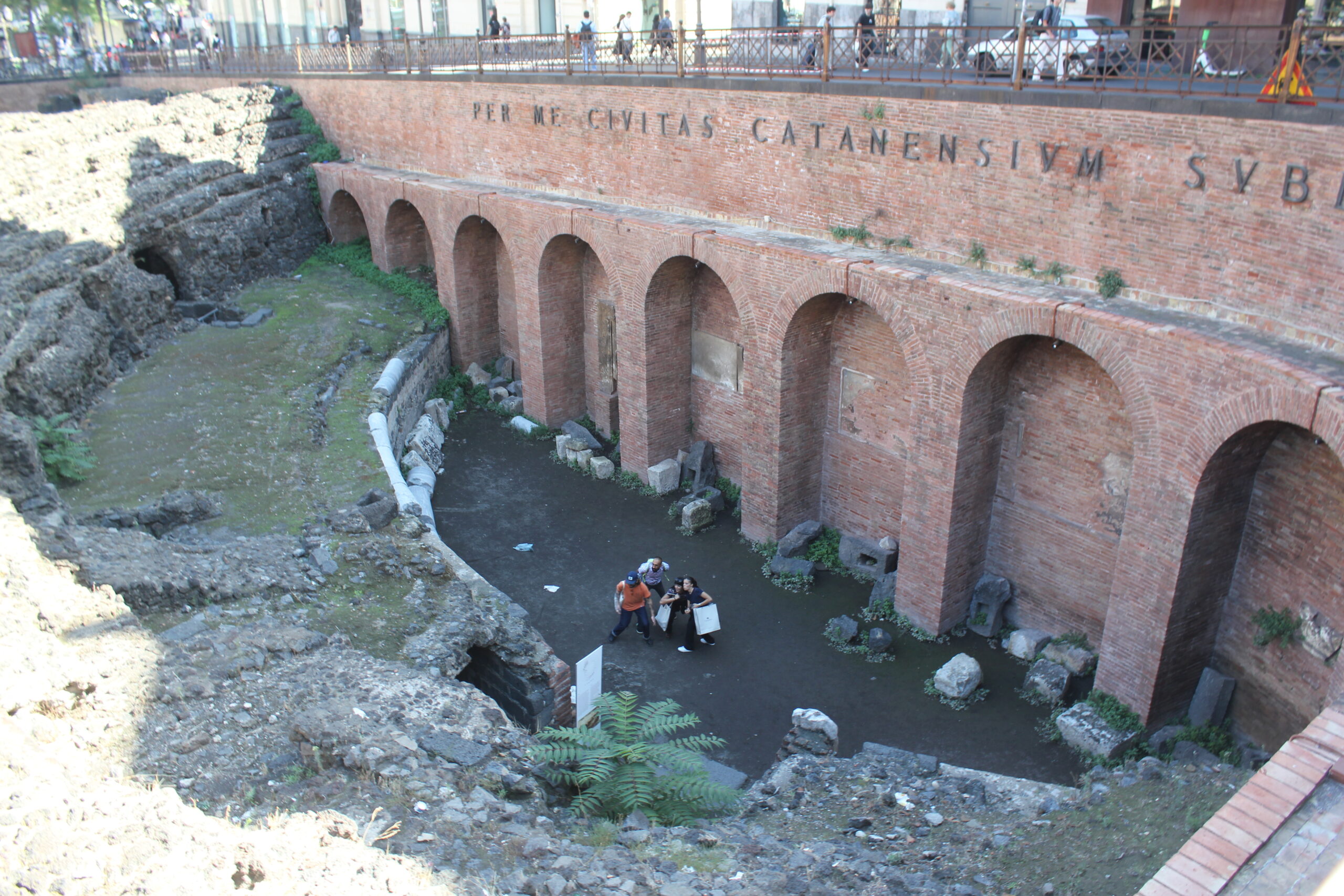
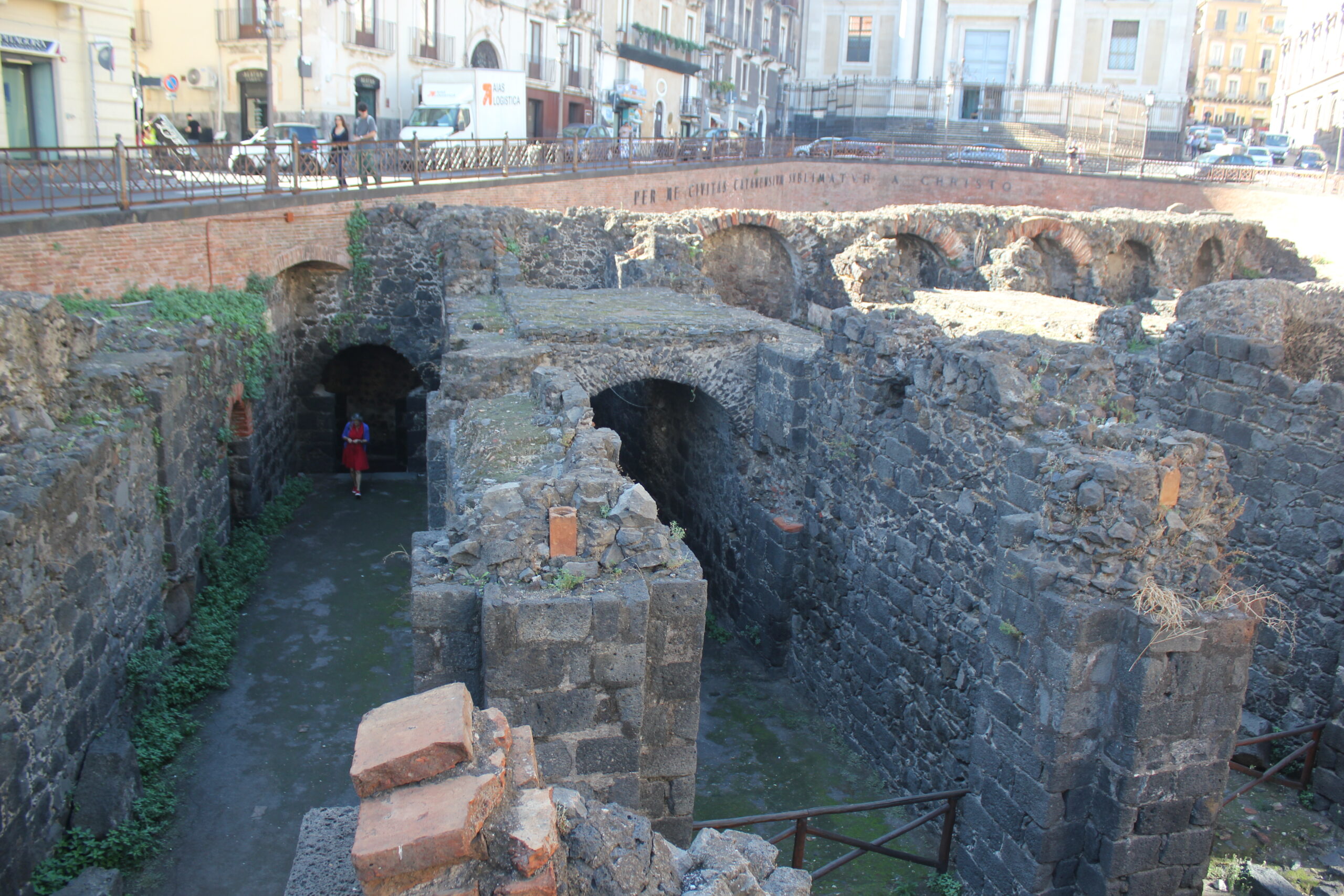
We tiptoed past Corleone Street into the historic heart of the city. Bought a bag and named her Cecily.
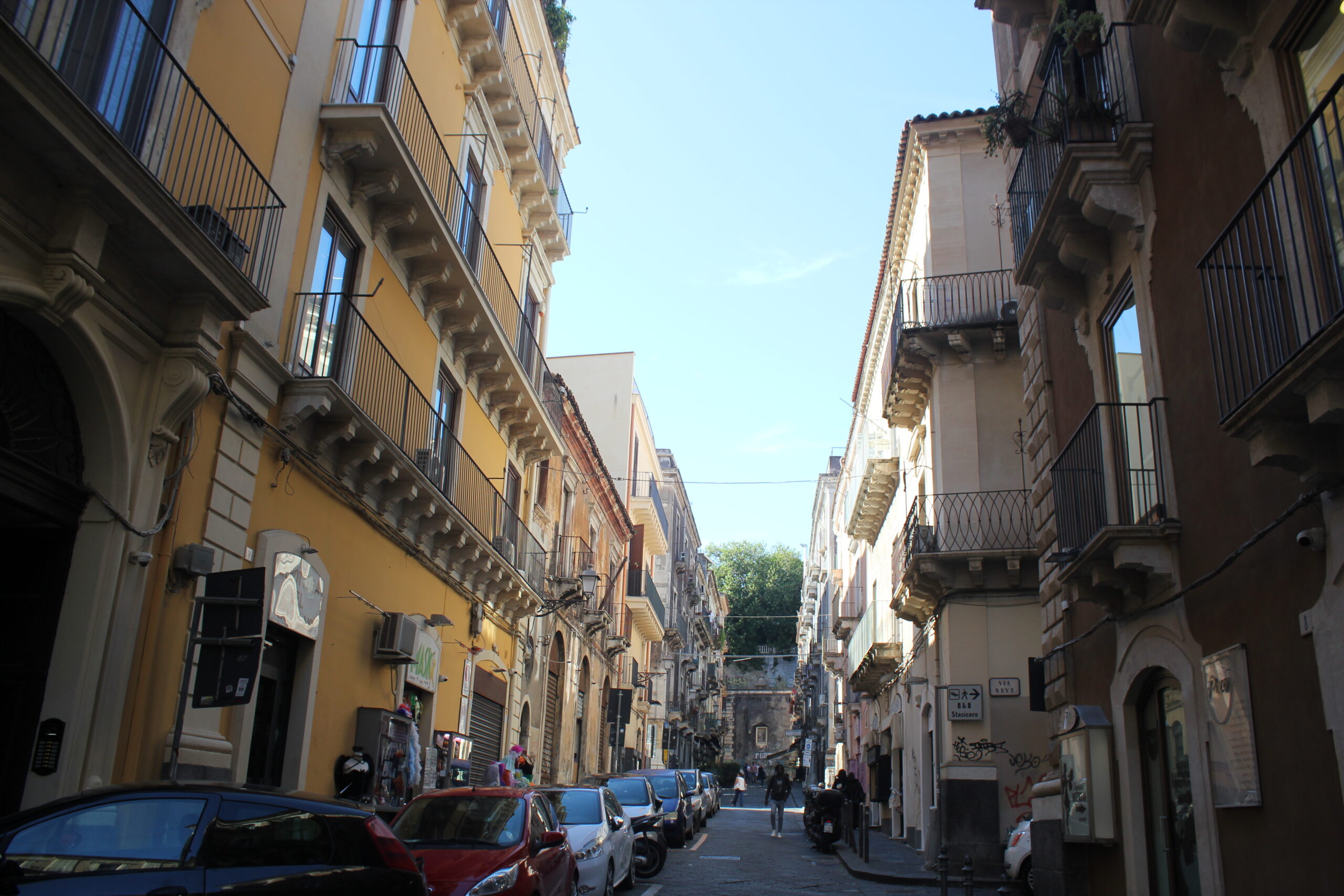
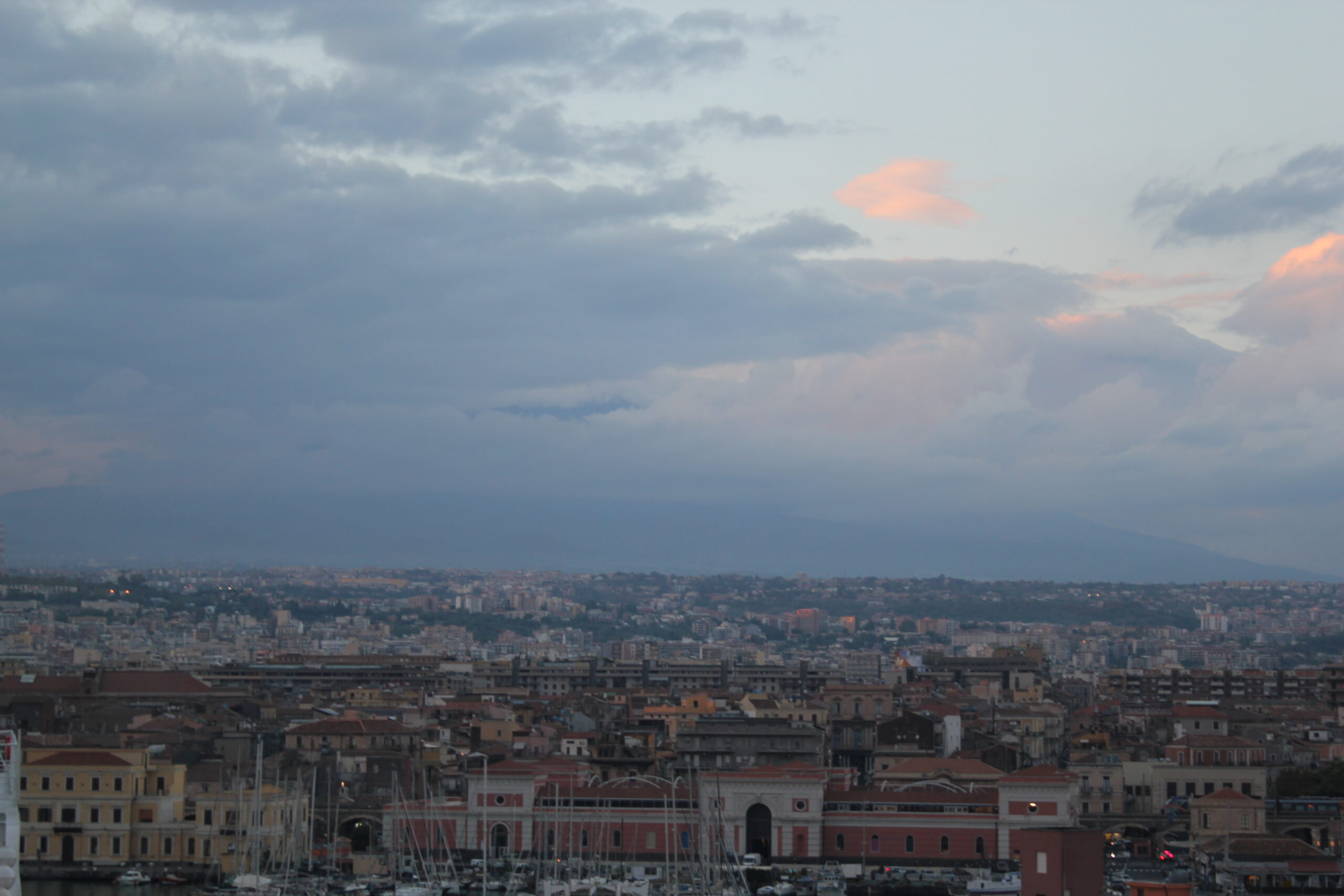
By afternoon Etna was shrouded in steamy clouds.
November 18, 2025
Ephesus
The Greeks first inhabited Ephesus thirty centuries ago, and built the temple to the many-breasted Artemis, goddess of the hunt, wilderness, wild animals, childbirth, chastity, the moon, and protecting young women and girls. I nominate Artemis for goddess of multitasking. She is the twin sister of Apollo and daughter of Zeus and Leto. But you knew that.

The temple was one of the ancient Seven Wonders of the World. Ephesus grew to be the fourth-largest city in the Roman Empire, a major seaport and center of commerce, accessible by sea through a long canal which eventually choked with silt and left the town to decline.

The main drag felt the chariot wheels of Antony and Cleopatra. The spectacular façade of the Library of Celsus towers over the ruins. A bordello reportedly sat nearby, leading to the phrase used even today by illiterate husbands, “Honey, I’m going to the library.”
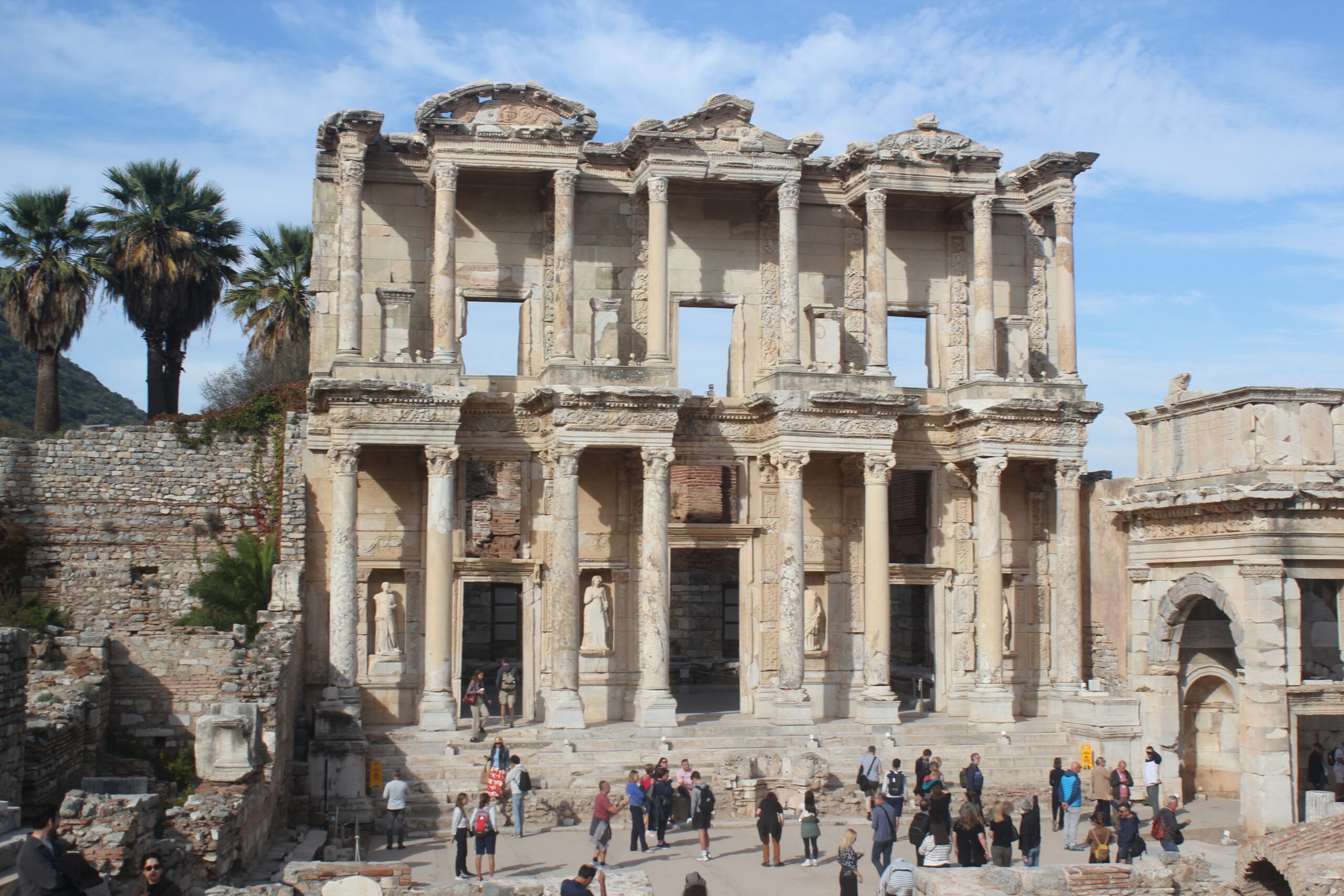
Watching these ne’er-do-wells from the façade’s niches are four female statues (l to the r): Sofia (Wisdom), Arete (Virtue), Ennoia (Insight) and Episteme (Knowledge).
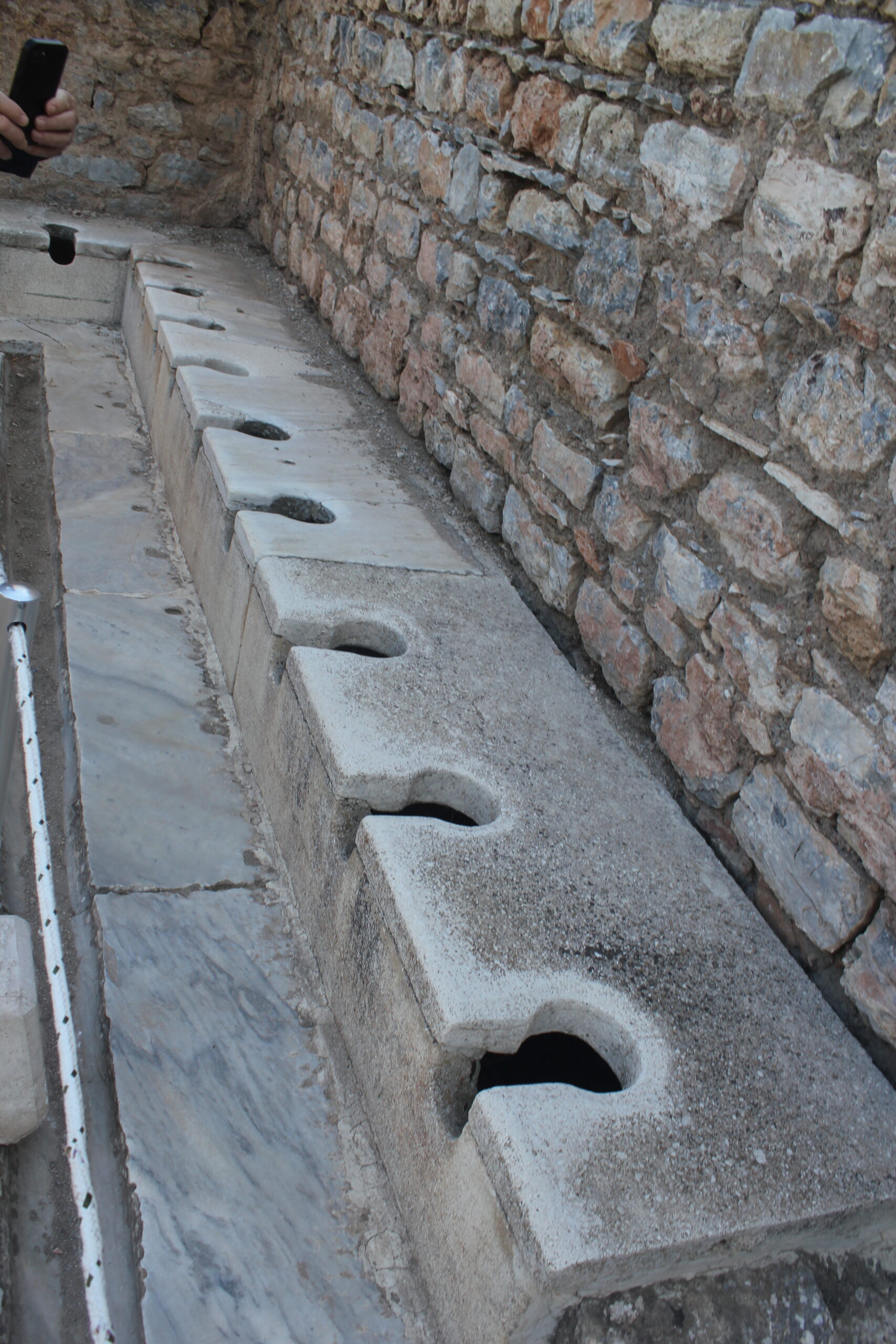
Near the public baths, toilets were cut on a rock slab side by side, close enough to hold hands and squeeze.

Paul preached in the grand theater, and a couple millenia later, wowed by the acoustics, Ray Charles, Pavorotti, Elton John, Sting, Diana Ross, Joan Baez, Bryan Adams and Jethro Tull performed here. Mother Mary and John the Apostle moved to a hill overlooking Ephesus where Mary lived out her days.
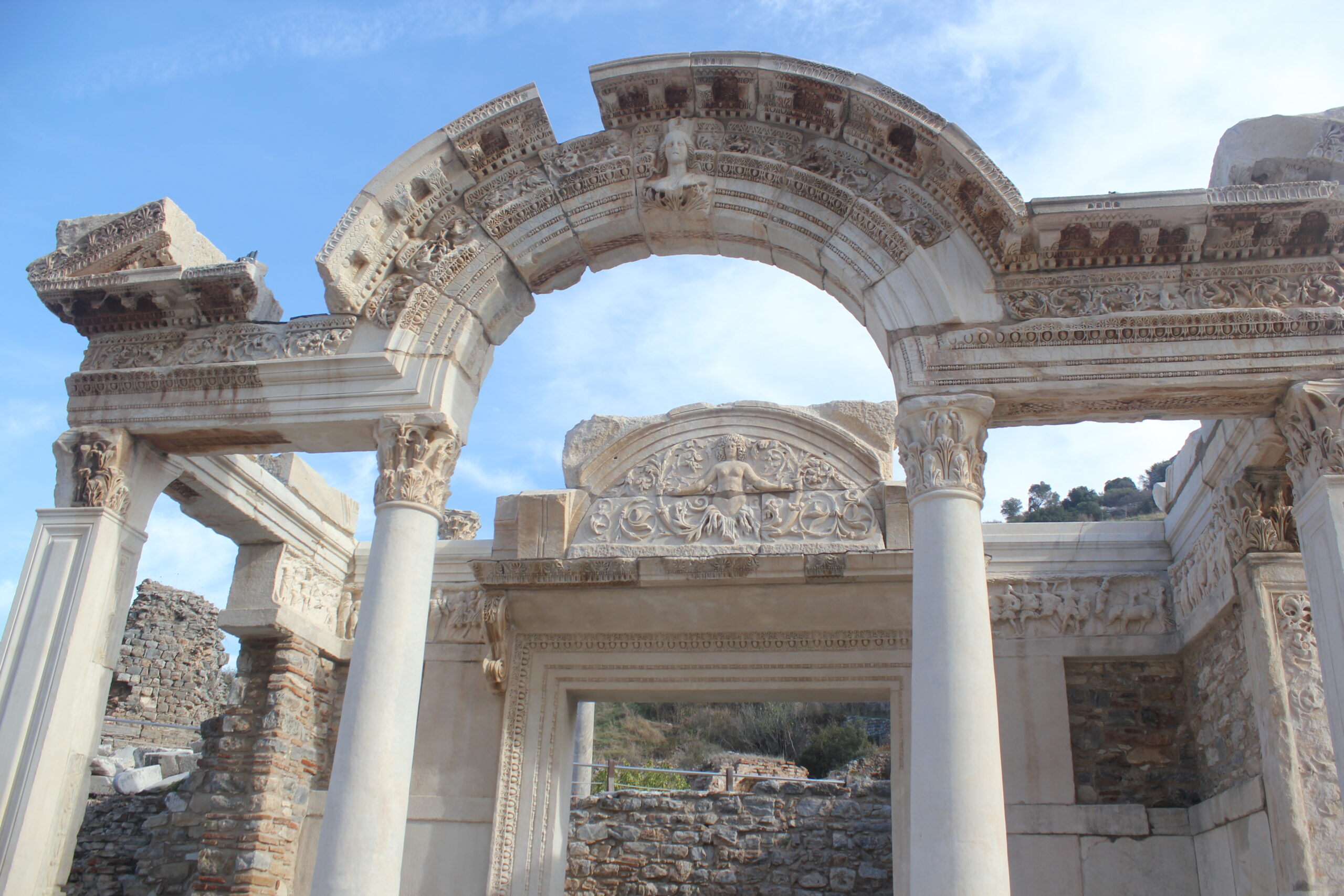
John was exiled to Patmos where he wrote Revelations, then returned to Ephesus where he died of natural causes, the only apostle not martyred. Ephesus was also graced by the Apostles Luke, Thomas and Timothy, first Bishop of Ephesus, beaten and stoned to death by a hostile mob while attempting to break up a pagan festival honoring the Goddess Diana, aka Artemis, that busy many-breasted goddess of the hunt, wilderness, wild animals, childbirth, chastity, the moon, and protecting young women and girls, oh and protector of the lower classes, including runaway slaves. But she had no relation to the Paul Anka song, Diana.
November 16, 2025
Athens
We arrived in Athens on Greek Independence Day. From our hotel we stepped into that iconic gathering place, Stavros Niarchos Park, where we joined thousands of revelers celebrating Greek resistance to fascism during WWII.
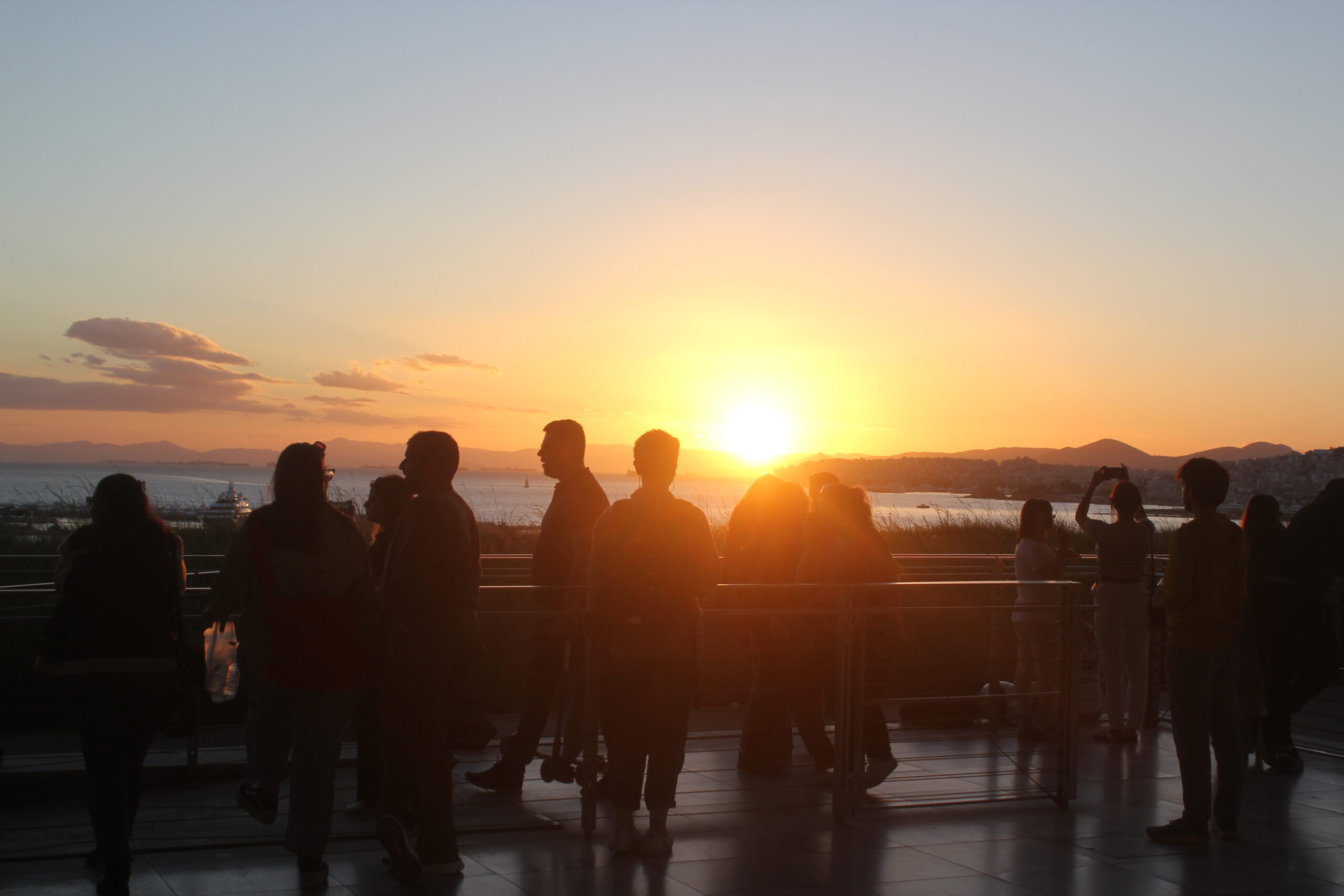
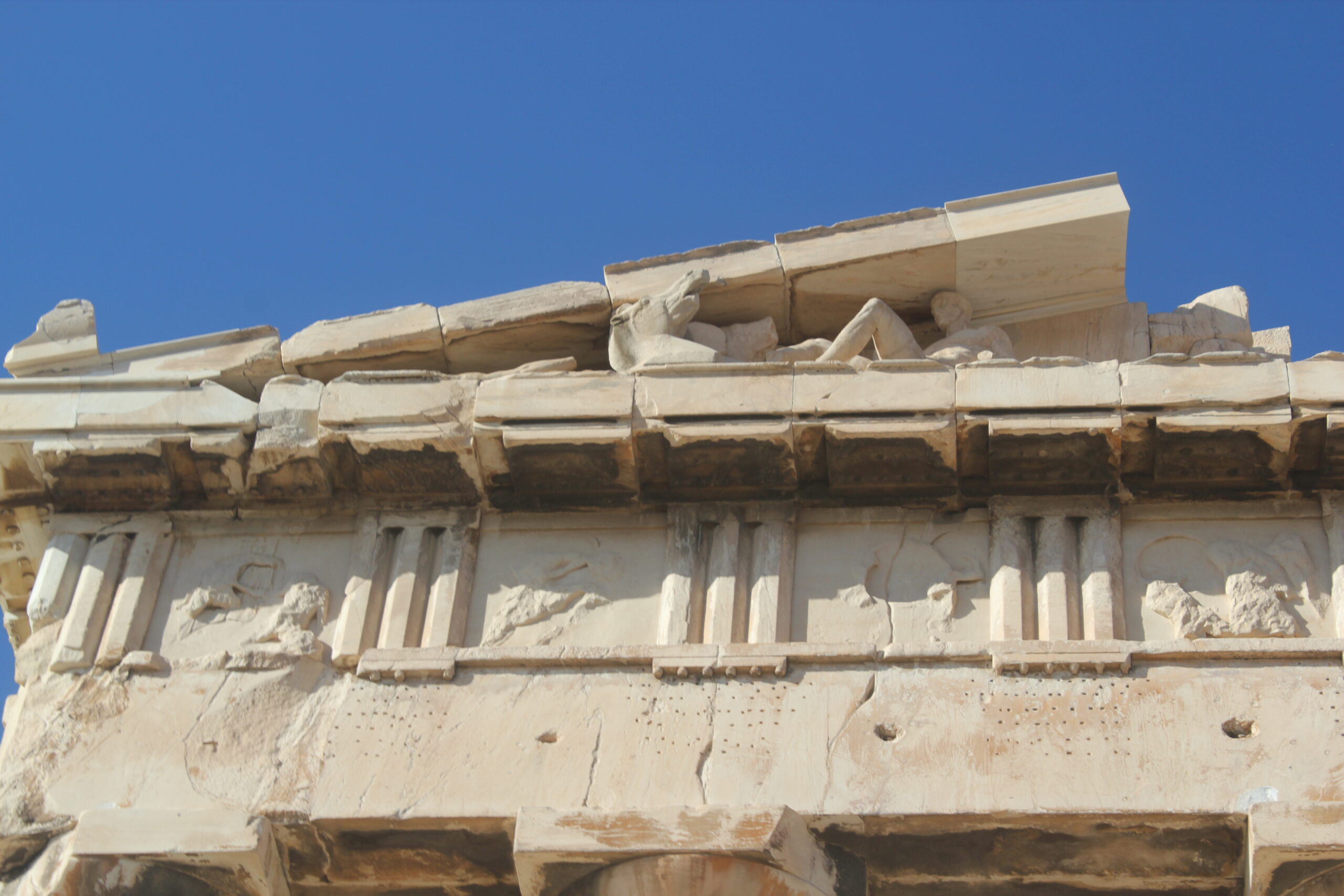
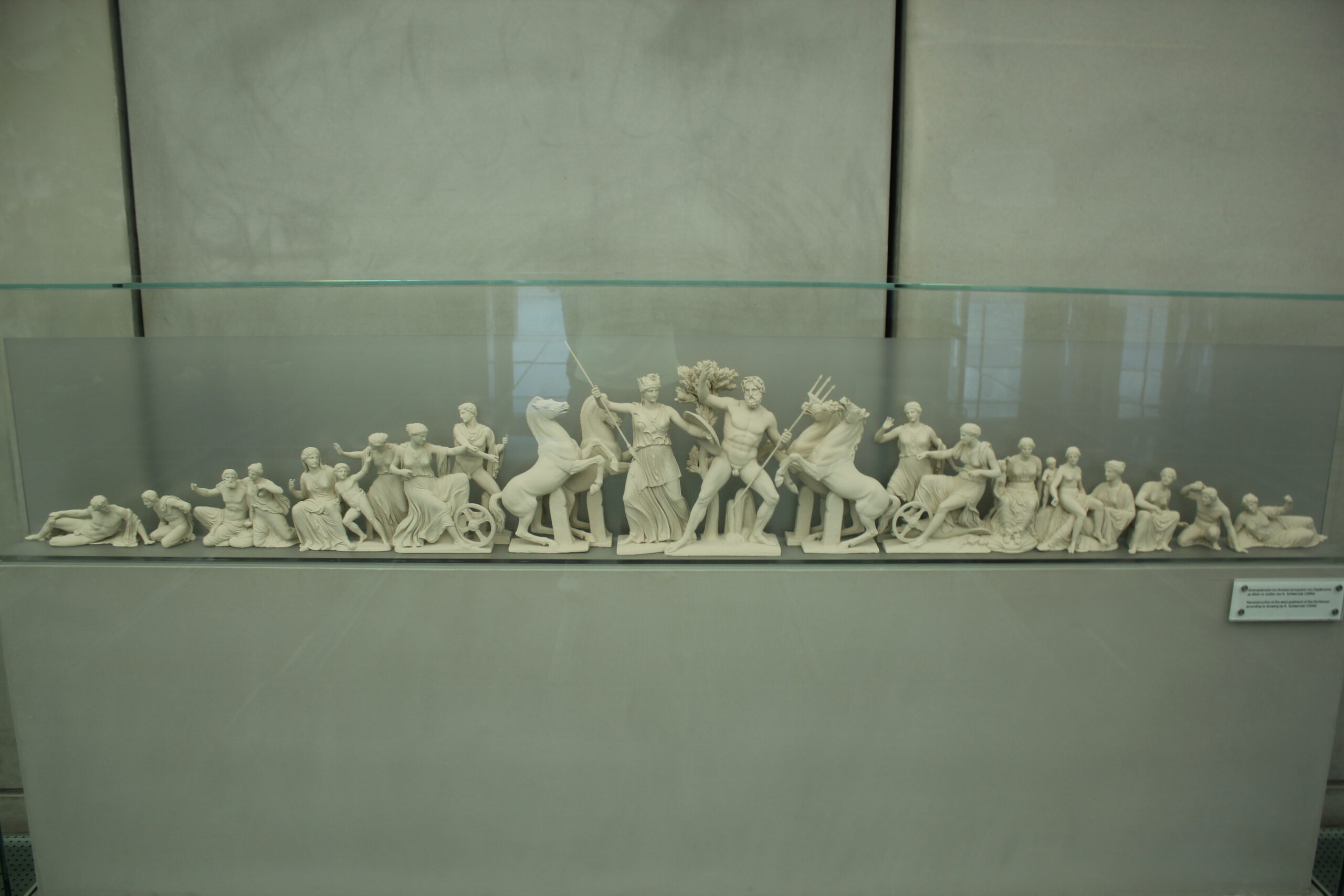
From atop Renzo Piano’s architectural masterpiece housing the Greek National Opera and the National Library, we could see the Acropolis in the distance, the Parthenon ready to show us her marble charms and her missing elements in plaster cast, obvious as mismatched tooth enamel.
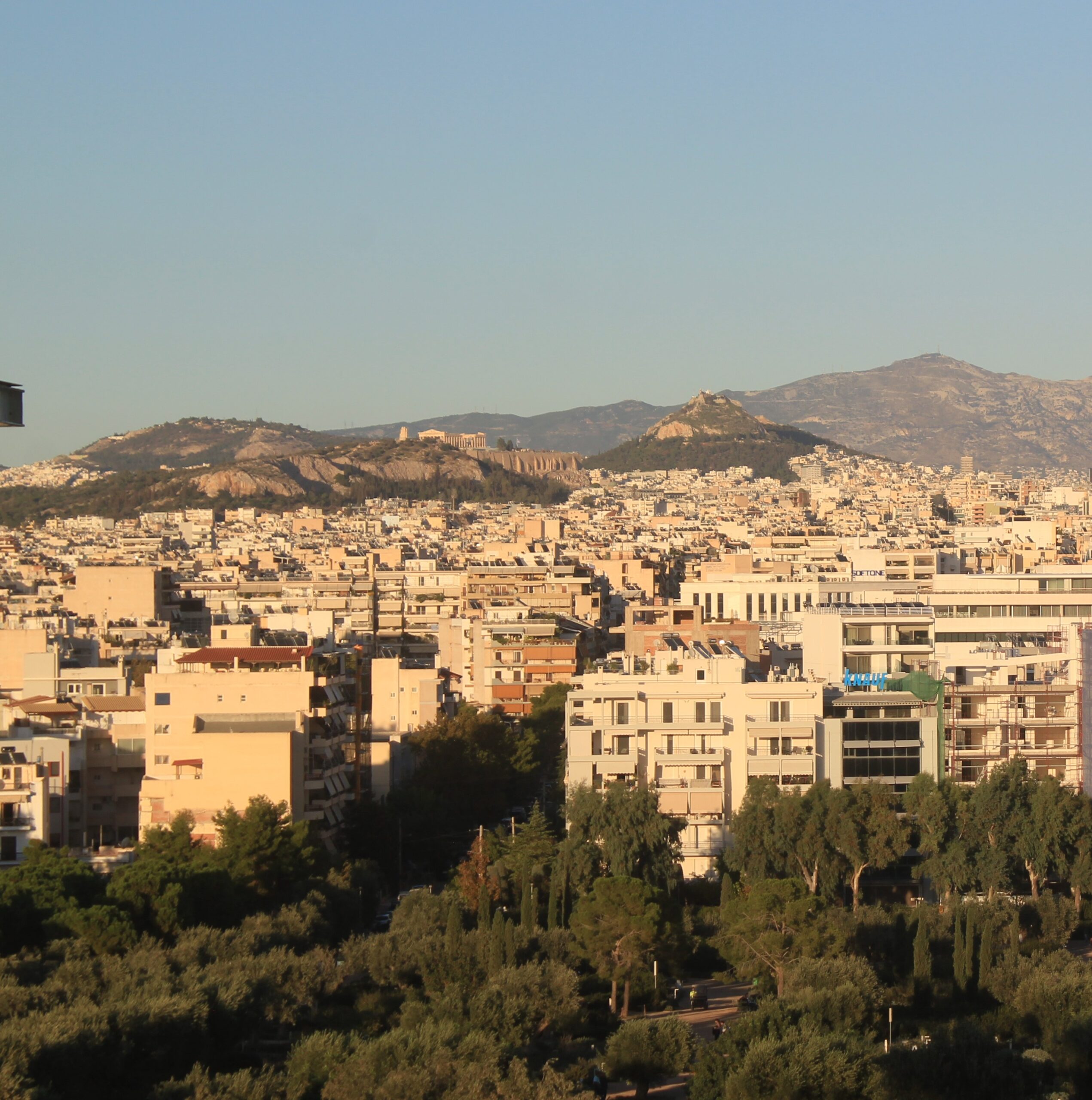

Our guide and I agree with Lord Byron:“Dull is the eye that will not weep to see thy walls defaced, thy mouldering shrines removed by British hands, which it had best behoved to guard those relics ne’er to be restored. Curst be the hour when from their isle they roved, and once again thy hapless bosom gored, and snatch’d thy shrinking gods to northern climes abhorred!”
Oh, and one more thing for you conspiracy theorists to ponder: What about all those tracks, and cranes wielding appendages that look like they have mouse ears?

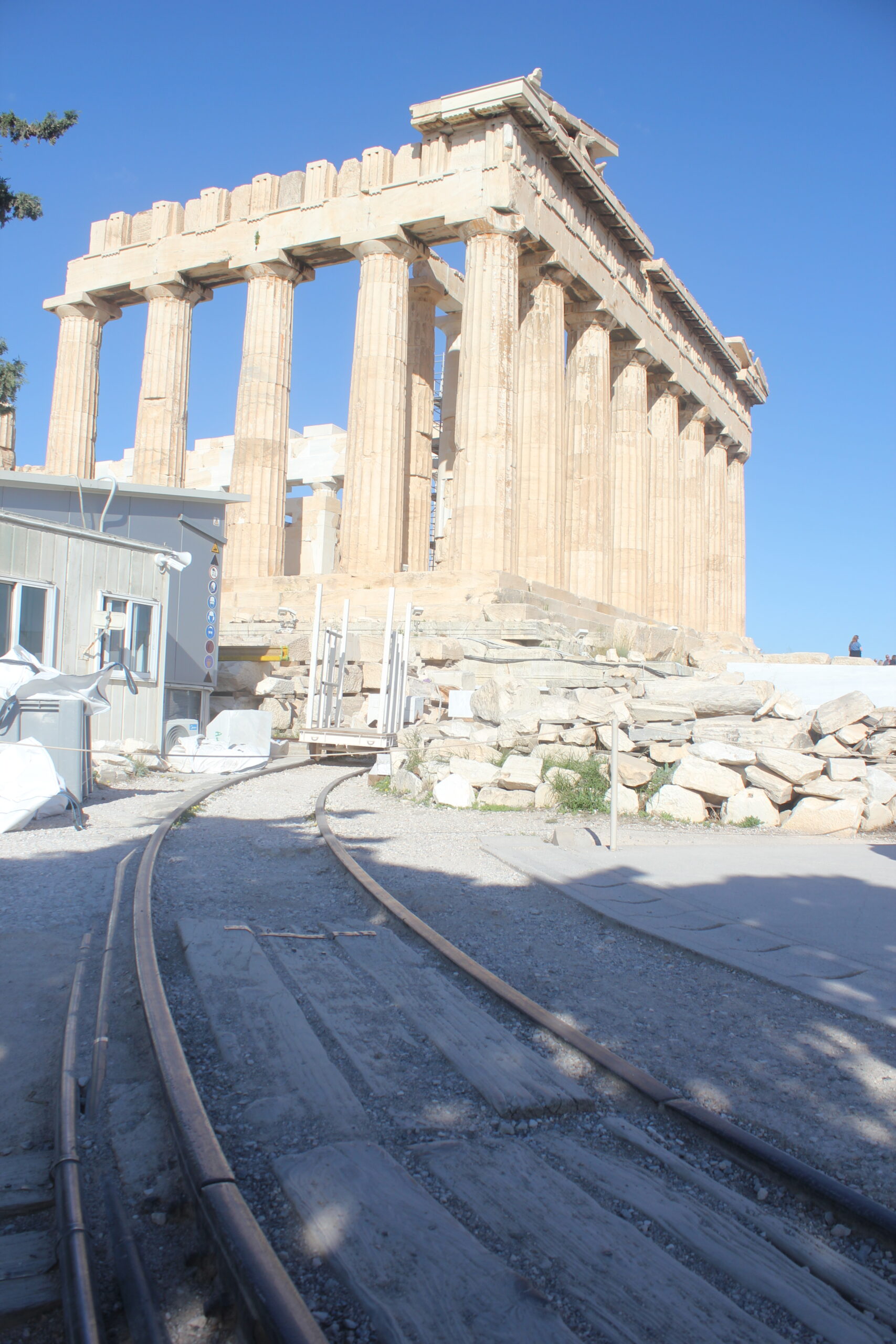
Could it be that a major amusement company has big plans for the Acropolis? Sure hope nobody tries to build a massive ballroom on it.
We arrived in Athens on Greek Independence Day. From our ...
We arrived in Athens on Greek Independence Day. From our hotel we stepped into that iconic gathering place, Stavros Niarchos Park, where we joined thousands of revelers celebrating Greek resistance to fascism during WWII.
From atop Renzo Piano’s architectural masterpiece housing the Greek National Opera and the National Library, we could see the Acropolis in the distance, the Parthenon ready to show us her marble charms and her missing elements in plaster cast, obvious as mismatched tooth enamel.
Our guide and I agree with Lord Byron:“Dull is the eye that will not weep to see thy walls defaced, thy mouldering shrines removed by British hands, which it had best behoved to guard those relics ne’er to be restored. Curst be the hour when from their isle they roved, and once again thy hapless bosom gored, and snatch’d thy shrinking gods to northern climes abhorred!”
Oh, and one more thing for you conspiracy theorists to ponder: What about all those tracks, and cranes wielding appendages that look like they have mouse ears?
Could it be that a major amusement company has big plans for the Acropolis? Sure hope nobody tries to build a massive ballroom on it.
August 26, 2025
History in the Shadow of Six Flags
The end of prohibition killed the Smith brothers’ bootleg business. No matter. They opened two legal taverns, one in Eureka, one in Fenton. And when Route 66 came through Pacific, Missouri, in 1935 they opened the Red Cedar Inn.
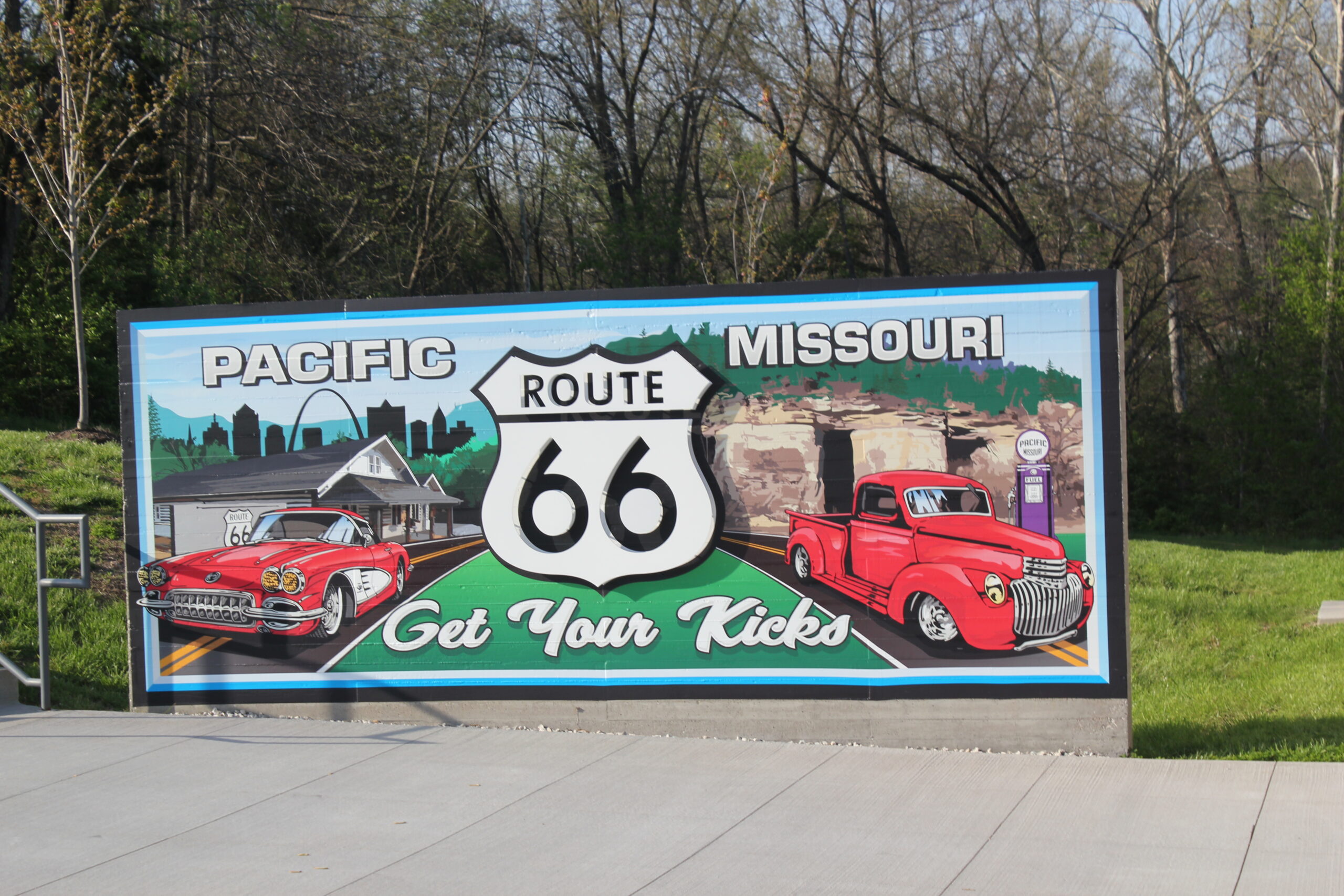
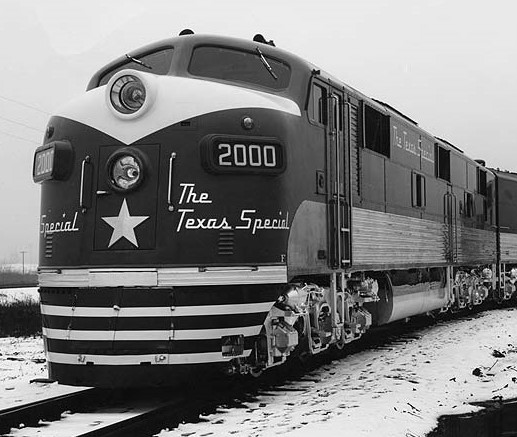
The building’s beautiful red cedar log exterior and knotty pine interior walls hearken back to the charm you don’t get in fast food stops along the Interstate. The building has earned a spot on the National Register of Historic Places. It’s now a museum and tourist center. I’ve passed the building two hundred times, driving, or riding the Frisco Railroad’s Texas Special, the Missouri Pacific’s Route of the Eagles and Amtrak’s River Runner.
For decades the Red Cedar Inn was a favorite dinner stop along Route 66. If those walls could talk…
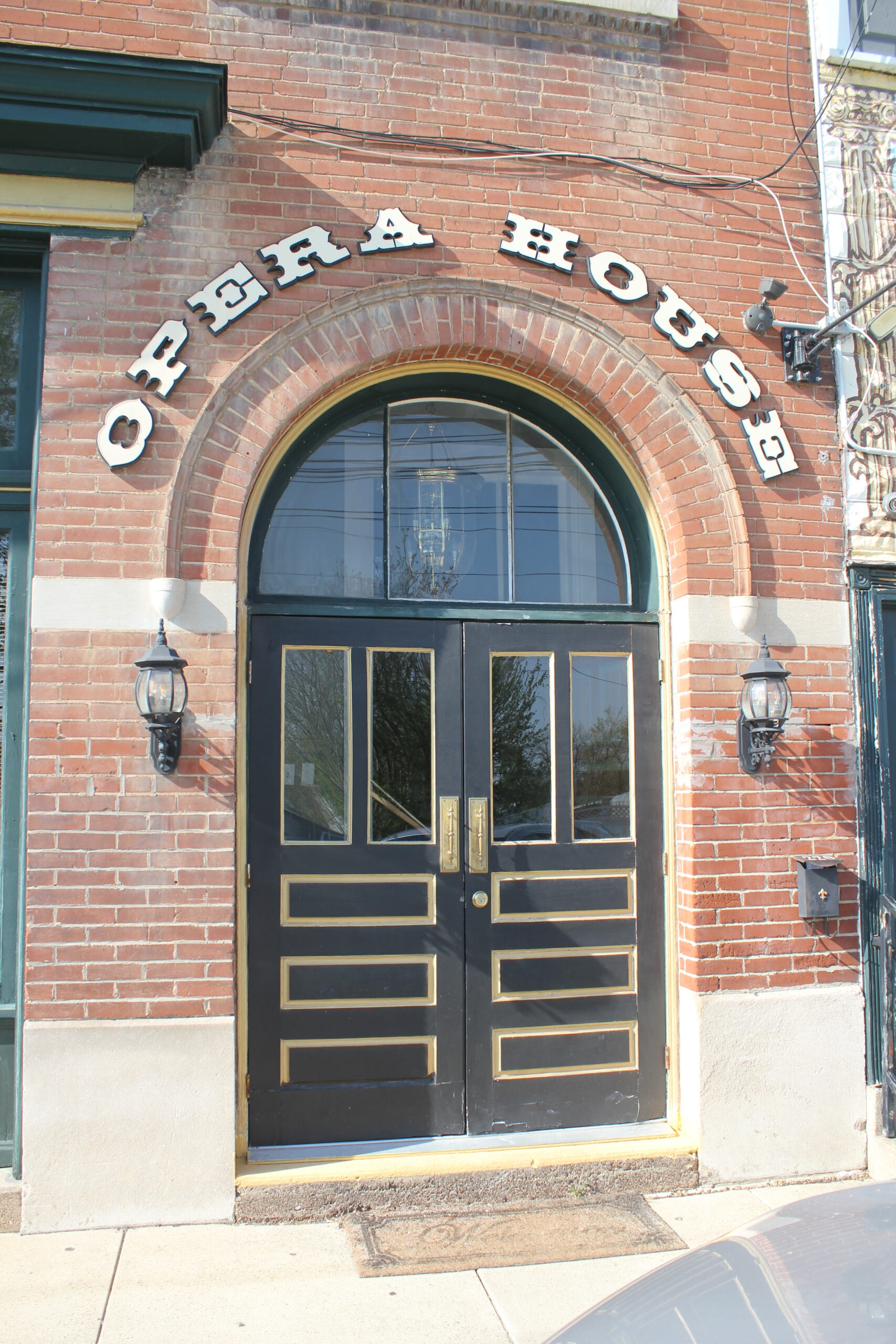
Down the Mother Road around the corner is the Opera House, whose performances are augmented by the rumbling freight trains passing by on those two historic rail lines, originally the Frisco and the Missouri Pacific.
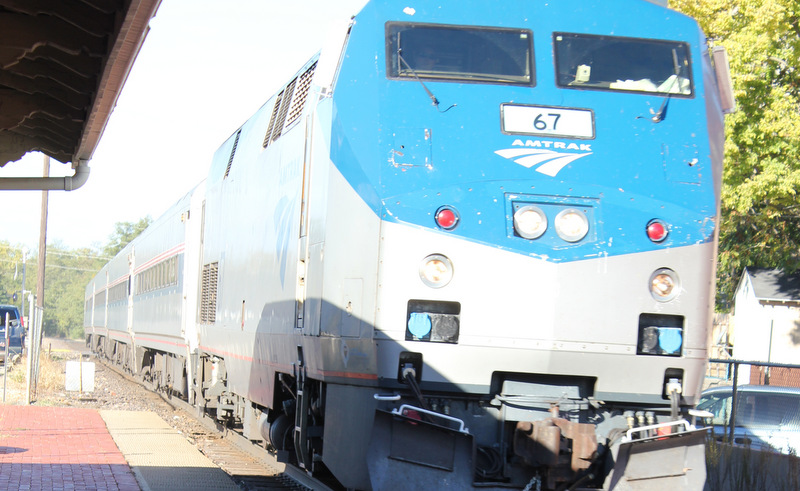
The two railroads run side-by side out of Saint Louis, parting at Pacific where the Missouri Pacific (now Union Pacific with Amtrak service) heads west along the Missouri River. The Frisco (now BNSF) continues along Route 66 thru Rolla, Springfield and Oklahoma City.
I remember my first train ride.
Even though I couldn’t tell time, I knew it was early. Three a.m., my mother told me. Time to get up. We jumped into our traveling clothes, grabbed our suitcases and hurried out the door into darkness, stumbling down the hill to the tracks that led to the railroad station.
A distant engine faded in and out of my hearing, gradually growing louder as it chugged up the long hill toward Rolla. Just beyond the curve a mile down the tracks, a light beam bounced back and forth through the bare trees, shot from the revolving beacon on the nose of the Texas Special.
Full of sound and fury, the big red and silver engine rounded the curve, wagged its beacon at us, and chugged and hissed mightily as it swept into the Rolla depot. We climbed aboard the fifth car back, behind the mail car and the baggage car, and breathed that intoxicating aerosol cocktail of axle grease and diesel fuel.
Too excited to sleep, I pressed my nose against the picture window as scenic shadows rolled by, framed by the faint rose precursor to the dawn. In the early daylight, we pinballed up the aisle to a breakfast table in the dining car, where my nose pressed against another giant picture window. I anticipated the red flashing lights of the RR crossings as they whizzed past, bells clanging, car headlights stacked a dozen deep behind the barriers.
At the dining car’s breakfast table, fresh cut flowers sprouted from vases atop linen tablecloths. Real silver served up the best fare this side of the Savoy. The attention to detail befits royalty. In movies and mysteries, and in my memory, the railroad dining car is the centerpiece to nostalgia.
Fully fed, we returned to our seats. The scenery was transforming from country scape to city grid, as we approached our ultimate goal, Union Station and downtown St. Louis.
As a kid along with my family on a shopping trip, I couldn’t wait to get to Stix, Baer & Fuller & Scruggs, Vandervoort & Barney & Famous Barr.
Mom trusted me. She knew I would head straight to the floors where they sold books and toys, and books. I read them all. Lunch time meant an a la carte adventure through the line at Pope’s Cafeteria, or Miss Hullings or the Forum Cafeteria, where awaiting on a bed of crushed ice were a hundred tiny porcelain dishes of red or green or golden Jello, each with its white cap of whipped cream. Even though I went through a cafeteria line every weekday at school, this cafeteria was different. Choices. Meat loaf and fish and chicken pot pie. Gravies and soups. Stewed tomatoes and broccoli casserole and German chocolate cake. And red Jello.
Then more shopping. More books, big as life, with pictures, and stories. By the time we hit the bunk beds at the old Mayfair Hotel, sleep was the only option. Today, lots of things have changed. The department stores have morphed into Macy’s. Specialty shops have squeezed into Union Station, occupying spaces vacated by the Pullman sleepers and club cars of the Frisco and the Wabash and the Missouri Pacific. And passenger trains don’t go through Rolla any more.