
Jo Chumas's Blog: www.jochumaswriter.com
April 8, 2016
On grieving......
 Two defining moments shaped my life in those early years. The first was my deeply intense relationship with my teenage best friend, who I will call D, out of respect for her privacy. D and I were inseparable. When our worlds were changing and we were changing with them, D and I found solace in each other. Together we felt we could take on the world. She was, in essence, my first love - a love that was platonic - but more important in many ways than any early sexual relationship.
 Then, a few years later my sister died. She'd been my rock when my world was fluid, transparent and on very shaky ground. Her dying happened quickly - but gradually; in that, although in the grand scheme of things she was there and then she wasn't, in the minute detail of everyday life, her slow decline took many months.
My sister, Suzanne, was funny, creative, successful and warm. She listened, she advised, she cared, she was interested in me and all those around her. I was her quirky little sister and she loved me with such gusto and genuine caring.
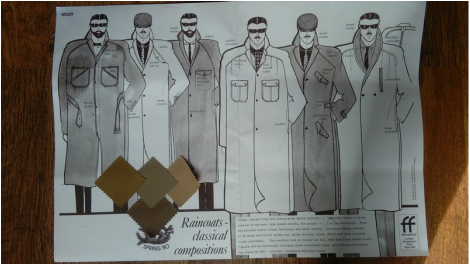
Suzanne left school when she was 16 and moved out of home, renting a bedsit close to the college she had applied to and had been accepted for. The college of art was well respected in the fashion industry as one that produced fashion designers of note. She was talented as a fashion designer and this talent had been obvious from an early age. I was her willing 'model', loved being part of her creative world; by model, I meant the person she would design clothes for - in her apprenticeship.
I looked up to her as the woman I wanted to aspire to be; warm, down-to-earth, worldly, creative, motivated, successful but most of all at one with herself and the world.
My sister spoke no ill of anyone. She was everyone's best friend, in the truest most genuine sense of the world. And then, when she was only in her early 30s, she got ill and died.
When she died, my world fell apart. My world, as I said - fluid and transparent, in its early formative years, became a world now that had shattered and splintered into millions of unconnected pieces. In being alive, I also died. I wanted to die. I wanted to be with her. But I had to carry on living and so I fled, to the other side of the world where no memories of her hid in the landscape.
In writing After Rafaela which has just launched in paperback, I wanted to exorcise these demons of grief that have never left me. In writing the novel, I wanted to examine grief from the point of view of obsession. In After Rafaela, Leni is obsessed with her dead friend Rafaela. All her mistakes and every bad thing that happens to her comes back to one thing; her feelings of guilt at the way Rafaela died and her own inner failings. Leni, India and Becca's lives were all shattered when Rafaela died. None of them - and none of them had help to deal with what happened - could deal with their rage and grief and so this anger manifested itself in a variety of ways; Leni in her marriage to evil Robert Wheeler, a narcissistic control freak who mirrors the behaviour of Leni's own narcissistic mother; India's diagnosis of bipolar disorder and her mental breakdown; Becca's inability to keep a job or a boyfriend or remain solvent.
When someone dies, our own lives are viewed from a new perspective. It is as though we have died with them and forced to be reborn without them. The adjustment to this new identity is incredibly hard, sometimes impossible. To go through this at such a young age when nothing much makes sense is inexpressibly difficult.
Today, I still have questions about my best friend's departure from my life and my sister's death. I am still grieving the loss of both of them. Daily, I mourn their absence from my life. Daily I think sweet and private thoughts about them. Daily I am reminded about their physical beings from photos, physical souvenirs, little whispers of conversations I can still hear in my mind. These losses informed and directed my future and led me to where I am now.


April 2, 2016
I am not British, I am European
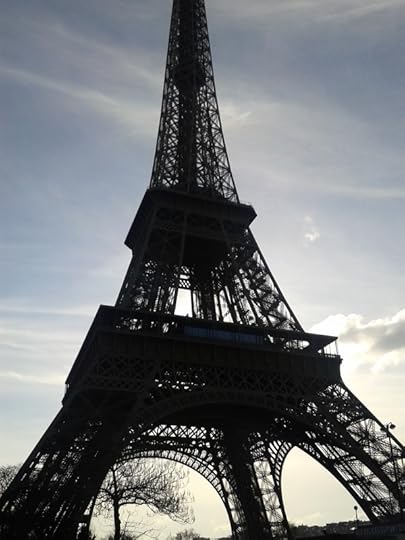 When asked my nationality, I say I am European. If language experts try to stop me, and tell me that this is an incorrect use of a nationality definer, and that nationality comes down to nationhood – of belonging to one nation with its laws and cultural idiosyncrasies, I ask them to be patient with me and let me explain. I was born in a little country called England but moved to Europe when I was a small child. I was a student at the European School of Brussels, Belgium in the 1970s. Although I was born in a country called England, I became European the moment I went to live in Brussels as a young girl.
In the 1970s the European School in Uccle, Brussels was a school that housed around 4000 students. We were separated into country streams, so we learned alongside our peers hailing from the same original country as us (sometimes), but had to learn certain subjects in other languages. In every other respect, in the playground, in detentions, during lunch-breaks we were Europeans together, with no marker as to where we were from other than tentative and failed attempts at learning the languages of our friends and sometimes becoming fluent in those languages and sharing our own.
My best friends included Dutch kids, Italian kids, German kids, French kids, and other kids from Africa and the Middle East whose parents were working at the European Union headquarters in Brussels. I became bilingual in French and learned Italian, Dutch, German and Latin at school. In the playground, we flirted with the idea of all speaking Esperanto – to dispense with this hard-work language stuff. The idea of the Euro and European Union passports was still a long, long way off but both would have pleased us enormously in the 1970s, as further proof of our need to ‘be together’, Europeans together.
As a small child, I became aware that the concept of being English or British sat firmly behind the concept of being European. Your country of birth became something you whispered back then, something you were shy about. You felt an innocent pre-teenage pride at being a European. You whispered the country of your birth, as something that didn’t really matter.
And that’s the point; that the final game-plan of the European Union – whether or not it really was just a financial experiment (a Common Market or the European Economic Community - EEC) or the finance bit was just used as an overarching tagline for togetherness, the ideology had found a place in the hearts and minds of young children in the capital of Europe, Brussels.
As young children, then as teenagers, we had zero concept of the grand plan of the European Union. It didn’t matter to us. What mattered was the bond we were forming with other teenagers from other European countries. Our world was one of friendship, parties, excursions, innocent love affairs, fun with language, struggles with academic subjects; it was an intoxicating world of comradeship where geographic boundaries simply didn’t exist. This was the mission of the European Union and the European School; that we become European citizens first and foremost.
So what, you might say, with a big shout out that I was some super-privileged, ignorant kid who was being fed through some weird propaganda machine, but bear with me a little longer because there’s a point to this passionate plea. Something has been forgotten in the 'to Brexit-or-not-to-Brexit' scenario, and the point is that human togetherness, the stripping away of cultural and language barriers, the fostering of cooperation and the ending of those divisions that spark wars and tragedy has to be the only way to progress beyond war, disaster, hatred and backwardness.
The European Union idea has, so the media tells us, been sorely tested in recent years and months; the Greek crisis, the shutting of borders by some Eastern European countries to those escaping the horrors of Syria and other politically unstable places, has allowed those who are against the EU to justify their Brexit wishes; but these horrors have been perpetrated by governments, not the general European populace. The voices of ordinary European women, men and children remain largely unheard.
The issue of terrorism, Charlie Hebdo and the Paris attacks on 13th November 2015, cannot be brought into the In/Out European argument; that terrorists operating in Europe were/can be/are European-born but murder Europeans is irrelevant, and is in itself dangerous propaganda and fear-mongering. Terrorism affects all nations. To use these examples to show that the European experiment has somehow failed, is to miss the point completely. But use these examples, people will.
I had conversations with two sets of people recently – older people – who said there was no such thing as being a European. Europe was a geographical landmass comprising many countries with separate identities – as if I didn’t know – and as such it was impossible to be a European. I had to respectfully disagree. I consider myself European before British. The reason? My upbringing made it impossible for me to see a difference between the overarching community that was pulling European countries together and my own country of birth. My first boyfriend at the European School back in the 1970s was Italian but European. This meant he was born in Italy but his present and future were rooted in a Europe that wanted to be war-free and prosperous. As a kid I didn’t see the people I was mixing with – the kids - in terms of their nationality, only in terms of their Europeanness.
The European In-Out question in the UK is always framed in terms of economics, except for two points which relate to laws and free movement of people. Cameron has renegotiated his EU wish-list to get it to a place where it has become a ‘protecting the UK’s money’ wish-list; recalculating child benefit for the absent children of European workers living in the UK; limiting top-up benefits for Europeans working in the UK; sticking to the Pound Sterling and getting any money spent on helping out other European economies in distress paid back; protecting the financial service industry of the City of London; removing excessive bureaucracy that impedes market competitiveness.
Only two points of Cameron’s wish-list are non-monetary; protecting the UK Parliament’s right to make its own laws and its sovereignty; strengthening the right of country parliaments to object to pieces of EU legislation; and putting down some limits on free movement around the EU, for example in the case of a non-EU national marrying a EU national. This really means then, that despite Cameron’s wish to stay in the EU, his referendum is about money and being separate to Europe in almost every sense of the word. Cameron wants the UK to stay in Europe, but his wish-list make it difficult to believe this.
Our lives are about so much more than just money. This is being lost in the In-Out question and in Cameron's stance against Europe. The European Union was born after the Second World War with the idea that countries that trade together will be friends and not go to war, but quickly grew to encompass every facet of what makes us all human, to include free movement, human rights, justice, health and opportunities. This is what a European identity is about, recognising life beyond the economic; recognising and celebrating our unique smorgasbord of cultures, ideas and values; recognising the fight and aspiration of each culture within the European Union as it seeks out progress, a shared European ambition.
March 16, 2016
Goodreads interview
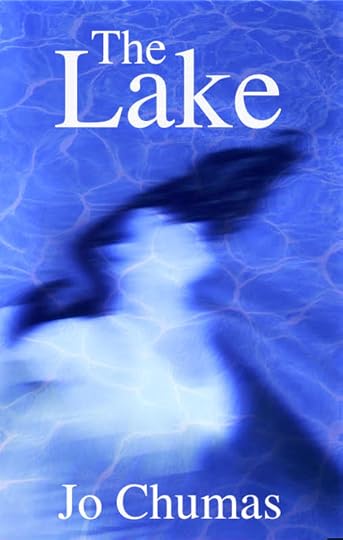 Thanks to Goodreads for hosting this interview on my writing. Click here to read the interview. Get back to me with your thoughts and experiences.
Jo x
Goodreads Q & A
Thanks to Goodreads for hosting this interview on my writing. Click here to read the interview. Get back to me with your thoughts and experiences.Jo x
March 5, 2016
The story in you, and where to find it
There’s a story around every corner! This cliché is a beloved one of mine. In this mad ‘white noise’ world we live in, where technological distractions crowd out everything, finding stories can be a challenge. But there’s a way.
Try these six tips to reconnect with your inner storyteller (poet, novelist, screenwriter etc).
1. Go silent! I do this whenever I need to calm my mind. Unplug from technology and sit in a quiet room. In a few moments your mind will start to ‘breathe’ and speak to you. If you can’t sit in a quiet room, use the technique when you’re on the bus or metro, walking to an appointment or in the shower etc. etc. Let your mind wander, going no place in particular. The calm of this inner quiet will offer up surprising finds. But give it a chance. Nothing usually happens in the first five minutes of being quiet and unconnected. Allow your mind time to find its natural rhythm and pace.
2. Read, read, read (everything you can get your hands on, wherever and whenever the opportunity presents itself). An advert on the metro or bus, a flyer in a pub, a magazine in a doctor’s waiting room – read and you will find. Sometimes all it takes is a single word to inspire a story. Choose a word that interests you, write it down or take a photo of the page on your phone, to keep for later. Anything that inspires you is worth keeping. You might see an advert for a new car. Let your mind wander. Take an imaginary trip in the advertised car – where would you go?; what trip would you take?; who would you take with you?; what situation would allow you to buy this new car? If you allow your mind to wander you could find yourself in a car chase through a foreign city, trying to eliminate the evil character of your choice.
3. Reconnect with your past Your great-aunt might have been a passionate revolutionary; she might have been the person who invented DNA, she might have been a politician who created a stir. Dig deep and you’ll find stories that simply must be told.
4. Try EMPATHY Empathy is often in the news these days; society’s lack of it, people’s need to show it, the need for schools to teach it, but empathy is a catalyst for good story-telling and story-finding. Imagine yourself in the shoes of a) an immigrant, b) a homeless person, c) a stock market trader who’s stolen billions c) a woman who’s made it her mission to walk from Australia to China, d) a university lecturer who’s discovered something terrible – you get the idea. By stepping into someone else’s shoes – through thought, meditation, research, interviews with a person – you can develop stories that will rock. But remember to really 'feel' the person's experiences by imagining what it would be like to be that person. If you abandon any idea it will have served you well as an exercise in creative thinking.
5. Paint, draw, scribble, doodle Now you don’t have to be a good artist or an artist at all, but taking out a sketch pad or even grabbing a piece of paper (no technology please!), you can put yourself in a meditative state that will calm your mind and help bring those stories to the surface. Sit and draw for a half hour, or paint or scribble or doodle. This act of quiet meditative repetition – marking a page with pencil or paint – will focus your mind on your inner creativity. Your shapes, dashes, doodles, scribbles will calm your mind. In those shapes a figure might appear, or a symbol that will have some meaning for you. Spend at least a half hour and some deeply buried story idea will start to emerge.
6. Get out on the street The best stories arrive in your mind at the strangest times. To kick-start the story-gathering process, it’s good to get out on the street and be part of the world. Walk into town, watch people, take part in events, protests, demonstrations, festivals or anything that involves large groups of people gathering. If this is not your thing, stand back and be an observer. Watch how people interact, and find people to talk to. Small talk – the supposedly benign act of engaging with people on a superficial level can yield up amazing stories. Remember that people love talking about themselves. Listen and listen and listen to everything people say. A little old lady at a bus stop will offer up fascinating insights into life in the town fifty years ago, if you take time to smile and talk and respectfully listen. Be a sponge and sop it all up. You’ll be richly rewarded.
I hope you like these ideas. Please get in touch with any ideas of your own on story-gathering.
Sharing is EVERYTHING!
Love Jo xxx
Try these six tips to reconnect with your inner storyteller (poet, novelist, screenwriter etc).
1. Go silent! I do this whenever I need to calm my mind. Unplug from technology and sit in a quiet room. In a few moments your mind will start to ‘breathe’ and speak to you. If you can’t sit in a quiet room, use the technique when you’re on the bus or metro, walking to an appointment or in the shower etc. etc. Let your mind wander, going no place in particular. The calm of this inner quiet will offer up surprising finds. But give it a chance. Nothing usually happens in the first five minutes of being quiet and unconnected. Allow your mind time to find its natural rhythm and pace.
2. Read, read, read (everything you can get your hands on, wherever and whenever the opportunity presents itself). An advert on the metro or bus, a flyer in a pub, a magazine in a doctor’s waiting room – read and you will find. Sometimes all it takes is a single word to inspire a story. Choose a word that interests you, write it down or take a photo of the page on your phone, to keep for later. Anything that inspires you is worth keeping. You might see an advert for a new car. Let your mind wander. Take an imaginary trip in the advertised car – where would you go?; what trip would you take?; who would you take with you?; what situation would allow you to buy this new car? If you allow your mind to wander you could find yourself in a car chase through a foreign city, trying to eliminate the evil character of your choice.
3. Reconnect with your past Your great-aunt might have been a passionate revolutionary; she might have been the person who invented DNA, she might have been a politician who created a stir. Dig deep and you’ll find stories that simply must be told.
4. Try EMPATHY Empathy is often in the news these days; society’s lack of it, people’s need to show it, the need for schools to teach it, but empathy is a catalyst for good story-telling and story-finding. Imagine yourself in the shoes of a) an immigrant, b) a homeless person, c) a stock market trader who’s stolen billions c) a woman who’s made it her mission to walk from Australia to China, d) a university lecturer who’s discovered something terrible – you get the idea. By stepping into someone else’s shoes – through thought, meditation, research, interviews with a person – you can develop stories that will rock. But remember to really 'feel' the person's experiences by imagining what it would be like to be that person. If you abandon any idea it will have served you well as an exercise in creative thinking.
5. Paint, draw, scribble, doodle Now you don’t have to be a good artist or an artist at all, but taking out a sketch pad or even grabbing a piece of paper (no technology please!), you can put yourself in a meditative state that will calm your mind and help bring those stories to the surface. Sit and draw for a half hour, or paint or scribble or doodle. This act of quiet meditative repetition – marking a page with pencil or paint – will focus your mind on your inner creativity. Your shapes, dashes, doodles, scribbles will calm your mind. In those shapes a figure might appear, or a symbol that will have some meaning for you. Spend at least a half hour and some deeply buried story idea will start to emerge.
6. Get out on the street The best stories arrive in your mind at the strangest times. To kick-start the story-gathering process, it’s good to get out on the street and be part of the world. Walk into town, watch people, take part in events, protests, demonstrations, festivals or anything that involves large groups of people gathering. If this is not your thing, stand back and be an observer. Watch how people interact, and find people to talk to. Small talk – the supposedly benign act of engaging with people on a superficial level can yield up amazing stories. Remember that people love talking about themselves. Listen and listen and listen to everything people say. A little old lady at a bus stop will offer up fascinating insights into life in the town fifty years ago, if you take time to smile and talk and respectfully listen. Be a sponge and sop it all up. You’ll be richly rewarded.
I hope you like these ideas. Please get in touch with any ideas of your own on story-gathering.
Sharing is EVERYTHING!
Love Jo xxx
THE STORY INSIDE YOU.......IT'S THERE....FIND IT!
There’s a story around every corner! This cliché is a beloved one of mine. In this mad ‘white noise’ world we live in, where technological distractions crowd out everything, finding stories can be a challenge. But there’s a way.
Try these six tips to reconnect with your inner storyteller (poet, novelist, screenwriter etc).
1. Go silent! I use this tip whenever I am feeling overwhelmed (which is regularly). Unplug from technology and sit in a quiet room. In a few moments your mind will start to ‘breathe’ and speak to you. If you can’t sit in a quiet room, use the technique when you’re on the bus or metro, walking to an appointment or in the shower etc. etc. Let your mind wander, going no place in particular. The calm of this inner quiet will offer up surprising finds. But give it a chance. Nothing usually happens in the first five minutes of being quiet and unconnected. Allow your mind time to find its natural rhythm and pace.
2. Read, read, read (everything you can get your hands on, wherever and whenever the opportunity presents itself). An advert on the metro or bus, a flyer in a pub, a magazine in a doctor’s waiting room – read and you will find. Sometimes all it takes is a single word to inspire a story. Choose a word that interests you, write it down or take a photo of the page on your phone, to keep for later. Anything that inspires you is worth keeping. You might see an advert for a new car. Let your mind wander. Take an imaginary trip in the advertised car – where would you go?; what trip would you take?; who would you take with you?; what situation would allow you to buy this new car? If you allow your mind to wander you could find yourself in a car chase through a foreign city, trying to eliminate the evil character of your choice.
3. Reconnect with your past Your great-aunt might have been a passionate revolutionary; she might have been the person who invented DNA, she might have been a politician who created a stir. Dig deep and you’ll find stories that simply must be told.
4. Try EMPATHY Empathy is often in the news these days; society’s lack of it, people’s need to show it, the need for schools to teach it, but empathy is a catalyst for good story-telling and story-finding. Imagine yourself in the shoes of a) an immigrant, b) a homeless person, c) a stock market trader who’s stolen billions c) a woman who’s made it her mission to walk from Australia to China, d) a university lecturer who’s discovered something terrible – you get the idea. By stepping into someone else’s shoes – through thought, meditation, research, interviews with a person – you can develop stories that will rock. But remember to really 'feel' the person's experiences by imagining what it would be like to be that person. If you abandon any idea it will have served you well as an exercise in creative thinking.
5. Paint, draw, scribble, doodle Now you don’t have to be a good artist or an artist at all, but taking out a sketch pad or even grabbing a piece of paper (no technology please!), you can put yourself in a meditative state that will calm your mind and help bring those stories to the surface. Sit and draw for a half hour, or paint or scribble or doodle. This act of quiet meditative repetition – marking a page with pencil or paint – will focus your mind on your inner creativity. Your shapes, dashes, doodles, scribbles will calm your mind. In those shapes a figure might appear, or a symbol that will have some meaning for you. Spend at least a half hour and some deeply buried story idea will start to emerge.
6. Get out on the street The best stories arrive in your mind at the strangest times. To kick-start the story-gathering process, it’s good to get out on the street and be part of the world. Walk into town, watch people, take part in events, protests, demonstrations, festivals or anything that involves large groups of people gathering. If this is not your thing, stand back and be an observer. Watch how people interact, and find people to talk to. Small talk – the supposedly benign act of engaging with people on a superficial level can yield up amazing stories. Remember that people love talking about themselves. Listen and listen and listen to everything people say. A little old lady at a bus stop will offer up fascinating insights into life in the town fifty years ago, if you take time to smile and talk and respectfully listen. Be a sponge and sop it all up. You’ll be richly rewarded.
I hope you like these ideas. Please get in touch with any ideas of your own on story-gathering.
Sharing is EVERYTHING!
Love Jo xxx
Try these six tips to reconnect with your inner storyteller (poet, novelist, screenwriter etc).
1. Go silent! I use this tip whenever I am feeling overwhelmed (which is regularly). Unplug from technology and sit in a quiet room. In a few moments your mind will start to ‘breathe’ and speak to you. If you can’t sit in a quiet room, use the technique when you’re on the bus or metro, walking to an appointment or in the shower etc. etc. Let your mind wander, going no place in particular. The calm of this inner quiet will offer up surprising finds. But give it a chance. Nothing usually happens in the first five minutes of being quiet and unconnected. Allow your mind time to find its natural rhythm and pace.
2. Read, read, read (everything you can get your hands on, wherever and whenever the opportunity presents itself). An advert on the metro or bus, a flyer in a pub, a magazine in a doctor’s waiting room – read and you will find. Sometimes all it takes is a single word to inspire a story. Choose a word that interests you, write it down or take a photo of the page on your phone, to keep for later. Anything that inspires you is worth keeping. You might see an advert for a new car. Let your mind wander. Take an imaginary trip in the advertised car – where would you go?; what trip would you take?; who would you take with you?; what situation would allow you to buy this new car? If you allow your mind to wander you could find yourself in a car chase through a foreign city, trying to eliminate the evil character of your choice.
3. Reconnect with your past Your great-aunt might have been a passionate revolutionary; she might have been the person who invented DNA, she might have been a politician who created a stir. Dig deep and you’ll find stories that simply must be told.
4. Try EMPATHY Empathy is often in the news these days; society’s lack of it, people’s need to show it, the need for schools to teach it, but empathy is a catalyst for good story-telling and story-finding. Imagine yourself in the shoes of a) an immigrant, b) a homeless person, c) a stock market trader who’s stolen billions c) a woman who’s made it her mission to walk from Australia to China, d) a university lecturer who’s discovered something terrible – you get the idea. By stepping into someone else’s shoes – through thought, meditation, research, interviews with a person – you can develop stories that will rock. But remember to really 'feel' the person's experiences by imagining what it would be like to be that person. If you abandon any idea it will have served you well as an exercise in creative thinking.
5. Paint, draw, scribble, doodle Now you don’t have to be a good artist or an artist at all, but taking out a sketch pad or even grabbing a piece of paper (no technology please!), you can put yourself in a meditative state that will calm your mind and help bring those stories to the surface. Sit and draw for a half hour, or paint or scribble or doodle. This act of quiet meditative repetition – marking a page with pencil or paint – will focus your mind on your inner creativity. Your shapes, dashes, doodles, scribbles will calm your mind. In those shapes a figure might appear, or a symbol that will have some meaning for you. Spend at least a half hour and some deeply buried story idea will start to emerge.
6. Get out on the street The best stories arrive in your mind at the strangest times. To kick-start the story-gathering process, it’s good to get out on the street and be part of the world. Walk into town, watch people, take part in events, protests, demonstrations, festivals or anything that involves large groups of people gathering. If this is not your thing, stand back and be an observer. Watch how people interact, and find people to talk to. Small talk – the supposedly benign act of engaging with people on a superficial level can yield up amazing stories. Remember that people love talking about themselves. Listen and listen and listen to everything people say. A little old lady at a bus stop will offer up fascinating insights into life in the town fifty years ago, if you take time to smile and talk and respectfully listen. Be a sponge and sop it all up. You’ll be richly rewarded.
I hope you like these ideas. Please get in touch with any ideas of your own on story-gathering.
Sharing is EVERYTHING!
Love Jo xxx
February 18, 2016
The human face and what lies behind
I’ve been through a lot in my life – both good and bad - and I am no different to the billions of people out there who struggle every day with issues affecting them. My experiences have shaped me and given me deep empathy for the trials and experiences of others; this is because I have allowed myself to feel empathy, have no shied away from it, and have actively put myself into the role of mentor and friend to whoever wants me for that purpose.
I have a tagline on my Twitter profile which reads ‘full-time human’ and while this might sound strange, it’s a tagline that I am very fond of. Being really human is a precarious thing to be; it’s risky and dangerous and puts you in the firing line for different types of abuse, both psychological and physical. But being human is the one thing that provides us with rich and deep experiences.
I observe the lack of humanity in others and observe that these people are not full-time humans; they have become slaves to some darker force and that is beyond sad. There are plenty of part-time humans out there. Look out for them and you’ll find them. They'll teach you a thing or two about your own humanity.
Being a full-time human means loving – really loving - the vast spectrum of emotion that makes up human thoughts and experiences. It means being a bit of a sponge and sopping up every little human moment; feeling sad or beyond sad at something that happened; being truly in the moment when something lovely is going on; feeling with every fibre of our being a moment in our lives that might never happen again. Being a full-time human means – to me – slowing down and really appreciating a moment; the hug from a child, time spent with friends, chatting to people we really like, experiencing anger and fear at world news.
I have two sons who I love very much and I am always aware of how their body language reflects their ‘in-the-moment’ experiences. I notice everything – from the wringing of the hands, to the averted gaze to way their mouths are poised in any given moment. I observe, not to judge – I hate that – but to interpret what lies deeper and to advise them, if they want advice.
People are endlessly fascinating. Study them. You’ll never get bored. Think about what people say and what their real message is. I like to study the mask that is the human face for many reasons – never to judge, as I have said because I hate judgement, having felt judged my whole life for many, many reasons – but to take a peek behind. It’s what’s behind that fascinates me.
Some people are masters at hiding their thoughts and feelings. Their masks take over and it becomes near-on impossible to get a glimpse into what makes them who they are, but if you practice a little you start to break through the social mask and you learn a lot.
A friend who talks about a recent experience might have the mask of social respectability firmly in place, but look closer and you’ll see the way the eyes are pinched at the edges; you’ll notice the way the mouth is set – a little pinched too; you’ll see the tiny frown on the forehead. You’ll be able to interpret the real message behind the words spoken and know that there is a deep well of emotion there, dark and complicated.
Life is an insane whirl these days. The endless ‘white noise’ can be overwhelming. It could – if we let it – strip the humanity out of all of us, but I am an optimist and know – deep down – that that will never happen. Humans are essentially the same as they have always been. Human personality is driven by some pretty basic core values; love, the need for respect from others, money, feeling important etc. etc. Perhaps the only thing that is changing is the masks that cover our faces are now made out of steel instead of paper.
I have a tagline on my Twitter profile which reads ‘full-time human’ and while this might sound strange, it’s a tagline that I am very fond of. Being really human is a precarious thing to be; it’s risky and dangerous and puts you in the firing line for different types of abuse, both psychological and physical. But being human is the one thing that provides us with rich and deep experiences.
I observe the lack of humanity in others and observe that these people are not full-time humans; they have become slaves to some darker force and that is beyond sad. There are plenty of part-time humans out there. Look out for them and you’ll find them. They'll teach you a thing or two about your own humanity.
Being a full-time human means loving – really loving - the vast spectrum of emotion that makes up human thoughts and experiences. It means being a bit of a sponge and sopping up every little human moment; feeling sad or beyond sad at something that happened; being truly in the moment when something lovely is going on; feeling with every fibre of our being a moment in our lives that might never happen again. Being a full-time human means – to me – slowing down and really appreciating a moment; the hug from a child, time spent with friends, chatting to people we really like, experiencing anger and fear at world news.
I have two sons who I love very much and I am always aware of how their body language reflects their ‘in-the-moment’ experiences. I notice everything – from the wringing of the hands, to the averted gaze to way their mouths are poised in any given moment. I observe, not to judge – I hate that – but to interpret what lies deeper and to advise them, if they want advice.
People are endlessly fascinating. Study them. You’ll never get bored. Think about what people say and what their real message is. I like to study the mask that is the human face for many reasons – never to judge, as I have said because I hate judgement, having felt judged my whole life for many, many reasons – but to take a peek behind. It’s what’s behind that fascinates me.
Some people are masters at hiding their thoughts and feelings. Their masks take over and it becomes near-on impossible to get a glimpse into what makes them who they are, but if you practice a little you start to break through the social mask and you learn a lot.
A friend who talks about a recent experience might have the mask of social respectability firmly in place, but look closer and you’ll see the way the eyes are pinched at the edges; you’ll notice the way the mouth is set – a little pinched too; you’ll see the tiny frown on the forehead. You’ll be able to interpret the real message behind the words spoken and know that there is a deep well of emotion there, dark and complicated.
Life is an insane whirl these days. The endless ‘white noise’ can be overwhelming. It could – if we let it – strip the humanity out of all of us, but I am an optimist and know – deep down – that that will never happen. Humans are essentially the same as they have always been. Human personality is driven by some pretty basic core values; love, the need for respect from others, money, feeling important etc. etc. Perhaps the only thing that is changing is the masks that cover our faces are now made out of steel instead of paper.
February 16, 2016
Meet my character - Rana Maddox
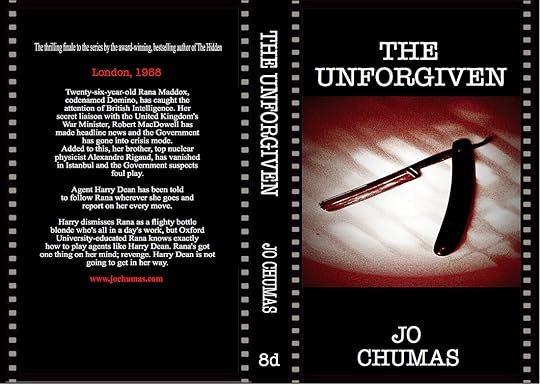
Meet my character – Rana Maddox
The Unforgiven – as a paperback – has been put to bed. While I work on a new novel, I am allowing myself time to think again about my characters in The Unforgiven and what they mean/meant to me.
Rana Maddox – my main protagonist - is a broken human being. She is unplugged from all human emotions. She lives her life at white heat and is chasing a dream; the dream of a new life where she can reinvent herself and become a different person. But not before she has completed the mission she has set out for herself. Rana has had multiple lives by the time she turns 26! She’d has multiple names. She has lived on multiple continents. She wears disguises and has different lovers which she uses for whatever need she has at the time.
There is hyperactive movement in the way she lives her life. She does not work well with others, finds the company of others difficult. She is happiest when she is alone and when she is invisible, but being invisible is difficult. She stands out from the crowd wherever she goes.
Rana’s driving force is CONTROL. She has to control every single situation she finds herself in. She goes where she wants, when she wants. She sleeps with whoever she wants, whenever she wants. Rana Maddox is a difficult woman. She has few friends because she wants few friends.
The hyperactivity in Rana’s veins is the curse of history; the personality of her grandmother Hezba that lives inside her. Her heritage is her slavery but it’s also her driving force. Decades before her grandmother was an Egyptian revolutionary who refused to let culture, geography and social norms stand in her way. Hezba became a murderer because her life was stolen from her; she exacted like-for-like revenge. Ditto her granddaughter, Rana Virginie Rigaud Maddox. Are we slaves to the legacy of our ancestors? I think we are.
May 6, 2015
Words of inspiration for those who want it
It's been a while. I'm sorry. A back injury has stopped me from spending much time on a computer. I've been recovering but it's been a very, very slow thing.
In those many months of illness, I got to do some serious thinking. The back, in my opinion, is your 'soul'. An injured back is a sign of something being very wrong in your life; issues you are not facing, people you're not confronting, fears you're not dealing with......a complete withdrawal of independent living is very, very frightening. Not being able to walk or move freely is shattering, exhausting and puts so much into focus.
I am better now; 90 per cent better, but I want to mix things up a little. I am moving my blog to a private site and I will only be posting my blog for those who want to read it. So please, if you're still interested in what I have to say - and by that, I mean, still interested in venturing with me into different worlds where we can hold hands and explore subjects together, then please let me know below. I'll send you a link to a private blog site that you can subscribe to - and where you can unsubscribe at any time.
Private = personal and not in any way weird. I don't do weird. I only write about wholesome topics, but I want to connect with you in a private space and not in the 'free-for-all' jungle of the Internet. In this respect - yes - I am building up my newsletter database so I can sell my books to you, but wrapped around that I want to explore the beauty of this utterly crazy world through art, literature, music, people, activism, dialogue, international everything and the cultural inspiration of those people and cultures around the world I love so much.
Much love, Jo xx
In those many months of illness, I got to do some serious thinking. The back, in my opinion, is your 'soul'. An injured back is a sign of something being very wrong in your life; issues you are not facing, people you're not confronting, fears you're not dealing with......a complete withdrawal of independent living is very, very frightening. Not being able to walk or move freely is shattering, exhausting and puts so much into focus.
I am better now; 90 per cent better, but I want to mix things up a little. I am moving my blog to a private site and I will only be posting my blog for those who want to read it. So please, if you're still interested in what I have to say - and by that, I mean, still interested in venturing with me into different worlds where we can hold hands and explore subjects together, then please let me know below. I'll send you a link to a private blog site that you can subscribe to - and where you can unsubscribe at any time.
Private = personal and not in any way weird. I don't do weird. I only write about wholesome topics, but I want to connect with you in a private space and not in the 'free-for-all' jungle of the Internet. In this respect - yes - I am building up my newsletter database so I can sell my books to you, but wrapped around that I want to explore the beauty of this utterly crazy world through art, literature, music, people, activism, dialogue, international everything and the cultural inspiration of those people and cultures around the world I love so much.
Much love, Jo xx
November 28, 2014
An interview with myself
Tell me about your three year-old self
From a very early age, say around three, I was very aware of my place in the family.
I was/am the third child of four. I had two older sisters. At the age of three my brother hadn't been born, so at that age I was aware of being at the bottom of the pile.
I remember there being a lot of noise in the family home and I was an observer of the dynamic. I think the dynamic made me recoil into myself and made me a deep thinker. I was aware that I was an uneven number - number 5 in the family - and the symmetry wasn't right. The seeds were also being sown at that young age for my feminism. It was the late 60s and I remember from the age of three being aware of the roles being played out, the father who worked and who arrived home after we children had gone to bed, and the mother who had the household to run. My father was always travelling with his job and I remember this deep fascination with him being away. I didn't miss him as a young child because I didn't know him, but I was fascinated by the concept of being in other places, away from home.
Do you think these memories influenced your decision to become a writer?
Definitely, absolutely. From a very early age I lived 'inside my brain'. My private thoughts became my sanctuary - they still are. I became intensely private, secretive about my feelings and being the odd number in the family, I had to find a strategy for survival. The dynamic became me against the world, and whether this was the case or not, it was how I felt it. This survival involved living 'inside my brain' and inside my diary. I remember feeling - and I still feel this way - a deep connection with my notebook and my pen. It sounds strange, but I got a lot of comfort from the soothing act of taking out a pencil or a pen and striking the page of my notebook with marks that became words and expression, knowing too that nobody would read these words. It was my special place. Everybody needs a special place just for them, not shared with others.
What’s your personality type, in your opinion?
I'm an expressive introvert, which means that I appear open and extrovert because I can talk to people - in fact I love talking to people - but I need many hours of the day alone in order to function. I can appear extroverted because I do actively seek out people to talk to, and love talking to strangers - have no fear of starting up a conversation - but I am introverted in that I would never be the life and soul of a party, don't like attention and love the quiet of aloneness.
What profound moment in your life has affected you the most deeply, in a positive or negative way and how did this make you the person you are today?
On the positive, selling my first piece of journalism, as a freelance. I had been working in a shitty job and I sent off an article I had written to the editor of a UK magazine. I was very young at the time and lacking in confidence. This editor bought the piece and told me she absolutely loved it! I got a cheque and my world changed. I realised at that point that somebody was willing to pay me for my thoughts and opinions. This life-changing moment led to a career in journalism. With that first article sold I started a portfolio of published work, then I got a full-time job on a newspaper. I had been temping after university and was experiencing the usual sexism in the workplace, completely ignored as a thing of no importance -a girl, on low-pay, with no voice, invisible. Then I became a journalist and suddenly I had a voice, people were reading my stories, I was interviewing incredible people who had their own stories to tell, I was working in a dynamic, energy-filled environment, I had complete control over my work, and my boss - an Englishman - was absolutely brilliant. He totally believed in me and trusted me. There was no sexism in the workplace. It was a great time of my life.
This experience was repeated when I won the Amazon Breakthrough Novel Award in 2013 in the Thriller/Suspense category. The people at Amazon were/are so warm and supportive, so genuinely caring. My novel, The Hidden, was celebrated. My thoughts, my ideas, my voice was sought after.
On a negative, the death of my sister Suzanne. She was the number one child, the eldest. She was my ally in the family. She took care of me when I was at boarding school. I would spend my holidays with her. I looked up to her, respected her, loved her and then one day she was gone. I was with her when she died. She was only 32. I still carry this incredibly heavy burden of grief with me about her death every single day. It never goes away, and it doesn't actually lessen.
What makes you happy?
My sons make me happy. I love their intelligence, their warmth and their perspective. They're a lot more chilled out than I am, and I need that.
Reading makes me happy. I read from the moment I wake up, to last thing at night and I read everything I can get my hands on; the more outside my comfort zone the better. I cannot imagine a life where I couldn't read. Impossible to imagine the pain of that. And in reading comes the writing. Writing, the act of it, the creation of a story is as comforting to me today as it was all those years ago, as a kid. Writing doesn't make me happy, it makes me euphoric.
Nature makes me happy and being out in it - I mean real nature, not urban, manufactured nature, but being in the wilds.
What makes you sad?
Cruelty, psychological and physical abuse, rigid thinking, religion, denial, the fact that so many lucky people don't realise that not very much at all separates them from their life of privilege with a life of utter devastation. People who take everything for granted make me sad and angry. People who have a sense of self-entitlement make me sad. Disaster, homelessness, poverty can happen to anyone and so many people are dismissive of others who experience these things.
If you could choose to sit next to anyone on a plane, who would it be? (doesn’t have to be a celebrity - can be anyone of your choice).
Someone who'd never been on a plane before. I wouldn't like to sit next to a celebrity.
If you could be an ambassador of any charity which one would it be, and what would be your message?
I'd support homeless young people absolutely; teenagers who have been forced to leave their family home because of cruel, dysfunctional parents and families. There doesn't need to be a message. The act of supporting young people, who are homeless, through no fault of their own, is enough. But if I were a mentor, I'd try to inspire young people to think big and aspire in a huge way, not let past experiences stand in the way of future success. That society's stereotypes are there to be smashed down and some things are just not your fault - a lot is not your fault actually.
How do you cope with the pressures of modern life? What’s your strategy when the pace of living gets too much?
When things get too much - and they do, often - I retreat into philosophy, history books, art and travel. I also get perspective by pulling back from the stranglehold of modern life. One thing which really calms me down is reading non-fiction books on politics, science, history etc etc.
How do you ‘brand’ yourself as a writer?
I feel strongly about brands, or genres. I love writing thrillers/suspense novels and I cannot imagine straying from that genre. I'm a private person and that translates into my love of mystery. And the mystery has to bleed over into all areas of your public life. I don't like to talk about myself on social media. I don't think it's polite actually. I feel you have to create some distance between yourself and your readers, not out of disrespect for your readers, because in the whole writing game, readers are the people I have the most respect for, but because you cannot allow your personality to overshadow your stories. Writing is about the stories, and not about the author. It's a fine line because these days authors seem to be public property and with social media everyone wants to be everyone else's best friend, but in my world my stories are the most important thing. I invent them, write them etc but I am not them. They exist in their own world and go out there to connect with my readers.
Having said that though, I love hearing from my readers and have developed some amazing friendships with people who have read my stories. That's the ultimate compliment.
From a very early age, say around three, I was very aware of my place in the family.
I was/am the third child of four. I had two older sisters. At the age of three my brother hadn't been born, so at that age I was aware of being at the bottom of the pile.
I remember there being a lot of noise in the family home and I was an observer of the dynamic. I think the dynamic made me recoil into myself and made me a deep thinker. I was aware that I was an uneven number - number 5 in the family - and the symmetry wasn't right. The seeds were also being sown at that young age for my feminism. It was the late 60s and I remember from the age of three being aware of the roles being played out, the father who worked and who arrived home after we children had gone to bed, and the mother who had the household to run. My father was always travelling with his job and I remember this deep fascination with him being away. I didn't miss him as a young child because I didn't know him, but I was fascinated by the concept of being in other places, away from home.
Do you think these memories influenced your decision to become a writer?
Definitely, absolutely. From a very early age I lived 'inside my brain'. My private thoughts became my sanctuary - they still are. I became intensely private, secretive about my feelings and being the odd number in the family, I had to find a strategy for survival. The dynamic became me against the world, and whether this was the case or not, it was how I felt it. This survival involved living 'inside my brain' and inside my diary. I remember feeling - and I still feel this way - a deep connection with my notebook and my pen. It sounds strange, but I got a lot of comfort from the soothing act of taking out a pencil or a pen and striking the page of my notebook with marks that became words and expression, knowing too that nobody would read these words. It was my special place. Everybody needs a special place just for them, not shared with others.
What’s your personality type, in your opinion?
I'm an expressive introvert, which means that I appear open and extrovert because I can talk to people - in fact I love talking to people - but I need many hours of the day alone in order to function. I can appear extroverted because I do actively seek out people to talk to, and love talking to strangers - have no fear of starting up a conversation - but I am introverted in that I would never be the life and soul of a party, don't like attention and love the quiet of aloneness.
What profound moment in your life has affected you the most deeply, in a positive or negative way and how did this make you the person you are today?
On the positive, selling my first piece of journalism, as a freelance. I had been working in a shitty job and I sent off an article I had written to the editor of a UK magazine. I was very young at the time and lacking in confidence. This editor bought the piece and told me she absolutely loved it! I got a cheque and my world changed. I realised at that point that somebody was willing to pay me for my thoughts and opinions. This life-changing moment led to a career in journalism. With that first article sold I started a portfolio of published work, then I got a full-time job on a newspaper. I had been temping after university and was experiencing the usual sexism in the workplace, completely ignored as a thing of no importance -a girl, on low-pay, with no voice, invisible. Then I became a journalist and suddenly I had a voice, people were reading my stories, I was interviewing incredible people who had their own stories to tell, I was working in a dynamic, energy-filled environment, I had complete control over my work, and my boss - an Englishman - was absolutely brilliant. He totally believed in me and trusted me. There was no sexism in the workplace. It was a great time of my life.
This experience was repeated when I won the Amazon Breakthrough Novel Award in 2013 in the Thriller/Suspense category. The people at Amazon were/are so warm and supportive, so genuinely caring. My novel, The Hidden, was celebrated. My thoughts, my ideas, my voice was sought after.
On a negative, the death of my sister Suzanne. She was the number one child, the eldest. She was my ally in the family. She took care of me when I was at boarding school. I would spend my holidays with her. I looked up to her, respected her, loved her and then one day she was gone. I was with her when she died. She was only 32. I still carry this incredibly heavy burden of grief with me about her death every single day. It never goes away, and it doesn't actually lessen.
What makes you happy?
My sons make me happy. I love their intelligence, their warmth and their perspective. They're a lot more chilled out than I am, and I need that.
Reading makes me happy. I read from the moment I wake up, to last thing at night and I read everything I can get my hands on; the more outside my comfort zone the better. I cannot imagine a life where I couldn't read. Impossible to imagine the pain of that. And in reading comes the writing. Writing, the act of it, the creation of a story is as comforting to me today as it was all those years ago, as a kid. Writing doesn't make me happy, it makes me euphoric.
Nature makes me happy and being out in it - I mean real nature, not urban, manufactured nature, but being in the wilds.
What makes you sad?
Cruelty, psychological and physical abuse, rigid thinking, religion, denial, the fact that so many lucky people don't realise that not very much at all separates them from their life of privilege with a life of utter devastation. People who take everything for granted make me sad and angry. People who have a sense of self-entitlement make me sad. Disaster, homelessness, poverty can happen to anyone and so many people are dismissive of others who experience these things.
If you could choose to sit next to anyone on a plane, who would it be? (doesn’t have to be a celebrity - can be anyone of your choice).
Someone who'd never been on a plane before. I wouldn't like to sit next to a celebrity.
If you could be an ambassador of any charity which one would it be, and what would be your message?
I'd support homeless young people absolutely; teenagers who have been forced to leave their family home because of cruel, dysfunctional parents and families. There doesn't need to be a message. The act of supporting young people, who are homeless, through no fault of their own, is enough. But if I were a mentor, I'd try to inspire young people to think big and aspire in a huge way, not let past experiences stand in the way of future success. That society's stereotypes are there to be smashed down and some things are just not your fault - a lot is not your fault actually.
How do you cope with the pressures of modern life? What’s your strategy when the pace of living gets too much?
When things get too much - and they do, often - I retreat into philosophy, history books, art and travel. I also get perspective by pulling back from the stranglehold of modern life. One thing which really calms me down is reading non-fiction books on politics, science, history etc etc.
How do you ‘brand’ yourself as a writer?
I feel strongly about brands, or genres. I love writing thrillers/suspense novels and I cannot imagine straying from that genre. I'm a private person and that translates into my love of mystery. And the mystery has to bleed over into all areas of your public life. I don't like to talk about myself on social media. I don't think it's polite actually. I feel you have to create some distance between yourself and your readers, not out of disrespect for your readers, because in the whole writing game, readers are the people I have the most respect for, but because you cannot allow your personality to overshadow your stories. Writing is about the stories, and not about the author. It's a fine line because these days authors seem to be public property and with social media everyone wants to be everyone else's best friend, but in my world my stories are the most important thing. I invent them, write them etc but I am not them. They exist in their own world and go out there to connect with my readers.
Having said that though, I love hearing from my readers and have developed some amazing friendships with people who have read my stories. That's the ultimate compliment.
www.jochumaswriter.com

Down the rabbit hole or tales of self-publishing madness
- Jo Chumas's profile
- 55 followers
