Michael F. Robinson's Blog
January 27, 2026
3I/ATLAS, SETI, and the Controversy Over How We Search for Extraterrestrial Life
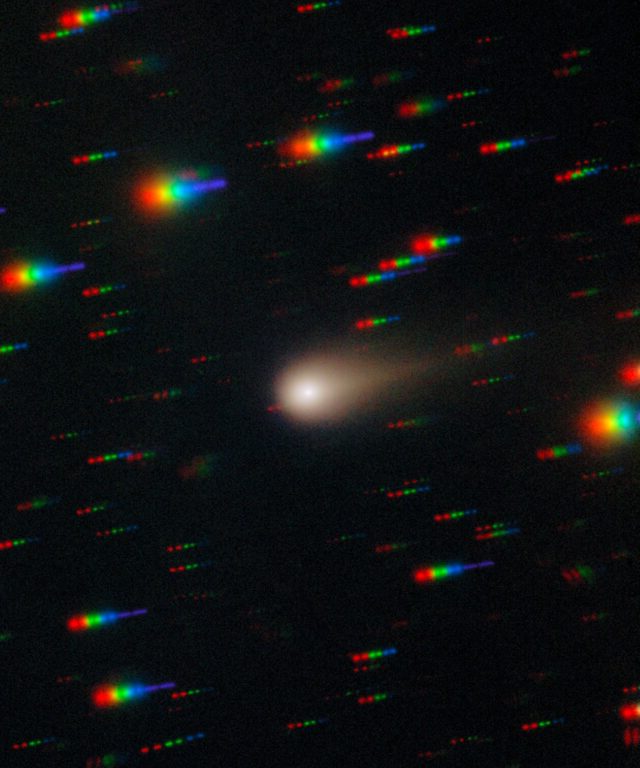
Jason Wright talks about 3i/ATLAS, the controversy surrounding it, and the way the search for life in the universe is beginning to change. Wright is a professor of astronomy and astrophysics at Penn State. He’s the director of the Penn State Extraterrestrial Intelligence Center. He is also the author of The Search for Extraterrestrial Intelligence: Theory and Practice.
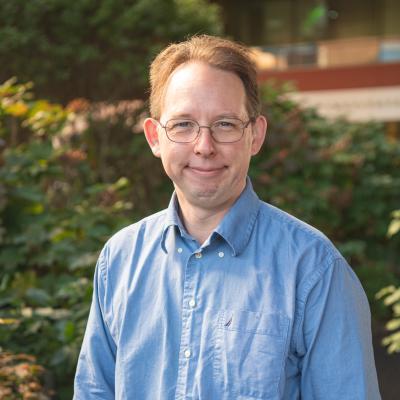 Jason Wrighthttps://traffic.libsyn.com/timetoeatthedogs/wright_j_podcast_only.mp3


October 27, 2025
Gems, Science, and Empire

17th century traders who traveled the sea routes between India and Southeast Asia were interested in spices, but they were also interested in gemstones, objects of desire, commercial value, and increasingly, scientific fascination. Claire Conklin Sabel talks about the gem trade in South and Southeast Asia, and the way this trade was impacted by European traders in the 17th and 18th centuries. Sabel is a historian of early modern earth science and a post-doctoral researcher at the University of Vienna. She is working on her a book project, Rare Earth: Gemstones, Geohistory, and Commercial Geography c. 1600-1750.
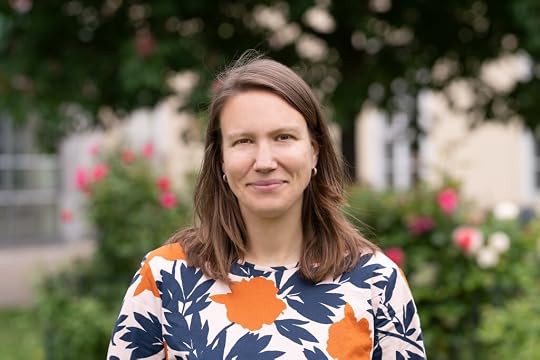 https://traffic.libsyn.com/timetoeatthedogs/sabel_c.mp3
April 26, 2025
Artificial General Intelligence, Part I
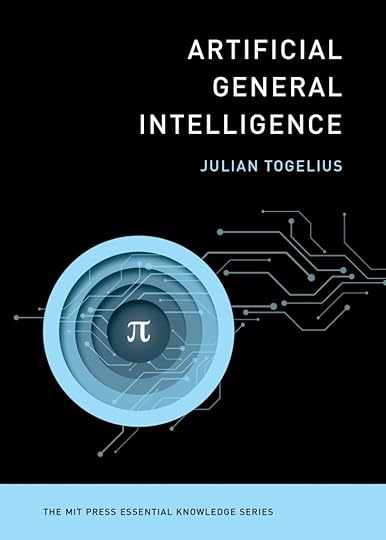
Part I of my interview with Julian Togelius, who talks about the history of machine learning, the quest for Artificial General Intelligence (AGI), and the difficulties AI researchers have in defining exactly what intelligence is. Togelius is an associate professor of Computer Science at New York University. Togelius is the author of Artificial General Intelligence, published recently by MIT Press.
 Julian Togeliushttps://traffic.libsyn.com/timetoeatthedogs/togelius_j_pt1.mp3
April 6, 2025
Replay: Inventing the World
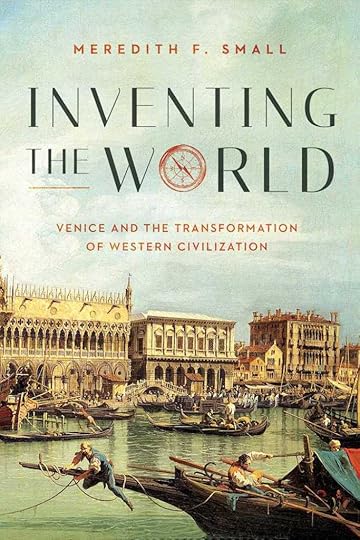
Meredith Small talks about the city of Venice and its importance to the history of travel and exploration. Small is professor emerita of at Cornell University and visiting scholar in the Department of Anthropology at the University of Pennsylvania. She’s the author of Inventing the World: Venice and the Transformation of Western Civilization
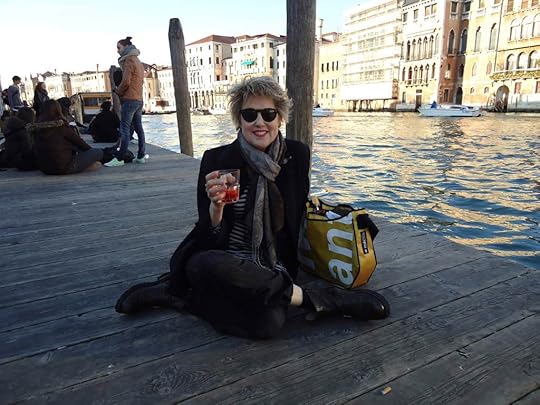 https://traffic.libsyn.com/timetoeatthedogs/small_m1.mp3
March 21, 2025
The Habitable Worlds Observatory

Dr. Giada Arney talks about the Habitable Worlds Observatory, a space telescope that, when it’s built and launched into space, will be able to image planets in other solar systems directly, focusing on planets that may support life. Arney is a Research Space Scientist in the Planetary Systems Laboratory at NASA Goddard Space Flight Center. She’s also the interim project scientist for the Habitable Worlds Observatory and the Deputy Principal Investigator of the DAVINCI mission to Venus.
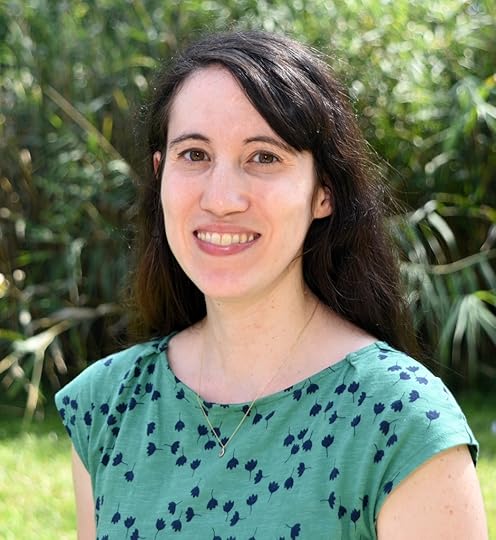 Dr. Giada Arneyhttps://traffic.libsyn.com/timetoeatthedogs/arney_g.mp3
February 28, 2025
Replay: Icebound
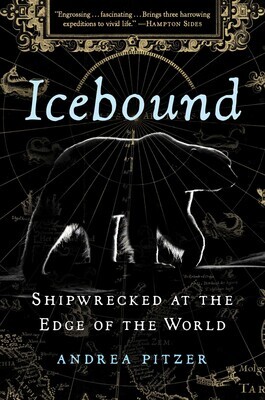
In the late 1500s, Dutch navigator William Barrents sailed north in search of a Northeast Passage to Asia. This expedition and a second one both suffered hardships, but they were mild in comparison with the horrors of the third expedition. Andrea Pitzer talks about the Arctic voyages of William Barents and their impact on Europe for centuries to come. Pitzer is a journalist and author of Icebound: Shipwrecked at the Edge of the World.
https://traffic.libsyn.com/timetoeatthedogs/pitzer_a_3.mp3February 16, 2025
The Europa Clipper and the Search for Extraterrestrial Life

Claire Isabel Webb talks about the Europa Clipper mission and NASA’s broader agenda to find life on other worlds. Webb is a historian of science and directs the Future Humans program at the Berggruen Institute. Her opinion piece, “Can We Please Just Find the Aliens Already,” was published by the New York Times in October, 2024
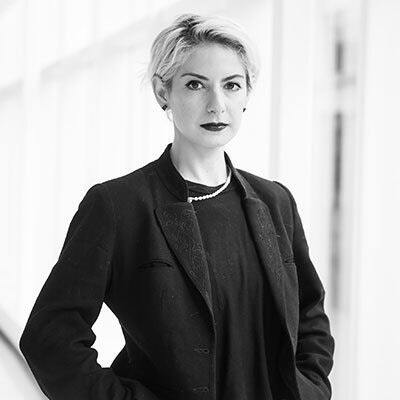 Claire Isabel Webbhttps://traffic.libsyn.com/timetoeatthedogs/webb_c.mp3
February 2, 2025
Replay: Enemy of All Mankind

Steven Johnson talks about the British pirate Henry Every and his improbable capture of the Mughal treasure ship, Gunsway. Johnson is the author of twelve books, including Enemy of All Mankind, Farsighted, Where Good Ideas Come From, and The Ghost Map. He’s also the host of the PBS series How We Got To Now and the podcast American Innovations.

Steven Johnson
https://traffic.libsyn.com/timetoeatthedogs/johnson_s1.mp3January 26, 2025
Mountains, Writers, and Travelers in the 18th-Century Alps
 View Drawn at Mouri Near Bern
Johann Ludwig Aberli, 1785
Célia Abele talks about Wolfgang von Goethe, the French writer Chateaubriand, and the German physicist Georg Lichtenberg. These writers became fascinated in the Alps and volcanoes such as Vesuvius. Abele is an assistant professor of French at Boston College. She’s the author of “Mountain Time: Tense Futures and Present Pasts in the Alps and Vesuvius around 1800.”
 Célia Abelehttps://traffic.libsyn.com/timetoeatthedogs/abele_c.mp3
November 15, 2024
On the Backs of Others: Rethinking the History of British Geographical Exploration
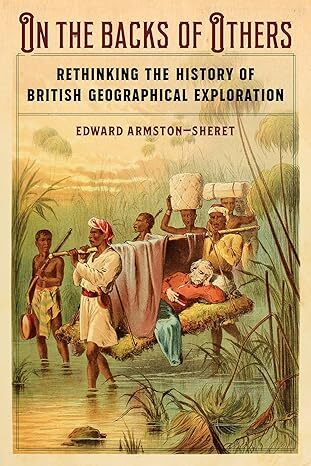
Ed Armston-Sheret returns to Time to Eat the Dogs to talk about British geographical expeditions and the labor that made them possible, specifically the labor of local peoples that is frequently omitted from explorer accounts. Armston-Sheret is a Fellow at the Institute of Historical Research, University of London. He’s the author of On the Backs of Others: Rethinking the History of British Geographical Exploration. A 40% off coupon for the book is available below.
 Armston-Sheret flyerDownloadhttps://traffic.libsyn.com/timetoeatthedogs/armston-sheret_e.mp3