Luna Darke's Blog
April 1, 2026
The Weight of Vellum: How Administrative Violence Shapes the Gothic Soul

Photo by Atlantic Ambience: https://www.pexels.com/photo/old-book-beside-an-ink-pen-12944758/
The Ledger Spire does not scream; it whispers in the scratch of quills and the heavy thud of wax seals. In the realm of the dark gothic, we often look to the monsters under the bed or the vampires in the shadows to provide our thrills. Yet, there is a more insidious horror found in the basement of the world: the horror of being known, cataloged, and filed away.
The architecture of the Ledger is designed to make the individual feel infinitesimal. Imagine ceilings that stretch into a darkness even candlelight cannot pierce, lined with shelves that hold the recorded breaths of a thousand generations. Here, the "Bureaucratic Throat" of the world swallows identity whole. When we talk about the theme of the Ledger, we aren't just talking about a library; we are talking about a machine of state-sanctioned permanence. In this space, if a person is not in the files, they do not exist—and if the files say they are dead, no amount of pulse or prayer can prove otherwise. This is the first pillar of administrative violence: the erasure of the self through the absolute authority of the record.
The Architecture of SilenceTo step into the halls of the Ledger is to step out of time. The air here is thin, filtered through miles of stone and parchment, carrying the scent of dust and the faint, sweet rot of ancient vellum. This is not the vibrant, messy history of the living; it is the frozen, sanitized history of the state. The Spire is built on a foundation of silence, where the only permitted sound is the rhythmic, heartbeat-like thud of the stamp.
This silence is a weapon. It creates a psychological weight that presses down on the soul, reminding every visitor that their life is merely a temporary phenomenon. The Ledger is eternal; the person is a variable. By organizing a world through this lens, the "Bureaucracy of the Dark" ensures that rebellion is not just a physical act, but a clerical impossibility. How do you burn down a system that has already turned your name into a number and filed you in a drawer you can never find?
Ink, Blood, and the Permanence of the StainTo understand the Ledger is to understand that ink is merely blood that has been given a purpose. In a gothic setting, the act of writing is never passive. Every entry in a bloodline record is a contract with the past and a shackle on the future. When a clerk dips their quill, they are drawing from the life force of the citizenry to maintain the status quo.
Photo by Engin Akyurt: https://www.pexels.com/photo/colorful-liquid-in-the-water-6749426/
The sensory horror of record-keeping lies in its materials. Consider the vellum—not just old paper, but skin that has been scraped, dried, and stretched to hold a truth that outlasts the body. The iron-gall ink, corrosive by nature, eats into the page just as a decree eats into a family’s fortune. Administrative violence thrives on this permanence. While a physical wound might heal, a black mark next to a family name in the Ledger persists for centuries. It dictates who may marry, who may inherit, and who is destined for the shadows. The Ledger is the ultimate antagonist because it is an enemy that cannot be stabbed or bargained with; it can only be outlived, though it waits patiently to record your end.
The Clerk as the High Priest of OrderWe often imagine villains in capes, but the most dangerous figures in the Ledger are the men and women with ink-stained sleeves. These clerks are the high priests of order, worshiping at the altar of the "Correct Form." They do not act out of malice, but out of a terrifying, hollowed-out obedience to the rulebook.
This is the banality of gothic evil. A clerk might see a clerical error that will result in a family being stripped of their lands, and they will not correct it, not because they hate the family, but because the "Official Record" has already been sealed. To change the record is to admit the system is fallible, and in the Ledger Spire, fallibility is a heresy. The clerks become extensions of the furniture, their humanity eroded by the thousands of tragedies they process daily. They are the conduits through which the violence of the state flows, anonymous and untouchable.
The Missing Files: The Horror of Being ForgottenWhile being "on the record" is a form of shackles, being "off the record" is a form of execution. Erasure is the ultimate punishment in a society governed by the Spire. To have one’s files "misplaced" is to be cast into a liminal space where you have no rights, no history, and no future. You become a "Redacted Soul."
Beneath the main floors of the Spire lie the Subterranean Archives—the places where the ink never quite dries, and the records are written in a language that hurts the eyes. These are the shadow archives, containing the secrets the world was meant to forget. The horror here is not just in what is recorded, but in what is hidden. A black line drawn through a name is as lethal as a guillotine. It is the power of the redaction: the ability to decide which parts of the truth are allowed to survive and which are consigned to the dust.
Conclusion: The Ink Still RunsThe Ledger is never full. Every day, the Spire grows a little taller, the shelves a little heavier, and the ink-wells a little deeper. We live in a world where our identities are constantly being negotiated by the papers we carry and the records we leave behind. The gothic horror of the Ledger is simply a reflection of our own reality—the realization that we are all, in some way, living within a system that values the record more than the person.
As you leave the halls of the Ledger, remember: the ink is still wet on your page. The story is being written, and the clerks are watching. Whether you are a hero or a footnote is not up to you—it is up to the hand that holds the pen.


March 26, 2026
The Architecture of Dread: Why We Are Haunted by the Recorded Word

Photo by ClickerHappy: https://www.pexels.com/photo/ancient-antique-architectural-design-architecture-442420/
The air inside the Spire doesn't move; it waits. It is a thick, atmospheric pressure composed of pulverized stone, ancient vellum, and the metallic tang of iron gall ink that never quite seems to dry. To step into The Ledger is to leave the frantic, sun-bleached world of the surface behind and enter a realm where time is measured not by clocks, but by the steady, rhythmic scratch of a quill against parchment. In the realm of Gothic literature, we often obsess over the library or the laboratory, but we overlook the most terrifying room in the manor: the Archive.
I. The Weight of the Recorded Word: Why We Archive the DarkThe air inside the Spire doesn't move; it waits. It is a thick, atmospheric pressure composed of pulverized stone, ancient vellum, and the metallic tang of iron gall ink that never quite seems to dry. To step into The Ledger is to leave the frantic, sun-bleached world of the surface behind and enter a realm where time is measured not by clocks, but by the steady, rhythmic scratch of a quill against parchment.
In the realm of Gothic literature themes and the dark academia aesthetic, we often obsess over the library or the laboratory, but we overlook the most terrifying room in the manor: the Archive.
The Soul as a TransactionWhy are we so relentlessly driven to record our own descent? From a psychological depth perspective, a ledger is more than a book of debts—it is a map of our shadows. Every secret kept, every "unspoken" desire, and every betrayal is a transaction of the soul. We archive these moments because, in the dark, if a thing isn't written down, we fear it might actually be true. Or worse, we fear it might be forgotten.
This is the core of the Dark Aesthetic: the realization that we are all being watched, not by a deity, but by the records we leave behind. The "Bureaucratic Throat" of the world doesn't care about your intentions; it only cares about what can be filed, stamped, and stored in the cold, subterranean silence.
Ink as a Weapon of HistoryWhen we look at dark academia tropes, we often focus on the pursuit of knowledge. But in the world of The Ledger, knowledge is secondary to documentation. There is a specific kind of "Administrative Horror" in realizing that your entire existence—your bloodline, your crimes, your very name—is subject to the whim of a clerk’s pen.
In this space, paper acts as violence. A single stroke of ink can conscript a life or erase a legacy. As you read through these archives, ask yourself: Is your story being written by you, or is it merely being processed by a system that has no room for your light?
II. The Bureaucracy of the Soul: Why We Archive Our ShadowsTo understand the Ledger is to understand the human impulse to document the very things that destroy us. In the high-contrast world of Gothic worldbuilding, we often focus on the monster in the woods or the ghost in the attic. But the most enduring hauntings are administrative. They live in the "Shadow Work" of the subconscious—the internal record-keeper that tracks every debt, every slight, and every moment of perceived unworthiness.
The Psychological Ledger: Auditing the SubconsciousIn psychological fiction, the "Ledger" acts as a metaphor for the mental baggage we carry. Why do we keep journals of our failures but let our triumphs go unrecorded? It is because the human brain is wired for survival, and survival requires a meticulous accounting of threats.
The Debt of Identity: We often feel we "owe" a certain version of ourselves to the world. When we fail to deliver, the internal clerk marks a deficit.
The Redaction of Joy: Under the pressure of a dark aesthetic, we often "white-out" our moments of lightness, fearing they make us vulnerable or "off-theme."
The Permanent Record: The terrifying realization that once an emotional trauma is recorded in the mind, it can be filed away, but never truly deleted.
Shadow Work and the Archivist’s PathFor the creator or the seeker, "Shadow Work" is the process of breaking into your own Spire. it is the act of walking past the gatekeepers of your ego and demanding to see the files you’ve hidden from yourself. This isn't just a dark romance trope—it is a survival mechanism. In fiction, when a protagonist finally opens a forbidden ledger, they aren't just finding plot points; they are finding the pieces of themselves they were too afraid to claim in the light.
The Aesthetics of Emotional AccountingThink of your secrets as physical objects. If a secret were a piece of parchment, would it be crisp and new, or would it be yellowed, brittle, and stained by the oils of a thousand nervous touches?
By framing our internal struggles as a physical "Ledger," we gain a strange kind of power over them. You cannot fight a ghost, but you can audit a book. You can cross out a debt. You can close a chapter. The Bureaucracy of the Soul is only as powerful as your refusal to look at the pages.
III. Subterranean Gothic: The Power of Under-Earth SettingsThere is a specific, primal shiver reserved for the world beneath our feet. In the realm of the Gothic aesthetic, the transition from the surface to the subterranean isn't just a change in elevation—it is a descent into the collective unconscious. Whether it’s the sprawling catacombs of a ruined empire or the pressurized silence of a sunless cavern, subterranean settings in fiction serve a singular purpose: they act as a physical manifestation of the things we bury.
The Architecture of the Buried MindWhy are we so relentlessly drawn to the dark? From a worldbuilding perspective, a subterranean setting provides an immediate sense of "weight." Every stone above the protagonist is a reminder of the secrets they are keeping. In dark fantasy and romantasy, the underground often represents the "shadow self"—the place where the polite rules of the surface world no longer apply.
When we build these worlds, we aren't just placing characters in caves. We are placing them in:
The Bureaucratic Abyss: Where the "Ledger" is kept—the record of every debt and every sin, filed away in the cold dark where the ink never quite dries.
The Sanctuary of the Damned: Where the villains—or the misunderstood heroes—retreat when the sun becomes too harsh for their truths.
The Living Tomb: A space that breathes with its own history, where the walls are made of the bones of those who forgot that the earth eventually claims everything it holds.
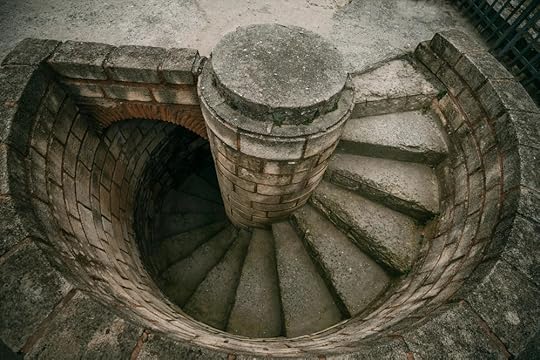
Photo by Sami TÜRK: https://www.pexels.com/photo/circular-stone-staircase-with-spiral-design-36714675/
Subterranean Gothic vs. Traditional HorrorWhile traditional horror uses the dark to hide a monster, Subterranean Gothic uses the dark to reveal the character. In this niche, the environment is the antagonist. The dampness that clings to the skin, the flickering torchlight that creates "phantom" movements in the periphery, and the absolute, crushing silence are all tools of psychological depth in fiction.
For the reader, there is a distinct "Dark Academia" thrill in discovering a hidden library beneath a university, or a "Dark Romance" allure in an enemies-to-lovers arc that takes place in a prison cell carved from living rock. It forces a forced proximity that the surface world simply cannot replicate.
The Aesthetics of the DeepTo truly lean into this theme for your own creative work or your "Vibe Curation," focus on the sensory "Ledger" of the deep:
Sound: The rhythmic drip of mineral-rich water, the echo of a heartbeat against stone.
Sight: The iridescent shimmer of damp moss, the jagged geometry of stalactites that look like teeth.
Touch: The biting cold of a floor that hasn't felt the sun in a millennium.
In the end, we don't go underground to hide. We go underground to find the parts of ourselves that the light refuses to acknowledge. The Subterranean Gothic reminds us that while the surface world is where we perform, the "Sunken World" is where we truly exist.
IV. Paper as Violence: The Power of the Ink-Stained PenIn the modern world, we view bureaucracy as a nuisance—a tangle of red tape and missed appointments. But in the Gothic aesthetic, bureaucracy is a weapon. It is the "administrative horror" of a world where a person is only as real as the file that contains them. In the Ledger Spire, paper doesn't just record life; it dictates it.
The Bureaucratic Throat: Where History is Written (and Erased)The true horror of a dark academia trope or a dystopian record-keeping system isn't found in a monster's claws, but in the steady, rhythmic scratch of a clerk’s quill. When we talk about "Paper as Violence," we are talking about the terrifying finality of the written word.
The Consignment: A name written on a list can send a child to a war they didn't start.
The Redaction: A line of black ink can erase a bloodline's claim to their ancestral home.
The Debt: A signature, often given in a moment of desperation, becomes a shackle more permanent than iron.
This is the "Bureaucratic Throat"—the narrow passage through which all truths must pass before they are officially recognized by the world. If it isn't in The Ledger, it didn't happen. If the Ledger says you are dead, no amount of breathing will convince the world otherwise.
The Sensory Horror of the ArchiveTo lean into the Dark Gothic vibe, we must look at the physical toll of record-keeping. Imagine a room so filled with parchment that the air itself tastes like dust and old glue.
Ink as Blood: The deep, staining black of iron gall ink that never truly leaves the skin of the scribes.
Vellum as Flesh: The unsettling realization that the "paper" being used has a history of its own.
The Weight of the Archive: The literal sound of thousands of pages turning at once, like the rustle of dry leaves in a graveyard.
Why "Administrative Horror" Resonates in Dark FictionWe live in an era of digital footprints and permanent records, which makes the concept of an inescapable "Ledger" feel more relevant than ever. In psychological fiction, the "Paper Trail" is the ultimate antagonist. You can run from a killer, but how do you run from a document? How do you fight a system that has already decided who you are based on a file started before you were born?
In the intersection of Dark Romance and Gothic Horror, this creates a unique tension. When the "Hero" is the one holding the pen, and the "Heroine" is the one whose name is being written, the power dynamic becomes electric. It isn't just about physical dominance; it's about the ownership of a person's very identity.
V. The Romanticization of the Abyss: Why We Love the DarkWhy are we drawn to the "Enemies-to-Lovers" arc in a world of shadows? Why does a subterranean prison or a dusty archive feel more romantic to us than a sunlit meadow? To understand the allure of dark romantasy, we have to look at the psychological allure of the abyss.
The Safety of the ShadowIn dark fiction, the light is often a spotlight—it is where we are judged, measured, and forced to perform. But the darkness? The darkness is where we are allowed to be our true, unedited selves. When two characters meet in the "Sunken World," they meet without the masks required by the surface.
Vulnerability in the Dark: There is a profound intimacy in being seen by someone who knows your "Ledger" is full of red ink and chooses to stay anyway.
The "Villain" as Protector: We often romanticize the "Dark Lord" or the "Antagonist" because they represent a rejection of the bureaucratic, judgmental world above. They are the only ones who can navigate the abyss without getting lost.
The Chemistry of Conflict: Enemies-to-LoversThe Enemies-to-Lovers trope is the ultimate "Audit of the Heart." It’s the process of taking two people with conflicting records—two people who should, by all rights of the "Ledger," destroy one another—and watching them rewrite their own history.
Why the Abyss is NecessaryA story without darkness is a record with no ink. The "Abyss" provides the contrast needed to make the moments of connection feel earned. In Psychological Thrillers and Gothic Romantasy, the "Happy Ending" isn't about escaping the dark; it’s about finding someone who is willing to live in it with you.
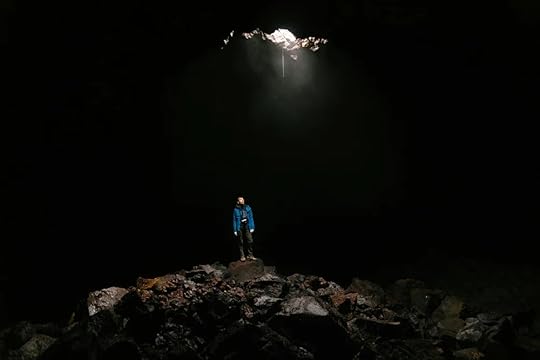
Photo by ArtHouse Studio: https://www.pexels.com/photo/man-standing-in-an-underground-cave-and-looking-at-a-hole-in-the-ceiling-4588592/
VI. Conclusion: Audit Your Own AbyssAs we close this chapter of The Ledger, we are left with a final, haunting realization: we are all the authors of our own archives. Every choice we make, every secret we bury, and every desire we acknowledge adds another line to our personal record.
If you were to step into the Ledger Spire tonight and pull your own file from the shelf, what would you find? Would it be a record of caution and safety, or would it be a chaotic, ink-stained testament to a life lived in the deep?
The dark isn't something to be feared—it is something to be understood. It is the canvas upon which our most authentic selves are drawn.
Call to Action (The Final Audit)Are you ready to dive deeper into the archives? [Sign the Ledger] to join our inner circle and receive exclusive missives, world-building secrets, and psychological deep-dives delivered straight to your inbox.
Don't let your story be written by someone else.
March 16, 2026
The Architecture of a Villain: Why the "Monster" is the Muse in Dark Romantasy
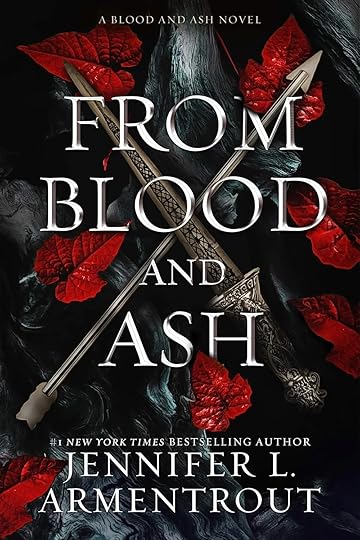
The blueprint for lethal devotion: Casteel Da'Neer in From Blood and Ash .
There is a specific kind of silence that happens when a villain enters a room. It isn’t the silence of peace; it’s the silence of a predator. In the world of Dark Romantasy, we don’t just watch the monster—we wait for him.
But why? Why do we find ourselves highlighting lines from the man who would burn the world down rather than the hero who wants to save it?
The answer lies in the Architecture of the Villain. It’s not just about a pretty face and a tragic backstory; it’s about a specific blueprint of power, isolation, and an almost terrifying level of devotion.
1. The Foundation: Power Without PermissionA true dark romantasy villain doesn't ask for a seat at the table; he owns the room. Whether it’s Xaden Riorson in Fourth Wing, wielding sentient shadows, or Rhysand in A Court of Mist and Fury, masking his power behind a mask of cruelty, the foundation is always competence.
We aren't attracted to the evil; we are attracted to the autonomy. In a world that often feels out of our control, a man who answers to no one but his own moral (or immoral) code is intoxicating.
2. The Pillar of Lethal DevotionThis is the "Touch her and you die" energy that defines the genre. The villain’s love isn't a bouquet of roses; it’s a shield of cold iron.
Take Casteel Da’Neer from From Blood and Ash. His charm is lethal, but his loyalty is absolute. The architecture of these characters relies on the idea that they are monsters to the world, but a sanctuary for the heroine. It’s the "Villain would sacrifice the world to save you" vs. "The Hero would sacrifice you to save the world."
In the sunless corridors of dark fiction, we will choose the man who chooses us—every single time.
3. The Shadow Daddy Masterlist: 5 Villains Who Built the BlueprintIf you’re looking to study this architecture further, these five icons are the gold standard (and perfect for your next binge-read):
Xaden Riorson (Fourth Wing by Rebecca Yarros): The king of "I shouldn't want you, but I'll kill anyone who touches you."
Rhysand (A Court of Mist and Fury by Sarah J. Maas): The blueprint for the "Villain in a Hero’s Mask."
The Darkling (Shadow and Bone by Leigh Bardugo): For those who prefer their villains without the redemption arc—pure, unadulterated power.
Death (Belladonna by Adalyn Grace): A literal personification of the end, yet he is the only one who truly sees the heroine.
Commander Thorne (To Bleed a Shadow by Luna Darke): While he’s the newest shadow on the block, Thorne represents the "Void" itself—a man who has forgotten his humanity until it’s forced back upon him by a woman he’s supposed to destroy.
4. The Aesthetic: Why the Shadows Feel Like HomeThe "Shadow Daddy" isn't just a character; he’s an aesthetic. He is the smell of rain, the feel of cold leather, the sound of a blade unsheathing, and the weight of a gaze that never wavers.
Dark Romantasy allows us to explore the "forbidden" parts of desire. It’s a safe space to ask: What if the monster loved me? What if I didn't have to be the good girl?
5. The Final Vow: Devotion Over RedemptionWe don't actually want the villain to become a "Good Man." We don't want him to join the town council and start a garden. We want him to remain a monster—but our monster.
The architecture of a villain is complete when he stays true to his dark nature while making an exception for one person. It’s the ultimate form of being "chosen."
What’s Your Villain Blueprint?Are you a fan of the "Touch her and die" protector, or do you prefer the "Burn the world for revenge" type?
Leave a comment below and tell me: Who is the one book villain you’d willingly follow into the Void?
March 15, 2026
7 Dark Romantasy Books with Shadow-Wielding Heroes (The Shadow Daddy Masterlist)
There is a specific kind of tension that only exists in the dark. In the world of Dark Romantasy, the "Shadow Daddy" has become more than just a trope—it’s an aesthetic. Whether they are literal masters of the void or morally grey commanders with a protective streak a mile wide, these heroes have ruined our sleep schedules for a reason.
If you are looking for your next brooding obsession with a touch of magic and a lot of spice, this curated list of shadow-wielders is for you.
1. Xaden Riorson in Fourth Wing by Rebecca YarrosWe have to start with the man who brought "Shadow Daddy" back to the mainstream. Xaden Riorson doesn't just use shadows; they are sentient extensions of his will. They wrap around his enemies and protect the woman he loves with terrifying precision.
The Trope: Enemies-to-Lovers, Forced Proximity, Hidden Power.
Spice Level: 🌶️🌶️🌶️
Why we love it: The high-stakes dragon rider setting makes every shadow-wielding moment feel like life or death.
2. The Nightmare in One Dark Window by Rachel GilligThis is for the readers who want their darkness with a side of gothic atmosphere. The Nightmare is an entity trapped within the protagonist's mind, a voice in the shadows that is as dangerous as it is alluring.
The Trope: "Voice in my Head," Gothic Curse, Magic at a Cost.
Spice Level: 🌶️ (Slow Burn)
The Vibe: Eerie, mist-covered woods and ancient folklore.
3. Thorne in To Bleed a Shadow by Luna Darke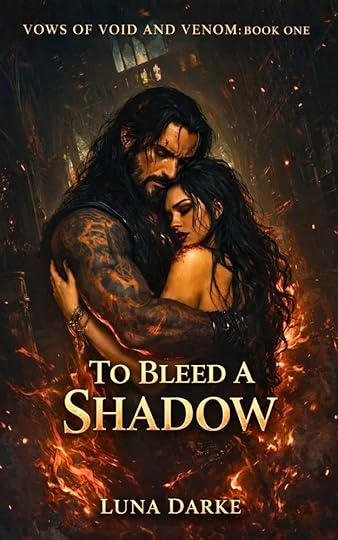
Thorne and Elara: To Bleed a Shadow. Art by Darke Designs
If you crave a hero whose shadows are as sharp as his tongue, you need to enter the Sunless Vault. Thorne is a commander of the void, a man who has spent centuries literalizing the phrase "I will find you in the dark."
The Trope: Grumpy/Sunshine (but the sunshine is lethal), Ancient Vows, Morally Grey Hero.
Spice Level: 🌶️🌶️🌶️🌶️ (High Tension/High Heat)
The Vibe: Ancient silver blades, glowing gold venom, and a hero who would burn the world to keep his "light" safe.
Apply for the Exclusive ARC Team Here
4. Rhysand in A Court of Mist and Fury by Sarah J. MaasThe High Lord of the Night Court is the blueprint. Rhysand uses his shadows to cloak his city, mask his intentions, and intimately connect with Feyre. He proved that darkness doesn't have to be evil—it can be a sanctuary.
The Trope: Fated Mates, Found Family, "Who Did This To You?"
Spice Level: 🌶️🌶️🌶️
5. Wrath in Kingdom of the Wicked by Kerri ManiscalcoA Prince of Hell is the ultimate dark hero. Wrath’s power is visceral and demonic, perfectly balanced by a slow-burn romance that feels like a masterclass in tension.
The Trope: Demon Prince, Murder Mystery, Witches and Devils.
Spice Level: 🌶️🌶️ (Increases throughout the series)
6. Silas in Master of Crows by Grace Draven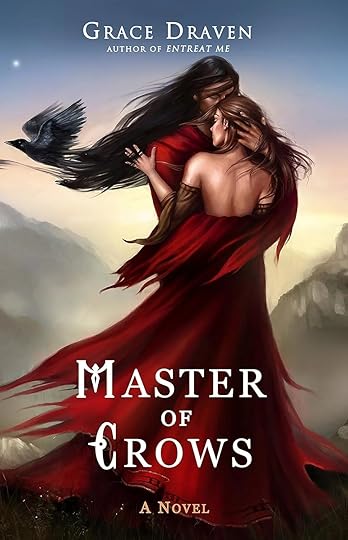
The reclusive sorcerer Silas and Martise in Master of Crows—a masterclass in atmospheric dark fantasy.
For those who prefer their fantasy with a heavy dose of beautiful prose and "older" heroes, Silas is a must-read. He is a reclusive mage whose darkness is felt in every corner of his obsidian tower.
The Trope: Forced Proximity, Master/Apprentice, Grumpy Mage.
Spice Level: 🌶️🌶️🌶️🌶️
7. Maxantarius Farlaine in Daughter of No Worlds by Carissa BroadbentMax is the "Reluctant Shadow Daddy." He is a war hero who wants to be left alone but possesses a raw, dark power that he uses to protect Tisanne at all costs.
The Trope: Mentor/Student, Trauma Bonding, Epic Magic.
Spice Level: 🌶️🌶️
Conclusion: Why We Can't Get Enough of the DarkIn Romantasy, shadow-wielding is a metaphor for a hero who can handle the "ugly" parts of the heroine's soul. These heroes don't ask their partners to hide their light; they provide the darkness where that light can truly shine.
If you love these shadow-wielders, you'll feel right at home in the Sunless Kingdom. [Click here to join the Vows of Void and Venom ARC team].Which Shadow Daddy is your favorite? Tell me in the comments below!