Robin Bennett's Blog
July 2, 2021
Quartet from Monster Books
Robin Bennett
Eccentric and eclectic, Quartet from Monster books is a series of four rather different young adult titles we are publishing over the next 18 months.
Why?
Speaking for myself, it had a lot do with the fact our kids stopped reading the day they turned thirteen.
Before that, I remember feeling pretty confident that when all three of our children were tucked up in bed of an evening, they would be happily chomping through the list of fifty or so books the school gave us to read each year … whilst I was on my way downstairs. To watch telly.
It’s a bit different now, what with having to wrestle phones from hands and strategically place books I think they should read on bedside tables.
I wish they could lose themselves in a story the way they used to. But they rarely lose themselves in anything: the knack of focus has been superseded by the equally-useful, yet somehow-less-satisfying ability to absorb quick fire content and move on. I’m equally awed and alarmed by this constant, shark-like roving – but hoovering up information rather than splashy, shouty tourists.
Now, I concede that teens probably are reading fewer books than they were twenty years ago – but I don’t think it’s necessarily as bad as people believe. I’m pretty convinced that the YA literary explosion of the 90s was ignited by adults buying, as much as by any other factors. It certainly skewed the figures.
That lack of specificity/understanding is part of the problem – one which, as a publisher and writer, I can do my bit to help with. We in publishing need to have a more focused approach to YA, which is what we hope to do with Quartet. The way I see it, there are five main things to drill down on.
So:
TargetingWe shouldn’t just publish essentially adult books (often from big name authors) that have been ratcheted down in language and complexity. We should publish books written for the YA market.
Light touchWe should keep in mind that teens don’t need a lecture from us by way of a story about growing up, and not all YA has to tackle ‘issues’ – it can just be good fun or honest escapism.
Fiction not filmThat said, some YA reads like it was written with a juicy film rights deal in mind. That’s bad, too: most truly good books have to be heavily adapted before they can work in film and visa versa.
DiversityTeens need to see themselves reflected in books and this is happening. Hopefully progress here will build momentum we need.
ExperimentWe don’t stand a chance of ushering in another generation of teen and YA readers unless we are prepared to take a few chances and try different tacks: shorter books, more illustration, tinkering with formats, swashbuckle and market differently. A good example of unusual formats working is ‘a good girl’s guide to murder’, bestselling YA murder mystery largely written up like a police report, fantastically well done
This last one is key, and it is what Quartet is all about: entertainment is still the main thing but I’m doing things a bit differently – breaching a few boundaries and breaking a few rules.
Robin Bennett
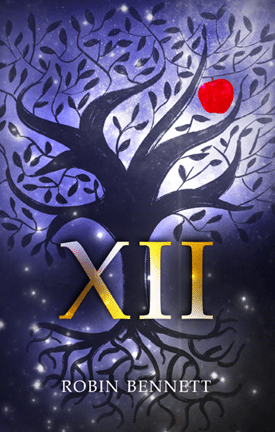
Bible chronicles told uniquely through the eyes of adolescents.
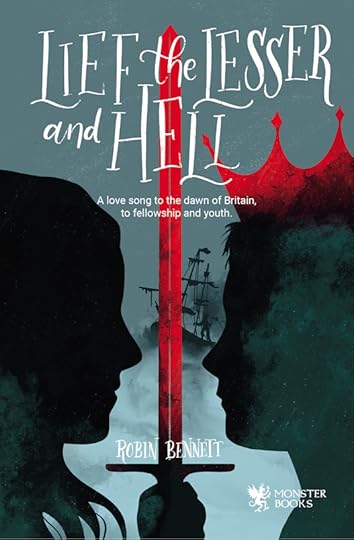
A prose-poetry story of the dawn of Britain, again through the story of young adults – this time washed ashore when the English Channel was carved out by a tsunami caused by a big part of Norway falling off around 10,000 years ago. Beautifully water-coloured by the incredibly talented Sara Hornby.
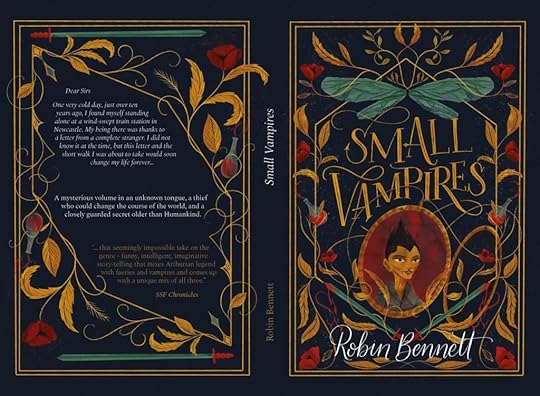
Diminutive Nosferatu dragged into British folklore by way of a Grail Quest.
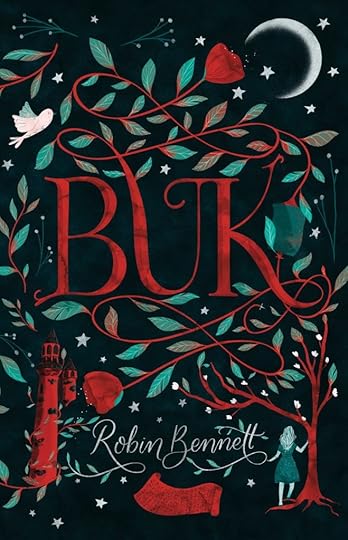
A girl coming to terms with growing up (basically my take on Alice in Wonderland).
The post Quartet from Monster Books appeared first on Monster Books - astonishing tales for extraordinary kids.


June 30, 2021
Reluctant Teen Readers: How can you get them to read?
Over the past couple of weeks we’ve looked into what it is that teens are looking for from books, and why it is that some of them just aren’t interested in reading. In terms of fiction, teens are looking for something they can see themselves reflected in, whether that be through the setting – such as a high school – or through their insecurities, such as an underestimated or ‘misfit’ character defying expectations (take your pick of any dystopia series). Similarly with non-fiction, teens want to read about people or issues they can relate to.
Teens find it hard to pick out what they will enjoy, because they are discovering who they are and what they like. On top of that, their desire to read is also squashed by the immediacy of their social life, or by resentment of being told what to do and what to think all the time.
The main thing that will solve a reluctant reader is time. If you do have a young adult who’s turned off to reading, they will age out of their unwillingness when their brain opens up to the wider world as an older person. The more we try and push them into reading, the longer that will take. What we can do is try and make sure they don’t manage to avoid books wholesale as they grow up. I can’t solve the existential crisis of being a teenager, but I can provide Bookseller-approved guerrilla tactics to attempt to get reluctant teens to read something.
TacticsIf you remember last week’s post, you’ll be familiar with my very simplistic division of reluctant teen readers into two camps, which I’ll summarise again:
Type A
A lot of teens lose interest in reading because their everyday lives just got interesting. When your phone is blowing up with social engagements and intrigue, it’s enough to keep you entertained and a book would just take you away from it..
Type B
These teens pathologically avoid anything they’re ‘supposed’ to do. Being constantly being told what to do, including being nagged to read, has turned them off.
The AdviceSo how can we fight these two different types of reluctance?
Type A: Answer
Non-fiction books on topics relevant to their lives and which they can dip into will be more appealing than long novels, as will books about people they admire. When it comes to fiction, pick something light. But just leave the books lying around, or casually say ‘I saw this and thought you might like it’ – then don’t bring it up again. If they suspect you care about them reading it, they’ll burn holes in it with their eyes.
Type B: Answer
Take them into town, make sure they have a little money. Take them into a bookshop and then mysteriously remember you have to go to the bank. Tell them you’ll be gone a while so they should stay here and browse, they can buy whatever book they fancy. Say it as if you’re not really paying attention, like it doesn’t matter. Then leave – go get a coffee, or actually go to the bank. Whatever you need to do. But stay away for at least half an hour. I can’t tell you the number of times I saw surly, uninterested teens become mysteriously very engaged with the books once no one was looking over their shoulder. I even had one of them come and ask me for help finding a book they’d like. It was amazing.
You cannot push someone back into being an enthusiastic reader – they have to come back into the fold on their own. But you can do your best to sneak a couple of books into their diet in the interim.
The post Reluctant Teen Readers: How can you get them to read? appeared first on Monster Books - astonishing tales for extraordinary kids.
June 29, 2021
Reluctant Teen Readers: Why Don’t They read?
Having discussed what teens read when they do, we come to the thornier question of why so many of them don’t read at all. In a wide sense, I think teens struggle to pick out books they like because they are working out who they are, so haven’t become familiar with their own taste yet – and further, the maturing brain is highly sensitive to reward, so teens find it hard to engage in activities (like reading) that don’t provide instant gratification.
In a more everyday sense, they just feel they have better things to do.
Types of reluctant readerIn a practical sense, and very simply speaking, the reluctant teen readers fall into two categories:
Type AA lot of teens lose interest in reading because their everyday lives just got interesting. Why on earth would anyone want to pick up a book when they just found out Chloe made out with Jasper even though she knows Katie is into him and they were supposed to go to prom together – and when she knows there was already so much drama with Kieran and David over that party last weekend? When your phone is blowing up with social engagements and intrigue, it’s pretty much enough to keep you entertained and a book would just take you away from your immediate interest: your social life..
Type BThese teens pathologically avoid anything they’re ‘supposed’ to do. There’s already so much stuff you have to do that you don’t want to do. Homework. After school clubs. Family dinners. Chores. Curfews. And now apparently you have to read? Why would you want to do that? Books are mentally draining, they’re long and annoying to follow and your parents are pressuring you into it because it’s ‘good for your vocabulary’ or whatever, and ‘better for you than your phone’. The annoying thing is, that book over there looks really interesting but it would be so much effort and, most importantly, your mum just told you you should read it so obviously now that’s the last thing you’re going to do.
This is, of course, a very simplistic division; you may have a mixture of the two types, or one whose time is simply taken up by other hobbies. But in my experience these are the two most awkward types of reluctant teen reader. It’s not the books themselves that they have a problem with; its the role that reading plays in their lives. Luckily, if you approach it right, it’s possible to get them to read – come back next week to find out how.
The post Reluctant Teen Readers: Why Don’t They read? appeared first on Monster Books - astonishing tales for extraordinary kids.
June 28, 2021
Why Are Teens Reluctant Readers?
Teens are some of the most difficult-to-buy-for readers out there, and often very reluctant to read at all. We’ve been working on this blog series to delve into why, what you can do to help, and what books might be ideal.
If you ask someone what their favourite books were as a child, they’ll most likely be able to reel off a few even if they weren’t big readers. Some story or another will have stuck with them that they can talk about, whether it’s the Secret Garden, James and the Giant Peach or Harry Potter.
It’s a little different when you ask what their favourite book was when they were a teen.
Although there is – especially with BookTok – a subset of teens for whom reading is the ‘it’ activity, there is a fairly reliable drop-off in reading between about 14 and 17/18. As a genre, YA is making a comeback, but teens are very hard to cater to; Our YA bestsellers table was more static than other age groups. The same series remain popular for a long time; Philip Reeve’s Mortal Engines, Patrick Ness’ Chaos Walking trilogy, Roth’s Divergent series and Suzanne Collins’ The Hunger Games all remain popular years after they came out (and only one of those series had a decent movie franchise come out of it).
No-one will ever know what the X-Factor is that makes a book popular – but successful YA novels do have similarities.
What do teens want from books?It is difficult to be successful in the YA landscape because teens are one of the most discerning audiences out there – but there are commonalities between what works.
Wildly popular are dystopian series – the books above come to mind as do many others like the Delirium trilogy by Lauren Oliver, Juno Dawson’s Meat Market, and even The Handmaid’s Tale. Fantasy is another intensely popular genre, with authors like Leigh Bardugo and Cassandra Clare pulling in huge and loyal audiences. High-school murder mysteries like A Good Girl’s Guide To Murder and One Of Us Is Lying are also very successful.
Although the latter are closer to reality than your fantasy or dystopian options, these genres share a level of excitement and escapism. They’re gripping, and all tap into the idea that there is more going on than meets the eye. Teenagers get very caught up in their social lives and analysing what’s going on behind the scenes – perhaps books where there is actually something nefarious going on – i.e. a murder, or tyrannical government – scratches that itch.
Specifically, all these popular genres – as well as recent stand-alone breakouts like The Black Kids or They Both Die At The End – involve:
Gaming or overthrowing the systemEscaping the everydayCharacters fulfilling their potential/achieving amazing things without adult helpIntense relationshipsWhich all makes sense. Being a teenager – as well as being a fun and quite carefree time – involves a lot of sticking to rules we don’t see the point in, being told we can’t do things we’re certain we can, experiencing adult relationships for the first time, and being bored stiff in school.
Books which engage with and provide an escape from these realities are ideal. What it comes down to is that young adults enjoy books that they can relate to in one way or another; they are still developing their critical thinking and empathetic abilities, so they find it harder to immerse themselves in stories they don’t see themselves, their passions and their problems reflected in.
The post Why Are Teens Reluctant Readers? appeared first on Monster Books - astonishing tales for extraordinary kids.
June 11, 2021
Is Buk The Book For You?
If your kids enjoyed any of these books below, then the answer is yes…
Judging anyone’s taste in books is always a challenge – unless you know they’re a fan of a specific genre, choosing a novel someone else will genuinely appreciate is a difficult task. This is especially true of young adults as they transition from literature aimed at younger readers to older. Buk is aimed at young adults aged 13 and up, and to help you decide if it’s the right book for your child we’ve made this list: if the child in question has enjoyed the books noted here, chances are they will enjoy Buk.*
*There are a few more titles listed at the end – these four are just the top picks
Inkheart (Cornelia Funke)It’s been 18 years since the first book in the Inkheart trilogy came out, yet it remains a top seller almost two decades on. This gripping but quirky adventure series follows Meggie and her bookbinder father Mo, both of whom have the ability to make characters from books come alive by reading aloud. The book is ideal for any child that loves books and adventure, and has just the right dose of mystery and magic. Buk shares a mysterious literary component, a child with seemingly magical abilities, and a strong theme of family and adventure. If your child enjoyed Inkheart then they’re sure to enjoy Buk – even if it only keeps them busy for the car journey down to Cornwall (it’s quite short).
Alice in Wonderland (Lewis Carroll)As we’ve discussed in other blog posts, Buk is somewhat inspired by Alice in Wonderland and can be characterised as a modern spin on it. It’s got the same weird and wonderful blurring between reality and imagination, a strange magical guide character, and is a story about a young girl finding her way back home and back to herself. Plus, it’s written in more modern language than Alice in Wonderland, so if your child liked the story but struggled with the language, Buk is the perfect remedy.
The Mystery Of The Colour Thief (Ewa Jozefkowicz)The Mystery of The Colour Thief is an unusual book about love and loss from a child’s point of view. After a car accident, Izzy’s mum is left comatose and Izzy’s world seems hopeless – not least because all the colours in it have been drained away by a mysterious, shadowy man who haunts her nightmares. With the help of her friend Toby and a nest of cygnets who need rescuing, the mystery of the colour thief begins to unravel and happiness starts to seep back in. Buk has similar themes of loneliness, daunting change and, ultimately, the importance of family and close relationships – with some mysterious dreams and adventures along the way, of course. The Mystery of The Colour Thief and Buk share a mixture of poignancy, compassion and magic.
Sophie’s World (Jostein Gaarder)Although aimed at a slightly older audience than the books mentioned above, fans of Sophie’s world won’t be able to resist the quirky thoughtfulness of Buk. It has a similar tone of understated excitement, curiosity about life, and a sense of reflecting deeply on the world and our place in it.*
*Conversely, if you want your child to read Sophie’s World but can’t tell if they’ll like it – tempt them with the much shorter, just as whimsical Buk and see how they get on.
Other books that a future fan of Buk will have enjoyed:TeenThe Light Between Worlds (Laura Weymouth), Miss Peregrine’s Home for Peculiar Children (Ransom Riggs), His Dark Materials (Philip Pullman), I, Coriander (Sally Gardner)
9-12The Phantom Tollbooth (Norton Juster), Alice in Wonderland (Lewis Carroll), Tilly and the Bookwanderers/Pages and Co (Anna James), , Someone Came Knocking (Anne Merrick), Skellig (David Almond)
You can buy our beautiful new paperback edition of Buk here, or you can buy the audiobook, narrated wonderfully by Imogen Stubbs, here – listen to Chapter 1 below.
The post Is Buk The Book For You? appeared first on Monster Books - astonishing tales for extraordinary kids.
May 10, 2021
What Have We Been Up To At Monster Books This Month?
This month has been quite a busy one over here at Monster Books…
A new releaseFirstly, this month we’ve been getting properly excited about the upcoming release of ‘Buk’, Robin’s quirky reimagining of Alice in Wonderland, which is such an intriguing story and ideal for reluctant teen readers (as well as anyone who loves a folklore tinge to their reading). The release date is getting close now, and we’ve been enjoying chatting with bloggers and potential readers about it! You can expect to hear a lot more about Buk as the weeks start to roll by.
Revisiting old favouritesWe’ve also been putting a little more juice into our backlist and dusting off old favourites from a while ago. We’ve got so many great stories sitting on our metaphorical shelves that we want to get out to you, the readers – but books do fade into the background a bit as time passes, so we thought we’d give them a bit of oomph.
So far, we’ve picked up The Hairy Hand and Iron Knights. Both are, as per our MO, strange fantasy tales involving a magical hairy hand and some evil mechanical knights respectively. This week, we’re getting behind Space Dragons, one of our most popular backlist books which involves dragons, space, kidnapping, adventure and a plot to destroy the universe (follow our instagram @indiemonsterbooks to find out more).
Looking to the futureThis month really marked the beginning of the end of the pandemic in terms of retail (we fervently hope that’s the case, at any rate), and we’re feeling very optimistic about the future. Despite the entire retail industry taking a hit over the past year, book sales have increased and are still going strong, which is extremely heartening. We are so happy to finally welcome back all the bookshops we’ve missed so much!
Now that things are opening up again, we’re also looking forward to being a lot more hands on and hoping to plan enough school and bookshop visits to make up for the past year. It will be really nice to be able to get back to interacting directly with readers and enjoy book events again!
We’ve got a lot coming up in the next few months – keep up to date with Monster Books activities here or on social media.
The post What Have We Been Up To At Monster Books This Month? appeared first on Monster Books - astonishing tales for extraordinary kids.
May 4, 2021
How to raise a reader
There are only two things that qualify me to write on how to raise a reader. I was raised a reader, and I was a children’s bookseller for a while – a large part of which was convincing children that reading was, in fact, worthwhile. I experienced varying degrees of success.
Reluctant Middle Grade ReadersTo my surprise, I found that the hardest group to work with was the 11-14-year-olds.
I wondered if it was because those middle grade years are so transitional, something of an identity crisis occurs that makes it hard to know what you want to read – or so much emotional energy gets used up elsewhere that you just don’t want to read at all. Whatever it is, it’s incredibly difficult to find books for reluctant middle-grade readers.
Reluctant Teenage ReadersTeenagers are a different kind of tricky. Teenagers who came in of their own accord know exactly what they want – there is always a series they’re halfway through, an author they’re obsessed with, or a topic they know everything about.
With a teenager being told to look for a school-assigned book, or accompanied by a parent, it was like getting blood out of a stone. And of course, if you came across a teenager who had decided they didn’t enjoy reading they would not be told otherwise (although I would catch them sneakily looking interested at the blurb of the book they’d just been bought, despite their best efforts).
Eager Young ReadersBy far the group that was the most fun to work with was the younger kids, from 5 to about 9 years old. Young readers know exactly what they want to read and they’re very excited about it. They want to see every single book about trains, mermaids, dogs, fairies, survival, football, ballet, or read all the books by this author, or with a boat in, or that has a mystery. They’re completely unselfconscious and just want to read what they want to read.
The Secret: Let Your Kids Lead YouInterestingly, I often find when talking to adults that it’s the style of books they read at that young age that is closest to what they read now – and more importantly, those are the books they remember fondly.
People who fell in love with The Secret Garden at 8 always come back to it years later, and often lean towards similar books like Wuthering Heights, with its wild Yorkshire-moors love story reflecting the childhood-sweetheart bond between Mary Lennox and Dickon on the moors outside Misselthwaite Manor. And parents come in wanting to buy their children the books they loved themselves at that age.
All this to say, many parents would come into the bookshop wringing their hands over the fact that their 11-year-old or teenager didn’t want to read and wondering where they’d gone wrong – but nothing had gone wrong. Kids just seem to take a break from reading at that age.
The best way to raise a reader is to read to them as soon as they come into the world. Stop them before they get the chance to become a reluctant reader: never neglect the bedtime story, and always lean into their taste in books for that first decade of their life where they’re interested – whether it’s football fact files, Captain Underpants, or Anne of Green Gables.
Let your kids fall in love with reading whatever they like at that age and they’ll see it as a pleasure, not a chore. They’ll come right back into the fold when they’re older – even after rejecting the whole concept for 5-7 years in the middle.
The post How to raise a reader appeared first on Monster Books - astonishing tales for extraordinary kids.
April 30, 2021
The Delights Of E-Publishing
Following on from last week’s thoughts on the difference between reading on a screen and reading in print, we thought this week we’d take a gander at digital publishing’s place in the landscape. It has its critics, but e-publishing is a billion-dollar industry and there are some distinctly positive effects of this new way of publishing.
From making self-publishing that much easier to improving accessibility, the e-book is definitely here to stay.
Digital publishing has paved the way for authors to publish and distribute their work independently, and for small publishers to be more creative with their offering – plenty of work that might never have seen the light of day in times gone by is now available for the world to see.
The advantages of e-publishing…For customersEconomic AccessibilityDigital books are more accessible to a wide range of socioeconomic backgrounds. The cost of books can be a huge barrier to children from low-income households having access to books, and some areas have poor access to libraries and other educational resources. Although not all E-books are cheaper than print books, there is a wealth of free or low-cost reading material out there which can drastically improve low-income households’ access.
Disability AccessibilityPrint books can present a huge number of challenges to people with a wide range of physical or neurological disabilities; from the print being too small to needing braille or audio versions for the visually impaired, to fonts which make reading nearly impossible for those with dyslexia.
E-books can make use of tools such as text-to-speech, customisable text magnification, colour- contrast changes – and some even have compatibility with assistive technology devices, making reading much more accessible to the disabled community.
For writers and publishersInexpensive publishingWhile this is more of a bonus than a central benefit for established publishers, the low cost of publishing is fantastic for independent publishers and authors. It enables them to get their work out there without breaking the bank, and affords small publishers more creativity with their offering, as there’s less need to pander to the most lucrative market to break even.
Post-publishing editsA major difference between print and digital is that with digital, edits can be made after a text has been released. Obviously – or at least, hopefully – we aren’t talking about anything Orwellian; you won’t find authors going back to change major plot points and then claiming we were always at war with Eurasia. But finding a typo in an already published print book is the kind of niggling irritation that just doesn’t go away – and having an e-published version means authors can go back, fix it, and stop lying awake at night furious about it.
Improved marketing possibilitiesWhile it’s possible to monitor print book sales in terms of pure numbers, it often takes a long time to gather any meaningful data and it’s hard to draw conclusions about demographics. Digital publishing allows data to be collected instantly, and it can provide information about the audiences engaged, which can help with future marketing strategies and help build a dedicated audience.
Print publishing remains the most popular way to consume books – in 2018-2019, only 25% of readers preferred digital texts to physical. However, e-publishing is an industry that has many advantages and is only set to grow in the coming years.
The post The Delights Of E-Publishing appeared first on Monster Books - astonishing tales for extraordinary kids.
April 22, 2021
Therapy For Dreamers, Philosophy For Fantasy: Buk
“If you love what you have, the world belongs to you.” – Buk
Loafing about in pubs can still be an educational way to spend time. I remember once we were talking about how many British fantasy authors there were. It seemed odd that, for a fairly restrained nation, we really let rip when it came to writing stories about elves and other things that didn’t exist.
Mildly intrigued, I spent some time tooling about on Wikipedia and Nielsen and came up with the following facts:
Globally, fantasy is now the best-selling literary genre.Of the 35 bestselling authors worldwide in any genre (outside of religious texts), 16 are fantasy authorsOf those 16, an astonishing 13 are British.Why does a nation of supposed boozers; bankers; tea-drinking, stately home living, uptight apologists, and football hooligans write the best-loved and most widely read fantasy books in the world?
Kenneth Grahame (Wind in the Willows) actually was a banker and Lewis Carroll (Alice in Wonderland) a mathematician.
Writing my own fantasy book
Whilst I tried to answer the question in my documentary Fantastic Britain (2015), I decided to simply go with the flow for writing my fantasy book, Buk, and get stuck in. Simply put, Buk is my take on Alice in Wonderland and a bit more besides.
It is a story about a girl growing up and what happens when we are thrown (headfirst, in some cases) into our own imaginations. It’s about the compelling mystery of what is inside our own minds and how frightening that can be, as well as how wise and therapeutic – especially for Nancy who is more vulnerable than she can possibly imagine. Yet, at the same time, we sense early on that she holds all the ciphers and solutions – in the vast store of her psyche.
For the audio, I very purposefully chose Imogen Stubbs with music by the talented Tatiana Tindall. Tatiana’s music chimes with Imogen’s ability to sound fresh and somehow authoritative. Plus she does some great accents.
Buk is therapy for dreamers, philosophy for fantasy and (hopefully) just a good coming of age story about someone young figuring things out for themselves.
Robin Bennett April 2021
The post Therapy For Dreamers, Philosophy For Fantasy: Buk appeared first on Monster Books - astonishing tales for extraordinary kids.
April 15, 2021
Print vs Screen: is there a real difference?
In this modern age, the humble book can take many forms. You can carry around an entire library in your pocket, read war and peace without feeling like you’re holding a weapon in your hands, and take the entire Discworld series with you on your holidays. But is reading on a screen the same as reading a book?
Most early studies concluded that on screens, people read more slowly, less accurately, and comprehend less. However, as technology and research have improved, the results are less clear – and the main difference between reading on paper and reading on a screen seems to be more tactile than functional. People enjoy the physical feel of a book in their hands, and the ability to visually interpret their progress – not to mention, the wonderful finality of closing the pages of a book well read for the final time.
Differences do remain – there is evidence to suggest reading on a screen is more mentally draining, and what we read on a screen is likely to be harder to retain. This is in part due to the fact that it is harder to visualise where you are in a text.
Neurologically speaking, we process long texts similarly to how we process our physical surroundings – by creating a kind of map that gives context to the point in the text we’re at. This is what allows us to quickly flip back to a page from an earlier chapter with some accuracy, and gives us a framework to understand what we read as part of the beginning, middle, or end of a story.
Although the text itself is the same, reading on screens removes this ability to mentally navigate the text, changing our ability to perceive a book as a whole rather than just a series of unrelated texts. This doesn’t seem to change our enjoyment of reading book-length texts compared to physical copies, but it does seem that we process the information differently and are less likely to retain details in the long term.
Reading has never been a static thing; although there is some debate over definitions and dates, we do know the book as we know it only came to be in around the 4th century. Before that there were papyrus scrolls, vellum sheets, carved clay tablets, stone columns and walls where the written word was stored.
The codex book has certainly endured and will continue to. There’s nothing to replace the feel of a paper book in your hands, and it’s very difficult to look mysterious on a train while reading from a screen, and as any travelling reader will know that’s half the fun. But screen reading is simply the next step in the journey of the written word, and only time will tell what place it will take.
The post Print vs Screen: is there a real difference? appeared first on Monster Books - astonishing tales for extraordinary kids.