Nancy Hartney's Blog
July 31, 2022
New Novel on the Way: The Blue Bottle Tree
Logline: Revenge is still the best option in the Deep South
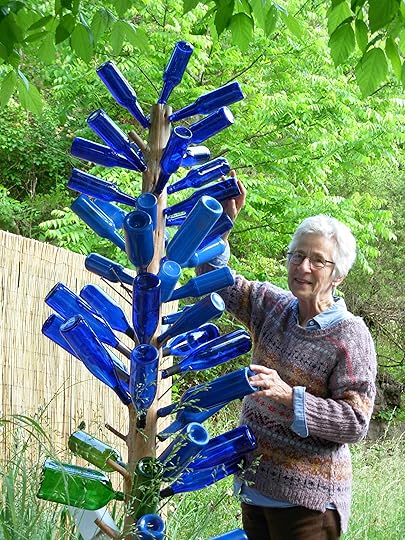
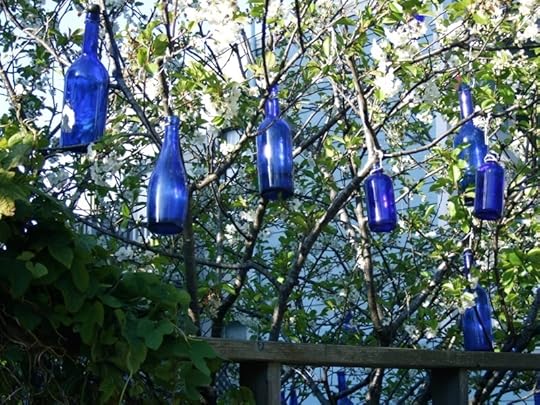
I’m working on another novel, The Blue Bottle Tree. The title springs from the once ubiquitous bottle trees that dotted the Southern landscape meant to warded off malicious haints, those folkloric ghosts which bring harm, sometimes cause death, to the living. Historically, the trees used all blue bottles; however, multi-colored bottles can also appear. Bottles are hung from limbs or stuck on the ends of dead limbs.
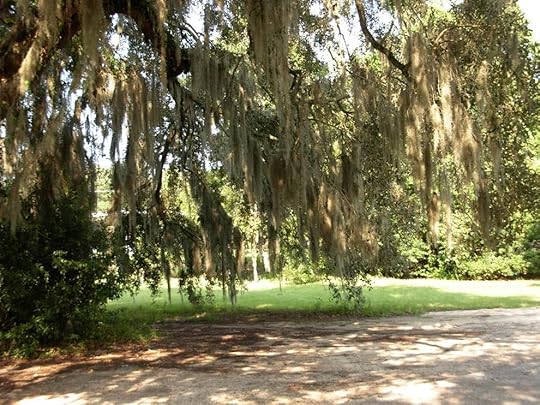
This mainstream fiction, set in 1961 Georgia against the backdrop of winged-bird hunting, weighs in at 75,000+ words. It’s a tale of revenge fueled by murder, racial tension, and the unwed motherhood of a young girl. The town patriarch, Joshua “Major” Butler, controls the county with an iron hand. He came back from World War II not quite right. Other characters include a Black housekeeper, Letta Davis, a lesbian family matriarch, Susan Pea Butler, a womanizing dog trainer Wes Smith, and a girl-woman Janie Butler.
The wheels of revenge may be slow to move—but once in motion, are inescapable. Faustian bargains proliferate and blood spills across the humid landscape.
As a daughter of the South, I have seen and experienced firsthand the racism, oppression, and hardscrabble times of folks on both sides of the color line. I am acquainted with the duality of thought about our social system, law enforcement community, and sexual mores of the 1960s-70s.
Currently, I’m beating the bushes looking for a publishing home for Blue Bottle. While seeking a publisher, I’ll be offering posts on Southern customs, traditions, lifestyles, and language. Look for more in the coming months.
In the meantime, check out my two collections of short stories (Washed in the Water and If the Creek Don’t Rise) as well as my debut novel, If You Walk Long Enough. All three are available at your local public library and homegrown bookstore.


July 11, 2022
Stretching Writing Skills with Syntax & Storyline
The publishing industry changes by the day. First, there is the continued merger of small presses into medium-sized publishers. Next comes the big houses consuming those medium-sized presses into their folds—or driving them out of business. And finally (well, probably not final), the big publishing names cannibalizing each other.
This folding of one into another is not the last word in industry change. What is exciting, to me as a writer AND reader, are the dramatic fluctuations in syntax, prose, and story lines. These shifts are occurring in today’s market with delicious frequency.
Two recent books, published in 2022—one speculative fiction by Canadian author Emily St. John Mandel, The Sea of Tranquility and, the other, a revisionist Western by English-born Paddy Crewe, My Name is Yip—are examples of changes. Some readers may consider them cutting-edge changes while others may see regression.
The Sea of Tranquility explores how time flows, the structure of historical timelines, and how time effects individual lives. Beginning in 1912, the tale moves chapter by chapter, back and forth over the centuries, finally ending in 2203. Or maybe another year. I lost track. Along the way, St. John Mandel examines reality and how memory is stored and perceived. Her chapters vary in length between pages of prose and a single phrase. Tying the novel together is Gaspery-Jacques Roberts, his sister Zoey, a mysterious violin player, and a repeated line from a fictional book by a fictional character, Olive Llewelleyn. “We knew it was coming. It’s true of so much, isn’t it?”
The novel flirts with Colonial Britain, early settlement along Canada’s Vancouver coast, moon Colony One, Colony Two, the 2018 and 2020 pandemics, and the airship terminal in Oklahoma City. Woven among the pages are questions of morality, memory, and ethics.
Words are capitalized without regard to anything other than Crewe apparently determined them important to the storyline and therefore writes them in upper case to draw attention. “…when all your own Hopes & Hurts & Fears & Joys & Longings is reflected back at you from another…”
Paddy Crewe’s tale, My Name is Yip, told first person by his hero Yip, born mute into Georgia’s frontier of 1815. The reader is treated to unusual prose and unexpected phrases: “Men with beards ambered with drops of liquor;” or “passed the farm & through the sap-sweet clouds of dust from the sawyer mill.” Crewe writes of “a breed of silence what tells of tragedy,” and of “a sound so empty of sound.” He uses compound words never found in a dictionary but nonetheless delight the reader: ocean wavetips, fingerturns on a set of reins, or wallow in creekmuck. Each compound word offering a smidgen of something old and a different rhythm.
Numerals are not written out but are noted in their Arabic form. Examples include “2 young men, 3 women & 4 little girls… .” “And” is designated by the ampersand. Quotation marks are absent. Characters are referred to by full names.
As I move into the beta reader stage of my new novel, The Blue Bottle Tree, I am excited by these disparities in writing. Best of all, the changes beg the question, whose rules are right?
May 7, 2022
Memorial Day Remembrances
The years immediately following the Civil War were tempestuous ones. Anger, loss, and poverty plagued the South and continued to rattle the North. By 1868, General John A. Logan of the Northern Civil War veterans, stepped forward and called for a nationwide day of remembrance. He suggested folks decorate graves of fallen soldiers with flowers and mementos, stating they “lie in almost every city, village, and hamlet churchyard” in the country. He further suggested the day be standardized on May 30 specifically since no battle had been fought on that day. And, according to spring calendars, the flowers would be in full bloom. Logan wanted the day to focus on remembering and honoring the individuals who fell, not on battles or armies.
The day was originally called Decoration Day, and for many years following, continued to be called Decoration Day.
[image error]Pexels.com" data-medium-file="https://nancyhartney.files.wordpress...." data-large-file="https://nancyhartney.files.wordpress...." src="https://nancyhartney.files.wordpress...." alt="" class="wp-image-2685" width="315" height="472" srcset="https://nancyhartney.files.wordpress.... 315w, https://nancyhartney.files.wordpress.... 630w, https://nancyhartney.files.wordpress.... 100w, https://nancyhartney.files.wordpress.... 200w" sizes="(max-width: 315px) 100vw, 315px" />The first observance of the day occurred at Arlington National Cemetery. Ceremonies were held under the veranda of the Arlington mansion of Gen. Robert E. Lee, draped in mourning black, with Gen. and Mrs. Ulysses S. Grant attending. Flowers were strown on both Union and Confederate graves. Hymn singing and prayers marked the day.
Fast forward one hundred plus years and Decoration Day is celebrated as Memorial Day commemorating fallen soldiers in all wars. Around each, stories and customs have sprung up. World War I with the poem Flanders Field and the red poppies. World War II with its great circle of marble arches memorial. A party of 19 soldiers, representing an ethnic cross section of those military fighting in Korea, still patrol. A black marble roll of Vietnam causalities cuts deep into the ground on the Washington mall. Remembrances of the Gulf Wars and Afghanistan populate the minds of Americans.
Memorial Day celebrations are marked by flags, speeches, and an annual patriotic concert on the National Mall. Days at the beach and backyard barbeques likewise mark the day. But most of all, remembering and honoring fallen war heroes is poignantly represented with the laying of a wreath on the unknown soldiers’ graves in the Arlington National Cemetery.
Monday, May 30 marks the day for 2022.
April 17, 2022
Thoughts on Reading
This is not an original thought with me, but I like it. Reading is like traveling.
We travel to see and better understand other peoples and other lands. We taste different foods, hear a different language, and experience other textures. In doing so, we met ourselves. We gather in different information. In short, we change.

Reading a book, especially books by international authors, various regional authors, and those in different professions, doing different jobs throws new light on lives. Likewise, we go to places different than our own. (No tasting by reading a book, but cookbooks make it a possibility.) Reading familiar authors in places we know, helps to reinforce and bind us to our roots.
A non-fiction book, a biography, a political tome throws open the doors to our mind. How far we venture out the door into a world of facts, or new thoughts, is a personal choice.
Books are a tool through which the world belongs to the reader.
April 6, 2022
Libraries and Books and More! Oh, my…
At every stage of my life there have been books. As a kid growing up, a special gift book each Christmas from my mother. My country school library. During summers, there was the bookmobile.
As an adult, there have been books, bookstores, and libraries throughout the years. In fact, on every vacation I made it a point to visit the local library in every town on my trip. I read books about the area and looked up local writers, added them to my new authors list. Later, I worked as a public librarian and enjoyed open access to books. Got paid, too!

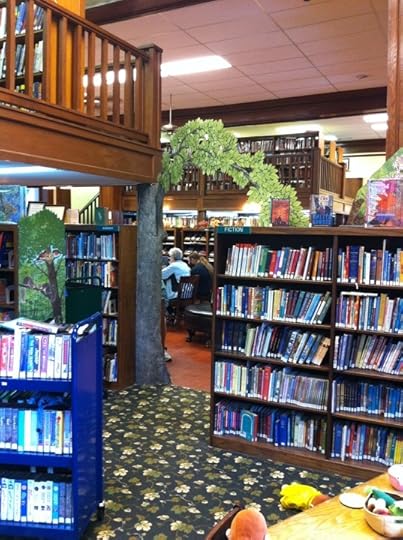

Several times I’ve blogged about the public library in Eureka Springs (AR) established with funds from the Dale Carnegie Foundation. (February 2016 and July 2016, NancyHartney.com). With special glee, I found this very library in Remote Access: Small Public Libraries in Arkansas by Sabine Schmidt and Don House (2021). The book sports an introduction by Robert Cochran, Center for Arkansas and Regional Studies, University of Arkansas, Fayetteville. Constructed from a deep well of passion for Arkansas culture, her rural communities, and personal interviews, the book offers is a priceless coffer of text and photographs. There is a certain nostalgia and joy in examining rural places and in finding a richness to the people that populate them. Remote Access is available through the University of Arkansas Press.
Not only have I loved books forever, been a book club leader, and collected more personal books that I have shelf space for, but I have also published three books and working on a fourth. As communities disappear, books go out of print, and cyber-media gobbles up time and energy, printed books still open hearts, minds, and adventures to those that read.
March 11, 2022
Using Ghosts to Explore Structure
During an early February post, I commented on Amor Towles’ novel, The Lincoln Highway, and its structure. Exploring structure from a different angle is Emily Hauser’s For the Most Beautiful, a retelling of Homer’s Trojan Wars epic.
Hauser’s tale deviates from Homer’s telling by examining the wars through the eyes of the women of Troy. Like Towles, Hauser uses multiple voices and POV characters. She offers a chorus of gods and goddesses who toy with mortals, directing their fates, while they sit on Mount Ida conversing among themselves.
Ghosts or other beings often serve as a chorus in modern novels. In my novel, If You Walk Long Enough, ghosts appear to Reid. His inner conflicts are not created by these ghosts but become the catalysts which cause him to question his actions and decisions. One ghost appears to Reid during the hour of the wolf—midnight—initially as a phone call, but later as a disembodied voice. This male voice challenges him to remember the war years, but more importantly, to examine his own actions.
The apparition of his Vietnamese lover approaches him throughout the book. She leads him as he crosses the line between the living and the remembered. Additionally, she reflects changes in his relationship with Ellie.
Ghosts of friends and Vietnamese soldiers appear to Reid randomly as he tries to restructure his life and find meaning for those years spent away from home. As time goes by, he sees the ghosts as companions, not to be dreaded, but much like himself, souls seeking peace.
Authors often use this technique to represent contradictory actions and thoughts for their characters. This crossover between the present and other dimensions can lend new depth to your reading and writing.
[image error]Pexels.com" data-medium-file="https://nancyhartney.files.wordpress...." data-large-file="https://nancyhartney.files.wordpress...." data-attachment-id="1899" data-permalink="https://nancyhartney.com/pexels-photo..." data-orig-file="https://nancyhartney.files.wordpress...." data-orig-size="867,1300" data-comments-opened="1" data-image-meta="{"aperture":"0","credit":"","camera":"","caption":"","created_timestamp":"0","copyright":"","focal_length":"0","iso":"0","shutter_speed":"0","title":"","orientation":"0"}" data-image-title="photo of wall art" data-image-description="" data-image-caption="Photo by Tnarg on Pexels.com
" data-medium-file="https://nancyhartney.files.wordpress...." data-large-file="https://nancyhartney.files.wordpress...." srcset="https://nancyhartney.files.wordpress.... 600w,https://nancyhartney.files.wordpress.... 867w" alt="" data-height="1300" data-id="1899" data-link="https://nancyhartney.com/pexels-photo..." data-url="https://nancyhartney.files.wordpress...." data-width="867" src="https://nancyhartney.files.wordpress...." data-amp-layout="responsive" />[image error]Pexels.com" data-medium-file="https://nancyhartney.files.wordpress...." data-large-file="https://nancyhartney.files.wordpress...." data-attachment-id="1892" data-permalink="https://nancyhartney.com/pexels-photo..." data-orig-file="https://nancyhartney.files.wordpress...." data-orig-size="1040,1300" data-comments-opened="1" data-image-meta="{"aperture":"0","credit":"","camera":"","caption":"","created_timestamp":"0","copyright":"","focal_length":"0","iso":"0","shutter_speed":"0","title":"","orientation":"0"}" data-image-title="stone wall" data-image-description="" data-image-caption="Photo by Tobias Bju00f8rkli on Pexels.com
" data-medium-file="https://nancyhartney.files.wordpress...." data-large-file="https://nancyhartney.files.wordpress...." srcset="https://nancyhartney.files.wordpress.... 600w,https://nancyhartney.files.wordpress.... 900w,https://nancyhartney.files.wordpress.... 1040w" alt="" data-height="1300" data-id="1892" data-link="https://nancyhartney.com/pexels-photo..." data-url="https://nancyhartney.files.wordpress...." data-width="1040" src="https://nancyhartney.files.wordpress...." data-amp-layout="responsive" />[image error]Pexels.com" data-medium-file="https://nancyhartney.files.wordpress...." data-large-file="https://nancyhartney.files.wordpress...." data-attachment-id="1877" data-permalink="https://nancyhartney.com/pexels-photo..." data-orig-file="https://nancyhartney.files.wordpress...." data-orig-size="1040,1300" data-comments-opened="1" data-image-meta="{"aperture":"0","credit":"","camera":"","caption":"","created_timestamp":"0","copyright":"","focal_length":"0","iso":"0","shutter_speed":"0","title":"","orientation":"0"}" data-image-title="vintage brown wooden door" data-image-description="" data-image-caption="Photo by Mikey Dabro on Pexels.com
" data-medium-file="https://nancyhartney.files.wordpress...." data-large-file="https://nancyhartney.files.wordpress...." srcset="https://nancyhartney.files.wordpress.... 600w,https://nancyhartney.files.wordpress.... 900w,https://nancyhartney.files.wordpress.... 1040w" alt="" data-height="1300" data-id="1877" data-link="https://nancyhartney.com/pexels-photo..." data-url="https://nancyhartney.files.wordpress...." data-width="1040" src="https://nancyhartney.files.wordpress...." data-amp-layout="responsive" />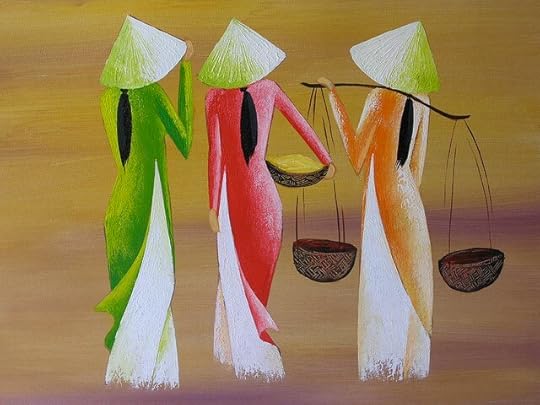
February 12, 2022
Celebrate Caring February 14
Years ago, while traveling in Mexico over Valentine’s Day, I fell into conversation with my Mexican guide about the holiday.
She explained that in Mexico, the day is celebrated as a day to extend friendship, to enjoy special treats with family and amigos. It is not a day of romantic love.
I’ve chewed on that thought over the years and arrived (finally) at two different perspectives. First, if Valentine’s honors romantic love, it seems that a woman as well as a man needs to exchange tokens of their affection. In other words, they give a gift to each other. Either party may initiate the gift.
My second newly burnished perspective enjoys the idea of letting friends and family know I’m thinking of them. A card or short note. A box of candy. An unexpected phone call. A fruit basket. A pack of chewing gum. Tokens of friendship and love need not be grandiose. After all, it’s the expression of caring that counts.


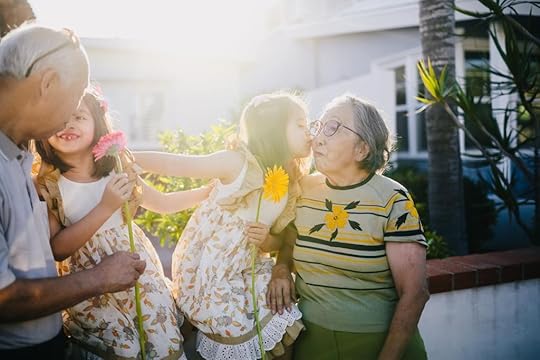 Friends, grandparents and grandchildren, lovers recognize Valentine’s Day as an opportunity to express their affection and caring
If You Walk Long Enough finds Reid and Ellie, like many veterans returning from Vietnam, at a high risk for divorce. When PTSD ((Post Traumatic Stress Disorder) is factored in, the incident of divorce increases.
Reid and Ellie are married five short years— two years before the war, then several years while Reid completes two overseas tours, and a scant eight months upon returning. When he returns in 1970, Reid and Ellie discover they must reexamine their inner lives and their marriage. Cultural expectations and much-changed social mores slam into them. Changed lifestyles, lack of mutual understanding, and adultery are frequent causes of divorce. In many cases, abuse enters the picture.
Least you think this phenomenon unique to the United States, studies have shown that Vietnamese couples also experienced high divorce rates rooted in the same issues post-conflict as Western couples.
Valentine’s Day is celebrated in Vietnam much like in the U.S. Interesting that our two countries have much in common with both the intertwining of love and marriage as well as the slow dissolve of both. Send out those valentine thoughts to lovers, parents, friends, and others this year. It’s a good year to be inclusive.
Celebrating Caring February 14
Years ago, while traveling in Mexico over Valentine’s Day, I fell into conversation with my Mexican guide about the holiday.
She explained that in Mexico, the day is celebrated as a day to extend friendship, to enjoy special treats with family and amigos. It is not a day of romantic love.
I’ve chewed on that thought over the years and arrived (finally) at two different perspectives. First, if Valentine’s honors romantic love, it seems that a woman as well as a man needs to exchange tokens of their affection. In other words, they give a gift to each other. Either party may initiate the gift.
My second newly burnished perspective enjoys the idea of letting friends and family know I’m thinking of them. A card or short note. A box of candy. An unexpected phone call. A fruit basket. A pack of chewing gum. Tokens of friendship and love need not be grandiose. After all, it’s the expression of caring that counts.
Friends, grandparents and grandchildren, lovers recognize Valentine’s Day as an opportunity to express their affection and caringIf You Walk Long Enough finds Reid and Ellie, like many veterans returning from Vietnam, at a high risk for divorce. When PTSD ((Post Traumatic Stress Disorder) is factored in, the incident of divorce increases.
Reid and Ellie are married five short years— two years before the war, then several years while Reid completes two overseas tours, and a scant eight months upon returning. When he returns in 1970, Reid and Ellie discover they must reexamine their inner lives and their marriage. Cultural expectations and much-changed social mores slam into them. Changed lifestyles, lack of mutual understanding, and adultery are frequent causes of divorce. In many cases, abuse enters the picture.
Least you think this phenomenon unique to the United States, studies have shown that Vietnamese couples also experienced high divorce rates rooted in the same issues post-conflict as Western couples.
Valentine’s Day is celebrated in Vietnam much like in the U.S. Interesting that our two countries have much in common with both the intertwining of love and marriage as well as the slow dissolve of both. Send out those valentine thoughts to lovers, parents, friends, and others this year. It’s a good year to be inclusive.
February 1, 2022
Common and Uncommon Ground
In writing about slave gardens, I realized how much my family farm lifestyle pulled from slaves and other tillers of the soil. A significant difference being the white family farm was chosen.
I need to pause here and recognize that Black farmers, after the Civil War and during the Great Depression, were swindled out of their property, land, and livelihood. In effect, they lost their “forty acres and a mule.” The Dustbowl era further destroyed subsistence farms—white and non-white—alike. The Great Migration of non-whites North (1916-1970) exacerbated the erosion of land ownership and lifestyles. Not until the late 1990s was agriculture credit extended to farmers of color, thus offering a slow return to farming lifestyles.

 [image error]Pexels.com" data-medium-file="https://nancyhartney.files.wordpress...." data-large-file="https://nancyhartney.files.wordpress...." data-attachment-id="2574" data-permalink="https://nancyhartney.com/pexels-photo..." data-orig-file="https://nancyhartney.files.wordpress...." data-orig-size="1144,1300" data-comments-opened="1" data-image-meta="{"aperture":"0","credit":"","camera":"","caption":"","created_timestamp":"0","copyright":"","focal_length":"0","iso":"0","shutter_speed":"0","title":"","orientation":"0"}" data-image-title="herd of hen" data-image-description="" data-image-caption="
Photo by Brett Jordan on Pexels.com
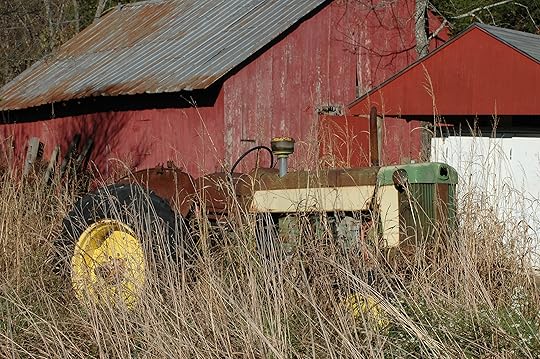
" data-medium-file="https://nancyhartney.files.wordpress...." data-large-file="https://nancyhartney.files.wordpress...." srcset="https://nancyhartney.files.wordpress.... 600w,https://nancyhartney.files.wordpress.... 900w,https://nancyhartney.files.wordpress.... 1144w" alt="" data-height="1300" data-id="2574" data-link="https://nancyhartney.com/pexels-photo..." data-url="https://nancyhartney.files.wordpress...." data-width="1144" src="https://nancyhartney.files.wordpress...." data-amp-layout="responsive" />My 80-acre family farm, produced tobacco, cotton, and hogs. We raised enough field corn to feed our hogs. We also planted a one-acre home garden. Both endeavors carried the farm through a full year. We bought flour, eggs when the hens stopped laying and molted, oranges, grapefruit, apples, and other fruits we could not grow. Black-eyed peas, okra, butterbeans, corn, and my favorite, vine-ripened tomatoes, were raised, eaten fresh in summer and frozen or canned for winter months.
We milked our own cow and slaughtered a calf annually. We were not as fond of pork, so when selling the shoats, only bought back the chops and bacon from one pig. We traded fall squash and pecans to the neighbors for their summer watermelon and cantaloupe.
Town kids dreaded school starting as it ended their carefree vacation days. But, as a farm kid, I looked forward to September and a return to school and less time for field work. Homework, no matter the amount, was preferred over the fields and, although evening chores loomed year-round, I considered them light duty.
Over time, Mother stopped milking our cow, Pansy. Barnyard chickens were no longer raised. Gradually, the home garden got smaller, and cash crop allotments were leased out. Daddy focused on swine and corn production.
Later, Mother earned her teaching credential by driving sixty miles, from our farm to Tallahassee to attended Florida State University, three days a week. She shared a ride with two other students—called non-traditional students in today’s lexicon—and graduated in two years. After graduation, Mother served as the American history teacher in the local, segregated high school. Not until I left my home community to attend college, was the high school integrated.
Autobiographical glimpses of that family farm seasoned with a healthy dose of fiction can be found in my short story collections and my novel. All are available through bookstores and community libraries near you.
January 23, 2022
Thoughts on Garden Planning Time
‘Tis frigid outside and the wind cuts through all but the thickest coat. I walk down the hill (it’s a long hill) to collect mail from my rural delivery, muttering a little exercise is better than none, albeit cold.
Today’s walk rewards me with a seed catalogue. Winter, a resting and recovering time from harvest and holidays. With the winter solstice a month behind me, I find myself beginning to plan a garden. My spring and summer garden. Vegetables and flowers. I’m also thinking (again!!) about having chickens and bees. Well, maybe one or the other, not both. More on that later.
I page through the catalogue pondering over new seed varieties, old standards, and bare root berry bushes. Nut tree starts and flowering bushes, pictured full grown, dazzle me. Cold weather onions, carrots, and lettuces to be planted March stare at me from the pages next to June’s tomatoes, peppers, and okra. Editable vegetables. The kind found in slave gardens, aka home gardens.
[image error]Pexels.com" data-medium-file="https://nancyhartney.files.wordpress...." data-large-file="https://nancyhartney.files.wordpress...." data-attachment-id="2584" data-permalink="https://nancyhartney.com/pexels-photo..." data-orig-file="https://nancyhartney.files.wordpress...." data-orig-size="867,1300" data-comments-opened="1" data-image-meta="{"aperture":"0","credit":"","camera":"","caption":"","created_timestamp":"0","copyright":"","focal_length":"0","iso":"0","shutter_speed":"0","title":"","orientation":"0"}" data-image-title="woman watering plants" data-image-description="" data-image-caption="Photo by Anna Shvets on Pexels.com
" data-medium-file="https://nancyhartney.files.wordpress...." data-large-file="https://nancyhartney.files.wordpress...." srcset="https://nancyhartney.files.wordpress.... 600w,https://nancyhartney.files.wordpress.... 867w" alt="" data-height="1300" data-id="2584" data-link="https://nancyhartney.com/pexels-photo..." data-url="https://nancyhartney.files.wordpress...." data-width="867" src="https://nancyhartney.files.wordpress...." data-amp-layout="responsive" />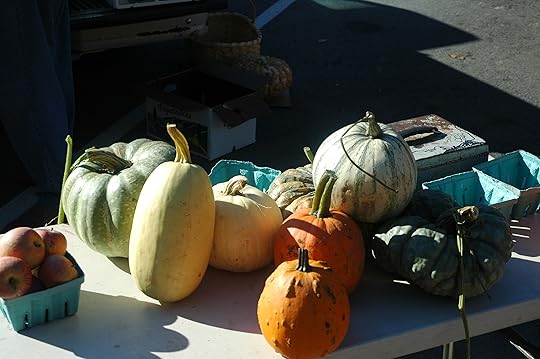
 [image error]Pexels.com" data-medium-file="https://nancyhartney.files.wordpress...." data-large-file="https://nancyhartney.files.wordpress...." data-attachment-id="2602" data-permalink="https://nancyhartney.com/pexels-photo..." data-orig-file="https://nancyhartney.files.wordpress...." data-orig-size="1880,1254" data-comments-opened="1" data-image-meta="{"aperture":"0","credit":"","camera":"","caption":"","created_timestamp":"0","copyright":"","focal_length":"0","iso":"0","shutter_speed":"0","title":"","orientation":"0"}" data-image-title="close up view of a person holding okras" data-image-description="" data-image-caption="
Photo by Prateek Nuti on Pexels.com
" data-medium-file="https://nancyhartney.files.wordpress...." data-large-file="https://nancyhartney.files.wordpress...." srcset="https://nancyhartney.files.wordpress.... 600w,https://nancyhartney.files.wordpress.... 900w,https://nancyhartney.files.wordpress.... 1200w,https://nancyhartney.files.wordpress.... 1500w,https://nancyhartney.files.wordpress.... 1800w,https://nancyhartney.files.wordpress.... 1880w" alt="" data-height="1254" data-id="2602" data-link="https://nancyhartney.com/pexels-photo..." data-url="https://nancyhartney.files.wordpress...." data-width="1880" src="https://nancyhartney.files.wordpress...." data-amp-layout="responsive" />Calvin and Mary Terrell, Black farmers in my novel, If You Walk Long Enough, live on a small plot of land with their son Joe. While they are independent farmers, they are nonetheless at the mercy of white store owners and bankers. They decline to raise anything but food crops—it’s a practical matter and a nod to their African heritage.
An often-overlooked fact in slave chronicles is that of gardens. Most slave days were spent working the fields for a white master growing tobacco, cotton, sugar cane, rice, or indigo—money crops. Planters, be they Southerners or not, invested in things that could be sold and thus increase their wealth.
Sundays, an exception to the endless toil, were a day of rest for the white owners and slaves. Often allowed a small patch of ground near their row housing, non-free persons were granted permission to use this patch as they chose. Most planted edible plants which nourished the body and fed the soul simultaneously.
Seeds from African foods brought by slaves or indentured servants during the 1600s included lima beans, yams, okra, and black-eyed peas. Over time watermelons, coffee (from Ethiopia), rice and the custom of deep-frying of foods became common in the South.
[image error]Pexels.com" data-medium-file="https://nancyhartney.files.wordpress...." data-large-file="https://nancyhartney.files.wordpress...." src="https://nancyhartney.files.wordpress...." alt="" class="wp-image-2315 size-full" srcset="https://nancyhartney.files.wordpress.... 723w, https://nancyhartney.files.wordpress.... 108w, https://nancyhartney.files.wordpress.... 217w, https://nancyhartney.files.wordpress.... 768w, https://nancyhartney.files.wordpress.... 939w" sizes="(max-width: 723px) 100vw, 723px" />The plantation owner’s reason for such benevolence was not a matter of kindness but of self-interest. Overall owner food costs were reduced when slaves were allowed to grow and consume their meager produce thus making them more self-sufficient. Extra produce could be sold, the money pocketed by the slave; or shared with the owner.
Second, gardens gave slaves a modicum of incentive to stay on the plantations. Even a small bit of their own property was deeply valued as was the addition to their diet.
If You Walk Long Enough gives a nod to gardens and edible produce as depicted in several chapters featuring the Terrell family. The book is available at booksellers nationwide and your local library.