M.L. Nichols's Blog
September 7, 2021
Kindergarten Checklist
The to-do lists look similar – fill out forms, get school supplies, try on clothes, wonder how they got so big so fast, buy new shoes, get ready for Welcome Day – but the emotions change daily.
No matter how excited your child appears to be for Kindergarten – or how ready you think you are – it’s a big milestone for kids and parents. Beneath all the stuff to do for school, feelings lurk. And they range from “I can’t wait!” to “I’m scared of those big kids on the bus.”

Five-year-olds don’t recognize their emotions – they act them out. Even adults harbour feelings they aren’t aware of, whether it’s your first child heading off to Kindergarten, or your last. As your child branches up and out to their big first day of school, I offer five tips to help keep those emotions in check. The acronym V-TREE makes them easier to remember.
1. VISIT the new school more than once. It’s important for your child to see their school, the playground and the cafeteria before they start. The more times you visit, the smaller and less scary “school” will feel. Kids love to visit the gym, the office, the bathrooms. Do a practice walk to school or drive the bus route. Some schools host a “Ride the Bus” day, or a “Countdown to Kindergarten” – transition programs for kids and parents to get to know each other. If your child’s school doesn’t do this, grab a friend and do an informal visit. Most schools accommodate visiting days. Children also love to show relatives around their “new school” once they are comfortable with it.
2. Talk about TRANSITIONS. In most Kindergarten programs, your child will transition far more than they ever did in preschool or daycare. From the bus to the classroom, from reading to math, recess to lunch, and back to reading again, off to a “special,” (art, gym or library) back to class to pack up and head back to the bus, every day. That’s a lot of transitions for a five-year-old. Remind your child there will always be an adult nearby to help them. Talk about recess, going to the bathroom, and eating in the cafeteria. For my kids, that tray in the cafeteria line was frightening. When we talked about it, I realized they’d never used one before so we headed to a cafeteria-style restaurant that night. Amazing what we learn when we take the time to listen to our children and ask questions.
3. READ for at least twenty minutes a day. Shower your child with a waterfall of words – books, conversations and stories – as much as you can. Reading to, with, and in front of your child, every day is the most important activity you can do to get your child ready for Kindergarten. Keep it fun. Ask questions about what you’re reading, the characters, and touch on ways the story might connect to your child’s life. Read picture books; praise your child’s “pretend” reading. Let them catch you reading on your own. Most importantly, keep reading with your children after they can read themselves. Click here to see the five secrets to a better reader.
4. EMPATHIZE with their emotions. Starting Kindergarten is an exciting time but let your child know it’s also okay to feel a little scared. Ask them to draw a picture of their feelings. Typical five-year-olds fear mean teachers, walking to the bathroom alone, not knowing an answer or finding friends at recess. Remind them that other kids are afraid of the same things and there will always be adults around to help. If your child worries about negative comments about their teacher, assure him that each family has a different experience with each teacher.
If you’re nervous about your child’s year, be careful that your feelings don’t taint your child’s natural enthusiasm for school and learning. Find another adult who will listen to and empathize with your concerns. This is important because if when children pick up on a parent’s stress, they become more anxious themselves.
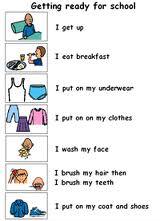
5. ESTABLISH a different routine in your family for school nights. Starting easy-to-follow habits in Kindergarten will save you time, conflicts, and missed buses down the road. Take it from a mom whose kids missed a few buses. Backpacks ready, clothes laid out, and visual reminders make for better mornings. Going to bed earlier the week before school starts is a great way to gradually move into the 10-11 hours of sleep elementary age kids need for their brain to function best.
Starting Kindergarten is an exciting, emotional time for everyone. Enjoy it!


Getting Kids Organized
I’ve been there. Maybe you have to.
You walk into a neighbour or friend’s home and think, “Ugh. How can this house look immaculate when she has three kids and works full time!?”
What keeps that home so together is a trait called “executive functioning.” It’s a skill – planning, organizing and completing simple or complex tasks – that some of us have more DNA for than others. It’s also a trait that our children inherit that either wrecks havoc on schoolwork, desks, and backpacks – or propels them straight to the exemplary column.
My DNA for executive functioning (EF) trailed far behind my sister’s – who inherited enough for three of us. So I had to compensate for this missing link. I’ve taken courses, hired coaches, and sat in conferences to learn the magic of getting and staying organized – two very different animals. I’ve learned a lot.
First, your kids are either born with strong EF skills or they’re not. If they lined up their shoes and toys when they were toddlers or intuitively knew how to put toys back, their brain is wired for the organization. You won’t have to do too much to help them along in the homework, desk patrol, and clean-out-the-backpack arena. A simple reminder will usually work – or a set day of the week to do it. Until they become teens and their EF skills hibernate.

If they didn’t get that EF trait, it’s our job as parents to help those adorable but dishevelled and disorganized children build skills so they can still thrive in school. The good news is that all the frustration, effort, and patience it takes you is an investment in their future. Your kids will need these skills in college, in future jobs, and yes, to coach their own kids.
Sarah’s STOP
One of the organizational resources I tapped is an executive function expert named Sarah Ward. She gives an amazing talk about EF skills and how to acquire them. One of her flagship ideas is called STOP. It’s a great technique for kids who struggle reading social and spatial cues – and the precursor to getting more organized.
STOP stands for Space, Time, Objects, and People. Use it to coach your kids on how to better orientate themselves (situational intelligence): Stop – Where am I, what do I need to have with me here?; Time – What is happening now? Later?; Objects – How is the room organized?; People -What are people’s facial expressions and body language telling me? Once they master STOP, they will be on their way to conquering tasks like being ready for gym class, getting homework finished and turned it, and cleaning their rooms! Read more about Sarah Ward’s program here.
PAVE the way to organization
A pneumonic I created to help keep kids more organized is PAVE the way to organization. P = Picture it (originated by Sarah Ward); A = Agenda Action; V= Visual maps; E= External structures. The first three steps require your child to do the work once you establish the foundation; the last step is the parents’ role.

Picture it means visual prompts – photos – of what your child’s desk, backpack, bedroom, cubby, and “ready-to-go” state ideally looks like. Take photos and attach them to doors, bathroom mirrors, desks, backpacks, and sports bags to serve as reminders. Most kids respond well to visuals. Ask your kids if they match the picture or if their backpack, bedroom, or desk matches up. No more nagging is needed.
Agenda & action is for third graders and up who use a weekly school calendar to organize their work. An agenda is a great tool but only as good as the words written down and sequence of action followed. Show your child how to write down when a project is due or a test is scheduled AND the action steps needed to prepare for that day. This is a step most teachers don’t have time to teach. Coach them to use it daily.

Visual maps are similar to corporate mind maps and graphic organizers that kids use for prewriting. But instead of using words, kids use pictures of their thoughts and ideas to create outlines for reports, projects, and presentations. This helps them visualize the concept or what they will write about. Visual maps also work for spelling words, math story problems, and book reports.
External Structures are verbal supports from a parent that encourage children and keep them motivated. These include previewing (being proactive and alerting your child to what’s ahead), reviewing (revisiting and praising the progress and effort made or what might be done differently next time), and reminding (gentle nudges – not nagging – about events, activities, homework, etc. that need attention).
Connecting to Your Child’s Teacher
Ever wonder what it really takes to start out on the right foot with your child’s elementary teacher?
While many parents think it means volunteering in the classroom and showing up for parent-teacher conferences, building a positive relationship with teachers actually begins with what you do at home to connect to your child’s education.
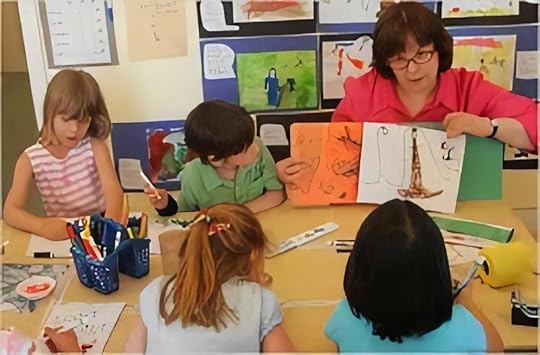
Teachers know which families support their children’s learning — and which do not. That’s because it shows up in the classroom every day through students’ work and the stories they tell. Just as your kids talk about school at home, children come to school innocently sharing stories about what mom or dad said about school, homework and teachers. And research shows, not surprisingly, that teachers have higher expectations for students whose parents are involved in their child’s education in productive ways.
Here are four ways you can show respect for and build a positive relationship with your child’s teacher:
1. Do your part: Teachers need your help with the basics and get frustrated when that doesn’t happen: Fill out school forms before the deadline – teachers and schools need this information to connect with your child; read the teacher’s newsletter so you know what’s going on in the classroom; get your kids to school on time every day, and fuel their little brains and bodies for learning. Make sure your children get 10-11 hours of sleep and eat a healthy breakfast every morning (protein, healthy carbs and less sugar) so they can concentrate, process and retrieve information for six and a half hours. Sleep and diet impact your child’s behaviour and learning more than most of us realize. Teachers notice and appreciate when parents prioritize these basic needs.
2. Connect with your child’s reading and homework:
Teachers also know which parents are reading with their kids and supporting homework in productive ways. One of the greatest gifts you can give your children(and their teachers) is reading to, with or in front of them throughout their elementary years. Finding just 15 minutes to read every day influences your child in many ways. Read the class newsletter or website so you can reinforce at home what your kids are learning at school. Make sure homework is done, but don’t do it yourself – or correct it. Homework helps teachers identify which kids understand the material and which need a reteach.

3. Communicate effectively: Everything you write or say to your child’s teacher either strengthens or weakens the bridge you’re building. How you communicate with teachers plays a big role in whether your concerns are heard — and how quickly they are addressed. Use my Power of P3 to keep messages focused and productive. Start out on a Positive note whether you’re communicating via note, email, phone or in person. Be Professional (polite and respectful in your observations and feelings) and Persistent when needed. Discuss difficult issues on the phone or in parent-teacher conferences, not via email. And never go over the teacher’s head without letting him or her know you plan to do so. It’s not always easy to follow P3, especially if you feel frustrated about your child’s situation. But when blame and accusations seep into your communication, teachers will defend their actions rather than respond to your concerns.
4. Say “thank you” in words and actions: With higher standards, new teacher evaluations, and endless testing, teachers are under a lot of pressure today. Acknowledge and support their efforts by sending a thank-you note or saying thanks when you see them. Even better, have your child write a thank-you note. If you can, send in materials when teachers ask for them. Most teachers spend their own money on classroom supplies and appreciate whatever parents can give. And if you do have the time to volunteer in the classroom or at school, be as helpful as you can.
Showing up for conferences and volunteering in the classroom is important, but need to be combined with the above to build a positive relationship with your child’s teacher. And the beginning of a new school year is a perfect time to start.
A Parent Quiz on Schools & Education
I was thrilled that The Boston Globe asked me to write a quiz on parent involvement in education. It appeared in the September 14th edition of their G magazine. I’ve posted it here so you can test yourself.
And yes…the answers are included:
During the school year, it’s the most-asked question in American homes, echoed by millions of parents, five days a week: “How was school today?,” usually followed by “Is your homework done yet?” And the inevitable, droning answers: “Fine.” “Nope.”
At this point, some tired families acquiesce; others brace for homework meltdowns; and still others jump in and overdo it.
Most parents know it’s important to participate in their children’s education, and scores of studies from major American universities support the finding that kids do better in school when their parents are involved. But what does getting involved actually mean? What’s the best way to connect to your child’s learning with the little time you have? How do you help your kids succeed in school without getting too close to the process?
While our children soon will sweat through their initial benchmark tests, it’s only fair that parents take their own back-to-school quiz. How do you score when it comes to being involved in your child’s education? Take this test and see.
1. Three of the following statements are true. Which one is false?
a. Teachers hold higher expectations for students whose parents are involved in their education.
b. Reinforcing at home what your kids are learning in school has a greater impact on their education than attending a fund-raising activity.
c. It’s helpful when parents correct their child’s homework before they turn it in.
d. The gifts teachers appreciate most are thank-you notes from parents or students and classroom wish-list supplies.
Answer: c. Correcting your child’s homework gives teachers a false impression and ultimately hurts your child; teachers use homework to gauge which students need more instruction, which are ready to move on, and whether the lesson was effective.
2. The best strategy for raising a child who likes to read is to:
a. Remove all picture books from your child’s bookshelves.
b. Introduce a phonics-based program to your child before kindergarten.
c. Prod your child up the ladder of early readers through first grade.
d. Read to, with, and in front of your child at least 15 minutes every day until they’re in middle school.
Answer: d. Research confirms that reading daily (anything — books, magazines, sports pages) with your child in a fun, bonding, and expressive way is the most important thing you can do because kids will associate reading with pleasure.
3. New brain studies indicate the most effective way to study for a test is to:
a. Highlight key facts and read the material over multiple times.
b. Write out the concept or questions with answers and examples in your own words; quiz yourself regularly for at least a week before the test.
c. Review the answers at the back of the chapter orally.
d. Both a. and c.
Answer: b. Because the brain is a muscle that grows stronger with use, having students write out questions, then retrieve information and connect the dots repeatedly is more effective than passively reading or listening.
4. New public-school standards for learning (called the Common Core State Standards Initiative) will launch this fall in Massachusetts. What changes will this trigger in your child’s curriculum?
a. More nonfiction reading and persuasive writing in all grades.
b. Showing more work in solving math problems.
c. A higher level of critical thinking and deeper understanding.
d. A new standardized test in English and math.
e. All of the above
Answer: e. The initiative, which has been fully adopted by 45 states, seeks to standardize and improve education across the nation.Common Core benchmarks will be supported by one of two new standardized tests in the 2014-15 school year.
5. Which of the following strategies will not help you build a positive relationship with your child’s teacher?
a. Filling out forms and permission slips on time.
b. Reading the class newsletters and reiterating key messages at home.
c. Making sure homework is finished every day.
d. Sending the teacher a comprehensive e-mail detailing a problem along with your proposed solution.
e. Volunteering to help in the classroom or with trips when possible.
Answer: d. E-mail is not an effective way to discuss issues. When there’s a conflict with your child that needs to be resolved, send a brief e-mail to the teacher stating your concern, your questions, and a request to talk or meet.
6. Match up learning style with corresponding characteristics. Which characteristics are associated with: visual (spatial) learners, physical (kinesthetic) learners, and auditory (language) learners?
a. Process and learn through what they hear; they prefer to verbalize ideas.
b. Learn best through images and words they see; they tend to notice details.
c. Learn best by what they do and experience; they prefer hands-on projects.
Answer: Visual learners learn best through (b.) images and creating pictures in their mind; physical-kinesthetic learners like to (c.) touch, feel, and use their hands; auditory learners learn by (a.) what they hear and prefer to recite spelling words orally. Most children learn in a combination of ways but lean toward one style. Understanding how your child learns can help you support homework, projects, and studying.
7. Overloaded school backpacks cause more than 20,000 back injuries per year. Which statement is not true? The ideal student backpack should:
a. Weigh no more than 10-15 percent of your child’s total body weight when packed.
b. Have wide padded shoulder straps and a hip strap to distribute weight.
c. Not hang below the waist or hip line.
d. Include wheels so it can be pulled around school or carried.
e. Keep the heaviest books closest to the back.
Answer: d. Many schools don’t allow rolling backpacks because they’re a hazard in crowded hallways.
8. Praising hard work and effort leads to a more confident, competent child. True or false?
Answer: True. Research shows that simply praising a child’s “smarts” is counterproductive because the child may develop fear that they could lose their “smart” label if they fall short on difficult challenges — and begin avoiding them. Praising progress and hard work motivates kids because effort is a factor they can control, and it reinforces the message that learning and improvement is achievable.
9. Which statements are true about fueling your child’s brain and body?
a. An overload of simple carbohydrates (sugar cereals, juice, junk food) negatively affects concentration and behavior.
b. Some research suggests foods like blueberries, tomatoes, broccoli, kale, fish, eggs, whole grains, walnuts, flaxseed, and pumpkin seeds may enhance your child’s brainpower.
c. Chemicals released during exercise help improve concentration, motivation, and learning.
d. Elementary age children need 10-11 hours of sleep per night; teens need 9.25 hours to optimize learning.
e. All of the above
Answer: e. Diet, exercise and sleep affect your child’s ability to process, learn, and retrieve information .
10. Which three statements or questions are more likely to result in a constructive conversation with a teacher?
a. “What are you doing to stop that bully from beating on my child?”
b. “I’m wondering what else we can do to make sure Emily doesn’t fall further behind?”
c. “I know many other parents in this class who feel the same way I do.”
d. “Sam feels intimidated on the playground; he doesn’t feel safe at lunch.”
e. “We’ve noticed Alex finishes her homework very quickly; are you seeing this in class?”
Answer: b, d, e. Keep communication positive and professional by sharing your child’s feelings, behaviors, or your own observations. When teachers feel accused or blamed, they are more likely to focus on defending their actions instead of helping your child.
11. Which strategies help minimize homework meltdowns:
a. Help your child break down work into sections so it’s not so overwhelming.
b. Carve out time for play or unstructured activities so your kids can process their busy day.
c. Alert teachers if your child’s homework takes far more time than the accepted 10 minutes per grade (e.g., 40 minutes, fourth grade) without breaks.
d. Encourage your kids to use online videos and podcasts and also their siblings to explain or reinforce lessons rather than mom or dad.
e. All of the above
Answer: e. In addition to involving your child in the decision about where and when homework is done and providing a well-stocked homework supply bin, all these strategies will help keep thingson a positive track.
12. What are the two best ways to help kids stay organized for the school year?
a. Preview, review, and remind — but don’t rescue.
b. Invest in an agenda notebook in first grade, so they begin writing in a calendar and develop early habits.
c. Pack your child’s backpack before school and clean it out each week so they have a fresh start.
d. Display visuals that show kids what a clean desk, backpack, picked-up room, and “ready to go” look like.
Answer: a, d. Many kids need to make mistakes before they can take full responsibility for their schoolwork and belongings. Don’t do for your child what they can do. Even 6-year-olds can pack their own backpacks.
If you got 11 or 12 answers correct, congratulations! You’re doing a terrific job of supporting your child’s education. If you answered eight to 10 questions correct, don’t fret, because most parents are right here with you. If you managed seven or fewer, the good news is that you probably picked up some tips to give you a hand in helping to make your child a better student. And the beginning of the school year marks a great time to start.
10 Steps to Fewer Homework Meltdowns
It’s an all too familiar scene for many families.
Homework overload. Exhausted kids spending too much time on homework – or doing everything but homework. And stressed-out parents who just want it done.
Amidst the ongoing debate around homework (how much is too much, how long should it take, is it even necessary) lies the harsh reality that it’s still assigned in 99% of schools and needs to be done. I’ve written about why I think homework is important. Now, I’ll share ten things you can do to help your family avoid those dreaded homework meltdowns.
Steps 1-3 are proactive ways you can create a positive atmosphere around homework in your family. Steps 4-10 are strategies you can use to help your child stay focused.
 Talk to your kids about homework – Remind them why it’s important and reinforce this message throughout the year. When kids understand that homework is a priority in your family, and that it needs to be finished every night, they’re more likely to do it without a hassle.Honor homework time in your home. After kids reconnect, play and process their day, create a homework hour in your house. Turn off electronic distractions. While older students might prefer to do homework in a quiet room away from you, younger kids may not be ready for that. Sit them at a central counter or table to do their work while you do your work.
Stock a homework basket, caddy, or shelf with all the supplies your kids will need. This eliminates excuses and lots of up and downs that chip away at time. Keep pencils sharpened, glue sticks closed, and staplers filled. It also helps to stock pencils, poster board, index cards, and writing paper.Do regular check-ins. When you check up on your child’s progress, rather than him coming or calling to you every other minute, he’ll focus more on his work rather than getting you to his side. If your child is 7, tell her you’ll do a check every 7 minutes; if 8, do an 8 minute check. This also lets kids know you’re paying attention and helps to build their independence.Split it into sections. If your kids get overwhelmed, help them break their homework into parts. Separate it by subject or section so they can see each part and complete them one at a time. If they put each section back when it’s finished, they will see themselves making progress.Stay neutral. It’s tough to stay unemotional when you have feelings about certain subjects, but it’s important to try. Some moms have a tendency to downplay their abilities in math and science. Likewise, dads may relegate English work to moms. Try not to convey messages that pigeonhole gender and subjects. It’s also helpful to stay calm and positive when your child starts to get frustrated.Guide, don’t do. Resist giving your children the answers. Instead, ask a question that will lead them to the answer. Or take a “lets figure this out together” approach. Teachers need to know which students understand the curriculum and which need a reteach. Show your child one of the many online resources available now in math, science, English and more. You’ll find lots of them (and the answers!) in The Parent Backpack resource section.Take breaks on the downhill. Some 4th graders can sit for 40 minutes and do homework; most cannot. If you teach your children to take a break after a hard part, or when they come to an easier section, they are more likely to get back to the work quicker. It’s counter intuitive, but it works.Communicate with the teacher. The recommended amount of homework is usually 10 minutes per grade, with first grade at 15 minutes. Most teachers appreciate a heads up if your child is struggling with the amount or level of homework. Send a short email with your concern or jot down a note on the homework. Letting the teacher know it was done with help, or he did not understand the work is key so your child gets the needed reteach.Make connections to what your kids are learning.The more ways a child sees and hears information, the more likely she is to retain it. If the homework is on measurement, encourage kids to measure toys, their rooms, or siblings. If he is studying space, visit a planetarium or take out a library book about an astronaut. More connections to real life = deeper learning.
If you can do these ten steps on a regular basis, you’re likely to find a quieter home at homework time. It’s not always easy, but it’s doable. For some guidance on how to handle those long-term homework assignments, or that daunting school project, this post may help you. Next week, I’ll share tips on helping your kids get organized
October 30, 2013
Minimize Those Homework Meltdowns
Boston Parents Paper recently published an excerpt from The Parent Backpack for Kindergarten through Grade 5 – Guiding Homework, Projects and Studying – in their Education Enrichment Guide.
For tips and strategies on how to minimize those homework meltdowns…and help your kids learn study skills, click here: Motivate your child to learn
To order a copy of The Parent Backpack for Kindergarten through Grade 5 or for more information about the book, visit www.theparentbackpack.com/book. For homework resources, including online video lessons, visit www.theparentbackpack.com/resource-room/
And if you’re looking for good questions to ask at your upcoming parent teacher conference, click here.
Helping Kids with Homework and Studying – Take 2
 Boston Parents recently published an excerpt from chapter 12 in The Parent Backpack for Kindergarten through Grade 5 – Guiding Homework, Projects and Studying.
For tips and strategies on how to minimize those homework meltdowns and help your kids study, click here: Motivate your child to learn
To order a copy of The Parent Backpack for Kindergarten through Grade 5 or for more information about the book, visit www.theparentbackpack.com/book. For homework resources, including online video lessons, visit www.theparentbackpack.com/resource-room/
If you’d like information on upcoming events for The Parent Backpack, click here. And if you need questions for your upcoming parent teacher conference, click here.
October 25, 2013
Helping Kids with Homework & Study Skills
Boston Parents Paper recently published an excerpt from chapter 12 in The Parent Backpack for Kindergarten through Grade 5. I’m reprinting that here to give you some tips and strategies on guiding homework and studying.
[image error]
[image error]
[image error]
To order a copy of The Parent Backpack for Kindergarten through Grade 5 or for more information, visit www.theparentbackpack.com. For homework resources, including online video lessons, visit www.theparentbackpack.com/resource-room/
If you’d like information on the next workshop for The Parent Backpack scheduled for November 5th, click here. And if you need questions for your upcoming parent teacher conference, click here.
October 22, 2013
Get Ready for Parent-Teacher Conferences
 For some parents and teachers, conference time is an uncomfortable, awkward or stressful exchange of information. But it doesn’t have to be. With a little preparation, you can turn your parent-teacher conference into a productive dialogue that actually helps your child.
Most public schools today sandwich parent-teacher conferences into a revolving door of fifteen-minute blocks. Knowing you’re one of 12 meetings in 3 hours or that the next-in-line parent is peering through the classroom door window waiting their turn is not the ideal situation to build connections with your child’s teacher. But a parent-teacher conference is an important touch point. Making time to attend the meeting also sends a critical message to your kids – and their teachers – that you’re involved with and care about your child’s education.
If you can’t make the proposed conference times, email the teacher and politely request another option. By union contract, parents must have access to their child’s teacher to discuss academic progress at a time that mutually works for both of you – and it must be conducted in the parent’s preferred language.
 Listen Well and Respect Both Experts
As the parent, you have in-depth knowledge of your child that a teacher can’t possibly acquire in a few weeks or months. Remember, you are your child’s first teacher. You’re the expert on his strengths, quirks, and what makes her tick. On the flip side, your child’s teacher is trained to know what is socially, emotionally, and academically appropriate at this grade level and knows your child best in a group setting. Respect both positions and listen carefully. Take notes. Listen to what is said and what is not said. The more sharing that happens – the more candid and respectful the dialogue between teacher and parent – the more likely your child will thrive this school year.
 Use P3: What Positive, Professional and Persistent looks like:
If you follow the Power of P3, you’re more likely to get your concerns addressed and your child’s needs met. Start out POSITIVE (I’m confident we can resolve this situation together; or Luke loves it when you use baseball examples in class). Be PROFESSIONAL (Polite and Respectful in your Observations and Feelings). This means keeping your language focused on your child’s feelings or your own feelings and observations rather than what the teacher or another child is doing or not doing. (I’m concerned…Aidan is feeling overwhelmed…Jamie seems to be struggling with the reading homework….Henry doesn’t feel safe in the cafeteria…Kara is very unhappy with her seat change). Finally, be PERSISTENT when necessary. P3 doesn’t mean you are superficial or avoid problems. It’s a tool that helps you bring up issues so teachers hear your concerns and take action rather than feel blamed and defend their previous actions.
Here are some questions to keep things positive and focused on solutions for your child vs. criticizing or attacking the teacher. I’ve organized them into three groups depending on whether your child is 1) doing well, 2) struggling, or 3) needing more of a challenge. Not all kids fall cleanly into one group. If you have a specific concern you know you want to talk about, send a short email to your child’s teacher in advance. Teachers appreciate a focused discussion as much as you do.

Jackie is doing well academically; how is she doing socially?
Do Jake’s classmates see him as a leader or a follower? How is he getting along with his friends? Is their one child he is spending more time with?
I’m wondering if Rachel is performing up to her ability; how can we be sure?
Do you see any area that Harry can improve upon? What makes him spark?
Do you have a sense of Mollie’s work ethic? Her attitude toward learning?
What are Joe’s strengths? Weaknesses? What subjects does he gravitate toward?
Have you noticed any other interests that could be encouraged?
If Morgan was your child, what would you ask that I haven’t?
 For the Child Struggling:
I’d like to understand the grade level that Jamie is performing at in reading (or math) and how that compares to grade-level benchmarks.
How often are reading fluency tests given? May I see the results for the past year (s)?
What do you see as the problems or factors contributing to this situation?
Does Luke stay focused or does he need frequent reminders to finish his work?
What other support does the school offer if Sarah is not on a special plan?
What kind of reading instruction support does Sam need? Is it in phonics, fluency, or comprehension? Does the support he gets now focus on this specific area?
At what point would Lucy be tested? What is involved in the testing?
What can we do at home to support these efforts? How often should we do this?
I’m wondering what else we can do to make sure Jill doesn’t fall further behind?
What strengths does Connor have that we can tap to shore up weaknesses?
How does Alex work in small groups? Does she participate in class?
When can we meet again to monitor and follow-up on Chris’ progress?
 For the Child Who Needs More Challenge:
We’ve noticed Abby finishes her homework quickly; are you seeing this in class?
We’re feeling that Philip may need some additional challenges? What are your thoughts on that?
What subjects does Annie excel in and what areas can she improve upon?
What can I do as a parent at home to support Mathew’s curiosity in science?
How is Andrew socially? Does he participate in class? How do his friends interact with him?
Is Tamika a candidate for the school’s gifted program? Should she be tested?
Do you see kids that Charlie might be grouped with so he is more challenged?
If there is disagreement: I’d like to offer my point of view on why I disagree with this assessment of Julia. Could you help me better understand your point of view?
 If your discussion has focused on taking action for your child’s struggles or providing more challenge, then a follow-up meeting may be in order. It might make sense to set up monthly touch points until you’re feeling more comfortable that your child is on track. Or dialogue by email. Do what feels right in your gut and what works for both you and the teacher. But don’t let issues slide; they’ll only get worse.
Much of your success in being involved with your child’s education hinges on how effectively you communicate with the teachers and school staff. If you communicate in a positive, professional way, keeping the focus on your child’s feelings and needs, you are more likely to be successful. If you don’t succeed the first time around, reevaluate and be persistent. Follow up in a positive, professional way using a slightly different approach. Remember that educators, like parents, are busy people. Give them a reasonable amount of time to get back to you. If they don’t, put the Power of P3 to use again. You’ll find if you do this consistently, your efforts will pay off, and your child will thrive.
For more information on parent involvement, or to buy The Parent Backpack for Kindergarten through Grade 5, visit www.theparentbackpack.com.
Ready for Parent-Teacher Conferences?
For many parents and teachers, conference time is an uncomfortable, awkward or stressful exchange of information. But it doesn’t have to be. With a little preparation, you can turn your parent-teacher conference into a productive dialogue that actually helps your child.
Most public schools today sandwich parent-teacher conferences into a revolving door of fifteen-minute blocks. Knowing you’re one of 12 meetings in 3 hours or that the next-in-line parent is peering through the classroom door window waiting their turn is not the ideal situation to build connections with your child’s teacher. But a parent-teacher conference is an important touch point. Making time to attend the meeting also sends a critical message to your kids – and their teachers – that you’re involved with and care about your child’s education.
If you can’t make the proposed conference times, email the teacher and politely request another option. By union contract, parents must have access to their child’s teacher to discuss academic progress at a time that mutually works for both of you – and it must be conducted in the parent’s preferred language.
Listen Well and Respect Both Experts
As the parent, you have in-depth knowledge of your child that a teacher can’t possibly acquire in eight or nine weeks. Remember, you are your child’s first teacher. You’re the expert on his strengths, quirks, and what makes her tick. On the flip side, your child’s teacher is trained to know what is socially, emotionally, and academically appropriate at this grade level and knows your child best in a group setting. Respect both positions and listen carefully. Take notes. Listen to what is said and what is not said. The more sharing that happens – the more candid and respectful the dialogue between teacher and parent – the more likely your child will thrive this school year.
Use P3: What Positive, Professional and Persistent looks like:
If you follow the Power of P3, you’re more likely to get your concerns addressed and your child’s needs met. Start out POSITIVE (I’m confident we can resolve this situation together; or Luke loves it when you use baseball examples in class). Be PROFESSIONAL (Polite and Respectful in your Observations and Feelings). This means keeping your language focused on your child’s feelings or your own feelings and observations rather than what the teacher or another child is doing or not doing. (I’m concerned…Aidan is feeling overwhelmed…Jamie seems to be struggling with the reading homework….Henry doesn’t feel safe…Kara is thrilled with her seat change). Finally, be PERSISTENT when necessary. P3 doesn’t mean you are superficial or avoid problems. It’s a tool that helps you bring up issues so teachers hear your concerns and take action rather than feel blamed and defend their previous actions.
Here are some questions to keep things positive and focused on solutions for your child vs. criticizing or attacking the teacher. I’ve organized them into three groups depending on whether your child is 1) doing well, 2) struggling, or 3) needing more of a challenge. Not all kids fall cleanly into one group. If you have a specific concern you know you want to talk about, send a short email to your child’s teacher in advance. Teachers appreciate a focused discussion as much as you do.
Jackie is doing well academically; how is she doing socially?
Do Jake’s classmates see him as a leader or a follower? How is he getting along with his friends? Is their one child he is spending more time with?
I’m wondering if Rachel is performing up to her ability; how can we be sure?
Do you see any area that Harry can improve upon? What makes him spark?
Do you have a sense of Mollie’s work ethic? Her attitude toward learning?
What are Joe’s strengths? Weaknesses? What subjects does he gravitate toward?
Have you noticed any other interests that could be encouraged?
If Morgan was your child, what would you ask that I haven’t?
For the Child Struggling:
I’d like to understand the grade level that Jamie is performing at in reading (or math) and how that compares to grade-level benchmarks.
How often are reading fluency tests given? May I see the results for the past year (s)?
What do you see as the problems or factors contributing to this situation?
Does Luke stay focused or does he need frequent reminders to finish his work?
What other support does the school offer if Sarah is not on a special plan?
What kind of reading instruction support does Sam need? Is it in phonics, fluency, or comprehension? Does the support he gets now focus on this specific area?
At what point would Lucy be tested? What is involved in the testing?
What can we do at home to support these efforts? How often should we do this?
I’m wondering what else we can do to make sure Jill doesn’t fall further behind?
What strengths does Connor have that we can tap to shore up weaknesses?
How does Alex work in small groups? Does she participate in class?
When can we meet again to monitor and follow-up on Chris’ progress?
For the Child Who Needs More Challenge:
We’ve noticed Abby finishes her homework quickly; are you seeing this in class?
We’re feeling that Philip may need some additional challenges? What are your thoughts on that?
What subjects does Annie excel in and what areas can she improve upon?
What can I do as a parent at home to support Mathew’s curiosity in science?
How is Andrew socially? Does he participate in class? How do his friends interact with him?
Is Tamika a candidate for the school’s gifted program? Should she be tested?
Do you see kids that Charlie might be grouped with so he is more challenged?
If there is disagreement: I’d like to offer my point of view on why I disagree with this assessment of Julia. Could you help me better understand your point of view?
If your discussion has focused on taking action for your child’s struggles or providing more challenge, then a follow-up meeting may be in order. It might make sense to set up monthly touch points until you’re feeling more comfortable that your child is on track. Or dialogue by email. Do what feels right in your gut and what works for both you and the teacher. But don’t let issues slide; they’ll only get worse.
Much of your success in being involved with your child’s education hinges on how effectively you communicate with the teachers and school staff. If you communicate in a positive, professional way, keeping the focus on your child’s feelings and needs, you are more likely to be successful. If you don’t succeed the first time around, reevaluate and be persistent. Follow up in a positive, professional way using a slightly different approach. Remember that educators, like parents, are busy people. Give them a reasonable amount of time to get back to you. If they don’t, put the Power of P3 to use again. You’ll find if you do this consistently, your efforts will pay off, and your child will thrive.
For more information on parent involvement, or to buy The Parent Backpack for Kindergarten through Grade 5, visit www.theparentbackpack.com.