
Carl Greer's Blog
December 16, 2025
Change the World, And Yourself, Through Rituals and Ceremonies
All the challenges we face in our communities, our countries, and the world can make us feel overwhelmed and helpless. Even so, you can affect the larger whole in small but important ways. For example, you can vote, volunteer, help your neighbors, and make lifestyle changes that contribute to a sustainable environment, such as no longer using chemicals on your lawn to maintain its health. However, you might also choose to change the world—and yourself—through rituals and ceremonies. You can use these occasions to alter your personal energy field and our shared energy field. That can lead to changes that might have been difficult to make had you not performed the ceremony. Because all of creation is intertwined energetically, the changes that come about due to choices you make as one person might be far greater than you can imagine.
If you think that transforming energy and redirecting it isn’t powerful, remember this: Physical form begins with energy, whether it is a new life born from the meeting of two cells or a painting created after an initial idea sparks actions that lead to the completion of the piece. Consequently, by changing energy—its qualities, the information it carries, how it moves, and where it goes—you are changing something outside of you and within you. After all, we are integrated into the larger energy field: What changes outside of you affects you, and what changes inside you affects what seems to be outside of you and even separate from you.
Why are rituals and ceremonies powerful tools for change?
Rituals and ceremonies alter the energy field we all share. If you’ve ever wondered how a dog can find its way home even though it is lost and many miles away in an unfamiliar place, or pondered how birds in a flock can suddenly shift direction simultaneously, it’s because animals are tuned into the energy field we all share and can communicate with others and their environment through this field. As humans, we have lost much of our instincts. Many of us have forgotten how to align ourselves with this field we’re integrated into and communicate with it effectively. Rituals and ceremonies can help us feel our connection. They can alter our own energy as well as the energy we share—because we bring to the ceremony the power of our thoughts and emotions. We know that emotions create biochemical changes in our bodies. Amusement and laughter create endorphins, to give just one example. Why wouldn’t they affect the energy field our bodies share with others?
Rituals and ceremonies can also open us to insights we wouldn’t have had if not for engaging in these experiences. Whether it is the familiarity of a particular ritual or ceremony, the unexpected events that occur within it, or the sense of connection we have with other people, nature, and the universal field of energy we all share, something about these experiences seems to open us up to hidden wisdom and insights. We can try our best to come up with solutions to problems only to find that the best answers often come from becoming quiet and participating in a ceremony or ritual undertaken with the intention of gaining insights and wisdom that can help us make the wisest choices when faced with difficult decisions and challenges.
Rituals and ceremonies can strongly affect those who participate in them. All of us have, at one time or another, participated in a ritual or ceremony that felt stilted and should have moved us but didn’t. Haven’t we also felt an intense response to a ritual or ceremony that did have significance for us? I have performed many fire ceremonies for transformation with people who blew into sticks that which they wanted to release—and later, that which they wanted to bring in—and tossed those sticks into the fire. I have seen the expressions on their faces and watched tears form in participants’ eyes as they expressed their intentions in this symbolic way. They were deeply moved, and in some cases, their intentions manifested into reality.
Maybe it’s the seriousness with which we approach rituals and ceremonies that makes them powerful tools for change. Maybe resonance can amplify their effect—that is, because a ritual or ceremony has been performed in the same way (or nearly so) many times by others, or even just by ourselves, that repetition somehow gives it strength and greater influence on us and our environment. Perhaps not knowing just how powerful an effect we can have on our own individual energy fields and the one we share with all of creation when we perform rituals or ceremonies brings us to these experiences with the kind of enthusiasm and hope that fuels transformation. I believe that change can happen through a mysterious communication and alignment among ourselves, Spirit, and the universe.
Carl Jung, a founder of modern psychology, wrote about synchronicities, that is, meaningful coincidences. These can help us develop deeper insights into ourselves. And in surrendering to the mysterious powers that can be at work in a ritual or mystery, we might experience synchronicities that make us feel connected to something much larger than ourselves, to other participants, and to a wise inner self that has much wisdom to share with us.
Perhaps any synchronicities we experience with others are meant to alert us to our power to align with those who share the universal field of energy with us and increase our ability to effect change. One person’s ability to change the world is limited. A small group has even more power. However, a group of individuals or even just one person might, through ritual and ceremony, tune into Spirit and the universal field in such a way that the influence their intention has to transform the world becomes exponentially more powerful. We are often amazed at how quickly something goes viral on the internet or in everyday life. Do we believe that we can be that unsuspecting person who takes an action or puts out into the world an intention and sparks a massive fire of transformation?
Some say that we are only imagining that as individuals or small groups, we can change the energy field shared by all in significant ways. Having participated in many rituals and ceremonies with others dedicated to improving the state of the world in some way, I can’t agree. I have talked with people who felt, as I had, that rituals and ceremonies had altered their personal energy field and that they were never the same afterward. They brought the positive changes they experienced into the world through their relationships and interactions with others.

Rituals and ceremonies performed with others remind us of our interconnectedness with each other, nature, and Spirit—and with the past, present, and future. Ceremonies around a fire or using water can remind us of those who came before us. Our ancestors were connected to the natural world and recognized the power of gathering around a fire together or using water to cleanse and release what we no longer wish to hold onto. The ancients felt it was important to mark transitions in their lives and express their hope and wishes for a better tomorrow. Rituals and ceremonies can remind us of our humanity and the universal experiences we humans have. Ceremonies and rituals with natural elements can also help us feel connected to people of previous generations who taught us particular rituals and ceremonies we continue to use. When we update them, modifying them to be more aligned with who we are rather than who our ancestors were, we honor the fact that as humans, we are always transforming and evolving—and can do it consciously.
One of the most moving and affecting rituals a community can share is one in which people spontaneously offer their wishes for what they can experience together, whether it is personal healing or the healing of a community’s traumas, a renewed faith in each other, or something else. These moments can remind us of how easy it can be to work with each other collaboratively and respectfully. They also help us be mindful of our responsibilities to our ancestors, to the people who will inhabit our planet long after we are gone, and to the people around us, whether they’re individuals we know well or strangers.
Even if something goes wrong, rituals and ceremonies can be catalysts for change. I believe that even when we come to a ritual or ceremony with great solemnity and reference, it’s okay to allow laughter to arise when we make a mistake or something unexpected and humorous happens. Maybe these moments happen because Spirit wants to remind us of the need to go with the flow and not be too rigid in our responses to life. Once, I was undergoing a deeply moving ceremony in which several shamans transferred powerful energies to me so I could expand their work out into the world, taking their healing and nurturing energies home with me and sharing them with my community. I had been kneeling for some time, and when I stood up, not realizing my legs had fallen asleep, I fell flat on my face. The shamans began to laugh, and I found myself laughing, too. Afterward, I felt the energy of that ceremony and the rites that had been bestowed upon me—I could sense it in my body’s energy field. I knew that despite the mishap, I had experienced something life-changing, and I drew upon those energies, feeling their power, in the years to come as I did my own shamanic work to help others heal.
Whatever the ritual or ceremony, I encourage you to trust its power to bring about transformation. Drop any cynicism about its potential and come to it with the intention of using the ceremony to change yourself and, by extension, the world.
A version of this article appeared in Inner Self and Mystic Living Today.
You can learn more about personal transformation and how to change your story and your life by reading my books, including my newest book, Go Within to Change Your Life. They’re available at bookstores everywhere.
The post Change the World, And Yourself, Through Rituals and Ceremonies first appeared on Carl Greer.


June 27, 2025
The Benefits of Journaling and Doing Guided Visualizations
You may be aware of some of the benefits of journaling and guided visualizations. While these two techniques for learning more about ourselves may seem quite different, studies back the effectiveness of both. Combining them could be especially useful for anyone feeling stuck, confused, frustrated by a lack of forward movement, plagued by anxiety—or experiencing any number of challenging emotions.
The Payoffs of Expressive Writing and Journaling
Researchers Karen A. Baikie and Kay Wilhelm at Cambridge University evaluated studies of the payoffs of expressive writing, that is, personal writing about feelings and emotional events, the kind of writing people do when journaling or filling out workbooks. These researchers say that “Writing about traumatic, stressful or emotional events has been found to result in improvements in both physical and psychological health.” Plus, expressive writing or journaling for three to five sessions of fifteen to twenty minutes each is enough to achieve benefits.
While remembering and writing about these experiences can be uncomfortable at times, Baikie and Wilhelm note that those who do expressive writing often find it “valuable and meaningful.” What’s more, the practice has long-term benefits for many people, benefits that include greater psychological well-being, improved mood, reduced blood pressure, fewer stress-related visits to doctors, and more.[i]
The Gifts of Guided Visualizations
Guided visualizations, also known as guided imagery, offer gifts to people seeking self-awareness and transformation, and they’re a terrific tool for anyone feeling stuck. Visualizations are known to help people psychologically and physically: They benefit those who have anxiety and depression while also reducing pain, inflammation, and blood pressure.[ii]
As a Jungian analyst and licensed clinical psychologist, I often saw big shifts occur in clients when they did shamanic journeys. Journeys are like guided visualizations, but some believe they’re actual journeys to transpersonal realms that a person’s consciousness takes. Such journeys can lead to insights and new internal motivation to make changes. I’ve personally experienced breakthroughs as a result of shamanic journeying, too.
Some people fear connecting with their unconscious, having been told it’s dangerous to do so. Individuals who have suffered trauma may even be terrified to fall asleep because they have disturbing dreams. I find it interesting that many shamanic journeys involve a guardian figure, which can be understood as a protective element of the psyche. The individual must ask the guardian for permission to take the journey. If permission isn’t granted, the individual can negotiate with the guardian. In essence, the journeyer discovers what they must do to protect themselves as they uncover memories and truths that can be unsettling or even frightening.
Those who know or suspect they have trauma in their past might want to be cautious and make sure they listen to their instincts, or guardian, in being self-protective and have someone like a psychologist assist them in their exploration. However, in my experience, most people are safe engaging the unconscious and working with its symbols and figures.
Combining Conscious and Unconscious Approaches
Many who journal or fill in workbooks for self-awareness and transformation don’t also do guided visualizations or shamanic journeys, and vice versa. Yet, combining the two types of tools could be especially beneficial. That’s because expressive writing helps us connect with our emotions and beliefs, while visualizations or journeys allow us to tap into hidden wisdom that’s typically inaccessible to the conscious mind. Journaling prompts that inspire us to write answers to questions about our lives engage the conscious mind, which can help us better understand our experiences and even reframe them. Using our intuition, we can explore what our unconscious is telling us and our conscious mind to try to reconcile what our conscious minds tell us and what we’re learning from our hidden wisdom.
Why do some people have one particular recurring dream? What, if anything, is it telling them? Why does a particular symbol or figure appear when they do a guided visualization? Simply journaling about the dream and trying to identify connections to life events can yield valuable insights. However, the conscious mind doesn’t always understand what we’ve gone through and what we’re experiencing. Expressive writing, where we explore emotions and any messages from our unconscious, can assist us in getting past the limitations of our everyday awareness.
Carl Jung strongly believed in the value of connecting with the unconscious and learning from it. To deepen the work of self-examination, we can follow his advice to tap into the contents of the unconscious. These often reveal themselves in dreams, visualizations, journeys, and synchronicities (meaningful coincidences).
Breakthrough Insights and Fresh Momentum
I saw for myself how working with both the unconscious and the conscious benefitted my clients who were stuck and came to me for help. I observed that a dream could lead to a breakthrough, a sudden shift that perhaps this individual wouldn’t have experienced had we not worked together to discover what her unconscious mind thought, felt, and believed. Explorations of the conflicts between the conscious and unconscious often led to insights and new choices as my clients began looking at their experiences with new eyes. Would these patients have dreamed the same dreams before starting therapy, answering difficult questions, and expressing their emotions? Would they have felt a deep internal shift as they did?
I believe the work my clients did in sessions, which sometimes made them sad, angry, or anxious, prepared them for the breakthrough that came after their unconscious spoke. Journaling or doing expressive writing can also be key ingredients in attaining life-changing insights and experiencing major internal shifts. It seems they can even open doors to hidden wisdom.
From Goosebumps to Goals
In talking through and writing about their dreams and their experiences doing guided visualizations or journeying, many people I know or worked with found that after a profound experience of engaging their unconscious, it was far easier to make changes they had longed to make for some time. That said, they and I found that setting tangible, specific goals and knowing some of the tricks for establishing and maintaining new habits was enormously helpful for them. It seemed to ensure that they didn’t let any goosebump-inducing shifts they felt as a result of doing work with the unconscious fade away to being merely a curious memory.

The Key to Getting Unstuck
Surveys show that up to 60 percent of people in the UK report feeling stuck.[iii] Some may be aware of their obstacles to a more fulfilling life and frustrated that they can’t seem to overcome them. Others feel they’re doing their best to make desired changes and frustrated by their seeming inability to stay the course. Procrastination and self-sabotage, which can happen on the brink of success, keep them stuck in the same old rut. However, by working with the unconscious and the conscious, people can gain insights they might never have discovered otherwise. They can also experience the kind of internal shift that opens the door to significant personal transformation. These can be key for getting unstuck.
Writing expressively can help you discover your emotions and frame your experiences differently. Working with the unconscious through tools such as dreamwork, guided visualizations, and shamanic journeys can also be extremely effective for gaining insights and energy for change. For anyone who wants to leave behind the old rut and move forward onto a more preferable path, combining techniques for developing greater self-awareness and fresh momentum may be very helpful.
A version of this article appeared in Wellness Magazine, MSN, and Apple News.
[i] Karen A. Baikie and Kay Wilhelm, “Emotional and Physical Health Benefits of Expressive Writing, Advances in Psychiatric Treatment, 11:5, September 2005, Cambridge University Press, 338-346.
[ii] Johns Hopkins Medicine website, Health, Wellness and Prevention, “Imagery.”
[iii] CBS Minnesota, “Feel like you’re stuck in a rut? 6 in 10 feel the same way,” April 6, 2023.
You can learn more about transformation and how to change your story and your life by reading my books, including my newest book, Go Within to Change Your Life. They’re available at bookstores everywhere.
The post The Benefits of Journaling and Doing Guided Visualizations first appeared on Carl Greer.
April 15, 2025
Pause and Hit the Refresh Button
Too many people feel stuck in a rut they don’t know how to escape. They might daydream about making changes, but somehow, transformation never happens. Even if they face no obvious obstacles, they don’t progress toward their goals. Because it’s painful to think about how stagnant their life seems, they usually try not to think about their lack of forward movement. They don’t realize that if they pause and hit the refresh button of their lives, they might invite in the momentum for transformation. They might discover the courage to take a risk and make a change—or come up with a new idea about what they can do to be happier and more fulfilled.
What Happens When We Pause
When we pause and remain committed to staying present in the moment, we can spot the moments in which transformation is possible. We might only see an opportunity to make a small change around the margin of a problem, but each minor change can lead to another, and then another, drawing us forward toward our goals. If we would only take a brief pause, we could hit the refresh button and clear out old, stale ideas about who we are and what we can experience. We could experience that we’re capable of change, of taking the first step on a journey toward whatever we desire—having more friends, being healthier, reducing our anxiety, and so on.
When we pause, we might initially worry about the future or ruminate about the past. By using breathing exercises, we can overcome this anxiousness.
Pausing to Breathe
If we pause and focus on our breathing, paying close attention to how it feels to inhale and exhale, we can stay grounded in the present moment. At some point, often very quickly, our mind will start to wander. Then, all we have to do is gently pull it back to the experience and sensation of everyday breathing. Redirecting our focus can keep us from fretting about the unalterable past and the unknown future, no matter many times we become distracted and have to refocus once again.
Another breathing exercise is to imagine inhaling healing light and exhaling toxins and energies that aren’t useful for us. This exchange may be imaginary, but our nervous systems don’t know that. They are likely to respond by turning on the parasympathetic nervous system, which clears the body of stress hormones, slows our breathing and heart rate, and causes us to relax. As a result of this shift, we feel more in control of our thoughts and feelings.
If we take a brief pause, we can also practice 4-7-8 breathing, as recommended by Dr. Andrew Weill for relaxation and resetting the nervous system: Breathe in for the count of four, hold your breath for seven counts, and exhale for eight counts.
Present in the Moment, Present in Our Lives
Taking a short pause to hit the refresh button and relax helps us let go of beliefs and emotions that are getting in the way of finding the courage to be fully present in our lives. The more we take such pauses, the less likely we are to feel we’re stuck running on a treadmill and reacting to events outside our control. When we’re feeling calm, we can observe what’s happening without becoming anxious or angry. If we focus on our breathing for just a minute or so, we stop feeling quite so helpless. Our eyes open to new possibilities. We find the courage to take small actions, to risk changes that will move us in a new direction.

Pausing to Take a Small Step Toward Big Changes
You might intend to meditate but never quite get around to it. What if you were to take thirty seconds to pause and do a calming, focusing breathing exercise every time you find yourself at a stop light? As you sit in a waiting room, ready for an appointment, or you sit in your car as your partner finishes getting ready to go somewhere with you, you can fume about the wait, mindlessly scroll your phone, or use the time to pause and hit the refresh button. Do a breathing exercise, mentally compile a list of some things you’re grateful for, or come up with one thing you can do before bed to move you closer toward a goal you hope to reach.
You can also make a point of calming your nervous system by picturing yourself in a beautiful natural spot. Imagine the sun setting, painting the clouds vibrant colors as the wind makes the trees around you slowly sway. Imagine the smell of pine as you stand in a forest, listening to birds calling to each other. You could also allow your mind to bring up a happy memory or a scene you’d like to experience that makes you smile. Your mind might try to convince you that it’s pointless to hope to have such experiences again soon, but let those thoughts float away as you experience joy in the moment. Notice what thoughts and ideas come in to replace them.
A simple shift out of worry or distraction and into fully experiencing the present can help you trust that you can make meaningful changes in your life and shift out of stuckness. Take advantage of a short pause to ground yourself in the present. Then, make one small change.
New Choices, New Realizations
You might transform an everyday experience by smiling or saying hello to a stranger, making a momentary connection. Often, people feel lonely and disconnected but miss those small moments in which they can smile at someone, crack a joke, or start a conversation. My grandfather used to say, “It doesn’t cost a nickel to say hello.” It takes a moment, but that moment may refresh you and remind you that you affect others and are not alone. Recognizing this truth can help you feel hopeful that any small changes you make won’t be in vain and can lead to personal transformation.
Of course, establishing and maintaining new habits will help, too, but sometimes, we don’t even know what changes we want to make or are willing to make. A brief pause to hit the refresh button can give us clarity about what we most want and the courage to go after it. Even one small step can make a huge difference in our ability to wrest control of our lives and stop feeling like we’re victims of circumstance. Try it today and see how it feels to pause and start over, even if you’re in the middle of a conversation. Give yourself the time to shift into a new state of being, thinking, and feeling. Give yourself a chance to make new choices and experience new realizations.
Carl Greer, PhD, PsyD, is a retired clinical psychologist and Jungian analyst, a businessman, and a shamanic practitioner, author, and philanthropist, funding over 60 charities and more than 2,000 past and current Greer scholars. He has taught at the C.G. Jung Institute of Chicago and been on staff at the Replogle Center for Counseling and Well-Being. His new book is Go Within to Change Your Life: A Hidden Wisdom Workbook for Personal Transformation.
The post Pause and Hit the Refresh Button appeared first on Carl Greer.
March 19, 2025
Use Your Words, Choose Your Words
At times, other people’s behavior toward us can be frustrating, hurtful, or even infuriating. We teach our children to “use your words” instead of reacting physically, even violently, toward others. But as adults, we not only have to use our words but choose our words, carefully, when we’re upset. Doing so can be difficult if there’s no space in which the self who is rational and observant can notice what’s happening and consciously choose an appropriate reaction.
If you can learn to create a momentary pause before you respond verbally to a situation, you might find that your word choices support healthy and helpful communication more than they would otherwise. You can create this pause by training your brain over time using meditation, which will allow you to slow your emotional reactions and experience them as less intense. Then, the self who can stand back from the situation and observe what’s happening will be empowered to select words that will effectively resolve the conflict, set a boundary, or both.
What should you do when someone is saying something hurtful, disrespectful, or cruel? Look back at any situations where your response made you feel good about yourself and your choice. What words did you choose? What response did you get from them?
Now think back to a time when you aggressively defended yourself with your words. What was the effect and outcome?
If you’ve ever responded to an uncomfortable confrontation by walking away rather than speaking up, how did that feel? How did the other person respond? Were you satisfied with the outcome of the interaction?
Postponing the conversation to another time, when the other person is less angry or upset, can be a good choice. However, many people make that decision but never follow through and remind the other person of the unresolved conflict so it can be worked out. Has that ever been true for you? If you didn’t try to resolve the conflict, why was that? Did you fear you wouldn’t be able to find the right words to both express yourself and alleviate any tension between you and the other person? Did you fear losing your temper or having the other person lose theirs? If you did come back to finish the conversation, did you use words that helped you stand up for yourself, speak your truth, and resolve the conflict without you or the other person losing control or hurting each other?
Sometimes, people will respond to conflict by choosing words to placate the other person, hoping to calm them down, but they end up swallowing the words they want to say that express how they’re feeling and what their needs are. Not speaking up for yourself contributes to a relationship that has less emotionally intimacy and trust.
Consider experimenting with different responses the next time you’re in an uncomfortable conflict with someone. For example, when you feel criticized, you may fall into a familiar habitual response, but are you aware of your other options? Some aren’t the best choices: You can criticize the other person in return, try to convince the other person that the criticism is invalid and unfair, or say nothing, feel hurt, and quickly end the conversation. You could crack a self-effacing joke, but what would that accomplish besides making you feel less tense? You could respond passive aggressively, criticizing them in such a way that it’s hard for them to know whether you’re serious or joking but hurting their feelings nonetheless, but I wouldn’t recommend that. You could also say, “Hmm, I’ll have to think about that.” If that was your response, what would the result be?
Keep in mind that the options for response that make you feel powerful in the moment might not be the ones that make you feel powerful and good about yourself later. As you look back at your choice in the past, what responses have made you feel strong in the moment but also after the conversation has ended? Are there any you’ve been proud of? If not, what response would make you feel proud and strong?
While it may not feel natural at first, you might want to respond to a conflict by simply stating what you’re experiencing. You might say, “When you tell me I don’t have a clue, I feel angry and hurt. Is that your intention?” or “I don’t appreciate your instantly dismissing my idea, and see what the other person says. Even if you feel they’re deliberately trying to provoke you, offer them the benefit of the doubt. You might see them back down or apologize. They might make excuses for their behavior. Let yourself be curious and get more information. If the other person continues to berate you or disrespect you, you can choose to set a boundary and state what you’re doing. “I’m not having this conversation when you’re yelling at me” and “I’ll finish this conversation with you later when you can have it without calling me names” are statements that set good boundaries with others.
As you become more conscious of your reactions to people who upset you, you’ll find it easier to react to conflicts by making conscious choices that you feel good about. These may be different choices from what you’re used to, and they may feel unnatural at first. However, if you sit with them afterward and get in touch with your thoughts and feelings, you might decide you’ll stick with those choices even if you suspect they’ll continue to feel uncomfortable and unfamiliar for a while.
Use your words, and choose your words wisely, so you can achieve your goals in relationships with others and support your best possible psychological well-being.

A version of this article appeared in Creations magazine.
You can learn more about transformation and how to change your story and your life by reading my books, including my newest book, Go Within to Change Your Life. They’re available at bookstores everywhere.
8 Strategies for Making Little Choices That Can Lead to Big Changes
Are you hoping to change your life in some way? The choices you make are the stepping stones on the way to transformation. However, even when the way forward is clear, you might find yourself failing to meet your goals. If you can make the most of those moments when you’re faced with little choices that can lead to big changes, you’ll have a far better chance of remaining on the path of transformation.
Change requires a series of decisions you must make in the moment, ones that might not seem all that consequential at the time.
You might tell yourself you’ll watch just one more episode of an entertainment series or wait one more weekend before you get serious about a project you say you want to tackle.
You might tell yourself, “I’ll have just one bite” or “just one glass of wine tonight,” but do you find yourself saying, “I’ll break my rule, just this once?” and doing it again and again?
One good habit can lead to another, but one bad habit can lead you into the woods and away from your goal to make a big change.
Open yourself to new habits.
To reach your goals, identify some new habits, however small, that will help you get there. It could be setting up Saturday morning as a time to spend the first three hours after breakfast working on a creative project that’s important to you. It could be shutting off all electronic devices by 9 p.m. and going to sleep 15 minutes earlier than you usually do. If you are not in the habit of walking, you might want to start doing it for just ten minutes a day. Make it a simple, well-defined, achievable goal.
Break out of your rut.
Try a simple activity that gets you out of a habitual, robotic way of being. Brush your teeth, write, or draw with your nondominant hand. If you regularly work out on an exercise machine, do a different activity, or work with the machine in a new way, such as changing the weight or resistance settings. Break out of your rut to awaken your enthusiasm for making a big change one small decision at a time. Then choose a goal to aim for and identify any actions you can take to get there.
Make it easy to establish the new habit by making it convenient.
Our minds like to work on autopilot. It’s easier to make the small choice that leads to your goal if it is convenient to do so. Keep your gym bag packed and in your car, don’t keep wine at home, or find some other way make the new habit very easy to follow through on.
Hook a habit onto a habit.
Use your existing habits to your advantage. Every morning, you get out of bed. Every time you sit down for a meal, you pull out a chair. Those are just two examples of habits you probably have already. Identify some of your existing habits and then figure out which ones you can most easily hook your new habit onto. For example, you could choose to do a light stretching routine every morning when you get out of bed—and before you take your seat at your table, you can take a moment to silently acknowledge your gratitude for having food to eat.
Hold yourself accountable to your plan.
Check in with yourself to make sure you’re not making small decisions in brief moments that are out of synch with your plan rather than making choices you have vowed to make. You might set a timer to go off when you’re supposed to engage in your new habit or note on your calendar that you have successfully made a small choice that can be one in a series of them that leads to a big change. You also might ask someone to be your accountability partner, checking in with you at regular intervals to make sure you’re on track or reminding you in small moments of the decision you said you want to make.
And if your willpower is wavering:
Pause and practice mindfulness.
If you find yourself tempted to make a one-time decision to ignore your opportunity to establish and reinforce a new habit, pause briefly to practice mindfulness. Focus your attention on your breathing for thirty seconds as you close your eyes, or do a series of three or four 4-7-8 breaths (as recommended by Dr. Andrew Weil) to relax your body and nervous system (inhale to a count of four, hold for seven, and exhale for eight). In this short period of time, you can have a reset that helps you get in touch with why you’re strongly resistant to making the little choice you say you want to make. Simply experiencing a little relaxation and identifying why you’re resistant can help you find the willpower to say to yourself, “This time, I’m going with the choice I vowed to make.”
Reward yourself.
Have a plan for rewarding yourself, not just for reaching big goals but small ones. If you can tackle your project four Saturdays in a row or alter your bedtime or mealtime routine every day for two weeks, have a reward in mind. But also stop to reward yourself after making the small choice that takes you toward a larger goal. Spend a moment feeling good about your choice, and remind yourself of the progress you have made. Keep a chart or checklist and let yourself pause to enjoy a sense of accomplishment each time you mark it and each time you gaze at the evidence that you are on your way to the big change you want to experience.
Review your decisions.
Sometimes, we make the wrong little choice decision again and again because we aren’t truly dedicated to the goal we set. Maybe you don’t seek a big change so much as a “good enough” change. Maybe when you achieve your “good enough” change, you’ll set a new, even bigger goal. Then again, maybe you will be satisfied with the decision you made to stop when you hit your mark. Either way, the more consciously you approach big changes, the more dedicated you are to making the series of small changes you need to make to bring about transformation, the more satisfied you will be.
(To learn more about personal transformation, check out my award-winning books, like Change Your Story, Change Your Life and my new workbook, Go Within to Change Your Life: A Hidden Wisdom Workbook for Personal Transformation.)
(A version of this article appeared in ThirdAge).

If You Dislike Giving or Receiving Gifts
If you dislike giving or receiving gifts, there could be any number of reasons you feel that way. Whatever they are, you can learn to feel more comfortable about this important element of many relationships, including partnerships and marriages, friendships, and grandparent/grandchild relationships.
When You Dislike Gift-Giving
One reason you might dislike giving gifts is that you worry that your gift be something the recipient wants or likes. If you are not as tuned in to the other person as you would like to be, you might find yourself increasing the number or cost of your gifts out of fear that they won’t be appreciated otherwise. Parents and grandparents might be competitive about who is the best gift-giver in the eyes of their children or grandchildren. Stress over gift-giving can create a sense of resentment at the expectation that the gift be “just right.” The expectation might be the recipient’s, but it might also be the giver’s.
When You Dislike Receiving Gifts
Some people dislike receiving gifts. They might believe that they are undeserving of presents. They might worry that their response will disappoint the giver because they won’t necessarily be able to muster a broad smile and expression of happiness upon opening the gift. If what they receive happens to be something undesirable, or a duplicate of something they already have, they might worry about having to pretend they are excited about the present.
Stress about a Gift Exchange
Sometimes, people give gifts with the expectation that the other person will give them one in exchange. If the recipient doesn’t feel comfortable spending a certain amount of money on a reciprocal gift or has no idea what gift to buy the other person, they might inwardly sigh at what they see as an unpleasant obligation foisted on them. That might be the case even if they like the gift itself.
Anxiety, Guilt, and Disappointment about Gifts
I have found both gift-giving and receiving can bring up anxiety, guilt, and disappointment. I remember an air of tension in my childhood home whenever my brother and I would sit side by side as we ripped open packages under the Christmas tree, excited about what surprises lay under the wrapping, only to find socks and shirts our practical stepmother had chosen for us. My feeling of having to please the gift-giver with appropriate excitement and gratitude still lingers for me.
Choosing that someone will like, given their interests and what they already have isn’t easy. We can do our best to find the perfect present only to discover that it wasn’t right after all. Excessive worry about choosing what to give, and getting it exactly right, can make us forget that it’s the thought that counts. People tend to appreciate a gift-giver’s genuine commitment to pleasing them by generously giving them something the giver thinks the recipient will like.
The Best Gift
What is the best present you can give or receive? Many would say it is someone’s presence and willingness to listen to them without judgment or interruption. As a child, I enjoyed my grandmother’s present of baking cookies with me and my grandfather’s present of taking me fishing. Those special gifts made me feel seen, heard, and loved.
Occasions such as birthdays and holidays might inspire a gift-giver to try to make up for neglecting their relationships. A recipient who picks up on the gift-giver’s attempt to redeem themselves might be upset and wonder why, once again, they are receiving a wrapped object instead of what they most want: the gift-giver’s time and attention.
If you feel strongly that you want someone to have a gift to unwrap, you might want to consider making a booklet of coupons that the recipient can exchange for your time and attention. You might also simply write out a promise for a special event or evening, place it in a box, and wrap your gift.
Really, It’s the Thought That Counts
As a gift recipient, when you think about the gift-giver’s intentions, you might feel your appreciation for the gift grows and overshadows your sense of awkwardness about receiving it. That might be true even if the gift is one you don’t particularly like. And when you remember the reason for your giving someone a gift (for example, that you want them to know you value them), it will be easier to avoid perfectionism about whether your present is a good match for the other person’s interests and wishes.
Reflective Questions on Why You Dislike Giving and Receiving Gifts
If you feel anxious when you try to choose gifts for others, fearing that the gift isn’t “just right,” you might want to answer the following questions to reduce your stress around gift giving.
Regardless of whether your gift to someone is “just right” or not, do you trust that it will still be appreciated?
Regardless of any other gifts you might bestow upon the people you care about, how could you give them the gift of your time?
Regardless of whether a gift to you from someone is “just right” or not, do you typically feel a sense of appreciation?
If there are times when you don’t feel grateful after receiving a gift, why is that? What are the circumstances that make you feel unappreciative?
What would the consequences be if you mentioned to the people who typically give you gifts the types of gifts you truly desire?
How do you feel about those consequences?
If you sometimes feel uncomfortable receiving gifts you like, why is that? For example, do you feel undeserving of presents?
How might you accept a gift without worrying about reciprocating?
How might you simply accept a gift for what it is and feel gratitude for it?
If you’re willing to give yourself the gift of freedom from stress around gift-giving, consider closing your eyes, meditating, and asking your stress, “Why do you show up when I give gifts?” or “Why do you show up when I receive gifts?” Wait for the answer. Then, ask these two important follow-up questions: “What do I need to give up to be less stressed about giving and receiving gifts?” and “What do I need to take in to be less stressed about giving and receiving gifts?” If you access your unconscious to learn more and to get help releasing something that’s problematic for you and bringing in something beneficial, you may find you no longer dislike giving or receiving gifts.

A version of this article appeared in OM Times magazine.
You can learn more about transformation and how to change your story and your life by reading my books, including my latest, Go Within to Change Your Life. They’re available at bookstores everywhere.
The Power of Sacred Listening
Sometimes, when we’re listening to someone who is confiding in us, they begin shutting down. They seem to know we are not truly tuned in, not exercising the power of sacred listening.
Sacred listening has qualities that ordinary listening lacks and has three core elements: respecting people’s autonomy, respecting their emotions, and properly timing your listening and talking.
Sacred listening respects people’s autonomy.
The person confiding in you might not need your solutions, observations, and interpretations of events. Even if you’re in an authority position, consider the value of supporting this person’s process of coming to understand their experience their way, making a decision on their own, and taking action without you telling them what they should do.
Sacred listening respects people’s emotions.
Years ago, as part of my psychological training, I listened to a recording of a man having a conversation with his wife. She was talking about some experiences that had bothered her, and every once in a while, her husband would make an observation about what she said or offer a suggestion he thought would be helpful.
As I listened, I could hear the wife was becoming increasingly annoyed with her partner.
“I know you want to help,” she eventually said to him, “but I don’t want your advice. I just want you to be quiet and listen.”
She was expressing her emotions as she spoke, and she clearly didn’t want someone to take her out of them by pressuring her to be analytical or correcting what she was telling him so that it was factually accurate.
Like this woman’s husband, you might feel tempted to advise someone or tell them you know how they feel. In my experience, saying “I feel your pain” or “I totally get it” can sometimes come off as presumptuous. You’re not them and can’t truly know how it feels to be them at this moment.
So, as you practice sacred listening, be mindful of the nature of your responses. Are you clarifying? Exploring? Agreeing? Interpreting? Letting them know you’ve heard them?
When I was a practicing psychotherapist, I sometimes said to a client, “I hear you. That sounds really tough.”
Mirroring someone’s words can be helpful, too. If they say, “I was so irritated when that happened,” you can say, “Yeah, I imagine how irritating that would be.”
The semanticist, linguist, and English professor Samuel Hayakaway, PhD, wrote about how language can bridge a gap between people. If someone’s looking out a window at the rain, there’s no practical need to say, “It’s raining.” They can see that. However, making the statement expresses a desire to connect with the other person. You might want to think about whether it’s better to connect by asking a question, making an observation, restating something they said and asking if you heard them correctly, giving a suggestion, or simply listening.
Sacred listening means properly timing your listening and talking.
My job as a psychotherapist was to listen, listen, and then, when I had listened for a long stretch, to listen some more. I made observations and asked questions, particularly for clarification. Sometimes, I would offer an interpretation, tying in what my client was dealing with at the moment to what was going on between us in our work or what they experienced in the past when they felt the same emotions or were in a similar situation. I might have commented on what some people do in situations like theirs or pointed out choices the person might not have considered. However, I tried to be very discerning about what I said and the intention behind my words.
You might find yourself bored by what someone is telling you. You might even feel frustrated or irritated. Your best might be offering someone the gift of your sacred listening rather than changing the subject, giving advice and suggestions, or making an observation that might not go over well.
Sometimes, people confide in us because they need someone to simply listen. I once asked a Jungian analyst what he thought he did that was most helpful for his clients. “I guess I’m pretty good at hanging in there,” he said.
Do you hang in there?
Sacred listening demonstrates to others that you value them and what you have to say. That can help them find the courage to confide in you.
When they’re finished confiding, they might be much more open to your insights and ideas than they were before.
If they withdraw from you out of embarrassment, you might:
Thank them for trusting you enough to be vulnerable with you.
Reassure them that you value them and your relationship with them.
Offer to do more sacred listening if that’s what they need.
While they might continue to keep their distance, they might recognize that their trust in you is warranted. They might come to you again someday, perhaps for guidance or help working through a solution to a challenge they’re facing.
As humans who seek connection with others, we talk, and we listen. Mindful discernment can help us use those tools more effectively.
When trust is lost
Someone who has confided in us might end up withdrawing from our lives, perhaps because they’re embarrassed to have let their guard down and revealed so much to us. Now, they’re wary of interacting with someone who knows their secret. However, maybe how we listened or didn’t listen made them somehow feel condemned or judged, even if we didn’t consciously try to make them feel that way. If we offered any well-meaning but unsolicited advice, we might have caused them to resent us. We might have lost their trust because we didn’t exercise the power of sacred listening.
No matter the reason this person withdrew from us, we can decide to become more aware of the quality of our listening and practice sacred listening as part of respectful communication. Doing so can strengthen our relationships and others’ trust in us.
Sacred listening happens when you recognize the inherent worth of the other person.
To show respect for someone, offer them your time and attention rather than treating their words as disrupting your busy day. Don’t approach a conversation with the desire to compete with them or prove who is wiser or has suffered more. Don’t impatiently wait for them to pause so you can one-up them with your own tale of woe. Don’t rush to express that you think their feelings are wrong and their actions misguided. Leave judgment out as you listen attentively, honoring that person’s inherent worth.
If you are practicing sacred listening, you might end up offering the other person ideas for action or an alternative way of looking at a situation, but if you do, it’s not because you want to tell them to do things your way. You keep their best interests in mind and deliver your words with humility, unattached to whether they follow up on your suggestions or see things your way. You might decide together to agree to disagree on something, maintaining respect for each other.
When it’s your job to give advice
Of course, giving advice at times may be your job. If you’re a boss, you’d be remiss if you didn’t help your employee know what you want them to do, given the circumstances. A parent must guide their children. Similarly, sometimes, a clinical psychologist or analyst may feel they have to advise their clients or at least offer them important information and warnings.
Even when you intend to give advice or suggestions, start by listening without interrupting. And don’t mentally check out as you try to think of what to say. Remain tuned in to what the other person is communicating verbally and nonverbally.
Pause and observe what unfolds.
A long pause once someone stops speaking might open a door to a deeper revelation from them. Maybe this person is able to come up with a solution of their own, one that could be better than yours. By giving them the space to talk through a problem, you’re sending the message that you are there for them, supportive but not insistent on rescuing or controlling them. Pausing honors the other person’s need to take time to process what they feel and think.
Remaining focused and patient will help you to practice the power of sacred listening. Try it more often with people and see whether the quality of your relationships changes.
As humans seeking connections with others, we talk and we listen. Mindful discernment can help us use those tools more effectively.
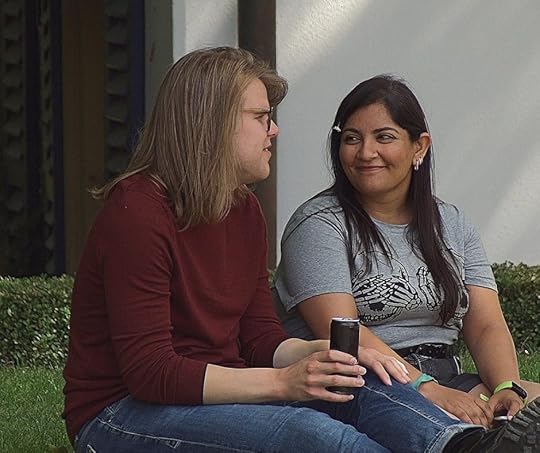
A version of this article appeared in Unity magazine.
For more about sacred listening and other tools for transformation, check out my books, including my newest book, Go Within to Change Your Life.
March 4, 2025
Design a New Future for Yourself
In the physical world, things have a past and a future, a beginning and an end. For example, I’m sitting on a chair in my office at my desk that I’ve had for more than fifty years. At some point, this chair was just an idea in someone’s head. They designed it, and then, it was engineered and constructed from materials like wood, fabric, and metal. I don’t know how long its natural life will be. It squeaks when I lean back, which I could probably fix. At some point, whatever repairs I make to the chair won’t be enough to make it comfortable, and it will reach the end of its natural life. Then what? Will it be tossed in a landfill? Recycled or repurposed? I don’t know, but I do know this…
All things have a beginning and end, a useable life span that varies, including people. Our design is influenced by our parents’ DNA, our upbringing, our life choices, and our environment. You have a certain number of years you will live. Knowing that, and given your design, engineering, and construction, have you reflected on how long you will last and what you can do to extend your life?
What Does Your Future Look Like?
A chair doesn’t change much from year to year or decade to decade, but people do. We are always in process. We can do our best to evolve to meet changing conditions and attempt to halt or reverse deteriorating conditions such as aging joints that are beginning to ache. What are you doing to make sure that however many months and years you have left, you spend your time doing what matters to you?
I could get a new chair, but at 81 years old, I have bigger priorities than trying to fix my chair and it works well enough that I won’t replace it. What I have to fix and repair and even replace is related to my aging body. Maybe there will come a time when I need a new knee or hip. I’ve replaced some arteries as part of bypass surgery, and I addressed my prostate cancer with a course of proton therapy. I continue to try to exercise, eat well, and manage stress, but I certainly have to do more than I did back when I was in my early twenties, when I was hitchhiking across the country and often consuming nothing but coffee, bologna sandwiches, and milk to keep me going—or doing physical labor for eight, nine, or ten hours a day. My squeaking chair and my appointments with my doctors to be sure that my health isn’t worsening remind me of the limited time I have and help me to stay focused on what’s most important to me.
New Priorities
I get requests for my time and attention that I would have said yes to thirty years ago but now turn down without regret if they don’t fit with my priorities. Feeling that I’m in the last chapter of my life is freeing because I am not making choices based on the idea that my time is unlimited so I can give it away to people and pursuits without stopping to think, “Is this truly how I want to spend my time?” If you have trouble saying “no” to activities that you find draining or boring, how much more time are you going to devote to them before you start paying attention to designing a new future for yourself, starting today?
Maybe like my chair, you are showing signs of aging and deterioration and are patching yourself up or living with your new limitations so that you’re not overwhelmed by the amount of time spent doing what you believe you ought to do to stay healthy. If so, are you also listening to the messages your body is giving you so that you can change the story of your health?
Are you heeding its warnings that your time is limited so if you want to get done what’s on your bucket list, if you want to live with a sense of happiness and fulfillment, you might want to think about making more conscious choices?
If you are listening to your body and taking care of it, can you think of ways to make more time for doing what you know you must do—such as exercise—and less time doing what is optional and that makes you feel the clock is ticking away too quickly?
The pandemic awakened many people to the choices they have been making. You might think that you don’t have enough good choices before you to make much of a change in your life, but is that really true?
If you have always wanted to travel to a particular place, complete a project such as writing a memoir, or mentor someone—or whatever your far-off goal has been, what’s holding you back from starting the process of making that dream a reality?
Couldn’t you start today in some small way?
I believe it’s never too late to change. Could you be open to that belief?
Resources for Change
Sometimes, what you need for bringing about a much-desired change is resources of time, energy, and money. Are you sure that you have exhausted every possible avenue in researching what resources are available to you?
Sometimes, what you need is optimism. Have you talked yourself out of achieving a goal only to see someone else who has fewer resources do what you wanted to do? You could harbor jealousy toward that other person, but why not explore how they overcame their obstacles so that you might overcome yours?
Sometimes, what you need is creativity and flexibility. Maybe the time has passed for you to achieve your goal in the form you imagined but perhaps there’s another way to reach it. You might not own a lake house despite years of yearning for one, but maybe you can spend more time in lake houses enjoying them without owning, using your resources wisely to figure out ways to make that happen. Creativity and flexibility can help you find ways to change your story that you hadn’t thought of before.
Sometimes, what you need is more time, but we all are allotted the same number of hours and minutes in a day. Time passes whether you are doing what you say you want to do or you are busy doing something you think you ought to do.
Living with Greater Awareness
You don’t have to wait for your chair to start squeaking or for health challenges related to aging to awaken you to your potential for living a more fulfilling life and using your time more consciously, in ways that give you greater satisfaction. You can choose to do that now. Will you procrastinate, or will you begin taking charge of your time and your schedule?
If you’re ready to live more conscious of the limits of your time on earth, what one thing could you do today to become more conscious of your choices as you make them and the choices you’ve made in the past that didn’t turn out well?
What could you do to free up more time for what you say are your priorities?
What in your life is worth your attention but not receiving it?
Tomorrow starts today. What can you do to change, and how quickly will you take action to design a new future for yourself and bring it into being?

You can learn more about how to achieve transformation in my books including my new workbook, Go Within to Change Your Life.
A version of this article appeared in Inner Self magazine.
The post Design a New Future for Yourself appeared first on Carl Greer.
April 27, 2024
Stop Self-Sabotaging When on the Brink of Success
Some people always seem to complete their projects and reach their goals. Others have a pattern of quitting or even self-sabotaging on the brink of success. That can be very frustrating.
Most of us set at least some goals and have ways to stay on track. Accountability partners and systems of reward and punishment might propel us over the finish line. However, if your pattern is one of self-sabotaging that happens unconsciously, accessing your unconscious may reveal insights that can help you break the pattern at last.
Maybe you consciously want to make a career change or achieve a less dramatic goal, such as exhibiting your artwork publicly. You might find yourself not following through on pursuing your aim and then wondering why. Part of you might genuinely wish to meet the goal. However, there may be a part of you that feels it’s better to keep a dream alive, so you take no steps to achieve it. Or you do take some steps, but you quit too soon. This pattern prevents you from facing potential failure. And the pattern might be unconscious.
Deep down, you might fear that if you continue pursuing your goal, your hoped-for “someday” when success arrives might not come: You might have trouble finding a job you like or convincing a gallery to let you show your artwork. The fear of failure and disappointment can be a hidden obstacle. It can seem much safer to simply give up, perhaps even at the last possible minute, when you’re about to achieve success.
Regardless of what you consciously think, believe, and feel, if you keep stopping short of the finish line, engaging your unconscious to gain information can help you move past the block and break your old habit of self-sabotage in the home stretch.
Within each of us is an inner wise self who has answers to our questions and insights that will help us to shatter old patterns. You can enter a state of openness to hearing from that part of yourself—or with the self that never seems to be able to commit to marriage, a career change, or whatever it is that you say you want for yourself. Then, you can dialogue with this wise inner self to learn as much as you can about your pattern of self-sabotage.
A simple way to have a dialogue with the “self” that knows what is keeping you from achieving your dreams is to get into a meditative, calm state and simply pose three questions:
“What’s blocking me from achieving my goal?”
“What do I have to let go of to achieve it?”
“What do I have to bring in to achieve it?”
You might have to release your fantasy of effortlessly achieving your goal. You might also have to release your fear of failure or your fear that you don’t have what it takes to succeed. Maybe you have to release a fixed mindset that has you believing you need certain talents to make your dream a reality when actually what you need is to have a growth mindset. In other words, you need to believe that you can attain the necessary skills and resources to overcome any lack of natural talent.
As for “what do I have to bring in to achieve my goal,” it might be a desire for greater comfort with uncertainty and failure. It might be a growth mindset but also perseverence when skill-building is challenging and difficult.
Your dialogue with your inner self could go beyond the three questions I’ve posed here. You might ask for clarification so you better understand the answers your unconscious offers you. An inner dialogue like this might make all the difference in your ability to follow through with your conscious desire to bring about personal transformation and reach your goals.
Whatever form the answers come in—as thoughts, images, feelings, or words—allow yourself to feel sad, disappointed, or even angry at yourself as you face the truths your unconscious reveals. At least you’ll know why you stop when you want to keep going, why you procrastinate and distract yourself, and why you often snatch defeat from the jaws of victory.
A dialogue with your unconscious wisdom could teach you how to stop self-sabotage. You might realize you’re okay with occasional failures because you can always create new goals and try different approaches to achieving them.
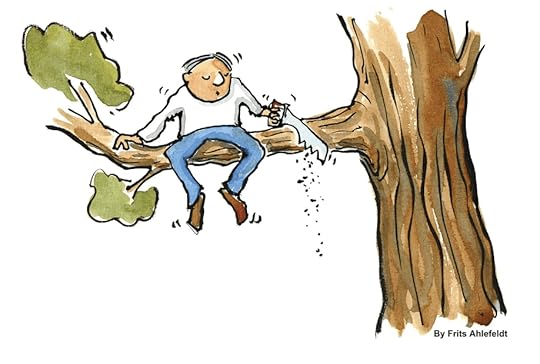
Shame over self-sabotaging can end when you explore why it happens. If you fear the death of your dream and the sense of purpose it gives you, remember that you can always alter your dreams and create new ones. We often learn more from our failures than our successes. If you can forgive yourself for self-sabotaging on the brink of success, you may find it easier to accept your failures—and enjoy your successes. When you do meet a goal, this break in your old pattern might feel uncomfortable initially. However, you might find you feel much more satisfied than you were back when you were self-sabotaging on the brink of success.
So, while there’s no reason to feel ashamed of your self-sabotage, there’s good reason to explore why it’s happening and what you can do to change your pattern. Spend some time dialoguing with your wise inner self and see if it doesn’t lead to greater satisfaction.
A version of this article appeared in Elephant Journal.
To learn more about dialoguing and other ways to work with the hidden wisdom in your unconscious, check out my books, including Change Your Story, Change Your Life .
The post Stop Self-Sabotaging When on the Brink of Success appeared first on Carl Greer.
April 17, 2024
Happier Life, Happier Ending
If the story of your life were to be told someday many years from now, what would it be and how would it end? Would the ending be that you died peacefully in your sleep, at an advanced age? Would your last years not only be healthy but filled with loving friends and family, excitement, and a sense of purpose? Would you have no regrets?
And as you look at the story of your life right now, are you on the path to the ending you would like to experience? Because if not, working with energies that are hidden from your conscious awareness could help you get on the road you’d like to travel. You can decide today to work toward experiencing a happier ending to your life’s story.
I believe we have more power than we think to write our own stories. I also believe we can learn much from examining stories people share in common to get clues about unseen energies we might want to work with as storytellers in our own lives. We can write more satisfying stories. We can even, perhaps, set ourselves up for far better endings than the ones we’re currently headed toward.
Unseen Energies That Influence Your Roles and Story
Great stories, myths, and fairytales all have characters and themes that psychologist Carl Jung identified as archetypal: they’re templates from which humans create new stories to share with and connect with others, stories that make sense of their experiences. As individuals, we also write stories that explain our life experiences and influence our present and future. However, our stories are often hidden from our conscious awareness and not even written by us. They may be stories written by people long ago who had different ideas about what people’s lives should look like. These stories have archetypal energies that influence us.
We may enjoy movies and myths about tragedies and that feature innocents who are betrayed or heroes who die gloriously in battle, but we want our lives to have happy endings. By identifying any archetypal energies that are influencing your story, you can start to imagine ways to loosen their grip and free yourself from restrictive narratives and roles, giving you more freedom of choice. Then you can experience your innocence and heroism without having your story’s ending be a disappointing or even tragic one.
Do you feel certain that you’re living your life consciously? Could you be partly or mostly living according to a story you haven’t questioned, one that might have been written by someone else and supported by your unconscious choices? Maybe you’re living out a story of helping others in excess, being a hero at the expense of taking care of yourself and set up to experience an ending marked by health problems and an early demise. Is that what you want for yourself? To be worked to exhaustion?
As you think about your story, do you identify with a particular character in a myth, movie, or novel? This character might have an archetypal quality: It might be a workaholic, a leader, or an innocent. It may have qualities like a father or mother, a king or queen, or a student or teacher. You can gain wisdom and insights from this energy, this character or role, by having an imaginary conversation with it.
A Helpful Conversation with the Unseen
To gain more freedom of choice and get on a path toward a happier ending to your life’s story, I suggest you meditate to open the doorway to your unconscious and ask an archetypal energy or character that’s influencing you to help you gain insights and energy for transformation. You might consciously choose to meet and talk with a particular role you identify with—a servant, a teacher, or court jester, perhaps—or a character from a novel, myth, or film.
When you are in a meditative state, allow this archetypal energy or figure to come forth into your awareness in any form it takes.
Observe its qualities and appearance.
Ask it, “What can I learn from you?”
Ask it what you can give to it, and then ask what it can give to you.
Take your time. The answers may be slow in coming. You might even have to try again another time to receive insights in the form of images, words, or an internal knowing—insights that answer your questions. Your unconscious has much wisdom to offer you. What’s more, it is connected with the collective unconscious that holds all the archetypes and the wisdom all human beings—past, present, and future—share. Working with it consciously will lessen its power over you and gain you insights and even energy for transformation.
The unseen figures that reside in your unconscious can become your allies as a result of your work with them. They can help you reclaim strengths you might not realize you have and manage any weaknesses that get in the way of you living the way you would like to. They can create a shift within you as you release something that’s been weighing on you and take in a gift the figures offer, whether it’s a strength, a nugget of wisdom, or a type of energy you can use in your everyday life.
A Better Ending
Whatever your story is today, it doesn’t have to end with a dissatisfying situation you have been moving toward for years because of a lack of self-reflection and a lack of conscious interaction with unseen forces influencing you. If you work consciously with archetypal energies, you can get started on the road toward a happier ending to your life and even find more satisfaction and a greater sense of purpose as you live each day.

A version of this article appeared in The Edge magazine.
You can learn more about transformation and how to change your story and your life by reading my books, available at bookstores everywhere.
The post Happier Life, Happier Ending appeared first on Carl Greer.


