Neal Doran's Blog
September 12, 2015
Cover Plans: Episode 1. The Usual
When I decided to publish Other Plans myself, one of the things I was looking forward to was getting my own covers, and having an old pal and design whiz to do it for me.
 Having put up with many outbreaks of dinner party angst and bar stool breakdowns over a couple of decades (decades, Jesus...), when I gave Darren a couple of extracts to read he was able to tell me what I was writing about more clearly than I'd been able to express it myself. The disparity between what you hope for in life in your twenties, and what you get. It's not that what you get is bad, just... not quite what you had in mind.
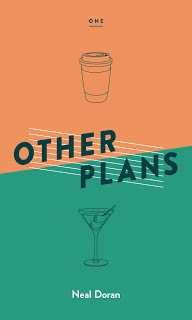
So with that, the idea for the series covers developed, two related images, one representing the dream. one the reality. He had some ideas for pairs, I had some vague notions too, then he went away to work on them. Now I don't see what he's come up with until I finally get an episode written and ask him for a cover so it's a bit of a nice surprise as to what I get.
What I'm planning to do is write some thoughts sparked by each cover as they come in. Might be stream of consciousness drivel, but let's see how it goes.
It might be some new Rorscharch method of writing blurbs...
Dry Martinis and Flat Whites
When I was in my early 20s, I loved the idea of being a person who'd be able to walk into a cool hotel bar and order a cocktail with confidence. And by cocktail, I mean a proper one, like a martini or a gimlet. Nothing with comedy name or homeopathic levels of booze masked by too much fruit juice and an umbrella.
It's the kind of thing that requires a degree of confidence to order, I think, and also the ability to take in decent sips of strong spirits without coughing and wheezing like an asthmatic pug. That I knew full well that I looked about 15 till I was 30 didn't make this easy. But I kept trying. I provided ID with a wry smile when I was asked, even if it did take the edge of looking suave, and had an opinion on whether I preferred a Manhattan sweet, dry or perfect, and what drinks I wanted straight up rather than on the rocks. My disdain for the world of James Bond was only confirmed when I learned he was doing martinis all wrong.
And at some point, I got comfortable with it. It's something I don't really give a thought to now, although I rarely get to leave the house in the evening these days and, lovely as my town not far from the sea is, it's not a place overrun by mixologists. But Saturday night I can break out the cocktail shaker and long-stemmed glasses, and I don't even have to pretend I'm doing it ironically.
While I was struggling with occasional cocktails back then, I found it easier to embrace the world of overpriced coffee.
This whole buying coffee thing was a new idea less than 20 years ago in England. I think it's probably newer than the internet. For all the arguable evils of giant coffee chains I don't recall there being a burgeoning independent coffee scene in London before Starbucks and its imitators arrived, so there's a few people making careers as artisan baristas who have a Seattle mermaid to thank, whatever they think of her brews or tax status.
But anyway back at the turn of the century, having a usual coffee shop, and a usual drink, and a usual bun I'd buy and take to an office where I had a proper desk job made me feel like a grown up. It was part of a structure, an edifice of who I was displayed through what I did.
In your 20s it's what you choose to do repeatedly that helps define you.
It could be your usual in the pub, or the shop that you get your clothes from, the type of movies you go and see. It could be how you treat the opposite sex, whether you skive or career build at work, or whether you're kind.
From the big things to the little things, being a grown-up is what you keep doing over and over.
 Having put up with many outbreaks of dinner party angst and bar stool breakdowns over a couple of decades (decades, Jesus...), when I gave Darren a couple of extracts to read he was able to tell me what I was writing about more clearly than I'd been able to express it myself. The disparity between what you hope for in life in your twenties, and what you get. It's not that what you get is bad, just... not quite what you had in mind.
So with that, the idea for the series covers developed, two related images, one representing the dream. one the reality. He had some ideas for pairs, I had some vague notions too, then he went away to work on them. Now I don't see what he's come up with until I finally get an episode written and ask him for a cover so it's a bit of a nice surprise as to what I get.
What I'm planning to do is write some thoughts sparked by each cover as they come in. Might be stream of consciousness drivel, but let's see how it goes.
It might be some new Rorscharch method of writing blurbs...
Dry Martinis and Flat Whites
When I was in my early 20s, I loved the idea of being a person who'd be able to walk into a cool hotel bar and order a cocktail with confidence. And by cocktail, I mean a proper one, like a martini or a gimlet. Nothing with comedy name or homeopathic levels of booze masked by too much fruit juice and an umbrella.
It's the kind of thing that requires a degree of confidence to order, I think, and also the ability to take in decent sips of strong spirits without coughing and wheezing like an asthmatic pug. That I knew full well that I looked about 15 till I was 30 didn't make this easy. But I kept trying. I provided ID with a wry smile when I was asked, even if it did take the edge of looking suave, and had an opinion on whether I preferred a Manhattan sweet, dry or perfect, and what drinks I wanted straight up rather than on the rocks. My disdain for the world of James Bond was only confirmed when I learned he was doing martinis all wrong.
And at some point, I got comfortable with it. It's something I don't really give a thought to now, although I rarely get to leave the house in the evening these days and, lovely as my town not far from the sea is, it's not a place overrun by mixologists. But Saturday night I can break out the cocktail shaker and long-stemmed glasses, and I don't even have to pretend I'm doing it ironically.
While I was struggling with occasional cocktails back then, I found it easier to embrace the world of overpriced coffee.
This whole buying coffee thing was a new idea less than 20 years ago in England. I think it's probably newer than the internet. For all the arguable evils of giant coffee chains I don't recall there being a burgeoning independent coffee scene in London before Starbucks and its imitators arrived, so there's a few people making careers as artisan baristas who have a Seattle mermaid to thank, whatever they think of her brews or tax status.
But anyway back at the turn of the century, having a usual coffee shop, and a usual drink, and a usual bun I'd buy and take to an office where I had a proper desk job made me feel like a grown up. It was part of a structure, an edifice of who I was displayed through what I did.
In your 20s it's what you choose to do repeatedly that helps define you.
It could be your usual in the pub, or the shop that you get your clothes from, the type of movies you go and see. It could be how you treat the opposite sex, whether you skive or career build at work, or whether you're kind.
From the big things to the little things, being a grown-up is what you keep doing over and over.


July 27, 2015
Is it time to dump 'chick-lit'?
Feels like nearly everybody knows chick-lit is a terrible term.
Many readers don't seem to like it much, most writers REALLY don't like it at all.
And I'm not talking about the content here, I'm just talking about the label. Why would you name a genre based on the supposed age and gender of its readers? Or is it named after the writers?
Either way, it's condescending, inaccurate, outdated, restrictive, patronising.
But here's the thing -- it's catchy. It broadly gets the idea across. It fits on the description tag on a real or virtual bookstore shelf.
And what are the alternatives out there? Women's commercial fiction? No better, just wordier. Rom-com? The book aren't necessarily primarily funny. Romance? Still not wide enough, and has its own identity issues.
But in another creative field there's a genre...
It's a genre where the subject matter is dominated by the themes of relationships. Love starting, love breaking down, making relationships work. But there's a lot more to it than that. It can cover other subjects too, from internal struggles and working out who you are, to global politics, to just having fun.
It can be funny. It can be heartbreaking. But whatever the subject matter it's generally handled with a lightness of touch that cuts through the seriousness and emotion of the material.
It's commercial. Very occasionally it rises up to the levels of art. Often it bumps along the levels of novelty.
Some of its creators can take themselves a bit too seriously, considering what they're doing...
It's created by women and men, enjoyed by women and men (although *maybe* with a bias towards the gals).
It's a genre that often doesn't mean much, but there are times when it means everything.
It's pop music.
But hey, you're bright people. You'll have picked up several paragraphs ago where I was going with this: that description pretty much all applies to what gets called chick-lit too.
That's what we're reading and writing, pop fiction.
Yes, pop still has some negative connotations. But let's face it, people who don't like at least some kind of pop are joyless bastards. Who needs 'em?
Chick-lit today has its own Taylor Swifts and Madonnas, Pharrells and Girls Aloud. God help us, it probably has its Ed Sheerans too. And I suggest that we embrace that. We can be pop stars too.
So next time someone asks about your interests, say you're a pop fiction writer, a pop fiction fan.
If we all do it, it can become an actual thing.
And if someone says, 'what's Pop Fiction?' You tell them it's commercial writing about the glories of everyday life and the dreams of ordinary people. And if they say 'oh, like chick-lit?' you give them the same look you give people who use terms for race or sexuality that were once considered polite, but are now recognised as unacceptable because of the controlling and superior attitudes that spawned them.
We don't use that word anymore...
So whaddaya think? Who's in?
I'm going to look stupid if it's just me doing it on my own.
July 15, 2015
Any Other Questions...
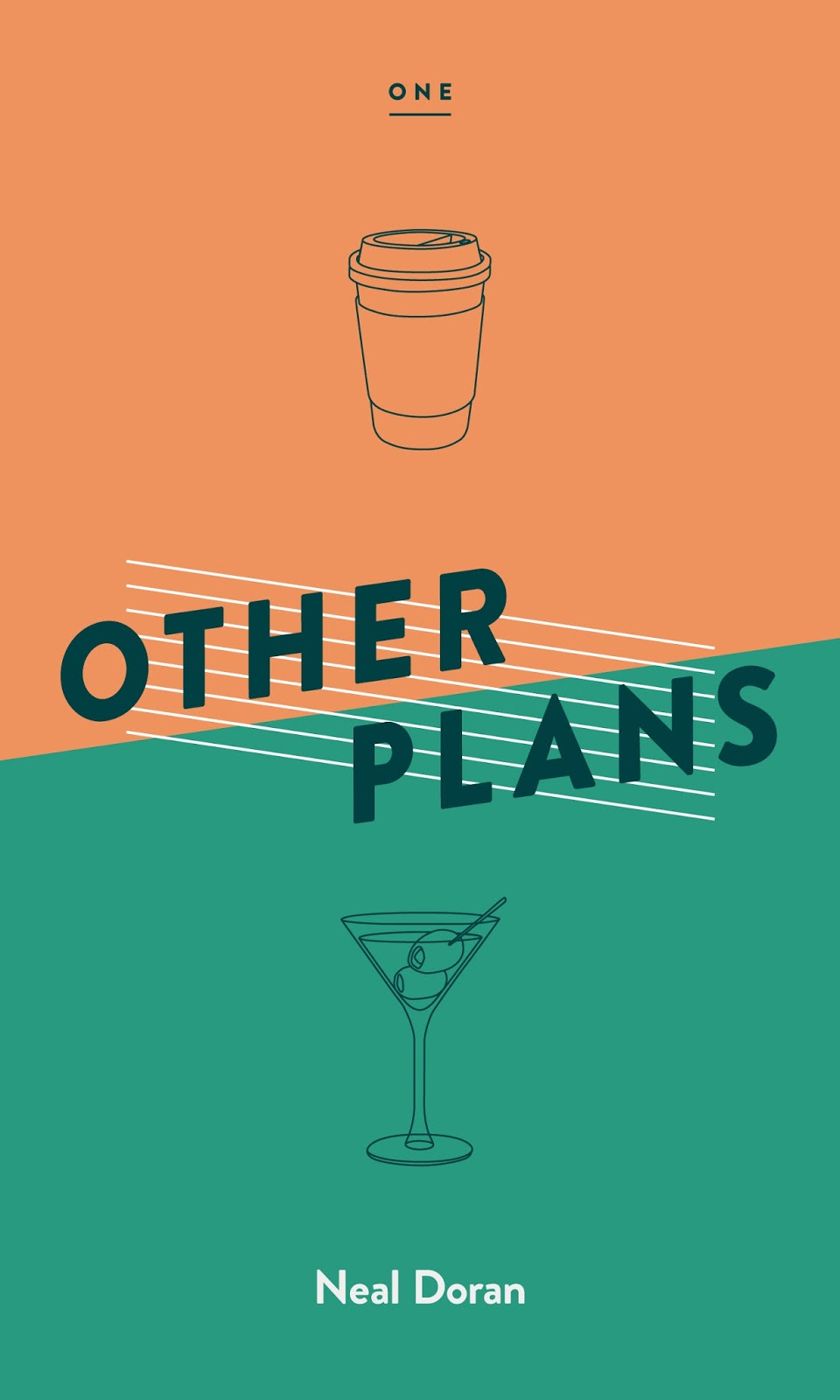
As the first Episode of Other Plans is published, I thought I'd tackle some of the frequently asked questions I receive on this new project of mine...
Hello young man, I like the cut of your jib. So tell me, what's this koo-koo sounding Other Plans all about?
Good question, thanks for asking. Other Plans is a comedy drama serial in six-ish parts. Taking inspiration from old TV shows like thirtysomething and Cold Feet it follows the lives of a gang of friends and family as they deal with real life not quite matching up to their expectations.
At the centre of the group are Jen and Peter, who run The State, a rundown semi-arthouse cinema in a rundown semi-up-and-coming suburb of London. While they try to make a living showing old Woody Allen movies and cheap black and white classics, Peter's half-brother Salvador is just starting out on his medical career in a clap-clinic where shyness isn't a virtue. And Jen's cousin Kate is trying to make her mark in the world of architecture and move on from mainly designing toilets. Then there's Jason, who wants to be a rock star, but will take reality TV fame if that's all that's going.
As their dreams get further out of reach, the friends try to figure out what to do when life doesn't work out how it does in the movies.
I'm a busy executive and multi-tasking parent/young person with no attention span, I don't have time to be reading this sort of flim-flam. Who do you think you are?
Now don't panic! This isn't going to take a lot of your time. It's a quick read -- an individual episode should take an hour or so to read if you don't rush it. Perfect for a chauffeur-driven commute, time spent hiding from small children in a bathroom, or while you're also in a lecture, checking social media and chewing gum.
But basically, it's a novel in six-ish parts, right? Is this just a way to get me to pay over the odds for something that could have been sold in one go?
No!
Well, not entirely.
Following along with the series will cost more than most complete eBooks, but it's not meant to be like most eBooks. It's not just a novel with a series of arbitrary cuts added. Each episode should stand broadly alone, although there's a story that will run through the series, and hopefully something to make you want to read on too.
I should also point out that most of it's not written yet.
I think that's going to be a lot of the fun of it. I've got a broad outline for the rest of the series but things could change.
It might turn out that everyone hates a particular character, or wants to read more about a certain aspect of the story. One of the characters could do something that sends the thread rolling off in a completely new direction...
You don't know. I don't know.
Of course, you could wait until the whole story is published and pick up a compendium for a cheaper price when the story's set in stone, but you'd be missing out on the fun along the way.
We're all in this together, gang. In fact, if things get a bit hairy deadline wise I might be asking you to fill in a few gaps yourself.
Alright, this all sounds sufficiently close to a TV show I once liked for me to decide to give it a go. Where can I get hold of a copy?
An even better question. It's exclusively on Amazon, costs 99p/99c. And is available here:
http://bit.ly/nealdoran (UK)
Or here:
http://amzn.to/1lvFjV4 (US)
It's 2015, dammit, is this an interactive experience? Where's the QR codes and virtual reality goggles?
Glad you asked. There's a range of cutting interactive elements to the whole Other Plans experience. Unfortunately most of them are so advanced, existing device technology is unable to support them. I'm hopeful the ambient sound effects and built-in aromatherapy experience will be enabled by the time of the iPhone 9.
In the meantime, there's an Other Plans Spotify playlist (https://open.spotify.com/user/1155675922/playlist/6xyb9yu8fKNVTEHTQRxU9I). It's got the unofficial opening credits music at the start, the closing credits music at the end, and some other relevant tunes in the middle. They should make sense once you've read the episode.
Oh yeah, and in more low-fi terms, there's a few other things to look out for:
Every episode will feature at least one hidden movie quote. Or possibly a misquote. Yell when you get it on Twitter or Facebook.
And because people love noticing this sort of stuff, there's also a 'Spot the Typo!' competition.
If you see any of the, obviously deliberate, typographical errors that may pop up over the course of an episode, let me know in a comment here and you can be entered into a prize draw to win something I haven't decided upon yet.
I'm a Luddite and only read fiction I can get in a form that can also be used for swatting indolent flies. Is there a paperback version available?
Other Plans is eBook-only for the time being. But all being well, and if there's enough interest, I hope to put together a paperback of Series One.
However, that won't be until nearly the middle of 2016, so get yourself the Kindle app to read it now (https://www.amazon.co.uk/gp/digital/fiona/kcp-landing-page?ie=UTF8&ref_=spkl_1_0_629732147), and keep a rolled up copy of The Economist to hand for dealing with bluebottle infestation. It's lightweight yet sturdy.
Can we expect any strong language and scenes of a sexual nature from the start and throughout?
Other Plans goes fairly easy on the swears, and it's not too racy, although there's certainly exceptions for both. Nothing you wouldn't see in a 15 certificate, mind.
And I am willing to go nude if the part demands it.
You've never actually been asked any of these questions, have you?
Sod off and mind your own business.
Any other questions?
Post any more entirely genuine not-at-all-made-up queries you might have on Other Plans, world affairs, or home improvements in the box below and I'll try my best to answer them.
June 19, 2015
Everyone's a critic...
 Since I decided to start this intermittent blogging project (top tip -- put irregularity and unexplained absences into the name of what you're doing, and you can get away with anything) I've been conscious that I'm leaning towards writing about other people's creative output.
And not always positively.
I should stand shoulder with EL James, Mrs Brown and her boys, and the guy from the Mall Cop movies. You might not like it, but come on, we're trying here.
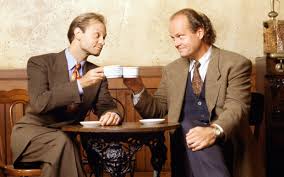
The thing is, I like to be critical about things. It doesn't even mean I don't like them. Since I can't even remember when, I've had pals with whom I could pick apart the details of things I enjoyed. It reminds me of this exchange from Frasier:
Niles: It was an exquisite meal, marred only by the lack of even
one outstanding cognac on their carte d' vijastite.
Frasier: Yes, but think of it this way, Niles -- what is the one thing
better than an exquisite meal? An exquisite meal with one
tiny flaw we can pick at all night.
He hands Niles a brandy.
Niles: Ah... quite right. To impossible standards. [They clink
glasses.]
For me I think it's a way of defining what I would do rather than what the person who's made something chose to do, and I don't think that's an unhealthy pastime, particularly if it makes me think about my own efforts a bit more carefully.
Also, I don't mind getting bad reviews. I don't like it, obviously, but I can live with it as a necessary part of the game. I read them. I can't not. Some I think 'fine, I'm glad you don't like my stuff wouldn't want to be a member of your club anyway' and blow a raspberry. Others, I think make valid points and I'll look at what I can do differently.
Whatever the case I usually just need to remind myself of any of a range of critically and commercially successful books or shows I thought were absolutely dreadful, and realise any one person's opinion only matters so much.
So, that means I'm going to go ahead and say things like Birdman was primarily successful because of a few camera tricks and Hollywood's narcissistic self-love/self-loathing, which enables its in-crowd to satirise the system it perpetuates while feeling clever about itself.
Also Pitch Perfect had nowhere near enough good jokes to justify the enthusiasm for a desperate plot and a few good dance numbers. And the good jokes it did have were mainly nicked from Best in Show.
Phew. It does feel good to say what you think, even if you might be wrong...
Anyone else want to air any strongly held views they've been holding back? We're open to sharing here...
June 8, 2015
Just Emin it.
OK, seeing what happens if I set 10 minutes aside at the start of my writing routine to blog to get thoughts flowing. From the looks of the post title, my thoughts may have congealed.
Last night we watched a BBC 4 show called What Do Artists Do All Day, or something like that. A kind of Day in the Life documentary about Tracey Emin.
Before I watched it I knew nothing about Emin. I think I was in a pub with her once. I was aware of her only as a controversial name at the time, my more arty pals were very excited though.
She was really inspiring in the way she approached her work, the art and the business side. She was confident, open, decisive, patient, hard-working. I liked how she talked about her painting and how it could have two conflicting thoughts on the same subject go into it, and another surface level where it's just a funny idea.
And her painting was really good.
Even on a TV screen you could get a feeling for the power of it.
I shouldn't be trying to get into art criticism. I don't have the vocabulary. Or the critical faculties. Or...
I remember at one point, though, being amazed by her life drawing -- a stroke of a brush and there was a back! It was just a line, but it was a clear, real, representation of a person's body. Maybe something you learn on day one of art school, or something you can just do naturally as an entry requirement, but I was unexpectedly taken aback by the possibility of it. On the paper, a man. It almost seemed animated.
But what I liked most was when she talked about the pressure of the practical business side of her job: getting exhibitions ready, meetings with accountants, job-type stuff. When that happens she tries to get into her studio early, so she can work on the art, the stuff she loves.
I get up early to write too. And while Emin's creating amazing painting exploring raw internal emotions, and leaving herself open to anyone to interpret and judge her very being, and I'm trying to come up with jokes about dishwashers, her dedication and creativity made me want to get up 10 minutes earlier. From me, there's not much higher praise...
Last night we watched a BBC 4 show called What Do Artists Do All Day, or something like that. A kind of Day in the Life documentary about Tracey Emin.
Before I watched it I knew nothing about Emin. I think I was in a pub with her once. I was aware of her only as a controversial name at the time, my more arty pals were very excited though.
She was really inspiring in the way she approached her work, the art and the business side. She was confident, open, decisive, patient, hard-working. I liked how she talked about her painting and how it could have two conflicting thoughts on the same subject go into it, and another surface level where it's just a funny idea.
And her painting was really good.
Even on a TV screen you could get a feeling for the power of it.
I shouldn't be trying to get into art criticism. I don't have the vocabulary. Or the critical faculties. Or...
I remember at one point, though, being amazed by her life drawing -- a stroke of a brush and there was a back! It was just a line, but it was a clear, real, representation of a person's body. Maybe something you learn on day one of art school, or something you can just do naturally as an entry requirement, but I was unexpectedly taken aback by the possibility of it. On the paper, a man. It almost seemed animated.
But what I liked most was when she talked about the pressure of the practical business side of her job: getting exhibitions ready, meetings with accountants, job-type stuff. When that happens she tries to get into her studio early, so she can work on the art, the stuff she loves.
I get up early to write too. And while Emin's creating amazing painting exploring raw internal emotions, and leaving herself open to anyone to interpret and judge her very being, and I'm trying to come up with jokes about dishwashers, her dedication and creativity made me want to get up 10 minutes earlier. From me, there's not much higher praise...
10 minute warm up: Just Emin it.
OK, seeing what happens if I set 10 minutes aside at the start of my writing routine to blog to get thoughts flowing. From the looks of the post title, my thoughts may have congealed.
Last night we watched a BBC 4 show called What Do Artists Do All Day, or something like that. A kind of Day in the Life documentary about Tracey Emin.
Before I watched it I knew nothing about Emin. I think I was in a pub with her once. I was aware of her only as a controversial name at the time, my more arty pals were very excited though.
She was really inspiring in the way she approached her work, the art and the business side. She was confident, open, decisive, patient, hard-working. I liked how she talked about her painting and how it could have two conflicting thoughts on the same subject go into it, and another surface level where it's just a funny idea.
And her painting was really good.
Even on a TV screen you could get a feeling for the power of it.
I shouldn't be trying to get into art criticism. I don't have the vocabulary. Or the critical faculties. Or...
I remember at one point, though, being amazed by her life drawing -- a stroke of a brush and there was a back! It was just a line, but it was a clear, real, representation of a person's body. Maybe something you learn on day one of art school, or something you can just do naturally as an entry requirement, but I was unexpectedly taken aback by the possibility of it. On the paper, a man. It almost seemed animated.
But what I liked most was when she talked about the pressure of the practical business side of her job: getting exhibitions ready, meetings with accountants, job-type stuff. When that happens she tries to get into her studio early, so she can work on the art, the stuff she loves.
I get up early to write too. And while Emin's creating amazing painting exploring raw internal emotions, and leaving herself open to anyone to interpret and judge her very being, and I'm trying to come up with jokes about dishwashers, her dedication and creativity made me want to get up 10 minutes earlier. From me, there's not much higher praise...
Last night we watched a BBC 4 show called What Do Artists Do All Day, or something like that. A kind of Day in the Life documentary about Tracey Emin.
Before I watched it I knew nothing about Emin. I think I was in a pub with her once. I was aware of her only as a controversial name at the time, my more arty pals were very excited though.
She was really inspiring in the way she approached her work, the art and the business side. She was confident, open, decisive, patient, hard-working. I liked how she talked about her painting and how it could have two conflicting thoughts on the same subject go into it, and another surface level where it's just a funny idea.
And her painting was really good.
Even on a TV screen you could get a feeling for the power of it.
I shouldn't be trying to get into art criticism. I don't have the vocabulary. Or the critical faculties. Or...
I remember at one point, though, being amazed by her life drawing -- a stroke of a brush and there was a back! It was just a line, but it was a clear, real, representation of a person's body. Maybe something you learn on day one of art school, or something you can just do naturally as an entry requirement, but I was unexpectedly taken aback by the possibility of it. On the paper, a man. It almost seemed animated.
But what I liked most was when she talked about the pressure of the practical business side of her job: getting exhibitions ready, meetings with accountants, job-type stuff. When that happens she tries to get into her studio early, so she can work on the art, the stuff she loves.
I get up early to write too. And while Emin's creating amazing painting exploring raw internal emotions, and leaving herself open to anyone to interpret and judge her very being, and I'm trying to come up with jokes about dishwashers, her dedication and creativity made me want to get up 10 minutes earlier. From me, there's not much higher praise...
Running, writing, and rap
 Writers running, and then writing about running, seems so common it's probably a cliche. But there does seem to be good reasons why the two activities go well together.
I started running in October last year. Well, actually September last year, but a week heading out in ancient Nikes with no arch support meant I knackered my back and had to start again a month later, when walking didn't cause step-by-step electric shocks of pain.
I'd been put off running for years by a sentence that seems to come up whenever there's news about marathons on the radio or telly: 'collapsed with a formerly undetected underlying heart condition'. But when I realised the groaning noises I made whenever I had to get out of a chair were no longer purely ironic, I figured it was time to start living dangerously and began a couch to 5k programme.
And right from the start I felt I liked running for the same reasons I like writing.
By and large they're things you do on your own, and the sole entry requirement to declare yourself a runner or writer is that you actually do it. How far or fast you run, and how much or how well you write, isn't that relevant. Completing a marathon in 6 hours, or writing a novel that even your own parents might suggest drags a bit is less important than the fact you've done it at all. The battles you're fighting largely take place in your own head.
With both, I'm not sure I fancy doing it before I start, and can find it a bit of a slog as I go, but when I'm through I'm glad I've done it. And if I'm not doing it, I miss it.
A difference between running and writing for me, is I like to listen to music when I'm running. When I started out I found it really helped to listen to hip-hop (I realise admitting that makes me sound like Phil Dunphy from Modern Family, but I've made my peace with that). The music helps keep me focused -- the aggression, the arrogance, the general fuck-you attitude.
It's just the kind of thing you need when you're first doing a one minute run at a moderate pace followed by a five minute walk to recover. Then repeating.
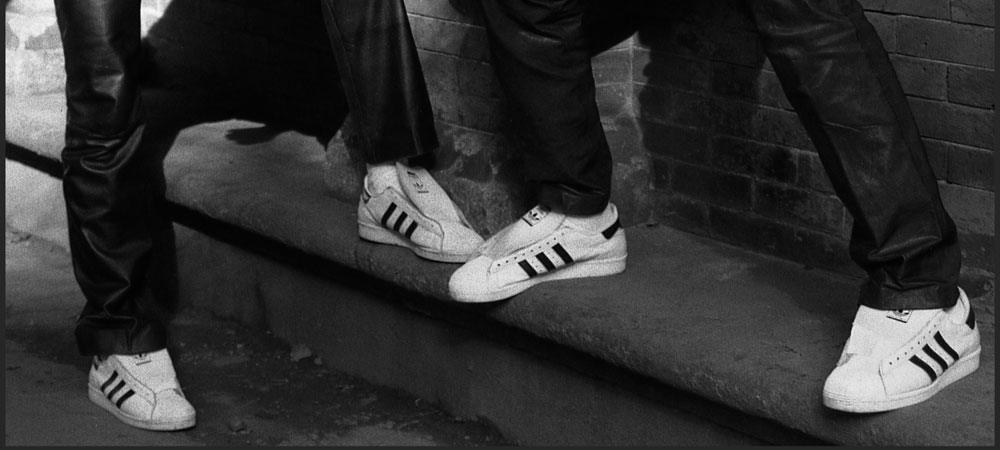
I also find rap keeps my mind occupied -- you don't notice the hills so much when you're wrestling with whether or not it's possible to be socially liberal while listening to songs that might not be at the forefront of gender or sexual orientation politics. There can be references to murdering police officers, exploiting drug addicts and other vulnerable members of society, and using violence and intimidation in various ways in day-to-day life for shallow material gain and I lap it up. But just one misplaced 'bitch' or 'faggot' and I'm all 'ooh that's inappropriate'.
Kilometres can go by while I dissect and reconcile my feelings about 99 Problems or Deep Cover.
One of the best things with both activities is you can look back and see how far you've come: the incremental rise of the word count, the number of miles clocked on RunKeeper. The new writing project I started last autumn is finally at a point where the number of words written makes me feel like I'm getting somewhere. I've run a few hundred miles now too, and I can definitely feel the effects.
My back is killing me again -- time to get some more shoes...
February 27, 2015
Reviews of what I can remember of films I saw a few weeks ago...
I've decided I'm going to write my impressions of films down in case I start to forget ill-thought out opinions on subjects of no consequence. The following contains huge spoilers for Gone Girl and Boyhood. Although as I'm the only person likely to read it and have already seen them, it shouldn't be much of a concern...
I thought the book of Gone Girl was OK. Pretty good. Loved the idea, and big sections were very grippy, mainly in the first half. I was interested to see how it would work as a movie already knowing the plot. I thought I'd seen somewhere that they had come up with a different twist for the movie that would mean it wouldn't matter if you'd already read the book you'd still be on edge, so I was looking forward to that. But as far as I could tell they hadn't.
Instead I thought the screenplay had signs that it was written by the novelist rather than someone coming at it fresh -- why was the mad abusive dad in it? No need. And the scene when Ben Affleck (I can't remember the character name. You know who I mean...) bumps into him in the police station? Crunchingly awkward.
Similarly that mall of zombies with the guns was still there, another one of the weaker unnecessary sections of the novel still there when a bad part of town would've done the job just as well. I would think the person who'd thought of them in the first place would be the only one interested in keeping them.
What was fun, though, was watching it with Jo, who hadn't read the book. She gets very involved and freaked out with suspenseful movies (I thought we might have had to sleep with the lights on for a week when I made her watch Misery...), so although I kinda knew what was going to happen it was nice to see it through her eyes. It was also interesting to see that a lot of the reactions to Ben Affleck's actions were the same ones I'd had when reading the book -- the writer/director did a good job of picking up those nuances.
Ben Affleck was perfect casting for the husband. Who better to play someone that on the surface appears affable but you know deep down (or maybe not that deep down) is a bit of a git? Amy was very good too. I had no idea who Rosamund Pike was, but have since seen a couple of movies she's also in, and was kinda stunned by how different she seemed. It's almost like she's some kind of professional person who can convincingly pretend to be entirely different people... It also seems she's taken over from Emily Watson as the person in every title I pick up at the DVD shop. Or was that Emily Blunt? One or the other seemed to be in everything for a while, but now it's Rosamund's turn.
The ludicrous psycho-dandy ex-boyfriend was also sadly still in the movie; a necessary evil, I suppose, if you're going to be true to the novel plot. Neil Patrick Harris played the fiendish fop, presumably because the number one choice, Peter Lorre, has been dead for 50 years.
At least they kept the wacky road trip adventures of Amazing Amy short compared to the book. Once she's been set up as a sociopath, who really cares what she did on the run? And also, if Amazing Amy was so smart how comes she got mugged by drunk rednecks and kidnapped by Niles Crane?
The thing that bothered me most about the book, was also in the film even though I'd hoped it might change. The end. Spooky and sinister some might say, but just too weak to me.
Why didn't he kill her?
Why didn't he?
Why wasn't he driven into such a rage that he did what she'd try to set him up for in the first place?
It just seems much more satisfying to me as an ending, although I was disturbed by the voices in my head shouting 'KILL HER! KILL. HER. KILLHER!' even though I knew it was an artistic rather than murderous intent behind them.
I loved Boyhood. I think I was almost on the edge of my seat as much for that as for Gone Girl: the fear of the bad boyfriends, the kids falling in with the wrong crowd, the dad being irresponsible and not showing up. By and large a lot of these things didn't happen, but I was still worried. LOVED the boy (see what I mean about forgetting character names?) when he was late-teens going into college, the innocent pretension and hope and openness of youth. Did Patricia Arquette win an Oscar? I should probably check that. She was good. Ethan Hawke did that thing he always does. Everything I stand for tells me I shouldn't like Ethan Hawke. And yet there's something about him I don't hate. Its kind of annoying.
It also reminded me of William Goldman on Hollywood movies and arthouse films: his distinction, briefly, is Hollywood films reassure, and arthouse makes you question. Deep down, Boyhood was Hollywood to the core with its happy ending.
Not that that's a bad thing...
I thought the book of Gone Girl was OK. Pretty good. Loved the idea, and big sections were very grippy, mainly in the first half. I was interested to see how it would work as a movie already knowing the plot. I thought I'd seen somewhere that they had come up with a different twist for the movie that would mean it wouldn't matter if you'd already read the book you'd still be on edge, so I was looking forward to that. But as far as I could tell they hadn't.
Instead I thought the screenplay had signs that it was written by the novelist rather than someone coming at it fresh -- why was the mad abusive dad in it? No need. And the scene when Ben Affleck (I can't remember the character name. You know who I mean...) bumps into him in the police station? Crunchingly awkward.
Similarly that mall of zombies with the guns was still there, another one of the weaker unnecessary sections of the novel still there when a bad part of town would've done the job just as well. I would think the person who'd thought of them in the first place would be the only one interested in keeping them.
What was fun, though, was watching it with Jo, who hadn't read the book. She gets very involved and freaked out with suspenseful movies (I thought we might have had to sleep with the lights on for a week when I made her watch Misery...), so although I kinda knew what was going to happen it was nice to see it through her eyes. It was also interesting to see that a lot of the reactions to Ben Affleck's actions were the same ones I'd had when reading the book -- the writer/director did a good job of picking up those nuances.
Ben Affleck was perfect casting for the husband. Who better to play someone that on the surface appears affable but you know deep down (or maybe not that deep down) is a bit of a git? Amy was very good too. I had no idea who Rosamund Pike was, but have since seen a couple of movies she's also in, and was kinda stunned by how different she seemed. It's almost like she's some kind of professional person who can convincingly pretend to be entirely different people... It also seems she's taken over from Emily Watson as the person in every title I pick up at the DVD shop. Or was that Emily Blunt? One or the other seemed to be in everything for a while, but now it's Rosamund's turn.
The ludicrous psycho-dandy ex-boyfriend was also sadly still in the movie; a necessary evil, I suppose, if you're going to be true to the novel plot. Neil Patrick Harris played the fiendish fop, presumably because the number one choice, Peter Lorre, has been dead for 50 years.
At least they kept the wacky road trip adventures of Amazing Amy short compared to the book. Once she's been set up as a sociopath, who really cares what she did on the run? And also, if Amazing Amy was so smart how comes she got mugged by drunk rednecks and kidnapped by Niles Crane?
The thing that bothered me most about the book, was also in the film even though I'd hoped it might change. The end. Spooky and sinister some might say, but just too weak to me.
Why didn't he kill her?
Why didn't he?
Why wasn't he driven into such a rage that he did what she'd try to set him up for in the first place?
It just seems much more satisfying to me as an ending, although I was disturbed by the voices in my head shouting 'KILL HER! KILL. HER. KILLHER!' even though I knew it was an artistic rather than murderous intent behind them.
I loved Boyhood. I think I was almost on the edge of my seat as much for that as for Gone Girl: the fear of the bad boyfriends, the kids falling in with the wrong crowd, the dad being irresponsible and not showing up. By and large a lot of these things didn't happen, but I was still worried. LOVED the boy (see what I mean about forgetting character names?) when he was late-teens going into college, the innocent pretension and hope and openness of youth. Did Patricia Arquette win an Oscar? I should probably check that. She was good. Ethan Hawke did that thing he always does. Everything I stand for tells me I shouldn't like Ethan Hawke. And yet there's something about him I don't hate. Its kind of annoying.
It also reminded me of William Goldman on Hollywood movies and arthouse films: his distinction, briefly, is Hollywood films reassure, and arthouse makes you question. Deep down, Boyhood was Hollywood to the core with its happy ending.
Not that that's a bad thing...
August 1, 2013
Games being rained off
When I was a teenager, one of the best things that could happen to me was that games would be rained off.
It wasn't so much that I didn't like sport then (although I wasn't really crazy about sport then), it was more that it meant that something you were supposed to be doing, you didn't have to do. I would never have had the guts to bunk off at school, and this was the closest I got to unanticipated freedom, and I loved it, even if it meant sitting in a classroom and doing your homework. I guess the adult equivalent is having a meeting unexpectedly postponed -- that's always a good day.
Anyway, I thought this particular upside of rainy weather had ended when I left school. But now, with a 6 year old getting into the Gaelic games of football and hurling, and me having to take turns watching -- and even, God help the future of Cork GAA, helping out -- that particular hope is back again.
And I've also remembered that there was another, dangerous and fearsome, side to the prayers for bad weather on sport days -- weather that's miserable, but not so bad that games is off, meaning you have to stand around in the drizzle (teenage me, or dad me, participating in sport mostly involves standing around).
Light showers forecast for 6pm tonight. Sometimes you have to be careful what you wish for.
It wasn't so much that I didn't like sport then (although I wasn't really crazy about sport then), it was more that it meant that something you were supposed to be doing, you didn't have to do. I would never have had the guts to bunk off at school, and this was the closest I got to unanticipated freedom, and I loved it, even if it meant sitting in a classroom and doing your homework. I guess the adult equivalent is having a meeting unexpectedly postponed -- that's always a good day.
Anyway, I thought this particular upside of rainy weather had ended when I left school. But now, with a 6 year old getting into the Gaelic games of football and hurling, and me having to take turns watching -- and even, God help the future of Cork GAA, helping out -- that particular hope is back again.
And I've also remembered that there was another, dangerous and fearsome, side to the prayers for bad weather on sport days -- weather that's miserable, but not so bad that games is off, meaning you have to stand around in the drizzle (teenage me, or dad me, participating in sport mostly involves standing around).
Light showers forecast for 6pm tonight. Sometimes you have to be careful what you wish for.
July 26, 2013
Who needs 62 hour deodorant?
I have a roll-on deodorant that promises 62 hour protection. I am now worried I am not using my personal hygiene products to their full potential. I spend a lot of time thinking about these products, I'm not sure why, perhaps because they're located near showers and lavatories, places that encourage thinking.
But anyway, I've had 24 hour deodorants, and I've tested them to the full extent of their claims. I may even have put the 48 hour deodorant through its paces by possibly forgetting to apply on a busy morning (I work from home by myself, so don't worry no-one was harmed by these clinical trials).
But 62 hours? Where is this useful? Who is not going through their morning showering routine for 3 solid days?
Or, I believe, there's some people who consider that they don't need deodorant (there seems to be a large crossover between this group, and people who don't believe in other people's personal space, unfortunately). Maybe they have moments of self-doubt, but don't want to commit to a daily habit.
I guess the reality is, if you're going to sell deodorant on strength you have to focus on time it lasts, rather than how sweaty the user is.
Nivea for Men, Lee Evans edition anyone?
But anyway, I've had 24 hour deodorants, and I've tested them to the full extent of their claims. I may even have put the 48 hour deodorant through its paces by possibly forgetting to apply on a busy morning (I work from home by myself, so don't worry no-one was harmed by these clinical trials).
But 62 hours? Where is this useful? Who is not going through their morning showering routine for 3 solid days?
Or, I believe, there's some people who consider that they don't need deodorant (there seems to be a large crossover between this group, and people who don't believe in other people's personal space, unfortunately). Maybe they have moments of self-doubt, but don't want to commit to a daily habit.
I guess the reality is, if you're going to sell deodorant on strength you have to focus on time it lasts, rather than how sweaty the user is.
Nivea for Men, Lee Evans edition anyone?