
P.D. Workman's Blog
May 7, 2026
Reg Rawlins, Psychic Investigator 22-24
New Release
Series: Reg Rawlins Psychic Investigator
Genres: Cozy Mystery, Paranormal/Fantasy
eBook Price: $ 9.99 USD
eBook Retailers
Read SampleBookbubBingebooks Goodreads
Reg Rawlins, Psychic Investigator 22-24AboutPraise for Reg RawlinsOn my BlogPraise for P.D. Workman
By USA Today bestselling author P.D. Workman
A self-professed con artist practicing as a contact to the dead, a drop dead gorgeous warlock , and a psychic cat—what could go wrong?
Give yourself a treat and buy three books in the Reg Rawlins, Psychic Detective series for one low price. This set includes:
X Marks the Past
As fragments of memories resurface from their past existence, Reg and October begin to grasp the magnitude of their shared history. And yet, lurking in the shadows of this extraordinary connection lurk disaster and betrayal.
Spellbound Statues
Psychic investigator Reg Rawlins, reformed con artist, must confront a terrifying danger as ancient elemental spirits are unleashed and rise to seek vengeance.
Fur and Fury
Step into the town of Black Sands, where centuries-old tensions between warlocks and werewolves are about to ignite into an all-out war. Prepare yourself for a gripping tale of magic, mystery, and the fierce struggle for power.
 Sure to weave a spell of enjoyment as you read of Reg’s mishaps and adventures, past and present.
This is a brilliant read … Can’t wait to read what the author brings out next.
Like paranormal mysteries? Psychics, witches, fairies, and more! Award-winning and USA Today Bestselling Author P.D. Workman waves her wand to transport readers to the myth- and magic-filled small town of Black Sands for another paranormal cozy mystery to be solved by Reg Rawlins and her friends.
Fall under Reg’s spell today.
—Another great work of art by Ms. Workman. I am amazed at the diversity of her writing and how much I really enjoy them all. She can write cozy mystery, YA books that should be read by all, medical thrillers, Zach Goldman series and now a paranormal series. I am so glad to have found this author. I am honored that I get to read them early also.
—This book has all my favourite things: heart, great writing, nearly-flawless editing, something unusual in the air, and a cat. I needed a light read, and this fit the bill perfectly. Recommended.
—This book actually surprised me. I knew that a psychic cat would be entertaining. I just didn’t expect it to be this good. You really do get wrapped up in the people and story. It sounds like a fairly gentle story, but there is a lot of suspense involved. Add a bunch of humor to the mix and you are in for a treat. I love the characters. Wish I had some friends like them. And the cat is so very well done. Acts like a typical cat, but a lot smarter than his human. This is a story that you don’t want to put down.
—Extremely well written as are all of P.D. Workman’s books, the characters well developed. I’m a character reader, I get into the characters. Who and what they are. Why they do the things they do. The things that make a reader get invested into the characters and thereby the book. I look forward to P.D. Workman’s next book.
—P D Workman has done it again; created a cast of characters and a storyline that are captivating and enthralling. Once I started this cozy I didn’t want to put it down (which can be a bad thing when you have a family to take care of…lol). I can’t wait for the other books in this series. I think Reg is going to turn out to be one of my favorite new characters. Pick up your copy as soon as possible.
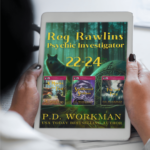 Reg Rawlins, Psychic Investigator 22-24
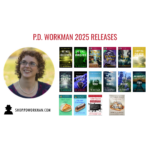 P.D. Workman Year in Review and Books Coming in 2026
 Fictional Dads: The Good, The Bad, & The Complex
 Don’t miss this new release! Fur and Fury
 Read Your Way Through May
 Announcing “Spellbound Statues” — You’ll Love These Paranormal Thrills!
 Depths of Intrigue: Exploring Medusa by Clive Cussler
 Just Arrived! You’ll Love “X Marks The Past”
 Plot Twists and Triumphs: 2024 Review
 From Classics to New Adventures: Your Holiday Reading Awaits!
 Holiday Happiness Starts Here: Claim Your Literary Treasure Trove!
 Fall Into Mischief and Mystery this October
 Nourish Minds and Bodies With this Unique Back-to-School Offer!
 Grab Your Sunglasses and Enjoy Six Exciting Summer Reads
 All I Want for Christmas (in July) is Clues
 A Mother’s Day Literary Brunch
 Lost Memories and Dark Secrets: The Intrigue of “The Crime Writer”
 Dark Chocolate? Satisfy Your Cravings for Mystery
 Roses, Chocolates, and Healthy Relationships: TDVAM
 Celebrate National Dark Chocolate Day with a Spellbinding Cozy Mystery
 Unlock The Secrets Of Sleepwalker’s Sanctuary
 Celebrating Highlights From 2023 And Exciting Releases In 2024
 Double the Mystery, Double the Magic at B&N: Buy One Get One Free
 Turn a Page on the New Year
 Step into a World of Intrigue in His Fear Was Real
 A Festive Blend of Cozy Mystery and Holiday Magic
 A Thrilling Journey Through the World of Viral Outbreaks
 Find Mystery, Magic and Sweet Treats This Easter
 Open Up a Whole New World of Reading With an Accessibility Pack
 Before She Was Helen: A Psychological Mystery Unveiled
 Cloaked Campaign: An Enchanting Tale of Power, Danger, and Intrigue
 On the Run, In Pursuit of Truth: ‘Blanche on the Lam’
 Dive Into a Magical Mystery with Thrice Spared
 Bidding Farewell to 2022, Hello 2023!
 Chip Away at the Mystery in Freezer I’ll Shoot
 Uncover the Mystery of Davyn’s Disappearance
 Enjoy paranormal holiday reads filled with witches and ghosts
 October is my Bookiversary
 Share A Story! Myths Magic and Mayhem
 How about putting these Easter treats in your basket?
 Undiscovered Tomb and Other Whodunnits Featuring Egypt
 Follow the Clues in Aunt Dimity and the Summer King
 Read Undiscovered Tomb and other New Releases
 Tracking a Killer in Blind Search
 Get a great deal on Time to Your Elf and more!
 Making some time for Mrs. Jeffries in the Nick of Time
 Tell a Fairy Tale
 Devoured: Cobblered to Death
 Time to Your Elf and more new releases
 A Treasure Chest Full of Deals
 A chilly read: Cover of Snow
 New Release: Careful of Thy Wishes and more!
 Back to the school yard with Big Little Lies
 Answer Your Cat’s Questions Day
 Another Bookiversary
 Take your time with This Tender Land
 Read Without Foresight and other new releases
 Puppies and poison in Dead in Dublin
 Get Magic Ain’t a Game and other freebies
 Personal Power in Fiction
[image error]
Let the fake snow fly, it is Christmas in July!
Personal Power in Fiction
[image error]
Let the fake snow fly, it is Christmas in July!
 Investigate A Willing Murder
 Magic Ain’t a Game and more New Releases
 Lose Yourself in The Unlikely Hero of Room 13B
 Reading The Princess Bride? Inconceivable!
 Meeting Old Friends in Midnight Sun
 A Word for The Silent Patient
[image error]
A Sweet Mystery in Bitter Sweet
[image error]
Springing into Easter Reads
A Word for The Silent Patient
[image error]
A Sweet Mystery in Bitter Sweet
[image error]
Springing into Easter Reads
 Get cozy with a brozy mystery
[image error]
A Whisker’s Breadth and More Freebies!
[image error]
My 2020 Bookiversary
Get cozy with a brozy mystery
[image error]
A Whisker’s Breadth and More Freebies!
[image error]
My 2020 Bookiversary
 A Whisker’s Breadth and other New Releases!
[image error]
Trick or Treat! Get your Halloween Reads
A Whisker’s Breadth and other New Releases!
[image error]
Trick or Treat! Get your Halloween Reads
 Free reads – Web of Nightmares and more
 Whisper Network speaks loud and clear
 It’s new release day! Web of Nightmares and more
 Celebrate Cozy Mystery Day with me!
 Nicholas Sparks tries his hand at Romantic Suspense
 Fairy Blade Unmade and other freebies
 Excerpt from The Guest List
[image error]
Fairy Blade Unmade and other new releases
Excerpt from The Guest List
[image error]
Fairy Blade Unmade and other new releases
 Excerpt from The Wrong Side of Goodbye
[image error]
Sale on Night of Nine Tails
Excerpt from The Wrong Side of Goodbye
[image error]
Sale on Night of Nine Tails
 What the Cat Knew sale just $0.99
 Happy Birthday to You Too!
 Why doesn’t she leave?
 Delusions of the Past and other freebies
 Excerpt from The Alice Network
[image error]
Delusions of the Past and other new releases
[image error]
Pet Poisoning Awareness
Excerpt from The Alice Network
[image error]
Delusions of the Past and other new releases
[image error]
Pet Poisoning Awareness
 Excerpt from Invisible Women
 The Telepathy of Gardens and other freebies
[image error]
Excerpt from The Reckoning
The Telepathy of Gardens and other freebies
[image error]
Excerpt from The Reckoning
 The Telepathy of Gardens and other New Releases!
 Excerpt from The Cuckoo’s Calling
[image error]
Freebie weekend – Night of Nine Tails and more
[image error]
Fiction about Anxiety
Excerpt from The Cuckoo’s Calling
[image error]
Freebie weekend – Night of Nine Tails and more
[image error]
Fiction about Anxiety
 The year ahead
 Excerpt from 61 Hours
 Release of Night of Nine Tails and others
 Three books just $0.99
[image error]
Flash sale on A Catastrophic Theft
Three books just $0.99
[image error]
Flash sale on A Catastrophic Theft
 Flash Sale on A Psychic with Catitude
Flash sale on What the Cat Knew
Flash Sale on A Psychic with Catitude
Flash sale on What the Cat Knew
 Excerpt from Dan Brown’s Origin
[image error]
It’s my bookiversary
Excerpt from Dan Brown’s Origin
[image error]
It’s my bookiversary
 National Cozy Mystery Day
 What’s on the drawing board?
[image error]
Hoppy Easter Reading
What’s on the drawing board?
[image error]
Hoppy Easter Reading
 A Catastrophic Theft and other March freebies
[image error]
Excerpt from The Last Anniversary
A Catastrophic Theft and other March freebies
[image error]
Excerpt from The Last Anniversary
 Consent is Magical
 Excerpt from First Family
[image error]
A Catastrophic Theft and other New Releases
[image error]
Excerpt from the Shack
Excerpt from First Family
[image error]
A Catastrophic Theft and other New Releases
[image error]
Excerpt from the Shack
 A Psychic with Catitude and other Freebies
[image error]
A Psychic with Catitude and other New Releases
[image error]
Excerpt from Gray Mountain
A Psychic with Catitude and other Freebies
[image error]
A Psychic with Catitude and other New Releases
[image error]
Excerpt from Gray Mountain
 What the Cat Knew and other new releases
 Upcoming in 2019
 What’s coming up
#pt-cv-view-0d3d7f5iwl .pt-cv-title a, #pt-cv-view-0d3d7f5iwl .panel-title { font-size: 14px !important; line-height: 1.3 !important; color: #be1e2d !important; font-weight: 600 !important; }#pt-cv-view-0d3d7f5iwl .pt-cv-title a:hover, #pt-cv-view-0d3d7f5iwl .panel-title:hover { color: #0c0c0c !important; }#pt-cv-view-0d3d7f5iwl .pt-cv-readmore { color: #ffffff !important; background-color: #00aeef !important; }#pt-cv-view-0d3d7f5iwl .pt-cv-readmore:hover { color: #ffffff !important; background-color: #00aeef !important; }#pt-cv-view-0d3d7f5iwl { text-align: center; }
“Every single one of [P.D. Workman’s] books has spoken to me … And I have found strength in the books I’ve read.”
“This is one author I certainly will be looking out for, I can’t recommend her enough.”
“I’ll read anything by P. D. Workman that I can get my hands on.”
“Every book by PD Workman that I’ve read has been a gripping one, however different the genres are, going from lighter mysteries to really dark ones… this is one of my favourite, most dependable authors.”
“P.D. Workman is an incredibly versatile writer. No matter which of her books I read I am drawn into a great story and honestly, I don’t think I’ve followed another author that could go from cozy mystery to YA to a PI series dealing with mental health issues. Really enjoy her books!”
“[P.D. Workman’s] stories are so believable and you can’t help but feel like you know these people. You find yourself crying, laughing and feeling the characters emotions. Now if an author can make you cry and feel every emotion in a story, she is one hell of an author.”
“P. D. Workman, does not shy from probing the deep psychological scars of childhood trauma, mental illness, and addiction. Also characteristic of this author, these extremely sensitive issues are explored with extensive empathy, described with incredible clarity, and portrayed with profound insight.”
“Once again P.D.Workman has created an intense psychological mystery that impacts a wallop of thought induction. The writing is so well developed and draws you into the characters story.”
The post Reg Rawlins, Psychic Investigator 22-24 first appeared on pdworkman.com.


April 24, 2026
Glutenfreier Mord
New Release
Translator: Angelica Hagen-Resch
Series: Tante Clems Bäckerei #1
Genres: Cozy Mystery
eBook Price: $ 5.99 USD
Retailers Goodreads
Glutenfreier Mord
Charakterentwicklung und Intrigen. Die Spannung am Ende war spitze!
Von der USA-Today-Bestsellerautorin P. D. Workman!
Muffin-Mord
Erin Price zieht nach Bald Eagle Falls, eine Kleinstadt, in der jeder jeden kennt und immer weiß, was die anderen machen. Sie übernimmt den Laden, den ihre Tante ihr hinterlassen hat, und eröffnet eine glutenfreie Bäckerei. Die Eröffnung wird nur durch eine Sache getrübt: den Tod ihrer Geschäftsrivalin Angela Plaint. Es scheint, dass Angela von einem von Erins Muffins vergiftet wurde, was sie zur Hauptverdächtigen macht.
Ausgestattet mit Cupcakes, ihrer Leidenschaft für Wahrheit und der Hilfe der neuen Bäckereigehilfin Vicky tritt Erin gegen Detective Terry Piper an, um den Mord aufzuklären. Gerüchte über Schatzsuchen, Drogenhandel und einen vermissten Jungen machen in Bald Eagle Falls die Runde, während Erin versucht, die Hinweise von den falschen Fährten zu unterscheiden und den Mörder zu finden, bevor dieser ihr an den Kragen kommt.
Toller Kleinstadt-Krimi, gute Charakterentwicklung und Intrigen. Die Spannung am Ende war spitze!
Dies ist das erste Buch von PD Workman, das ich gelesen habe, und es wird sicherlich nicht das letzte sein. Die Autorin hat die Fähigkeit, die Leser in ihre Geschichte hineinzuziehen und sie bis zum Ende dort zu halten. Ihre Charaktere sind interessant und haben Tiefe. Sie hat keine Angst, die Bereiche unserer Gesellschaft zu erkunden, die viele lieber unter den Teppich kehren würden. Stattdessen nutzt sie sie in der Geschichte, um Spannung und glaubwürdige Charaktere zu erzeugen. Die Autorin hat am Ende eine Spannung aufgebaut, die mir den Atem anhielt.
Sie lieben Krimis, in denen eine Bäckerei im Mittelpunkt steht? Katzen, Hunde und andere Haustiere? Die preisgekrönte USA Today-Bestsellerautorin P. D. Workman entführt ihre Leser in die Kleinstadt Bald Eagle Falls, wo sie ein herrlicher kulinarischer Kriminalfall erwartet, den die glutenfreie Bäckerin Erin Price und ihre Freunde lösen müssen.
Also available in English
The post Glutenfreier Mord first appeared on pdworkman.com.
Discharged to Death
Preorder
Series: A Kenzie Kirsch Medical Thriller #14
Genres: Mystery, Suspense, Thriller, Mystery/Suspense
eBook Price: $ 7.99 USD
Paperback Price: $ 17.95 USD
eBook Accessibility Pack RetailersBookbubBingebooks Goodreads
Coming Soon!
Discharged to DeathAboutPraise for Kenzie KirschAuthor NotesPraise for P.D. Workman
Medical thriller. Hospital mystery. Forensic suspense.
When a routine hospital discharge turns deadly, medical examiner Kenzie Kirsch starts seeing a pattern no one else wants to name.
A vulnerable patient vanishes. Another body lands on Kenzie’s table. A grieving family member insists the hospital was warned. The evidence points to something even uglier than carelessness: a chain of bad assumptions, missing records, and someone willing to hide the truth in plain sight.
As the case widens, Kenzie and Zachary have to untangle hospital negligence and a trail of deaths that should never have looked natural in the first place. The deeper they go, the more dangerous it becomes to ask who benefited when the system failed.
Perfect for readers who love:
medical thriller and forensic suspensehospital corruption and institutional betrayalsmart, emotionally grounded investigatorsdark mystery with a strong family threadcharacter-driven series fictionIf you like your crime fiction clinical, tense, and impossible to walk away from, start Discharged to Death now.
Praise for Kenzie Kirsch Medical Thrillers
This mesmerizing tale is sure to keep you up late reading “just one more chapter” until you come to the realization that you are not going to put this book down until you have finished the very last sentence.
I always look forward to another story in this series because the author consistently delivers timely, relevant stories peopled with believable characters that are convincingly human, complete with positive attributes as well as fears, foibles and flaws. Add in the riveting details of an assistant medical examiner’s work with the bodies of victims who succumbed to all manner of abuse, misfortune and violence, and you will invariably be in for a thrilling ride…
P.D. Workman never fails to deliver an intriguing mystery with plenty of thrills, drama, and unexpected twists that will hold your attention from start to finish. The characters are believable, with flaws and attributes that will endear them to the reader. The stories always have, at their heart, socially relevant topics that are explored with compassion, intelligence, and dignity.
Looking for a strong female lead in an engaging medical mystery? Award-winning and USA Today Bestselling Author P.D. Workman brings you an up-and-coming Medical Examiner’s Assistant who is right up your alley.
Join Dr. Kenzie Kirsch as she uncovers mysteries, conspiracies, and thrills!
“P.D. Workman has done it again. she has managed to write a book that will push your buttons. If it doesn’t then you need to take another look.”
“This is a brilliant read. Wonderful well written plot and story line that had me engaged from the start. Love the well fleshed out characters and found them believable. Great suspense and action with wonderful world building that adds so much to the story. Can’t wait to see what the author brings us next!”
“Absolutely fabulous as always.”
Author Notes may contain spoilers
“Every single one of [P.D. Workman’s] books has spoken to me … And I have found strength in the books I’ve read.”
“This is one author I certainly will be looking out for, I can’t recommend her enough.”
“I’ll read anything by P. D. Workman that I can get my hands on.”
“Every book by PD Workman that I’ve read has been a gripping one, however different the genres are, going from lighter mysteries to really dark ones… this is one of my favourite, most dependable authors.”
“P.D. Workman is an incredibly versatile writer. No matter which of her books I read I am drawn into a great story and honestly, I don’t think I’ve followed another author that could go from cozy mystery to YA to a PI series dealing with mental health issues. Really enjoy her books!”
“[P.D. Workman’s] stories are so believable and you can’t help but feel like you know these people. You find yourself crying, laughing and feeling the characters emotions. Now if an author can make you cry and feel every emotion in a story, she is one hell of an author.”
“P. D. Workman, does not shy from probing the deep psychological scars of childhood trauma, mental illness, and addiction. Also characteristic of this author, these extremely sensitive issues are explored with extensive empathy, described with incredible clarity, and portrayed with profound insight.”
“Once again P.D.Workman has created an intense psychological mystery that impacts a wallop of thought induction. The writing is so well developed and draws you into the characters story.”
The post Discharged to Death first appeared on pdworkman.com.
April 21, 2026
If You Love Crime Novels With a Too-Perfect Suspect, Start Here
 Too Perfect to Trust
 A polished suspect, a nagging doubt, and a PI who refuses to ignore what feels staged.

One of my favorite mystery hooks is the person who looks perfect on paper.
Not loud. Not obviously dangerous. Not the kind of character who walks onto the page twirling a villain moustache and announcing trouble. I mean the person who is a little too polished. A little too charming. A little too exactly what everyone else wants to see.
That kind of suspect gives a crime novel a different kind of tension. The fear does not come from what you can prove right away. It comes from the fact that something feels off long before anyone can explain why.
That is such a delicious setup for suspense.
Why the too-perfect suspect works so well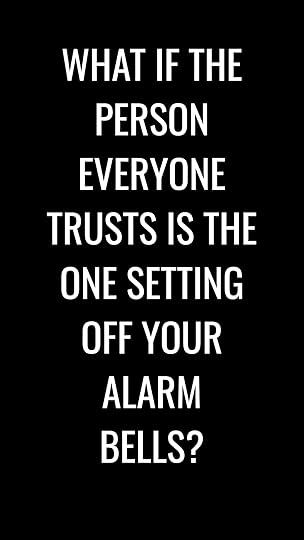
A messy suspect is easy. A suspicious suspect is easy. Readers can spot those from a mile away. But the suspect who seems kind, helpful, attentive, impressive, and safe? That is where things get interesting. Because now the investigation has to work harder.
Now the detective is not just looking for evidence. They are pushing against appearances. They are dealing with the fact that everyone around the suspect may want to believe the polished version. They are trying to separate instinct from paranoia and pattern from coincidence.
And as a reader, that means every conversation carries pressure. You start watching the details more closely. You notice what is just a little too smooth. You start wondering whether the charm is real, whether the timing is accidental, whether the story you are being handed is actually a performance.
The best version of this hookFor me, the best books with this kind of suspect do not rely on one big gotcha.
They build that creeping unease slowly. They let the detective ask normal questions that turn out not to have normal answers. They let the people around the suspect reveal how badly they want everything to be fine.
That is what makes the story twisty instead of gimmicky. The investigation keeps changing shape because the detective is not chasing one obvious criminal act. They are trying to figure out what is being hidden, who is protecting whom, and why the easy story refuses to sit right.
What readers usually love about this kind of mysteryCharm that feels like a maskInvestigations built on instinct as much as evidenceFamily members disagreeing about what is really going onEmotional stakes that rise with every new discoveryThat delicious feeling that the surface story is about to crack openIf that sounds like your kind of read, this is exactly the space where He Was Not Himself lives.
A mystery built on that pressure
In He Was Not Himself, private investigator Zachary Goldman is hired by a worried father to look into his daughter’s new boyfriend.
That is such a simple setup, and I love it for that reason. It is not a locked room. It is not a body in chapter one. It is a father saying, in effect, I know how this looks, but something about this man does not sit right with me.
And Zachary, being Zachary, cannot leave that kind of thing alone once it hooks him. The boyfriend is charming. Polished. Impressive. Hard to pin down. The story around him keeps seeming reasonable right up until it does not.
That is where the suspense comes from.
Not from gore. Not from spectacle. From pressure. From facades. From the feeling that every answer is making the situation worse instead of better.
If this is your lane, start hereIf you love crime novels where:
the suspect looks safer than he shouldthe detective notices what other people smooth overfamily loyalty complicates everythingthe case keeps shifting under the investigation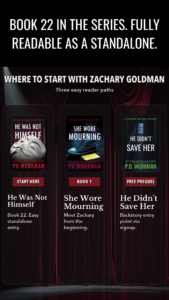
then He Was Not Himself is a very good place to start.
It is book 22 in the Zachary Goldman Mysteries, but it can absolutely be read as a standalone.
If you want to jump in with the newest release, start with He Was Not Himself. If you would rather begin at book 1, go with She Wore Mourning. And if you want a free way into Zachary’s world first, try Annie was the girl he couldn’t save, a website-exclusive behind-the-character story.
If you want more Zachary Goldman reading after this one, you might also like A Murder, a Silent Child, and a Private Investigator Who Understands Trauma and Scars Written on the Skin.
If the too-perfect suspect is one of your favorite mystery setups too, you are in very good company.
Keep Exploring Zachary Goldman Mysteries Hub Private Investigator Hub
 Start with the Zachary Goldman mysteries
Post Trauma and Truth
 A silent witness, a murder, and a PI who understands trauma
Post Scars Written on the Skin
 Zachary Goldman’s trauma-informed private investigator journey
Post He Broke the Silence
 A release post for a high-pressure PI mystery
FAQWhat kind of mystery reader usually loves a too-perfect suspect?Usually it is readers who enjoy psychological pressure, false appearances, and cases that unravel a little at a time instead of relying on gore or shock.
Is He Was Not Himself a private investigator mystery?Yes. Zachary Goldman is hired to look into a worried father’s concerns about his daughter’s new boyfriend, and the investigation spirals from there.
Can I read He Was Not Himself as a standalone?Yes. It is book 22 in the series, but the case hook is clear and the story gives new readers what they need to settle in quickly.
Is this more psychological suspense than violent thriller?Yes. The tension comes from facades, family pressure, reversals, and the sense that something is badly wrong long before anyone can prove it.
Where should I start with Zachary Goldman?Start with He Was Not Himself if you want the newest release, She Wore Mourning if you want book 1, or Annie was the girl he couldn’t save if you want a free website-exclusive entry point first.
The post If You Love Crime Novels With a Too-Perfect Suspect, Start Here first appeared on pdworkman.com.
Fresh Crime Fiction for Readers Who Miss Character-Driven Detectives
 A Detective Who Feels Human
 Why Zachary Goldman works for readers who want a private investigator with instincts, scars, and depth.

Sometimes I am in the mood for a mystery built around pure plot machinery.
But more often than not, the crime fiction that really stays with me is the kind where the investigator feels like a real person before they ever feel like a puzzle-solving device. I want the detective who notices things because of who they are. I want the case to matter because of what it costs them. I want the investigation to press on old bruises, loyalties, blind spots, and stubbornness instead of floating above the story untouched.
That is what character-driven detective fiction does so well.
What makes a detective feel character-drivenIt is not just that the detective has a tragic backstory or a few interesting habits. It is that the way they move through the investigation feels personal.
The clues matter, yes. The case matters, yes. But the detective’s mind matters too. Their instincts. Their relationships. The things they cannot let go. The things they would very much like to ignore but cannot.
When that is done well, the mystery gets richer. Every interview means more. Every wrong turn stings a little more. Every reversal hits harder because it is not just changing the plot. It is changing what the detective thought they understood about the people in front of them.
Why readers come back for these detectivesPlot can hook you fast. Character is what keeps you coming back.
Readers who love character-driven detectives are usually not looking only for a clever reveal. They are looking for a lead they want to spend time with. Someone observant and human. Someone who makes mistakes. Someone whose strengths come with edges.
That is especially true in long-running series. If the detective feels flat, twenty books is a lot. If the detective feels alive, readers will follow them almost anywhere.
Why private investigators are so good for thisI have always loved the intimacy of private investigator fiction. A PI does not have the same institutional distance a police procedural can have. The cases tend to be more personal. The clients are often messier. The investigator gets pulled right into family pressure, private fears, and the emotional fallout around the crime. That makes the detective feel closer to the people involved and, by extension, closer to the reader.
The case is not happening behind a desk. It is happening in living rooms, parking lots, kitchens, scenic pullouts, phone calls, and awkward conversations where nobody is saying quite enough. That is my favorite kind of pressure.
Zachary Goldman is exactly this kind of detective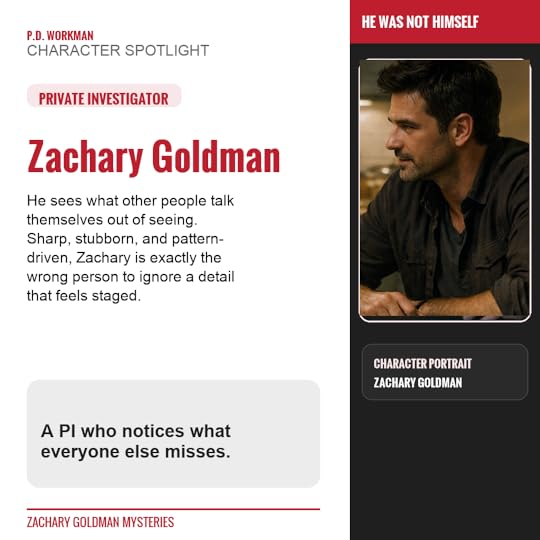
If you are looking for fresh crime fiction with a character-driven detective at the center, Zachary Goldman is a very good place to start. Zachary is not polished. He is not effortlessly in control. He is observant, stubborn, vulnerable, and very bad at walking away once he is hooked.
What I especially love about writing him is that his mind does not move in a bland, procedural rhythm. He catches patterns. He notices pressure. He listens for the detail that does not sit right.
That makes him a strong fit for mysteries built on false appearances and shifting loyalties, because he is exactly the kind of investigator who will keep worrying at the polished version until it cracks. That is a huge part of what drives He Was Not Himself.
A fresh entry point if that is what you wantIn He Was Not Himself, Zachary takes what should be a straightforward background-check case for a worried father.
It is not straightforward for long. The setup gives him exactly the kind of investigation that works best for a character like him: a case built on doubt, instinct, facades, and the emotional mess people create around the truth.
If you like detectives who are not just solving for plot but reading pressure, relationships, and the part of the story that nobody wants looked at too closely, this book was very much written for you.
If you miss this kind of crime fiction, try these reading pathsIf you want the freshest Zachary Goldman entry point, start with He Was Not Himself.
If you want to go all the way back to the beginning, start with She Wore Mourning. If you want a free first taste, try Annie was the girl he couldn’t save, a website-exclusive behind-the-character story.
If you want more Zachary Goldman reading while you are here, take a look at A Murder, a Silent Child, and a Private Investigator Who Understands Trauma and If You Love PI Mysteries, He Broke the Silence Is for You.
There is a lot of crime fiction out there right now. Some of it is slick. Some of it is high-concept. Some of it is built to move fast and vanish. But if what you are really missing is a detective who feels human and a case that gets under his skin as much as it gets under yours, that is the lane Zachary lives in.
Keep Exploring Zachary Goldman Mysteries Hub Private Investigator Hub Start with the Zachary Goldman mysteries
Post Trauma and Truth A silent witness, a murder, and a PI who understands trauma
Post Scars Written on the Skin Zachary Goldman’s trauma-informed private investigator journey
Post He Broke the Silence A release post for a high-pressure PI mystery
FAQWhat is character-driven detective fiction?It is mystery fiction where the detective’s personality, instincts, wounds, and relationships shape the investigation as much as the clues do.
Is Zachary Goldman a private investigator or a police detective?Zachary Goldman is a private investigator, which lets the cases get more intimate, more personal, and more emotionally tangled than a standard procedural.
Is He Was Not Himself a good starting point?Yes. It is a strong jump-in point for new readers because the case hook is immediate and the book works as a standalone.
Are the Zachary Goldman mysteries more emotional or procedural?They lean toward the emotional and character-driven side of mystery, while still giving readers a satisfying investigation and strong forward momentum.
Where can I read more about Zachary Goldman?The best place to start is the Zachary Goldman mysteries hub, along with related posts like A Murder, a Silent Child, and a Private Investigator Who Understands Trauma.
The post Fresh Crime Fiction for Readers Who Miss Character-Driven Detectives first appeared on pdworkman.com.
The Best Standalone Mysteries in Long-Running Series for Readers Who Want to Jump In Now
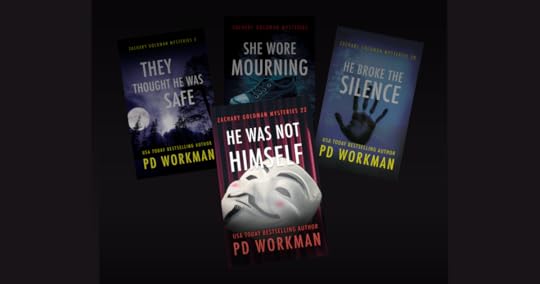 A Strong Place to Start
 Book 22 works as a clean standalone entry point while still opening the door to the bigger series.
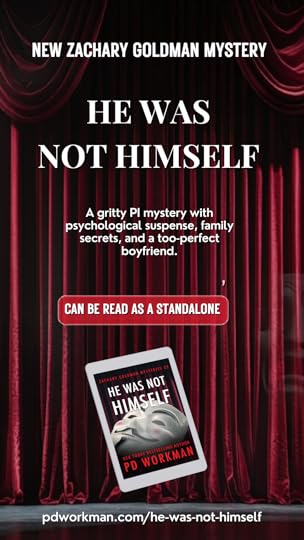
One of the biggest things that stops readers from trying a mystery series is the number on the cover.
Book 12. Book 18. Book 22.
I get it. You do not want to feel lost. You do not want to spend half the story wondering who everybody is. And you definitely do not want to pick up a book that feels like you accidentally started a television season in the middle.
But one of the pleasures of a good long-running mystery series is that many of them are built to let you jump in. In fact, some of the best series become more welcoming as they grow, because the author has had time to get very clear on what the reader needs in order to settle in fast.
What makes a standalone mystery in a series work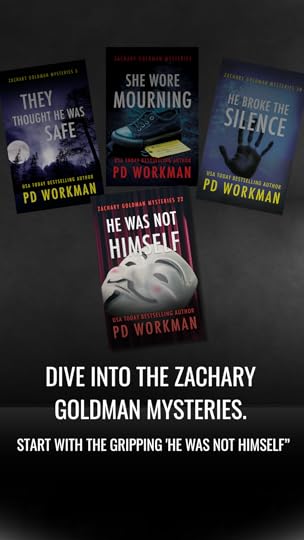
For me, a strong standalone mystery in a long-running series needs a few things.
First, it needs a clean case hook. You should be able to understand the immediate problem quickly: who is worried, what is wrong, and why the investigator is involved.
Second, it needs enough character context to orient you without turning into a lecture. I do not need a ten-page recap of prior books. I just need to know who the detective is, what kind of pressure they are under, and what emotional ground they are standing on.
Third, the current case needs to carry its own weight. The story should resolve in a satisfying way even if there are deeper series threads running underneath. That balance is the sweet spot.
Why readers should not be afraid of long-running seriesThere is something wonderful about stepping into a series with history behind it. The world feels lived in. The investigator feels shaped. The supporting cast has texture. You get the sense that the detective had a life before you arrived and will keep having one after the case ends.
That can be a feature, not a bug. If the book is written well, you do not feel shut out. You feel like you have walked into a real world with depth.
Why this matters for mystery readers in particularMystery readers are often not just looking for one good plot. We are looking for someone to follow. When we find a detective we click with, a long-running series stops feeling intimidating and starts feeling generous. There is more waiting for us if we want it. That is exactly why I like pointing new readers toward books that work both ways: satisfying right now, but also a doorway into a bigger body of work.
A very good example: He Was Not HimselfIf you want a standalone mystery in a long-running series that you can jump into right now, He Was Not Himself is one I would hand you with confidence. It is book 22 in the Zachary Goldman Mysteries, but the case hook is immediate and clear:
A worried father hires private investigator Zachary Goldman to look into his daughter’s new boyfriend. That is all you need to know to feel the story click into place.
From there, the investigation opens out into the kind of pressure I love most in mystery fiction: false appearances, family tension, hidden loyalties, and the nagging sense that the easy explanation is not the true one.
You do not have to know every beat of Zachary’s past to read it. The book gives you what you need. What the longer series history adds is weight and texture, not confusion.
If you want options, here are three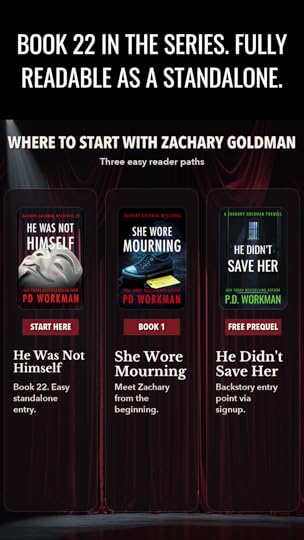
If you are new to Zachary Goldman, there are three especially good paths in. If you want the newest release and the quickest jump into the current shape of the series, start with He Was Not Himself.
If you are the kind of reader who really loves beginning at the beginning, start with She Wore Mourning.
If you want a free way to test the waters first, try Annie was the girl he couldn’t save, a website-exclusive behind-the-character story.
If you are still deciding where to jump in, the Zachary Goldman mysteries hub and If You Love PI Mysteries, He Broke the Silence Is for You are both good next reads.
There is no wrong answer there. It is just a matter of what kind of reading mood you are in!
Jump in now, not somedayIf you have been telling yourself you will try that mystery series someday, consider this permission to stop waiting for perfect conditions. The best standalone entries are written for exactly that moment. And if what you want is a twisty private investigator mystery with emotional stakes, a strong central hook, and a lead worth following, He Was Not Himself is a very good place to jump in now.
Keep Exploring Zachary Goldman Mysteries Hub Private Investigator Hub Start with the Zachary Goldman mysteries
Post Trauma and Truth A silent witness, a murder, and a PI who understands trauma
Post Scars Written on the Skin Zachary Goldman’s trauma-informed private investigator journey
Post He Broke the Silence A release post for a high-pressure PI mystery
FAQCan you start with book 22 in a mystery series?Yes, if the book is built to orient new readers quickly. He Was Not Himself does that with a clear case hook and enough character context to let you settle in fast.
Do the Zachary Goldman books work as standalones?Yes. Each case is meant to be satisfying on its own, even though long-time readers will also pick up extra series texture and character history.
What is He Was Not Himself about?The story begins when a worried father hires private investigator Zachary Goldman to look into his daughter’s new boyfriend, and the case keeps getting more complicated from there.
What if I prefer to start at book 1?Then start with She Wore Mourning. It is the first Zachary Goldman mystery and a good choice if you love beginning at the beginning.
Is there a free way to sample Zachary Goldman?Yes. Try Annie was the girl he couldn’t save if you want a free website-exclusive entry point before committing to the full series.
The post The Best Standalone Mysteries in Long-Running Series for Readers Who Want to Jump In Now first appeared on pdworkman.com.
The Best Mystery Books for Readers Who Love Reversals More Than Body Counts
 Reversals Over Gore
 A mystery built on shifting pressure, hidden loyalties, and the dread of a story turning under your feet.
Not every mystery reader is looking for the highest body count in the room.
Some of us are here for the reversals.
For the moment when the case turns. For the realization that the clue you thought meant one thing actually means another. For the shift in pressure when the easy story falls apart and something more dangerous starts to show underneath. That is the kind of suspense I love most. It is not quieter, exactly. It is just built differently.
What reversals do that shock never can
Graphic violence can startle a reader. Reversals stay with them.
A good reversal changes the shape of the investigation. It makes you re-evaluate motives, loyalties, first impressions, and the meaning of details you thought were settled. It deepens the story.
That is why some of the most gripping mysteries are not the bloodiest ones. They are the ones where the tension keeps tightening because the detective is constantly having to adjust to new information and newly exposed pressure.
What I look for in this kind of mysteryWhen I am looking for mysteries built on reversals, I want:
a case that starts with a clean, understandable hookcharacters with reasons to hide what they knowemotional stakes, not just forensic stakesthe sense that appearances are actively misleadingan investigator who can feel when the story does not sit rightThat combination gives you forward motion and instability at the same time. You are moving through the case, but the ground keeps shifting.
Why this matters for readers who do not want gore-heavy suspense
A lot of readers want something twisty without wanting something gruesome. They want suspense, dread, and pressure. They want to be surprised. They want the thrill of a story turning under them. What they do not necessarily want is page after page trying to gross them out. That is a very real reading taste, and it is one I have a lot of sympathy for.
Psychological suspense and character-driven mystery can do that beautifully. You still get urgency. You still get danger. You still get that delicious pull to keep reading just one more chapter.
You are just getting it through pressure, deception, and reversals instead of sheer blood volume.
Where He Was Not Himself fits
If that is your lane, He Was Not Himself was written very much with that kind of reader in mind.
The story begins with a private investigator being asked to look into a young woman’s new boyfriend. That sounds simple enough. Reassure the family. Check the background. Clear the air.
Except the case does not stay simple.
The boyfriend is too polished. The details do not line up cleanly. The emotional stakes keep rising. The more Zachary Goldman digs, the less stable the easy explanations become. That is the engine of the book. Not body count. Not spectacle. Reversals, facades, family pressure, and the dread that comes from realizing people are protecting very different versions of the truth.
Who will probably love this kind of readYou will probably click with mysteries like this if you love:
private investigator stories with emotional stakesfamily secrets and hidden loyaltiescrime novels where first impressions are dangerousdetectives who notice patterns other people missplot turns that feel earned instead of randomIf that sounds good, start hereIf you are looking for a mystery built on reversals more than body counts, start with He Was Not Himself. It is book 22 in the Zachary Goldman Mysteries, but it can be read as a standalone.
If you want to back up to the beginning of the series after that, start with She Wore Mourning. And if you want a free first step into Zachary’s world, try Annie was the girl he couldn’t save, a website-exclusive behind-the-character story.
If you want more of the emotional side of this series, read A Murder, a Silent Child, and a Private Investigator Who Understands Trauma and Scars Written on the Skin.
There are plenty of mysteries out there that can shock you. But if what you really want is that wonderful, uneasy feeling of a case turning under your feet, this is the kind of story to reach for.
Keep Exploring Zachary Goldman Mysteries Hub Private Investigator Hub Start with the Zachary Goldman mysteries
Post Trauma and Truth A silent witness, a murder, and a PI who understands trauma
Post Scars Written on the Skin Zachary Goldman’s trauma-informed private investigator journey
Post He Broke the Silence A release post for a high-pressure PI mystery
FAQWhat makes a mystery feel twisty without a high body count?It is the reversals, the changing pressures, the hidden loyalties, and the feeling that the case keeps turning into something larger and more dangerous.
Is He Was Not Himself more about reversals than gore?Yes. The suspense is built on facades, emotional stakes, family pressure, and the uneasy sense that the easy explanation is not the real one.
Is Zachary Goldman a private investigator?Yes. Zachary Goldman is a private investigator, which gives the series an intimate, character-driven feel instead of a procedural distance.
Can new readers start with this book?Yes. He Was Not Himself works as a standalone even though it is part of a longer-running mystery series.
Where should I go next if I like this style of suspense?You can move on to She Wore Mourning, browse the Zachary Goldman mysteries hub, or read related posts about Zachary’s trauma-informed cases and backstory.
The post The Best Mystery Books for Readers Who Love Reversals More Than Body Counts first appeared on pdworkman.com.
April 19, 2026
Mother’s Day Books and Gift Ideas
 Mother’s Day Books
 Gift ideas for book-loving moms
Mother’s Day books and gift ideas do not need to be complicated. If you want a simple gift, a quick reading list, or a few stories with strong mothers at the center, start here.
I pulled together my Mother’s Day books and gift ideas in one place so you do not have to hunt for them. If you want the fastest path, start with the quiz. If you want a broader bookish round-up, go straight to the brunch post. If you want fiction with mothers that feel real, click the strong mothers post next.
Start Here Gift Pick
 Celebrate with the Perfect Mother’s Day Book
 Brunch Time
 A Mother’s Day Literary Brunch
 Strong Mothers
 Reading about Strong Mothers
If you are only clicking one thing today, make it the quiz. If you want a quick gift idea list, the brunch post is the next best stop. And if you want books with mothers at the center, the strong mothers post is the one to read first.
More Mother’s Day Reads Quick Read
 Give yourself books for Mother’s Day!
 For Mom
 Books for Mom! Buy her books for Mother’s Day
These older posts still hold up. They are simple, book-first, and easy to use when Mother’s Day is close and you want something that feels thoughtful without turning into a project.
That is the spirit of this page: a quick place to start, a few good reads, and a gift idea that does not need wrapping paper to work.
Frequently Asked QuestionsWhat should I start with?
Start with Celebrate with the Perfect Mother’s Day Book if you want the quickest gift idea. If you want a broader reading path, open A Mother’s Day Literary Brunch next.
Which post is best if I want books with strong mothers in them?
Reading about Strong Mothers is the best fit if you want fiction with mothers at the center.
Are these only my books?
No. This hub mixes my Mother’s Day posts with a few reading ideas that still feel useful for the season.
What if I want a fast last-minute gift?
Open the quiz, pick a book, and you are set. If you want a little more help, the brunch post gives you a simple path through the older Mother’s Day posts too.
{ "@context": "https://schema.org", "@graph": [ { "@type": "Article", "@id": "https://pdworkman.com/mothers-day-boo...", "mainEntityOfPage": { "@type": "WebPage", "@id": "https://pdworkman.com/mothers-day-boo..." }, "headline": "Mother's Day Books and Gift Ideas", "description": "Looking for Mother's Day books and gift ideas? Start here for a quick hub of book gifts, strong mother reads, and easy posts to share.", "image": [ "https://pdworkman.com/wp-content/uplo..." ], "author": { "@type": "Person", "name": "P.D. Workman", "url": "https://pdworkman.com/about-p-d-workman/" }, "publisher": { "@type": "Organization", "name": "P.D. Workman", "logo": { "@type": "ImageObject", "url": "https://pdworkman.com/wp-content/uplo..." } }, "datePublished": "2026-04-19", "dateModified": "2026-04-19", "keywords": [ "Mother's Day books", "Mother's Day gift ideas", "books for mom", "strong mothers", "bookish gifts" ], "articleSection": [ "Mother's Day", "Gift Ideas", "Book Gifts", "Reading Lists" ], "about": [ { "@type": "Thing", "name": "Mother's Day books" }, { "@type": "Thing", "name": "Mother's Day gift ideas" }, { "@type": "Thing", "name": "Book gifts for mom" } ], "inLanguage": "en-US" }, { "@type": "FAQPage", "@id": "https://pdworkman.com/mothers-day-boo...", "mainEntity": [ { "@type": "Question", "name": "What should I start with?", "acceptedAnswer": { "@type": "Answer", "text": "Start with Celebrate with the Perfect Mother's Day Book if you want the quickest gift idea. If you want a broader reading path, open A Mother's Day Literary Brunch next." } }, { "@type": "Question", "name": "Which post is best if I want books with strong mothers in them?", "acceptedAnswer": { "@type": "Answer", "text": "Reading about Strong Mothers is the best fit if you want fiction with mothers at the center." } }, { "@type": "Question", "name": "Are these only my books?", "acceptedAnswer": { "@type": "Answer", "text": "No. This hub mixes Mother's Day posts with a few reading ideas that still feel useful for the season." } }, { "@type": "Question", "name": "What if I want a fast last-minute gift?", "acceptedAnswer": { "@type": "Answer", "text": "Open the quiz, pick a book, and you are set. If you want a little more help, the brunch post gives you a simple path through the older Mother's Day posts too." } } ] } ]}The post Mother’s Day Books and Gift Ideas first appeared on pdworkman.com.
April 16, 2026
He Was Not Himself — A Gritty PI Mystery About Trust, Secrets, and Intuition
 He Was Not Himself Is Here
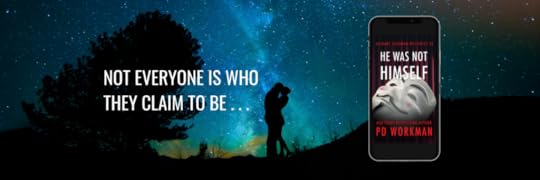
He Was Not Himself is now available! This new private investigator mystery drops Zachary Goldman into a case that begins quietly—and turns unsettling fast. A father worries his daughter’s perfect boyfriend is hiding something, and the deeper Zachary digs, the more the truth refuses to line up.
Love a mystery where something feels wrong long before anyone can prove it?
He Was Not Himself is part of the Zachary Goldman Mysteries, and this case starts with one of my favorite kinds of setups: a situation that looks ordinary from the outside, but gets more unsettling the closer you look.
BUY NOWother retailersA Case That Feels Wrong from the StartA father hires private investigator Zachary Goldman to look into his daughter’s new boyfriend. On paper, it sounds simple. Reassure the family. Do a little digging. Put everyone at ease.
But that is not what happens.
A High-Risk Case Zachary Never WantedThe boyfriend is charming, polished, and almost impossible to pin down. The details around him do not quite line up. The emotional stakes keep climbing. And Zachary, who is trying very hard not to take on another high-risk case, finds himself drawn deeper than he intended.
If you like:
private investigator mysteriespsychological suspensefamily secretsdark emotional stakesflawed investigators who refuse to let gothen He Was Not Himself was written with you in mind.
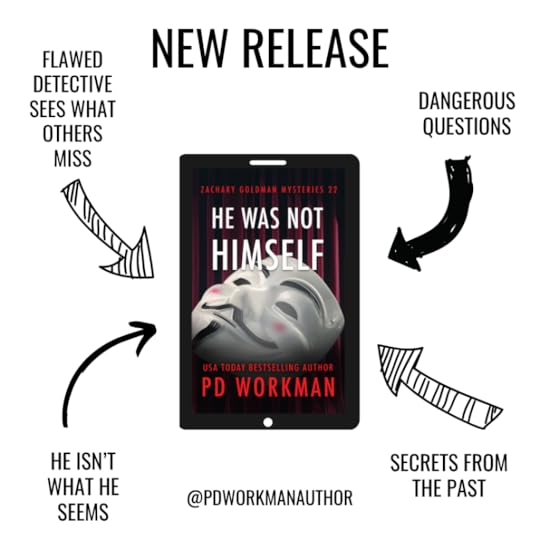
One thing I especially love about this book is the tension between what people show the world and what they keep hidden. That pressure is everywhere in this story. It affects the case, the family at the center of it, and the way Zachary has to navigate what he sees versus what he can actually prove.
Start Reading He Was Not Himself, a Private Investigator MysteryHe Was Not Himself is book 22 in the Zachary Goldman Mysteries, but you can absolutely read it as a standalone.
If you are ready to dive in, you can start here!
About the SeriesThe Zachary Goldman PI Mysteries can be read as standalones.
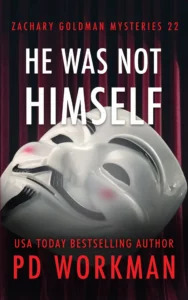
If He Was Not Himself catches your eye, you can jump in right here. All Zachary Goldman PI Mysteries can be read as standalones.
BUY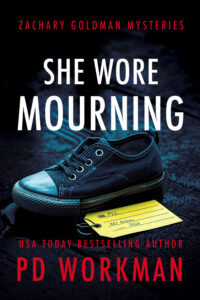
If you want to start at the beginning, go with She Wore Mourning, the first book in the series. Free in the author’s estore for a limited time.
BUY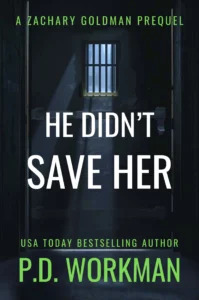
He Didn’t Save Her is a free prequel story that helps illuminate the man behind the cases. Sign up to download.
SIGN UPThank you for reading, reviewing, sharing, and championing this series. Every launch matters, and I am so glad to get to put this one into your hands.
Binge-worthy Private Investigator Mystery BundlesIf you love binge-reading private investigator mysteries, the Zachary Goldman series is built for you.
These collections give you multiple full-length psychological mystery novels with a trauma-informed detective at the center of every case:
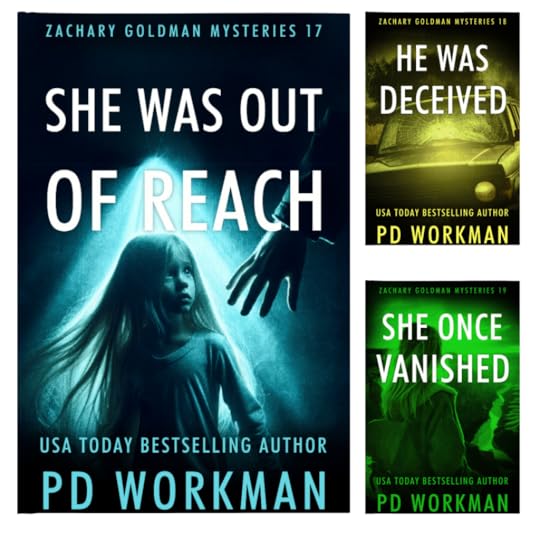
Books 17–19 Collection — three complete cases with escalating stakes and deeper character arcs
Read the 3-book collection
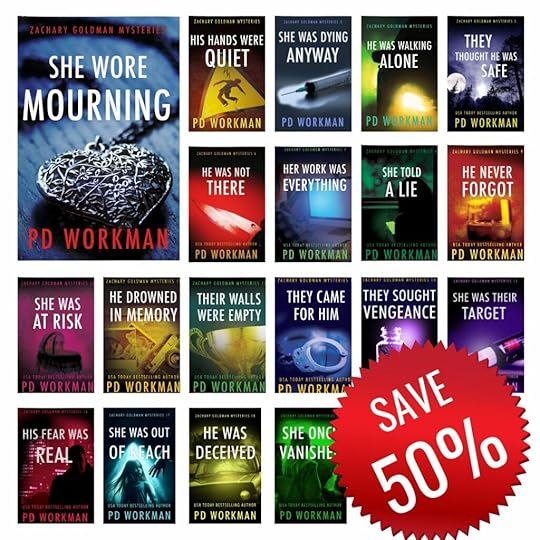
Books 1–19 Mega Bundle — a massive binge-read set featuring the full evolution of Zachary Goldman as a private investigator
Get the full series bundle
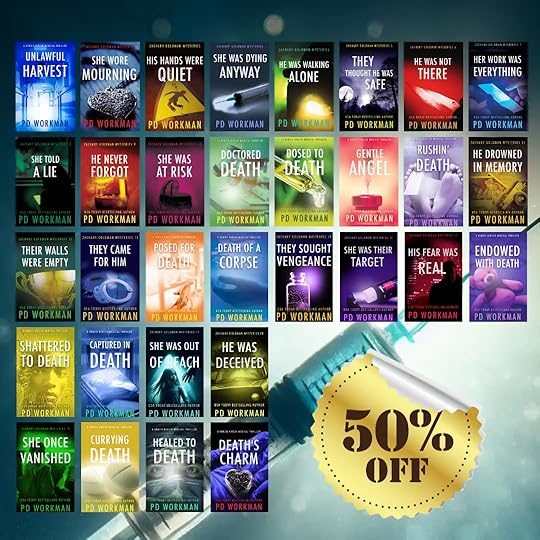
Zachary Goldman & Kenzie Kirsch Collection — crossover mysteries with layered investigations and connected cases
Explore the crossover collection
It is a gritty private investigator mystery with psychological suspense, family pressure, and dark emotional stakes.
Can I read it without reading the rest of the series?Yes. This is book 22, but the central case stands on its own and works well as a new-reader entry point.
What themes are in the book?False appearances, trust, intuition, family secrets, loyalty, recovery, and the tension between what people show and what they hide.
Is Zachary Goldman a traditional detective?He is a private investigator, not a police detective, and that gives the series a more intimate, character-driven feel.
What makes this one different?The core hook is very immediate: a boyfriend who seems perfect, a father who cannot shake his doubts, and a PI who realizes the truth is much messier than anyone expected.
Where can I get it?Clip one of the links above or check out the book page for more options: He Was Not Himself
The post He Was Not Himself — A Gritty PI Mystery About Trust, Secrets, and Intuition first appeared on pdworkman.com.
April 6, 2026
The Past Bleeds
Preorder
Series: A Bleeding Hearts Valley Thriller #3
Genres: Mystery, Suspense, Thriller, Mystery/Suspense
eBook Price: $ 3.99 USD
Paperback Price: $ 19.95 USD
eBook Paperback RetailersBookbubBingebooks Goodreads
Coming soon!
The Past Bleeds
Welcome to Bleeding Hearts Valley, a standalone series of interconnected thrillers in one twisted midwestern suburb.
A mystery from USA Today Bestselling author, P.D. Workman that will keep you turning the pages!
A gripping psychological thriller of small-town secrets, buried evidence, dangerous attraction, and a cold case that won’t stay buried.
Graham Hall thought he was just clearing out an old house.
Then he found the dress.
Hidden in the attic of a foreclosed home is a bloodstained sundress that points back to a family no one in town wants to talk about. A mother who disappeared. A daughter whose story never added up. A neighborhood full of people who heard too much, saw too much, and did nothing.
Graham has spent his life cleaning up other people’s messes, but this one reaches far beyond dust and debris. The more he digs into the Davis house, the more Bleeding Hearts Valley pushes back. Witnesses turn slippery. Police hit limits. Threats start arriving at his apartment.
Now Graham is caught between a chilling old mystery, a new romance, and a town that has survived by keeping its darkest secrets locked away. In Bleeding Hearts Valley, asking the wrong questions can cost you everything.
The Past Bleeds is a slow-burn, emotionally charged psychological thriller packed with buried secrets, escalating menace, and the kind of tension that keeps readers turning pages late into the night.
Keep coming back to Bleeding Hearts Valley to uncover more dark secrets. But before moving in remember, you can never trust your neighbors.
Tropes:
Small-town secretsBuried evidenceAmateur sleuthThreats that turn personalCold case atmosphereOutsider versus insular communityTrauma-haunted pastSlow-burn psychological suspenseWho will love it:
Readers who love psychological thrillers with emotional depth and mounting dreadFans of small-town suspense, domestic noir, and buried-family-secret storiesReaders who enjoy blue-collar protagonists instead of polished detectivesAnyone who wants a tense mystery with a strong sense of placeA Bleeding Hearts Valley Thriller
While The Past Bleeds tells a complete story, readers will want to follow the exploits of Graham Hall and others in Bleeding Hearts Valley. The main case is resolved, but Graham’s past—and Bleeding Hearts Valley’s secrets—hold plenty more stories to tell.
Dumpster dive into this suspense-filled thriller today and uncover whether truth or danger awaits at every turn!
Keep coming back to Bleeding Hearts Valley to uncover more dark secrets. But before moving in remember, you can never trust your neighbors.
Praise for P.D. Workman“Every single one of [P.D. Workman’s] books has spoken to me … And I have found strength in the books I’ve read.”
“This is one author I certainly will be looking out for, I can’t recommend her enough.”
“I’ll read anything by P. D. Workman that I can get my hands on.”
“Every book by PD Workman that I’ve read has been a gripping one, however different the genres are, going from lighter mysteries to really dark ones… this is one of my favourite, most dependable authors.”
“P.D. Workman is an incredibly versatile writer. No matter which of her books I read I am drawn into a great story and honestly, I don’t think I’ve followed another author that could go from cozy mystery to YA to a PI series dealing with mental health issues. Really enjoy her books!”
“[P.D. Workman’s] stories are so believable and you can’t help but feel like you know these people. You find yourself crying, laughing and feeling the characters emotions. Now if an author can make you cry and feel every emotion in a story, she is one hell of an author.”
“P. D. Workman, does not shy from probing the deep psychological scars of childhood trauma, mental illness, and addiction. Also characteristic of this author, these extremely sensitive issues are explored with extensive empathy, described with incredible clarity, and portrayed with profound insight.”
“Once again P.D.Workman has created an intense psychological mystery that impacts a wallop of thought induction. The writing is so well developed and draws you into the characters story.”
On My BlogPsychological Thrillers Clean Psychological Thrillers: Heart-Pounding Suspense Without the Gore Small Town Secrets: Why Familiar Places Make the Scariest Thrillers When Love Turns Dangerous: Obsession and Control in Psychological ThrillersThe post The Past Bleeds first appeared on pdworkman.com.

