
Rob Bell's Blog
November 19, 2025
How Cameron Balser Rewires Pain, Intuition, and Purpose
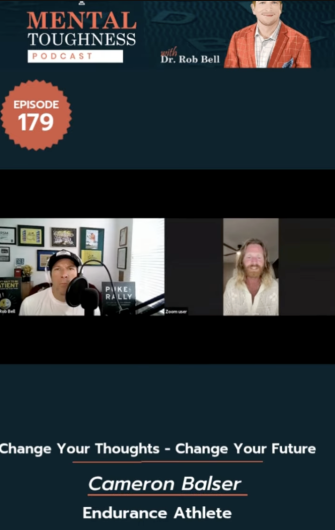
Cameron Balser turned a breakdown into a border-to-border breakthrough.
Known for running the entire perimeter of the United States—solo, self-supported, and hauling a cart for months—Cameron Balser offers a crisp lesson: change your thoughts and change your future. This is not a backpacking brochure. It is a call to arms for anyone tired of living inside other people’s expectations and ready to test their own limits with humor, heart, and a stubborn refusal to quit.
Table of Contents Nature as Home Base
 Community, Surprise, and the Prairie on Fire
 The Hinge Moment: Choosing to Live
 Trusting Intuition: Where Joy Lives
 Forgiveness as a Radical Strategy
 Problem-Solving on Four Wheels (and Duct Tape)
 Hinge Moments Multiply: The Speed Project
 Where the Love Comes From
 Final Challenge: Practice Small Audacity Nature as Home Base
Cameron Balser finds peace in the radical simplicity of nature.
For him, running is more than cardio; it is communion. He describes how days alone on the road never felt lonely because the world around him—trees, sun, wind—acted like a reminder that perception shapes reality.
When the mind quiets, perspective returns. Cameron uses grounding rituals—sometimes removing shoes and feeling the earth—to reconnect with something larger than anxiety or Instagram algorithms. It’s the psychological equivalent of turning off notifications and actually enjoying coffee while it is still hot.
Community, Surprise, and the Prairie on FireEven solo explorers discover they are not alone. At Prairie on Fire, Cameron Balser watched groups transform: people who had never run more than a few miles finishing marathons or 100-mile loops, under a moon bright enough that headlamps felt optional.
Those shared nights produce a useful truth: people are mirrors. The energy someone brings into a tent or aid station returns in unexpected kindness. Cameron’s journey was peppered with strangers offering meals, lifts, and tire replacements—evidence that generosity is often a two-way street. If you want help, try doing something hard first; the universe seems to notice effort.
The Hinge Moment: Choosing to LiveIn 2017, Cameron Balser reached a hinge moment. He hit a depth that most avoid naming: he no longer wanted to exist in the same way. What followed was not a dramatic overnight rescue but a methodical reorientation of thought.
“I changed my thoughts and it changed my life.”
That sentence is deceptively simple and deliberately challenging. Thoughts are not just private fluff; they are the architecture of action. Cameron made small, deliberate choices—eating better, trusting his instincts, and letting go of what he couldn’t control. Those tiny decisions compounded into a life reconfigured around purpose and presence.
Trusting Intuition: Where Joy LivesTrusting the gut is not mystical fluff when practiced daily. Cameron Balser credits intuition for crucial decisions, including the choice to walk away from a relationship that no longer allowed unconditional love. That painful step opened doors: the cross-country circumnavigation, unexpected sponsorships, and the deeper recognition that the internal compass often points truer than external advice.
Practical takeaway:
Listen first: quiet the opinions, then notice the pull in your chest.Test gently: trust won’t be perfect, but small bets build confidence.Be willing to pivot: when intuition and fear disagree, follow curiosity. Forgiveness as a Radical StrategyCameron speaks about forgiveness not as a platitude but as a survival skill. He shares personal history—being sexually assaulted—and frames forgiveness as a choice to break cycles of harm. Forgiveness does not mean forgetting or staying in toxic patterns; it means refusing to pass pain forward.
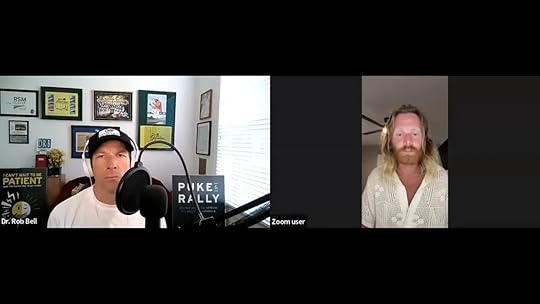
Holding resentment is like carrying a second cart—unnecessary weight that slows progress. Cameron challenges others to view forgiveness as ongoing work: sometimes a daily ritual, sometimes a hard conversation, sometimes a boundary that protects the heart.
Problem-Solving on Four Wheels (and Duct Tape)Running 11,000 miles with a 50 to 60-pound cart is an engineering challenge. Tires fail. Supplies dwindle. Cameron Balser learned to solve problems creatively: duct-taping tires, asking for help, and reframing each breakdown as a story in the making.
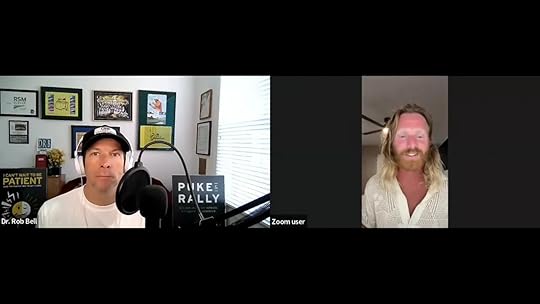
Key lesson: when essentials are food, water, and shelter, the rest becomes optional. That stripped-down worldview produces calm. It also forces cleverness. If a solution is not obvious, invent one—and be ready to accept help when it arrives. No person is an island; even island runners accept rides occasionally.
Hinge Moments Multiply: The Speed ProjectMid-journey, Cameron took an invitation to the Speed Project: a 300-mile race that required a short sprint and a long endurance heartbeat. He ran 40 miles a day to arrive, raced hard, took two days to recover, and then kept going. The experience crystallized a larger truth: opportunities show up when courage meets availability.
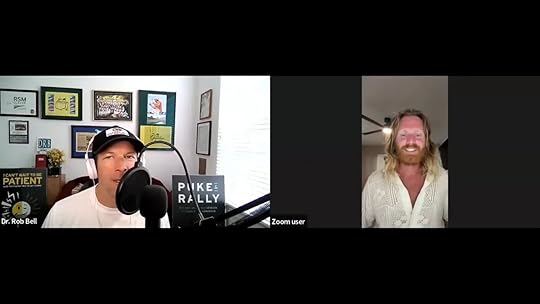
Open doors are often disguised as extra work. The challenge is to say yes more often—and to be willing to finish what you start.
Where the Love Comes FromCameron Balser credits much of his capacity for unconditional love to his mother. Her example taught him to love without expectation. That upbringing became the scaffolding for his public generosity and the quiet patience he shows others on the road.
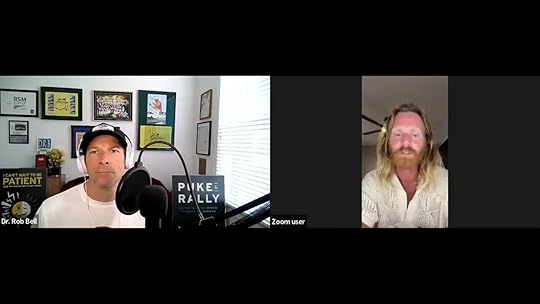
This is a reminder that great endurance feats are built on small, consistent acts of care, often supplied by one person who believes in you before the crowd notices.
Final Challenge: Practice Small AudacityCameron Balser’s story is an invitation, not a blueprint. You do not need 11,000 miles to test a truth. Start with a single audacious thing: say no to what drains you, forgive one person (including yourself), trust your gut on a small decision, or unplug for a morning and feel the ground.
“It’s always going to work out. If it hasn’t, it’s just not the end.”
That line is both comfort and dare. If comfort is your goal, keep scrolling. If growth bothers you in the best possible way, take one step today.
Practical Sprint PlanDay 1: Practice 15 minutes barefoot grounding or quiet walking.Day 3: Make one decision based on gut, not logic, and note the result.Day 7: Reach out and offer help or accept it—test the mirror effect.If Cameron Balser teaches anything about mental toughness, it is that the edge of life is where clarity lives.
Run toward it. Laugh when the cart needs duct tape.
Forgive, love, and keep moving.

Dr. Rob Bell is a Sport Psychology Coach. DRB & associates coach executives and professional athletes. Some clients have included three different winners on the PGA Tour, Indy Eleven, University of Notre Dame, Marriott, and Walgreens.
Check Out All The Books
Keynote Speaking On Mental Toughness
Mental Toughness Podcast as we interview expert athletes and coaches about Mental Strength and their Hinge Moment.
New Blog Posts are published weekly.
Follow on Twitter @drrobbell
Follow on Instagram @drrobbell


October 20, 2025
How to Win a Back-Yard Ultra | Dr. Rob Bell Sport Psychology Coach
Introduction Race Format & Why I Signed Up Preparation, Teamwork, and the Details
 Race Day: Highs, Lows, and the Hinge Moment
 Solitude, Spiritual Moments & The Midnight Birthday
 Debrief & Lessons Learned
 Mental Strategies & Practical Takeaways
 Conclusion
 Watch the full episode Introduction
I’m Dr. Rob Bell Sport psychology Coach based in the Indianapolis area. In this interview I recap my experience at the Prairie on Fire Backyard Ultra — a race I discussed in my Mental Toughness podcast episode. As a sport psychology coach, 8x author and athlete, I approached this event with a year of focused preparation and a mindset tuned to endurance, teamwork, and the little details that keep you moving.
Race Format & Why I Signed UpWhat is the Prairie on Fire Backyard Ultra and why did you choose this format?The Backyard Ultra is a simple-but-sadistic format: a 4.1-mile loop every hour, and you must be back at the start at the top of the hour. It keeps going until one runner remains. I signed up because it was as close to a “backyard” start as I could get and because the format rewards persistence over pure speed — you don’t have to be the fastest, you just can’t quit.
I used rate of perceived exertion (RPE). My target was an RPE of 2 — easy, conversational effort. That meant coming in around 52–53 minutes per loop, giving time to stretch, refuel and reset. Simple planning like that kept me feeling fresh even after a marathon’s worth of loops.
Preparation, Teamwork, and the DetailsWhat did your physical and mental preparation look like?I trained all year specifically for this race: higher mileage, strength work, strategic long runs (two separate six-hour training runs, one in Florida and one at the course), and sleep prioritization. I also worked with a coach to avoid overtraining — availability is the best ability. The phrase I kept coming back to was: we play like we train, we race like we train.
Extremely. This event is unique because you see your crew every hour. My wife and kids were my pit crew; we rehearsed exact routines for hydration, nutrition, sock changes, and quick stretches. Their presence kept me honest and pushed me farther — no one gets there alone. The team aspect turned individual endurance into a family effort.
Any preparation details people might overlook?Details matter. I did a sweat test and learned I was losing roughly 1,600 mg of sodium per hour — information that changed our fueling plan. Little things like sodium, backup hydration, and a practiced handoff every loop add up; they’re the difference between a manageable race and a meltdown.
Race Day: Highs, Lows, and the Hinge MomentWalk us through the race timeline and the turning point.The race started at 8:00 AM. Daytime was looped; at 8:00 PM the course became an out-and-back. I was about 50 miles at that switch. The race was smooth for the first 12 hours — fuel, pacing, and rhythm were dialed. Around mile 60 I felt stabbing pain under my foot. I tried creams and adjustments, but by mile 80 the problem had become a “blown tire.” I had to readjust expectations and set a new target: make it to 100 miles. It was time to Puke & Rally!
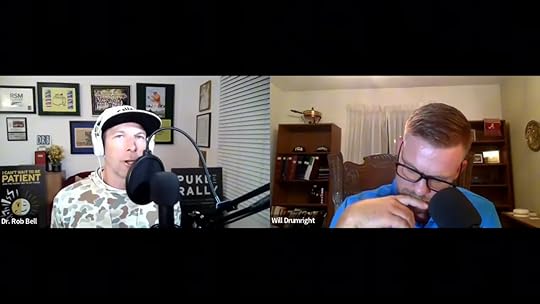
Mile 80 was when I had to admit something serious was wrong — the pain wasn’t subsiding and I couldn’t really push off. Telling the crew “I’ve got a flat tire” was humbling. I set a reachable goal (100 miles), but later realized anchoring firmly to that new number probably kept me from stretching farther. Hindsight: if I’d chosen 104 instead of 100, I might have pushed on longer. The injury was later diagnosed as a fifth metatarsal stress fracture.
Solitude, Spiritual Moments & The Midnight BirthdayWere there moments that surprised you emotionally or spiritually?Yes. Nighttime became solitary: I was the last runner out for several laps. I usually run without music, but for this race I brought some faith music that moved me. At 4:00 AM under moonlight, with tears and quiet prayer, I found perspective — even amid disappointment. At midnight we celebrated my daughter’s birthday (we share the same day) right on course — the race director sang “Happy Birthday” and she blew out an imaginary candle. Those human moments are why I race.
Did you have meaningful interactions with other runners?Absolutely. Early on I ran a loop with a 12-year-old named Hazel and helped her take the race one landmark at a time — “make it to the tree, then the parking lot.” Helping her reminded me to apply the same micro-goal strategy when things got hard later. That give-and-take between runners fills your soul and keeps you going.
Debrief & Lessons LearnedHow did you process the result afterward?Immediately after I struggled with mixed emotions — pride in 100 miles and disappointment that I couldn’t reach the original goal. Talking it out with friends, coaches and family helped. A core takeaway: control what you can, accept what you can’t, and be grateful for the things you did well. We packed up an entire day’s worth of gear afterward — that’s how many details were part of the event.
How did this race change you as a runner and coach?This race reinforced that preparation, attention to details, and team systems matter. It gave me confidence that the processes I use as a dr rob bell sport psychology coach are working: preparation, compartmentalization, and micro-goal setting. It also reminded me that good times don’t last — and that’s proof bad times won’t either. That perspective is a comforting lens I’ll bring into future coaching and racing.
Mental Strategies & Practical TakeawaysWhat mental strategies carried you through when your body wanted to stop?I compartmentalized everything: short-term targets (get to the next road, the coolers, the farmhouse), keep nutrition and hydration consistent, and stay small. Simple is powerful — but simple doesn’t mean easy. When the picture grows too big, it becomes paralyzing. Keep it bite-sized and keep moving.
Will you do it again — and what advice would you give others?I thought about it immediately after the race. My daughter and son want to race it, and I’d love to be part of that. Advice: practice the pit-crew routines, test your sweat/fuel needs, train like you’ll race (we play like we train), and learn to set micro-goals. If you can run 13 miles easily, this format is perfect for distance goals like a marathon or 50 miles.
ConclusionPrairie on Fire taught me about resilience, humility, and gratitude. As a dr rob bell sport psychology coach I’ll keep using these lessons — details matter, teamwork amplifies performance, and short-term goals get you through the long nights. Test becomes testimony; mess becomes the message. If you want to push your limits and to learn who you are in the arena, this format will show you — and you won’t do it alone.
Watch the full episodeTo hear the full conversation and the audio moments I reference, check out the original episode.

Knowing how to win a back-yard ultra is about persistence, strategy, and harnessing your inner strength. As you prepare, keep in mind the essential elements of how to win a back-yard ultra and train accordingly. Fostering a supportive community can help you discover how to win a back-yard ultra through shared insights and encouragement. We all want to know how to win a back-yard ultra, and it starts with defining our personal goals and motivations. Learning from others is key to understanding how to win a back-yard ultra, and sharing experiences can be beneficial.
Let’s discuss how to win a back-yard ultra by focusing on nutrition and hydration strategies that support endurance performance. Incorporating mental strategies plays a crucial role in knowing how to win a back-yard ultra and maintaining focus throughout the race. Achieving your goals requires understanding how to win a back-yard ultra and committing to a structured training regimen. Many athletes have questions about how to win a back-yard ultra, and it’s essential to address common concerns and training strategies.
By applying the principles of how to win a back-yard ultra, you can shape your training and racing experience effectively. Understanding how to win a back-yard ultra involves mastering endurance, pacing, and psychological resilience. Welcome to my blog where I provide valuable insights on how to win a back-yard ultra. In this post, I will delve deeper into how to win a back-yard ultra through effective training and mindset strategies.
Let’s explore the key tactics on how to win a back-yard ultra that can enhance your performance.
In this post, I will share insights on how to win a back-yard ultra, including important tips and personal strategies to help you succeed.
September 19, 2025
8 Ways Coach Jim Boylen Opens Doors: Lessons in Toughness
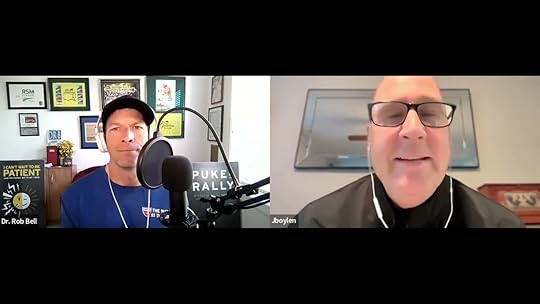
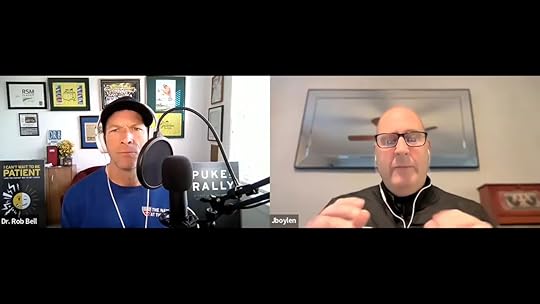
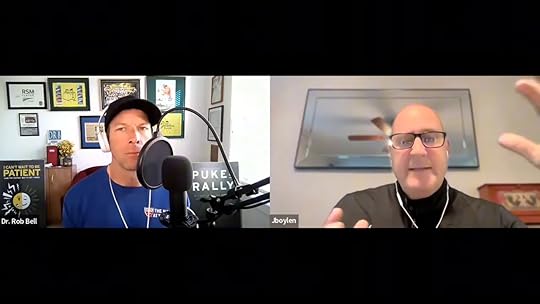
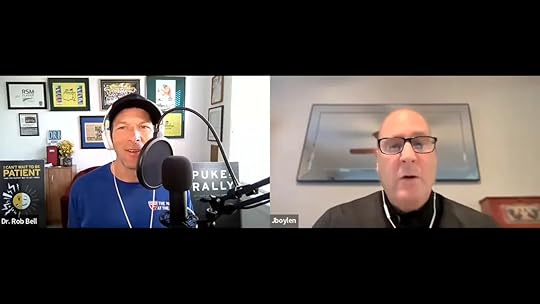
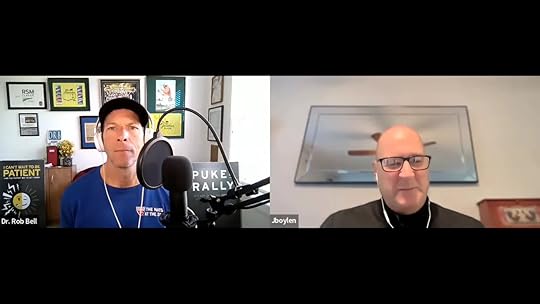
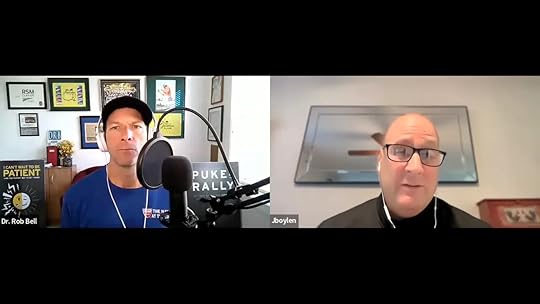
In this episode of the Mental Toughness podcast you’ll get a front-row seat to my conversation with Coach Jim Boylen.
If you want to learn how a hinge moment in childhood can shape a championship coaching career, how deliberate choices create opportunity, and how faith and discipline steady you through the hardest seasons, you’ll want to read this.
Throughout the post I’ll walk you through the core lessons Coach Jim Boylen shared—so you can apply them to your work, your team, and your life.
 The hinge moment that set the path2.
  Choose growth over comfort (the Michigan State move)3. Make yourself indispensable (the video story)4.
  Winning habits from the Rockets run5. Scout the story: the Drexler trade case study6. Learn how great coaches think (Mus, Pop, and the value of simplicity)7.
  Faith, tithing, and resilience through loss8.
  Control the controllables and stop comparing1. The hinge moment that set the path
You learn early that life hands you decisions that become doors. Coach Jim Boylen tells the story of feeling alienated after his parents’ divorce and being offered a scholarship to stay in the Catholic system. His mom gave him a choice: stay or move to the public school. He chose the harder path and says that decision taught him how to make tough calls and stand by them.
“Decision you make, you’re going to have to stand by and stand with and make work.”
You should notice how ownership matters: when you pick a path, you develop the confidence to make the next big decision. That’s the hinge that opens doors.
Choose growth over comfort (the Michigan State move)You can chase immediate comfort, or you can choose long-term growth. Jim explains why he left playing opportunities overseas to become the first graduate assistant at Michigan State. That move put him near mentors, on a Big Ten campus, and primed him for the NBA. You see the pattern: deliberate choices + the right people = momentum.
3. Make yourself indispensable (the video story)You’ll always get opportunities when you do the work nobody else wants. When Jud Heathcote bought the Avid video system, assistants avoided it. Jim dove in, became the resident expert, and the technology that intimidated others became his ticket to the NBA.
“Make yourself so valuable they can’t get rid of you.”
You should ask: what task can you master that others avoid? That’s often the shortest route to responsibility and trust.

Winning habits from the Rockets runYou get a masterclass in calm leadership from the championship years. Jim credits Rudy Tomjanovich’s focus on the next possession and his composure in elimination games. The lesson for you: focus on the next assignment, not the past mistake or the long-term noise.
Win the next possession, not the last one.Embrace role clarity and rugged role players.Let process trump panic under pressure.5. Scout the story: the Clyde Drexler trade case studyYou learn how patience, attention to detail, and long-term projects matter. Rudy assigned Coach Jim Boylen to gather everything on Clyde Drexler—newspaper clippings, films, weekly notes. That disciplined scouting helped the organization make a pivotal midseason trade that shifted their postseason fate.
“We thought our rebounding would go down and our rebounding went up with Clyde.”
If you want influence, do the homework everyone else treats as busywork.
Learn how great coaches think (Mus, Pop, and the value of simplicity)You should notice that top coaches combine toughness with care. Coach Jim Boylen breaks down what he learned from Eric Musselman—how to get the right play off the board in tight moments—and from Greg Popovich, who keeps strategy simple and emphasizes execution and rest. Your takeaway: simple plans, intelligently executed, beat complicated ones done poorly.
7. Faith, tithing, and resilience through lossYou see a different kind of toughness when life hits hard. Jim walks through the season he lost his brother, got fired, and went through a divorce—then found space to grieve, to be with his daughters, and to rebuild. He’s held to a lifelong practice of tithing since childhood, and he connects that discipline to the favor he’s experienced.
“It’s not my money anyways… He gave me the ability to make it, so it’s really his.”
You should take from this the reminder that spiritual practices or steady principles can anchor you when external identity fractures.
Control the controllables and stop comparingYou can’t manage everything, but you can control the basics: effort, attitude, punctuality, energy, and honesty. Jim’s final advice is for you to focus on those controllables and avoid the comparative mindset that derails people. Honest feedback and open conversation make teams resilient—and win games.
Own your effort and attitude.Tell the truth and accept it from others.Be the best version of yourself, not a copy of someone else.Final thoughtsYou walked through the arc of the life of Coach Jim Boylen . His hinge moments, hard decisions, technical mastery, mentorship under Hall of Famers, and the faith that keeps him steady. If you’re building a team, a career, or simply trying to be tougher in life, use these eight lessons as a checklist. Start with the controllables, find the work nobody wants, steward your relationships, and let disciplined choices become your hinge.
If you want to see the full conversation and hear these stories in Jim’s voice, watch the full episode on the Mental Toughness podcast.
Dr. Rob Bell is a Sport Psychology Coach. DRB & associates coach executives and professional athletes. Some clients have included three different winners on the PGA Tour, Indy Eleven, University of Notre Dame, Marriott, and Walgreens.
Check Out All The Books
Keynote Speaking On Mental Toughness
Mental Toughness Podcast as we interview expert athletes and coaches about Mental Strength and their Hinge Moment.
New Blog Posts are published weekly.
Follow on Twitter @drrobbell
Follow on Instagram @drrobbell
August 26, 2025
7 Lessons from Mia Hammond: How an Elite Amateur Golfer Built Mental Toughness

This article distills the insights shared by Dr. Rob Bell with guest Mia Hammond, highlighting the moments, habits, and mindset that helped Mia Hammond rise from junior events to an Epson Tour victory and a commitment to Duke University. Dr. Rob Bell’s conversation with Mia explores pressure, setbacks, practical routines, and clear strategies that aspiring players can adopt.
Table of Contents1. Early spark: multi-sport roots and the competitive ignition2.  Augusta National: a hinge moment under pressure3. From Monday qualifying to the Epson Tour win: execution under a new spotlight4. Mental tools and the value of a support network5.
  The father-caddie dynamic: presence, calm, and levity6.
  Setbacks that taught patience: the DQ, reputation, and recovery7.
  Balance and practical advice for juniors facing burnout1. Early spark: multi-sport roots and the competitive ignition
Mia Hammond didn’t start as a single-sport prodigy. She played softball, basketball and gymnastics before focusing on golf around age 10–11. That multi-sport foundation contributed balance, coordination, and competitive instincts.
One hinge moment for Mia Hammond early memory came from a US Kids event where a sixth-place finish at age seven stung so much she vowed to earn a medal. “The top five received a medal… I wanted a medal so bad,” she recalls — and two years later she won her first US Kids tournament. That hunger shaped the trajectory that would follow.
2. Augusta National: a hinge moment under pressureThe Drive, Chip & Putt win at Augusta National in 2022 was transformative. Mia remembers the surreal logistics — a separate practice area, assigned chipping spots, and intense restrictions that made the stage feel enormous. Standing over the final putt with rows of people behind her, she admits: “I was pretty nervous.”
That experience delivered more than a trophy. It introduced media exposure, live interviews, and interaction with iconic figures — experiences that built both poise and perspective for later pressure-filled weeks.
3. From Monday qualifying to the Epson Tour win: execution under a new spotlightMia’s ascent included shooting a 66 in Monday qualifying, making the cut at an LPGA junior event, playing on the Junior Solheim Cup, and ultimately becoming the first amateur in five years to win on the Epson Tour at the Greater Toledo Classic.
The Toledo week showed how small adjustments and steady execution win tournaments. After some mid-week nerves, a technical tweak in the transition — “slow it down, keep it smooth” — stabilized her ball-striking. She carried a lead into the final round for the first time at that level and had to defend it, a new psychological challenge: “Everyone was chasing me and I was the one they were waiting for to slip up.”
4. Mental tools and the value of a support networkMia credits access to a sports psychologist and coaches on the US Developmental National Team with helping her manage expectations and pressure. Mentorship — from coaches who’ve been at the college and pro level — gave actionable perspective and helped convert practice into performance.
She emphasizes modeling: surround yourself with players better than you, watch their reps, and target specific parts of the game to improve. Practically, that translated into measurable gains in her iron and wedge play inside 120 yards — the strength of her game.

The father-caddie dynamic: presence, calm, and levityMia Hammond credits her dad as a constant presence — from early simulator sessions in the basement to being on the bag during professional events. His reminders kept her grounded in Toledo: “This is no different than anything else… you’ve already proven yourself.”
“What happens from here on out is just gravy.”
That blend of reassurance and light-hearted bets (yes, shoes were at stake) allowed Mia to stay present and keep nerves from escalating into panic during the final-round pressure cooker.
6. Setbacks that taught patience: the DQ, reputation, and recoveryMia openly shares a painful stretch after signing the wrong scorecard at a combined LPGA/AJGA event which resulted in disqualification. Though she called the mistake on herself, the fallout lingered however— affecting confidence, recruiting conversations, and how she thought about performance.
Working with a sports psychologist she reframed the experience and recognized it had become a persistent worry. Letting go of that weight and rebuilding incrementally was the breakthrough: “Finally letting that go… helped me break through.”

Balance and practical advice for juniors facing burnoutMia stresses the need for separation between golf and life. She keeps a secondary social account that isn’t filled with golf content and chooses friends who don’t play, preserving outlets like pickleball, pool days, and simple downtime.
Her top practical advice to junior players: take breaks and avoid “searching” for fixes when struggling. Make small weekly goals and repeat them until progress accumulates. She learned that impatience and forcing breakthroughs backfire — patience wins.
Conclusion: A roadmap from talent to sustained growthMia Hammond has a story which is a compact lesson in combining talent, smart habits, emotional intelligence, and the courage to own mistakes. Her path — from US Kids motivation to an Epson Tour win and a commitment to Duke — underscores that elite development is as much about steady mental work as it is about swing mechanics.
For players and parents seeking a model for growth: focus on quality reps, surround yourself with people who raise the standard, protect reputation through honesty, and allow room for recovery. The mountain-top moments are spectacular — but the ascent is where muscle and patience are forged.

Dr. Rob Bell is a Sport Psychology Coach. DRB & associates coach executives and professional athletes. Some clients have included three different winners on the PGA Tour, Indy Eleven, University of Notre Dame, Marriott, and Walgreens.
Check Out All The Books
Keynote Speaking On Mental Toughness
Mental Toughness Podcast as we interview expert athletes and coaches about Mental Strength and their Hinge Moment.
New Blog Posts are published weekly.
Follow on Twitter @drrobbell
Follow on Instagram @drrobbell
August 18, 2025
Dr. Rob Bell | Finding the Good in Bad Situations

In our original video with Dr. Rob Bell, we — as a Mental Toughness Speaker and coach — walk through a simple but powerful idea: finding the good in bad situations. We tell the story of John Starks to show how setbacks can become the doorway to opportunity when we bring relentless work ethic and mental toughness to the recovery. Below we expand on that message, break down the lessons, and give practical takeaways for athletes, coaches, and anyone building mental resilience.
Why we look for good in bad situationsWe start with a principle we repeat often: no matter how tragic something feels in the moment, some good is going to come out of it. That doesn’t mean pain isn’t real — it is — but it does mean outcomes aren’t fixed. As a Mental Toughness Speaker, our role is to help teams and individuals reframe setbacks so they can see possibilities instead of only loss.
John Starks: a case study in grit

John Starks didn’t follow a conventional path. He wasn’t a standout in high school, played community college ball, and only got one year at Oklahoma State because a coach noticed him. He barely had a role with the Golden State Warriors, played a couple of games, and was cut. The turning point came during a Knicks tryout when he tried to dunk on seven-foot Patrick Ewing.
Ewing rejected him, Starks fell, and he was hurt. Here’s to finding the good in bad situations…
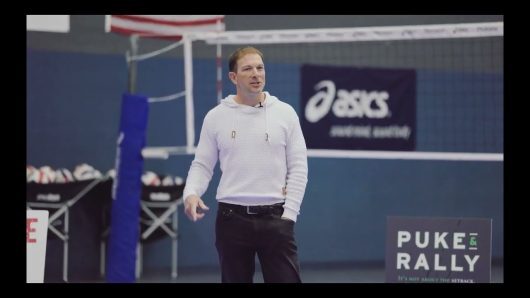 How an injury became opportunity
 Because of an NBA rule at the time, teams couldn’t cut an injured athlete. That bureaucratic detail gave Starks time to rehab with the Knicks and show his work ethic and shooting ability. The organization watched him grind, and rather than letting one failed attempt define him, his response to the injury did.
What we learn from StarksSetbacks can create unexpected windows: an injury forced a rehabbing period that revealed his character.Mental toughness is shown in how we respond, not in never falling.Opportunity often follows persistence — showing up and working hard matters more than a single highlight.“In every bad situation some good is going to come out of it.”
 Practical steps to build mental toughness
We coach teams to translate stories like Starks’s into daily practice. Start with small, repeatable actions:
Reframe the event: ask what good could come from this setback.Create a rehabbing routine — physical or mental — and track consistency.Show your work publicly: let coaches and teammates see the effort.Focus on controllables (work, recovery, attitude) and let outcomes follow.Bringing it together as a Mental Toughness SpeakerFinding the good in bad situations

When we speak to teams and athletes, we use real examples to move ideas from theory to practice. The John Starks story isn’t just nostalgia — it’s a blueprint. Similar to our mental health playbook , If we remember one thing, it’s this: resilience grows where we choose to act, not where we choose to complain.
As a Mental Toughness Speaker, our mission is to help you notice the good that can emerge from pain and to provide the tools to turn setbacks into momentum. Let’s commit to showing up, grinding through rehabs and obstacles, and trusting that the good will show up in time.
Key takeaway: in every bad situation, some good is going to come out of it — and our response determines how quickly and how much.

Dr. Rob Bell is a Sport Psychology Coach. DRB & associates coach executives and professional athletes. Some clients have included three different winners on the PGA Tour, Indy Eleven, University of Notre Dame, Marriott, and Walgreens.
Check Out All The Books
Keynote Speaking On Mental Toughness
Mental Toughness Podcast as we interview expert athletes and coaches about Mental Strength and their Hinge Moment.
New Blog Posts are published weekly.
Follow on Twitter @drrobbell
Follow on Instagram @drrobbell
August 13, 2025
Coach Mike Small, Head Men’s Golf Coach at the University of Illinois

 Introduction Playing Better as a Coach What Good Golf Really Is
 Culture, Consistency & Facilities
 Leadership on a Team Sport
 Advice for Golf Parents & Staying Present
 Conclusion Introduction
Dr. Rob Bell sits down with Coach Mike Small in a candid conversation on the Coach Mike Small, Mental toughness podcast to explore why one of college golf’s most successful coaches often plays better as a coach than he did as a touring professional. The episode is full of practical lessons about consistency, culture, emotional control, and the day-to-day habits that build champions. Below is an edited interview-style recap that captures the key ideas and memorable quotes from Coach Small.

Playing Better as a CoachRob: You’ve said you played better as a coach than when you were grinding on tour. What changed?Mike: Coaching put my own game on the back burner and forced me to see golf differently. When you stop obsessing about outcome and instead teach and problem-solve, everything tightens—physically, mentally, emotionally. I learned more about the game by coaching others, and when I competed again my focus was calmer. I made over half the cuts I entered while coaching, a higher percentage than when I was a full-time player.

What Good Golf Really IsRob: You often talk about “knowing what good golf is.” Can you unpack that?Mike: Good golf is efficiency and self-knowledge. It’s knowing your emotional bandwidth, controlling ball flight and height, distance control, wedge play and short game, and being steady on your bad days. The best players’ bad days are still better than most people’s average days. The goal is to raise your standard so you can hit it more often than anyone else.
“Good golf is getting your standard good enough and hitting that standard more often than other people hit theirs.”
Culture, Consistency & FacilitiesRob: How do you turn Midwest winters into an advantage?Coach Mike Small: You can’t control weather, but you can control mindset and environment. Illinois built facilities that make practice harder and more productive. We use the limited indoor months to train with intensity and accountability, surrounding players with positive, optimistic people who push each other. Consistency in habits narrows the gap between best and worst—greatness equals consistency.
Rob: You emphasize ownership—players must own successes and failures. How do you teach that?Mike: From recruiting onward we make it clear: it’s your game and your education. Coaches provide structure, but players must accept responsibility. That means problem-solving, asking for help, and avoiding a victim mindset. If a player averages 69 and wins, they own it. If they spiral to 75 and stop improving, that ownership belongs to them as well. Learning to take responsibility is a life skill, not just a golf skill.
Leadership on a Team SportRob: Golf is individual and team at once. How do you foster leadership?Mike: Leadership is hard to find, especially when players haven’t played many team sports. He prefers organic leaders—those who naturally hold themselves accountable and lead by example. He deliberately stopped naming captains 25 years ago to encourage everyone to act like a leader. When leadership is shared, culture strengthens and the team executes even when the coach isn’t present.
Advice for Golf Parents & Staying Present & PatientRob: What do golf parents need to know?Coach Mike Small: Parents love their kids unconditionally, but they must learn to step back. Give athletes support and resources, then allow them to succeed or fail. Kids need ownership to develop will, resilience, and independence. Parents should also have lives of their own—over-involvement often stunts the child’s growth.
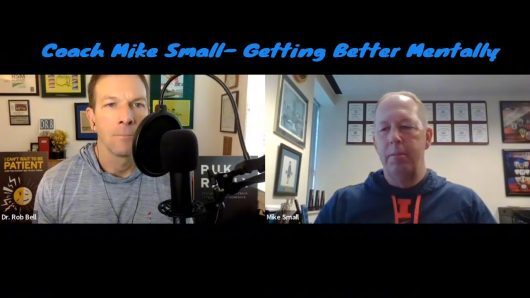
Mike: Stay in the present. What’s next matters, but obsessing about past results or distant outcomes is wasted energy. Focus on today, on the process, and on the small habits that compound. That mindset helps players, coaches, and parents live better, perform better, and enjoy the game more.
ConclusionCoach Mike Small’s conversation on the Coach Mike Small, Mental toughness podcast is a masterclass in how culture, consistency, ownership, and presence shape great athletes and people. He shows that coaching can sharpen your own game, that “good golf” is steadiness and self-knowledge, and that healthy environments—both at home and in program facilities—are non-negotiable. For anyone interested in mental toughness, leadership, or developing sustained performance, Coach Small’s lessons are practical and timeless.
Search and follow the Coach Mike Small, Mental toughness podcast episode with Dr. Rob Bell for the full conversation and deeper stories from a coach who’s built champions.
Dr. Rob Bell is a Sport Psychology Coach. DRB & associates coach executives and professional athletes. Some clients have included three different winners on the PGA Tour, Indy Eleven, University of Notre Dame, Marriott, and Walgreens.
Check Out All The Books
Keynote Speaking On Mental Toughness
Mental Toughness Podcast as we interview expert athletes and coaches about Mental Strength and their Hinge Moment.
New Blog Posts are published weekly.
Follow on Twitter @drrobbell
Follow on Instagram @drrobbell
August 4, 2025
The Mountain Top Experience: Why the Process Outshines the Product
In the insightful exploration of the mountain top experience, Dr. Rob Bell reveals a profound truth about growth, mental toughness, and the journey we often overlook in pursuit of success. The idea that the pinnacle moment—the “mountaintop”—is the ultimate source of fulfillment is a common misconception, one he calls the Mountaintop Fallacy.
Through his own journey of running a grueling 100-mile race, Dr. Bell illustrates why the process, the climb itself, holds more significance than the final achievement.
Table of Contents Understanding the Mountaintop Fallacy
 The 100-Mile Race: A Metaphor for Life’s Journey
 Why the Process Matters More Than the Product
 Embracing the Meet Yourself Moment
 Key Takeaways for Mental Toughness and Growth Understanding the Mountaintop Fallacy
The Mountain Top Experience is the belief that reaching a peak moment or goal will bring lasting happiness and completeness. Many people imagine that once they arrive at their destination, whether it’s a career milestone, a personal achievement, or a significant event, they will experience an eternal sense of joy and wholeness.
Dr. Bell challenges this notion, explaining that the mountaintop experience is fleeting. It is not the permanent source of fulfillment that people expect it to be. Instead, it is a temporary moment, a highlight in a much longer journey filled with ups and downs.
The 100-Mile Race: A Metaphor for Life’s JourneyDr. Bell’s story of running a 100-mile race serves as a powerful metaphor. The race itself took 28 hours, but the real revelation came during the training runs—those moments when he was struggling, feeling exhausted, and questioning the purpose of it all. It was in these valleys, these difficult stretches, that he realized the importance of the process over the product.
During one particularly tough training session, when he was “really sucking” and “hating life,” a shift happened. Dr. Bell told himself, “This is the product. This is the race.” It wasn’t just about the final event. The journey, the daily grind, the struggle—these were the moments that truly defined the experience and growth.
Why the Process Matters More Than the ProductThe process—every step, every hardship, every training run—is where real growth and mental toughness are forged. The mountain top is simply a moment to celebrate, a brief pause to capture the view before continuing onward. Without the valleys, the struggles, and the effort, the mountain top experience would lose its meaning.
Dr. Bell emphasizes that growth cannot be separated from difficulty. As he puts it, “You can’t spell GROWTH without ‘OW.’” The pain, the challenges, and the perseverance are necessary parts of the journey that produce the strength and resilience we seek.
Embracing the Meet Yourself MomentAt the heart of the mountain top experience is what Dr. Bell calls the “meet yourself moment.” This is the realization that the race, the goal, or the product is not separate from the process. It is in the struggle and the perseverance that one truly meets themselves, discovering inner strength and mental toughness.
This moment is not about external validation or achievement; it is about self-awareness and acceptance. It’s understanding that the journey itself is the ultimate reward, not just the brief moment spent at the summit.
Key Takeaways for Mental Toughness and GrowthThe mountain top experience is temporary but memorable.True growth happens in the valleys—the difficult, challenging, and often unpleasant parts of the journey.The process is more important than the product; embracing the journey builds mental toughness.Perseverance through struggle leads to self-discovery and resilience.Celebrate the mountaintop moments but remember they are part of a larger story.
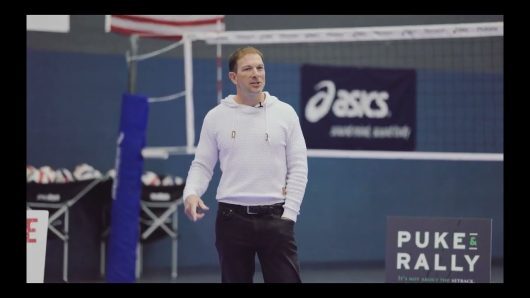
Dr. Rob Bell’s reflections remind us that while the mountain top experience may inspire and motivate, it is the daily commitment, the hard work, and the willingness to endure the valleys that ultimately define success and fulfillment.
Dr. Rob Bell is a Sport Psychology Coach. DRB & associates coach executives and professional athletes. Some clients have included three different winners on the PGA Tour, Indy Eleven, University of Notre Dame, Marriott, and Walgreens.
Check Out All The Books
Keynote Speaking On Mental Toughness
Mental Toughness Podcast as we interview expert athletes and coaches about Mental Strength and their Hinge Moment.
New Blog Posts are published weekly.
Follow on Twitter @drrobbell
Follow on Instagram @drrobbell
Coach Greg Kampe on Life, Leadership, and Mental Toughness

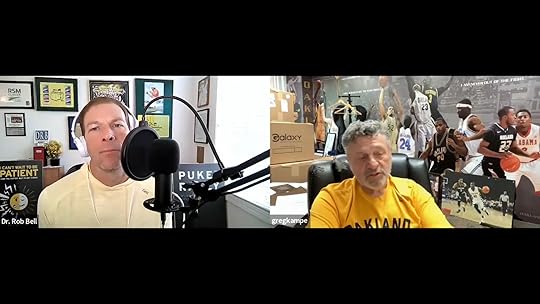
In a compelling episode of the Mental Toughness Podcast, Dr. Rob Bell sits down with Coach Greg Kampe, a college basketball coaching legend with over 40 seasons at Oakland University.
As the longest-tenured coach at a single institution and a member of the Michigan Sports Hall of Fame, Coach Kampe shares profound insights on leadership, team dynamics, mental toughness, and life lessons learned on and off the court. This article distills the essence of their conversation, highlighting Coach Kampe’s philosophy that life is a team sport, and explores his adaptive coaching style, consistency, and resilience in the face of challenges.

The Foundation: Life Is a Team Sport Balancing Individual Goals with Team Success Adapt or Die: Evolving Coaching Styles
 The Power of Space: Changing Travel Dynamics
 Empowering Assistants and Players: Trust and Delegation Beyond Victory: The Coach’s Perspective on Winning and Losing The Lasting Impact of Losses: Lessons from NC State
 Consistency: The Hallmark of Greatness
 Developing Players by Understanding Their ValuesConclusion: Coach Greg Kampe’s Enduring Legacy of Mental Toughness and Teamwork The Foundation: Life Is a Team Sport
Coach Greg Kampe emphasizes that the most important lesson in both basketball and life is understanding that life is a team sport. Reflecting on his extensive coaching career, he stresses that individual success pales in comparison to what a team can accomplish together. Kampe points out that the memories and achievements he cherishes most are those shared with teammates, coaches, assistants, and the broader community that supports a team.
He explains, “There’s nothing I’ve ever done that I got an individual award for that I even think about or talk about. It’s always been about the people that helped me get there.” This team-first mentality extends beyond the court to business, family, and community, reinforcing the idea that no meaningful success happens in isolation.

Balancing Individual Goals with Team SuccessAddressing the challenges of coaching today’s youth, Coach Kampe notes a cultural shift where young people are often taught to prioritize themselves above all else. This mindset can conflict with the team-oriented approach necessary for long-term success.
Kampe advocates for a leadership style that walks arm in arm with players rather than demanding blind obedience or pushing from behind. He calls for leaders to understand what their players value and to communicate in a way that respects those values, fostering mutual trust and engagement.
The coach also highlights the importance of respecting authority, a value he believes has eroded in recent times. While questioning authority is healthy, Kampe insists that respect remains essential to maintaining order and progress in any team or society.

Adapt or Die: Evolving Coaching StylesReflecting on his coaching journey, Kampe shares how his style has evolved significantly over the decades. Inspired by legends like Sparky Anderson, who famously led with a “my way or the highway” approach, Kampe acknowledges that such rigidity no longer works with modern athletes.
He illustrates this evolution with a vivid analogy about asking players to jump:
30 years ago: Players would respond, “How high?”
15 years ago: They’d ask, “Why?”
Today: They might say, “I’ll do it, but how much will you pay me?”
This shift demands coaches adapt by giving players more freedom, understanding their motivations, and allowing individuality, such as permitting players to wear their preferred gear instead of imposing uniformity. Kampe’s only non-negotiable now is punctuality, underscoring the value of time in a team environment.

The Power of Space: Changing Travel DynamicsOne innovative change coach Greg Kampe implemented was choosing not to ride the team bus during away games, a decision that initially arose from COVID-19 protocols but revealed unexpected benefits. By driving separately, Kampe experiences less physical strain and avoids the stress of monitoring player behavior during travel.
This change has improved his own well-being and empowered assistant coaches to take more responsibility, enhancing their leadership development. Coach Greg Kampe also enforces team rules, like limiting phone use during meals on foreign trips, to encourage player interaction and bonding.

Empowering Assistants and Players: Trust and DelegationKampe believes strongly in distributing leadership within his coaching staff. For example, assistant coaches lead defensive breakdowns and offensive game plans, while Kampe remains the final decision-maker. This trust fosters investment and pride among his staff and players alike.
During games, Kampe delegates timeout instructions to assistants, enhancing their authority and the team’s adaptability. He also encourages creativity by having assistants design new baseline out-of-bounds plays to keep the team engaged and opponents guessing.
Beyond Victory: The Coach’s Perspective on Winning and LosingCoach Greg Kampe shares a nuanced view of success and failure. He wants his players to love winning and celebrate it, but always keep a focus on the next challenge. For Kampe and his staff, there is no room for complacency or excessive celebration — relief replaces happiness, and the mindset quickly shifts to preparation for the next game.
He recalls a memorable 2021 NCAA tournament upset over Kentucky, where his team’s calm confidence reflected their expectation to win rather than surprise at the outcome.

The Lasting Impact of Losses: Lessons from NC StateWhile wins are celebrated, Kampe reveals that losses often leave a deeper mark on a coach’s mind. He candidly discusses the painful loss to NC State shortly after the Kentucky upset, a game that still haunts him months later.
He reflects on a critical timeout he called with 15 seconds left, a decision that allowed NC State to substitute a player who deflected the final shot. Kampe admits this moment will stay with him forever, underscoring the relentless self-analysis coaches endure.
Consistency: The Hallmark of GreatnessOne of Kampe’s core coaching values is consistency. He teaches his players that consistent effort, not sporadic brilliance, defines true greatness. Kampe explains, “The world wants to know what they’re going to get from you — your parents, your boss, your teammates.”
He also humorously points out two things that don’t last in life: “Dogs that chase cars and teams that can’t make free throws.” This emphasis on steady performance has helped Kampe’s teams avoid losing seasons throughout his long career.

Developing Players by Understanding Their ValuesKampe shares a powerful story about Alan, a player whose challenges required a new coaching approach. Instead of the old “my way or the highway” style, Kampe took time to understand his personal goals — wanting to play professionally in Belgium.
By aligning coaching expectations with the player’s values and communicating honestly about professional realities, Kampe helped have a successful collegiate season and progress to a lucrative professional career. This approach exemplifies the modern leadership style Kampe champions: collaborative, communicative, patient, and empathetic.

Coach Greg Kampe’s insights from the Mental Toughness Podcast reveal a seasoned leader who embodies the principle that life and success are deeply rooted in teamwork, respect, and adaptability. His journey from a traditional, authoritarian coaching style to a modern, player-centered approach reflects broader cultural changes and the evolving nature of leadership.
Kampe’s emphasis on consistency, respect for authority, and understanding individual values within a team framework provides valuable lessons not only for athletes and coaches but for anyone striving to build strong, resilient teams in any field.
As Coach Kampe says, “Life really is a team sport,” and embracing that truth can transform how we approach challenges, relationships, and success.
Dr. Rob Bell is a Sport Psychology Coach. DRB & associates coach executives and professional athletes. Some clients have included three different winners on the PGA Tour, Indy Eleven, University of Notre Dame, Marriott, and Walgreens.
Check Out All The Books
Keynote Speaking On Mental Toughness
Mental Toughness Podcast as we interview expert athletes and coaches about Mental Strength and their Hinge Moment.
New Blog Posts are published weekly.
Follow on Twitter @drrobbell
Follow on Instagram @drrobbell
July 29, 2025
7 Powerful Lessons from Coach Joe Maddon on Mental Toughness | Mental Toughness Podcast

Baseball legend Coach Joe Maddon shares invaluable insights on leadership, resilience, and the mental game in this inspiring episode of the Mental Toughness Podcast with Dr. Rob Bell. With over four decades of coaching experience, including leading the 2016 Chicago Cubs to their first World Series title in 108 years, Joe Maddon offers a masterclass on what it takes to develop mental toughness, both on and off the field. This article distills the top lessons and memorable moments from their conversation, providing a deep dive into Maddon’s philosophy and approach to winning, leadership, and life.
Table of Contents1. The “It” Factor: Instinct, Confidence, and Charisma2.
  Win Hard for 30, Lose Hard for 30: Mastering Emotional Resilience3.
  A Hinge Moment: The Power of Positive Energy4.
  Gratitude, Humility, and Perspective: The Foundation of Leadership5.
  Patience and Scouting: Seeing Potential Beyond the Present6. The Mental Game: Collaboration with Ken Ravizza7. Feeling the Game: Experience Over AnalyticsBonus: The 2016 Cubs World Series Hinge Moment and Legacy
  Conclusion: Coach Joe Maddon’s Enduring Wisdom on Mental Toughness 1. The “It” Factor: Instinct, Confidence, and Charisma
Coach Joe Maddon emphasizes the elusive “it” factor that sets elite athletes apart. This innate quality involves more than just physical ability—it’s a blend of instinct, poise, and a natural charisma that draws people in. “You have to be a really instinctive human being,” Maddon explains. He recalls a young prodigy, Blades Brown, whose confidence and humility shone through immediately, highlighting that true confidence differs from arrogance. This “it” factor also manifests in the ease and fluidity of movement, whether swinging a bat or making plays on the field, and an unmistakable aura that surrounds great players and teams alike.

Win Hard for 30, Lose Hard for 30: Mastering Emotional ResilienceOne of Maddon’s most powerful mental toughness strategies is the mantra: “Win hard for 30 minutes, lose hard for 30 minutes.” He observed early in his career how losing streaks could linger and poison team morale. To combat this, he encouraged players to fully experience the emotions of a win or loss—but only for a limited time—before moving on to the next challenge with a clean slate. This approach prevents complacency after wins and toxicity after losses, keeping the team focused and mentally fresh.

A Hinge Moment: The Power of Positive EnergyIn a candid story, Joe Maddon recounts a pivotal moment on a plane ride when a stranger’s words changed his outlook: “Whatever you put out there comes back to you.” Carrying the sting of being passed over for a coaching position, he was initially negative and withdrawn. But this simple phrase sparked a profound mental shift, transforming his attitude from negative to positive in minutes. This hinge moment has stayed with him ever since, reminding him to project positivity and openness, which in turn fuels success.

Gratitude, Humility, and Perspective: The Foundation of LeadershipMaddon believes gratitude, humility, and perspective are inseparable allies for mental toughness and leadership. He describes gratitude as the starting point that naturally fosters humility and helps maintain perspective. “I pray that perspective is not being set my way,” he says, underscoring the importance of staying ahead of harsh realities by appreciating what you have and focusing on the process. This mindset helps leaders and players alike navigate highs and lows with grace.

Patience and Scouting: Seeing Potential Beyond the PresentPatience is a virtue Maddon credits to his upbringing and scouting experience. He shares stories of players like Devon White, who struggled early but blossomed over time. Scouting gave him the ability to “believe it to see it,” allowing him to invest in players’ potential rather than just their immediate performance. This long-term vision was a cornerstone of his leadership with the Tampa Bay Rays, where he implemented innovative strategies based on experience and experimentation.

The Mental Game: Collaboration with Ken RavizzaMaddon’s relationship with renowned sports psychologist Ken Ravizza was instrumental in shaping his mental toughness philosophy. Ravizza introduced simple yet powerful techniques like “attitude is a decision” and breathing as an anchor. Together, they crafted speeches and mental strategies that Maddon used throughout his managerial career. Maddon highlights Ravizza’s emphasis on simplicity—“Do simple better”—and how mental skills coaching became as essential as hitting or pitching instruction.

Feeling the Game: Experience Over AnalyticsStanding on the top step of the dugout during games, Maddon stresses the importance of “feel” – the gift of experience that allows a manager to sense the momentum, energy, and mental state of players and the game itself. While analytics provide valuable data, Maddon reminds us that “analytics is all theory,” and reality on the field is often different. The ability to read situations intuitively and adapt in the moment is what separates great leaders and coaches from the rest.

Maddon recalls a defining hinge moment, 17-minute rain delay during Game 7 of the 2016 World Series when Jason Heyward called a team meeting in the weight room. This moment reset the team’s mindset, reminding them of who they were and igniting their passion to finish strong. Maddon credits Heyward’s leadership presence as a key factor in the Cubs’ historic victory, a triumph that resonated deeply with the city of Chicago and its fans. Reflecting on the season, Maddon emphasizes the profound impact the win had on families and communities, forever ending the 108-year championship drought.

Coach Joe Maddon’s insights transcend baseball, offering timeless lessons on mental toughness, leadership, and resilience. From embracing the process fearlessly to practicing gratitude and patience, his approach champions simplicity, authenticity, and emotional intelligence. Whether managing a team through high-pressure moments or navigating personal setbacks, Maddon’s philosophy inspires us to face challenges with confidence, adaptability, and unwavering belief in the process.
For anyone seeking to strengthen their mental game—whether in sports, business, or life—Coach Joe Maddon’s wisdom is a powerful guide. To experience the full depth of his story and advice, watching the Coach Joe Maddon, Mental Toughness Podcast episode with Dr. Rob Bell is highly recommended.
Dr. Rob Bell is a Sport Psychology Coach. DRB & associates coach executives and professional athletes. Some clients have included three different winners on the PGA Tour, Indy Eleven, University of Notre Dame, Marriott, and Walgreens.
Check Out All The Books
Keynote Speaking On Mental Toughness
Mental Toughness Podcast as we interview expert athletes and coaches about Mental Strength and their Hinge Moment.
New Blog Posts are published weekly.
Follow on Twitter @drrobbell
Follow on Instagram @drrobbell
July 18, 2025
Travis Smith, Ernest Packaging Unlocking Authentic Leadership and Coaching Culture
In the fast-paced world of business, leadership is evolving beyond traditional management. Travis Smith, Vice President of Coaching at Ernest Packaging Solutions, exemplifies this transformation through his unique approach to coaching, leadership, and personal growth. If you want to understand how authentic leadership and a coaching culture can drive both individual fulfillment and organizational success, this article is for you.
Drawing from Travis Smith’s extensive experience and philosophy, you’ll explore his defining moments, coaching strategies, and how his personal journey informs his leadership. Whether you’re a founder, business owner, or people leader, these insights will inspire you to play bigger and create meaningful connections in your teams.
Full podcast episode of Travis Smith, Ernest Packaging.
Table of Contents From Door-to-Door Sales to Leadership Growth
 Mastering the Process: The Power of Systems and Momentum Authenticity and Self-Awareness: The Core of Leadership
 The Power of Silence and Reflection in Leadership Your North Star: Playing Big Is a Choice
 Coaching Philosophy Meets Parenting Creating a Coaching Culture at Ernest Packaging
 Creativity and Emotional Expression Through Music Learning from Being Wrong and Embracing VulnerabilityConclusion: Embrace Your Authentic Leadership Journey From Door-to-Door Sales to Leadership Growth
Travis’s journey began in an unexpected place: door-to-door sales. As a college freshman at BYU, he faced the challenge of funding his education. A friend suggested he move to Austin, Texas, to sell Dish Network subscriptions door-to-door, promising double the income of his janitorial campus job. With nothing to lose, Travis drove his 1990 Honda Civic to Austin and dove headfirst into the challenge.
The first two days were discouraging—after knocking on hundreds of doors, he made no sales and considered quitting. But a mentor handed him Think and Grow Rich and encouraged him to read the chapter on desire before leaving. Inspired by the burning desire to succeed, Travis decided to try one more day. That day, everything changed.
At a small town called Bertram, he met Dolly, who told him she had been thinking about getting Dish Network but hadn’t acted on it. Travis asked the right questions, built trust, and closed the sale. This breakthrough taught him the power of momentum, confidence, and genuine connection.
Building Trust Through AuthenticityOne of the biggest challenges Travis faced was gaining enough trust to collect sensitive information like Social Security and credit card numbers. He realized that honesty was his best tool. Instead of beating around the bush, he introduced himself plainly: “I’m selling Dish Network.” This straightforward approach helped break down barriers and foster trust.
Travis developed a simple but effective system of questions:
“Have you ever thought about getting a satellite dish?”If yes: “What has kept you from getting one?”If no: “Maybe, It’s a good time to think about it?”These questions opened up meaningful conversations, often leading to personal connections—discussions about family, favorite TV shows, or sports. Travis genuinely enjoyed these exchanges, not just for sales but for the human connection.
Mastering the Process: The Power of Systems and MomentumTo succeed in door-to-door sales, Travis understood he needed to track his efforts meticulously. He discovered a sales-to-door knock ratio, initially around 1 sale per 60 doors. To improve efficiency, he used his watch to count doors and even taped a piece of chalk to his shoe to mark houses where no one was home, saving time searching for addresses on his list.
As his skills improved, his ratio dropped to 1 sale per 30 doors, allowing him to work faster and speak more confidently. This experience taught Travis the importance of grit, creative problem-solving, and continuous refinement of process.
From Sales to LeadershipTravis’s door-to-door experience didn’t just build sales skills—it shifted his academic focus and career trajectory. His competitive spirit thrived in this environment, and he eventually became a sales manager, recruiting and coaching a team of 16 to 20 individuals. His leadership style emphasized daily meetings, transparent reporting, and fostering a sense of competition and camaraderie.
This early leadership experience laid the foundation for his later work at Ernest Packaging, where coaching and developing people is central to the company culture.
Authenticity and Self-Awareness: The Core of LeadershipAuthenticity is often talked about but rarely understood deeply. For Travis, being authentic means more than reacting impulsively—it’s about understanding who you are at your best and showing up intentionally. He distills authenticity into three powerful words:
InspiringCourageousPowerfulWhen you remind yourself of these qualities, you can approach conversations and challenges with confidence and clarity. Travis uses a simple but effective exercise with his teams, repeatedly asking “Who are you?” until individuals move past surface answers and tap into their true selves.
This exercise helps people find words that resonate deeply, such as “integrity,” “vulnerable,” or “heartfelt.” They then affirm their identity aloud, reinforcing self-belief and resilience, especially important in environments like sales where hearing “no” is more common than “yes.”
Self-Talk as a Tool for GrowthTravis emphasizes the power of self-talk in maintaining authenticity. When he feels disconnected from core values like courage, he practices awareness and affirmation. For example, he might say to himself, “I am a courageous leader,” both silently and aloud, to realign his mindset. This practice helps him step into difficult conversations with intention rather than anxiety.
He also cautions that without self-awareness, personal growth is nearly impossible. Reflection, feedback, and willingness to face uncomfortable truths are necessary to evolve as a leader and human being.
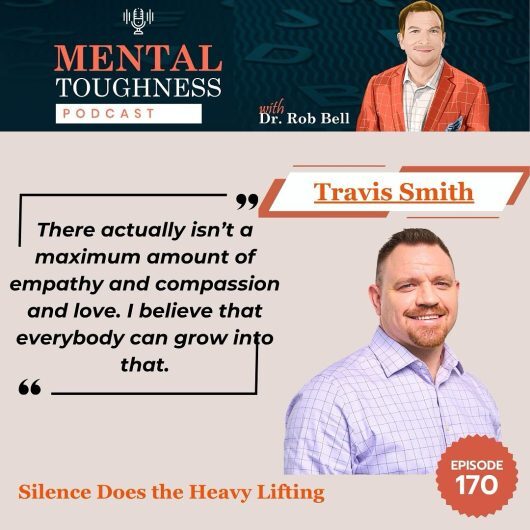
The Power of Silence and Reflection in LeadershipOne of Travis’s standout insights is that “silence does the heavy lifting.” In coaching sessions and workshops, he encourages reflection and pauses, allowing individuals to process their experiences without judgment. This reflective space fosters awareness of ingrained beliefs and behaviors, enabling conscious choices rather than reactive habits.
Travis uses “real plays” instead of role plays—practicing actual conversations participants need to have, rather than hypothetical ones. Noticing when people “pad” conversations to avoid discomfort helps them confront their fears and communicate more authentically.
This process of reflection and debriefing builds confidence and helps leaders and teams internalize lessons for lasting change.
Your North Star: Playing Big Is a ChoiceTravis believes that playing big in life and leadership is a conscious choice. His personal north star is grounded in a deep conviction that every person deserves to fully express their unique masterpiece and have access to emotional, spiritual, and physical care for a fulfilled life.
This vision guides his daily work—recognizing that no single conversation guarantees transformation, but any one conversation can change a life’s trajectory. His goal is to show up authentically, contributing to this north star one conversation at a time.
Where Leadership and Authenticity Break DownTravis acknowledges that the process of aligning authentic self with leadership can break down when people are stuck in self-preservation mode, driven by fear and discomfort. Using the example of a child distracted while crossing the street, he illustrates how fight-or-flight responses manifest in tense conversations.
People often resist changing their belief systems because it’s uncomfortable and disorienting. Words like “should” reveal internal shame and blame, which trap people in limiting mindsets. Overcoming these barriers requires awareness, curiosity, and willingness to be vulnerable.
Travis encourages leaders to recognize confirmation bias and be willing to be wrong, opening the door to new possibilities and growth.
Coaching Philosophy Meets ParentingTravis’s coaching philosophy deeply informs his approach to parenting, especially as the father of a biracial family through adoption. He shares how his heart didn’t split but grew exponentially with each child, challenging traditional notions of family based on biology.
This expansion of empathy and compassion extends beyond his family to how he connects with others in life and work. He believes there is no limit to love and that meeting people where they are is the foundation of both parenting and coaching.
Travis also recounts a story from his son about trusting oneself despite external pressures, a lesson that resonates in leadership and life.
Creating a Coaching Culture at Ernest PackagingAt Ernest Packaging, Travis leads a unique coaching culture as VP of Coaching—a role rarely found in companies. Supported by senior executives like owner Tim and the leadership team, this culture focuses on developing people holistically to drive both performance and fulfillment.
Travis redefines coaching beyond the stereotype of a sideline coach yelling instructions. Instead, coaching is about guiding people from where they are to where they want to go, shoulder to shoulder, aligned by shared core values.
This approach taps into discretionary effort—the energy people choose to invest when they feel understood and supported. Leaders stay curious and dive deep into what drives each individual, creating alignment with the company’s mission and vision.
Leading in the Middle: The Gift of the GooseTravis shares a powerful metaphor inspired by Greg Kampe’s leadership philosophy: leading in the middle. Like cyclists in a peloton, the front faces wind resistance, and the back risks being dropped. The safest and most effective place is the middle, where you support and are supported by others.
He likens this to geese flying in a V-shape, taking turns leading and cheering each other on—the “gift of the goose.” This symbolizes mutual support, shared responsibility, and walking alongside people on their journeys rather than pushing or dragging them.
True leadership, Travis Smith or Ernest Packaging argues, recognizes that control is an illusion. People are ultimately a choice, and leadership is about aligning and empowering, not commanding.
Creativity and Emotional Expression Through MusicOutside of Ernest Packaging leadership, Travis finds grounding and expression through piano playing. Inspired by his mother’s morning piano music, he reconnected with this passion after years of setting it aside. He discovered that music allows him to express emotions words cannot capture, complementing his leadership journey.
Travis even composes original music, channeling his daily experiences into creative outlets. He highlights the power of silence in music—the rests and pauses that create rhythm and meaning—drawing a parallel to the importance of silence and reflection in conversations and leadership.
Learning from Being Wrong and Embracing VulnerabilityOne of the most refreshing aspects of Travis’s leadership is his willingness to admit when he’s wrong. He encourages asking yourself, “What have you been wrong about lately?” This question fosters vulnerability and growth.
Travis shares a personal story of anticipating a difficult conversation with a company leader, only to find openness and curiosity instead of resistance. This experience reminded him that assumptions can limit possibilities and that showing up with positivity can transform outcomes.
He emphasizes that living the work—learning from each interaction and relationship—is the key to continuous personal and leadership development.
Conclusion: Embrace Your Authentic Leadership JourneyTravis Smith’s story and philosophy offer a blueprint for anyone looking to lead with authenticity, courage, and compassion. From his early door-to-door sales days to shaping a coaching culture at Ernest Packaging, he demonstrates that success is rooted in genuine human connection, self-awareness, and continuous growth.
By embracing your authentic self, reflecting deeply, and walking shoulder to shoulder with others, you can unlock not only your own potential but also inspire those around you. Remember, playing big is a choice—and every conversation is an opportunity to change a life.
Let Travis’s journey inspire you to build resilient cultures, empower your teams, and lead with heart.
Dr. Rob Bell is a Sport Psychology Coach. DRB & associates coach executives and professional athletes. Some clients have included three different winners on the PGA Tour, Indy Eleven, University of Notre Dame, Marriott, and Walgreens.
Check Out All The Books
Keynote Speaking On Mental Toughness
Mental Toughness Podcast as we interview expert athletes and coaches about Mental Strength and their Hinge Moment.
New Blog Posts are published weekly.
Follow on Twitter @drrobbell
Follow on Instagram @drrobbell


