Paul Chappell's Blog
September 26, 2026
What Forty Years of Ministry Have Taught Me about the Power of God
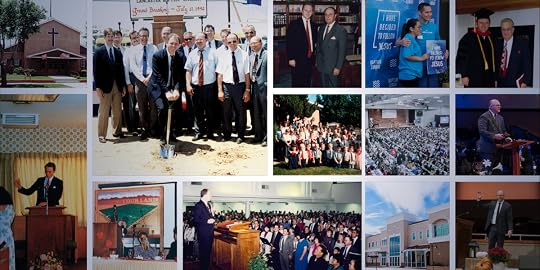
If you had told me in the summer of 1986 what God would do through Lancaster Baptist Church over the next forty years, I don’t think I could have imagined it.
Terrie and I were passing through Lancaster on vacation when a pastor friend asked me to preach to a small congregation. After the service, he asked me to step outside while the church held a business meeting. When he came back, he told me I had “won the vote.” I had no idea what he was talking about. I didn’t even know I was candidating.
Long story short, the Lord did lead us to Lancaster Baptist Church to serve this tiny congregation of about twelve people. We knew the church could not pay a salary, but God drew our hearts to what He could do in this desert town.
That was forty years ago, and by God’s grace, we are still seeing what He can do here.
This week, as our church celebrates forty years of ministry, I am amazed at what God has done in our midst. Our theme for 2026 is “God Is Able,” and it could just as easily be the testimony of these four decades. God has done “exceeding abundantly above all that we ask or think” (Ephesians 3:20).
As I look back, I can see God’s power at work in more ways than I recognized at the time. There were moments when we came to the end of ourselves and saw Him provide in ways we could never have imagined. There were also seasons when we had no idea what He was doing, yet He was faithfully at work.
Each of the truths below has a story behind it—often more than one. I share many of those stories in my newly released book, God Is Able. Here, in brief, are ten truths about God’s power that I pray will encourage your heart and strengthen your hands for whatever work or trial lies before you.
1. The end of our ability is the beginning of God’s provision.2. Small beginnings do not limit God’s power.Not that we are sufficient of ourselves to think any thing as of ourselves; but our sufficiency is of God; (2 Corinthians 3:5)
3. The size of the obstacle in front of you is never greater than the power of the God who stands with you.Not by might, nor by power, but by my spirit, saith the LORD…For who hath despised the day of small things? (Zechariah 4:6, 10)
4. The greatest obstacle between us and what God desires to do through us may be our reluctance to take the next step of obedience.What shall we then say to these things? If God be for us, who can be against us? (Romans 8:31)
5. God’s power begins where our capacity ends.By faith Abraham, when he was called to go out into a place which he should after receive for an inheritance, obeyed; and he went out, not knowing whither he went. (Hebrews 11:8)
6. Faithful obedience in a fallen world includes spiritual conflict and difficulty.And they say unto him, We have here but five loaves, and two fishes. He said, Bring them hither to me. (Matthew 14:17–18)
7. Faith is not merely confidence in God’s ability; it is confidence in God’s character.These things I have spoken unto you, that in me ye might have peace. In the world ye shall have tribulation: but be of good cheer; I have overcome the world. (John 16:33)
8. The weary Christian who waits on the Lord is not giving up; he is looking up.Our God whom we serve is able to deliver us from the burning fiery furnace, and he will deliver us out of thine hand, O king. But if not, be it known unto thee, O king, that we will not serve thy gods nor worship the golden image which thou hast set up. (Daniel 3:17–18)
9. While we are trying to understand the plot, God is developing it according to His purposes.But they that wait upon the Lord shall renew their strength; they shall mount up with wings as eagles; they shall run, and not be weary; and they shall walk, and not faint. (Isaiah 40:31)
10. The future is uncertain to us, but it is never uncertain to God.And we know that all things work together for good to them that love God, to them who are the called according to his purpose. (Romans 8:28)
Fear thou not; for I am with thee: be not dismayed; for I am thy God: I will strengthen thee; yea, I will help thee; yea, I will uphold thee with the right hand of my righteousness. (Isaiah 41:10)
As I write these truths, faces and moments from forty years of ministry come to mind. I remember needs we could not meet, steps we did not know how to take, and prayers our church family watched God answer. Through it all, God has been faithful.
In my new book, God Is Able, I share the stories behind these truths and the biblical truths that sustained us through them. My prayer is that the book will encourage you to trust the God who has been faithful to us and will be faithful to you.
This week, we will celebrate Lancaster Baptist Church’s fortieth anniversary and gather for Spiritual Leadership Conference. Please pray with us for these days. And if you cannot join us in person, we would love for you to join us by livestream at LBClive.tv.
Livestream Schedule (all times are in Pacific Daylight Time)
Sunday, September 27, 2026
9:00 am – Morning Service
11:00 am – Morning Service
5:00 pm – Fortieth Anniversary Evening Service
Monday, September 28, 2026
6:30 pm – Evening Service
Tuesday, September 29, 2026
8:15 am – General Session 1
8:50 am – Religious Freedom Panel
9:15 am – General Session 2, “The Abounding Church”
6:30 pm – Evening Service
Wednesday, September 30, 2026
8:15 am – General Session 1
8:50 am – General Session 2
9:15 am – General Session 3, “What Matters Most”
6:30 pm – Evening Service


September 15, 2026
Why Leaders Limit Their Liberty

One of the best definitions of leadership I’ve read comes from J. Oswald Sanders’ book Spiritual Leadership: “Leadership is influence.”
For spiritual leaders, that influence must never be taken lightly. It is a gift from God and a stewardship for Him. Whether our leadership is exercised in the home, church, workplace, or community, our choices influence those who watch and follow us.
Christian liberty is another gift God has entrusted to believers—the freedom under grace to follow our conscience in matters Scripture does not explicitly spell out. This liberty is so significant that when the apostle Paul was asked about eating meat that had been offered to idols, he did not simply issue a rule. Instead, he set forth the principle of Christian liberty.
But meat commendeth us not to God: for neither, if we eat, are we the better; neither, if we eat not, are we the worse. (1 Corinthians 8:8)
Yet even as Paul affirmed this liberty, he placed boundaries around its exercise. He was willing to limit his liberty rather than cause another believer to stumble.
But take heed lest by any means this liberty of yours become a stumblingblock to them that are weak. … Wherefore, if meat make my brother to offend, I will eat no flesh while the world standeth, lest I make my brother to offend. (1 Corinthians 8:9, 13)
Here we see an important principle for spiritual leadership: mature leaders are willing to limit their liberty when exercising it could become a stumbling block to others.
I like to illustrate the responsibility of leaders with the following diagram:
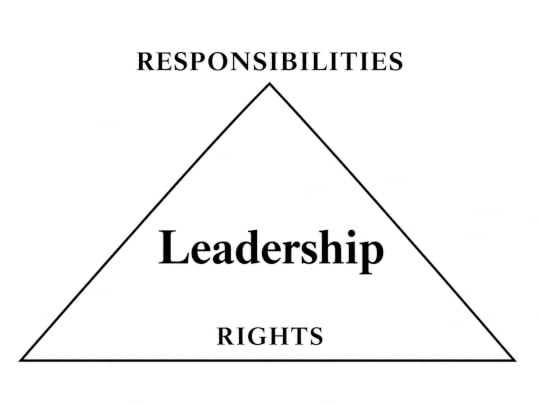
The higher you move in leadership (represented here by the sides of the triangle), the fewer rights you insist on. Instead, you move toward responsibilities. In a sentence: leaders limit liberty.
Paul develops this principle in Romans 14:
So then every one of us shall give account of himself to God. Let us not therefore judge one another any more: but judge this rather, that no man put a stumblingblock or an occasion to fall in his brother’s way. … Let not then your good be evil spoken of: … Let us therefore follow after the things which make for peace, and things wherewith one may edify another. (Romans 14:12–13, 16, 19)
What does a willingness to limit liberty look like in practice? Romans 14 gives us three guiding principles:
1. Be DiscerningEvery Christian should live with the awareness that one day we will stand before Christ and give account for our choices.
So then every one of us shall give account of himself to God. (Romans 14:12
Where Scripture gives a clear command, our responsibility is simple: obedience. But in areas of Christian liberty, we need spiritual discernment. First Corinthians 6:12 reminds us, “All things are lawful unto me, but all things are not expedient.” Something may be permissible without being profitable.
For spiritual leaders, this responsibility carries additional weight. Not only will we give account for ourselves, but Scripture reminds us that leaders, particularly pastors, “watch for your souls, as they that must give account” (Hebrews 13:17).
Christian liberty should be exercised with a clear conscience before Christ, believing our choices are wise, expedient, and pleasing to Him.
2. Live ResponsiblyLeadership also requires us to recognize that our choices do not affect us alone. Those who follow us often take their cues from what they see in us.
Let us not therefore judge one another any more: but judge this rather, that no man put a stumblingblock or an occasion to fall in his brother’s way. (Romans 14:13)
The things leaders do in moderation are often done in excess by the next generation. That reality should make us especially careful in how we exercise Christian liberty.
There are times when a leader should limit a liberty—not because Scripture directly forbids it, but because exercising it could confuse a younger Christian, weaken someone who is struggling, undermine the convictions or practices of the ministry he serves, or diminish his effectiveness as a leader.
So a mature leader moves beyond, “Do I have the liberty to do this?” to additional questions: “Could this become a stumbling block to others?” “What will this communicate to those who follow me?” “Could my liberty damage the testimony of Christ?”
That is not bondage. It is responsible leadership.
3. Be ConsiderateOur choices affect how others view our testimony for Christ. Thus, Paul gives an important word of caution:
Let not then your good be evil spoken of…. Let us therefore follow after the things which make for peace, and things wherewith one may edify another. (Romans 14:16, 19)
Something may be permissible before God yet easily misunderstood by the people we are trying to reach or lead. A considerate Christian values his testimony more than his liberty.
As spiritual leaders, we never want a personal choice to become an unnecessary distraction from the message we preach or the ministry God has entrusted to us.
So before exercising a liberty, we should consider not only whether we can do it, but whether doing so will strengthen or weaken our testimony with those we are seeking to influence. And beyond protecting our testimony, we should ask whether our choices will edify others—whether they will help build their faith and encourage their spiritual growth.
The goal of Christian liberty is not to discover how close we can live to the edge. It is to use every area of our lives for the glory of God and the good of others.
Love Voluntarily Limits LibertyAt its heart, this principle is not about restriction but about love.
Love does not ask only what it is free to do. Love considers the effect of its choices on others. It values another believer’s growth, the testimony of Christ, and the strength of the ministry more than the exercise of a personal right.
That is why love voluntarily limits liberty. Galatians 5:13 gives this instruction: “For, brethren, ye have been called unto liberty; only use not liberty for an occasion to the flesh, but by love serve one another.”
For a spiritual leader, the highest use of Christian liberty is to exercise it in a way that helps others follow Christ.
August 21, 2026
From Text to Sermon: 10 Steps for Biblical Preaching

After forty years of pastoral ministry, I remain convinced that the greatest need in any local church is biblical, Christ-exalting preaching. Programs matter, planning matters, and leadership matters; but nothing shapes a congregation more deeply than what happens when the Word of God is opened and Christ is proclaimed.
Paul’s charge to Timothy makes this plain: “Preach the word” (2 Timothy 4:2). He didn’t instruct Timothy to offer opinions or cultural analysis. He instructed him to preach Scripture.
Biblical, expository preaching simply means allowing the message of the text to set the message of the sermon. The church does not thrive on the creativity of the pastor but on the clarity of the Scriptures. God blesses His Word—not our cleverness.
As Dr. John Goetsch wrote in his tremendous book, Homiletics from the Heart, “God may bless our homiletical outline, our illustrations and stories, but He does not promise to do so. He only promises to bless His Word.”
Biblical preaching begins by standing under the authority of Scripture and letting the passage itself determine both the substance and the structure of the sermon.
But biblical preaching does more than explain the text. It points us to Christ, because Scripture itself is Christ-centered. Jesus said of the Scriptures, “They are they which testify of me” (John 5:39). And on the road to Emmaus, “beginning at Moses and all the prophets, he expounded unto them in all the scriptures the things concerning himself” (Luke 24:27).
When we faithfully preach the Bible, we inevitably preach Christ. “For we preach not ourselves, but Christ Jesus the Lord” (2 Corinthians 4:5).
That conviction is one of the reasons we place such a strong emphasis on biblical, text-driven preaching at West Coast Baptist College. As a new semester begins this week, I am grateful for the young men God has called to prepare for pastoral ministry and for the privilege of helping train them to rightly divide the Word of truth. Methods of communication will change, and ministry contexts will vary, but the preacher’s responsibility remains the same: faithfully understand, explain, and apply the Scriptures while exalting Christ.
As I have taught on preaching over the years, I have worked to summarize the process of developing sermons that are faithful to the text and focused on Christ. The steps below are not a formula but a roadmap. I pray they encourage and strengthen your ministry of the Word.
1. Prayerfully Select the TextThe most important aspect of any sermon is the text of Scripture. Beyond anything we say, God’s Word alone has power to change lives. So begin by prayerfully asking the Lord to direct you to the passage His flock needs.
A few times a year, I set aside time to seek the Lord about upcoming sermons. Typically, I preach a themed series on Sunday mornings and a verse-by-verse study on Sunday nights. Midweek studies vary. Expository book studies make weekly text selection simple, while themed series allow me to plan several messages at once.
Planning never replaces sensitivity to the Holy Spirit. Even with a schedule in place, I remain open to the Lord leading me to adjust a text according to the needs of our church family.
Above all, treat the text with reverence. G. Campbell Morgan said he read his text at least fifty times before preaching it.
2. Schedule Sufficient Time for StudyNothing meaningful in preaching happens accidentally. Study takes protected, prioritized time. Spurgeon wrote, “Your pulpit preparations are your first business.”
Give your best hours to your study. Dr. W. A. Criswell called his early hours “mornings to God.” Whether your strongest hours are early mornings, late evenings, or uninterrupted afternoons, devote them to hearing from the Lord through His Word.
Interruptions will come. Crises will arise. But a pastor who routinely prepares sermons at the last minute cheats his congregation of a well-studied message—and forfeits the clarity that comes through lingering in the Scriptures.
3. Study the Context and Historical SettingA text cannot mean something today that it did not mean when it was first inspired. Before outlining or applying, understand the book, paragraph, genre, and historical moment surrounding the passage.
Helpful questions include:
Who is speaking, and to whom?What issues frame this passage?When was it written, and who was the dominant governmental leader?What historical or cultural details matter?How does this text fit within the message of the book?Good expository preaching begins by entering the world of the text.
4. Discern the Theme of the PassageAfter understanding the context, determine the passage’s central message. This is not something we impose on the text, but something we discover in the text.
Look for:
Repeated words or ideasCommands, promises, contrasts, transitionsGrammar and structure (subject, verb, modifiers)Tone: warning, prophetic, comforting, edifyingThe clearer the central idea becomes, the clearer the sermon will be.
5. Develop Main Thoughts from the PassageEvery passage has a central idea, but most also contain several supporting truths. These natural divisions form the main points of your sermon. J. C. Ryle observed, “If you study the sermons of men who have been and are successful preachers, you will always find order, and often divisions, in their sermons.”
Once these divisions become clear, shape your outline around them. Alliteration or parallel phrasing can make a sermon more memorable, but they should never be forced onto a text.
A good outline is not decorative; it is functional. It helps the preacher and the listener follow the flow of God’s Word with clarity and conviction.
6. Show How the Passage Exalts ChristAll Scripture points to Christ—not by artificial insertion, but by divine design. Whether through prophecy, typology, doctrine, or application, the entire Bible presents Christ as the fulfillment of God’s redemptive plan and the center of the Christian life.
As mentioned earlier, expository preaching is Christ-exalting preaching because the Bible itself is Christ-centered revelation.
This means that to interpret a text accurately, you must consider how this passage points to Christ.
In an Old Testament narrative, Christ may be seen in God’s covenant faithfulness, redemptive foreshadowing, or human need for a Savior.In a Psalm, Christ may appear in fulfilled prophecy, the expression of His attributes, or in how He leads His people through suffering.In a doctrinal section of an epistle, Christ is explicit—His work on the cross, His resurrection, His lordship, and His grace that empowers obedience.In passages addressing Christian living, Christ is our example, our power, and our motivation for holy living.The goal is not to “force” Jesus into the sermon but to show how the truth of the text finds its ultimate meaning in Him. “…that in all things he might have the preeminence” (Colossians 1:18).
7. Find the ApplicationOnce the central idea is clear, ask:
What truth is God impressing on His people?What response does this text call for—repentance, faith, obedience, worship?How should this reshape our thinking, affections, or actions?Biblical application is specific truth producing specific action. A clear sermon purpose answers this question: What should God’s people do in response to what God has said?
8. Add Helpful IllustrationsIllustrations let light into the sermon, helping listeners see truth clearly. Without them, even strong exposition can become dense and out of reach.
Purposeful illustrations—stories, testimonies, historical examples, personal experiences—give the mind space and the heart clarity. They don’t replace truth; they serve it.
Maintaining a simple filing system of illustrations can provide rich material when crafting a message. Their value lies not in entertainment but in how effectively they illuminate the text.
9. Develop an Introduction and ConclusionA strong introduction arouses interest and directs attention toward the text. This opening “hook” might be a compelling historical story, a thought-provoking question, or a concise statement that highlights why the passage matters. Whatever form it takes, the introduction should prepare the listener to engage with Scripture.
The conclusion is equally vital. Many good sermons lose their force because of an unfocused ending. The conclusion brings the message back to its central idea and calls the listener to respond. You might briefly recap the main points or focus on one key application. Preach toward a response. Call God’s people to action, faith, obedience, or worship.
10. Edit and Refine the MessageFinishing the conclusion isn’t the end. Careful review and editing bring the message to final clarity. Tighten transitions, eliminate rabbit trails, and ensure that every part of the sermon supports the central truth of the passage and points to Christ.
One of the goals in editing is to purge the message of self and ensure that it is centered on Christ. Galatians 6:14 guides my heart in this phase: “But God forbid that I should glory, save in the cross of our Lord Jesus Christ…”
A Final ExhortationPreaching is hard work, but it is holy work. God has entrusted us with the stewardship of His Word, and faithfulness demands diligence.
Scripture repeatedly urges ministers not only to preach but to cultivate their calling: “Neglect not the gift that is in thee” (1 Timothy 4:14). “Meditate upon these things; give thyself wholly to them” (1 Timothy 4:15). In other words: develop the call God has given you. Strengthen it. Practice it. Grow in it.
When preaching is driven by the text and centered on Christ, the church is fed, hearts are changed, and Christ is exalted.
July 29, 2026
When the Work Is Greater Than You Are, God Is Able
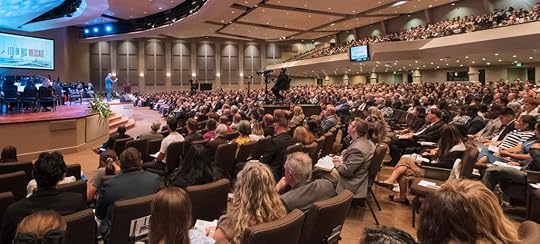
There are few things that expose human insufficiency like the work of the ministry.
Whether you are a pastor, children’s Sunday school helper, Christian school teacher, or parent, you know that we can pray, plan, work, and give our best, yet still frequently come face-to-face with the reality that our best is not enough.
A pastor cannot personally meet every need in his church. A parent cannot control every choice a child will make. A teacher cannot force truth into a student’s heart. A soulwinner cannot produce conviction or save a soul. We can faithfully plant and water, but only God can give the increase.
The good news is that God does not call us to accomplish His work through our own strength. He calls us to depend on His.
This is where 2 Corinthians 9:8 comes in: “And God is able to make all grace abound toward you; that ye, always having all sufficiency in all things, may abound to every good work.”
God’s Grace Supplies Every NeedSecond Corinthians 9:8 does not say that God is able to make our natural ability abound. It says that He is able to make grace abound toward us.
Grace is God’s provision for what we cannot supply ourselves. When we lack wisdom, He gives wisdom. When we are weary or opposed, He renews our strength and courage. When resources are limited or the way forward is unclear, He provides and directs.
We often approach a ministry challenge by first calculating what we have: How much time is available? How many workers can help? What experience and resources do we possess?
Good stewardship requires that we honestly assess these things. But faith refuses to stop there. The most important resource in any work for God is the grace God promises to supply.
The most important resource in any work for God is the grace He promises to supply.
Share on X
Paul’s language in this verse is wonderfully comprehensive: “Always having all sufficiency in all things.”
There is no season in which God and His supply of grace ceases to be sufficient. He is sufficient when a ministry is growing and opportunities are opening. He is sufficient when progress seems slow, discouragement sets in, and we do not know where the provision will come from.
There is no season in which God and His supply of grace ceases to be sufficient.
Share on X
Forty years ago this month, I arrived in Lancaster, and the following Sunday I preached my first message as pastor of Lancaster Baptist Church to thirteen people. In the weeks that followed, I learned that the building was in foreclosure and that the church owed thousands of dollars in unpaid bills. Our new sign was vandalized, the building was broken into, and the sound system was stolen.
Yet through every challenge, God faithfully supplied the grace, strength, and provision we needed. Looking back over four decades, the story of Lancaster Baptist Church is not what we were able to accomplish, but what our able God has done. His grace was sufficient then, and His grace remains sufficient today.
God’s Power Enables Every Good WorkGod does not merely promise enough grace to help us survive. He supplies grace so that we may “abound to every good work.”
When ministry is difficult, our goal can quietly shrink to endurance. We simply want to make it through the next problem, the next week, or the next demanding season.
There are certainly times when faithful endurance is itself a significant victory. But God’s purpose is greater than helping us barely hold on. He desires to work through us so that we continue moving forward in obedience and fruitfulness.
The word abound speaks of overflow. God gives strength not merely for the burden we are carrying, but for the good work He still has before us.
God gives strength not merely for the burden we are carrying, but for the good work He still has before us.
Share on X
This truth that “God Is Able” is the theme around which we are preparing to gather at Spiritual Leadership Conference 2026 this September.
The preaching of God’s Word will refocus our attention on the God who is able. In the pressures and routines of ministry, our attention can settle on immediate problems, limited resources, and personal inadequacies. Biblical preaching lifts our eyes to the Lord, strengthens our faith in His promises, and renews our passion to see His power at work.
The practical workshops and discussion panels will help equip us for the work God has given us. Depending on God does not make preparation unnecessary; it gives preparation its proper foundation. Biblical instruction and useful tools will help pastors, staff members, teachers, ministry leaders, and volunteers serve with greater wisdom and effectiveness.
The fellowship will remind us that we are not laboring alone. Shared conversations, united prayer, and time with servants who understand the joys and challenges of ministry can renew our perspective and give us fresh courage for the work awaiting us at home.
The music, testimonies, and seasons of prayer will help turn our hearts from self-reliance to worshipful dependence.
This year’s conference will be especially meaningful as we celebrate the fortieth anniversary of Lancaster Baptist Church and give God glory for four decades of His faithfulness. As we reflect on what God has done, our prayer is that these testimonies will strengthen your faith to trust Him for what He still desires to do in your life and ministry.
I am also looking forward to teaching two daytime general sessions that address essential needs in spiritual leadership. In “Grace and Truth Leadership,” we will consider how Christlike leaders hold biblical conviction and genuine compassion simultaneously. In “The Eternal Word in a Decaying Culture,” we will examine how God’s unchanging Word gives clarity, courage, and stability as we minister in a rapidly shifting culture. My prayer is that these sessions will help leaders stand firmly on truth while serving people with the grace of Christ.
Our desire is not merely that delegates leave with more information, but that they return to their churches with renewed faith, practical help, strengthened relationships, and a fresh desire to abound in the work of the Lord.
Perhaps you are carrying a burden that feels heavier than you can bear or facing a ministry need for which you see no answer. Perhaps the responsibility God has given you is greater than your strength or experience.
You do not need to pretend that you are sufficient. You need to remember that God is.
I hope you will join us in Lancaster, September 27–30, for Spiritual Leadership Conference 2026. Come ready to open God’s Word, strengthen your ministry, fellowship with other servants, and renew your confidence in the sufficiency of God. Visit slconference.com for more information and to register.
Whatever your burden, whatever the need, and however great the work before you—God is able.
Whatever your burden, whatever the need, and however great the work before you—God is able.
Share on X
July 10, 2026
Dr. Don Sisk: The Influence of a Faithful Life
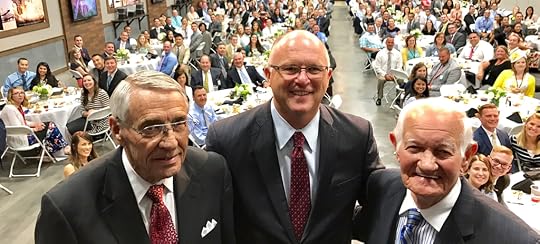
If one picture is worth a thousand words, then I have enough words to fill a book with memories of Dr. Don Sisk.
As I’ve looked through hundreds of pictures this week since Dr. Don Sisk’s Homegoing, I’ve been filled with gratitude for his friendship over the past thirty-five years. (Tap through the carousel below to see more pictures.)
 On the 2011 WCBC Alaska Cruise
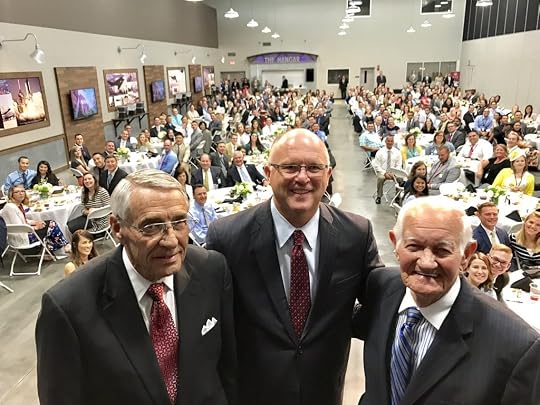 Dr. Sisk and Dr. Bobby Roberson at the WCBC alumni luncheon at Spiritual Leadership Conference 2017
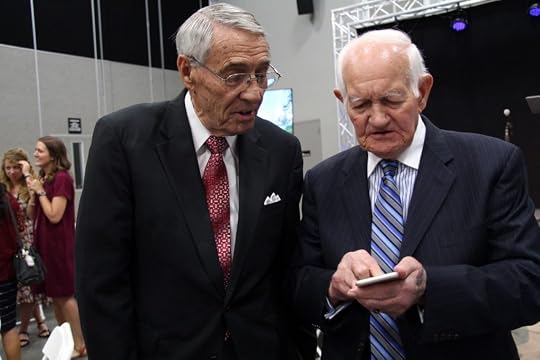 Dr. Sisk showing Dr. Bobby Roberson how to use an iPhone, Spiritual Leadership Conference 2017
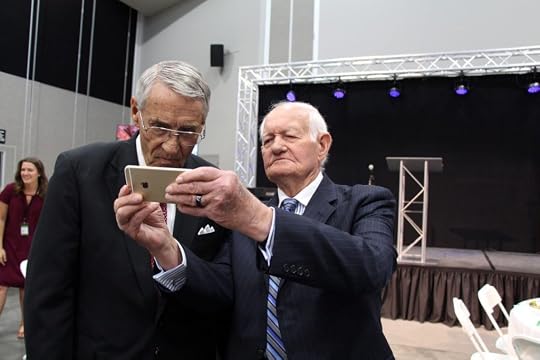 Dr. Sisk showing Dr. Bobby Roberson how to take a selfie, Spiritual Leadership Conference 2017
 Dr. Sisk and Virginia with Terrie, Kristine, and Matthew in 2007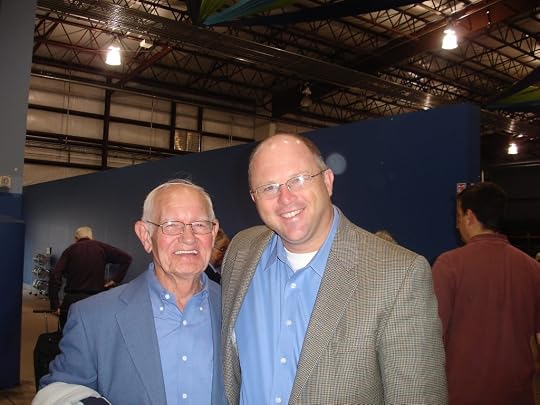
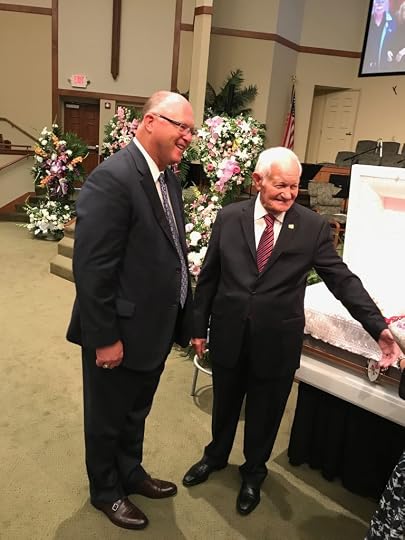 At Virginia’s Homegoing service in 2017
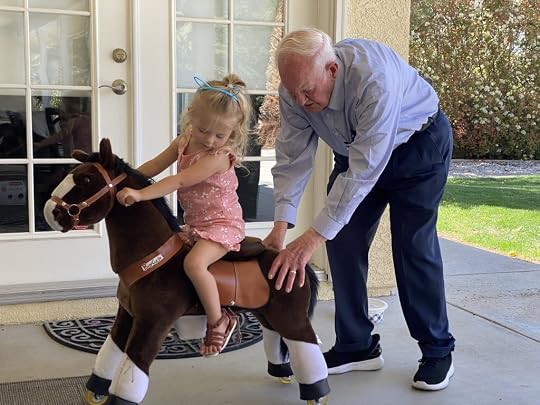 Dr. Sisk giving my granddaughter, Quinn, a ride across the porch
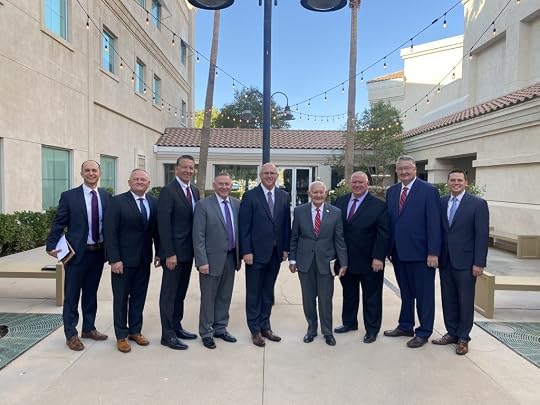 With some of our Lancaster Baptist Church staff on our church’s 35th anniversary Sunday, 2021
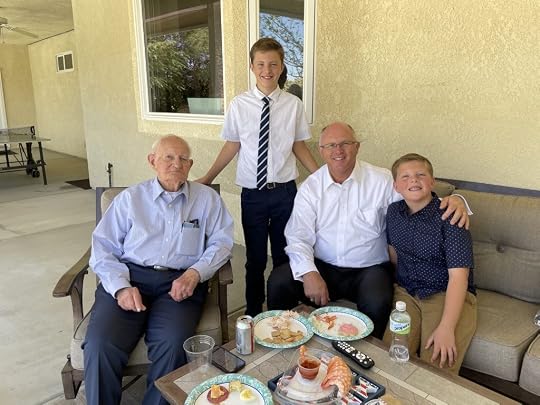 With my grandsons, Camden and Chandler, 2022
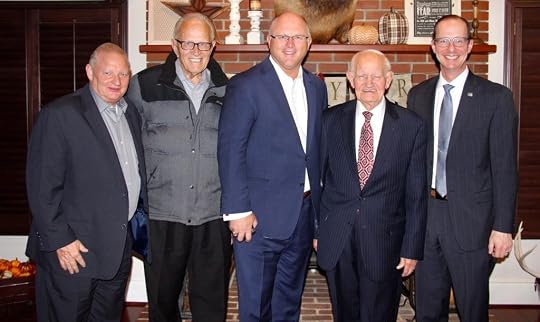 Left to right: Gary Keck, missionary to Papua New Guinea; Jack Baskin, missionary to Korea then Vice President of Pacific Coast Baptist Bible College; me Dr. Sisk; David Snyder, current president of BIMI
 With Dr. Daniel Kim, his wife Young Soon, and (opposite) Dr. Kim’s daughter Grace and son-in-law Enoch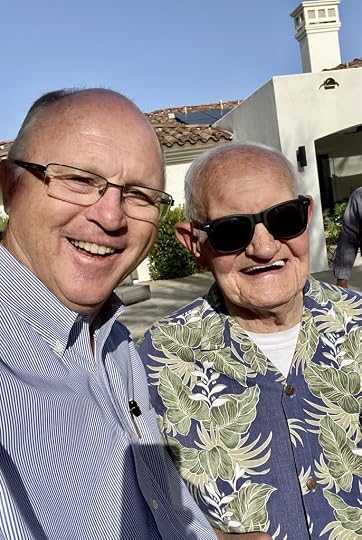
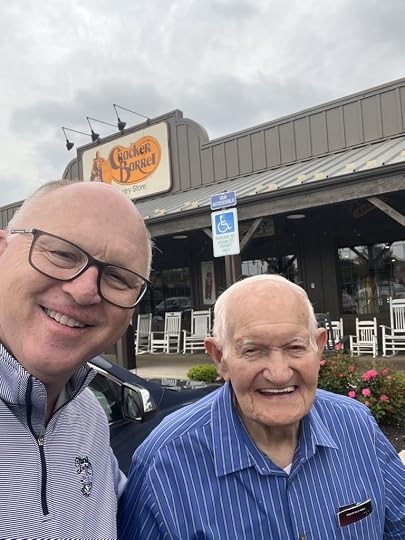


I thank God for his steadfastness in the Word, his compassion for the lost, his faithful encouragement to our church family, his investment in West Coast Baptist College students, and his genuine love for me and my family. It has been one of the great privileges of my life to call him my friend and to serve as his pastor.
While we already miss him greatly, his influence continues through the missionaries he encouraged, the pastors he mentored, the students he trained, and the souls reached through churches planted around the world as a direct result of his ministry. His race is finished, but the eternal fruit of his life will continue until Christ returns.
Dr. Sisk’s Memorial Service will be held Monday, July 13, 2026, at 1:00 p.m. I am honored to officiate it.
Calvary Baptist Church Red Bank
5201 Dayton Boulevard
Chattanooga, Tennessee 37415
The service will be live-streamed at www.calvaryredbank.org/watch-live.
You can read Dr. Sisk’s obituary here: https://paulchappell.com/2026/07/07/dr-don-sisk-memorial-service-details/. The family has asked that in lieu of flowers, memorial contributions be made to the Don Sisk Scholarship Fund of West Coast Baptist College, 4010 E. Lancaster Blvd, Lancaster, CA 93535.
You can also read my previous tribute to Dr. Sisk here: https://paulchappell.com/2026/07/06/well-done-remembering-dr-don-sisk/
Thank you, Dr. Sisk, for a life faithfully lived for the glory of God.
July 7, 2026
Dr. Don Sisk: Memorial Service Details
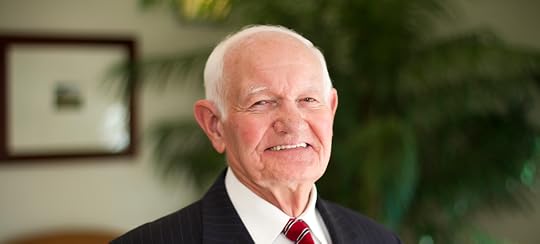
Dr. Don Sisk was a faithful servant of Christ, a devoted missionary statesman, and a dear friend and mentor to countless servants of the Lord. His life and ministry touched people around the world, and we thank God for the enduring legacy of faith, missions, and gospel witness he leaves behind. You can read my personal tribute to Dr. Sisk here: Well Done: Remembering Dr. Don Sisk.
Please continue praying for the Sisk family, as well as for the thousands of West Coast Baptist College graduates and BIMI missionaries around the world whose lives and ministries were shaped by his faithful example.
The Memorial Service will be held Monday, July 13, 2026, at 1:00 p.m.
Calvary Baptist Church Red Bank
5201 Dayton Boulevard
Chattanooga, Tennessee 37415
The service will be live-streamed at www.calvaryredbank.org/watch-live
Donald Ray Sisk ObituaryMay 30, 1933–July 6, 2026
Donald Ray Sisk, age 93, of Harrison, Tennessee, went home to be with his Lord and Savior Jesus Christ on July 6, 2026.
Don was born on May 30, 1933, in Nortonville, Kentucky, to Earl and Beulah Sisk. His life was marked, above all else, by his unwavering faith in Jesus Christ, his passion for proclaiming the gospel, and his lifelong commitment to missionary service. For 65 years, until her passing on July 8, 2017, he was the devoted husband of Virginia Ruth Carlton Sisk, his faithful partner in life and in ministry.
Don began serving with Baptist International Missions, Inc. (BIMI) in 1964 and continued in that service until his death—more than six decades dedicated to spreading the gospel around the world. He served as a missionary in Japan and went on to hold leadership positions within BIMI, shaping the organization’s mission work and mentoring generations of missionaries. He was also a beloved member of Lancaster Baptist Church in Lancaster, California.
Don is survived by his children, Angela Renee Sisk Border (Tom) and Timothy R. Sisk (Donna); his grandchildren, Rebecca Border Sietman (Daniel), Cassandra Border Brotbeck (Brad), D. Blake Sisk (Kate), Katie Sisk, Mallory Sisk Bope (Jeffrey), and Gabriela Sisk Lisitza (Zachary); and his great-grandchildren, Nathaniel Sietman, Alicia Sietman, Zachary Sietman, Emmalina Brotbeck, Cooper Sisk, Otto Sisk, Leo Sisk, Jay Bope, Virginia Bope, Mark Bope, Helena Bope, and Darcy Bope.
He was preceded in death by his parents, Earl and Beulah Sisk, and his beloved wife of 65 years, Virginia Ruth Carlton Sisk.
Don’s legacy is one of faithful obedience to God’s call, a lifetime spent telling others about Jesus Christ, and a deep devotion to his wife that never wavered. He will be remembered as a faithful servant, a devoted husband, and a mentor and friend to countless missionaries and believers around the world.
A Memorial Service will be held on Monday, July 13, 2026, at 1:00 PM at Calvary Baptist Church, 5201 Dayton Blvd, Red Bank, TN 37415.
In lieu of flowers, memorial contributions may be made to the Don Sisk Scholarship Fund of West Coast Baptist College, 4010 E. Lancaster Blvd, Lancaster, CA 93535.
July 6, 2026
Well Done: Remembering Dr. Don Sisk
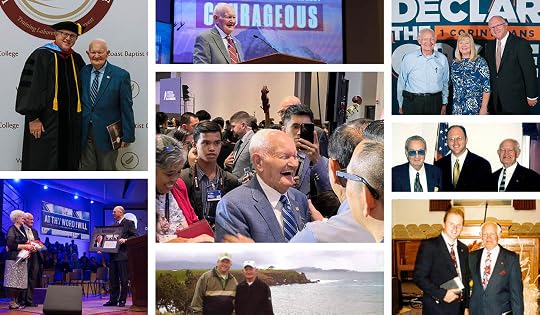
It is with both deep sadness and profound gratitude that I share our dear friend, Dr. Don Sisk, went Home to be with the Lord today.
It is impossible to put into words what Dr. Sisk has meant to me. For thirty-five years, he has been one of my dearest friends, most trusted mentors, and greatest examples of Christian faithfulness I have ever known. For the past twenty-three years, it has been my privilege to be his pastor. Today, he is rejoicing in the presence of the Savior he loved, served, and proclaimed for a lifetime. And after nine years apart, he has been reunited with his beloved Virginia, following their sixty-five years of marriage.
I first met Dr. Sisk in 1991 at a pastors’ meeting in Atlanta, Georgia. It was not an especially enjoyable conference. The atmosphere had become centered on issues and controversies rather than on Christ, and before long I found myself sitting alone on the back row, wondering why I had even come. A few minutes later, a white-haired man with a warm smile sat down beside me, introduced himself as Don Sisk, and handed me a copy of his little book, Joyful Giving.
Over the years, Dr. Sisk and I often laughed about that meeting. Neither of us particularly enjoyed the conference, but we both eventually realized God had brought us there for one simple reason—to introduce us to one another. What began with a conversation on the back row grew into one of the greatest friendships of my life.
As I reflect on Dr. Sisk’s life, four qualities immediately come to mind.
Passion for the LostEverything about Dr. Sisk was bent toward reaching the lost with the gospel. From sharing the gospel through personal soulwinning to preaching in missions conferences, his great passion was for those who were without Christ, and especially those who had never heard the gospel.
As a pastor in Kentucky and Illinois, missionary in Japan, director of Baptist International Missions, Inc., and head of the missions department at West Coast Baptist College, his life was poured out as an offering to the Lord for the sake of the gospel. God used him to plant churches in Japan, challenge churches across America, encourage missionaries around the world, and inspire countless Christians to give and go. For many years, our students at West Coast Baptist College had the privilege of learning missions from someone who had not merely studied it but had lived it. His burden for souls was contagious. Today there are graduates from West Coast Baptist College serving in over fifty countries around the world, all of whom were taught and influenced under Don Sisk.
Even after moving to a care home in Ohio, he would often tell me about the people he was witnessing to there. Several months ago, Terrie and I visited him, and as we walked in, I saw him handing a gospel tract to another resident.
Only eternity will reveal how many people have come to Christ through his witness or his passionate preaching, urging others to both send and carry the gospel to the lost.
Genuine Love for PeopleDr. Sisk never viewed people as projects or statistics. He loved them. And they knew it.
One of my favorite photos of Dr. Sisk is from Spiritual Leadership Conference 2023 in Manila (center in the collage above). He had just preached to 10,000 people, challenging us to carry the gospel of Christ willingly. After the service, he was surrounded by pastors and Christian workers eager to greet him. The smile on his face says everything. He wasn’t simply greeting people; he was loving them.
Wherever he went, people gathered around him. They knew he cared about them. He listened, encouraged, prayed with them, and rejoiced in what God was doing in their lives. His love crossed every cultural barrier because it was rooted in the love of Christ.
People never felt as though they were interrupting Dr. Sisk. Whether he was speaking to a veteran missionary or a first-time conference attendee, he had a way of making each person feel seen, valued, and loved.
Investment in Younger Servants of GodFew men have been as generous with their time, wisdom, and encouragement as Dr. Sisk. I was one of many who benefited from his counsel. Throughout the years, I sought his advice on ministry decisions, missions, leadership, and life. He always listened carefully, pointed me to Scripture, and encouraged me to trust the Lord.
Thousands of pastors and missionaries around the world could tell similar stories. Whether it was a discouraged missionary serving on a distant field, a West Coast Baptist College student seeking direction for the future, or a pastor carrying the burdens of ministry, Dr. Sisk always made time to encourage, counsel, and strengthen others. His influence was never confined to the pulpit. It was multiplied through personal investment in people.
Though he faithfully served the Lord into his nineties, Dr. Sisk never lost the ability to connect with younger generations. Bible college students sought him out. Young pastors welcomed his counsel. Missionaries valued his friendship. His love for people kept him approachable, and the love of Christ in him made his influence timeless.
Fullness of the Holy SpiritIt is impossible to remember Dr. Sisk without remembering his joy. He was a genuinely happy man, and his joy was contagious. It wasn’t a put-on or a personality trait. It was the fruit of a life surrendered to the Holy Spirit.
Just a few days ago, I enjoyed sharing with Dr. Sisk on the phone from a book I am reading about the deeper experiences with God from the lives of great Christians in the past. Immediately he said, “I remember that experience in my life as if it were yesterday. I heard Dr. John R. Rice preach on the fullness of the Holy Spirit.” Though his memory was fading, he remembered that touch from God like it was yesterday. In this restless age, with all its new terminology and methodology, there is no greater need for a Christian than to be wholly yielded to the Spirit of God. I saw that yieldedness in Dr. Sisk to the very end.
Over the years, I watched him respond to criticism with kindness, to personal trials with joy, and to opportunities for recognition with humility. Those qualities do not develop overnight. They are the fruit of a lifetime spent walking with the Lord and yielding to His Spirit. Even in these later years of his life, there was no trace of cynicism or self-promotion—only a spirit that was joyful, gracious, and full of faith.
Well DoneEach year at our Spiritual Leadership Conference, we have the privilege of recognizing faithful servants of God, and through the years Dr. Sisk received several of those recognitions. I remember one year when our team was discussing who to honor, and my son Larry spoke up: “Dad, you want to give Dr. Sisk one every year.” Larry wasn’t wrong—and I’m glad we did.
But no certificate, plaque, or expression of gratitude we could offer compares to the rewards at the judgment seat of Christ. I can only imagine the crowns he will receive there to cast at Christ’s feet in grateful worship.
Today, Dr. Sisk is in the presence of the Savior he loved and served so faithfully. And I have no doubt that he heard the words of Matthew 25:21 as he entered Heaven: “Well done, thou good and faithful servant…enter thou into the joy of thy lord.”
Please join me in praying for the Sisk family in the days ahead—for his daughter and son-in-law, Renee and Tom Border, and for his son and daughter-in-law, Tim and Donna Sisk, and for his grandchildren and great-grandchildren. Please also pray for the thousands of West Coast Baptist College graduates and the missionaries of the BIMI family around the world who were shaped by his life and ministry.
I will update with details of Dr. Sisk’s memorial service as they are available.
May 23, 2026
Sacrifice Deserves Stewardship

In September of 1776, a young schoolteacher named Nathan Hale stood on the edge of eternity. Captured by the British as a spy during the early days of the Revolutionary War, he knew his fate was sealed. At just twenty-one years old, he was about to give his life for a country that was even younger than he was.
His final words have echoed through American history: “I only regret that I have but one life to lose for my country.”
Those words reflect a kind of patriotism that is both rare and noble. Nathan Hale believed preserving liberty for others was worth his own life.
And Hale was not alone. America has a long heritage of men and women who have been willing to pay the ultimate sacrifice for our country and to preserve the freedoms we hold dear.
From the earliest days of our nation, liberty has been purchased at great cost. There were those who left everything behind in search of religious liberty. There were those who pledged their lives, their fortunes, and their sacred honor to establish a new nation. And there have been countless men and women since who have given what Lincoln called “the last full measure of devotion” to preserve our freedom.
These were real people with real families, real hopes, and real futures. They did not sacrifice in the abstract. They laid down their lives so others might live in freedom.
That sacrifice demands our gratitude. And it demands our stewardship.
We have inherited freedoms that were purchased at great cost. But freedom is not sustained by indifference, nor is it preserved by convenience. The liberties we enjoy today were entrusted to us by those who valued them enough to suffer and sacrifice for them.
As Christians, we should recognize that the freedoms we enjoy are trusts to steward for the glory of God.
We steward our freedom when we remember its cost.Memorial Day is more than a holiday weekend. It is a summons to gratitude. We should teach our children that freedom was not created in comfort and is not preserved by ease. A people who forget sacrifice will eventually take liberty for granted.
A people who forget sacrifice will eventually take liberty for granted.
Share on X
America’s deepest needs are not merely political or economic; they are spiritual. We should pray for revival, for wisdom for our leaders, for courage among believers, and for a renewed national turning to God. God promises, “If my people, which are called by my name, shall humble themselves, and pray, and seek my face, and turn from their wicked ways; then will I hear from heaven, and will forgive their sin, and will heal their land” (2 Chronicles 7:14).
We steward our freedom when we proclaim the gospel.The freedom to preach Christ is one of the greatest liberties we possess. We should not waste it.
Jesus came to give a freedom greater than political liberty—freedom from sin, guilt, and eternal separation from God. “If the Son therefore shall make you free, ye shall be free indeed” (John 8:36). The best use of our national freedom is to proclaim eternal freedom in Christ.
The best use of our national freedom is to proclaim eternal freedom in Christ.
Share on X
Christians should be known for integrity, compassion, moral courage, strong families, faithful churches, and love for their neighbors. Our lives should demonstrate that the gospel we proclaim is true and transforming. We should live as people who are “without rebuke, in the midst of a crooked and perverse nation, among whom ye shine as lights in the world” (Philippians 2:15).
We steward our freedom when we train the next generation.Ronald Reagan famously warned, “Freedom is never more than one generation away from extinction. We didn’t pass it on to our children in the bloodstream. It must be fought for, protected, and handed on for them to do the same.”
Nothing precious is automatic. Truth is not passed on by accident. Neither is gratitude. If we do not teach our children the cost of liberty, the historical foundations of our nation, and the truth of God’s Word, someone else will teach them a different story. We must intentionally pass on both biblical conviction and a grateful understanding of the heritage we have received.
If we do not teach our children the cost of liberty, the historical foundations of our nation, and the truth of God’s Word, someone else will teach them a different story.
Share on X
There will always be pressure to soften truth, remain silent, or conform to the spirit of the age. But freedom must be used with courage. When culture or government conflicts with God’s Word, our answer must be the answer of the apostles: “We ought to obey God rather than men” (Acts 5:29).
Freedom Isn’t FreeWe may never be called to give our lives as Nathan Hale did. But we are called to recognize the cost of what we have received and to live in a way that honors it.
As American citizens, we are called to value freedom, protect it, and use it for what is right.
And above all, we are called to steward the freedoms God has allowed us to enjoy for the advancement of the gospel.
Additional Note: The story of Nathan Hale is included in my new book, Founded on Faith. In a time when many are rewriting the past and questioning the principles that made our nation strong, this short, inspiring read tells the true story of America’s founding, highlights the biblical foundations that shaped this country, and encourages us to stand for freedom in our day. I hope you’ll read it and share it throughout this summer, as we celebrate America’s 250th birthday.
April 28, 2026
Stewarding Ministry for the Future
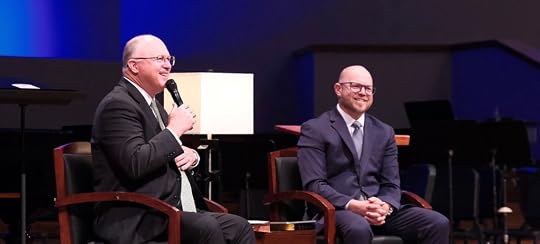
For forty years, the Lord has allowed me the privilege of serving as pastor of Lancaster Baptist Church. Through every season, my desire has been simple—to faithfully preach the gospel, strengthen the local church, and help shine the light of Christ from this place to our community and around the world.
As I have entered my mid-sixties, the Lord has burdened my heart with the stewardship of ministry and the future of this work. Ministry is never something we own; it is something we are entrusted to steward. We are undershepherds serving under the Chief Shepherd, the Lord Jesus Christ. The church belongs to Him. As a pastor, my role is to oversee and feed His flock, “which he hath purchased with his own blood” (Acts 20:28).
Ministry is never something we own; it is something we are entrusted to steward.
Share on X
Because of that, local church leadership must always be approached with a stewardship mentality. A pastor must not only ask, “How do I serve faithfully today?” but also, “How do I ensure this work remains strong for the next generation?”
With stewardship as a mindset, I have, over the past months, been working together with our deacons and church family to establish a co-pastor role at Lancaster Baptist Church. Having a co-pastor will allow me to intentionally share responsibilities and train another for the future leadership here at Lancaster Baptist. This, of course, will take time, but will ultimately lead to pastoral succession, at which time I will continue to lead West Coast Baptist College as president.
This past Sunday evening, after the unanimous recommendation of our deacons, our church family voted overwhelmingly to call our Executive Pastor, Larry Chappell, to serve as co-pastor of this church. I appreciate Larry’s convictions for truth, his love for our church, and his compassion for souls. I will continue serving as Senior Pastor, while this new role allows us to strengthen leadership and prepare wisely for the future of this ministry. (To learn more about this process and see some of the candid conversations leading up to it, visit lancasterbaptist.org/co-pastor-process.)
Throughout Scripture, we see a pattern of stewarding leaders preparing for the future by training others and sharing ministry. Moses invested in Joshua. Paul invested in Timothy.
Leadership is always a stewardship, and Christian leaders in any context—especially in the local church—should look beyond their immediate responsibilities to invest in the next generation.
So how do godly leaders steward their responsibility to train others well? What does stewardship-minded leadership look like?
I believe stewarding leaders serve in five important ways:
Stewarding Leaders Serve with HumilityHumility is an essential trait for Christian growth. But it’s especially vital for leaders to cultivate. Leadership is not about position, control, or personal ambition. It is about faithfully serving under Christ’s authority.
Feed the flock of God which is among you, taking the oversight thereof, not by constraint, but willingly; not for filthy lucre, but of a ready mind; Neither as being lords over God’s heritage, but being ensamples to the flock. (1 Peter 5:2–3)
Seasons of leadership development or transition should be marked by humility, prayer, and dependence on the Lord. We are not building our own kingdom; we are serving His.
Stewarding Leaders Invest in the Next GenerationThere is no success without a successor. Biblical leadership always looks beyond itself.
There is no success without a successor.
Share on X
Moses prepared Joshua. Elijah prepared Elisha. Paul prepared Timothy. A faithful leader does not simply carry the work; he helps prepare others to carry it forward.
And the things that thou hast heard of me among many witnesses, the same commit thou to faithful men, who shall be able to teach others also. (2 Timothy 2:2)
One of the blessings of ministry is the opportunity to invest in younger leaders and to help them grow in conviction, wisdom, and practical ministry leadership. Stewarding leaders think in terms of creating opportunities for intentional mentoring, shared leadership, and hands-on preparation for the future.
Stewarding Leaders Plan Before Crisis ComesWise leaders do not wait for uncertainty to force decisions. They prepare prayerfully, deliberately, and transparently.
Too many churches wait until a moment of crisis to think about leadership transition. By then, uncertainty can create confusion and instability. Faithful stewardship involves planning ahead—not because change is immediate, but because preparation is wise.
A prudent man foreseeth the evil, and hideth himself: but the simple pass on, and are punished. (Proverbs 22:3)
In our case, this co-pastor process has developed over years through prayer, counsel, and conversations with our deacons and church family. It is not a reaction to pressure; it is an effort to strengthen the church for the years ahead.
The goal is not speed. The goal is clarity, unity, and readiness.
Stewarding Leaders Protect the MissionLeadership planning is never about organizational preservation alone. It is about gospel continuation.
Leadership planning is never about organizational preservation alone. It is about gospel continuation.
Share on X
The mission of Lancaster Baptist Church remains unchanged: preach the gospel, disciple believers, support missionaries, and fulfill the Great Commission. Everything else serves that purpose.
Go ye therefore, and teach all nations, baptizing them in the name of the Father, and of the Son, and of the Holy Ghost: Teaching them to observe all things whatsoever I have commanded you: and, lo, I am with you alway, even unto the end of the world. Amen. (Matthew 28:19–20)
In every season of ministry, the main work remains the same. Souls still need Christ. Believers still need discipleship. Missionaries still need support. The church must continue moving forward.
Stewarding Leaders Strengthen CommitmentMoments of leadership development should not loosen our stakes; they should deepen them.
Thirty-five years ago, in 1991, our church’s annual theme was “Stake Your Claim.” We challenged our people to lengthen the cords and strengthen the stakes—to put their roots deeply into the work God had called us to do together.
Enlarge the place of thy tent, and let them stretch forth the curtains of thine habitations: spare not, lengthen thy cords, and strengthen thy stakes; (Isaiah 54:2)
All of us have a natural tendency to drift in our devotion to the Lord and in our commitment to His work. Stewardship-minded leaders recognize that tendency and encourage God’s people to remain steadfast—not in loyalty to a single leader, but in faithfulness to Christ through every season, including seasons of transition. In our case, that faithfulness also includes a renewed commitment to our local church, Lancaster Baptist Church.
The Heart of StewardshipFaithful, stewarding leaders serve with humility, invest in others, plan wisely, protect the mission, and strengthen commitment. They understand that ministry is not measured only by what is built in one season, but by what is strengthened for the next.
Ministry is not measured only by what is built in one season, but by what is strengthened for the next.
Share on X
I thank the Lord for what He has done at Lancaster Baptist Church over these forty years, and I am grateful for the opportunity to continue serving in this season of ministry. My prayer is that the gospel would continue to go forward, that strong leaders would be raised up for the next generation, and that the work of Christ would remain strong for generations to come, or until Christ returns. Please pray for Pastor Larry Chappell and our entire leadership team as we reach forward in this season.
March 10, 2026
Five Hundred Years Later: William Tyndale and the Power of God’s Word
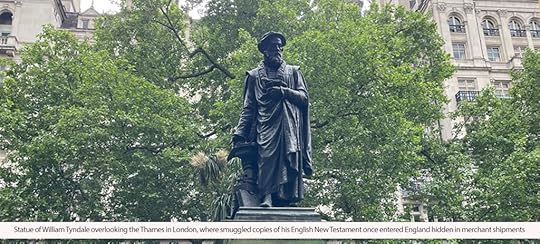
Five hundred years ago this spring, printed copies of the first English New Testament translated from Greek reached English soil. Hidden in sacks of flour, bales of cloth, and barrels of oil, they passed quietly up the River Thames. Carried ashore by faithful merchants and Lollard believers, they soon flooded London.
It was 1526, and England would never be the same. What arrived on those ships was more than ink on paper. It was the powerful Word of God.
The story traces back to one man—courageous, brilliant, and unshakably convinced that the Bible should speak in the language of the people.
William Tyndale was born in Gloucestershire around 1494. Educated at Oxford and Cambridge, Tyndale mastered Greek and became fluent in eight languages—so fluent that John Foxe wrote, “Whichever he spake, you would suppose it his native language.”
Through reading the Greek New Testament, Tyndale discovered and believed the simple gospel of salvation by grace through faith in Christ. As he studied Scripture, he became convinced that the spiritual darkness of England could only be lifted by giving people the Bible in their own tongue.
In sixteenth-century England, ordinary people had almost no access to Scripture. The Catholic Church held copies of the Bible in Latin, but translating it into English was forbidden by law.
When a clergyman argued that it would be better to go without God’s Word than to oppose the Pope, Tyndale famously replied, “I defy the Pope and all his laws. If God spare my life, ere many years, I will cause a boy that driveth the plow to know more of the Scripture than thou dost.”
Refused permission to translate, Tyndale fled England in 1524 and began his work in exile. Two years later, his completed New Testament was printed in Worms, Germany, and secretly shipped to England.
Church authorities responded with fury, burning copies of the book and hunting its translator. But God’s Word is not easily silenced. As Isaiah 55:11 promises, “It shall not return unto me void.” The Bible spread quickly, fueling revival and reformation across England.
Tyndale was eventually captured through betrayal, imprisoned near Brussels, and executed in 1536—only ten years after his work first reached England. During that decade, he persevered in translation. He revised his New Testament twice, translated the Pentateuch and other portions of the Old Testament, and wrote significant works defending the authority of Scripture and salvation by grace. Even under threat of death, he would not cease his labor.
As Tyndale stood at the stake, he prayed aloud, “Lord, open the King of England’s eyes.” This prayer was soon answered. Within a year, an English Bible was authorized for public reading, drawn largely from his work.
Five centuries later, the Word Tyndale gave his life to translate is still at work.
Tyndale invested—and ultimately gave—his life for one of the greatest needs of humanity: access to the living, powerful Word of God. He understood what many in his day did not—that Scripture is essential to the Christian life and the local church. It is the very instrument through which God saves sinners, comforts sufferers, and equips His church.
Today, you and I have access to Scripture because of Tyndale’s sacrifice. But perhaps we forget just how powerful Scripture is. Hebrews 4:12 tells us, “For the word of God is quick, and powerful….” Indeed, God’s Word is powerful. And when it was unleashed across Europe, it changed the course of history.
The Word of God Is Powerful to SaveA sometimes overlooked fact is that the spread of the gospel during the Protestant Reformation (1517–1648) advanced alongside the translation of Scripture. Consider the timing. Erasmus published the first printed Greek New Testament in 1516. Soon after, these translations followed:
1522 – German New Testament1525 – Zurich (Swiss) New Testament1526 – English New Testament1526 – Dutch New Testament (translated largely from German)1535 – French Bible (New Testament from Greek, Old Testament from Hebrew)As the Bible became accessible in German, English, French, and other languages, the gospel became accessible as well.
In almost every testimony of the men who became Anabaptist leaders or Reformers, we find the same story: a priest or scholar, steeped in the traditions of the state church, came into contact with Scripture—whether in Greek or in his native language—read it carefully, and discovered the simple truth of salvation by grace through faith in Christ. Having trusted Christ as Savior, he began to teach and preach the Word. For this he was persecuted. Yet the gospel itself, carried on the powerful words of Scripture, continued to spread.
As we share the gospel today, we should remember that the Holy Spirit works through His Word to convict hearts and reveal the need for a Savior.
The Word of God Is Powerful to Comfort“So then faith cometh by hearing, and hearing by the word of God” (Romans 10:17).
Who can measure what it has meant for suffering believers across the millennia to hold Scripture in their hands and read its promises?
We can picture Tyndale himself—cold, hungry, and always knowing he was one step away from arrest and death—translating the Bible by candlelight. Imagine what it meant to him to steep his mind in the words of these passages as he translated them:
“For I reckon that the sufferings of this present time are not worthy to be compared with the glory which shall be revealed in us” (Romans 8:18).
“That the trial of your faith, being much more precious than of gold that perisheth, though it be tried with fire, might be found unto praise and honour and glory at the appearing of Jesus Christ” (1 Peter 1:7).
The same Word that comforted persecuted saints then still steadies grieving, anxious, heavy hearts today.
The Word of God Is Powerful to EquipWhen Scripture spreads, churches grow strong.
From the Waldensians to the Lollards to the Anabaptists, effective ministry followed the availability of God’s Word. The preaching of Scripture trained evangelists, formed disciples, and established churches.
Without the Word of God, we cannot equip believers or disciple the next generation.
The Power of the Word Endures“All scripture is given by inspiration of God…that the man of God may be perfect, thoroughly furnished unto all good works” (2 Timothy 3:16–17).
Today, five hundred years later, we celebrate the courageous faith and dedicated labor of William Tyndale. But even more, we praise God for His amazing, powerful, and preserved Word that still saves, still comforts, and still equips His church.
“Thy word is very pure: therefore thy servant loveth it….Seven times a day do I praise thee because of thy righteous judgments” (Psalm 119:140, 164).
May we give ourselves to read it, study it, preach it, and share it—especially with those around the world who have not yet heard the gospel or who do not have Scripture in their language.
The same Word that changed Europe five centuries ago is still changing hearts today.
As part of this year’s Spiritual Leadership Conference September 27–30 and in partnership with Dave Smith and the Museum of the Book in London, we are honored to present a special historic Scripture display with dozens of incredible rare prints of Scripture. Included in this collection is an original 1526 Tyndale New Testament. For more information on this exhibit as well as the conference, visit slconference.com .