Laura Kronen's Blog
July 21, 2023
Shoutout Atlanta
Honored and humbled to be featured by Shoutout Atlanta. Learn all about my philosophies and my favorite places to go and things to do in the ATL.


May 31, 2023
Homeschooling for the Summer

School might be out, but it doesn’t mean the learning has to take a hiatus too. Summer is a great time to test the waters for homeschooling full time and to make learning fun again. Leave behind the traditional classroom setting and embrace the freedom, flexibility, and endless possibilities of learning at home. Grab your shades, pack your backpack, and let's dive right in.
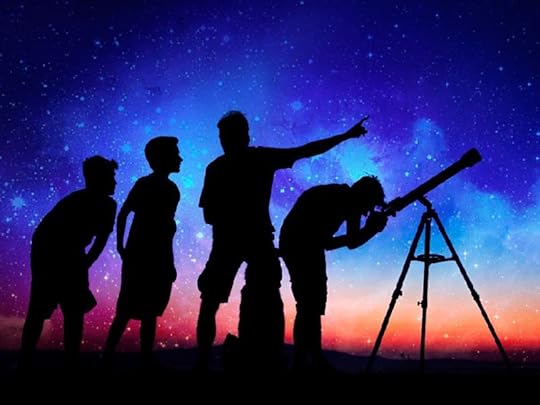
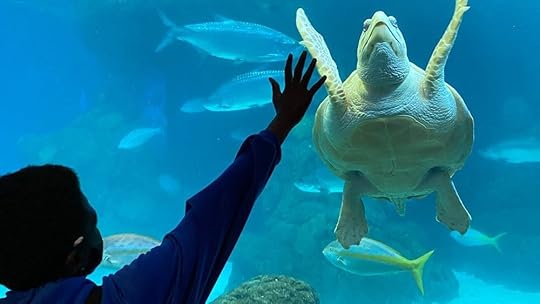
Homeschooling during the summer opens up a world of freedom and exploration. With no rigid schedules or homework deadlines (or any homework at all), you have the flexibility to create your own learning adventures. Want to learn about marine life? Take a trip to the beach and dive into the wonders of the ocean. Interested in astronomy? Set up a stargazing camp in your backyard and learn about the constellations under a sky full of twinkling stars. The possibilities are endless, and the only limit is your imagination!
Summer provides the perfect backdrop for embracing nature's classroom. From hiking through lush forests to observing the intricate ecosystems in local parks, the great outdoors becomes your ultimate teaching assistant. Imagine the thrill of identifying different species of birds, collecting leaves for a nature journal, or studying the life cycles of butterflies firsthand. Homeschooling in nature not only stimulates curiosity but also fosters a deep connection with the natural world—a connection that will last a lifetime.
You can also unleash your creative side through hands-on DIY projects. From building model volcanoes and erupting them with baking soda and vinegar to creating your own backyard garden and learning about the science of plant growth, these projects infuse learning with fun and excitement. Engaging in hands-on activities allows you to see concepts come to life, fostering a deeper understanding and a sense of accomplishment.
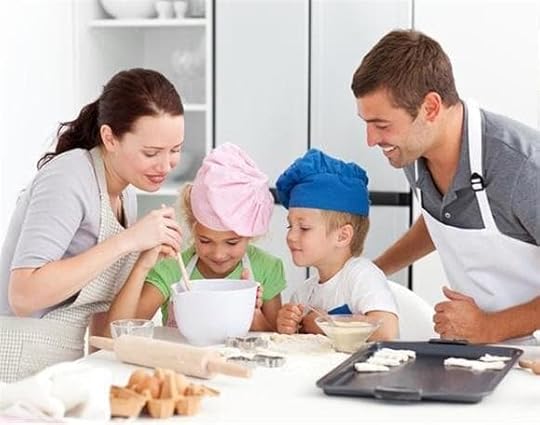
And, what better way to enhance your homeschooling experience than by exploring the world of culinary delights? Cooking and baking become not only an opportunity to whip up delicious treats but also a chance to hone your math skills. Measuring ingredients, doubling or halving recipes, and calculating cooking times involve real-life application of mathematical concepts. Plus you get to eat your projects.
Summer homeschooling provides lots of time to indulge in the joys of reading. Dive into captivating novels, explore different genres, and journey to far-off lands through the pages of books. Create a cozy reading nook, complete with fluffy pillows and fairy lights, and let your imagination run wild. Encourage your family to join in a summer book club, where you can discuss your favorite reads and share recommendations. Reading not only expands knowledge but also sparks creativity and fosters empathy—a true win-win!
In our technologically advanced world, the virtual realm opens up a treasure trove of educational resources and opportunities. Take virtual field trips to famous museums, engage in interactive science experiments online, or connect with students from around the world through virtual exchange programs. The summer homeschooling journey extends beyond your home's four walls, allowing you to explore the world without leaving your doorstep. This is an excellent opportunity to delve into different cultures and traditions from around the world. Choose a country or region to explore each week and immerse yourself in its history, language, cuisine, and arts. Try your hand at cooking traditional dishes, learn basic phrases in the native language, and create crafts inspired by the culture. By embracing cultural immersion, you gain a broader perspective and develop a deeper appreciation for the diverse world we live in.
Learning during the summer is not limited to academics; it's also about nurturing physical health and well-being and keeping kids out of trouble. Remember the expression, “An idle mind is the devils playground”? It’s the truth; kids with nothing to do often get themselves into trouble. So, keep them busy! Take advantage of the beautiful weather and engage in outdoor activities that get your body moving. Go for family bike rides, have a friendly game of backyard soccer, or create an obstacle course in your backyard. Physical education becomes an adventure, combining exercise with a good time.

Summer homeschooling allows you to strengthen family bonds and foster collaborative learning while creating unique family traditions that will be cherished for years to come. By embracing homeschooling as a family, you not only create lasting memories but also build a strong support system for each other's educational journeys.Whether it's a weekly "field trip" day where you explore a new local attraction, a themed cooking night where everyone gets to prepare their favorite dish, or a special "show and tell" session to share your summer learning projects, these traditions add a touch of magic and anticipation to your homeschooling experience. They become the milestones that mark the summers of growth, discovery, and togetherness. Summer gives you that opportunity to not be so serious and to embrace a lighthearted and flexible mindset - allowing you to navigate obstacles with resilience and creativity, turning most anything into a valuable learning opportunity.
For more ideas on homeschooling this summer, check out this video:
May 27, 2023
The Importance of Memorial Day: Honoring and Remembering Our Heroes
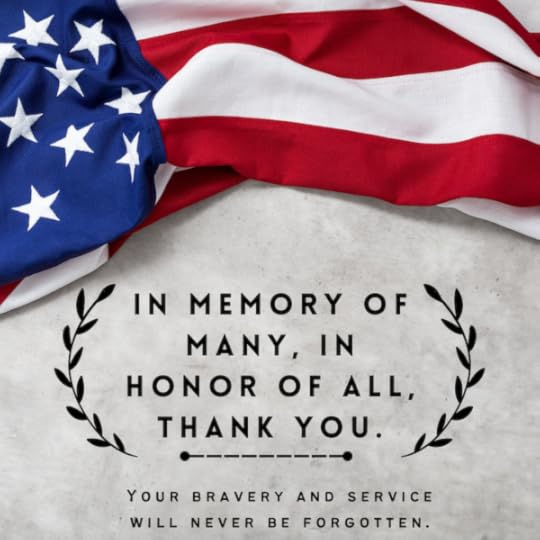
Memorial Day is a revered holiday observed annually in the United States, serving as a solemn reminder of the countless brave men and women who have laid down their lives in service, paying the ultimate sacrifice to their country. As the nation unites on this day, it is crucial to understand and appreciate the significance of this day.
Memorial Day allows us to pay our respects to the fallen heroes who selflessly fought to protect the ideals and freedoms we hold dear. By remembering their courage, dedication, and the price they paid, we ensure that their sacrifices are never forgotten.

The roots of this day can be traced back to the aftermath of the American Civil War. Originally known as Decoration Day, it began as a way to commemorate the fallen soldiers of the Union Army. The graves of soldiers were adorned with flowers and wreaths as a gesture of gratitude. Over time, the observance expanded to honor all fallen service members from various conflicts. In 1971, Memorial Day was officially designated as a federal holiday.

Memorial Day plays a pivotal role in preserving our collective memory as a nation. By actively participating in ceremonies, parades, and visiting memorials, we ensure that the stories and sacrifices of our heroes are passed down through generations. It fosters a sense of unity and shared identity, reminding us of the resilience and strength that has shaped our nation.
Memorial Day also offers an opportunity to support and recognize our living veterans and active service members. It serves as a reminder that their commitment to duty and the risks they face in protecting our nation deserve our unwavering support. By engaging in activities that express gratitude and by reaching out to veterans and their families, we can show our appreciation for their service and dedication.

As Memorial Day is observed year after year, it provides a vital platform for educating younger generations about the sacrifices made by those who came before them. By instilling a sense of duty, honor, and respect in our children, we ensure that the memories and values associated with Memorial Day endure, fostering a deep appreciation for the sacrifices made for our country. This should be focused on even more because it is something that is sadly lacking in the youth of today.

So as we have our BBQ’s and pool parties, and enjoy this long weekend, may we never forget the selflessness and bravery of our fallen heroes, and may their memory continue to inspire us to strive for a better world.
May 25, 2023
It’s National Wine Day!
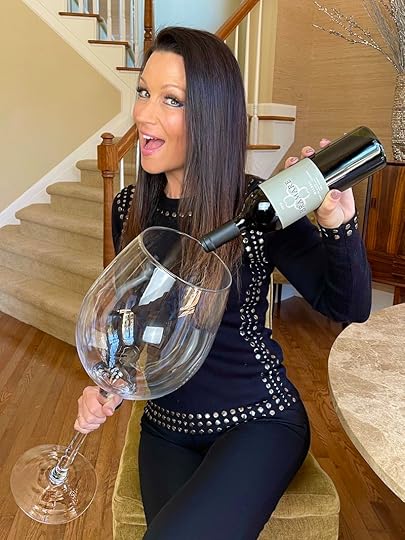
Cheers, my fellow wine enthusiasts! It’s wine 'o’clock all day today! Break out those corkscrews and raise your glasses high because National Wine Day is here, and it's time to celebrate the wonderful world of vino. So, grab a glass, or a bottle and read on!
First, let's pour ourselves a bit of historical context and some of my random stream of consciousness. And full disclosure, I might or might not have already had a glass of wine while writing this. Wine has been flowing through our collective consciousness for thousands of years, traversing the grapevine from ancient civilizations to modern times. From the Bacchanalian revelries of the Romans to the sophisticated soirées of the French, wine has always held a special place in our hearts—and our cellars.
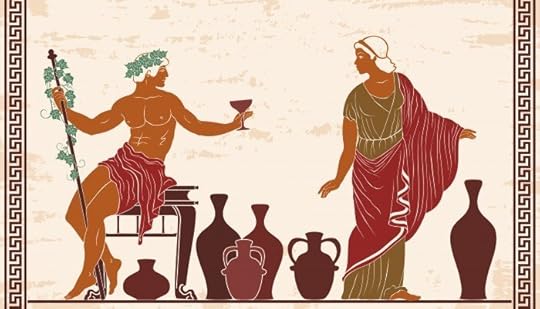
Did you know that the oldest winery in the world, dating back to 4100 BCE, was discovered in Armenia? Talk about aging like a fine wine! And did you ever wonder why wine bottles come in a specific shape? Well, it turns out those curvaceous bottles are not just for aesthetic appeal; they actually help with the aging process by allowing the sediments to settle at the bottom.

One of my favorite bottles.
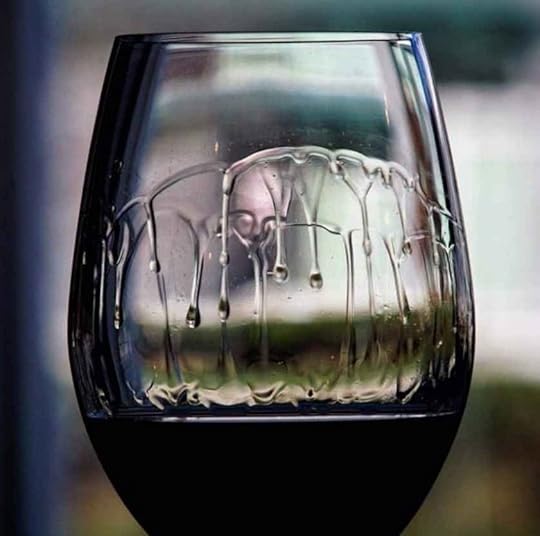
The language of wine is so full of fancy terms and poetic descriptions. Have you ever heard someone describe a wine as having "legs"? No, we're not talking about the kind you see at the gym. Legs refer to the streaks that form on the inside of a wine glass when you swirl it, indicating the wine's viscosity.
And what about those wine tasting notes that often leave us scratching our heads? "This wine has hints of leather, tobacco, and a touch of barnyard." Barnyard? Seriously? Are we drinking wine or taking a stroll through a petting zoo?

Moooooooooo
In a world that can often feel chaotic and unpredictable, wine offers a refuge of relaxation and pleasure. It's the perfect companion for life's ups and downs, helping us navigate through the highs and lows with grace, humor and a little bit of a mellow buzz.






In the age of social media, wine memes have taken the internet by storm, offering a delightful blend of humor and relatability. From memes about the struggle of choosing between red and white wine to those highlighting the all-too-familiar feeling of having a "glass" turn into a bottle, these light-hearted gems bring a smile to our faces and remind us that we're not alone in our love for the grape.
The world of wine is not just about the liquid inside the bottle; it's also about the delightful gadgets and accessories that accompany it. From aerators that promise to enhance the wine's flavors to wine bottle holders shaped like flamboyant animals, these quirky contraptions add an extra layer of amusement to our wine-drinking experiences. Who wouldn't want to impress their friends with a wine opener that looks like a mini medieval knight wielding a corkscrew? And, as a bonus it makes for a great instagram post.

No comment
For wine enthusiasts, traveling to wine regions around the world is like embarking on a pilgrimage. It's a chance to explore stunning vineyards, meet passionate winemakers, and immerse oneself in the local wine culture. Plus, it’s also a challenge to see how many vineyards you can make it to in a day. (Start early with a breakfast wine). Imagine strolling through rows of lush green vines, savoring tastings under the warm sun, and indulging in gourmet food pairings. Whether it's the rolling hills of Tuscany, the sun-kissed valleys of Napa, or the rugged beauty of the Douro Valley, wine travel is a dream come true for those seeking both adventure and a good glass of wine. Or five.
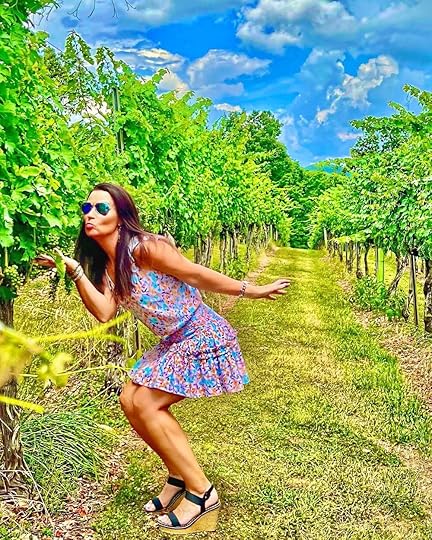
Don’t forget to stop and smell the grapes!
National Wine Day is not just about the clinking of glasses and the indulgence in delicious libations; it's a celebration of the joy, laughter, and camaraderie that wine brings to our lives. From the historical tales of ancient winemaking to the humorous moments shared over a bottle, wine has woven itself into the tapestry of our culture and has created some lasting memories in all of our lives. (Depending on how much we drank of course). And make sure to save all those corks over the years so, you too, can make holiday crafts such as this wreath below.
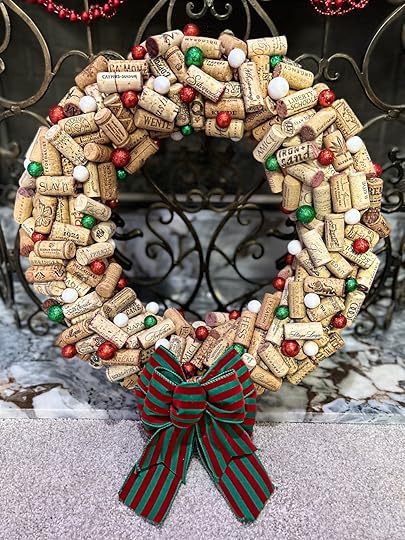
Look how pretty! And yes, those are all my corks. Don’t judge.
Benjamin Franklin once said, "Wine is constant proof that God loves us and loves to see us happy" So, on this National Wine Day, let's embrace the happiness, raise our glasses to the grape, and toast to the delightful journey that wine takes us on. Cheers, my friends, and may your glasses always be filled with laughter, love, white, red or a little bit of rosé instead.

I put the “I” in WINE.
May 23, 2023
My 30th Diaversary
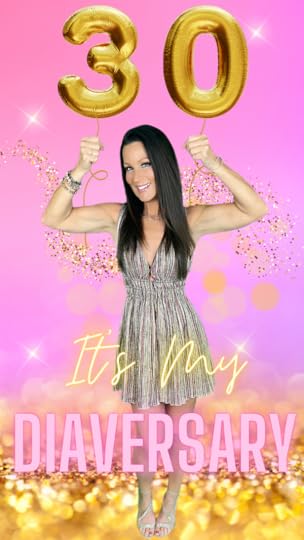
30 Years. 10,950 Days. 262,800 Hours. 15,778,800 Minutes. 946,728,000 Seconds.
However you look at it, it’s a really long time!
During my senior year of college, I was sitting in my sorority house (ADPI) at the University of Rhode Island (Go Rhody), waiting to eat dinner when suddenly my tongue and lips went numb—it felt like pins and needles on the inside of my mouth. I asked my sorority sisters at the table if anyone had ever experienced that sensation before and they all looked at me as though I were crazy, so I quietly ate my dinner, eventually felt better, and carried on.
That strange tingling in my mouth repeated itself often throughout the rest of my final year of school. I never knew what overcame me, but I knew I needed food that instant, or I would pass out right then and there. Anyway, I decided to diagnose myself with hypoglycemia because I thought it sounded trendy at the time, and it seemed to make sense. No medical degree needed here—I knew it all! (For the record, I still do.)

Because I never felt well, I made many pilgrimages to the campus health services center. During every visit the doctor would recommend a checkup and a blood draw. I had been petrified of needles my entire life, and once I realized that I was an “adult” and allowed to turn down those dreaded finger pricks, I rejected blood work at my physical examinations every time. That was a foolish move on my part because I probably could have been diagnosed so much earlier, but instead, it took another two years. I showed them, didn’t I?
While attaining my bachelor’s degree, I somehow got pneumonia twice, once in my sophomore year and once in my junior year. Both times I went to the hospital directly after taking my LSATs (the test you take to apply to law schools). I never became a lawyer, but at one point I thought I wanted to, so I studied like crazy, spread myself too thin, didn’t get enough sleep, had too much of a social life, and let my body wear down. This led to double pneumonia. I never fully recovered from it the first time, and it returned a few months later. My parents immediately yanked me out of school and made me come home for a few weeks to really rest and recover.
Why am I telling you this? Because I am convinced that this is was what brought on this lovely disease that likes to wreak havoc with me every few days for the past 30 years. I’ve always believed that the breakdown in my immune system triggered a cell that would not otherwise have been angered enough to turn on me and destroy my once perfectly good pancreas. I am not sure why I even had the cell to begin with. I just got lucky, I guess. I also play Powerball religiously for that very reason. I am a lucky girl.

I am a card carrying member of the Dead Pancreas Gang
I went on to graduate from college with a degree in marketing, and I soon landed my first job—as a waitress at Bennigan’s restaurant. Not exactly as impressive as I had planned, but sometimes you gotta do what you gotta do. I also thought that collecting pins (or flair as they called it) with half-witted phrases on them to cover my mandatory suspenders was a fun thing to do. Many of them dealt with my love of chocolate, were snarky expressions to get customers to leave bigger tips, or a combination of both—“I accept tips in chocolate.” I’m embarrassed to admit that one of my pins really said that.
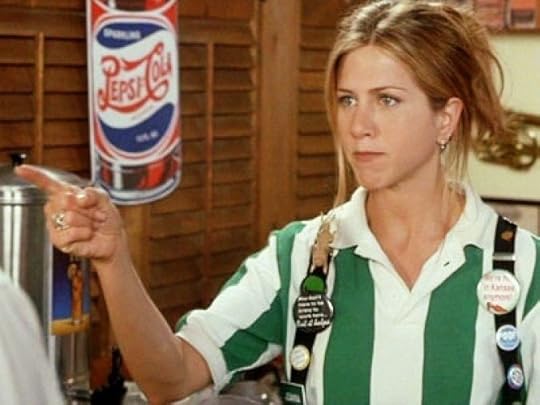
Back then we didn’t document every moment of our lives with photos, so I had to look online for a picture of something similar and Jennifer Aniston in Office Space nailed the look perfectly.
That gig lasted a few long and torturous months until I landed my dream job, which ended up not being so dreamy—but I’ll save that for a Devil Wears Prada type post. I started on my career path doing public relations and marketing for a well-known fashion company. Before I started, I was required to have drug testing and get a physical examination. It was no surprise that I passed the drug test, but my blood panel results were another story. On the first day at my new job I received an alarming call from my doctor. He told me that my blood glucose level had come back at 424 and that I would be diabetic if it was truly accurate. He was shocked, as was I, because at the time I didn’t exhibit any common symptoms of the disease, and he really believed it could be a lab mistake. He ordered me to leave work immediately and get to the hospital for testing. This sounded serious, and I was beyond panic stricken.
Back to the laboratory I flew, shaking as I ran (sort of) in my heart-patterned Prada heels. Back in the day I had a fabulous network of PR friends who spent a lot of time in the fashion closets of luxury designers and I often benefited very nicely from it. Although much of D-day, also not-so-fondly known as diagnosis day, was a blur, I do remember exactly what I was wearing. It’s kind of absurd that I can memorialize such a frivolous detail, but I always seem to associate major events with the clothing I wore. As a side note, I still have them and am considering selling them on Poshmark.
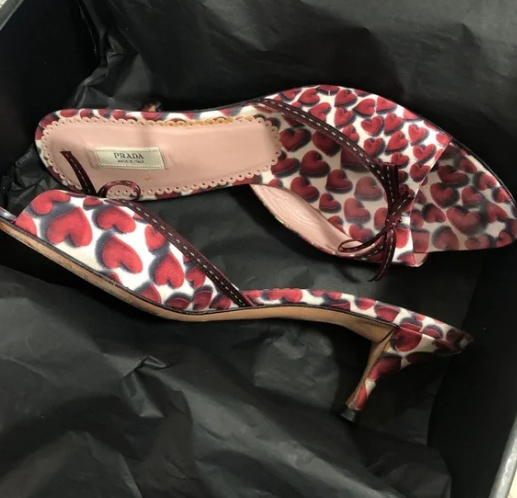
Aren’t they cute though?
Blood was again seized from my vein, and within twenty-four hours we had the results: 483! Yikes! Thank goodness WebMD wasn’t around then, or I would have sent myself into a tailspin. Instead, I was admitted to the hospital, hooked up to 14 intravenous lines (at least it seemed like 14) , given shots and icky food, and then officially given the devastating news: “Laura, you have diabetes.” WTF? Except that abbreviation didn’t exist back then. I think I just said all the words out loud. “Don’t worry though,” my doctor said - “we are probably only 5 years away from a cure.” Yeah, that worked out well.
Looking back, I was downing skim milk and orange juice (albeit, not together) as though they were going out of style, but never did it cross my mind that I had diabetes. I just thought I was really thirsty! At the time of my diagnosis, the internet was only in its infantile stages, and social networking was still many years away, so I was really on my own. No connecting with other people going through the same thing like you can do now. It was lonely. And it was scary. Truthfully, many times it still is.
I remember a few years before I was diagnosed, I was riding in an elevator, minding my own business and enjoying a Snickers bar. The doors opened a few floors before I had to get off, and an older gentleman walked in, took one look at me, and said, “If I ate that Snickers it would kill me.” To which I replied, “Do you have a peanut allergy?” “No,” he responded. “I’m diabetic.” That memory raced through my head as I sat on the hospital bed after being diagnosed. Was this the end of sweet and tasty treats for me? Even worse, was I handed a death sentence if I couldn’t resist a chocolate bar? Years later, I now feel bad for that man. He was completely uneducated about a condition he lived with every day, and for who knows how long. He had no idea that he could consume candy and still remain alive and kicking with the rest of us.

Packed with peanuts, Snickers really satisfies.
Right after I was diagnosed, I seemed to miraculously get better. I thought I had been cured; I honestly thought I was the first person on this planet to develop type 1 diabetes and then somehow get rid of it. This made total sense to me in my crazy head. I even argued with my doctor that this could be possible. I believed I was cured. There’s a first time for everything! What I really had experienced was called the “honeymoon phase,” which is a span of time after diagnosis during which there is a huge decline in the need for insulin, and the diabetes almost goes away. Just like a honeymoon, that phase is temporary, and then real life kicks in again. So much for my being able to shake the disease and become a case study and an anomaly of the medical and scientific world; the diabetes returned with a vengeance a few weeks later and has only given me one little itty break since.

After I had my first baby, the same bewildering “cure” repeated itself. I didn’t need insulin for four days after delivering. I was again convinced that I had been restored to my pre-diabetic self and somehow conquered the condition by having a baby. Stranger things have happened. My son once told me about a disorder called “alien hand syndrome,” a neurological disease in which the afflicted person’s hand appears to take on a mind of its own and can try to strangle the owner. If something like that actually exists, surely a random healing of diabetes must also be possible. Sometimes you want to believe something so much that you can actually talk yourself into it happening. It’s like telling a lie enough times; after a while, you start to believe it too. Unfortunately, that wasn’t the case. Having a baby does not cure diabetes. Duh.
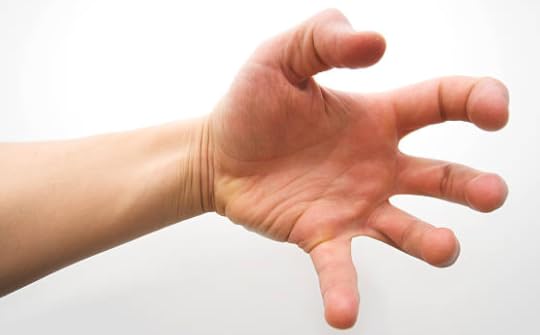
Alien Hand Syndrome - it’s a thing
Let’s face it—I’ve got the sugar, and it’s got me. I even wrote a book about it called Too Sweet: The Not-So-Serious Side to Diabetes. Thirty years later and I’m still kicking with the best of us despite being told that Type 1 was a death sentence and I would probably never have children. Two happy and healthy boys later, I’d beg to differ. While me having diabetes hasn’t changed, technology has and I have used it allllllllll. My first blood glucose meter took 5 minutes to give me a reading after pricking my finger. On average, I pricked my finger up to 20 times a day. Do the math. That’s almost two hours of blood checks per day. Now, all I have to do is look down at my phone and see the number generated from the penny-sized little disc I wear on my arm. Thank you Freestyle Libre! The Libre 3 is the best Continuous Glucose Monitor I have ever used. No finger pricks anymore. Ever. My fingertips are not bruised and calloused anymore, and I have a level of accuracy I have never experienced in the past. Little sigh of relief.
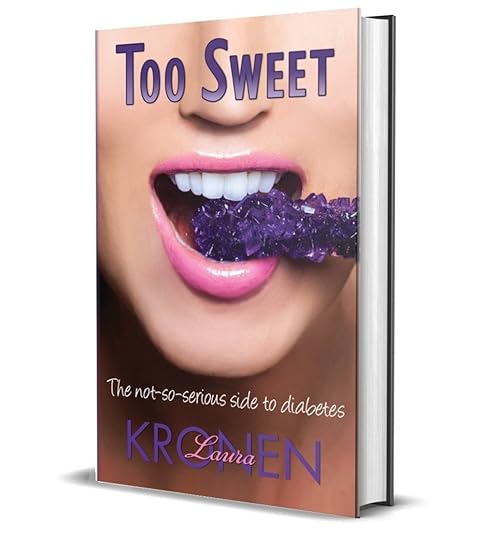
My first book. It was an Amazon’s best seller in the diabetes classification when it launched.
And now let’s talk about insulin. People with no knowledge of diabetes think that taking insulin is just a straight forward treatment. The doctor tells you what you need to take and that’s the end of it. The reality of it is that it’s far more complex as there is no single dose of insulin that suits everybody, every day. There is no cookie-cutter approach to managing diabetes. The amount a person needs varies based on food consumed, exercise, stress, adrenaline, hormones, sickness, how much sleep you get and even something like taking a hot shower or flying on a plane. Furthermore, if you take too much or too little insulin, there could be major health consequences, including death. Not fun to think about, but the littlest dose of insulin (like that on the top of this needle below) could kill you if you didn’t need it.
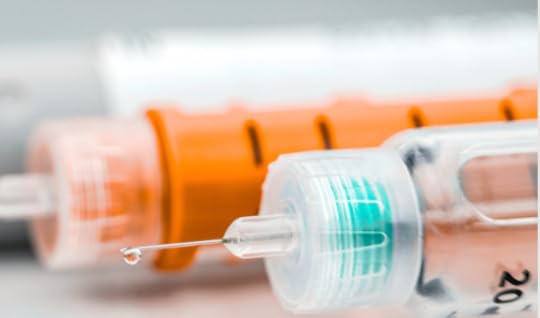
This one drop could be the difference between life and death.
Back when I first was diagnosed I was mixing and preparing my own insulin and then injecting it multiple times a day with really bad results. I had so many life-threatening lows and highs - my blood sugar was a rollercoaster ride. And not a fun one. It was a really scary one that you think you are going to die on multiple times. And you never got to get off of it. You just had to keep riding every single day. No breaks. Not even when you went to sleep at night. In fact, that’s when it was the most frightening. But as the years went on, insulin got better and the ride slowed down (a bit). Cut to the last 8 years of being on Afrezza (the short acting insulin you inhale) and these have been my best diabetic years ever (if there’s such a thing). No more shots, except my once daily shot of Tresiba - my long acting insulin of choice. I feel the best I ever have and, for sure, I am the healthiest I have ever been in the last 30 years. Check out my video on Afrezza if you have a moment, I promise you it’s life changing.
The past 10,950 days have seemingly flown by regardless of having to make an estimated 180 health related decisions a DAY that non-diabetics don’t have to make. That’s a recent fact reported by Stanford University. I can’t eat, drive, go to sleep at night, sleep through the night (I have not slept through the night in 30 years - not even once!), walk my dog, play tennis, get on a work call, go swimming or really anything at all without checking my blood sugar multiple times and making related decisions so that I don’t go low or high while I’m doing something. I constantly feel like I’m trying to perfect a delicate balance of food to exercise to insulin. Also, I never leave the house without checking to make sure I have insulin with me and glucose tablets. Not even for a simple walk around the block. And just imagine what taking a vacation is like and making sure I have all my supplies, plus back-up supplies. It’s exhausting. And somehow, I always forget something.
This is a nice way of putting it.
Something else you might not know is that half of people with Type 1 Diabetes suffer from anxiety, stress and depression. Yes, I know I don’t look diabetic, but I am and I hate it. But I’m celebrating these 30 years with Type 1 because I can. I worked hard to get to this point. It’s a full time job that I never get to take a day off, or even a lunch break from and I have to think about constantly. And I don’t even get paid for it! Actually to add insult to injury, I have to pay thousands of dollars a year just to get my medication and all my CGM supplies - then don’t forget about glucose tablets, juice boxes, alcohol swabs, emergency glucose shots, doctor visits, lab tests etc. Statistics from the American Diabetes Association (ADA) state that people with diabetes incur average medical expenditures of $16,752 per year, of which about $9,601 is directly attributed to diabetes. And, for the record, there’s no such thing as $35 insulin in my world. Interesting fact - insulin is the 6th most expensive liquid in the world. The top 5 are scorpion venom, LSD, Horseshoe Crab Blood, and Chanel #5.

Totally creepy but it’s amazing the range of health benefits that scorpion venom is good for.
Quite honestly, I don’t think the medical industry really wants a cure. The diabetes treatment market in the United States alone is a 23.3 billion dollar industry. In the world, it’s a 92.7 billion dollar industry. A cure would put a lot of companies out of business. It would even put a huge dent in the health care market because so many diseases come as a direct result of having diabetes. There’s a director of immunobiology from MIT named Dr. Denise Faustman who has proven, through trials, that she has a simple cure for diabetes which entails a few doses of the entirely safe TB vaccine. This vaccine is more than a century old and costs pennies to make. However, drug makers, organizations like JDRF, the FDA, and research facilities have shown little interest in investing in research and development related to it. Think about why that might be. Yet, they have approved a drug called Teplizumab which “may” delay the onset of Type 1 diabetes for only a few years but costs nearly $200,000 for a two-week treatment course. It makes me bitter that so many people (including myself) have to live with such an exhausting and devastating disease because of greed.
Everyone has their crosses to bear, but I have been through a lot. Most of which no one has ever seen. I barely even talk about it to anyone. I really try to keep a positive attitude because I cannot change the cards I was dealt. Because of this mindset, I have found that diabetes has actually given me some good things like courage to face adversity head on, strength and perseverance to never give up on anything, and the grit that I need to overcome any challenge. For better and for worse, diabetes has certainly changed my life.
Hell, as I’m writing this all out, I realize that I deserve to celebrate this milestone. And, so do you if you live with something every day that is so relentless and all-consuming. Thank you for reading this to the end. I appreciate all the love and support from my family and friends that I have had over the past three decades. It means the world to me. Cheers to 30 years and to all of you fighting the good fight, no matter what it is.
xox Laura
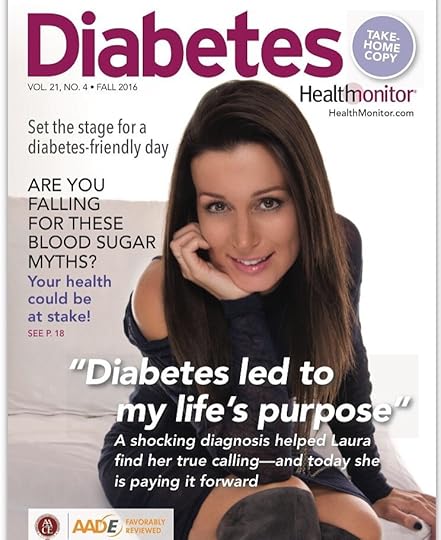
Little ol’ me featured on the cover of Diabetes Magazine 7 years ago. A very exciting moment in this Type 1’s life.
May 9, 2023
Religion and Homeschooling

Homeschooling has become an increasingly popular alternative to traditional public or private education, with millions of children in the United States being homeschooled. One of the major reasons behind this trend is the desire of parents to provide their children with a faith-based education that aligns with their religious beliefs.
Faith-Based Curriculum
One of the primary reasons why many parents choose to homeschool their children is to provide them with a faith-based education. This often involves using a curriculum that is specifically designed to teach children about their religion, whether it is Christianity, Judaism, Islam, or another faith. The use of a faith-based curriculum ensures that children are taught from a religious perspective, and that their beliefs are reinforced throughout their education.
Faith-based curricula vary widely depending on the religion being taught, but they typically include religious texts, such as the Bible or the Quran, as well as lessons on religious history, beliefs, and practices. For example, Christian homeschooling curricula may include lessons on creationism and the biblical account of the world's origin, while Islamic curricula may focus on the Quran and the teachings of the Prophet Muhammad.
The use of a faith-based curriculum can have both positive and negative effects on a child's education. On the positive side, a faith-based curriculum can help to reinforce a child's religious beliefs and instill in them a sense of morality and purpose. It can also help children to develop a deeper understanding and appreciation of their religion, which can be beneficial for their spiritual growth.
However, the use of a faith-based curriculum can also limit a child's exposure to other viewpoints and perspectives. This can make it more difficult for children to develop critical thinking skills and may limit their ability to understand and appreciate diversity. Additionally, some faith-based curricula may present a biased or inaccurate view of history or science, which can be detrimental to a child's education.
Community Support
In addition to using a faith-based curriculum, many homeschooling families rely on their religious community for support and resources. This can include attending religious services or events, participating in homeschooling co-ops or support groups, and connecting with other homeschooling families who share their faith.
Community support can be beneficial for homeschooling families in many ways. For example, it can provide a sense of community and belonging, which can be especially important for families who may feel isolated or marginalized due to their religious beliefs. It can also provide homeschooling families with access to resources, such as materials and curriculum, as well as opportunities for socialization and extracurricular activities.
However, community support can also have negative effects on a child's education if it reinforces narrow-mindedness and intolerance. For example, if a religious community is insular and intolerant of other beliefs or lifestyles, it can be difficult for homeschooling children to develop a broader understanding and appreciation of diversity. Additionally, if the community reinforces outdated or inaccurate beliefs or practices, it can be detrimental to a child's education and personal development.
Religious Values
Finally, religious values play a significant role in the homeschooling experience, both in terms of the education itself and the overall approach to parenting and family life. Many homeschooling families view their faith as central to their parenting philosophy, and seek to instill their religious values and beliefs in their children from an early age.
Religious values can influence many aspects of homeschooling, from the choice of curriculum to the approach to discipline and child-rearing. For example, parents who prioritize their faith may choose a curriculum that emphasizes the importance of prayer and devotion, or may incorporate religious teachings into lessons on science or history. Additionally, religious values can impact the way that parents approach discipline and behavior management, with a focus on forgiveness, love, and understanding.
While we have a secular approach to homeschooling here at the Kronen Academy of Arts and Sciences, God and our faith play a huge role in our lives. Because without Him, we would have nothing. We combine our Christian values with a scientific approach. The best part about homeschooling is that you have the right to choose the type of education you want for your child and what works for your family.
May 5, 2023
Cinco de Mayo - Fiesta like there’s no mañana.
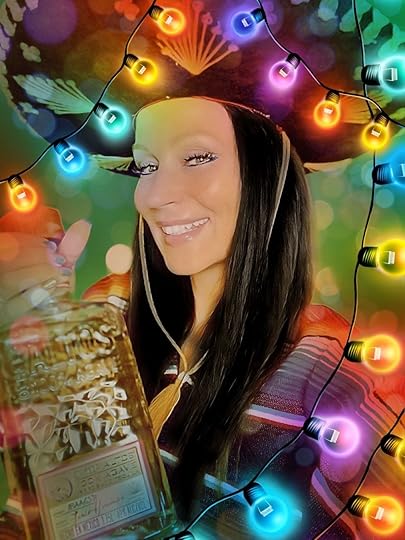
It's that time of year again, folks - Cinco de Mayo! This festive holiday is celebrated on May 5th each year and is a great excuse to indulge in tacos and margaritas with friends. Whether you're Mexican or not, Cinco de Mayo is usually a good excuse to get your tequila on. And it falls on a Friday this year so that just makes it even more fun!
First things first, let's talk about the history of Cinco de Mayo. Contrary to popular belief, Cinco de Mayo is not Mexican Independence Day (that's actually September 16th). Cinco de Mayo commemorates the Mexican army's unlikely victory over the French at the Battle of Puebla on May 5, 1862. This battle was a turning point in the French intervention in Mexico and is celebrated in Mexico and the United States as a symbol of Mexican resistance to foreign domination.
Now that we've got the history lesson out of the way, let's move on to the fun stuff - the food and drinks! Cinco de Mayo is the perfect excuse to indulge in some delicious Mexican cuisine. From tacos to guacamole to churros, there's something for everyone. And let's not forget about the margaritas! Whether you prefer yours on the rocks or frozen, with salt or without, a margarita is the perfect way to celebrate the day!
But what if you're not in the mood to cook? No problem! Many restaurants and bars offer Cinco de Mayo specials, so you can enjoy all the delicious food and drinks without having to lift a finger. Just make sure to call ahead and make a reservation, as Cinco de Mayo is a popular holiday and places fill up quickly.
Of course, no Cinco de Mayo celebration would be complete without some festive decorations. From colorful papel picado banners to sombreros and piñatas, there are plenty of ways to add some Mexican flair to your celebration. And don't forget about the music! Put on some mariachi or salsa music and get ready to dance the night away.
But let's not forget about the most important part of any celebration - the people you celebrate with. Cinco de Mayo is a great excuse to gather with friends and family and have a good time. Whether you're hosting a big party or just having a small get-together, surround yourself with the people you love and have some fun.
Now, let's talk about some fun Cinco de Mayo traditions. One of the most popular traditions is the breaking of piñatas. Piñatas are traditionally filled with candy and small toys, and are hung up for people to take turns hitting with a stick until they break open and the contents spill out. It's a fun activity for kids and adults alike.
Another fun tradition is the Mexican Hat Dance. This dance involves a couple dancing around a sombrero, with other couples joining in as the dance progresses. It's a fun way to get everyone up and moving, and it's a great way to embrace Mexican culture.
Finally, let's talk about the fashion. Cinco de Mayo is the perfect excuse to break out your favorite Mexican-inspired attire. (see my photo above!) Whether you opt for a colorful dress, a sombrero, or a traditional Mexican shirt, there are plenty of ways to show your cinco de drinko.
So, there you have it - everything you need to know to celebrate Cinco de Mayo in style. Whether you're cooking up a storm in the kitchen, hitting up your favorite Mexican restaurant, or just hanging out with friends and family, make sure to embrace all the fun and festive traditions that make this holiday an excuse to celebrate. Happy Cinco de Mayo!
May 4, 2023
May the 4th be with you.
May the 4th be with you! It's that time of the year again - Star Wars Day! For Star Wars fans, this is a galactic holiday. For those who are not initiated, May the 4th is the official day when Star Wars enthusiasts across the galaxy come together to celebrate everything that makes this franchise so iconic.
But why May 4th, you may ask? Well, it's all because of a clever pun - "May the fourth be with you." Get it? It's a play on the iconic phrase "May the force be with you" that has become synonymous with Star Wars. And what better way to celebrate than to indulge in all things Star Wars?
Firstly, let's talk about the movies. From the original trilogy to the more recent sequels, there's no denying that Star Wars has given us some of the most memorable moments in cinematic history. Whether it's Darth Vader's iconic "I am your father" reveal or the epic showdown between Rey and Kylo Ren, there's something for every Star Wars fan to enjoy. And let's not forget the spin-offs, like Rogue One and The Mandalorian, which have expanded the Star Wars universe even further.
But Star Wars Day isn't just about the movies. It's also an opportunity to show off your fandom in other ways. Dressing up in cosplay, playing video games, and indulging in Star Wars-themed snacks are all popular ways to celebrate the day. And let's be real, who wouldn't want to indulge in a Wookiee cookie or a Jabba the Hutt-shaped cake?
But it's not just about the fun and games. Star Wars has also taught us some valuable life lessons. From the importance of staying true to yourself to the power of friendship and teamwork, the franchise has provided us with many valuable insights. And let's not forget the iconic Yoda quotes that have become a source of inspiration for fans across the galaxy - "Do or do not. There is no try" and "Fear is the path to the dark side. Fear leads to anger, anger leads to hate, hate leads to suffering."
Of course, like any fandom, Star Wars has its fair share of debates and controversies. From the infamous prequels to the divisive sequels, fans have had plenty to argue about over the years. But ultimately, Star Wars has always been about bringing people together, regardless of their opinions. It's a franchise that has captured the hearts of fans young and old, and its legacy will continue to live on for generations to come.
So, show off your fandom, indulge in your favorite movies and snacks, and appreciate the lessons that the franchise has taught us. So whether you're a die-hard fan or a casual observer, or maybe you just use your wine bottle as a light saber like I do, May the fourth be with you, always.
April 30, 2023
National Honesty Day

“Honesty is such a lonely word, everyone is so untrue…” Billy Joel had it right. It seems that in today's world, honesty is as rare as a unicorn sighting. From politicians to business leaders, to our own friends and family members, the complete lack of honesty in our society is maddening. In honor of National Honesty Day, let’s examine how lies surround you on a daily basis.

Let's start with politicians. They are notorious for saying one thing and doing another. They'll promise the moon and stars during their campaign speeches, but when it comes time to deliver, they conveniently forget their promises. How many times have we heard a politician claim that they will cut taxes or increase funding for education, only to do the complete opposite once they're in office? It's like watching a magician perform a magic trick - you know it's fake, but you can't help but be amazed by the sleight of hand. In some cases, like for instance, the current Biden administration, the lying is so flat out obvious that it’s laughable. Every time Joe Biden opens his mouth he is lying.
But politicians aren't the only ones who lack honesty. Business leaders are also guilty of this crime. They'll claim that their products are the best on the market, when in reality, they're just trying to make a quick buck. Remember the Enron scandal? The executives at Enron lied to their investors about the company's financial health, causing thousands of people to lose their jobs and their life savings. And let's not forget about the recent scandal involving the pharmaceutical company that lied about the effectiveness of their pain medication, causing countless people to become addicted and even die. These companies care more about their profits than the well-being of their customers, and it's sickening.
But it's not just politicians and business leaders who lack honesty. Our own friends and family members can be just as guilty. How many times have you asked someone how they're doing, only to receive the generic response of "I'm fine"? It's like we're all living in a world of robots who are programmed to say the same thing over and over again. In fact, that is the biggest and most frequent lie told every day. And don't even get me started on social media. People post carefully curated and filtered pictures and status updates, creating a false image of their lives. It's like we're all competing to see who can create the most perfect, Insta-worthy life.

So, what's the solution? How can we bring honesty back into the world? The truth is, there is no easy answer. It starts with each and every one of us. We need to be honest with ourselves and with others. We need to hold ourselves accountable for our actions and words. We need to demand honesty from our leaders and the companies we do business with. We need to stop settling for lies and half-truths and demand the truth.
But let's be honest, that's easier said than done. It's much easier to live in a world where we can pretend everything is perfect and we're all happy all the time. It's much easier to believe the lies that we're told than to seek out the truth. But the cost of living in this world of lies is too high. It's time for us to wake up and demand honesty, not just from others, but from ourselves as well.
Try to go through one day with being completely truthful - today is the perfect day to try it. Be honest. With yourself and those around you. And yes, little white lies are still lies. Can you do it?
April 28, 2023
Homeschooling Gives Kids More Confidence
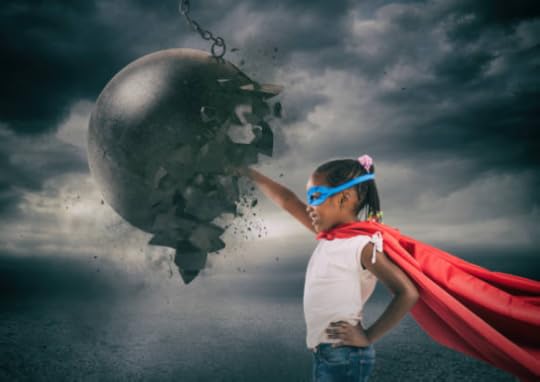
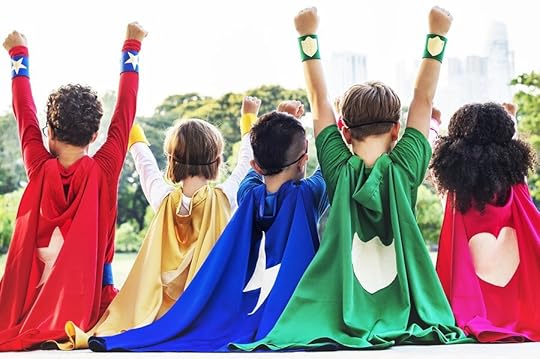
Homeschooling can be a powerful tool in building a child's confidence. When children are homeschooled, they are given the opportunity to learn at their own pace, in a comfortable and nurturing environment. They are also able to explore their interests and passions in a way that is not always possible in a traditional school setting. Here’s what homeschooling offers that makes all the difference:
Personalized Learning
Homeschooling provides a personalized learning experience, tailored to the individual needs and interests of the child. Homeschooling parents can create a curriculum that is designed specifically for their child, taking into account their learning style, strengths, and weaknesses. This personalized approach to learning can help children build their confidence by allowing them to progress at their own pace and focus on areas where they excel.
2. Positive Feedback
In a homeschooling environment, children are often given more positive feedback than they would receive in a traditional school setting. Parents are able to give their children constant praise and encouragement, which can help to build their self-esteem and confidence. Children are more likely to take risks and try new things when they feel supported and encouraged.

3. Freedom to Explore Interests
Homeschooling allows children to explore their interests and passions in a way that is not always possible in a traditional school setting. When children are homeschooled, they have more time and flexibility to pursue activities and hobbies that they enjoy. This freedom to explore can help children build their confidence by allowing them to discover their strengths and develop their skills.
4. Safe and Supportive Environment
Homeschooling provides a safe and supportive environment for children to learn and grow. Children are able to learn in a comfortable and nurturing environment, free from the pressures and distractions of a traditional school setting. This safe and supportive environment can help children build their confidence by allowing them to take risks and make mistakes without fear of judgment or ridicule.
5. Developing Life Skills
Homeschooling provides children with the opportunity to develop life skills that can help them build their confidence and succeed in the future. Homeschooled children are often more independent and self-sufficient than their peers in traditional schools. They learn to manage their time, set goals, and take responsibility for their own learning. These skills can help children build their confidence by giving them a sense of control and autonomy.
6. Individualized Attention
Homeschooled children receive individualized attention from their parents, which can help them build their confidence and self-esteem. Parents are able to focus on their child's strengths and provide support where needed. This individualized attention can help children feel valued and respected, which can in turn build their confidence.
7. Positive Socialization
Contrary to popular belief, homeschooling does not necessarily lead to social isolation. Homeschooled children are often involved in a variety of social activities, including sports teams, music lessons, and community groups. These activities provide opportunities for children to interact with their peers in a positive and supportive environment, which can help them build their confidence and social skills.