
Discover new books on Goodreads
See if your friends have read any of Gyula Illyés's books
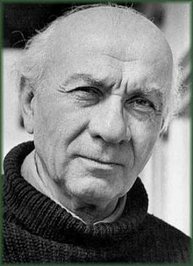


Gyula Illyés
Born
in Sárszentlőrinc-Felsőrácegrespuszta, Hungary
November 02, 1902
Died
April 15, 1983
Genre


|
People of the Puszta
by
—
published
1934
|
|

|
Hetvenhét magyar népmese
—
published
1953
—
9 editions
|
|

|
József Attila utolsó hónapjairól
—
published
1987
—
3 editions
|
|

|
Ebéd a kastélyban
—
published
1962
—
3 editions
|
|
|
|
Petőfi
|
|

|
Hét meg hét magyar népmese
by
—
published
1980
—
3 editions
|
|

|
Charon's Ferry: Fifty Poems
by
—
published
2000
—
2 editions
|
|

|
B. J. Harrison Reads The Tree That Reached the Sky, a Hungarian Fairy Tale
|
|

|
What You Have Almost Forgotten
by
—
published
1999
—
2 editions
|
|
|
|
Kacor királay és más mesék
|
|
“The life of the hero of the tale is, at the outset, overshadowed by bitter and hopeless struggles; one doubts that the little swineherd will ever be able to vanquish the awful Dragon with the twelve heads. And yet, ...truth and courage prevail and the youngest and most neglected son of the family, of the nation, of mankind, chops off all twelve heads of the Dragon, to the delight of our anxious hearts. This exultant victory, towards which the hero of the tale always strives, is the hope and trust of the peasantry and of all oppressed peoples. This hope helps them bear the burden of their destiny.”
― Once Upon a Time: Forty Hungarian Folk-Tales
― Once Upon a Time: Forty Hungarian Folk-Tales
“There is a folk-tale about a shoemaker and his wife who were so poor that they had to send their many children out into the world to make a living. The lads went through many a perilous adventure but came home in the end, unscathed, to help their mother. They had always remembered their mother's advice and wise words; they often quoted them when they were in trouble, and in fact they recognized one another by them in foreign lands.
The countless peoples of the world may be looked upon as so many children sent out into the world. They have gone through many adventures and hardships. They have drifted apart and fallen out with one another, on many occasions. They have failed to realize soon enough that they are brothers.
But now it seems that they are beginning to realize this -- at least to the extent that they are able to get acquainted with each other's fundamental natures -- through their stories and songs.”
― Once Upon a Time: Forty Hungarian Folk-Tales
The countless peoples of the world may be looked upon as so many children sent out into the world. They have gone through many adventures and hardships. They have drifted apart and fallen out with one another, on many occasions. They have failed to realize soon enough that they are brothers.
But now it seems that they are beginning to realize this -- at least to the extent that they are able to get acquainted with each other's fundamental natures -- through their stories and songs.”
― Once Upon a Time: Forty Hungarian Folk-Tales
“These tales, without exception, express the truth that justice triumphs in the end. They all contain the idea that it is worth while to fight for the truth, in any situation.
In this fight man is assisted by more powerful beings than ordinary mortals. And the triumph of justice is the only sense and consolation in this world. Indeed, the world itself started out with this hope. The human race received it long, long ago as a cradle-song.”
― Once Upon a Time: Forty Hungarian Folk-Tales
In this fight man is assisted by more powerful beings than ordinary mortals. And the triumph of justice is the only sense and consolation in this world. Indeed, the world itself started out with this hope. The human race received it long, long ago as a cradle-song.”
― Once Upon a Time: Forty Hungarian Folk-Tales
Topics Mentioning This Author
| topics | posts | views | last activity | |
|---|---|---|---|---|
Catching up on Cl...:
 Please Introduce Yourself
|
7033 | 5059 | Dec 31, 2020 11:28AM |