The “city of photographers” also evokes the civic space of the...

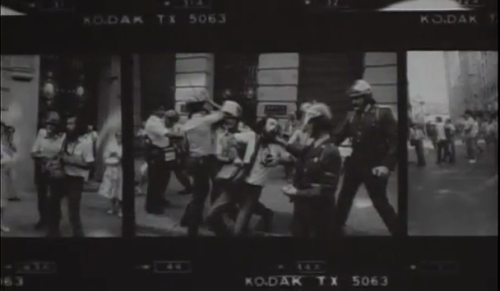
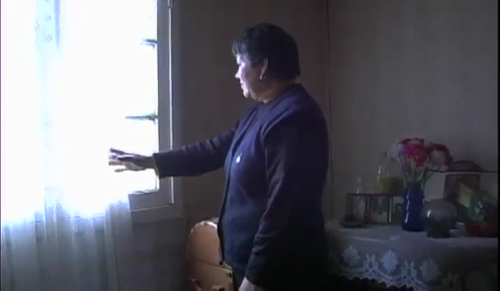
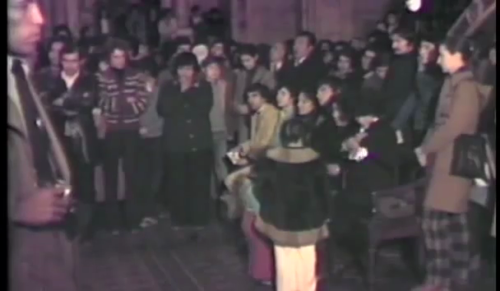
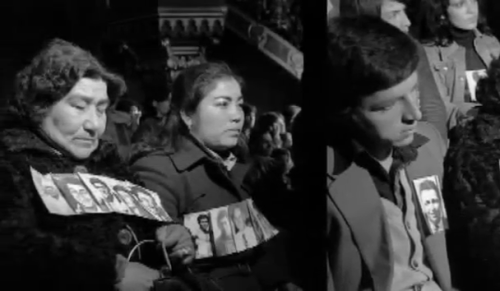
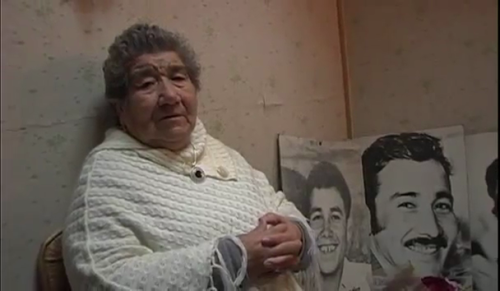
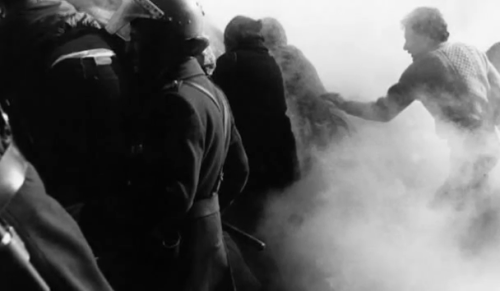
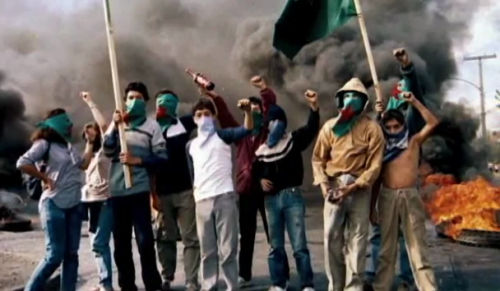
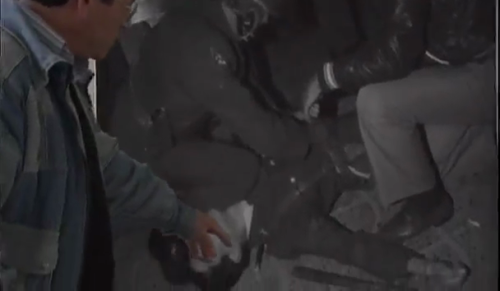
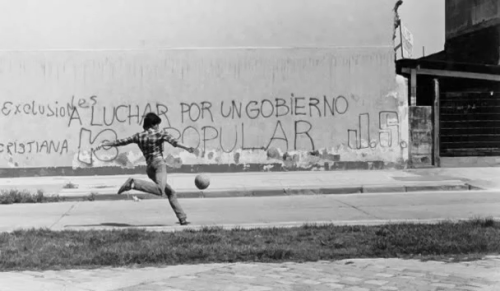
The “city of photographers” also evokes the civic space of the
photograph, independent of the photographer-author. The film is asking
how a photographic document can create (and galvanise) a city, a
community, a public – particularly one mobilising against an oppressive
regime. What are the ways a photograph can act as a gesture of political
subversion and challenge a dictatorially imposed version of reality?


No comments have been added yet.