The Story Behind "Roses for Leviathan"
Last week I recorded and released a new Morana's Breath album entitled
Roses for Leviathan
. I'm really excited about the way this album turned out, and I think it's the best work I've done so far. While the actual recording process came together remarkably quickly over the Thanksgiving holiday, the genesis of the project goes back to my recent trip to Europe.
My dad and I took a two week cruise in the Baltic Sea over the summer, and we visited several countries that once made up the Soviet Union. I was struck by how much of a physical presence the Soviet era still has on former communist states. When you look around Moscow, for instance, you're confronted at almost every turn with crumbling apartment high rises from the 1970s and decaying monuments from a long abandoned ideology. You don't have to imagine what it was like to live there in the Soviet era because you can still see the same buildings everywhere, most of them in pitiful states of disrepair. Things get more surreal when you visit the Baltic states like Estonia and Latvia. There the Soviet construction is an intrusion, a physical echo of an era in which an invading force tried to reshape an entire peoples' way of life. Sure, the Estonians have done a better job of maintaining those apartment high rises and given them a fresh coat of paint, but you're still left with the impression that they've merely dressed up the boot that once weighed down upon their necks.
You can feel the weight of that oppression everywhere you go, almost as if it's contaminated the air you're breathing. The Soviet Union may have collapsed twenty-five years ago, but walking around a place like Lithuania makes you feel it might as well have been twenty-five hours ago.
It was this feeling that gave birth to Roses for Leviathan.
Most Morana's Breath albums start with a vague thematic idea. Beyond the Nebula, for instance, is a "space" themed collection, with all the songs trying to convey some impression of a cosmic vastness. The theme is usually quite simple, but expansive enough that it can encompass a variety of musical ideas. For every previous album, the theme was concrete enough to dictate the general sound and feel of the songs.
Roses for Leviathan is different. While I had a good idea of what an album called bones of the earth would sound like, this new album proved open to interpretation and much more difficult to pin down. I knew it had to evoke the discomfort of living under an authoritarian state, but I also wanted it to offer some measure of hope. The title didn't offer a lot of help this time around, so I had to keep going back to the way I felt visiting those sites around the former East Bloc. More so than previous albums, Roses is the result of several organic, spontaneous performances. While this has always been a fundamental aspect of my electronic music, in many instances I just didn't know what I wanted a song to sound like, so I had to tap into my memory and play what "felt right." Several tracks turned out very differently from what I envisioned when I sat down to record them, but I think they all came about to their final state in a very authentic fashion that seems true to the experiences I wanted to capture.
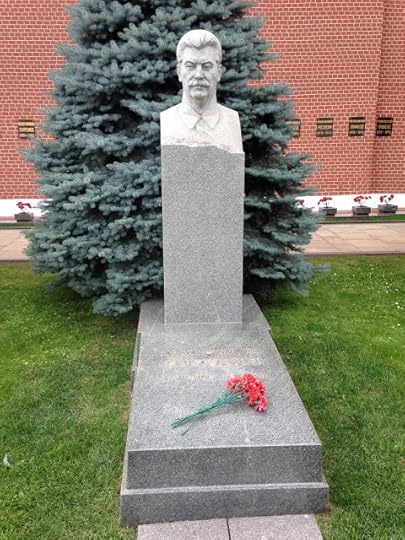
As I've done with previous albums, I jotted down a list of potential track titles when I came up with the idea for the project. A few of these titles changed from when I wrote them down in my cruise ship cabin, but most of them made it to the final product. One of those titles, "Roses for Leviathan", was inspired by a picture I snapped behind Lenin's Mausoleum in Red Square:
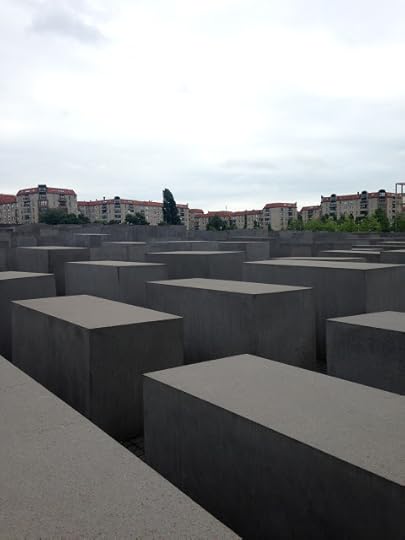
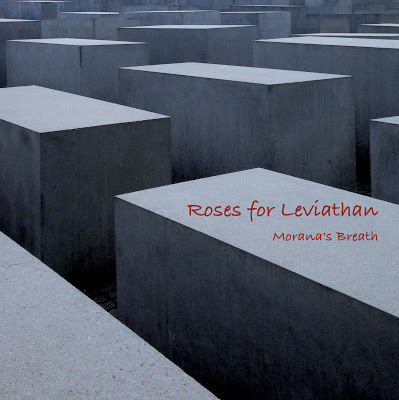
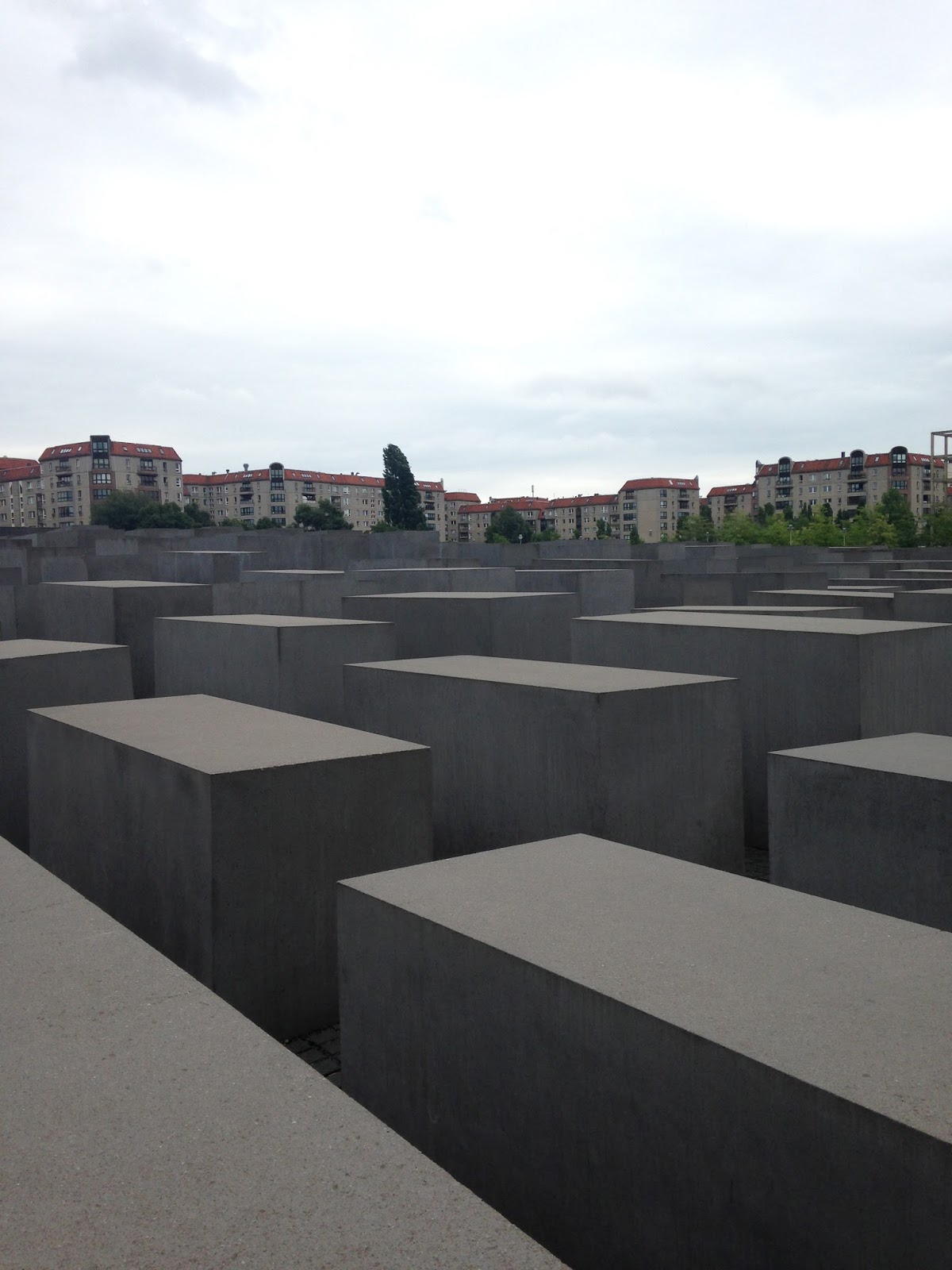
The album cover actually came together long before I recorded the first song. While I was sifting through photos I took during the trip to find an image I could use for the cover of the album Cybergothic, I kept coming back to a photo I'd taken of the Holocaust memorial in Berlin. Something about that image perfectly captured the sense of totalitarian repression I wanted to explore, so I played around with the picture until I ended up with what ultimately became the album cover. The more I looked at it, the more I realized that Roses for Leviathan was a perfect title for the project, even if I hadn't recorded a single note yet.
Unlike previous Morana's Breath albums, each track on Roses could very easily merit its own blog post with a detailed analysis of ideas and themes I wanted to convey. I think it would be better, however, to let the music stand on its own and allow listeners to come to whatever conclusions they wish. If you decide to give Roses for Leviathan a listen, I hope you enjoy it as much as I enjoyed creating it.
Purchase a digital copy of Roses for Leviathan
My dad and I took a two week cruise in the Baltic Sea over the summer, and we visited several countries that once made up the Soviet Union. I was struck by how much of a physical presence the Soviet era still has on former communist states. When you look around Moscow, for instance, you're confronted at almost every turn with crumbling apartment high rises from the 1970s and decaying monuments from a long abandoned ideology. You don't have to imagine what it was like to live there in the Soviet era because you can still see the same buildings everywhere, most of them in pitiful states of disrepair. Things get more surreal when you visit the Baltic states like Estonia and Latvia. There the Soviet construction is an intrusion, a physical echo of an era in which an invading force tried to reshape an entire peoples' way of life. Sure, the Estonians have done a better job of maintaining those apartment high rises and given them a fresh coat of paint, but you're still left with the impression that they've merely dressed up the boot that once weighed down upon their necks.
You can feel the weight of that oppression everywhere you go, almost as if it's contaminated the air you're breathing. The Soviet Union may have collapsed twenty-five years ago, but walking around a place like Lithuania makes you feel it might as well have been twenty-five hours ago.
It was this feeling that gave birth to Roses for Leviathan.
Most Morana's Breath albums start with a vague thematic idea. Beyond the Nebula, for instance, is a "space" themed collection, with all the songs trying to convey some impression of a cosmic vastness. The theme is usually quite simple, but expansive enough that it can encompass a variety of musical ideas. For every previous album, the theme was concrete enough to dictate the general sound and feel of the songs.
Roses for Leviathan is different. While I had a good idea of what an album called bones of the earth would sound like, this new album proved open to interpretation and much more difficult to pin down. I knew it had to evoke the discomfort of living under an authoritarian state, but I also wanted it to offer some measure of hope. The title didn't offer a lot of help this time around, so I had to keep going back to the way I felt visiting those sites around the former East Bloc. More so than previous albums, Roses is the result of several organic, spontaneous performances. While this has always been a fundamental aspect of my electronic music, in many instances I just didn't know what I wanted a song to sound like, so I had to tap into my memory and play what "felt right." Several tracks turned out very differently from what I envisioned when I sat down to record them, but I think they all came about to their final state in a very authentic fashion that seems true to the experiences I wanted to capture.
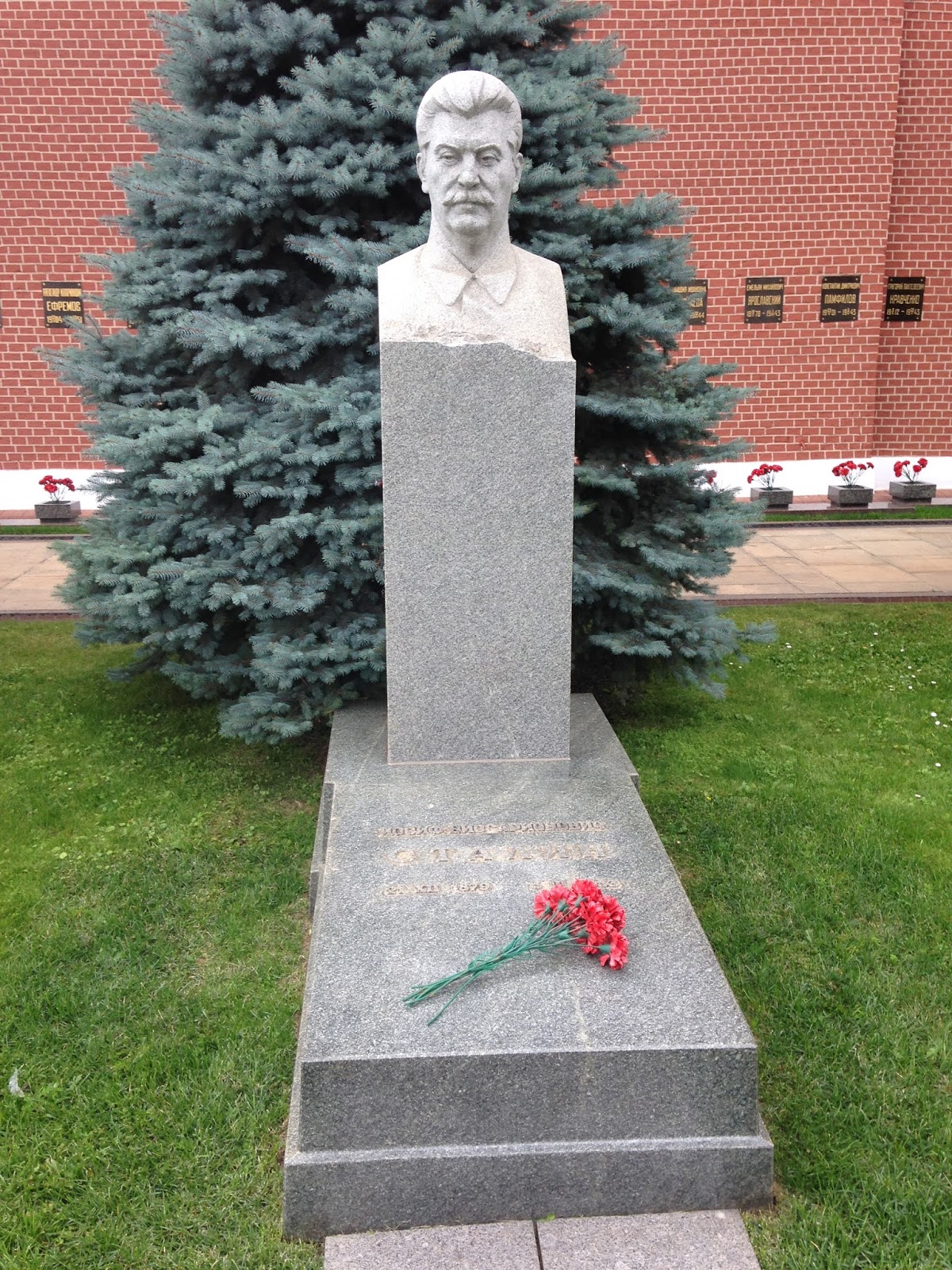
As I've done with previous albums, I jotted down a list of potential track titles when I came up with the idea for the project. A few of these titles changed from when I wrote them down in my cruise ship cabin, but most of them made it to the final product. One of those titles, "Roses for Leviathan", was inspired by a picture I snapped behind Lenin's Mausoleum in Red Square:
The album cover actually came together long before I recorded the first song. While I was sifting through photos I took during the trip to find an image I could use for the cover of the album Cybergothic, I kept coming back to a photo I'd taken of the Holocaust memorial in Berlin. Something about that image perfectly captured the sense of totalitarian repression I wanted to explore, so I played around with the picture until I ended up with what ultimately became the album cover. The more I looked at it, the more I realized that Roses for Leviathan was a perfect title for the project, even if I hadn't recorded a single note yet.
Unlike previous Morana's Breath albums, each track on Roses could very easily merit its own blog post with a detailed analysis of ideas and themes I wanted to convey. I think it would be better, however, to let the music stand on its own and allow listeners to come to whatever conclusions they wish. If you decide to give Roses for Leviathan a listen, I hope you enjoy it as much as I enjoyed creating it.
Purchase a digital copy of Roses for Leviathan


No comments have been added yet.