The Relationship between Early Humans and Animals
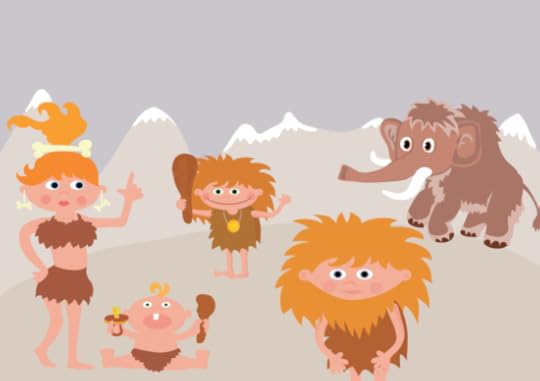
Human beings are bound to other animals for survival. We share the same earth, breathe the same air, and drink the same water. Since the evolutionary appearance of Homo sapiens—when humans developed the ability to think—our species has never stopped depending on animals.
Humanity—especially prehistoric humans—is almost entirely dependent on animals for food. Humans are omnivores; that is, we can eat, digest, and metabolize both plant and animal food products. While plants provide carbohydrates, vitamins, and minerals necessary for our dietary needs, animals are the main source of eight essential amino acids from which both functional and structural proteins are synthesized. The human physiology needs these amino acids from animals since it cannot produce them de novo, from scratch.
Without the animals that could be used as beasts of burden, mounts for fleeing from predators and for chasing prey, humans would have probably been confined to the trees, swinging in Tarzan-like fashion simply to survive. The great migrations that began one hundred to fifty thousand years ago could not have been successful without animal transportation.
The hides of animals provided clothing. Their sinews were used to sew the hides together using needlelike tools carved from bone to fashion clothing, moccasins, as well as tents (yurts) which the first nomads used for shelter.
The development of a primitive religion, animism, was dependent in part on the development of rituals associated with animals. Feathers, shells, and teeth strung on sinews adorned participants dancing and chanting along with the priests that conducted divinations in an attempt to appease the gods. It was believed that gods resided in objects, both animate and inanimate. One of these rituals, called haruspication, involved a seer or priest predicting the future by inspecting the entrails of sacrificial animals. This method of divination persisted throughout early human history into the middle ages, becoming a part of the medical practices among the Mesopotanians, the Etruscans, and the Romans.
Some of the beliefs fostered by animists persist today. For example, our grandparents planted their crops by the signs of the zodiac, ten of which are animals. Others may own good luck charm keychains with a rabbit’s foot attached. Several important Eastern religions worship cattle, treating them as sacred beings.
Today, we grow our own food, build our shelter from rocks, and ride in metal vehicles. Although the relationship between humans and animals has changed over time, we still remain linked to them. For we still share the same earth, still breathe the same air, and still drink the same water.
The post The Relationship between Early Humans and Animals appeared first on Picky The Marvelous Chicken.