Training Unusual Pets
Pets are known to bring bountiful benefits to their human companions. But would you agree that dogs are not the only ones that can be the trained as pets? Training unusual pets can be equally fun too.
Recently, the Los Angeles City Council was deliberating on drafting an ordinance that will ban the exhibition of exotic animals for entertainment. For the purpose of saving the animals from inhumane treatment, the council initiated to shut down amusement activities that involve the vulnerable creatures amid the protest of their owners, who reportedly treat the animals as family. This movement is not surprising since there are a lot of reported cases of animal violence nowadays.
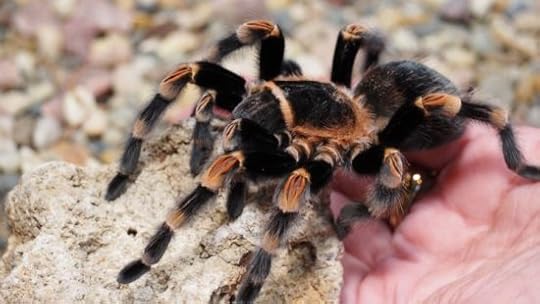
The question is, where will these animals go? Taking care of them seems to take a lot more effort than just owning a dog. The truth is it’s not likely at all. Legally owning exotic animals such as geckos, tarantulas, hermit crabs, Madagascar hissing cockroaches, and ants can be inexpensive and less stressful than having your typical canine pets. What’s more is that they can be trained as well.
Training unusual pets is a whole lot of fun. I will tell you what it is like to own an unusual pet. You will discover a lot of exciting activities to do. You can train them like they are not unusual at all, and they offer a refreshing way to give you company, sometimes more than a dog can give.
These are some of the unusual pets and training tips that will surely make you busy this season.
Mini Donkeys
Mini donkeys are wonderful unusual pets and companions, especially for children. They are quick to teach and are very athletic. Aside from being intelligent creatures, they love to please people and are suitable partners for hiking and backpacking activities. Children will definitely love these furry creatures.
To train miniature donkeys, you should first familiarize your pet in your environment. Make sure that your place has a friendly and cheery feel to help ease their difficulties of adjusting. The key is consistency in your approach, body language, and tone.
The next thing to do is to master the art of using your voice to instruct your pet donkey. Be careful not to startle them when introducing to new and unfamiliar basic actions like following you, backing up, slowing down, and lifting feet when it’s time for the farrier to inspect them. Repetition is strongly encouraged. You can give treats and praise as rewards.
When your pet gets the hang of it, introduce it to the halter by rubbing its back with the rope or holding the halter near while you give treats. Then, carefully put the noseband on, then take it off your pet. Repeat the action until your pet gets used to it. Don’t forget to give rewards!
Now that your donkey is ready, slowly lead it to walk with you by the gentle tug of the rope. Give consistent commands while pulling the rope. If it does not move, guide your pet by pulling it on its side while you two walk in a circle. Repeat the process until your pet is comfortable with the gesture.
Rats
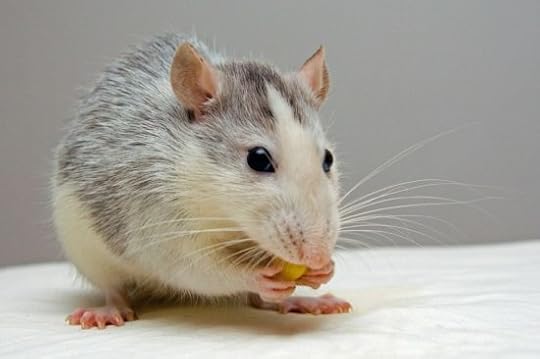
The rats that I know of are far from the typical rats you see in some sewers. Actually, these unusual pets are like any other pets that need extra caring and attention. You’ll be surprised at how interesting and capable pets these little creatures can be, fluffy enough to earn your love.
There is another thing rats are very famous for: their intelligence. That is why training them is a lot easier than you think. Make sure that your seed treats are on the ready.
The first on your bucket list would be the trust training. To gain your pet’s trust, give some treats. You can make sounds like clicking your tongue while feeding your pet. This way, whenever your pet hears you, it will instantly come for your food.
The next drill is to teach your pet how to walk at your command. On a clear platform, have your rat reach the treat that is over its head so that your pet will be standing upon its back legs when it attempts to get your treat. Slowly move your treat away from your pet, and let it follow your hand. Repeat the process until your rat gets what you mean.
You can also train your rat more tricks, like twirling or spinning. Similar from above, place your treat a little above your pet’s head, and let its nose follow you on a circle. Don’t forget to say “Spin!”
Last but not the least is to teach your pet how to jump. Place a treat on your palm, and hold it above your pet’s head. Say “Jump!” every time your rat jumps for the treat. Do this and the previous ones often until your rat is ready to show off its newfound skills.
Pot-Bellied Pigs
Consider yourself an owner with a posh taste if you happen to own pot-bellied pigs. These pets are known for their extracute appearance. They will be even irresistibly cuter when you teach them new tricks.
Pigs, in general, follow those who frequently give them treats. Enclose them within a small area to counter accidents and misbehaviors. Don’t forget to close your doors and build baby gates to ensure their safety. Next, train your pig to eat inside your house, then take it outside and go for a walk as frequently and whenever possible. When your pig wants to urinate or defecate, say your favorite magic phrase, like “Do your thing” or “Puff, the magic dragon.” It’s your choice. When your pig decides to urinate or defecate outside your house, congratulate it by giving treats! Don’t hesitate to confine it again if it starts to create accidents inside your house.
Chickens
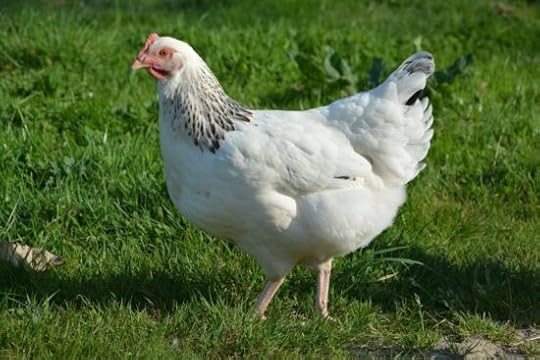
I’m pretty sure you already know by now how treats are considered essential to pet training. Chickens are no different from the pets that you know. Patiently give them treats, and sooner or later, you will reap the reward of a chicken happily giving you loving pecks and cheerful clucks.
The moment you decide to choose a chicken as a pet, you are one step ahead to an amazing adventure. A chicken, especially hens like my own, can be easily trained, given that you reward it the right treats. The first trick that you can teach your pet chicken is to call it by its name, accompanied by a treat in your hand. Stoop low to help ease the chicken’s fright. Repeat until your pet grows familiar with your call.
To teach your chicken how to jump, sit on your lap, or stop, you need to use the most delicious treat you can offer to your pet. A mealworm can do the trick. To make the chicken jump at your will, hold the treat as high as your pet possibly needs to jump. To make the chicken stop, approach it from behind, say “Stop!” and grab it.
The most challenging trick is to make it sit on your lap. You have to make it feel as comfortable in your presence as possible. Sit on the ground, and call your pet by its name. By the time you have its full trust, you will see that it will climb onto your lap and sit. This can take longer than any other tasks can, but believe me, it’s all worth it.
Don’t be afraid to try something new. Get ready to grab some treats and enjoy a lot of discoveries that you can get out of this experience! Don’t forget to do a lot of research before you make your first move of training your adorably unusual pets.
References
Autodesk Inc. 2016. “How to Train Your Rats and Other Rodents.” Accessed April 26, 2017. http://www.instructables.com/id/How-to-train-your-Rat/.
Little Long Ears Farm. “Training Miniature Donkeys.” Accessed April 26, 2017. http://www.littlelongearsfarm.com/training.htm.
McBride, Melissa. 2017. “Los Angeles City Council Considering Crackdown on Exotic Animals.” ABC Inc., KABC-TV Los Angeles. Accessed April 26, 2017. http://abc7.com/news/la-city-council-considering-crackdown-on-exotic-animals/1913624/.
McLeod, Lianne. 2017. “How to House-Train a Pot-Bellied Pig. 2017.” the spruce. Accessed April 26, 2017. https://www.thespruce.com/how-to-house-train-a-pot-bellied-pig-1237172.
Nutcase. 2017. “The All New: How to Train Your Chicken!” BackYard Chickens. Accessed April 26, 2017. http://www.backyardchickens.com/a/the-all-new-how-to-train-your-chicken.
The post Training Unusual Pets appeared first on Picky The Marvelous Chicken.