WHAT IS STRESS
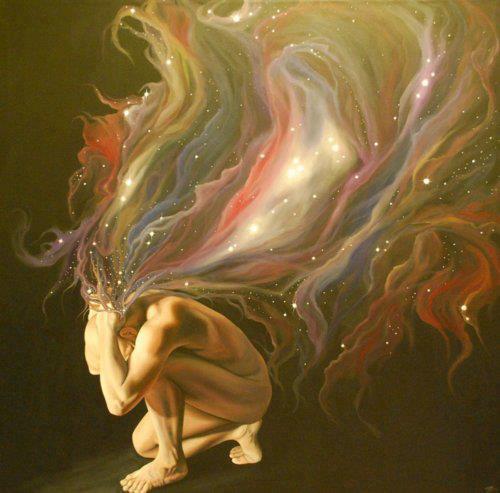
“The greatest weapon against stress is our ability to choose one thought over another.” – William James
Stress is the body’s reaction to any change that requires an adjustment and is a subjective phenomenon. The body reacts to these changes with physical, mental and emotional response called the stress response or the “fight or flight response”. The body’s autonomic nervous system has an internal mechanism that causes physiological changes to equip the body to deal with stressful situations. It flushes the body with hormones and chemicals such as adrenaline, cortisol and norepinephrine to prepare the body to escape or confront the threat/demand/pressure.
Adrenaline increases your heart rate, raises your blood pressure and provides additional energy. Cortisol, known as the stress hormone, also temporarily boosts energy by triggering the release of glucose into the bloodstream, to aid the person confront the challenge. Simultaneously, other bodily functions which are not instantly needed, such as digestion, are suppressed.
The body’s response to stress is usually self limiting and regulates itself once the pressure/threat/demand has passed. As our hormone levels fall, our heart and blood pressure will return to normal and other systems resume their regular activities. However the stress response can become persistently activated during prolonged periods of stress. The long-term activation of the stress-response mechanism and the subsequent overexposure to cortisol and other stress hormones can disrupt almost all our body functions.
Long term stress wreaks havoc on our wellbeing and is detrimental to our health.
Stress effects our:
Musculoskeletal System
Respiratory System
Cardiovascular
Endocrine
Gastrointestinal
Nervous System
Reproductive organs
Sexual Desire
Immunity.
Symptoms of chronic stress include:
irritability
anxiety
depression
headaches
insomnia, nightmares, disturbing dreams
grinding teeth
stuttering
tremors
sweaty palms and feet
dry mouth
allergy attacks
chest pain, palpitations, rapid pulse
rapid and garbled speech patterns
unexplained weight loss and gain
Increased anger, frustration
frequent mood swings
Frequent crying spells
Constant fatigue, weakness,
Difficulty in concentrating
Forgetfulness, disorganization, confusion
Fidgeting, feet tapping
Stress can extensively affect our thoughts, emotions, mood and behaviour thereby defining the quality of our life.
Managing stress, therefore, can involve guidelines to alter the external factors which confront you or the internal factors which toughen your capability to deal with what comes your way.
Anupama Garg
Stress Management Consultant