What the hell is a semi-autobiography?
I'm writing an essay for my book First Draft that's tentatively titled What the hell is a semi-autobiography? and let me tell you…it the answer is complicated.
It's not the definition that's complicated. A semi-autobiography is universally defined as "a fictionalized account of real events and people" or something along the thread of turning a story that is real (as one person sees it) into something that could be real (as multiple characters see it).
This essay I'm writing for my book is about the experience of writing a story in the semi-autobiography genre and publishing it as a first draft, like I did with The Miracle in July. Writing MIJ was a very complicated experience. I think it was because stripping away the "real" parts of events and people to create a "based-on" narrative is both terrible and liberating. Writing a semi-autobiography is like being a half-mortal god, or like being a phoenix who rises again and again from ashes of the past at the expense of a lifetime of reality.
But no matter how complicated the act of re-writing history can be, the fact that truth is woven into a semi-autobiography is a powerful storytelling device. A good semi-autobiography leads the reader into hunting for clues that the writer may have left in the narrative, little markers that invoke experiencing the story on an intimate level. Like these stories do for me:
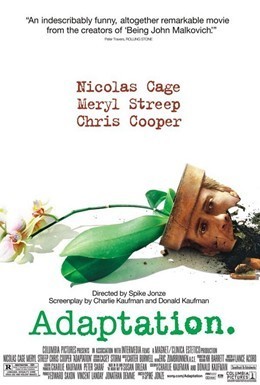
Adaptation (2002)
Fear and Loathing in Las Vegas
What are your thoughts on writing a semi-autobiography? Is it complicated, as I'm finding in my work with MIJ? Any favorites you have, that leave you wondering just how much was fictionalized?