Writing from the Soul
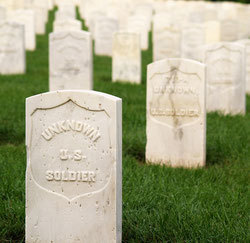 //
// In modern, popular culture, the word soul is used at least as often in its musical context as it is for considering an eternal life beyond the earthly realm. The idea of a soul, the precious core of our being has, in many places, fallen out of fashion. But I would argue that, regardless of your religious outlook and what you write about, taking the time to consider the wellbeing of your character’s soul can lend extra depth to your writing.
I’ve completed the first draft of the last book of my Shire’s Union Trilogy. As I approached the last few chapters it became increasingly emotional for me. Not only was I looking to complete story arcs for Tigers in Blue, I was also finishing the character arcs that span all three books. I have spent eight with some of these characters. Their outcomes matter to me aa great deal. Not all of them have made it this far. Whether or not those remaining survive to the end of the story, I have to do my best to understand their state of mind this far into the war. For my real historical characters that means working with what can be gleaned from the historical record and putting myself in their well-worn shoes. For my fictional characters, it feels just as important to be true to the people – to the souls – I have created on the page.
Of course, to most people of the mid-19th century, looking after their soul would have been a daily preoccupation, as natural as we today might look to eat well or to exercise. Prayer and religious service, in preparation for the life to come, would have been part of their routine as it still is for many. Life was seen as a burden or a trial for what was to come, and here was a civil war – an extreme time. For the soldiers, death was a daily companion, whether from conflict or more often disease. Civilians could see their towns burned to the ground or find the aftermath of a battle left rotting on their doorstep. They lived in constant fear of a fateful letter arriving to tell them a husband or son was dead. It was a time of great displacement. Homes were lost, lives were inverted. Living such a precarious existence, my characters would have an overt and spoken concern for their souls. I intend to reflect that as I review my first draft and begin the enjoyable process of revising the novel.
Understanding how they would act and what they would say is part of what we do as authors, but beyond that, I believe that consciously considering the health of every soul can allow a writer to reach deeper into their characters. Whether you think of the soul as a concept or as a real thing, it allows you into the core of a character, to their essential self, to the centre of their shaped being from where they look out onto the world. If you can touch that as a writer, then you’re about as fully in their perspective as it’s possible to be.
All stories are about how people are changed by their life-experience. Without change, there is no story. My characters have been in a vicious, fratricidal, all-enveloping four-year war. None of them can remain unaltered. They have buried friends and family, lived through the chaos and bloodshed of battle, gained love and lost love. If they were the same people at the end of three books as they were at the start, then I’d be a poor writer. Shire, my main character, has steadily amassed a collection of physical scars. He has a tear shaped burn on his cheek gained from a riot in New York; a pink dot on his chest from a spent bullet at Missionary Ridge; a healed wound in his calf taken in the winter of 1864. But what are his scars on the inside? Today we might talk about mental health or PTSD. Back then they might have talked about a wounded soul. How much of the simple-hearted boy who left England is left when Shire lines up for his final battle? By this time, the soldiers were exhausted, both in body and spirit. Some were no longer prepared to fight, too damaged to face going home even if they could. Others were prepared to throw themselves recklessly into death rather than survive a lost war. People were shaded toward good and toward evil. None were unscarred. They had come to know both the savage and the better angels that live in men’s souls.
Shire’s Union, books 1 and 2.