You know nothing Jon Snow.
Sometimes you have a game designer on a new project who has 10+ years of experience and, on paper, looks like an excellent fit. But after having worked on the game for a while you realize that this designer doesn’t really seem to know what he is doing.
How could this be?
Did they fake their experience? Unlikely. Are they just incompetent and always weaseled themselves out of responsibility? Also, unlikely.
Sometimes circumstances can become really weird for a game designer, though. You can work in the field for years and years without ever getting real feedback for what you design – thus robbing you of the possibility to actually tune & learn your own craft for real. Year-long projects designers join and leave, before they ever have contact with real players. Leaders who are not good at providing feedback or teams who don’t play what they are working on. And if they do, their feedback is unstructured and ambiguous.
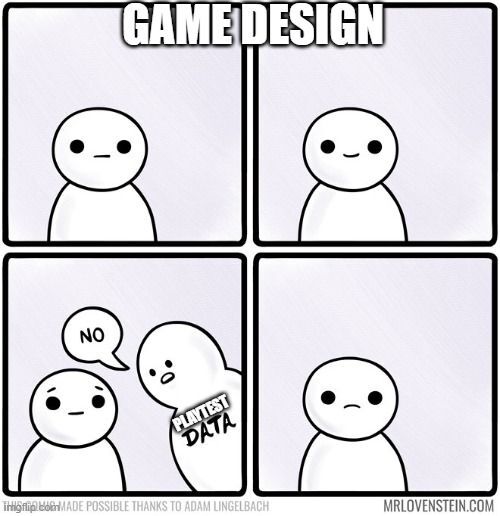
Yet, designers like this can still become very confident in their abilities. They can acquire the “Illusion of knowledge” – without it being their own fault necessarily.
The other issue could be designers who do have real experience, but in a field that is only related to what they are doing and not quite the same. Meaning, they could have worked for 10 years on sequels. Which cultivates a skillset of preserving the core of what made this game great while innovating on the surrounding things to keep it fresh. But this skillset is completely counterproductive when a designer like this is supposed to create a new game from scratch. Even if this game is of the same genre.
Having worked on existing strategy games for 10 doesn’t necessarily qualify you for making a new strategy game from scratch. Here you have to innovate the core gameplay. Prototype fast, throw stuff away and still be able to have a red thread you follow and measure your tries against. After all, creativity without a good feedback process is little more than white noise.
So, be humble about what you know.
And if you are put in a situation like this, make it clear that working on something new (for you) will always take longer, because more things will go wrong along the way until you figure out how to do them correctly.
The good thing is, the more experience you have in total, the quicker you are to pick up on the nuances of the new thing you are working on.
How could this be?
Did they fake their experience? Unlikely. Are they just incompetent and always weaseled themselves out of responsibility? Also, unlikely.
Sometimes circumstances can become really weird for a game designer, though. You can work in the field for years and years without ever getting real feedback for what you design – thus robbing you of the possibility to actually tune & learn your own craft for real. Year-long projects designers join and leave, before they ever have contact with real players. Leaders who are not good at providing feedback or teams who don’t play what they are working on. And if they do, their feedback is unstructured and ambiguous.
Yet, designers like this can still become very confident in their abilities. They can acquire the “Illusion of knowledge” – without it being their own fault necessarily.
The other issue could be designers who do have real experience, but in a field that is only related to what they are doing and not quite the same. Meaning, they could have worked for 10 years on sequels. Which cultivates a skillset of preserving the core of what made this game great while innovating on the surrounding things to keep it fresh. But this skillset is completely counterproductive when a designer like this is supposed to create a new game from scratch. Even if this game is of the same genre.
Having worked on existing strategy games for 10 doesn’t necessarily qualify you for making a new strategy game from scratch. Here you have to innovate the core gameplay. Prototype fast, throw stuff away and still be able to have a red thread you follow and measure your tries against. After all, creativity without a good feedback process is little more than white noise.
So, be humble about what you know.
And if you are put in a situation like this, make it clear that working on something new (for you) will always take longer, because more things will go wrong along the way until you figure out how to do them correctly.
The good thing is, the more experience you have in total, the quicker you are to pick up on the nuances of the new thing you are working on.


No comments have been added yet.