Clean Up Greenwashing
From ‘carbon neutral’ flights to ‘net zero’ bacon, dishonest green PR is on the rise.
Consumer demand for ethical, sustainable businesses is increasing, but some businesses would rather play pretend, or distract us to avoid taking responsibility for their own destructive practices.
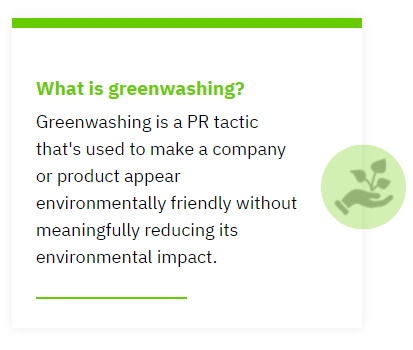
Greenwashing refers to the practice of making misleading or unsubstantiated claims about the environmental benefits of a product, service, or company. It involves portraying a false or exaggerated image of environmental responsibility in order to appeal to environmentally conscious consumers.
Companies engaging in greenwashing often use deceptive marketing techniques to make their products or practices appear more environmentally friendly than they actually are. This can involve using vague or undefined terms like “eco-friendly” or “green” without providing any specific evidence or certifications to back up these claims. Greenwashing can also include highlighting a single environmentally friendly aspect of a product or company while ignoring other harmful or unsustainable aspects.
Greenwashing can take various forms, such as:Misleading labels and certifications: Using misleading labels, symbols, or certifications that give the impression of environmental responsibility without meeting the required standards.Irrelevant claims: Making environmental claims that are true but irrelevant to the product or company in question, distracting consumers from the actual environmental impact.Lack of transparency: Failing to provide detailed information about the environmental impact of a product or company, preventing consumers from making informed choices.Vague or unverifiable claims: Using general terms or claims without providing specific evidence or verifiable data to support them.Exaggerated claims: Making exaggerated or unrealistic claims about environmental benefits that cannot be substantiated or verified.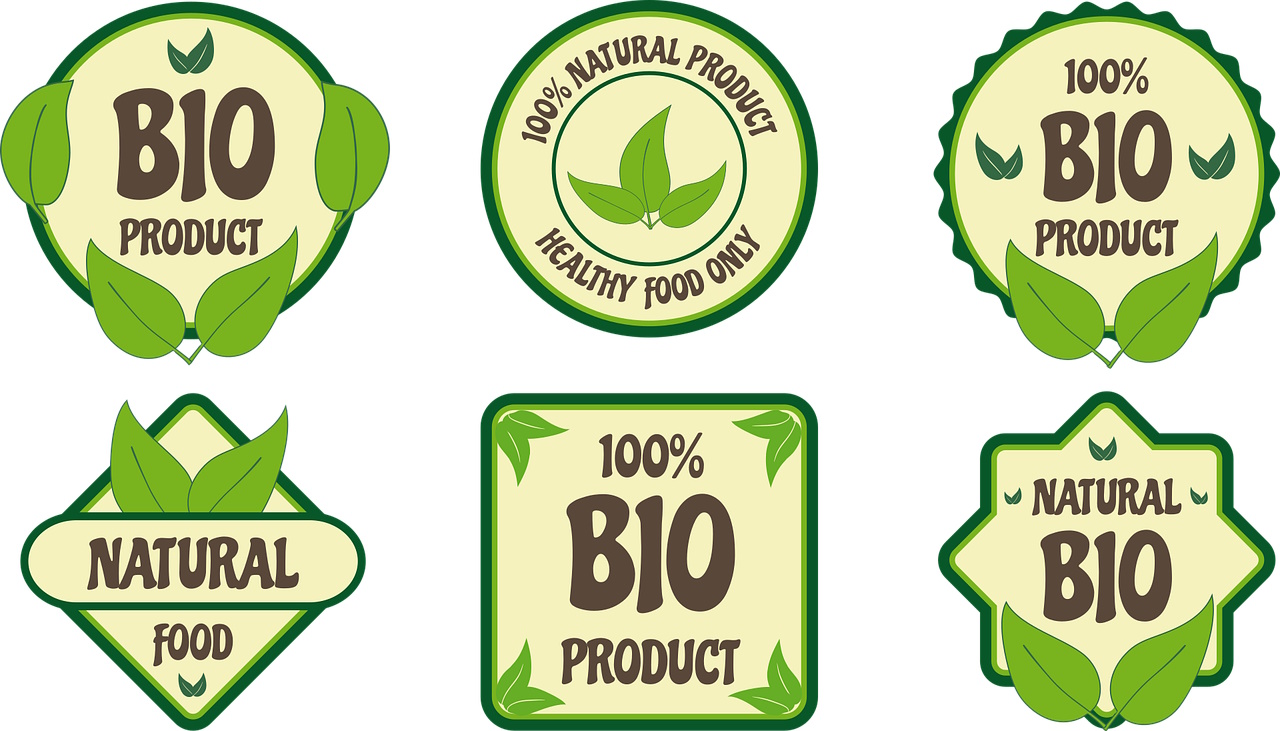
Businesses that greenwash lock in a harmful social and economic systems that take more from the Earth than we can sustain. It’s a cynical and harmful approach that seeks to deceive consumers so that climate criminals continue to get away with their destructive practices.
What to Look out forThis extract from a Greenpeace article sums up simply what we as consumers can look out for. Ultimately, we have the power to vote with our wallet and choose an alterative. Don’t fall for it!
A Cynical Deception
“If you’re trying to spot greenwashing, look out for these features or sins:
Token gestures. Promoting one ‘green’ feature, while ignoring other more important environmental issues. For example, a fast food company could promote a switch to recyclable paper straws, while still using meat suppliers responsible for burning down forests.
Not being specific. Using very broad or poor definitions on purpose to cause misunderstanding. For example, using a recycling symbol on packaging without telling you which part is or can be recycled.
No evidence to back up a claim. When a company wants you to take their word without sharing the proof behind their claim. So the claim can’t be checked or certified independently by someone else.
Using green buzzwords or images. Adverts or packaging with lots of natural scenes, or images like trees and leaves. Or buzzwords that are meaningless without explanation, like ‘non-toxic’, ‘all natural’, ‘eco conscious’ and ‘chemical-free’. This also includes putting a green label onto a product or company that’s environmentally harmful anyway.
Carbon offsetting. A way to try to make up for the pollution you cause, instead of trying to reduce it. Usually it’s done by paying others to reduce carbon emissions or take carbon out of the atmosphere. It’s greenwashing because it still means lots of carbon goes into the atmosphere.
Redundant claims. This is when the claim is not needed. For example, a company advertising a product as vegan or plant-based, when it would be anyway.”
Greenwashing is a cynical and harmful practice. It can create distrust in brands that genuinely are making a difference. It is fundamentally dishonest, seeking to deceive consumers. Businesses using it are duping us, so that they can continue to get away with their destructive practices. Misleading consumers into purchasing products or supporting companies they believe to be environmentally responsible. In reality, they may not be.
It undermines genuine efforts to promote sustainability and can hinder progress towards a more environmentally conscious society.
A Legal ResponsibilityIn the UK there is now a legally binding Green Claims Code. You can report greenwashers to Trading Standards, who can take legal action against them: The Green Claims Code checklist – GOV.UK (www.gov.uk)
The post Clean Up Greenwashing appeared first on Amy Morse.