Striking the Balance: Show vs. Tell in Effective Storytelling

The art of storytelling is a delicate dance between showing readers what’s happening and telling them. It’s a balance that writers must master to engage and captivate their audience while conveying essential information and emotions. The age-old debate in the writing community revolves around these two techniques: showing and telling. In this article, I will explore the intricacies of this balance, its importance in storytelling, and how to effectively use both techniques to craft compelling narratives.
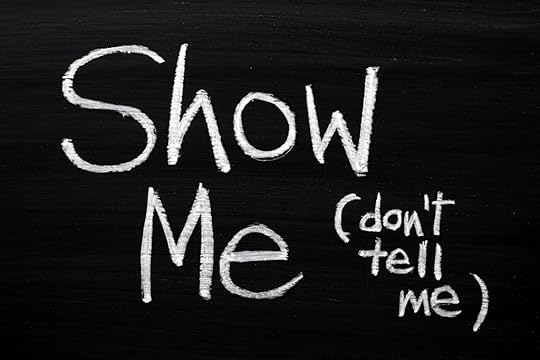
You’ve heard the mantra “show, don’t tell” in writing workshops and classrooms and probably rolled your eyes a few times. It encourages writers to paint vivid mental images for readers by using sensory details, actions, dialogue, and inner thoughts. Showing is about allowing readers to experience the story, to become active participants rather than passive observers.
One of the primary advantages of showing is its ability to immerse readers in the narrative. When a writer shows, they create a sensory experience that makes the story more tangible. For example, instead of telling the reader that a character is angry, describe how the character clenches their fists, their face turning a deep shade of red, and their voice quivering with rage. By showing anger through physical and emotional cues, the reader not only understands the emotion but feels it.
Moreover, showing can enhance character development and build empathy. Through showing, readers gain insight into characters’ motivations, fears, and desires. When readers witness a character’s actions and inner turmoil, they can relate to and sympathize with them on a deeper level. This connection makes the characters more memorable and the story more engaging.
Effective showing also creates a more immersive and visually stimulating reading experience. Consider the difference between these two sentences:
The sun set behind the mountains, casting a warm, orange glow across the valley.
The valley looked beautiful as the sun set behind the mountains.
The first sentence utilizes descriptive language to paint a vivid picture, allowing readers to visualize the scene and experience the beauty of the sunset. The second sentence merely tells the reader that the valley is beautiful without providing the sensory details that make it so. And it’s boring.
While showing is a powerful tool in a writer’s arsenal, telling has its own unique strengths and is essential for maintaining balance in storytelling. Telling allows writers to convey information efficiently, provide context, and control the pacing of the narrative.
Telling is particularly useful for summarizing events that are less critical or require less emotional depth. For instance, if a character needs to travel a long distance to reach a destination, telling the journey in a sentence or two can save time and keep the story moving forward. Without some level of telling, stories might become bogged down with excessive detail and lose their momentum.
Additionally, telling can be employed to provide essential background information, historical context, or exposition. Imagine a fantasy novel set in a complex, otherworldly universe. To help readers understand the intricacies of this world, the writer might use telling to explain the history, politics, or mythology without lengthy and distracting digressions.
The Delicate Balance
The key to effective storytelling lies in finding the right balance between showing and telling. Neither technique should be used exclusively, as an over-reliance on one or the other can lead to storytelling pitfalls.

Overusing showing can result in excessive detail and a slow-paced narrative. Readers may become frustrated if they are inundated with descriptions of every character’s appearance, every minor action, and every nuance of the setting. In such cases, the story may lose its momentum, and readers might lose interest.
On the other hand, excessive telling can create a distant and emotionally unengaging narrative. When readers are told everything, they are denied the opportunity to connect with the characters and the story on a personal level. They may feel like passive observers rather than active participants. Or like they’re reading a newspaper article.
To strike the right balance, consider the significance of each scene and the emotions they wish to evoke. Critical moments and emotional turning points are prime opportunities for showing, as they require readers to feel deeply connected to the characters and events. Less critical or informational scenes can benefit from a judicious use of telling to keep the story streamlined and focused.
Techniques for Balancing Show and Tell
 Start with showing. Begin scenes with showing to draw readers into the immediate sensory experience. Describe characters’ actions, dialogue, and inner thoughts to establish a strong connection.Use telling strategically. After establishing a scene with showing, writers can use telling to summarize less critical events or provide context. This keeps the narrative focused and prevents it from becoming bogged down.Show emotions. When it comes to emotions, showing is often more effective than telling. Use body language, facial expressions, and visceral reactions to convey characters’ feelings.Balance dialogue. This one’s my favorite. Dialogue is such a powerful tool for showing character interactions and emotions. Let characters’ words and tone reveal their relationships, conflicts, and personalities.Trust the reader’s imagination. Don’t over describe every detail. Give readers room to use their imagination and engage with the story on a personal level.
The delicate balance between showing readers what’s happening and telling them is at the heart of effective storytelling. It is an art that requires skill and practice to master. Showing immerses readers in the narrative, allowing them to experience the story, characters, and emotions firsthand. Telling, on the other hand, serves as a valuable tool for conveying information efficiently and maintaining pacing.
Be mindful of when and how to use these techniques to create a compelling narrative. By striking the right balance between show and tell, you can engage readers, evoke emotions, and craft stories that resonate long after the final page is turned. In the end, the art of storytelling lies in the skillful orchestration of these two complementary techniques, creating a harmonious and unforgettable reading experience.
Happy writing,
Carrigan