
Another World + Shackleton Scotch
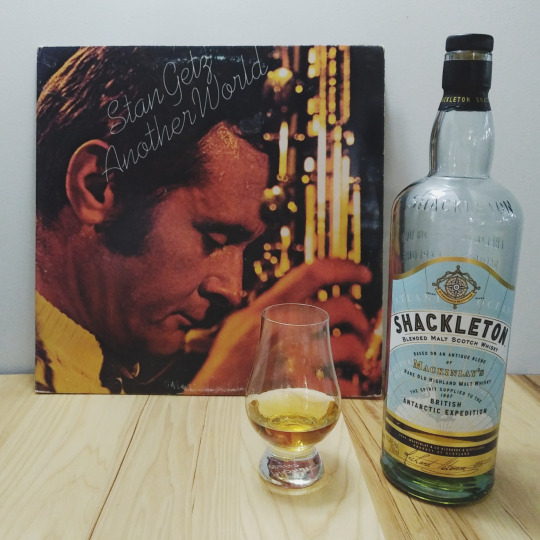
JAZZ: Stan Getz– Another World
“Stan Getzis of course a poet and one of our truly great musical treasures. But beyondthis, he’s an explorer whose playing and conception continue to grow and breaknew ground while always respecting the rich tradition of his art.” So declarethe liner notes of Getz’s 1977 double record Another World. Known forcreating some of the most commercially successful jazz of the 1960s incollaboration with artists like João Gilberto and Charlie Byrd, this albummarks something of a departure for Getz. The “exploration” taking place on AnotherWorld is the tenor saxophonist’s experimentation with electric instrumentsin his band. Reading Getz’s commentary about the album, which manifests as anearly 2000-word essay in the record sleeve fold, you get the sense that he wasreluctant to “go electric” at all. Getz asserts that electronics used bymost musicians amount to “gimmickry” and substitute “musicianship for volume.”Later, he adds, “There is…something about the humanness of the acousticinstrument…with electricity alone suddenly most everyone sounds the same.” Thisapparent reluctance to “go electric” reveals itself in the music. Tracks like “Anna”and the jazz standard “Willow Weep For Me” are purely acoustic and classicGetz. The same goes for “Sum Sum”—a neat little number bursting with Latinrhythms familiar to any Getz purist. Andy Laverne’s subtle electronic keys arethe only clue that the band leader has taken you on a bit of a detour here. Inother songs, the “electronics” feel forced. This is most apparent on “PrettyCity” where the Moog seems like it exists on another plane entirely from therest of the band, like an old Disney film where live action and cartoons sharethe screen. “Another World” features Getz alone on tenor (at times layered)with heavy reverb. It’s the most progressive piece on album, abandoning purejazz entirely. On a few occasions, though, Getz finds the balance I think hewas looking for. “Keep Dreaming” has a funky little electric bass line overwhich Getz signature smooth tenor feels just right. “Club 7 and Other WildPlaces” is even better. It feels both traditional and forward looking, which isprobably what Stan wanted to accomplish with the record all along. Explorationjustified.
NEAT –Shackleton Blended Malt Scotch
To pair with Another World, I chose Shackleton Blended Malt Scotch Whisky, inspired by the tastes of an early 20th century explorer. In 1907, Sir Earnest Shackleton led a band of British compatriots on the Nimrod Expedition, an early effort to reach the South Pole. The explorers ultimately fell a bit short of their goal, settling for setting a new Farthest South record instead. One possible reason for the failure could lie in Shackleton’s decision to bring 25 cases of Mackinlay’s Rare Old Highland Malt Whisky on the trek. That’s a lot of booze to carry. But, Shackleton’s loss is posterity’s gain. One century later, three cases of perfectly preserved whisky were discovered beneath the Nimrod base camp ice. Shackleton whiskey is Master Blender Richard Patterson’s effort to recreate the spirit enjoyed by those Antarctic explorers all those years ago. Is this a bit gimmicky? Of course it is. Do I care? No. What does it taste like? A $40 bottle of blended Scotch. It’s solid, balanced. If you want a detailed review, here you go. As for me, I’m happy to marinate in the story behind the whisky while Another World spins on my turntable. Cheers to the Nimrod Expedition and to Stan Getz. Cheers to exploration, to pushing beyond comfort zones, and to leaving something special for those who come after to savor.
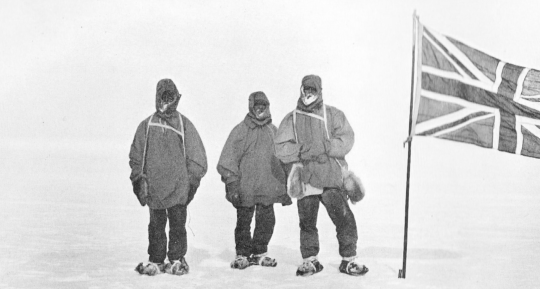
[some boys from the Nimrod Expedition, 1907]


Daniel McDowell's Blog

- Daniel McDowell's profile
- 1 follower

