A New Book: The Vagabond

Photo by David Kohler at Unsplash
Cogito, ergo sum
(I think, therefore I am)
–Rene Descartes
Thinkers who think deeper than I can ask the darndest questions that really get me thinking sometimes. Take Mr. Rene Descartes (1596-1650) for instance: I think, therefore I am. That’s deep.
I guess what he is trying to explain in three short words is that he identifies the thoughts that he thinks in his head as what set him apart as a conscious human being; they both confirm and define his existence. A distinctly different sensation than feeling the wind and the sunshine on his face or the sting of salt or the sweetness of honey on his tongue, he wants me to accept that it is his own observed thoughts, that come from an obviously rich internal world, that give him the right to exist and that makes him what he is…or was.
Photo by Calvin Craig at Unsplash
Do you ever get strange thoughts that move through your consciousness in the blink of an eye that make you ask yourself, “Where did that come from?” Or maybe you have dreams that make you text your therapist before you hit the shower asking for an emergency check-up appointment during your lunch break? Do you think that maybe Mr. Descartes was talking about those types of thoughts or impulses when he coined the famous phrase: Cogito, ergo sum? Are random deviant thoughts and dreams truly thinking? We all have them but do we let them define our existence and identities?
There is danger in this phrase; I think, therefore I am. If one isn’t careful one can be washed down river very quickly by a torrent stream of consciousness, convinced that, “Well, this is just me. I’ll just go with it.” We can become slaves to our thoughts instead of masters of them if we give too much credence to Mr. Descartes’ declaration of “I am!”

Photo by Gabriella Clare Marino at Unsplash
We all know people who certainly exist who are obviously not doing much thinking at all before they act and speak. Too many people simply react out of reflex without examining why. Their words seemingly deflect criticism but do not help us understand who they are, what they enjoy and what they are striving for, if anything, in this short life.
In my new book, The Vagabond (May 2024) the protagonist, Bob, a man living unintentionally, blows in the wind of the opinion of others seeking approval. The first sixty-four years of his life were spent doing what his environment expected of him, consuming content-less content. He tries to exude to others around him that he is living a life of meaning but deep down he is only fooling himself.
Set in modern day Rome, Bob, a tourist from the USA, has a chance encounter with a hedonistic vagabond, a fellow American, who encourages Bob to wake up before he misses everything in Italy that could enrich his enjoyment of life…if he will only let it. Finding self-validation through consumption and gratification through those he pays to serve him, Bob does not know what he truly enjoys and desires. Spoiled by his own false sense of superiority and entitlement, Bob is a victim of his own un-examined thoughts and actions, demanding respect where he shows none–and getting little in return.
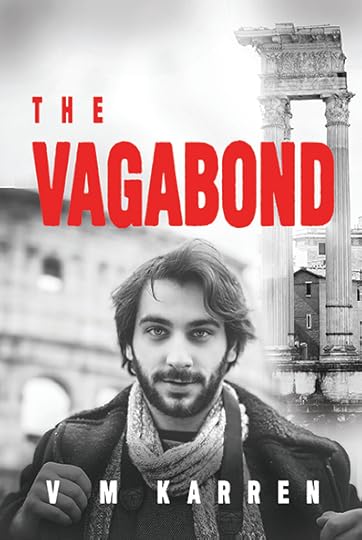
The Vagabond, inspired by Albert Camus’ The Stranger, explores the consequences and meaninglessness of an un-examined life through the unspoken thoughts of a character who we all have unfortunately encountered in one global tourist hot spot or another. Will Bob pause and consider the advice of a “dirty vagrant”?
ORDER NOW ReplyForwardAdd reaction