ICELAND AND NORSEMEN
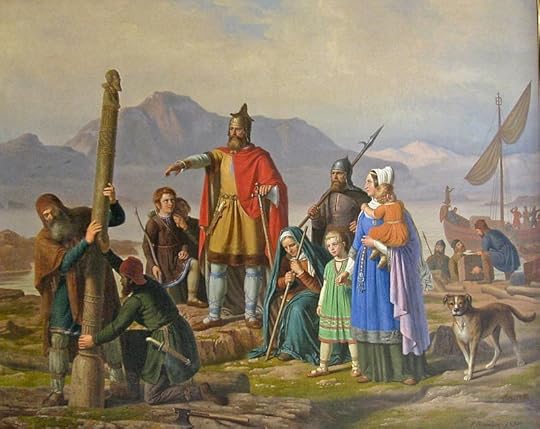
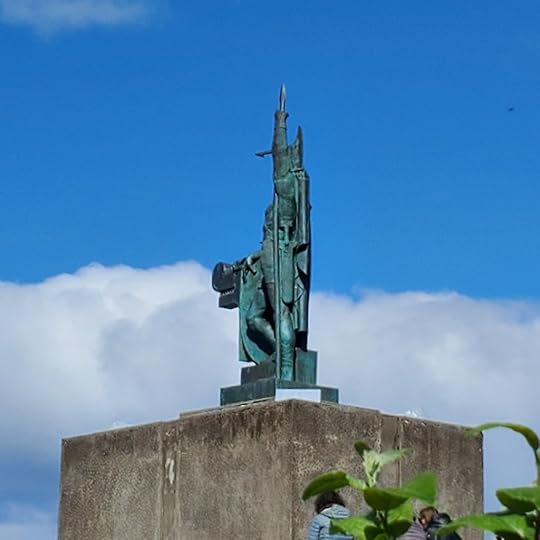
Although we visited Reykjavik briefly before we began our Arctic cruise, we returned to Iceland on August 16, 2024 for a better look. We took a bus tour that day and were introduced to the surrounding areas of Reykjavik. Some in our group preferred to strike out on their own to visit a geothermal swimming “hole”, the Blue Lagoon, nearby. We had signed up to visit another one like it on the other side of the island later. This day was a nice drive, during which our guide educated us about the long history of Iceland. The first Europeans to Iceland may have been the Romans, but they were probably Irish. The kayaks and other crafts of the Inuit wouldn’t have been able to travel to Iceland from Greenland or North America. Early records refer to a place called “Thule,” which must have been Iceland. There is evidence of a few Irish monks on the island before being driven off by the Norseman settlers who arrived in 874. The head Norseman was Ingolfr Arnarson. He likely brought British and Irish slaves with him. The statue above was erected in tribute to him in 1924.
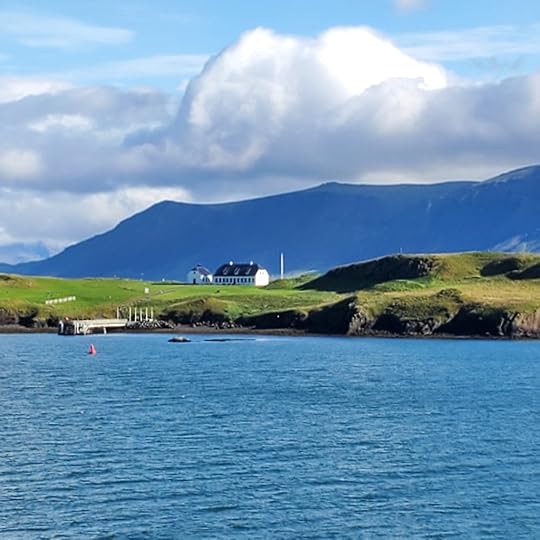
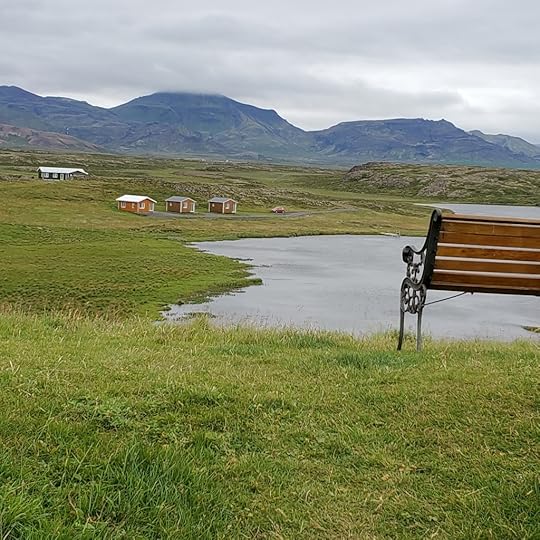
The western area of Iceland in August is green and lovely, with its rolling hills dotted with farms where sheep and small horses abound. I’ll tell you about these animals later. Since it was so green, and Greenland is mostly barren, covered in snow and ice, we wondered how Iceland got its name. I looked it up. In 850, a Swedish Viking named Naddoddur was blown off course west of the Faroe Islands and landed in the fjords of eastern Iceland. He called it Snowland. Another Viking called it after himself, Gardar’s Island, after his circumnavigation determined it was an island in 860. But the man nicknamed for the ravens he used for navigating, Hrafna-Floki Vigerdarson (Raven Floki), named the island Iceland after two severe and devasting winters. The first time he tried to leave, he was blocked by drift ice in the fjord. That’s when he called the place Iceland. He tried to tack his ship by a different route but was forced to spend another winter. When he finally got out of there, he had nothing good to say about the place.
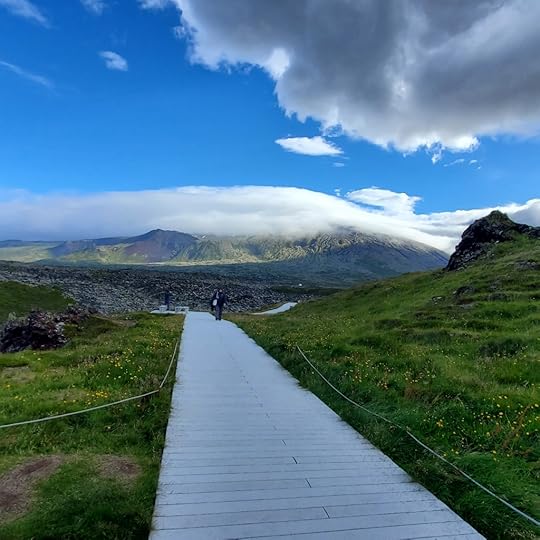
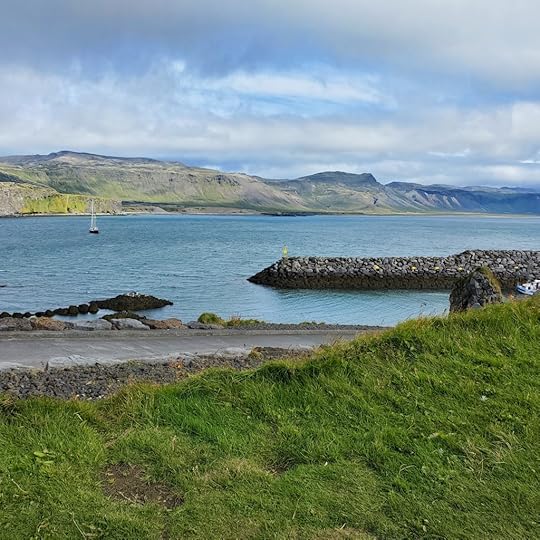
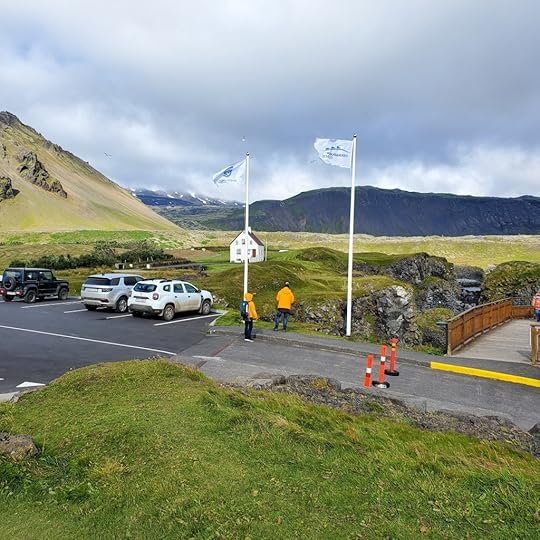
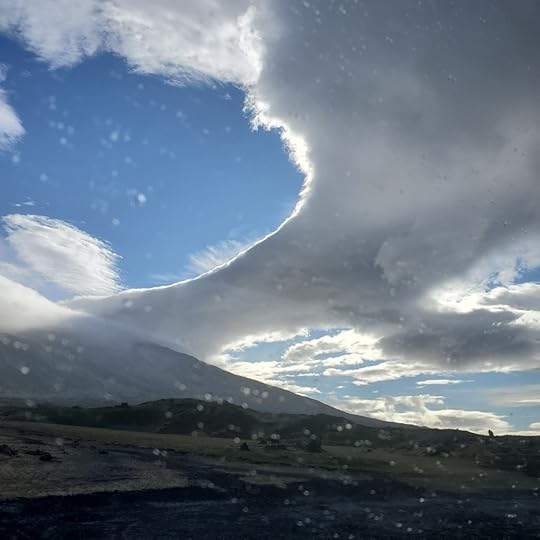
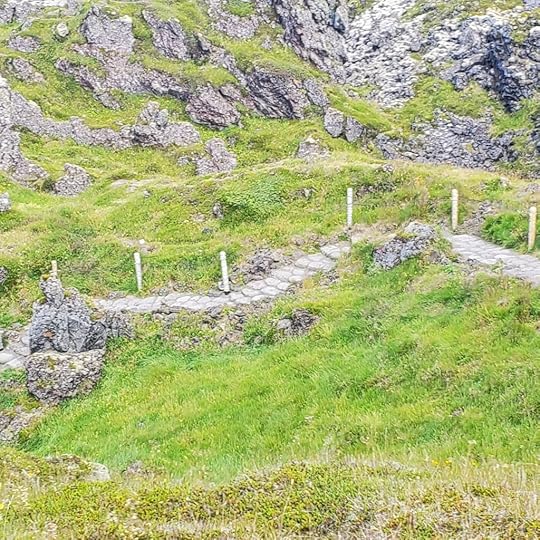
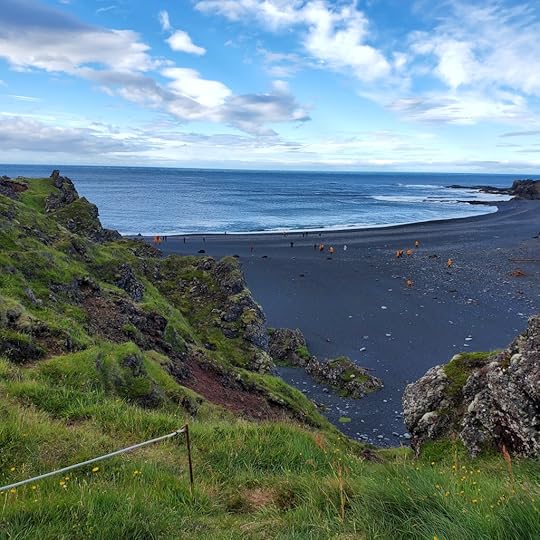
Our next day was a mostly sunny but cold, blustery day as we traveled to a large fjord at Grundarfjordur. Even bundled up in my wool hat and parka, the wind about knocked me off my feet. We walked up a paved incline overlooking the fjord edged by a black, volcanic rock beach. There was a narrow path that wound through rocky crags down to the beach, but I decided to save myself and walked to the overlook instead. I was fascinated with the large bird house near the parking lot. It was quite impressive. The constant wind on the island blew clouds into incredible shapes. Larry would fuss at me for not using the correct names of the cloud formations we saw. Like that shelf-shaped, rolling cloud above. 
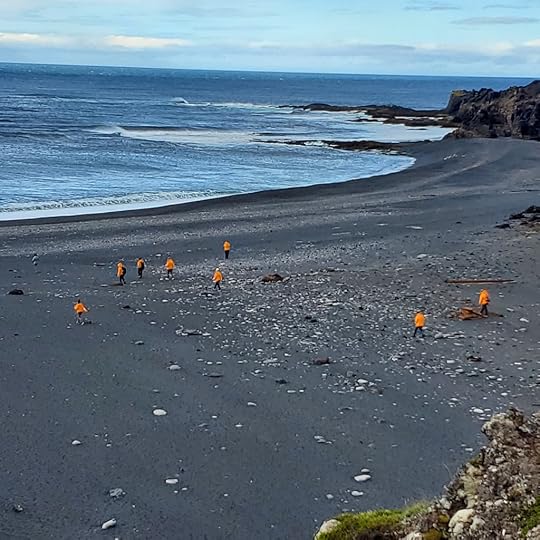
After hiking around the beach and battling the wind, everyone was tuckered out, and we drove to a restaurant for lunch. I don’t remember what we had, but their traditional food is fish, potatoes, dairy products, bread, and lamb. Sheep were introduced by the Vikings around the ninth or tenth centuries. These sheep are bigger than most European sheep, but short and stocky with a double thick layer of wool to protect them in the harsh winters. Until the 1940s, they were used mostly for milk production! Now, they’re reared for their meat, which accounts for about 80% of income from sheep farming. Now back to the horses.
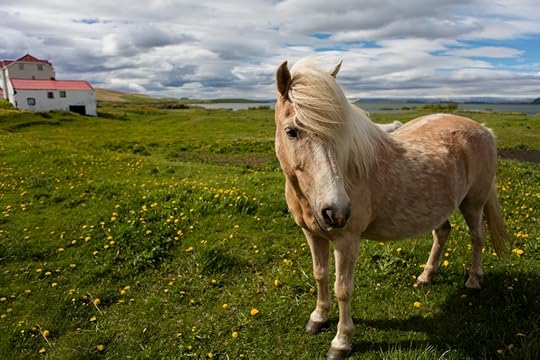
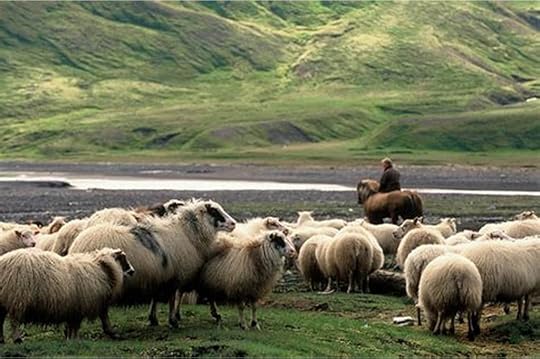
These horses were brought to Iceland by the Vikings. Known simply as the Icelandic Pony, they are one of the purist breeds in the world, owing to the lack of any other breeds on the island. They look much as they did when the Vikings brought them in the ninth century. They are long-lived, smaller, and hardier than many other breeds. Farmers and their families love these horses, and it was common to see children riding their horses across windy fields or along the side of the road. Farmers allow their sheep to roam free all summer, where natural predators are nonexistent. They round them up to be counted and sorted in September. In olden days, sheep were left out all year, but when farmers risked their lives to save sheep (or not) buried in the snow, they decided to bring them inside for winter. While we were there, the island was preparing for its rettir, the Annual Roundup. Everyone on the island participates, and even tourists are welcomed. Most tourists are content to follow along and take lots of pictures. The islanders use their horses and sheep dogs to gather the sheep, which can be….you know…like sheep. After the roundup, there are big festivals with lots of food and celebrating. It’s been that way for a thousand years. Amazing!
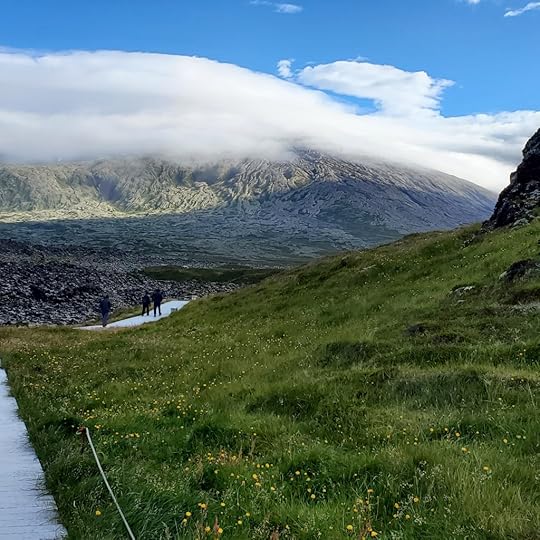
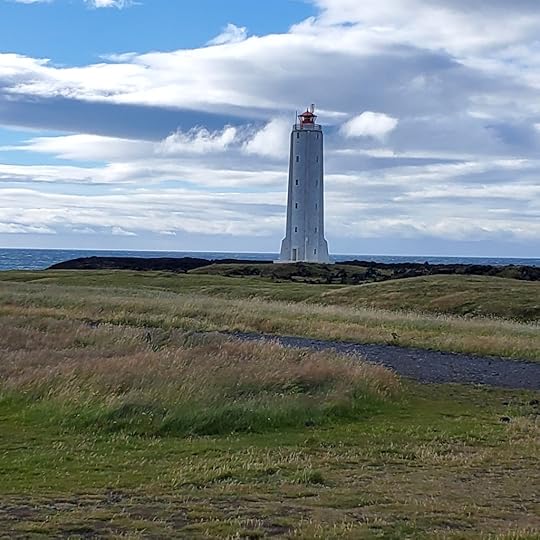
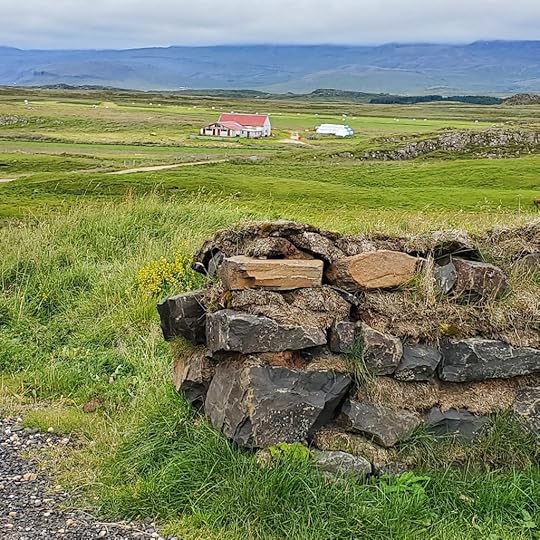
Iceland is full of beauty and an amazing heritage. Did you know that Icelandic is very much like the original Norse language that old Ingolfr Arnarson spoke when he stepped on Iceland and founded Reykjavik? It’s like the horses. No other language to mix it up. That’s what we were told by Ingolfr’s descendants. Very nice people, indeed! And one more thing. Is Iceland considered a European or North American country? I’ll leave the answer for next time. I have more to share about our visit to Iceland, so visit me again! Like and Comment below. Check out my books and other travel adventures at my website: https://vcwilliamsauthor.com/