MMMD Week 10
I think I’ve forgotten to add Shavrio’s notes for a couple of weeks now so catching up ESPECIALLY with this gem that I feel is present in MMMD:
“The difficulty of interpretation in this novel is that in a certain sense, there is nothing to interpret, since everything is right there; but the difficulty comes in grasping and holding onto just how these entirely clear phrases metamorphose into one another, intensify or double one another, contradict one another, derail one another, and so on.”
ME: Is this the failure of trying to use logic? I will come across it but I could almost swear I found a reference to the 3 Body Problem in MMMD.
“Have we heard before of the mother’s siblings? and what does it mean that they “had not known themselves”? are they also just the mother’s fantasies?”
ME: I did not catch this either and do not know. I don’t remember them ever being mentioned again.
“And another miracle of the chapter is how it subtly shifts from the mother’s point of view, to Mr. Spitzer’s, and back again, within the points of transition being in any way obvious. For Mr. Spitzer, “She reasoned in an erroneous circle, proving that white was black or that black was white, just as the mood took her, beginning with false premises and ending with debatable conclusions, as he had always seen.” - which sums it up.”
ME: This was mentioned on Involutions of the Seashell as well and I will have to pay closer attention because I have not noticed it or Young made it so seamless a reader’s attention isn’t broken from the flow of the narrative. As far as Mr. Spitzer is summing up Catherine I find it interesting that Mr. Spitzer is in effect lying about who he is so what else can Catherine do but build reason in “an erroneous circle” without the truth? Deceived is used 119 times in the book. Mostly with warnings to not be deceived or that the character was not deceived. Hmmmm
This is a longer chapter with lots to cover and HOLY SHRIMP am I reading this so much differently after all the research I’ve done compared to my first reading. I know people fell in love with the prose poetry but I am only now just infatuated with the beautiful imagery and feel like I’m finally being able to appreciate it on top of what is trying to be said.
“The themes keep coming back in this chapter, as if it had some sort of musical structure that I am not reading acutely enough to quite discern.”
ME: 100% I completely agree other than the overall “spokes of a wheel” that Young used to describe how the characters are arranged which would still be a circle with elliptical routes (Hegel dialectic week 1).
There is the ever present “music of the spheres”. So I went googling musica/mundana/humana/instramentalis aka Boethius and found the Fundamentals of Music - “all reality is musical”
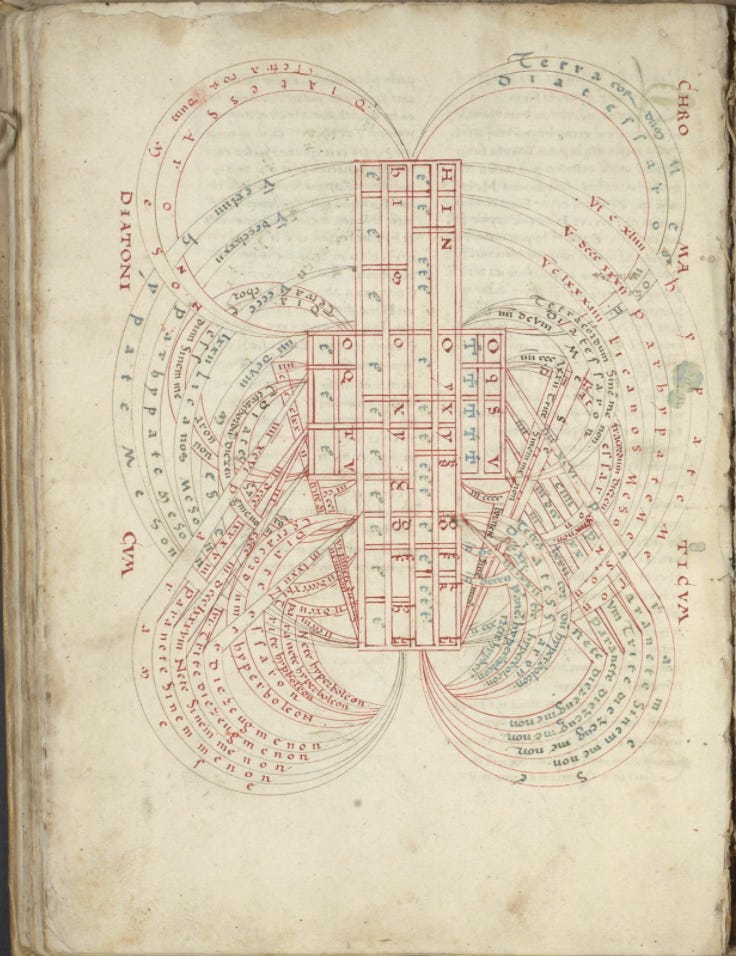
I am not going to analyze MMMD to find out if these fit but I think it is safe to say that this influenced her. She did talk about studying medieval symbolism (like all the birds and animals). Musical is used 158 times in the book.
So here goes ALL the links… LOL
This is where Young is the clearest with a clue to how the novel approaches symbolism. For Catherine the coach/carriage is her body, the black coachman is her conscience, the horses are her will and the passenger is her soul. Sometimes it is her and sometimes it is a person dressed in rags.
Does this mean carriages are always referring to a body in the book? I do not know… yet. hehe Carriages used 130 times and after reading through them I think so.
Coach/Coachman/Coach Painter used 180 times and yep still holds with coachman being the conscious and coach painter God/working class? This book is so marvelous. I wish I had been able to talk to her.
She wants her coachman to be buried with the coach and the horses (the conscience, body and will are all buried when you die. This made me think - servants serve their masters even after their death. There is no release from servitude… that sucks. Also chariot (carriage) burials were common.
And she is also burying her conscience or it has died?
So lets look at conscience in philosophy - https://en.wikipedia.org/wiki/Conscience
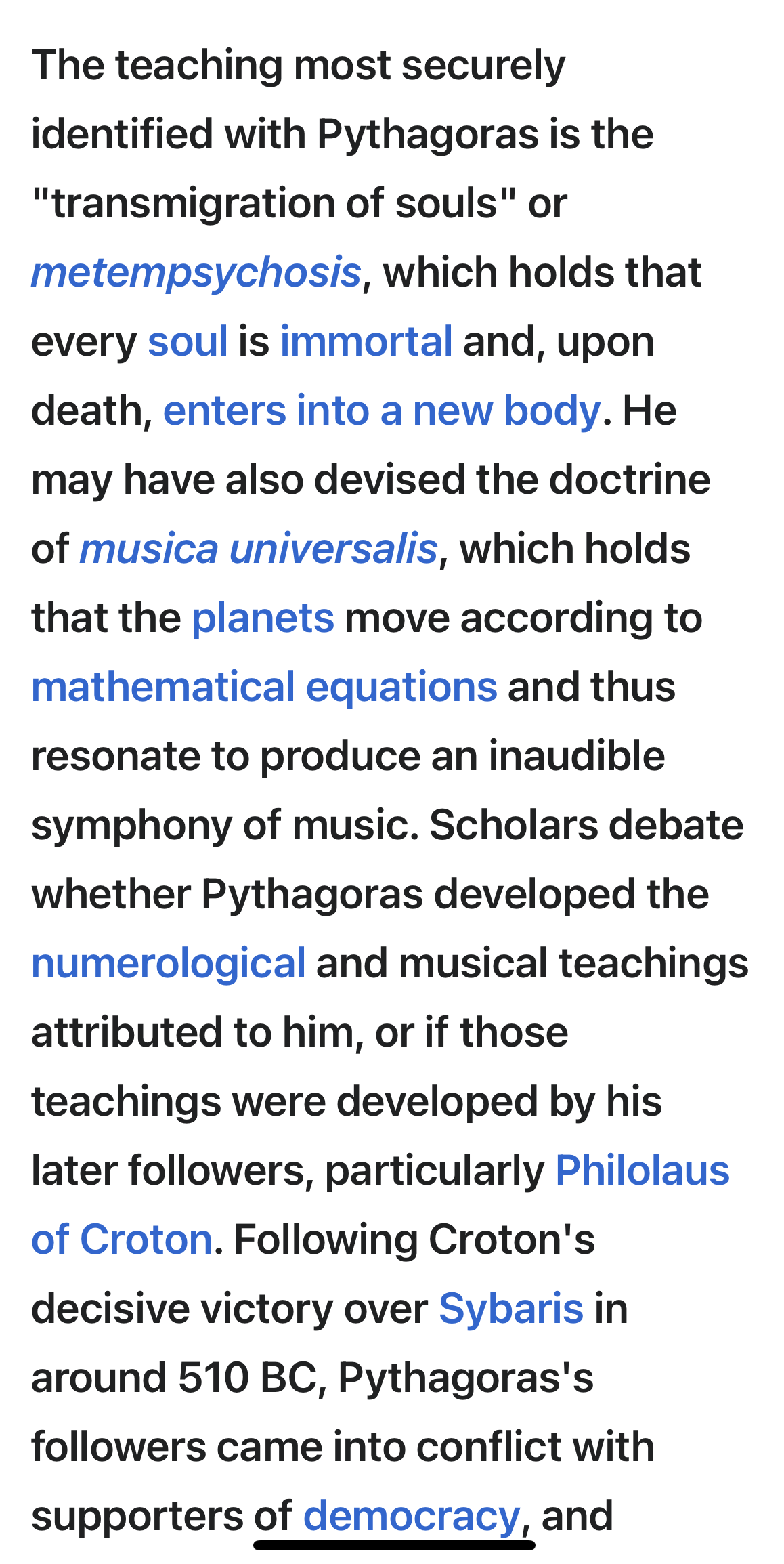
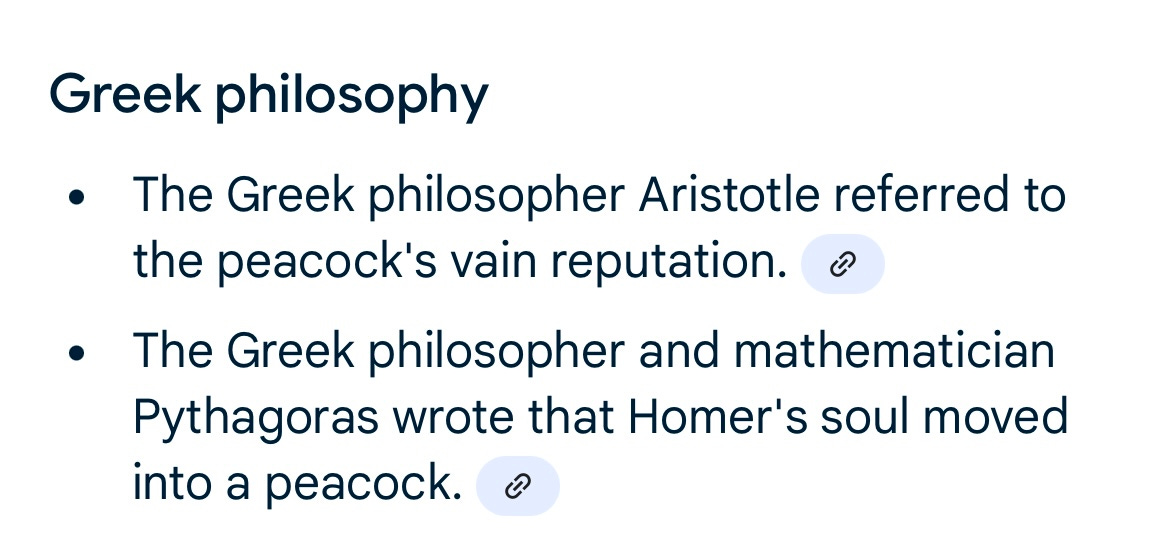
Birds are mentioned quite a bit in MMMD especially roosters/cocks which at first I couldn’t get a handle on until I watched some videos on Greek philosophy, Pythagoras. I have been adding to the video list on YouTube. And saw a reference about roosters which led to Alectryomancy!
Catherine complains in the book that her father left her uneducated and she didn’t know how to do math so she can’t access “knowledge” which leads to Mrs. Hogden being hired much later in the book. She can’t know the inner workings of the universe.
Another thing I thought was rich is that it is becoming more apparent that Christianity STOLE EVERYTHING that makes up their belief system. Pythagoras had myths and legends attributed to him to make him appear more godlike in his powers of reasoning which made me think of how the same tactic was used for JESUS! LOL Which would also explain their trying to apply rules of logic to their religion.
“The world wants to be deceived, so let it be deceived.” Mundus vult decipi, ergo decipiatur - Latin phrase which is rephrased in this chapter.
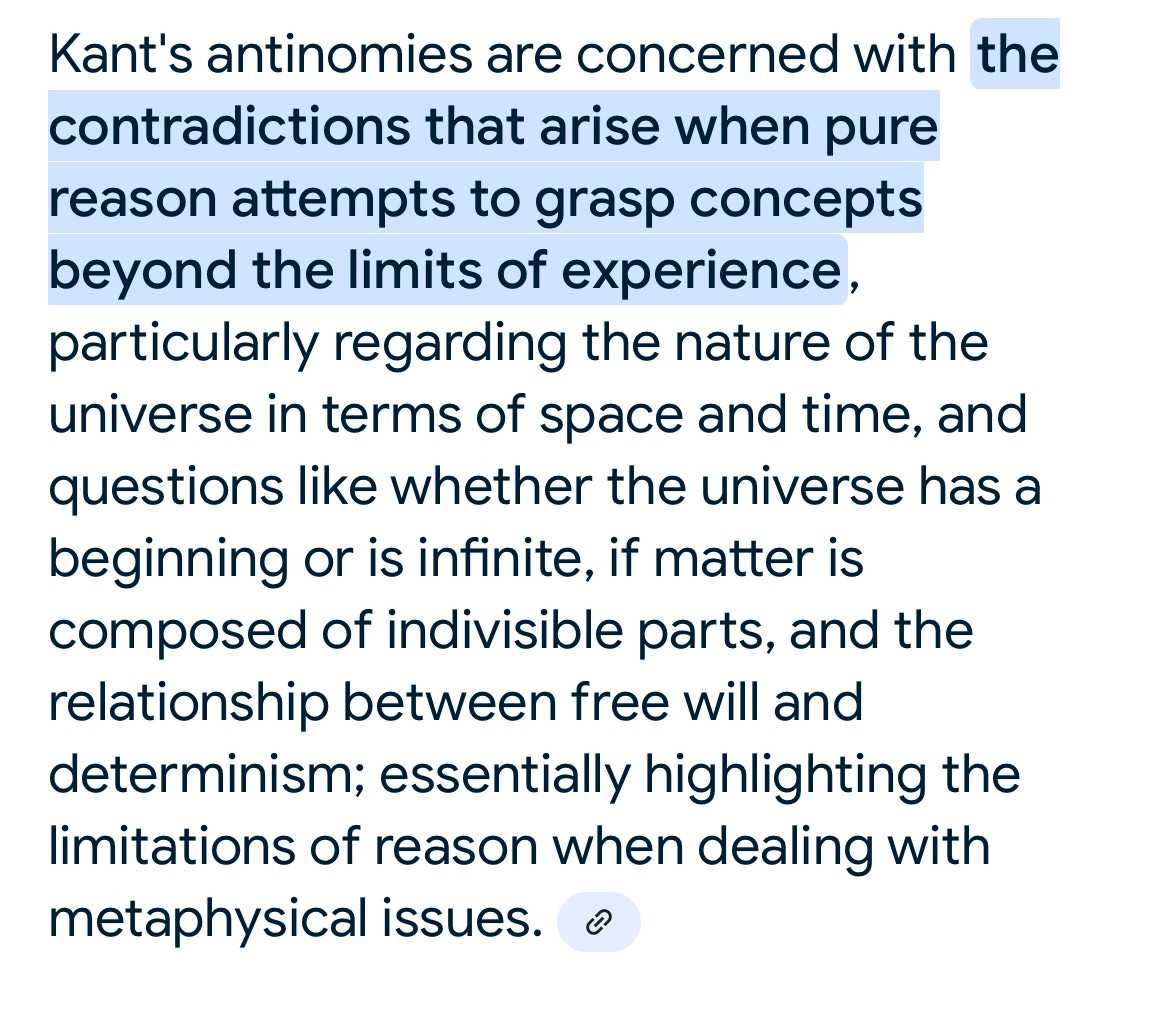
Also a reference to Antinomy and probably specifically Kant’s antinomies. The meaningless of time.
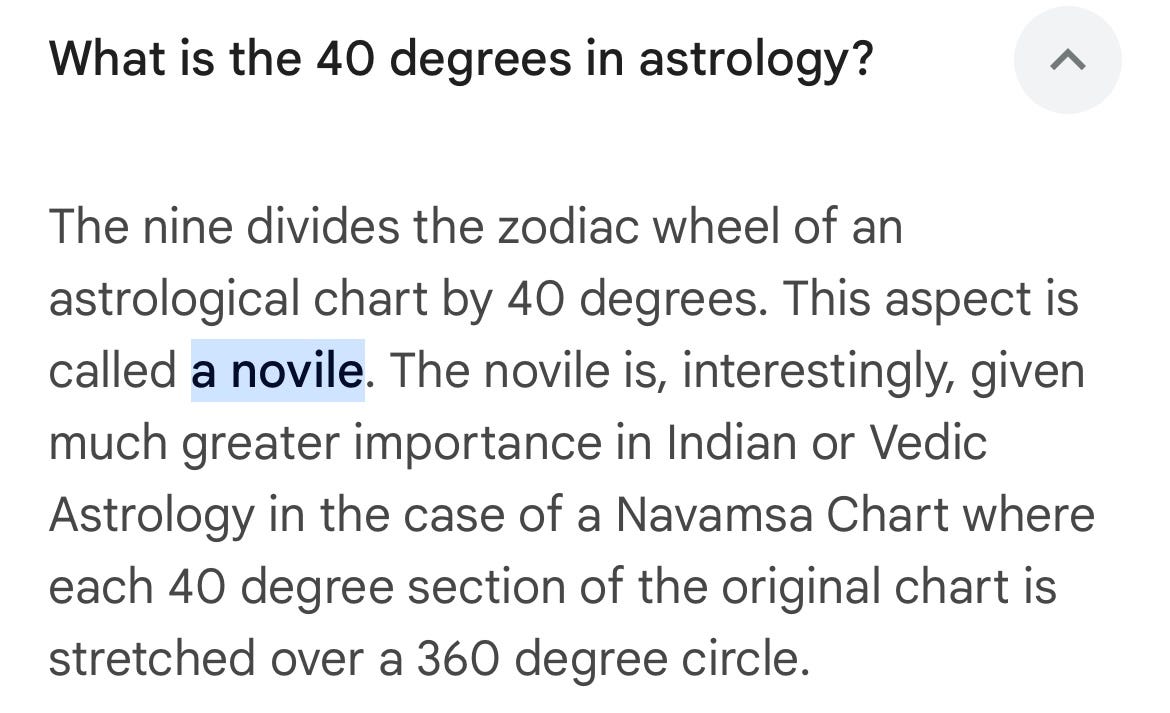
Whenever Young mentions specific numbers I perk up. There is a 40 degrees in Astronomy.
Multiplicity page 249
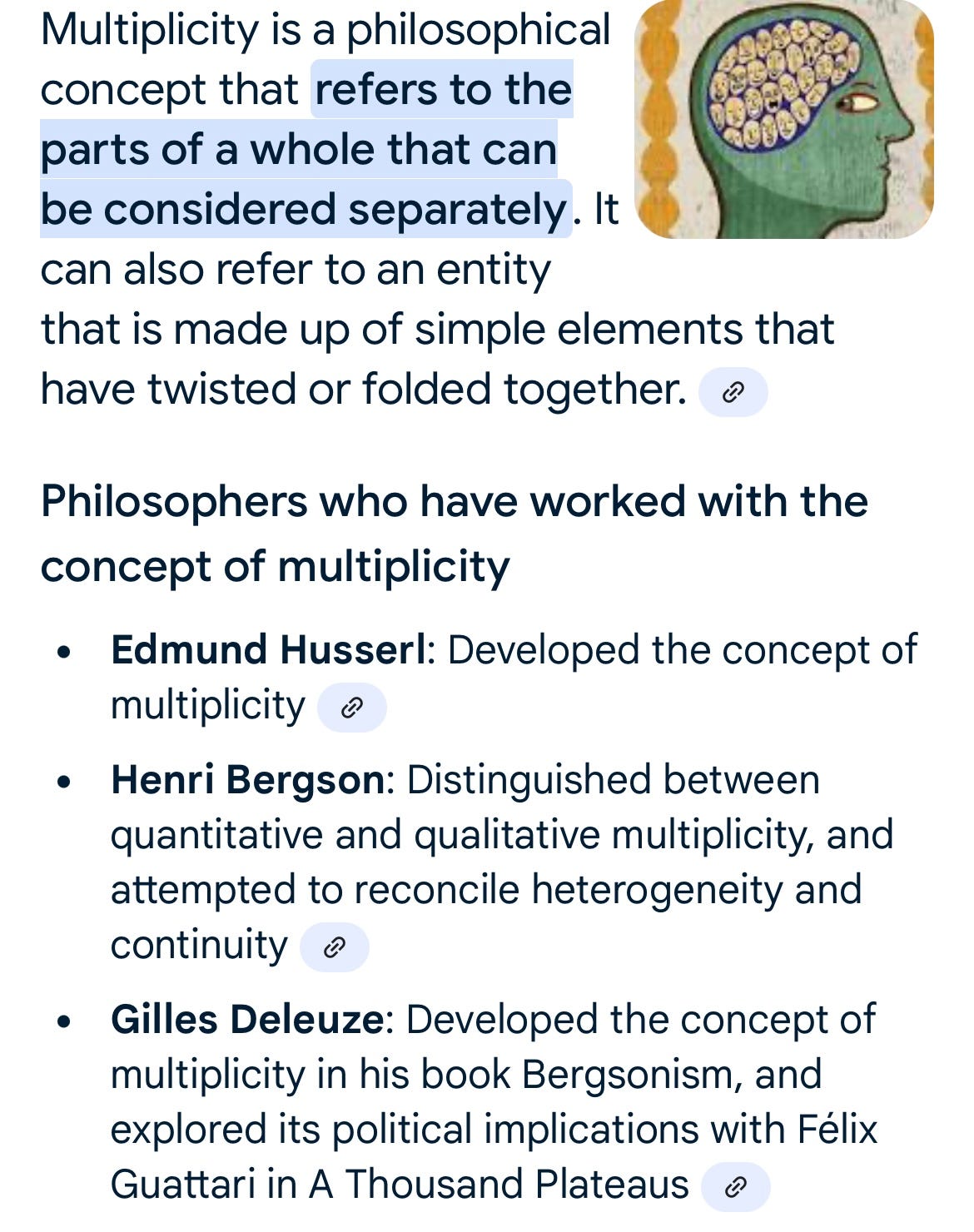
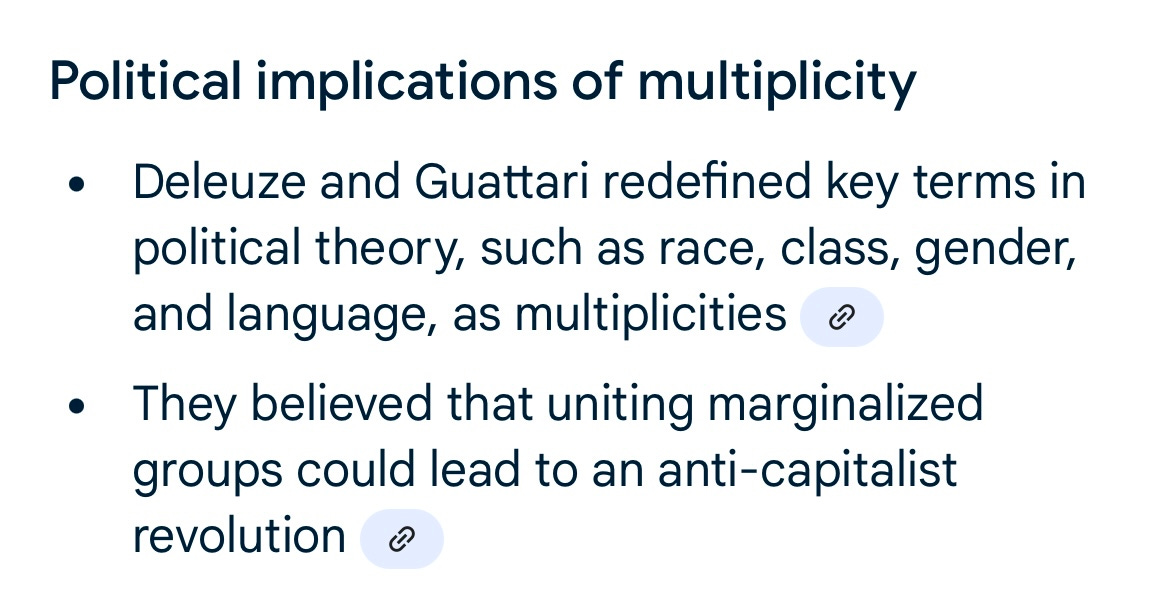
To be clear I was drawn to Deleuze but want to fully acknowledge his books weren’t published until after Young published MMMD. But I have found other areas were Young seemed to write her ideas first or earlier even if MMMD wasn’t published until 1965. But these diagrams since it contained issues that I think Young is exploring is worth noting.
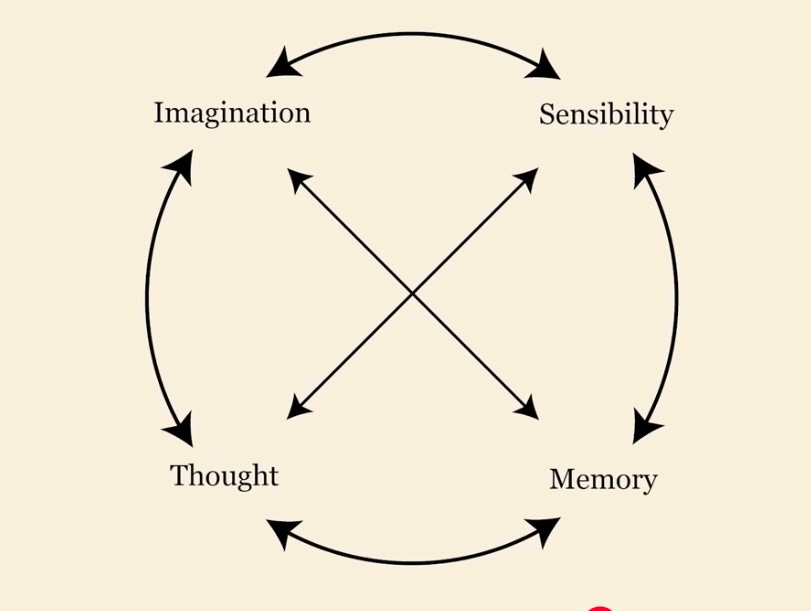
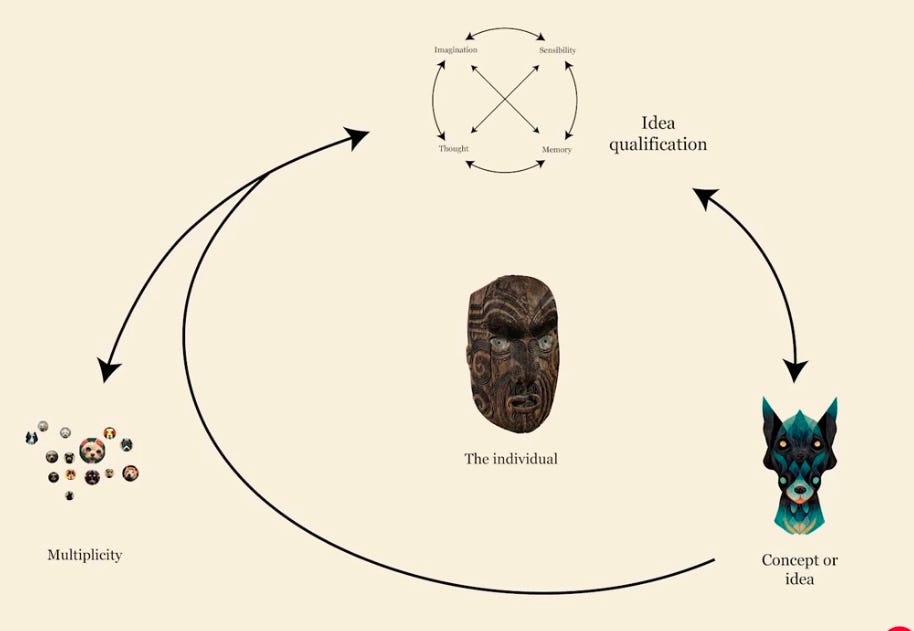
Husserl and Bergson seem to be the forerunners on multiplicity and asking the questions: “What is ‘multiplicity’? And what is ‘unity’?”
Is Catherine’s shadows (used 249 times) a reference to Plato’s Allegory of the Cave???
Like I said this is a longer chapter with SO MUCH to cover that I’m not sure how much the talky talk will take… Large parts of this chapter deal with foreshadowing about who Mr. Spitzer is and how Catherine may or may not feel about it.