HOW TO STOP EYE DAMAGE DURING EXTENDED PERIODS IN SPACE
When humans go into space, especially for long durations such as staying on the International Space Station, they experience significant changes in their vision. In some cases, these changes can lead to permanent vision loss or impairment.
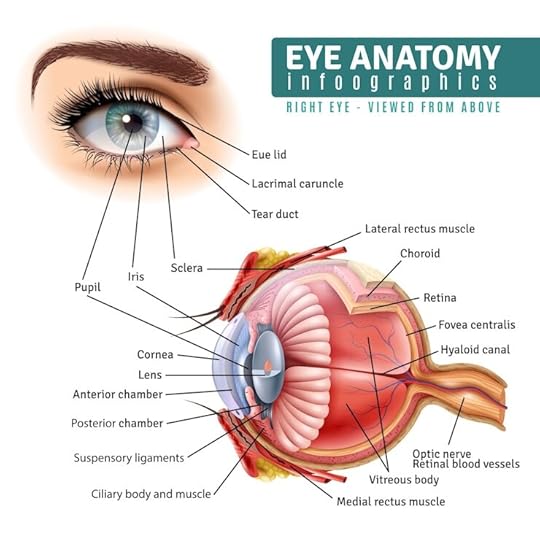
What happens to the human eye in space?Â
1. Â Fluid shifts in microgravity. On Earth, gravity pulls fluids like blood and lymph down toward our zenith, or feet. In microgravity, that fluid redistributes toward the head, including the brain and eyes. This increases intracranial pressure inside the skull which can push on the back of the eyeball, flattening it. It can also cause folds in the retina.Â
2. Â Spaceflight-Associated Neuro-Ocular Syndrome (SANS). This is a recognized medical condition seen in astronauts after an extended time in space. Â Not only does it flatten the eyeball, it causes a swelling of the optic disc (papilledema), it causes farsightedness. Folds may appear on the retina and small areas of retinal nerve damage occur.
3. Â Changes occur in the shape of the eye. Focus changes as the back is flattened due to the pressure. The optic nerve sheath may also become distended. Â The combination of eye globe flattening and distended optic nerve sheath creates a pressure and shape change that disrupts how light is focused on the retina, creating blurred vision.Â
The temporary vision changes some astronauts experience do not fully reverse when they return to Earth. Â The damage is not true blindness, but a permanent visual degradation in near or intermediate vision. Long missions, such as to Mars, could worsen these effects due to extended exposure.Â
Why do such changes occur? It is believed the fluid shifts increases intracranial pressure. There is a venous congestion as blood struggles to drain from the head properly. Â There is a cerebrospinal fluid imbalance around the optic nerve. It is believed some genetic predispositions make some astronauts more susceptible to such variances.
What is being done about it? NASA is testing negative pressure suits for the lower body to draw fluid down to the legs. In-flight eye images take place. They are investigating pharmacological interventions.Â
What are individualized countermeasures?
There are custom-tailored techniques based on an astronauts unique physiology, genetic risk, and mission duration. The goal is to prevent or minimize the effects of Spaceflight-Associated Neuro-Ocular Syndrome (ANS).
One way to do that is create a lower body negative pressure. A chamber that fits around the lower body is constructed to create a vacuum that will pull fluids towards the feet. This simulates gravity on Earth. Each astronaut may have different pressure setting and schedules depending upon ho their body responds in microgravity.Â
NASA recommends changing sleep positions. Â That, this writer does not understand as space is weightless, unless it refers to the Space Station moving 17,000 + miles per hour around Earth causing some changes. There has to be a way to have special pillows or head position to help manage fluid distribution during sleep. The objective is to determine optimal head angles to reduce pressure buildup behind the eyes.
It is possible that compression garments will help. Pressure applied to legs and abdomen may counteract fluid pooling in the head, similar to how gravity helps pull fluids to the lower extremities on Earth.
Frequent use of eye monitoring systems onboard the spacecraft may allow real-time monitoring of optic disc selling or retinal changes. When needed, astronauts can adjust activity, rest, or have countermeasures based on real-time metrics. In addition, there will be treadmill, resistance exercise and cycling onboard that can be timed to influence body fluid dynamics.
Future interventions
NASA reports drug therapies are experimental to regulate fluid pressure, protect neural tissue, or counteract inflammation in space. They mention Carbonic Anhydrase inhibitors, diuretics, anti-inflammatory  medications, neuroprotective agents, and gene based therapy.Â
They are also contemplating bioengineered countermeasures with implantable pressure sensors in the eye or skull, artificial gravity chambers, and custom drugs for metabolism.Â
This authors' recommendation
[image error]Information specialist and recognized visionary, Irene Baron, suggested placing a person in a multi-axis, gentle motion, rotating chair to imitate Earth-based positional changes. Â The goal is to simulate gravitational effects and fluid shifts similar to what is experienced on Earth to protect the eyes and brain in space.Â
The potential benefits would include:
1. Â Fluid redistribution: On Earth changing posture (e.g., standing, bending, lying down) naturally moves fluids around the body. A gentle multidirectional rotating system could mimic these positional fluid shifts, potentially preventing buildup in the head that contributes to eye pressure and optic nerve swelling.
2. Â Vestibular and neuro-sensory stimulation: Gentle, varied rotations could engage the vestibular system (inner ear and balance) which is mostly dormant in space. This stimulation may improve cerebrospinal fluid flow and promote neuro-regulation.
3: Eye-brain regulation: Regular changes in head orientation may act as a âpressure modulatorâ helping the optic nerve sheath and ocular shape stay more stable.Â
1. Â Upper chair image: With reference to gravity simulation vs. gravity reproduction, the upper gentle multidirectional rotating chair can only create a centrifugal force. It can simulate gravity locally, like in a centrifuge.Â
2. Lower chair image: To have a more normal motion, the astronaut must be placed in a horizontal position and rotated at sufficient speed to create a centrifugal force that will replicate gravity's downward fluid pull. The head will remain stable in the center and the feet will have the greatest force. It must be remembered there is a limited tolerance to rotation. Too fast or chaotic can cause motion sickness, vestibular confusion, or nausea. The movements must be gentle and gradual. Only in the horizontal position will the motion be in one direction .Â
The duration and frequency of rotations need to be researched. It may be they will only supplement and not replace other therapies.Â
A gently rotating chair in all directions would simulate positional fluid shifts and activate the vestibular system. Â
The question remains, can the fluid be trained or regulated to maintain the perfect balance in the head and eyes?
Although lying horizontal with the circular motion may simulate gravity, it may not stop the blindness condition but may reduce the damage that occurs.Â
Â
Gentle multidirectional rotating chair image created by ChatGPT.
Â
Â
Â
Â
Â
Â