You Wouldn’t Eat Rotten Food—So Why Accept Rotten News?
I typically listen to books, but summer vacation is a time for reading. It means I can finally pick up the books I haven’t had time for. One of these is Ira Chaleff’s To Stop A Tyrant. I’ve just started it, and as with any great non-fiction book, it gets my mind spinning from the start.
Yesterday evening, I read the following from the book:
“If we [as followers] are not sufficiently informed, we are not prepared to make good choices. … On any issue, at either end of the political spectrum, if we only get our information from one side of that issue or one end of the political spectrum, we cannot make an independent judgment.”
Therefore, Chaleff continues, “What we can do is consciously choose to get our information from several points on the political spectrum, then assess for ourselves which we judge to have greater value.”
I completely agree with Chaleff that this is absolutely necessary. That, however, doesn’t make it easy. To objectively explore diverse perspectives requires commitment, determination, and consistency. One must continuously search for and consume different sources of information. While that may seem easy in theory, in practice it’s hard. I think it’s comparable to someone trying to lose weight or eat healthier.
Most people who want to lose weight generally know enough to achieve what they want. The problem is now knowledge but consistency. How does one maintain the positive routines again and again?
Chaleff’s comment made me think about the importance of constructing an environment that encourages the behaviours we desire. If we want people to consider different perspectives, we should look at how to simplify that process for them. That made me think of the news media.
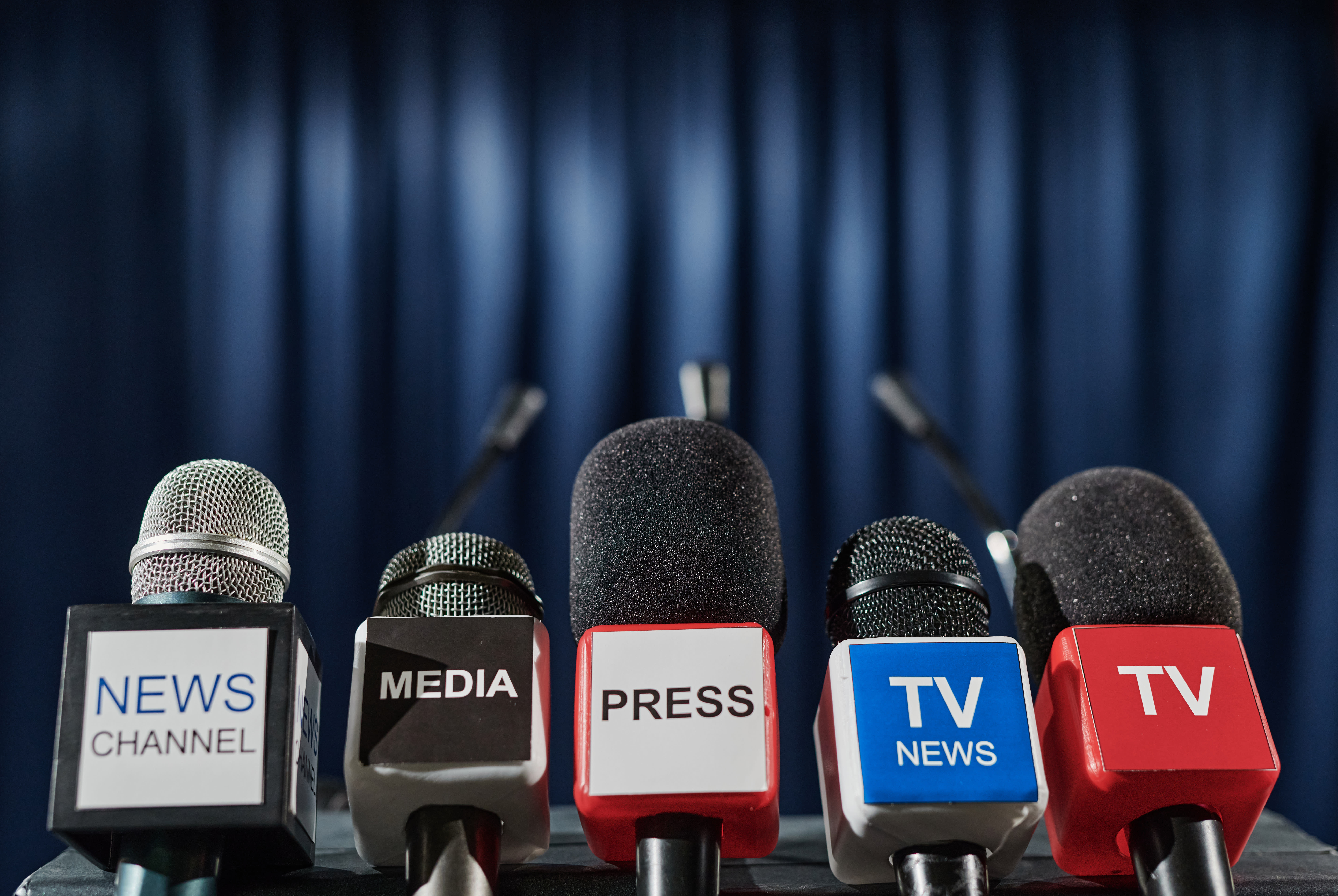
News media play a critical role in our society. For centuries, they’ve painted a picture of the world and shared it with their readers. But what kind of image are they sharing?
In 2020, a Gallup/Knight Foundation study found that 8 out of 10 Americans believe there is a fair amount of political bias in news media. A study by the University of Rochester, covering the years 2014 to 2022, shows that major U.S. news outlets are becoming more biased. This is the precise opposite of what we would like to see.
Another problem is the lack of trust in the media. Because of the above, people are less likely to trust what is said in the news. This becomes problematic. Comparing it to weight loss again—if we don’t trust the experts, then the likelihood that we’ll take their suggestions seriously is rather low.
Interestingly, people choose what facts to believe in. The Gallup research mentioned above shows that while most people believe news media are biased, only 3 out of 10 believe their news media is biased.
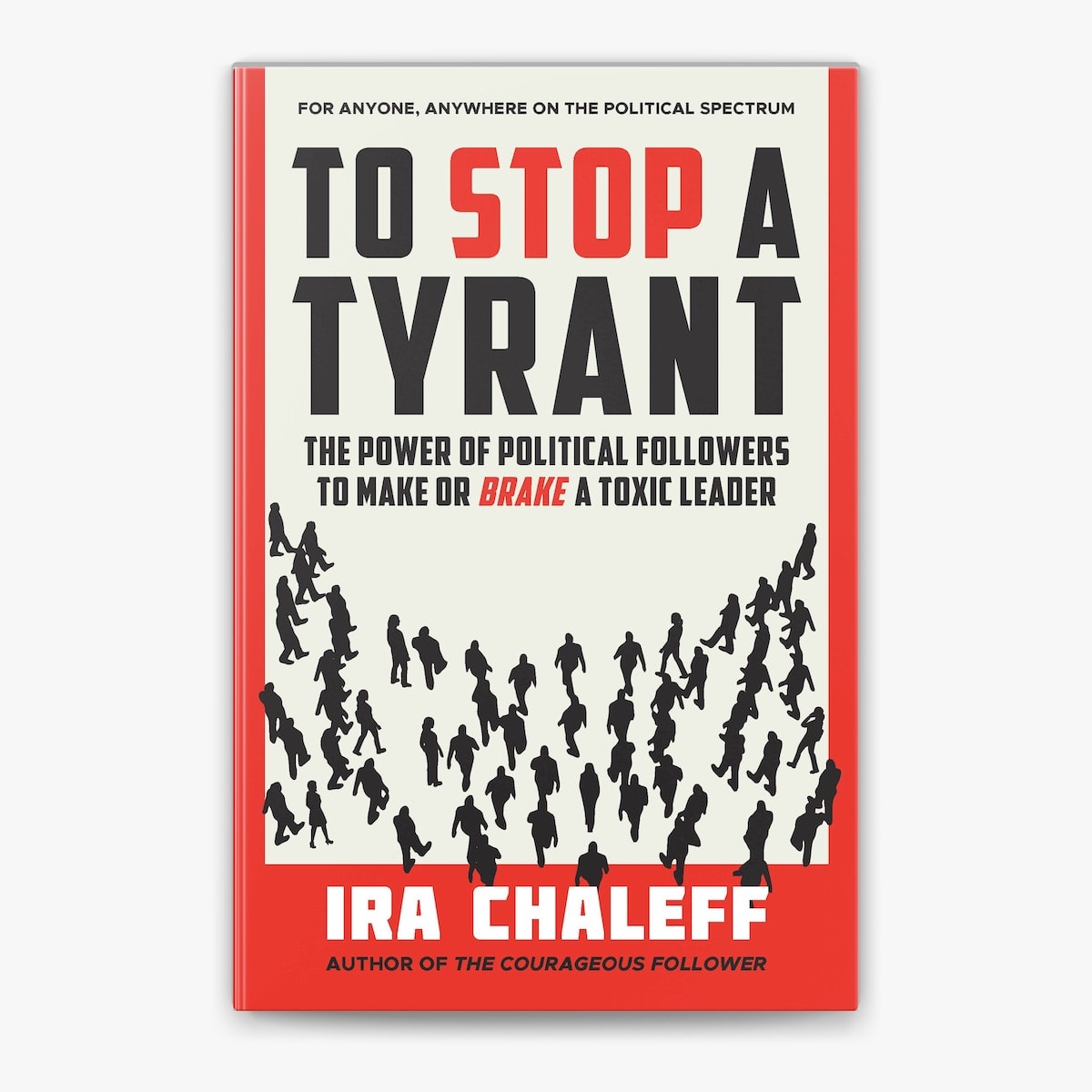 Ira Chaleff’s book - To Stop a Tyrant. So what can we do?
To begin with, we need to amplify the discussion on news media objectivity. As consumers of news, we have a responsibility to demand objectivity from our sources. You wouldn’t accept buying rotten food—so why would you accept rotten news?
Second, media must be accessible to everyone. Many news sources require payment and thus become inaccessible to people who cannot afford to subscribe to several different outlets. But this is doable. If The Guardian, YouTube, Google, and Spotify can provide free versions (albeit with advertisements), then so can other serious newspapers.
To conclude, Chaleff’s point about information diversity is key—but now we need to discuss how to create an environment where this becomes doable for everyone.
Missed previous posts?