Is the Traditional Project Management Approach Still Relevant in 2025?
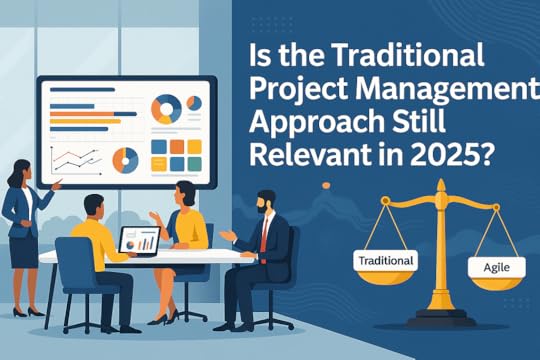 Is the Traditional Project Management Approach Still Relevant in 2025?Introduction
Project management has been the backbone of organizational success for decades. From Gantt charts on paper to AI-powered dashboards, the discipline has evolved dramatically. But with rapid technological change, remote work, global teams, and new methodologies emerging every year…
The question remains:
👉 Is the traditional project management approach still relevant, or do we need to rethink the way we deliver projects in 2025 and beyond?
Waterfall, PRINCE2, and PMBOK-based project management approaches have stood the test of time because they offer:
Structured planning: Clear timelines, milestones, and deliverablesPredictability: A well-defined scope and budgetStakeholder clarity: Everyone knows what to expectHowever, these approaches often face criticism for being rigid and struggling in dynamic, fast-changing environments.
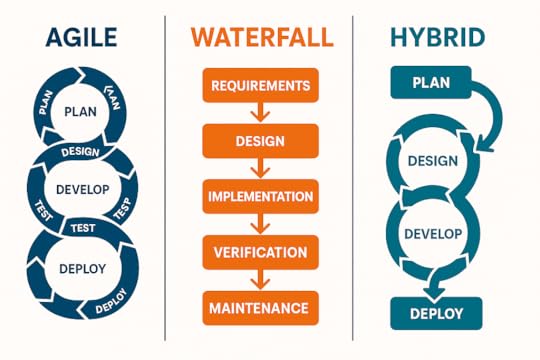 Infographic comparing Traditional, Agile, and Hybrid approaches — highlighting strengths and weaknessesThe Rise of Agile and Hybrid Models
Agile, with its focus on flexibility, iteration, and collaboration, has gained massive adoption in software development and beyond. Hybrid approaches — blending Agile’s adaptability with Traditional’s structure — are now common in industries like construction, engineering, and manufacturing.
Why Hybrid is thriving:
Projects can adapt mid-course without losing controlRisk management is more proactiveTeams deliver value incrementally while keeping stakeholders engagedThe Key Challenges in 2025Regardless of the methodology, project managers in 2025 face:
Managing global, remote, and cross-cultural teamsBalancing scope, time, and cost in volatile marketsLeveraging AI and automation without losing the human touchEnsuring stakeholder alignment across multiple channels How can project manager stay adaptableWhat This Means for Project Managers
Success in 2025 requires adaptability and continuous learning:
Master multiple methodologies — be ready to switch when the project demands itAdopt digital tools for real-time tracking and reportingFocus on soft skills like communication, leadership, and conflict resolutionBuild resilience in both processes and teamsFinal ThoughtsProject management isn’t dying — it’s transforming.
Traditional approaches still hold value for large, complex, high-risk projects. Agile and Hybrid offer the flexibility needed in rapidly changing environments.
The winning strategy? Know when to apply which approach — and be willing to evolve as your project landscape changes.
 Related Resource
If you’re looking for a complete, ready-to-use library of project management templates, dashboards, and tools, explore PMMilestone.org — with 12,000+ professional resources to save time, improve efficiency, and deliver projects successfully.
Trending Hashtags#ProjectManagement #PMO #Leadership #Agile #Waterfall #HybridProjectManagement #BusinessStrategy #TeamManagement #ProjectSuccess #PMBOK #ChangeManagement #WorkSmarter #ProjectPlanning #PortfolioManagement #AgilePM
[image error]