THE PROMISE
THEPROMISE
Ofoolish Galatians! Who has bewitched you that you should not obey the truth,before whose eyes Jesus Christ was clearly portrayed among you as crucified? Thisonly I want to learn from you: Did you receive the Spirit by the works of thelaw, or by the hearing of faith? Are you so foolish? Having begun inthe Spirit, are you now being made perfect by the flesh? Have you sufferedso many things in vain—if indeed it was in vain? Therefore Hewho supplies the Spirit to you and works miracles among you, does He doit by the works of the law, or by the hearing of faith? – just asAbraham “believed God, and it was accounted to him for righteousness.” Thereforeknow that only those who are of faith are sons of Abraham. And theScripture, foreseeing that God would justify the Gentiles by faith, preachedthe gospel to Abraham beforehand, saying, “In you all thenations shall be blessed.” So then those who are of faith areblessed with believing Abraham. Galatians 3:1-9.
Introduction
Inthe following, we’re going to look at the promise of the gospel. The promise ofGod is eternal life to all those who keep on believing in Jesus Christ. We’llfocus on a couple of things to do with this wonderful promise: How the promiseis displayed and how the promise is conveyed.
ThePromised Displayed
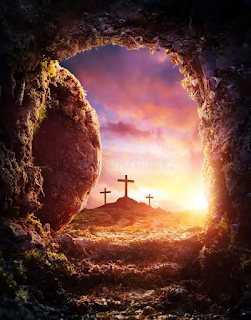 Image from WebThepromise is displayed in and by the gospel message, which is to say that thepromise of forgiveness of sins and everlasting life is portrayed in the Gospel.In the Gospel we see the righteousness of God revealed in Jesus Christ. Therighteousness of God is revealed at the cross. Christ’s cross is where justice andmercy embrace each other.
 Righteousnesshas to do with justice. At the cross God dealt in a just manner with our sins. Sinis the breaking of God’s Covenant commands, which is to break His Law. Ourdisobedience shows us our rebelliousness towards God. But Jesus Christ perfectlykept all the commands of God’s Law, as a, nay, as the Adamic Covenant ofWorks, the pre-Fall covenant that Adam failed to keep, the covenant thatcondemned Adam and Eve and all of us (Rom. 5:12, 17-21).
So,we ask the question: Why did God punish Jesus Christ if He never broke the Law?And the answer is: Jesus took the punishment you and I deserve! He did itbecause you and I had no righteousness of our own. You and I were covenantbreakers. Which means that we are unrighteous, and in need of righteousness tobe right with God.
Allof mankind outside of Christ are covenant breakers. And God’s justice demandsthey pay the price for breaking God’s law, that justice be done. But God notonly displays justice at the cross, but there He displays His mercy too – in,whosoever believes in the Righteous One who hung on that cross pouring out Hisblood shall never perish but have everlasting life. In this is the Promisedisplayed that all who believe, i.e., believe in the One who was crucified,will never be put to shame. They have been transferred from being under thecondemnation of the old covenant, and they have entered into a new covenantrelationship with God – in and through Jesus Christ.
Theynow belong to the covenant community of God. They have a new relationship tothe Law of God. No longer is the law something which condemns them to death,For them, the Law has taken on a new role, a spiritual role. Paul sayselsewhere, “For we know that the law is spiritual” (Rom. 7:14). Spirituallydead people cannot discern spiritual things (1 Cor. 2:14). Therefore, the Lawonly condemns them. But the Law of God is spiritual. The Word of God testifiesto this. Therefore, the Galatians are demonstrating a lack of discernment bytheir faulty view of the Law.
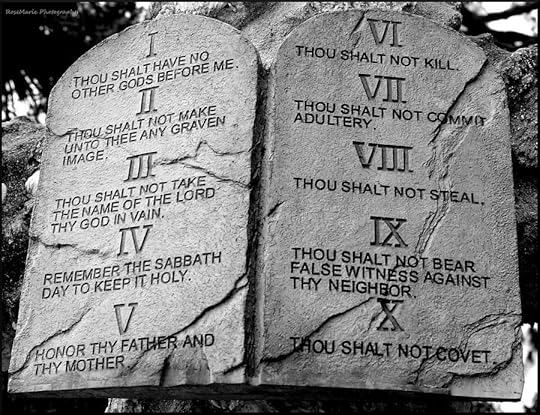 Image from WebThefoolish Galatians ought to be seeing the Law as a signpost, pointing them toChrist and His cross. However, instead of responding with thankful gratitude toGod for His grace in Jesus Christ’s crucifixion, by listening to the Judaizersinstead of Paul, the Galatians were placing themselves once more under thebondage of the condemning Law. The were turning the spiritual covenant of graceinto the dead covenant of works, the law of condemnation. They were followingthe Law that condemns instead of the Christ who forgives. Thus, they wereseeking God’s justice as opposed to seeking His mercy.
Itis at the cross we see the proper spirit in which the Law of God is to be kept.Christ on the cross kept the Law out of a pure love for God and for His neighbour– including you and me as believers. For this is how God the Maker of the Lawso loved the world. That whoever believes in His righteousness, His Law asrevealed in His Son, shall not perish but have everlasting life. In otherwords, we are are to believe in the Gospel, “For in it the righteousness of Godis revealed from faith to faith; as it is written, ‘The just shall live byfaith’” (Rom. 1:17). So, we live by faith alone and not by works oreven faith plus works.
However,the Lord expects to see the evidence of this belief displayed in those who arein covenant with Him. This is displayed by keeping the spirit of the spirituallaw of God, which is obedience to God out of love for Him and your neighbour, andnot by trying to keep the Law as a Covenant of Works, i.e., to earn salvation.(We’ll be covering the fruit of the Spirit separately a little further on.)
Whenwe compare our feeble efforts at keeping God’s Law to the great Law keeperJesus Christ, we clearly see that we are sinners in need of salvation. Theteaching of the Gospel has always been that it’s salvation by grace alonethrough faith alone in Christ alone according to Scripture aloneto the glory of God alone. And the promise of salvation always has beenintegral to the Gospel. Indeed, the heart of the good news is that promise. Andnow that Christ has lived, died, resurrected, and ascended, the promise is mademore sure.
TheGalatians are on the verge of departing from the clear teaching of the Gospel. Theyare in the process of turning their backs on the Word of God, Scripture. So,Paul displays the promise again as he goes through the Gospel point by pointwith the Galatians. We can take it for granted that they had a good workingknowledge of the whole Bible, if not, how would you justify Paul referring tothem as “foolish” Galatians? By his choice of words Paul demonstrates that theyknow the Biblical doctrine of the Gospel.
Paulhad taught them the Gospel as it is contained in the entire Bible. He didn’tteach them a gospel contained in a nutshell. He called them foolish becausethey were turning their backs on the clear teaching whole Bible, (i.e., as perthe whole Old Testament and whatever New Testament books were available to themat that time). Paul expected them to recognize heretical teaching from ahundred paces away. Hence, “O foolish Galatians! Who has bewitched you that youshould not obey the truth?” “I gave you the truth, the whole truth and nothingbut the truth when I gave you the Gospel! You know that the sacrifices of Godare not sacrifices of burnt offerings, but the sacrifices of God are a brokenspirit, a broken and contrite heart.”
Abroken spirit and the broken and contrite heart have always been the requiredcondition in those with whom God has covenanted. The Gospel, then, is designedto break the hardest of hearts. It is designed to show you up as a hard-heartedsinner against God. It is designed to reveal the love and grace of God to hell-deservingsinners. The Gospel is the hammer that smashes the cold hearts of stone topieces. It is the arm of comfort around the broken-hearted. But the Galatianswere beginning a process of hardening their hearts toward God. Therefore, Paulbrings out the hammer to smash their hearts to pieces. But the Galatians knowthat Paul isn’t doing this out of hatred toward them but out of love. They knowthat Paul is doing this with a broken heart, with tears. But he is obligatedout of love for God and the Galatians to remind them of their covenantobligations lest they be cut off.
 See Amazon for a copyIput it to you that Paul is using Covenant language here in Galatians 3 andfollowing. It happens throughout Scripture where the Lord reminds His people ofHis covenant. Paul is reminding the Galatians of the covenant God made betweenHimself and them (with Christ as there Representative).
Thestandard form is that the Lord reminds His people who He is and what He hasdone for them. Then He invites them to state their case as to why they are beingdisobedient to Him. I’ll give a couple of examples: The Lord through Isaiah inIsaiah 43:25-26 says, “I, even I am He who blots out your transgressions forMy own sake; and I will not remember your sins. Put Me in remembrance; let uscontend together; state your case, that you may be acquitted.” Or Micah 6:3-4,“O My people, what have I done to you? And how have I wearied you? Testifyagainst Me. For I brought you up from the land of Egypt. I redeemed you fromthe house of bondage; and I sent before you Moses, Aaron, and Miriam.” “Ofoolish Galatians! Who has bewitched you that you should not obey the truth,before whose eyes Jesus Christ was clearly portrayed among you as crucified?”(Gal. 3:1).
TheLord is saying here through His Apostle, “I am the God who loves you. Iredeemed you from bondage by sending My Son, My only begotten Son, to die on across for you. Therefore, why are you being disobedient to Me? I have loved you.I have made a covenant with you. The crucified Christ displayed before you inthe gospel is My covenant with you! Therefore, look to Him for life and not to yourown works. For in the crucified Christ, I promise everlasting life to all whorepent of their sins and believe in Him.”
TheGospel, then, is the good news promising God’s grace to fallen man. Therefore,the Gospel is the token or reminder, or sign of that promise. The Gospel, then,is the covenant, the covenant of grace. The covenant of grace began to berevealed early in Scripture, right after the fall and is recorded in Genesis3:15, “And I will put enmity between you and the woman, and between your seedand her Seed; He shall bruise your head, and you shall bruise His heel.”. However,the covenant of grace wasn’t fully revealed until Christ was crucified, dead,buried and resurrected, yes, and ascended, and the canon of Scripture wasclosed.
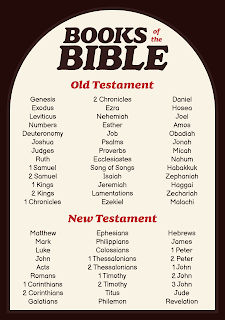 Image from Web
Thosewho are in Christ are under the new covenant, i.e., the covenant of grace, aswere the post-Fall Adam, Noah, Abraham, Isaac and Jacob and all the Old Testamentsaints. They then, and we now, are no longer under the old covenant, the covenantof works, as were and now are all unbelievers whether Jew or Gentile.
Aperson must believe in Jesus Christ and His works to be freed from the slavery andbondage of the old covenant of works. He must believe in Christ alone and Hisworks alone to come under the covenant of grace. This is not to say thatthere’re none under the covenant of grace who act as if they are still underthe covenant of works.
Thecovenant revealed Mount Sinai with the giving of the moral, ceremonial andjudicial law, was still also the covenant of grace. However, the Pharisees inparticular, took the Mosaic covenant and made it into a covenant of works. Andthe confusion among Christians today is that many believe God gave to Moses HisLaw as a covenant of works on Mount Sinai, rather than an administration of Hisgrace, His covenant of grace. This causes some to pit law against the grace ofthe gospel as if somehow, they were opposites. But this is only true when thelaw is misapplied and misused as a covenant of works. We’ll go into this ingreater detail as we move through the Epistle to the Galatians. However, for themoment, let us just say that the Old Covenant was the Covenant of Works Godmade with Adam before the Fall, and the New Covenant was the Covenant ofGrace made with those who are in Christ, and began to be revealed as such rightafter Adam fell.
Downthrough the ages the Lord has always provided reminders of His grace to fallenman. Perhaps the one that is most taken for granted is the sign of the rainbow.“And God said, ‘This is the sign of the covenant which I make between Me andyou, and every living creature that is with you for perpetual generations; Iset My rainbow in the cloud, and it shall be for the sign of the covenantbetween Me and the earth’” (Gen. 9:13).
Tothis day, the rainbow remains as a sign of God’s covenant of grace. But therewere also more particular signs for God’s people: Circumcision and Passover. Theseof course were superseded by the New Testament pictures of Baptism and Communion.Please do not disconnect Circumcision from Baptism or Passover from the Lord’sSuper. As were the former bloody ordinances, so now are the latter unbloody ordinances:They are portrayals or displays of the promised Christ and Him crucified, i.e.,the Gospel. Christ’s bruised heel crushed the serpent Satan’s head,
Theelaborate Old Testament sacrificial system, the Ark of the Covenant, the Templeetc., was simply an ultra-visual display of God’s Covenant of Grace to Hispeople. They were to trust in the One whom the pictures displayed, because itwas all a picture of the Christ to come. But now that Christ the reality hascome, the old pictures of God’s covenant of Grace are no longer needed. Nowthat the Lamb of God has shed His blood, the pictures of God’s covenant with usare fewer and simpler. i.e., Baptism and Communion. These are simply visualsigns of the verbal proclamation of the Gospel. The sign of the Covenant ofGrace today then is the preaching of the Gospel. That’s why the Lord throughHis Apostle is reminding the Galatians who He is. And He is reminding them ofHis goodness towards them. He is displaying the promise of everlasting life tothem in the Gospel. The heart of which is Christ and Him crucified.
ThePromise Conveyed
Thepromise is conveyed by the Spirit working with His Word in the hrearts of men,women, and children. The Spirit conveys God’s grace to the individual individually!Paul asks, “Did you receive the Spirit by works of the law, or by faith?” (Gal.3:2). The Galatians know about the Holy Spirit because they had received Him.
Whatdoes it mean to receive the Spirit? To keep it simple, for now let’s just saythat to receive the Spirit is to receive Christ. To receive the Spirit is toreceive the promise displayed in the Gospel. Therefore, whether you speak ofreceiving the promise or whether you talk about receiving Christ or whether youtalk about receiving the Spirit, you are talking about the same thing.
Youcannot receive the promise without receiving the Spirit, because the Spirit isthe Spirit of Jesus Christ (Phil. 1:19). And yet at the same time the Spirit isthe third Person in the Godhead. However, His role in the Covenant of Grace isto apply the promise displayed in the Gospel to all of God’s children, i.e.,His elect. But to receive the promise as an individual is to have the Spiritcome and dwell with(in) you. And if the Spirit lives in you, then Christ is indwellingyou by His Spirit. In simple terms it means that you are a personal recipientof God’s gospel promise.
 Image from WebDuringWWI in particular, because they didn’t always have reliable equipment to relaymessages, they used carrier, or messenger pigeons. They would tie the messageto the bird’s leg or strap it to its back and send him home to roost. Well, without any disrespectintended, the Spirit of Christ, the Holy Spirit, the Celestial Dove, has beensent home by God the Father to roost in your heart. The message in your heartis the same Gospel which has broken your heart. For in the gospel therighteousness of God is displayed (Rom. 1:17). Therefore, wherever Paulpreached the Gospel the power of God was released. This power is the power ofChrist’s covenant keeping righteousness. The Spirit would fly then, as it were,and land upon those whom God had chosen before the foundation of the world tobe in Christ (Eph. 1:4).
Withoutthe work of the Spirit the gospel falls on deaf ears. The Spirit then, is theOne who brings the message home. He conveys it to the individual, and He bringshim/her into a new covenant relationship with God.
Whatdid Jesus say He was sending the Spirit to do? “And when He has come, He willconvict the world of sin, and of righteousness, and of judgment...” (John 16:8).But He also says, “He [the Spirit] will testify of Me” (John 15:26b). So then,when Paul proclaimed the gospel to the Galatians the Spirit was present. Andwhat was the Spirit doing? He was working in the hearts of the Galatians. Hewas testifying to the truth of the Gospel message.
Anintegral part of the Gospel is the revelation of the true spiritual nature ofthe Law. For how else could the Spirit convict them of sin, righteousness, andjudgment? In brief, the Spirit was bearing testimony to the truth of theeverlasting gospel.
TheJudaizers who were misleading the Galatians were seeking to detach the Gospelfrom the Law. If you detach the Gospel from the Law you end up with Legalism. Ifyou detach the Law from the Gospel you end up with Antinomianism. But eitherway you end up with a false gospel – which is no Gospel at all. And Paul saysif anyone preaches any other gospel but his, “Let him be accursed” (Gal. 1:6-9).And they are accursed because they are still under the condemnation of the Covenantof Works and not under the Covenant of Grace.
Adamwas spiritually alive when he was under the Covenant of Works before the Fall.Before he fell, Adam loved God with all his heart, soul and strength. And Adamloved his neighbour (Eve) as he loved himself. Therefore, he could see thespiritual nature of the Law because he was spiritual. He had not becomespiritually dead as happened when He broke God’s Law. But when he became acovenant breaker, he could see only condemnatory judgment in the Law. Thereforethe Law of God became something he hated. He hated it because it was judginghim instead of excusing him (Rom. 2:15). But when he caught a glimpse of therighteousness of Christ in the Gospel as God revealed it to him after the fall,he clung to the promise. He clung to the promise of eternal life that he hadforfeited in the Garden. Christ alone is that promise.
Whatthe Gospel displays to the ear and the eye externally, the Spirit conveys tothe heart internally. The Spirit testifies in the believer’s heart that thesethings are true (Rom. 8:16). The promise then is displayed by the gospel and itis conveyed by the Spirit.
Conclusion
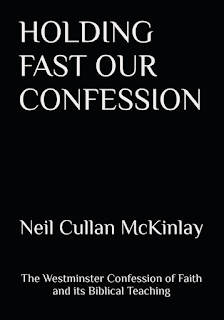 See Amazon for a copyIwould like to encourage you to take a covenantal approach to the Gospel. Howelse can the Gospel be understood if not in terms of God’s Covenant? The ChurchReformers understood the Gospel covenantally. The Westminster Confession of Faithwas written from the Biblically covenantal perspective because the whole Bible iswritten from a covenantal perspective. Yet very few churches today hold acovenantal theology. There’s a certain amount of lip service here and there,but that’s all. But that’s because they are not Reformed.
ReformedTheology is Covenant Theology, which is the theology of the Bible, which coverto cover is the Book of the Covenant. Therefore, if you want to see truerevival and true reformation in the churches, then pray for a return toCovenant Theology! Or, to put the same thing another way, pray for a return tothe clear teaching of the Gospel.