
Exploring Martinique Through the Elements: A Journey into Wind, Fire, Water, and Earth
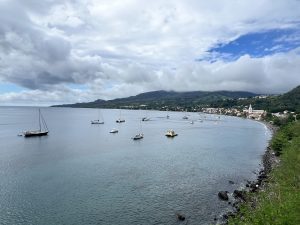
Martinique doesn’t just sit in the sea; it rises from it. Born of fire, carved by water, rooted in earth, and shaped by the wind. I came for the water, for the diving, but what I found was more layered and endlessly compelling. The island speaks through its elements. Each holds a story.
Wind: A Force That Moves EverythingThe winds carried warships.
They carried enslaved people.
And celebration too.
Feeling the trade winds whip across my face, it’s impossible not to sense the island���s layered history. At a seaside restaurant on the Atlantic coast, the force tears through the open-air terrace, tossing hair and launching napkins off the table. Kite surfers carve the distance, their sails catching the same relentless gusts that once filled the rigging of passing ships.
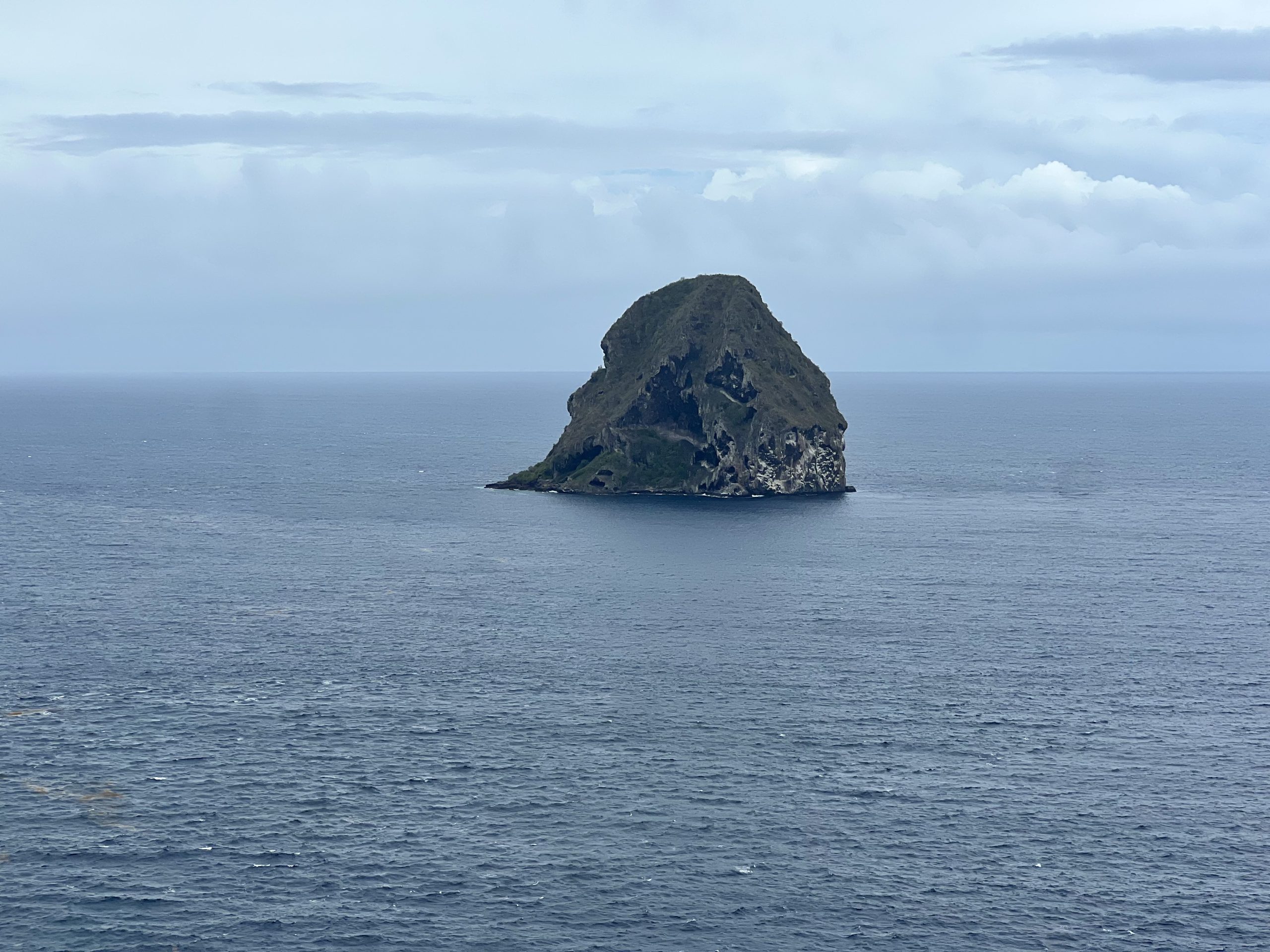 Diamond Rock, Martinique. Photo courtesy of Nola Schoder
Out in the Caribbean Sea, Diamond Rock still watches the waves. In the late 1800’s, the British went so far as to Commission it as a warship in its own right: ���Her Majesty of the Sea, Diamond Rock.��� Over 100 sailors lived on this bare rock for 17 months, stocking it with goats for food, cannons for defense, and even a makeshift chapel. From this perch, they controlled French shipping lanes until the French finally retook it. Legend says the victory came through barrels of rum hoisted up the cliffside, enough to leave the garrison too drunk to resist.
Across the shore, the CAP 110 Memorial stands quiet and solemn. Fifteen statues facing the open sea mourn the victims of slavery. Here, a slave ship crashed against the coast. The winds that filled sails also scattered lives. Looking up at the unblinking faces, each with a thousand emotions, the air feels heavier.
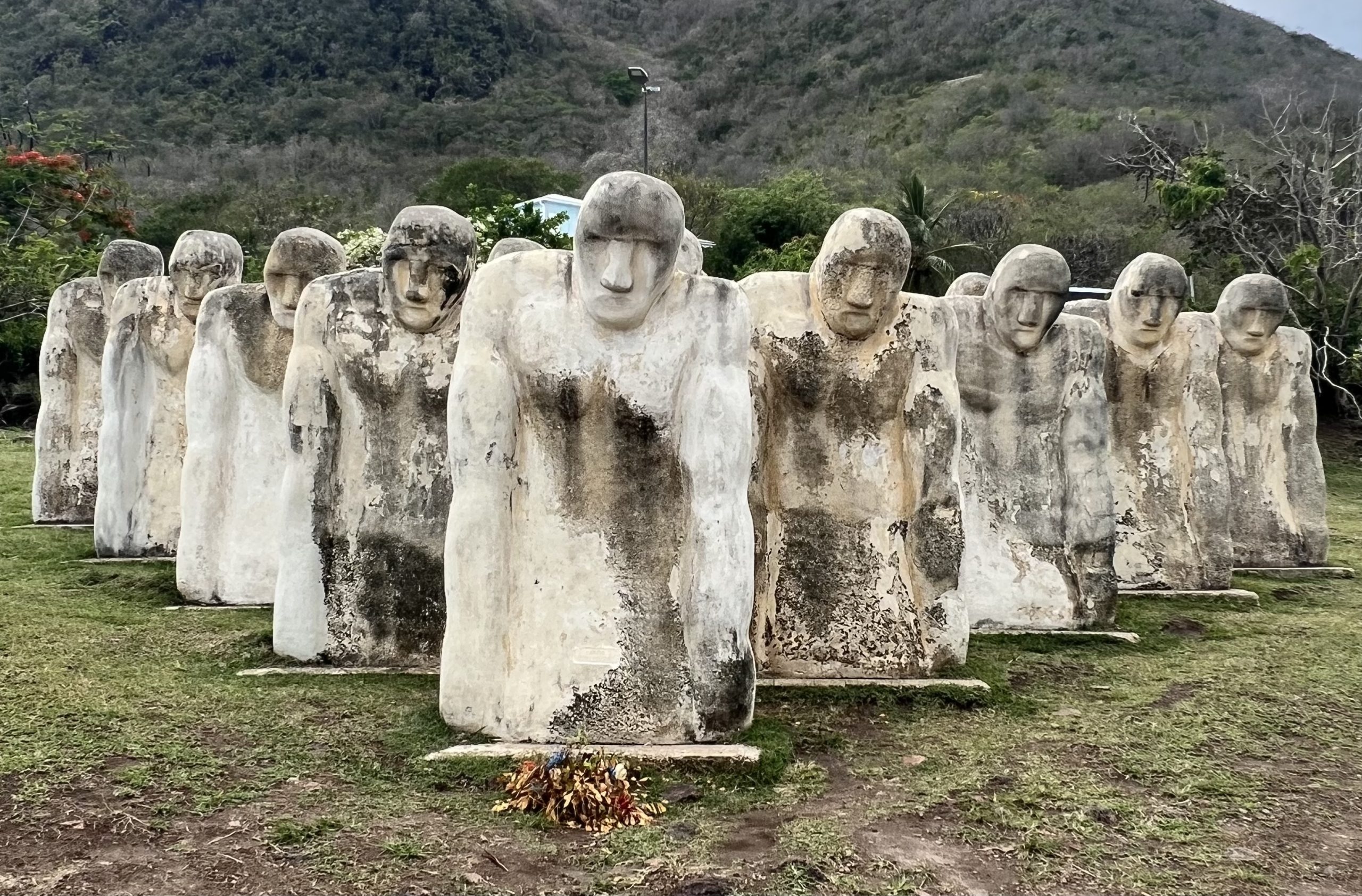 CAP 110 Memorial in Martinique. Photo courtesy of Nola Schoder
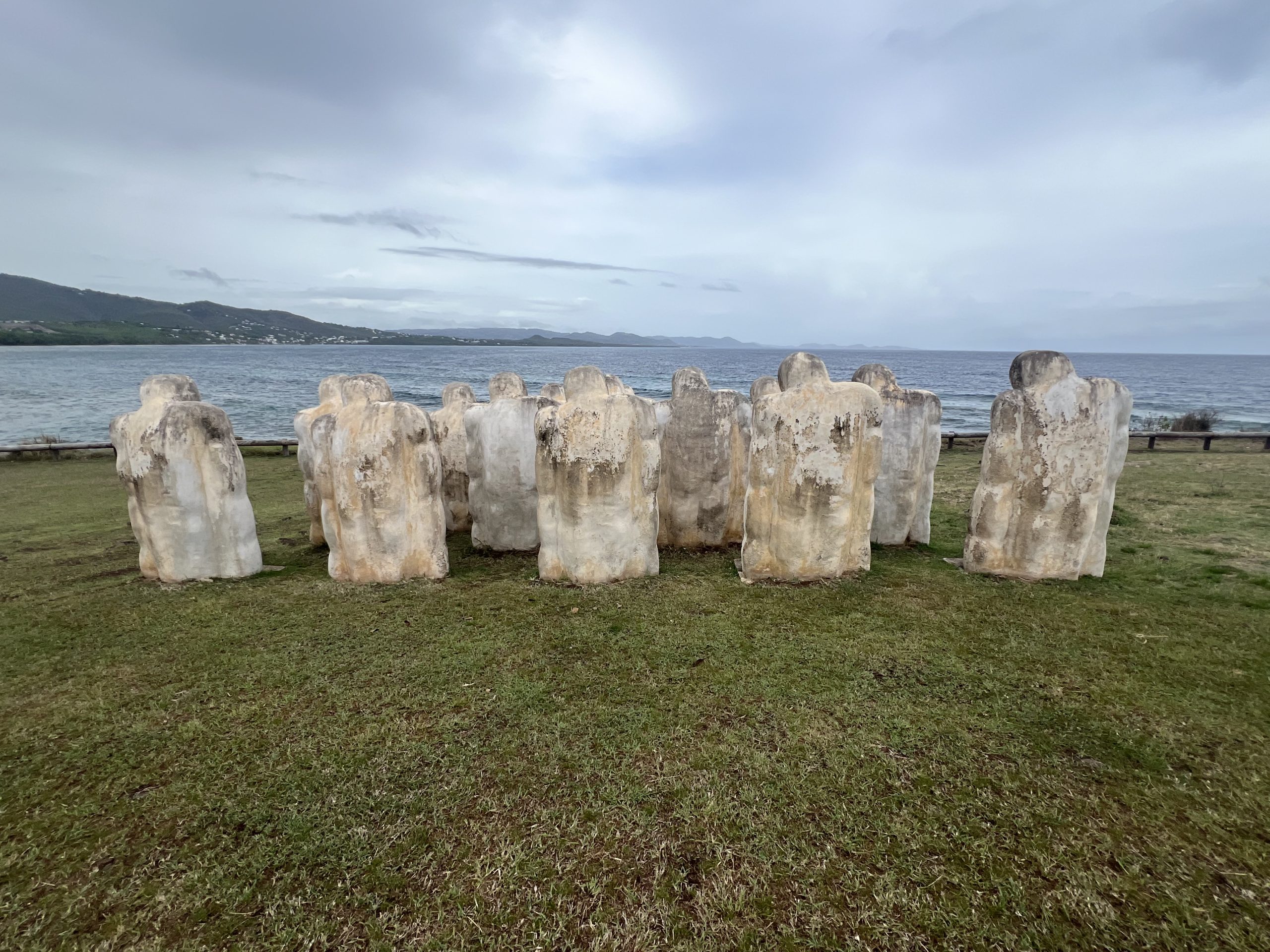 CAP 110 Memorial in Martinique that points 110�� to the Gulf of Guinea, in memory of the unknown victims of the slave trade. Photo courtesy of Nola Schoder
Then there’s the Tour des Yoles Rondes, where the island���s best sailors harness those same winds. Colorful, chaotic, and deeply local. It’s a celebration of traditional boats that fly around the island, powered only by wind and muscle.
Fire: The Day Everything BurnedMartinique doesn���t just have a volcano.
It is one.
Overlooking Saint-Pierre���s bay, I envision the harbor crowded with wooden ships, their masts piercing the skyline before Mount Pel��e���s eruption erased them all in 1902. On May 8th, Pel��e let loose a pyroclastic surge of hot ash that ignited a firestorm barreling down the mountainside at over 300 miles per hour.
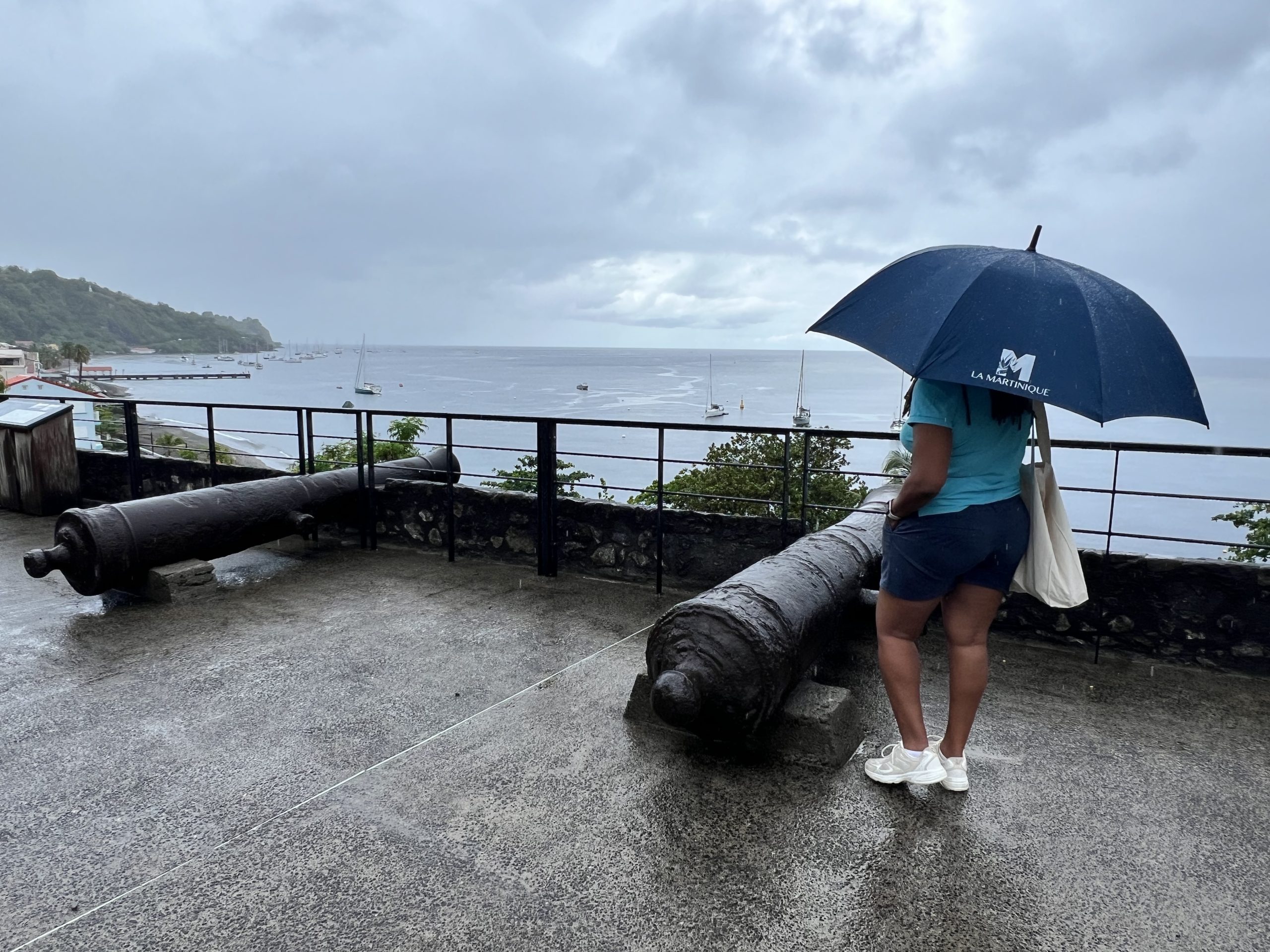 Claude of La Martinique overlooking the Saint-Pierre bay. Photo courtesy of Nola Schoder
A single prisoner in a stone cell survived what 30,000 others did not. Louis-Auguste Cyparis was pulled out days later, burned, but alive. He became a symbol of survival. He toured with Barnum & Bailey as ���The Man Who Lived Through Doomsday.���
But fire does not only embody destruction. Every year, during Carnival, controlled flames bring renewal. The effigy of Vaval, the King of Carnival, is burned on a pyre, marking the end of the season and clearing way for a new one.
Fire took the city, but even in ash, something always rises.
Water: Rain to SeaWater is the island’s heartbeat.
It tells stories that the island alone cannot.
From Anse Dufour���s glassy cove to Anse Bonneville���s surf-ready waves, the sea���s relationship is intimate. Kayakers float through mangrove mazes, divers slip silently into hidden tunnels, and families gather along the shore for picnics. For divers, to sea itself is an archive, a literal immersion in history and ecology, from wrecks resting beneath the waves to coral gardens pulsing with life and wonder. You don’t need to dive deep to feel the pull of the sea, though those who do will find a world just as vibrant below the surface.
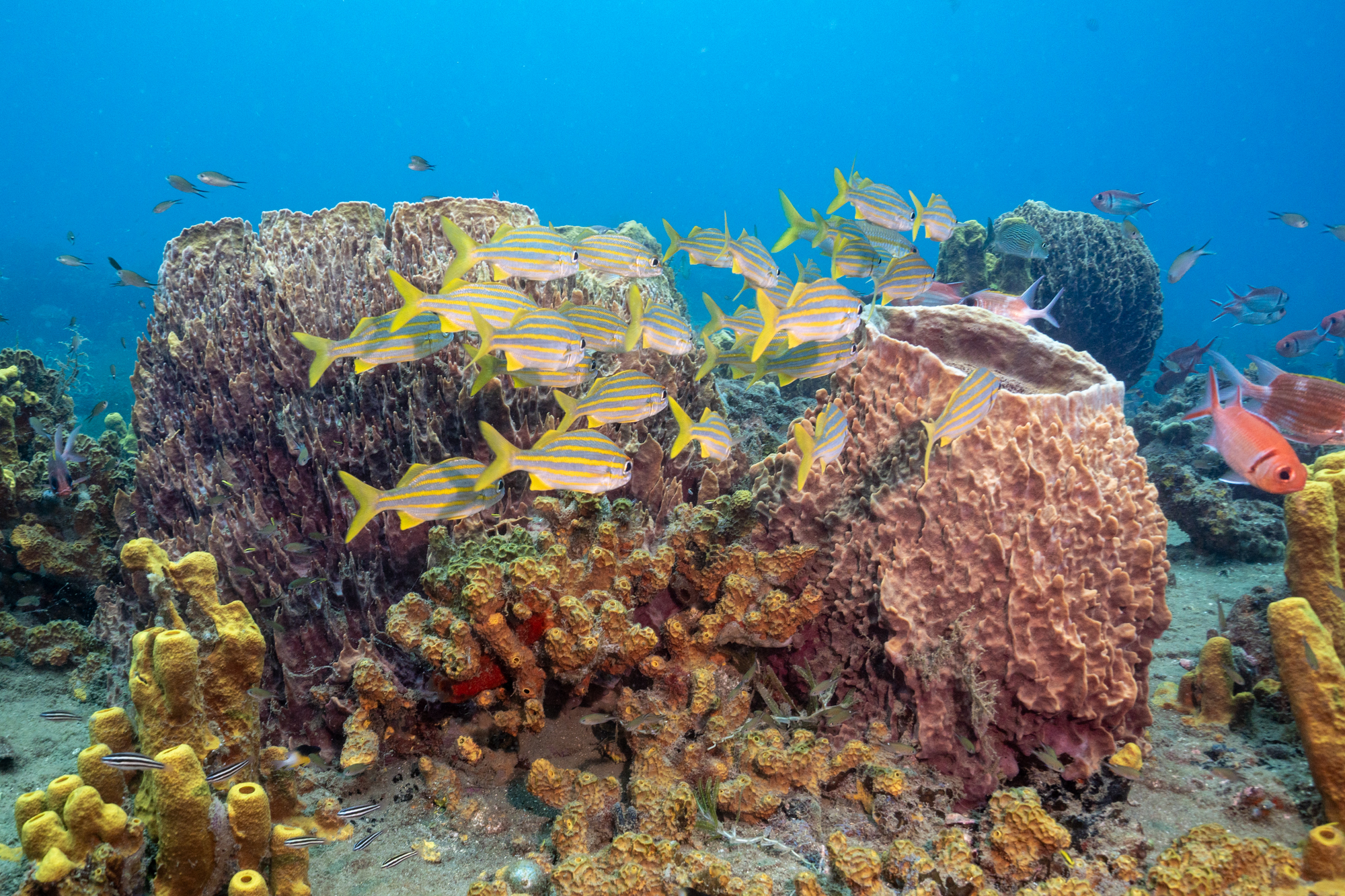 Vibrant underwater life in Martinique. Photo courtesy of Nola Schoder
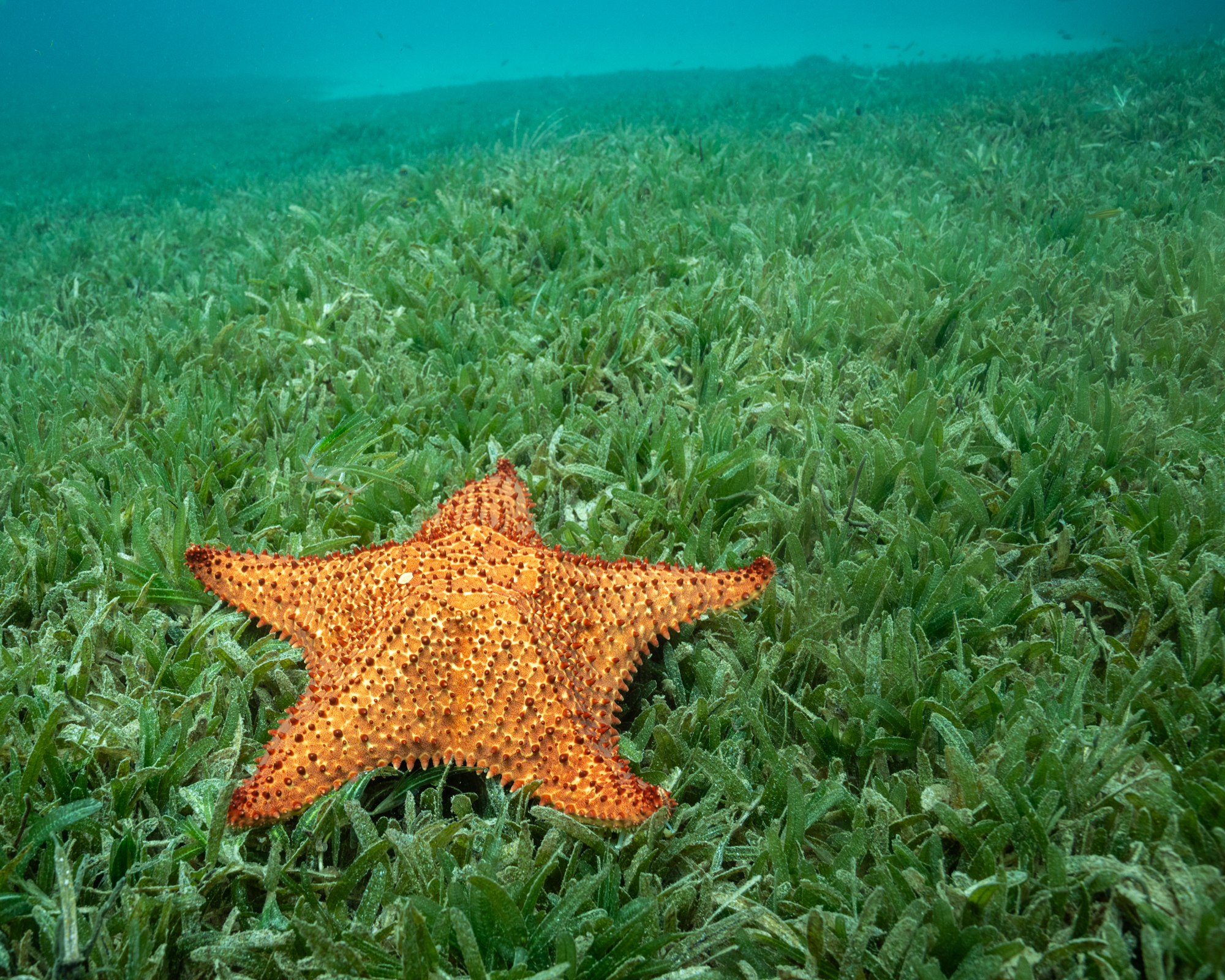 Vibrant underwater life in Martinique. Photo courtesy of Nola Schoder
Beyond the sea���s embrace, water continues to shape life. One afternoon in Morne Rouge, the highest town on the island, rain lashes the streets, soaking us as windshield wipers fight to keep pace. The downpour accentuates the curves of the tropical greenery on the ���island of flowers.��� I imagine the waterfalls roaring in the distance, and in the small fishing villages lining the coast, the daily life of families, boats, and market stalls unfold with the tides, weaving through the island���s story as surely as fire and wind.
Earth: AOC Rum, Soil, and SugarcaneEarth is tangible.
It holds the island in its hands.
The scent of fermentation lingers in the humid air. Sweet, grassy, almost intoxicating. At Habitation Cl��ment, I walk the grounds where cane fields ripple like a green sea, their blades fierce, protecting the land. These fields are more than scenery; they are the rhythm of labor, the legacy of culture, and the pulse of the island���s identity. Unlike many rums distilled from molasses, Martinique���s rhum agricole is pressed directly from sugarcane, giving it a flavor deeply tied to terroir: the idea that taste reflects the land it comes from… volcanic soil, tropical rain, sunny spirit, and traditions of cultivation. I swirl the glass, tasting the grassy bite, and think of the history under my feet.
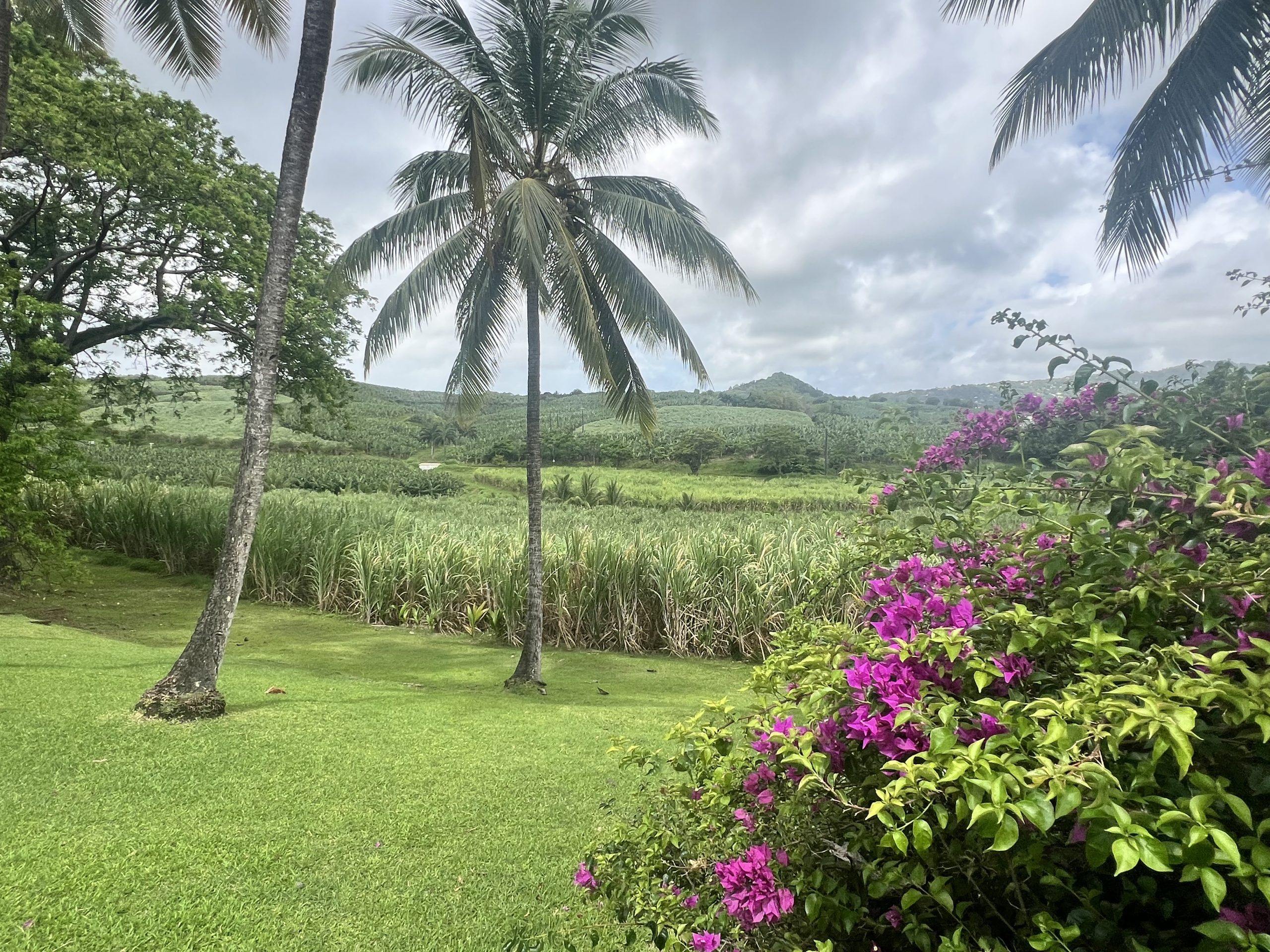 Sugarcane field at Habitation Cl��ment in Martinique. Photo courtesy of Nola Schoder
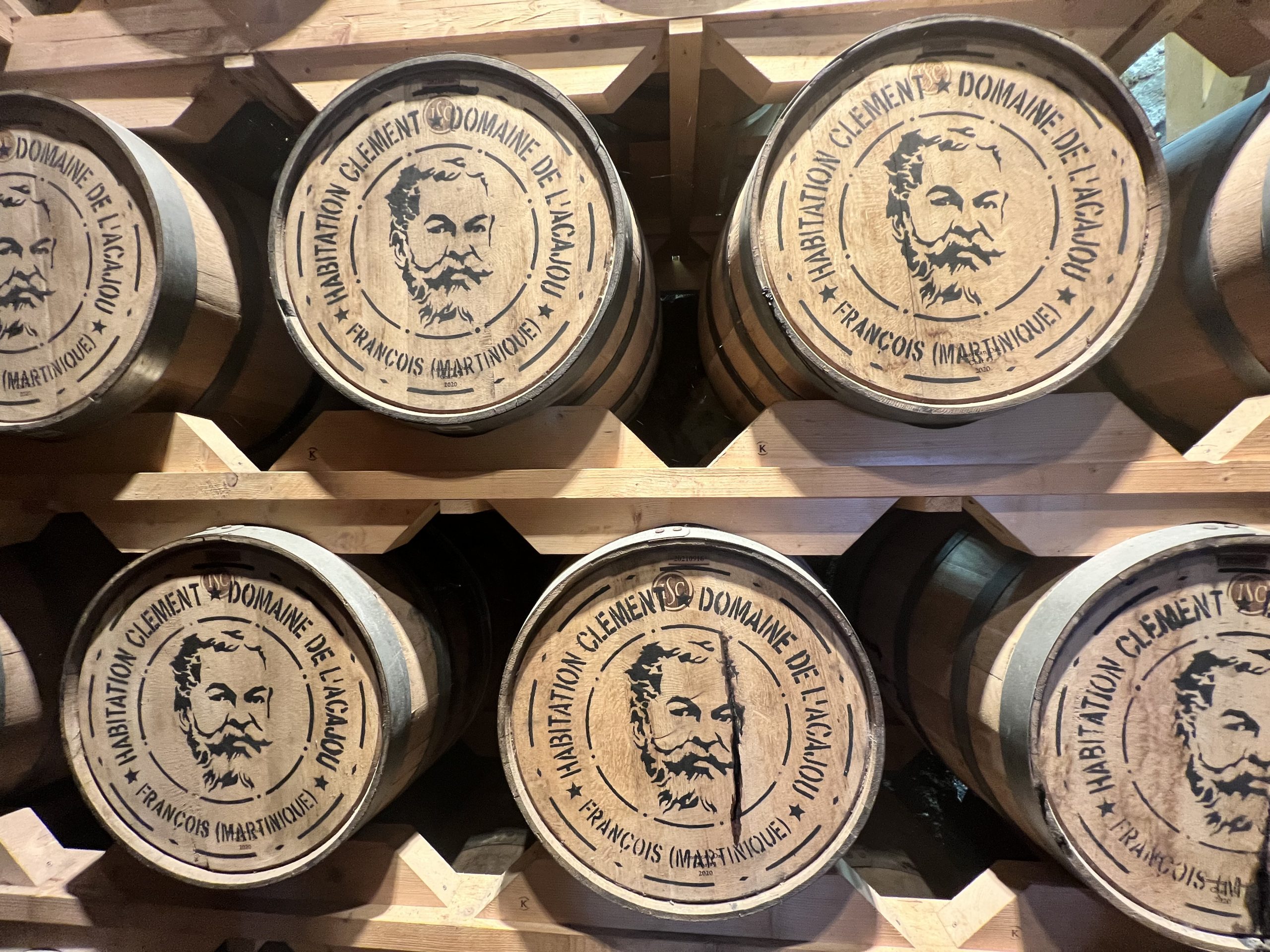 Habitation Cl��ment rum barrels in Martinique. Photo courtesy of Nola Schoder
Martinique���s rhum agricole carries the coveted French appellation d���origine contr��l��e (AOC) distinction, the same that governs its wine regions. Think Champagne. Think Cognac. They have strict rules to authenticate and protect quality. Each distillery, over 14, expresses the land in its own way, turning tastings into an homage to the island���s geography and culture.
But the earth holds more than flavor. Its fertile volcanic soil has sustained generations, shaping both the island���s economy and its people. Agriculture, from sugarcane to bananas, remains the backbone of the landscape even as tourism dominates. The legacy of plantation labor and the deep connection Martinicans have to the land is embedded in every furrow, every cane stock.
All Forces CombineEach element leaves its mark, shaping memory, growth, and resilience. Wind through my hair, fire under my feet, earth in my hands, water luring me. In Martinique, these forces coexist and interact, carving the land, moving its people, and inspiring stories that flow from one element to the next. The island is not just a destination; it’s a story written in the elements themselves, waiting to be experienced and remembered.
***
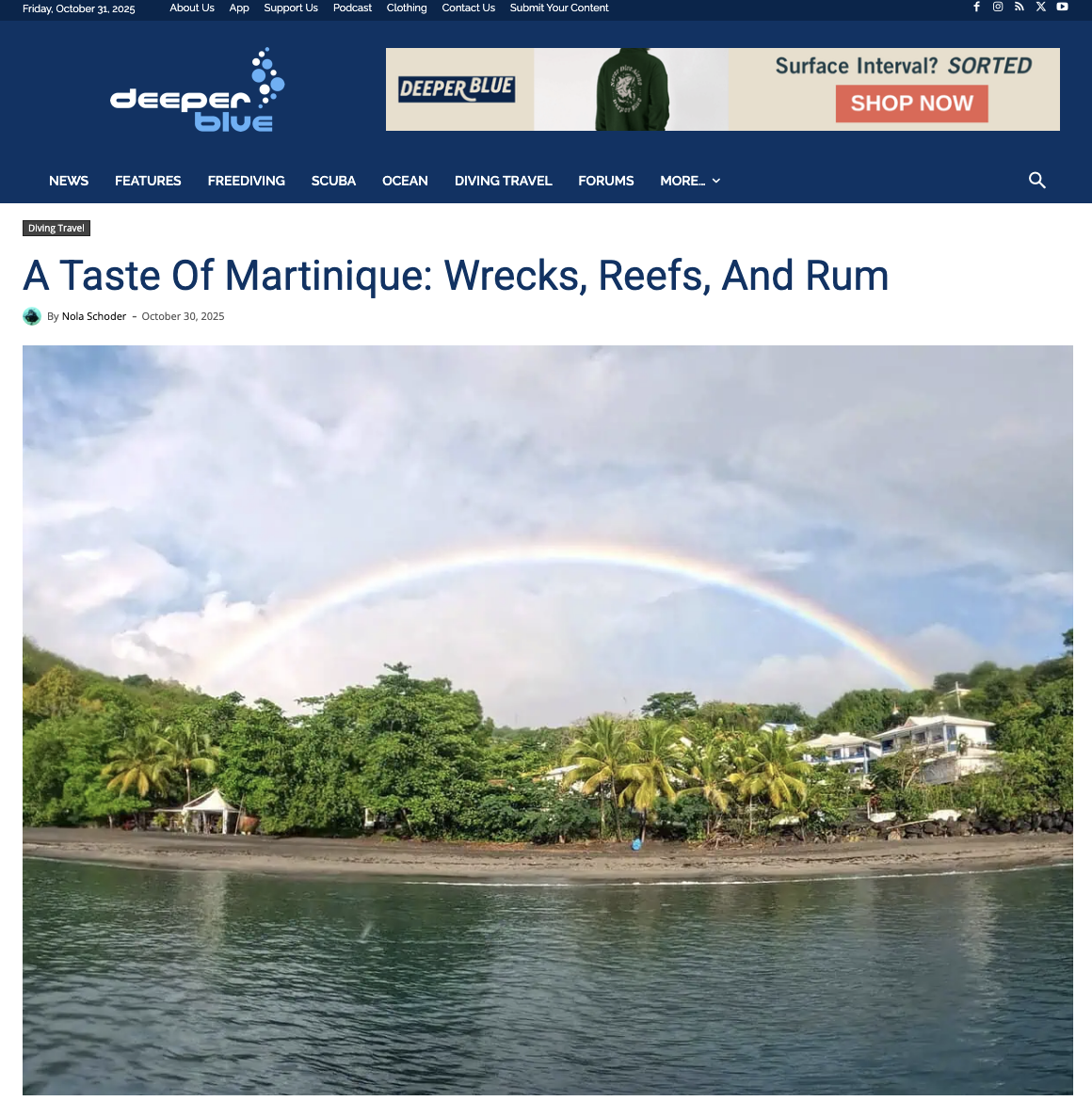
I visited Martinique on assignment for a scuba diving feature and was inspired to develop this complementary narrative. The dive feature can be seen at at DeeperBlue ��� A Taste of Martinique: Wrecks, Reefs, and Rum
A Taste of Martinique: Wrecks, Reefs, and Rum
On my first night in Martinique, I ate lionfish ceviche to the sound of soothing surf and a man in short shorts pouring rum as if it were holy water. It was an introduction I hadn’t expected, especially on a dive trip.
If I had to describe Martinique in one word, it would be colorful. I arrived with little background, just an open palate, and what followed was a tasting menu of the island…. Read more.
View this post on InstagramA post shared by Nol (@nola_seas)
The post Exploring Martinique Through the Elements: A Journey into Wind, Fire, Water, and Earth appeared first on We Said Go Travel.


We Said Go Travel

- Lisa Niver's profile
- 57 followers

