SNOW AND FIRE
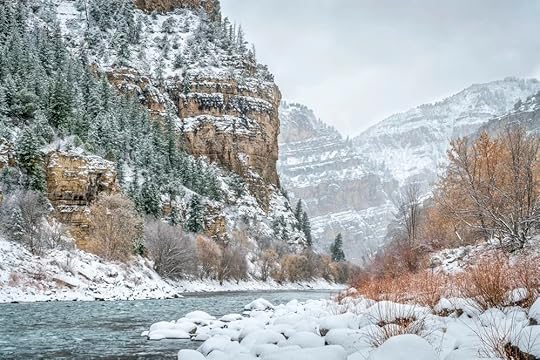
It’s time to pay attention…not panic, but concern. The NOAA 30-day and seasonal forecasts are out and they track the Farmer’s Almanac predictions for another water-short winter. In the west, water is an important topic but fire is the topic.
With ten of the warmest years of record having occurred in the past decade, continental drying is accelerating. Soil moisture is being depleted at an alarming rate. One hundred and fifty-eight rivers originate in Colorado, where the Rockies squeeze moisture moving west in the form of snow. Snowpack is nature’s reservoir, the source of our rivers.
The NOAA forecasts show a warmer, dryer, and windier winter in the lower Colorado basin and a warmer and windier winter for the upper Colorado River basin. That forebodes drought. Drought translates to wildfire risk. Warmth means more precipitation falls as rain, not snow. With that runoff occurs at once, not measure and slowly over the spring and summer. Wind robs snowpack of its water content in a process known as sublimation. Even if the heavens bless the Rockies with an average water year, warmth and wind can reverse a good snowpack, just as it did in 2025.
Wind also brings dust from the great American deserts in Arizona and Utah that falls on snowpack in the Rockies. As you may recall from the last time you rented a black car in Arizona, the darker an object, the hotter it becomes from the sun. The process of albedo, the sun’s rays are absorbed, not reflected. The result is snowpack melts faster. This is why with the loss of arctic sea ice, the Arctic is warming at a rate three times that of the rest of the planet (the ocean is darker than sea ice).
So, what to do? What can one do? On a micro scale, create a defensible fire buffer around homes, conserve water, make personal choices that reduce you water and carbon footprint. On a macro scale, vote. As a country, we seem to talk past the other side. In reality, everyone cares about their children’s future, about the American farmer and food security, and everyone wants a cleaner and secure environment for future generations. We aren’t as divided as the new channels and pundits proclaim.
With any luck, NOAA and the Farmer’s Almanac are wrong. Wishful thinking is seldom a good last resort.