Driving Effective Coaching In The Workplace – The COACH Framework
In today’s dynamic workplace, coaching is more than a skill, it's a mindset that fosters growth, engagement, and performance. Whether you're a leader, manager, or peer, adopting effective coaching behaviours can transform how individuals and teams evolve.
We teach into our COACH framework—Curiosity, Observation, Awareness, Commitment, and Holding Space, as this offers a powerful guide to creating impactful coaching relationships.
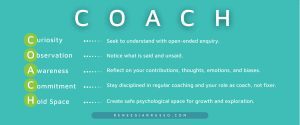
Seek to understand with open-ended enquiry.
Curiosity is the cornerstone of effective coaching. It’s about approaching conversations with genuine interest and a desire to understand, rather than to fix or judge. Coaches who lead with curiosity ask open-ended questions that invite reflection and exploration. This behaviour encourages coachees to think critically and uncover their own insights.
For example, instead of asking, “Did you finish the task?”, a curious coach might ask, “What did you learn while working on that task?” This shift opens dialogue and promotes ownership. Curiosity also helps coaches remain present and flexible, adapting to the unique needs and perspectives of each individual.
O – ObservationNotice what is said and unsaid.
Effective coaching requires keen observation, not just of words, but of tone, energy, and body language. Coaches must tune into both verbal and non-verbal cues to fully understand what’s happening beneath the surface. Is the coachee enthusiastic or hesitant? Are they avoiding eye contact or speaking with confidence?
By observing these subtleties, coaches can identify emotional undercurrents, unspoken concerns, or areas of resistance. This awareness allows for more empathetic and tailored support. Observation also involves noticing patterns over time, helping coaches track progress and adjust their approach accordingly.
A – AwarenessReflect on your contributions, thoughts, emotions, and biases.
Self-awareness is a vital trait for any coach. It involves regularly reflecting on your own thoughts, emotions, and biases and understanding how these influence your coaching style and interactions. Coaches must be mindful of their triggers and assumptions, ensuring they don’t project their own experiences onto others. Coaching is not about the coach.
For instance, a coach who values speed might unconsciously push a coachee to make quick decisions, even when a more thoughtful approach is needed. By ramping up awareness, coaches can remain neutral, supportive, and open to diverse perspectives. This behaviour also models emotional intelligence, encouraging coachees to develop their own self-awareness.
C – CommitmentStay disciplined in regular coaching and in your role as coach, not fixer.
Commitment in coaching means showing up consistently and honouring the process. It’s about being disciplined in scheduling regular sessions, following through on actions, and maintaining a coaching mindset. Importantly, commitment also means resisting the urge to “fix” problems for others.
Effective coaches empower coachees to find their own solutions, rather than offering quick fixes. This builds confidence and capability. Commitment also involves investing time in developing your coaching skills by seeking feedback, learning new techniques, and staying curious about your own growth as a coach.
H – Hold SpaceCreate safe psychological space for growth and exploration.
Holding space is the art of creating a safe, non-judgmental environment where coachees feel seen, heard, and valued. It’s about being fully present, listening deeply, and allowing others to express themselves without fear of criticism or interruption.
When coaches hold space effectively, they foster trust and openness. Coachees are more likely to share vulnerabilities, explore new ideas, and take risks. This psychological safety is essential for meaningful growth and transformation. Holding space also means respecting boundaries, honouring confidentiality, and being patient with the coaching journey.
The COACH framework offers a practical and powerful approach to building effective coaching relationships in the workplace. We have rolled this framework out to hundreds of coaches.
By embodying Curiosity, Observation, Awareness, Commitment, and Holding Space, coaches can inspire growth, unlock potential, and create a culture of continuous learning.
Whether you're coaching a team member, peer, or leader, these behaviours help shift conversations from transactional to transformational. They encourage deeper connection, greater accountability, and lasting impact.
In a world where adaptability and emotional intelligence are key, mastering the COACH traits is not just beneficial, it’s essential.
As always, I’d love to hear what has resonated with you.
Lead to be limitless.