We Didn’t Evolve for This
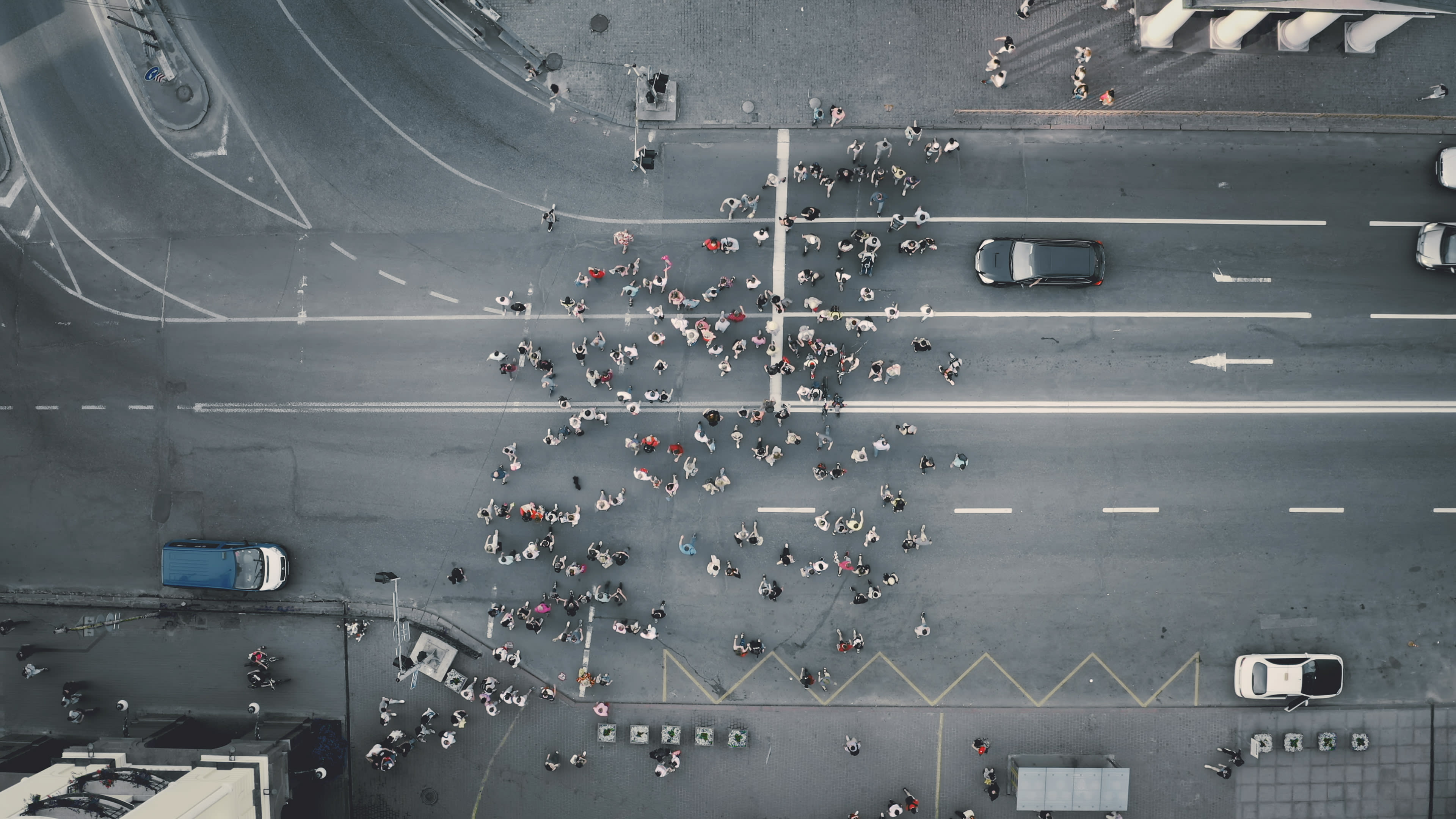
I recently read an article by evolutionary anthropologists Colin Shaw and Daniel Longman, who argue that our biology isn’t adapted for modern cities. Everyday stressors—traffic, office pressure, constant digital stimulation—trigger ancient systems built for life-or-death situations.
Humans evolved to live in small bands of 25–50 people where everyone participated in decision-making that affected their lives. Today we share our space with thousands (if not millions) of others, and most of us stand on the sidelines while others make important choices for us.
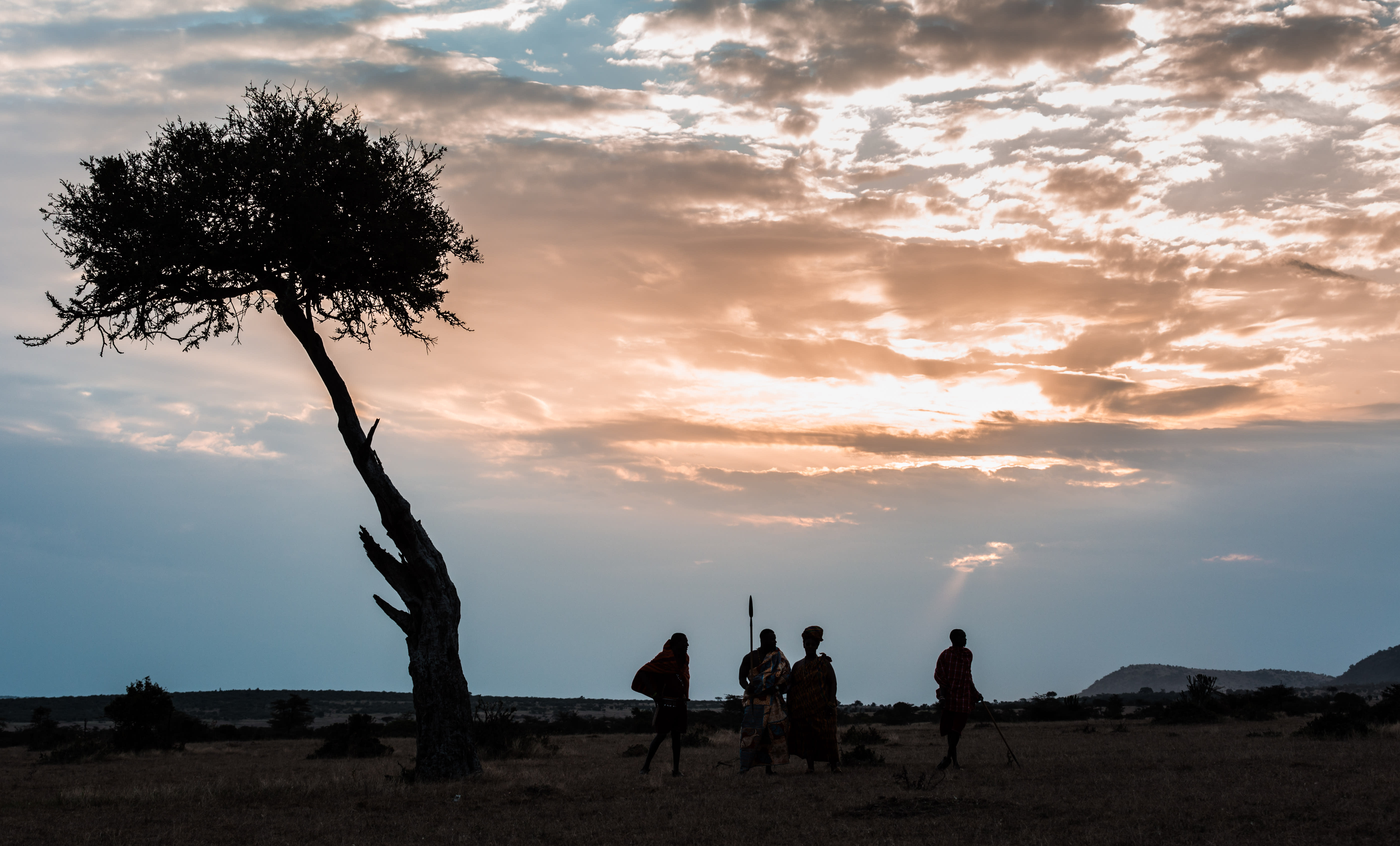
My point is this: We may have structured ourselves hierarchically, with managers and cubicles, but that doesn’t mean we’ve discovered the optimal way to collaborate. I believe that, just as cities have outpaced our evolution, so has the way we organize work.
I’m utterly convinced that the future belongs to the companies, organizations, and even countries that best align structure and culture with our evolutionary wiring.
What would it look like if we designed work environments fully adapted to human nature? One thing is certain: the way we organize ourselves today is not the only way. Better structures and models exist — we just need the courage to explore them.
This is why I argue we should explore the natural process of leading and following—where followers aren’t subordinates, and leaders aren’t decision-makers. Doing so, I believe, will lead to discoveries that can fundamentally change how we collaborate and create together.