AI Engine Optimization: How to Rank in ChatGPT, Perplexity, and Google AI
You’ve spent years perfecting your SEO game. Your content ranks on page one. Organic traffic keeps climbing.
Then the AI revolution hits. ChatGPT explodes. Perplexity gains traction. Google launches AI Overviews.
Now your target audience isn’t searching anymore. They’re conversing with AI.
If your content strategy still revolves around traditional search rankings alone, you’re invisible to the fastest-growing segment of online users. The digital landscape has shifted, and AI Engine Optimization is no longer optional—it’s essential for survival.
What Is AI Engine Optimization?AI Engine Optimization is the practice of structuring and creating content so artificial intelligence platforms cite your brand when generating responses to user queries.
Think of it this way: traditional SEO gets you ranked in search results where users scroll through multiple links. AI Engine Optimization gets you mentioned directly in the answer itself—no scrolling required.
Here’s an example of traditional SEO:
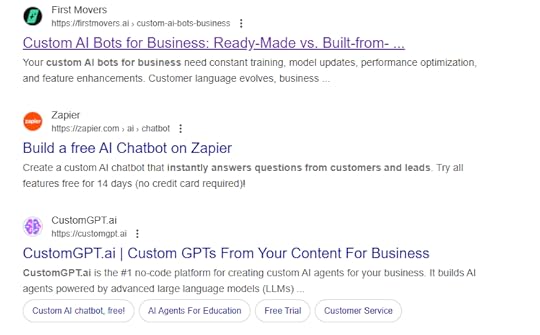
And here’s an example of AEO:
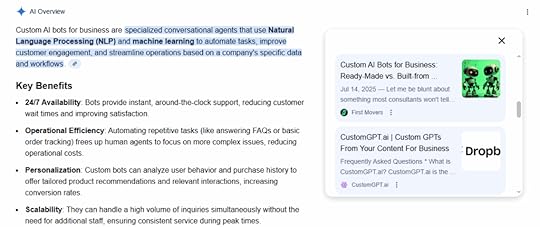
When someone asks ChatGPT “which CRM works best for small agencies,” the AI synthesizes information from across the web and delivers one cohesive response. AI Engine Optimization ensures your brand name appears in that response.
The platforms work differently than Google’s algorithm. They prioritize conversational language, authoritative sources, clearly structured information, and content that directly answers questions. Your job is to give them exactly what they need.
Why AI Engine Optimization Matters in 2025The shift toward AI-powered search isn’t coming. And it’s super important. Here’s why:
1. AI Users Are Ready to BuyTraffic generated through AI Engine Optimization carries dramatically higher purchase intent compared to traditional organic search.
When someone types “CRM software” into Google, they could be anywhere in the buying journey. Maybe they’re a college student writing a research paper. Maybe they’re casually browsing.
But when someone asks Perplexity “what’s the top-rated CRM for real estate teams under $100 per month,” they’re days away from pulling out their credit card.
AI queries are specific. They’re action-oriented. They signal immediate buying readiness.
These users have moved past awareness. They’re evaluating options and making decisions. They want recommendations they can act on right now.
2. Younger Audiences Have Already SwitchedResearch from WebFX shows that 60% of millennials and Gen Z now turn to AI platforms first when researching products and making purchase decisions.
This isn’t a small early-adopter crowd anymore. This is mainstream behavior.
These demographics control massive purchasing power today and will for the next several decades. If your content can’t be found by AI tools, you’re essentially invisible to them.
They’re not Googling your company name. They’re asking ChatGPT whether you’re worth considering at all.
3. AI Citations Build Unmatched Brand AuthorityWhen ChatGPT mentions your brand by name in an answer, that’s endorsement you literally cannot buy with advertising spend.
The AI becomes your advocate. Users trust the recommendation because they trust the platform itself.
I mean, wouldn’t you trust something Google itself recommends?
Like this:
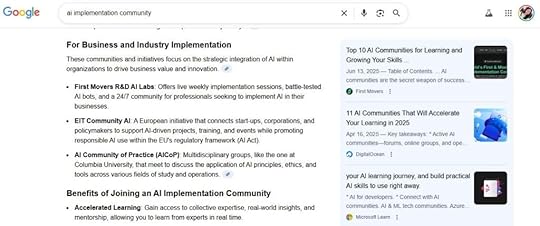
Getting cited in AI responses builds authority, credibility, and brand recall in ways traditional SEO never could.
There’s also a compounding effect. One citation can trigger direct website visits, social media shares, and additional brand searches. The visibility snowballs.
The 6 AI Platforms You Must Optimize ForAI Engine Optimization isn’t about one platform. You need visibility across multiple AI tools that users trust.
1. Google AI Overviews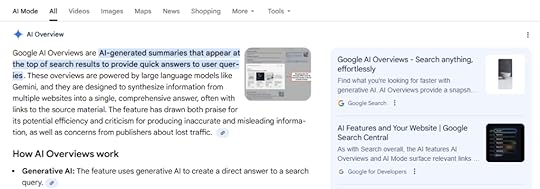
Google AI Overviews appear at the top of search results for millions of queries, providing AI-generated summaries before traditional links.
These overviews synthesize information from multiple high-authority sources to answer user questions directly.
The content selected for AI Overviews typically demonstrates expertise, clear structure, and direct answers to common questions. Google prioritizes pages with strong technical SEO foundations and authoritative backlink profiles.
2. Google AI Mode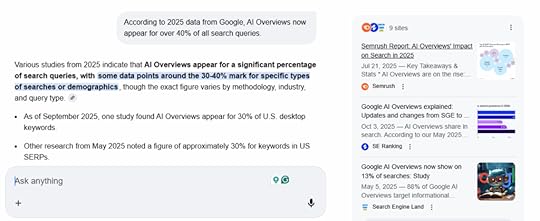
Launched in early 2024, Google AI Mode transforms traditional search into a conversational experience where users can ask follow-up questions.
Unlike standard search, AI Mode maintains context across multiple queries in a session. It remembers what you asked three questions ago and builds on that conversation.
Content optimized for AI Mode needs to address related subtopics comprehensively, not just answer one narrow question. Think topic clusters, not individual keywords.
3. Google Gemini
Gemini is Google’s advanced AI model powering both consumer and enterprise applications.
It processes text, images, code, and video to generate responses across Google’s ecosystem.
Gemini particularly excels at complex, multi-step reasoning. Content that breaks down sophisticated concepts into clear steps performs exceptionally well here.
4. Microsoft Bing Copilot
Bing Copilot integrates ChatGPT-5 technology directly into Microsoft’s search experience and Windows operating system.
The platform excels at detailed research queries and professional use cases.
Copilot favors content with clear citations, data-driven insights, and professional tone. It’s particularly strong for B2B and enterprise topics.
5. ChatGPT Search
OpenAI’s ChatGPT Search launched in late 2024, allowing ChatGPT to pull real-time information from the web while maintaining its conversational interface.
With over 800 million weekly active users, ChatGPT Search represents one of the largest shifts in how people find information online.
The platform prioritizes authoritative sources, recent content, and clear explanations written in natural language. Technical jargon without context gets ignored.
6. Perplexity
Perplexity has carved out its niche as the researcher’s AI platform, offering cited answers with direct source links.
The platform currently has 30 million monthly active users. Perplexity users tend to be professionals conducting deep research rather than casual browsers.
Content that provides unique data, expert insights, and comprehensive coverage consistently gets cited by Perplexity. Surface-level content rarely makes the cut.
AI Engine Optimization: How to Optimize Content for AI EnginesOptimizing for AI platforms requires specific techniques that differ from traditional SEO tactics.
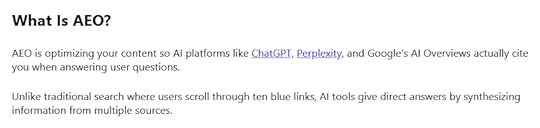
1. Lead With Direct AnswersAI algorithms scan for concise responses they can extract immediately.
Start every section with a clear two or three-sentence answer that addresses the core question head-on. Skip the preamble. Give the answer first.
Like this:
After that initial summary, expand with supporting details, real-world examples, and additional context.
This structure serves both AI extraction and human readers. The AI gets what it needs instantly. Users who want depth can continue reading.
2. Structure Content for ScannabilityBreak information into digestible chunks using bullet points, numbered lists, and tables wherever appropriate.
Research shows AI-generated answers include list formats 78% of the time because lists communicate information quickly and clearly.
Keep paragraphs short—two to three sentences maximum. Aim for sentences under 20 words when possible.
Each paragraph should make one focused point, then stop. Avoid dense text blocks that require serious concentration to parse.
3. Write Headlines That Describe Content PreciselyYour H2 and H3 tags need to clearly communicate what each section covers.
Vague headings like “benefits” or “tips” don’t cut it anymore. Instead, use descriptive headers like “why AI Engine Optimization drives higher-intent traffic” or “three platforms millennials use instead of Google.”
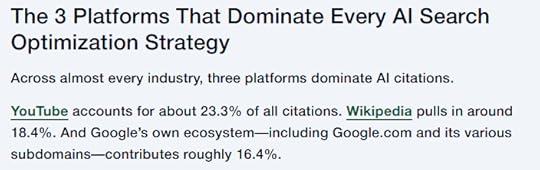
Even better, format headings as questions that mirror actual user queries. Headlines like “what makes AI Engine Optimization different from SEO?” align perfectly with how people interact with AI platforms.
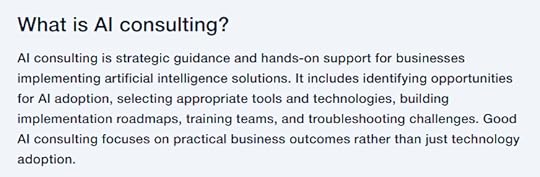 4. Define Terms and Concepts Clearly
When introducing complex topics, explain exactly what they mean and why they matter.
Use related terminology naturally throughout your content. If your main focus is AI Engine Optimization, also include connected terms like conversational search, entity optimization, and AI-powered platforms.
But integrate them organically. Forced keyword stuffing destroys readability and erodes trust.
5. Implement Strategic Schema MarkupStructured data helps AI platforms locate and extract information faster.
Add JSON-LD schema for articles, FAQs, how-tos, and organization details. Ensure your schema matches your visible content exactly—inconsistencies trigger red flags for AI algorithms.
FAQ schema works particularly well for AI Engine Optimization. When you mark up questions and answers properly, AI tools can pull that information directly into responses.
Validate your schema through Google’s Rich Results Test before publishing. Broken schema implementation helps nobody.
6. Build Strong Entity RecognitionEntity optimization means establishing a clear, consistent digital identity that AI platforms recognize and trust.
Maintain identical brand information across all platforms—your website, LinkedIn, Twitter, industry directories, everywhere. Inconsistency confuses AI algorithms.
Build relationships with other authoritative entities through partnerships, guest contributions, and collaborations. AI systems understand the web as a network of connected entities. Your associations matter.
Establish expertise through thought leadership, speaking engagements, original research, and media mentions. The stronger your entity presence, the more likely AI platforms will cite you as an authoritative source.
7. Format Content Around QuestionsAI search queries are conversational by nature.
Users ask complete questions like “how do I optimize content for AI search” instead of typing “AI optimization tips” into a search bar.
Create dedicated question-and-answer sections that directly mirror common queries. Each question becomes a heading, followed immediately by a concise answer. Like this:
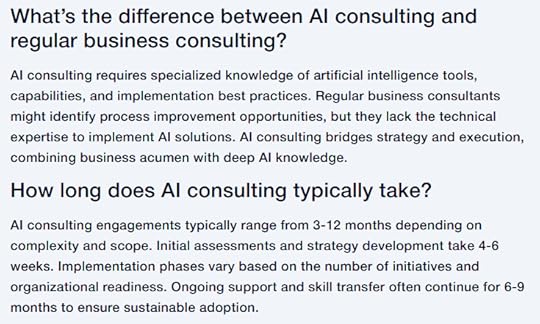
This approach aligns perfectly with how AI platforms parse and present information. You’re pre-packaging your content in the exact format AI tools prefer.
Master AI-Powered Content Creation With First Movers R&D AI LabsWant to dominate AI Engine Optimization while creating content in a fraction of the time?
First Movers R&D AI Labs gives you everything you need to build a complete AI-powered content system.
When you subscribe, you get immediate access to 40+ comprehensive courses covering content creation with AI, optimization strategies for AI platforms, voice cloning technology, and complete automation workflows.
You’ll learn how to train AI to write in your authentic voice, create content that ranks in both traditional search and AI platforms, and build systems that scale your output without sacrificing quality.
This isn’t theory. This is the exact system that helped us reach $100k monthly revenue in under a year with just two people.
Join First Movers R&D AI Labs now and get ahead of the AI content revolution.
AI Engine Optimization FAQsWhat’s the Difference Between SEO and AI Engine Optimization?The difference is in how content gets discovered and displayed.
SEO focuses on ranking in search engine results pages where users click through links. AI Engine Optimization focuses on getting your content cited directly within AI-generated answers.
SEO targets keywords and search queries. AI Engine Optimization targets conversational questions and natural language patterns.
Both matter. You need strong SEO fundamentals as a foundation, then layer AI Engine Optimization strategies on top for maximum visibility across all platforms.
How Long Does It Take to See Results From AI Engine Optimization?Most brands see their first AI citations within 30 to 90 days of implementing AI Engine Optimization strategies.
The timeline depends on your existing domain authority, content quality, and how consistently you publish optimized content.
Brands with established authority and strong technical SEO see faster results. Newer sites need more time to build the trust signals that AI platforms require.
Do I Need to Abandon SEO for AI Engine Optimization?Absolutely not. SEO and AI Engine Optimization work together.
Strong SEO foundations—technical optimization, quality content, authoritative backlinks—help AI platforms trust your content enough to cite it.
Think of SEO as the foundation and AI Engine Optimization as the next level built on top. You need both for comprehensive digital visibility in 2025.
Which AI Platform Should I Prioritize First?Start with Google AI Overviews and ChatGPT Search since they reach the largest audiences.
Google AI Overviews appear in traditional search results, so you’re reaching users who still use Google. ChatGPT Search captures the growing audience that’s abandoned traditional search entirely.
Once you’ve optimized for those two, expand to Perplexity for professional audiences and Bing Copilot for enterprise users.
Can Small Businesses Compete in AI Engine Optimization?Yes, often more effectively than large corporations.
AI platforms prioritize content quality, clarity, and expertise over domain size. A small business with exceptional content and clear authority can absolutely outrank larger competitors in AI citations.
The key is focusing on specific niches where you have genuine expertise rather than trying to compete on broad, general topics.