Sumerian Cylinder Seals Depicting Possible Merfolk
Sumerian cylinder seals often show intricate carvings of water deities, mythic sea creatures, and figures with aquatic features that resemble merfolk. These images reflect their beliefs about divine waters, chaos, and spiritual transformation. Some seals depict beings with human and marine traits, symbolizing fertility, divine power, or cosmic order. Exploring these motifs reveals a fascinating connection between myth, spirituality, and underwater symbolism—continue exploring, and you’ll uncover more about their mysterious marine imagery.
Key TakeawaysSumerian cylinder seals often feature marine motifs, including water deities and mythic sea creatures with human and aquatic features.These seals depict underwater beings symbolizing fertility, divine power, and cosmic forces, reflecting water’s sacred role in Sumerian belief.Mythical sea creatures may represent chaos monsters or divine messengers, embodying spiritual transformation and divine authority.The imagery integrates marine symbolism with celestial symbols, emphasizing water deities’ importance in religious and cosmological contexts.Scenes on seals sometimes combine human figures with aquatic elements, suggesting interactions with underwater beings or mythic narratives.Artistic Elements and Iconography of Sumerian Seals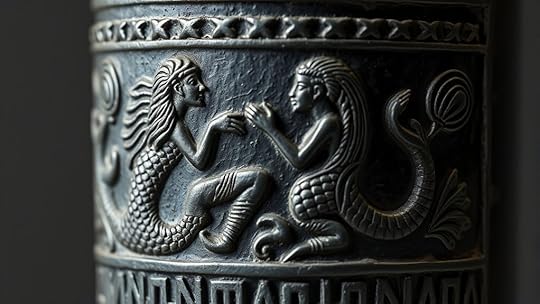
The artistic elements and iconography of Sumerian seals reveal a sophisticated visual language that communicated power, religion, and social status. Using ancient artistic techniques, Sumerian artisans crafted detailed carvings into clay or stone cylinders, creating intricate scenes and symbols. Sumerian symbolism analysis shows that each motif conveyed specific messages, often related to divine authority or societal roles. These seals feature stylized figures, animals, and abstract patterns, arranged with deliberate clarity to guarantee their messages were understood. The precision of their craftsmanship reflects a keen understanding of composition and storytelling. As you examine these seals, you’ll notice how their complex iconography served as a visual record of authority, spiritual beliefs, and cultural identity, making them vital artifacts of Sumerian civilization.
Symbols of Water and Marine Life in Sumerian Art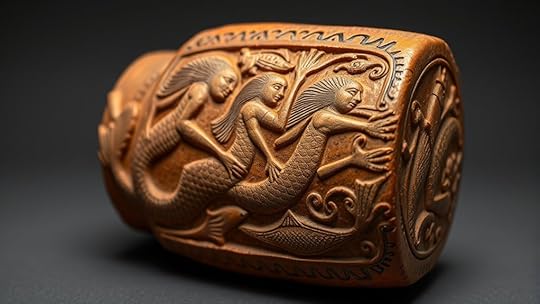
Water and marine life motifs appear frequently in Sumerian art, symbolizing fertility, abundance, and divine power. These images reflect their cultural views of water as a life-giving force and a gateway to the spiritual domain. You’ll see interpretations of merfolk and aquatic scenes that reveal deeper meanings and mythological significance.
Marine Motifs SignificanceMarine motifs in Sumerian art serve as powerful symbols of water and marine life, reflecting their essential role in daily life and spiritual beliefs. These symbols often represent fertility, abundance, and divine forces, underscoring water’s importance. Marine symbolism appears in various forms, from stylized waves to intricate mythological motifs that depict sea creatures and deities. Such imagery emphasizes water’s connection to creation and cosmic order. These motifs also highlight the Sumerians’ reverence for the sea’s mysteries. By studying these symbols, you gain insight into their worldview, where water was not only vital for survival but also a sacred element intertwined with divine narratives. The mythological motifs reveal their understanding of water as a conduit between the human and spiritual domains.
Symbolism in Sumerian CultureIn Sumerian art, symbols of water and marine life carry profound meanings that reveal their cultural values and spiritual beliefs. Water often represents life, fertility, and renewal, essential for both agriculture and spiritual harmony. Astronomical symbolism appears in celestial motifs, linking water deities to cosmic forces, emphasizing their divine authority. Marine motifs frequently symbolize abundance and prosperity, reflecting the importance of rivers like the Tigris and Euphrates in their agricultural society. These symbols highlight the interconnectedness of water, celestial phenomena, and farming practices in Sumerian culture. By integrating astronomical symbolism with agricultural motifs, Sumerians expressed their view of water as a divine force crucial for sustenance and spiritual well-being, underscoring its central role in their worldview.
Interpretations of Merfolk ImagerySumerian art often depicts fantastical beings that blend human and aquatic features, reflecting their fascination with the mysteries of water and the divine forces associated with it. These marine motifs may symbolize fertility, abundance, or spiritual cleansing, rooted in myths connected to water deities. Interpreting these images involves understanding their role in ancient trade, where seals served as symbols of authority and identity, often depicting divine or mythological scenes. Art conservation efforts help reveal subtle details that support these interpretations, showing how water symbolism conveyed power and protection. Recognizing these marine elements provides insight into Sumerian beliefs about the natural world and their interconnectedness with water’s divine symbolism. This understanding enhances our appreciation of their complex visual language.
Interpreting the Mermaid-Like Figures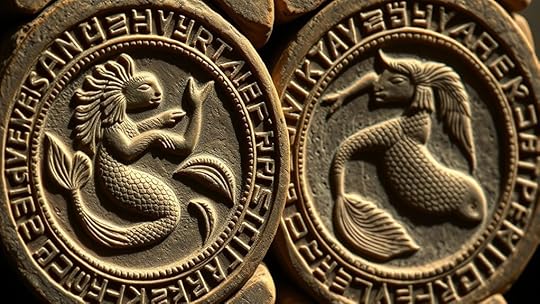
Interpreting the mermaid-like figures on Sumerian cylinder seals requires careful analysis of their symbolic features and context. Focus on their marine symbolism, such as fish tails, aquatic motifs, or wave patterns, which often represent fertility, abundance, or the divine connection to water. Consider how these figures fit within mythological narratives, where they might symbolize deities, spirits, or mythic beings associated with the sea. Look for details like posture, adornments, or accompanying symbols that hint at their role or significance. These elements help you understand whether the figures are literal merfolk or allegorical representations rooted in Sumerian beliefs about water’s power and mystery. This analysis can reveal deeper meanings behind these intriguing depictions.
Contextualizing Sea Deities and Mythical Creatures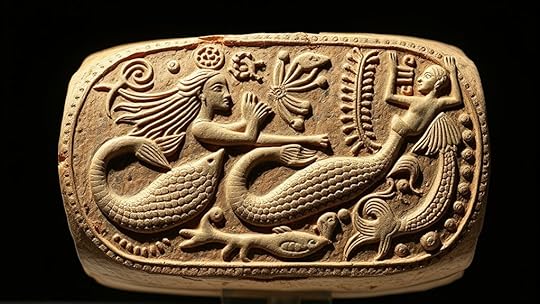
The mermaid-like figures on cylinder seals often embody more than just aquatic motifs; they can represent powerful sea deities and mythical creatures central to Sumerian beliefs. These figures serve as divine representations, showcasing marine symbolism that highlights the importance of the ocean in their mythology. You’ll notice that such imagery often depicts deities associated with water, fertility, and chaos, emphasizing their divine authority over the seas. These divine representations aren’t mere decoration; they reflect the cultural significance of water as a life-giving and threatening force. By understanding these symbols, you gain insight into how the Sumerians integrated marine elements into their religious worldview, portraying sea deities as essential forces that influence both the natural environment and human destiny.
Possible Encounters With Underwater Beings in Sumerian Culture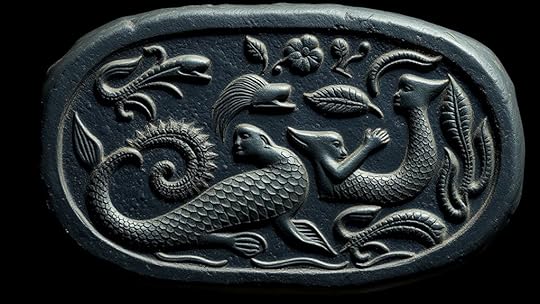
Could encounters with underwater beings have shaped ancient Sumerian beliefs? It’s possible that marine symbolism and mythological imagery reflect real or perceived interactions with underwater creatures. Sumerian cylinder seals often depict scenes that combine human figures with aquatic elements, suggesting a cultural significance of underwater beings. These depictions may symbolize divine or supernatural forces associated with water, influencing stories of gods and mythological creatures. Such imagery could represent actual encounters or serve as metaphorical expressions of the unknown depths of the sea’s mysteries. By interpreting these seals, you can see how underwater beings embedded themselves into Sumerian spirituality, blending myth with reality. This connection highlights how ancient cultures might have perceived and integrated the enigmatic marine world into their worldview.
Comparing Sumerian Seals With Other Ancient Marine Depictions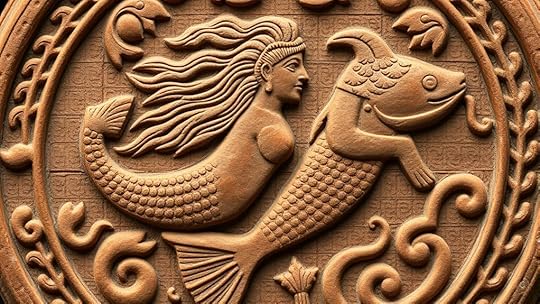
Ancient cultures across the world incorporated marine elements into their art and mythology, revealing shared themes and unique interpretations of underwater worlds. When comparing Sumerian seals with other ancient marine depictions, you notice commonalities in underwater symbolism and mythic storytelling.
Mesopotamian art often features sea creatures symbolizing chaos and danger, similar to Sumerian motifs.Egyptian underwater scenes depict gods and creatures representing divine power and mystery.Minoan seals highlight aquatic life, emphasizing fertility and renewal.These depictions reflect how ancient maritime legends shaped cultural narratives. While each civilization’s art is unique, the recurring marine themes underscore a universal fascination with underwater worlds and their symbolism. Studying these similarities helps you understand how early societies expressed their relationship with the sea through art and myth.
Implications for Understanding Sumerian Beliefs and Mythology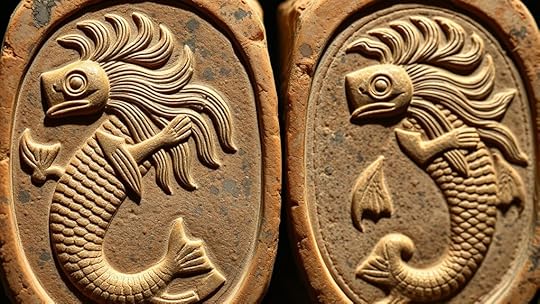
Your exploration of mythical sea creatures on Sumerian seals reveals their deep religious significance. These images reflect beliefs about divine powers and the cosmos that shaped their worldview. Understanding these symbols helps you grasp how mythology and culture intertwined in ancient Sumer.
Mythical Sea Creatures SignificanceMythical sea creatures depicted on Sumerian cylinder seals reveal much about their spiritual worldview and mythology. They serve as symbols in ancient storytelling, representing divine forces, chaos, or transformation. These creatures deepen your understanding of maritime symbolism, highlighting how Sumerians viewed the sea as a domain of both danger and divine power. Specifically:
They embody the chaos monster, illustrating the struggle between order and disorder.They symbolize spiritual transformation, guiding souls through the afterlife.They reflect the importance of water deities in Sumerian religion and cosmology.Cultural and Religious ContextCultural and religious beliefs deeply shape the imagery on Sumerian cylinder seals, offering insights into their worldview and spiritual priorities. You see symbols of celestial bodies, reflecting their fascination with gods and cosmic order, emphasizing the importance of celestial symbolism in their spirituality. These seals often depict scenes linked to ancient trade, highlighting how commerce intertwined with their religious practices and beliefs. The images suggest that they viewed gods as governing both earthly affairs and the cosmos, guiding their understanding of life and afterlife. Merfolk-like figures may symbolize divine messengers or water deities, blending myth with spiritual symbolism. Overall, the imagery reveals a worldview where celestial forces and divine beings influenced daily life, trade, and religious rituals, shaping their complex mythological landscape.
Frequently Asked QuestionsAre There Any Known Existing Sumerian Cylinders Explicitly Labeled as “Merfolk”?You might wonder if any existing Sumerian cylinders are explicitly labeled as “merfolk.” Currently, there’s no direct evidence or inscriptions confirming such labels. However, some seals depict mythical creatures with features resembling merfolk, which invites symbolism analysis. These images could represent mythological themes or spiritual symbolism rather than literal beings, highlighting ancient peoples’ fascination with water spirits. So, while no explicit “merfolk” labels exist, these depictions spark intriguing interpretations.
What Materials Were Used to Carve These Marine-Themed Seals?You might wonder what materials were used to carve these marine-themed seals. Ancient carving techniques relied on durable materials like limestone, alabaster, and clay, which Mesopotamian artists carefully shaped. They used sharp tools made from copper or stone to intricately carve scenes. These Mesopotamian artistic materials allowed artisans to create detailed depictions, capturing marine life and mythological themes with precision, ensuring the seals’ durability and artistic expression.
Have Similar Depictions Been Found in Other Ancient Mesopotamian Cultures?Oh, sure, ancient aquatic symbolism must have been exclusive to the Sumerians, right? Actually, other Mesopotamian cultures like the Assyrians and Babylonians also embraced cultural sea motifs, often depicting gods and mythical creatures associated with water. These societies shared a fascination with the ocean’s mysteries, so it’s no surprise that similar depictions appear across their artifacts. It’s a demonstration of their widespread reverence and symbolic use of marine themes.
Could These Seals Have Served a Ceremonial or Ritualistic Purpose?You might wonder if these seals served a ceremonial or ritualistic purpose. Given their intricate designs, they likely held symbolic symbolism and ritual significance, possibly used in religious or ceremonial contexts. These seals could have been tools to invoke divine protection, record sacred stories, or symbolize spiritual beliefs. Their detailed imagery suggests they weren’t just decorative but played an important role in cultural or spiritual rituals.
Are There Any Modern Interpretations or Theories About Mermaid Origins From These Seals?You might wonder if modern interpretations see these seals as evidence of mermaid origins. In archaeological debates, some suggest these depictions symbolize mythical interpretations of aquatic beings, blending folklore with ancient art. While skeptics argue they’re purely symbolic or ceremonial, others believe they hint at early human fascination with merfolk legends. Ultimately, these seals fuel ongoing discussions about ancient perceptions of mythical creatures and their possible cultural significance.
ConclusionAs you explore these ancient seals, you sense there’s more beneath the surface—hidden stories of encounters, beliefs, and mysteries yet to be uncovered. Could these merfolk-like figures reveal a lost chapter of Sumerian myth? The deeper you investigate, the more the line blurs between legend and reality. Stay curious, for the secrets of their underwater worlds might still be waiting to surface, just beyond what history has yet to reveal.