On appropriate weeping
I don’t weep when I should. Shouldn’t there be tears when a loved one dies? If not the expected, then surely the unexpected deaths.
My mother once told me that such sorrow is selfish, since the one left behind suffers the loss. That we aren’t sad for the departed, but sad for ourselves, and in my mother’s view, to be sad just wasn’t on.
Then it all rolls out with the ink. The heartbreak, the ache I thought I didn’t feel. I write about what should have broken me but didn’t.
I like to tell myself that I don’t weep because I have a good relationship with my own death. No one gets out alive, I remind myself. Or I might experience a pang of jealousy when someone close to me dies because they got to go “home.”
So I carry on my merry way, living as best I can while I still have a body.
“Each day, we wake slightly altered, and the person we were yesterday is dead. So why, one could say, be afraid of death, when death comes all the time?” - John Updike
The departed enter my dreams, alive and well, so that when I wake, a strange sorrow weighs on me that it was just a dream. Still, I do not cry.
A mishap, a sideswipe, or a misstep has been known to undo my equanimity. A minor or inconsequential event may send me to my knees, as though catastrophe has struck.
Or…
When my pen touches paper. The truth is, I don’t know my own grief until I write. How often the same stories recur, each with its own slant, its own recall, its own flavour.
“No tears in the writer, no tears in the reader,” Robert Frost famously wrote.
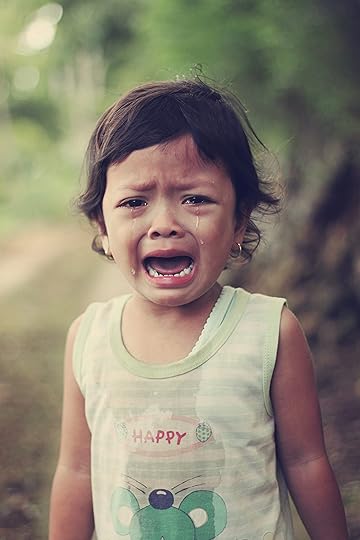
On the Enneagram personality system, I am a seven. A seven is the enthusiast who doesn’t want to be sad. The type is described as busy, fun-loving, spontaneous, versatile, distractible, and scattered. Not sad. Without consciously doing so, I tuck away grief where it can’t get me.
Then it all rolls out with the ink. The heartbreak, the ache I thought I didn’t feel. I write about what should have broken me but didn’t.
Elizabeth Alexander wrote, “Perhaps tragedies are only tragedies in the presence of love, which confers meaning to loss.”
The other day, as I was driving through the interminable snow, a newscaster reported that a Doberman Pinscher took Best in Show at Westminster. Tears sprang to my eyes. (See previous statement about inconsequential.) I gripped the steering wheel and swallowed hard. My mother dreamt of taking Michael, her beloved standard poodle, to New York. To Westminster.
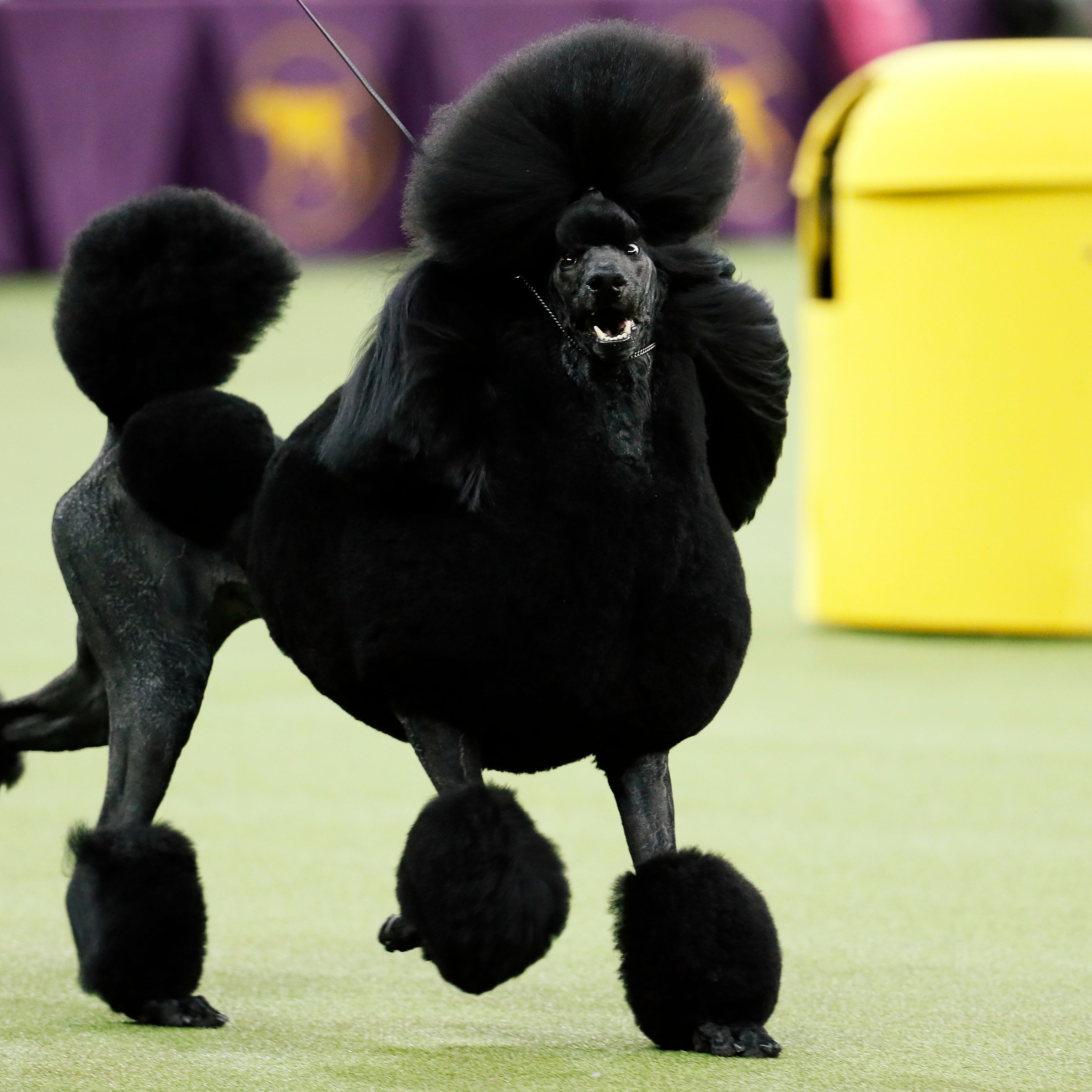
If I had told you about her dogs, how she did take Michael to championship (although not at Westminster), and how she had gone to New York to that show, it would have been a mildly interesting anecdote. But the radio reference to Westminster, as I drove into town, swiped me sideways. A brief story about a dog whose co-owner was Canadian broke something open.
I’m not a monster – some films make me cry, witnessing an unexpected kindness might do it, and my son’s accomplishments never fail to elicit tears (which he finds mildly amusing).
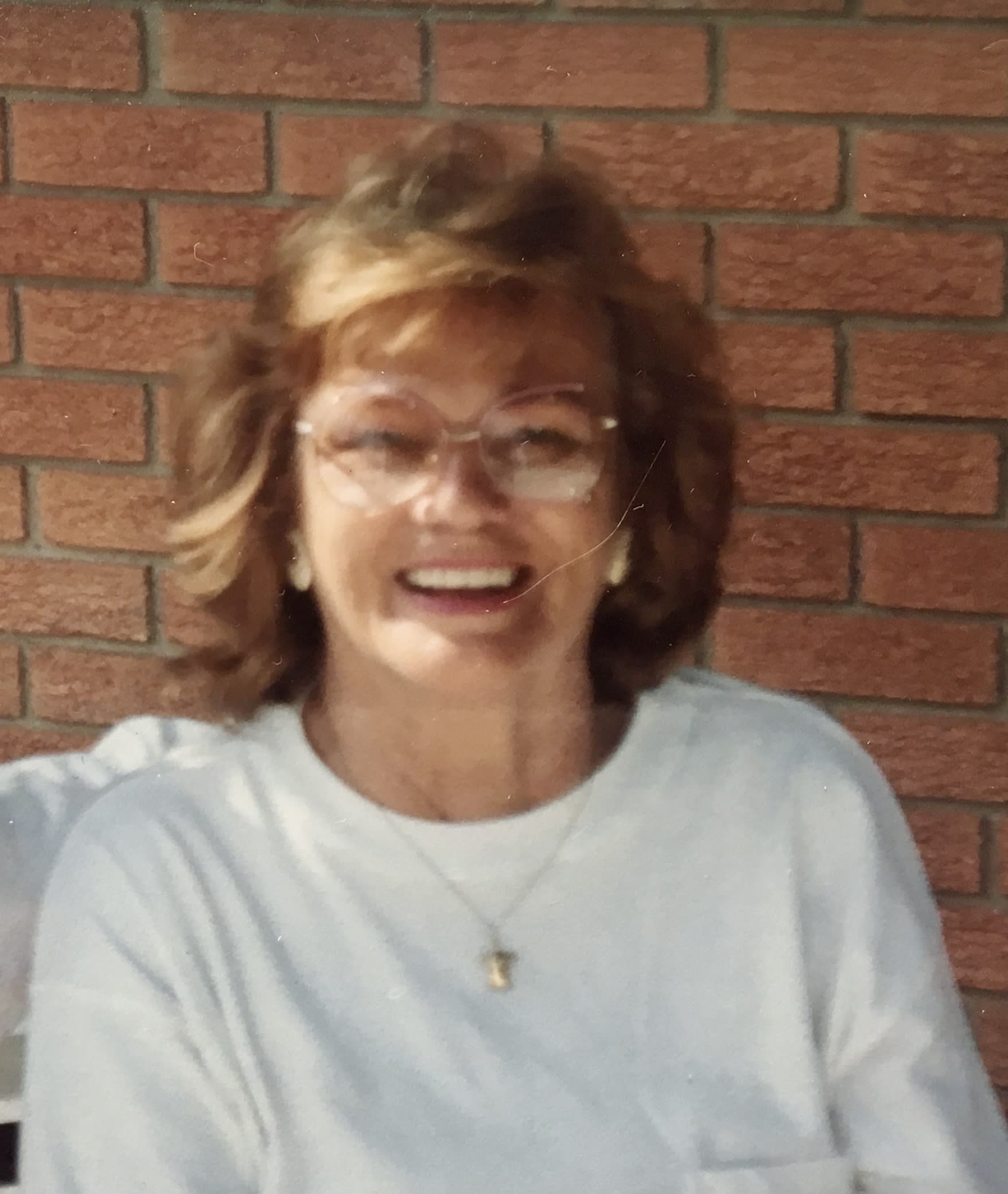
But loss, no. It takes a news item about a dog to make me realize how much I miss my mother.
Thanks for reading Messy, Risky Writing! This post is public, so feel free to share it.
Messy, Risky Writing is a reader-supported publication. To receive new posts and support my work, consider becoming a free or paid subscriber.