Why I Wrote NERVE
For my entire adult life, I wanted to write a book.
I never intended to write a memoir.
Like many people living with chronic illness, I was too busy simply trying to survive. I was navigating the next appointment, the next medication, the next surgery, the next setback. Writing a memoir felt like something people did after their story was over.
Mine wasn't.
More than twenty years ago, I developed severe facial pain. What followed was a long and often bewildering journey through diagnoses, specialists, surgeries, medications, insurance battles, disability, and the American healthcare system. Along the way, I encountered extraordinary compassion from some healthcare professionals and profound betrayal from others.
Over time, I came to realize that my story was about more than chronic facial pain. It was about what happens when your body changes without warning. It was about searching for answers, learning to advocate for yourself, grieving the life you expected, and discovering that hope can persist even when nothing unfolds the way you imagined.
As the years passed, I found myself helping other patients navigate similar challenges. More than a decade ago, I created an online support community for people considering or recovering from microvascular decompression surgery for facial pain. Over the years, that community and its sister group have grown to include more than 8,400 members from around the world.
Again and again, I heard versions of the same story.
People struggling to obtain a diagnosis.
People trying to understand complicated treatment options.
People feeling dismissed, unheard, or alone.
People searching desperately for someone who understood what they were experiencing.
Their stories echoed my own. Different diagnoses. Different circumstances. But the same uncertainty, the same frustration, and the same search for answers. That's when I realized my story wasn't mine alone.
In many ways, it belonged to every person whose symptoms had been dismissed. Every person who questioned themselves because they'd been told, directly or indirectly, that what they were experiencing couldn't possibly be real. Every person who felt invisible, isolated, and alone.
I wanted them to know they weren't.
That realization became NERVE.
I wrote this book for patients who are frightened, frustrated, exhausted, or struggling to make sense of a medical system that often feels overwhelming. I wrote it for caregivers who want to better understand what their loved ones are experiencing. I wrote it for healthcare professionals who genuinely want to see illness through the eyes of the people living with it. And I wrote it for anyone who has ever found themselves facing a challenge that could not be fixed, cured, or neatly resolved.
This is not a book about having all the answers. If anything, it is a book about learning to live with uncertainty. It is about resilience, self-advocacy, grief, hope, and the difficult process of building a meaningful life when circumstances refuse to cooperate.
Throughout the writing process, I often found myself saying, "If this book helps even one person feel seen, or helps one family member better understand someone they love, it will have been worth writing."
Since advanced readers began sharing their thoughts, I can finally say for certain:
It was worth it.
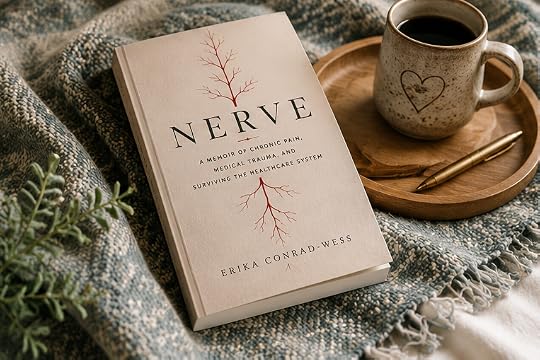
If NERVE reaches one more person who feels alone in their illness—or one more caregiver or healthcare professional who comes away with a deeper understanding of what it means to live with chronic disease—then it will continue to be worth it.
Because the message I wish someone had given me all those years ago is still the one I hope every reader carries with them:
You are not alone.