Creativity on Command
It’s been a great start to a summer of writing. I took a break from the writing desk earlier today, figuring my new project could use an evening to breathe, and went to a local indie bookstore to meet some fellow authors.
The speakers at this event included Tahereh Mafi and Ransom Riggs. I’m not a social butterfly or a good speaker. I stayed on the outskirts except for getting an autograph and this photo.
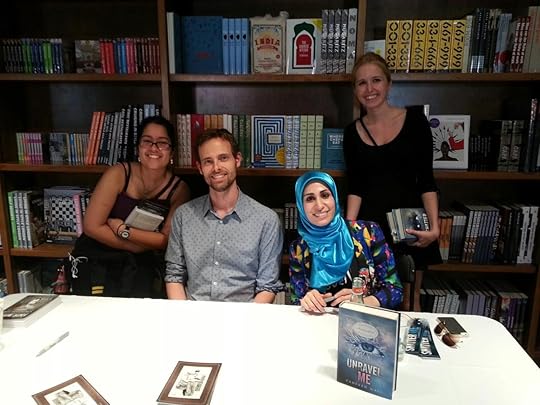
The real thing that got me thinking (blogging) was all the questions about creativity. These two authors have already developed their own styles, but then how does one develop his/her style? Or more precisely, how does one train himself/herself to be creative?
I should also mention creativity is one of the main reasons I dislike those writing guidebooks. They typically offer the advice ‘force yourself to write at least one chapter a day’ or so many words, scenes, etc. That’s great if you want to sit down at the computer and churn out total crap just so you can go on with your day. Obviously if you weren't inspired enough to want to write without the guidebook telling you, then you aren’t going to think of anything.
But (and this is the whole point I’m really getting at), you can trick yourself into being creative on command. And I don’t think any of this is actually attached to a word limit. For example, instead of deciding how many chapters I’m going to write a day, I force myself to sit in front of the computer for two hours. If I write well, poorly, or if I write nothing, I will still be sitting at that computer for two hours. This means I’m not allowing myself an easy way out and I might as well rack my brain for ideas.
So once I’ve got my two hours designated, it becomes a pattern of when I force myself to start collecting ideas in my head. I also grab a cup of coffee. The scent of that hot brew always makes me think, just like Palvov’s dogs.
Interlude: Palvov’s dogs for those of you who didn't know come from a famous science experiment. The scientist Palvov
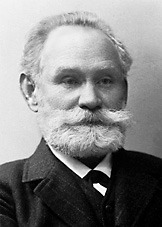
set up an experiment in which he would feed a dog after ringing bells. He eventually took away the food, but he still rang the bell. The dogs had so associated the bell with food, they would begin salivating at just the sound of the bell. It’s a simple description and a complex experiment for our understanding of stimuli association(and a recap of the only thing I remember from Psych 101).
So back to the creative writing process: Every time I sit in front of the screen with my coffee, I start piecing ideas together in my brain. Now every time I even smell the coffee or sit at my desktop computer in the evening, my brain starts working when I didn't necessarily command it. Anyways, if I could vouch for any way an author can start training themselves to be creative, this is how.
The speakers at this event included Tahereh Mafi and Ransom Riggs. I’m not a social butterfly or a good speaker. I stayed on the outskirts except for getting an autograph and this photo.
The real thing that got me thinking (blogging) was all the questions about creativity. These two authors have already developed their own styles, but then how does one develop his/her style? Or more precisely, how does one train himself/herself to be creative?
I should also mention creativity is one of the main reasons I dislike those writing guidebooks. They typically offer the advice ‘force yourself to write at least one chapter a day’ or so many words, scenes, etc. That’s great if you want to sit down at the computer and churn out total crap just so you can go on with your day. Obviously if you weren't inspired enough to want to write without the guidebook telling you, then you aren’t going to think of anything.
But (and this is the whole point I’m really getting at), you can trick yourself into being creative on command. And I don’t think any of this is actually attached to a word limit. For example, instead of deciding how many chapters I’m going to write a day, I force myself to sit in front of the computer for two hours. If I write well, poorly, or if I write nothing, I will still be sitting at that computer for two hours. This means I’m not allowing myself an easy way out and I might as well rack my brain for ideas.
So once I’ve got my two hours designated, it becomes a pattern of when I force myself to start collecting ideas in my head. I also grab a cup of coffee. The scent of that hot brew always makes me think, just like Palvov’s dogs.
Interlude: Palvov’s dogs for those of you who didn't know come from a famous science experiment. The scientist Palvov
set up an experiment in which he would feed a dog after ringing bells. He eventually took away the food, but he still rang the bell. The dogs had so associated the bell with food, they would begin salivating at just the sound of the bell. It’s a simple description and a complex experiment for our understanding of stimuli association(and a recap of the only thing I remember from Psych 101).
So back to the creative writing process: Every time I sit in front of the screen with my coffee, I start piecing ideas together in my brain. Now every time I even smell the coffee or sit at my desktop computer in the evening, my brain starts working when I didn't necessarily command it. Anyways, if I could vouch for any way an author can start training themselves to be creative, this is how.


No comments have been added yet.