Game Design

Game design is the game development process of designing the content and rules of a game in the pre-production stage and design of gameplay, environment, storyline, and characters during production stage. The designer of a game is very much like the director of a film; the designer is the visionary of the game and controls the artistic and technical elements of the game in fulfillment of their vision. Game design requires artistic and technical competence as well as writing skills.

The Art of Game Design: A Book of Lenses
A Theory Of Fun For Game Design
Rules of Play: Game Design Fundamentals (Mit Press)
Level Up!: The Guide to Great Video Game Design
Game Design Workshop: A Playcentric Approach to Creating Innovative Games
Game Feel (Morgan Kaufmann Game Design Books)
Challenges for Game Designers
Reality is Broken: Why Games Make Us Better and How They Can Change the World
Designing Games: A Guide to Engineering Experiences
Game Mechanics: Advanced Game Design
The Design of Everyday Things
Blood, Sweat, and Pixels
Characteristics of Games
Homo Ludens: A Study of the Play Element in Culture
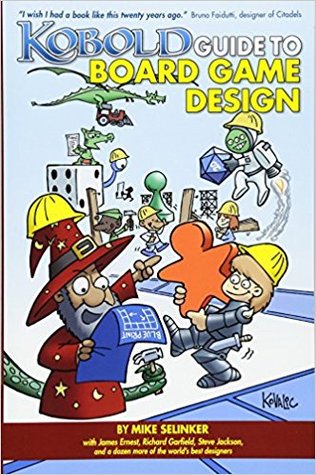
The Kobold Guide to Board Game Design

Most Read This Week

Press Reset: Ruin and Recovery in the Video Game Industry
Doom Guy: Life in First Person
Ask Iwata: Words of Wisdom from Satoru Iwata, Nintendo's Legendary CEO
So You Want To Be A Game Master: Everything You Need to Start Your Tabletop Adventure for Dungeons and Dragons, Pathfinder, and Other
Game Wizards: The Epic Battle for Dungeons & Dragons (Game Histories)
A Guide to Japanese Role-Playing Games
50 Years of Text Games: From Oregon Trail to A.I. Dungeon

Related Genres

For many game players, games exist for entertainment, for passing the time, for fun. They are a diversionary activity, meant for relaxation or distraction—a “not- work” space where players are free to engage in fantasy narratives, amazing feats, and rewarding tasks. But what if certain games have become something more?
Mary Flanagan, Critical Play: Radical Game Design

Olúfẹ́mi O. Táíwò
In real life, the value capture process is sometimes deliberately managed by elites to manipulate and control others with game design-like tactics. Gig economy platforms like Uber and Lyft use "badges" and rating systems to manage the decision-making environment of their driver employees. Even outside of work, social media features such as likes, shares, and retweets play the role of points in games. Over time, these simple metrics threaten to distort or take the place of values (say, the wish t ...more
Olúfẹ́mi O. Táíwò, Elite Capture: How the Powerful Took Over Identity Politics

More quotes...
Game Design Any written material available in Game Design which can be presented in the book.
8 members, last active 7 years ago
This group is to discuss, recommend, and inquire about books related to game design, and books t…more
7 members, last active 12 years ago
GDers Game Designer only.
2 members, last active 11 years ago
Students, faculty, staff, and alumni of RIT's School of Interactive Games & Media…more
1 member, last active 13 years ago

Tags

Tags contributing to this page include: game-design and gamedesign