Industrial Revolution


North and South
The British Industrial Revolution in Global Perspective (New Approaches to Economic and Social History)
Hard Times
Industry and Empire: The Birth of the Industrial Revolution
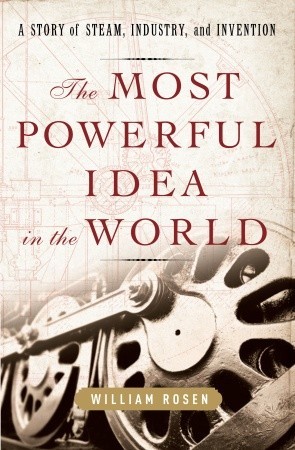
The Most Powerful Idea in the World: A Story of Steam, Industry, and Invention
The Age of Revolution, 1789–1848
The Image Maker
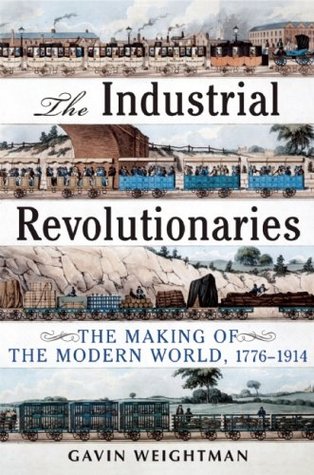
Industrial Revolutionaries: The Making of the Modern World 1776-1914
The Communist Manifesto
Liberty's Dawn: A People's History of the Industrial Revolution
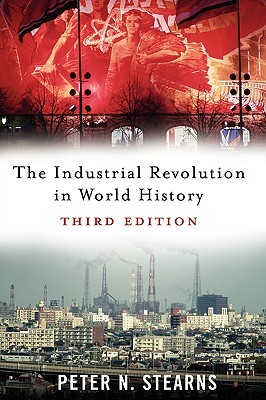
The Industrial Revolution in World History
The Armor of Light (Kingsbridge, #4)
Oliver Twist
The Bobbin Girl
The Industrial Revolution 1760-1830
Jamestown by Joyce CrawfordBread and Roses, Too by Katherine PatersonHoliday and Celebration Bread in Five Minutes a Day by Zoë FrançoisCity in Amber by Jay AtkinsonThe Cry of the Street by Mabel Farnum
Bread and Roses
14 books — 5 voters
Monopoly X by Philip E. OrbanesWhat Jane Austen Ate and Charles Dickens Knew by Daniel PoolVictorian London by Liza PicardSexuality and Its Impact on History by Hunter S. JonesThe Suspicions of Mr. Whicher by Kate Summerscale
Victorian Britain (nonfiction)
143 books — 65 voters

The Daring Ladies of Lowell by Kate AlcottMrs. Somebody Somebody by Tracy WinnUnravelling by Elizabeth GraverCall the Darkness Light by Nancy ZaroulisLyddie by Katherine Paterson
Lowell Mills
55 books — 6 voters

Freeman's Challenge by Robin BernsteinThe Fourth Industrial Revolution by Klaus SchwabPlatform Capitalism by Nick SrnicekShaping the Fourth Industrial Revolution by Klaus SchwabMachine, Platform, Crowd by Andrew McAfee
Books on Industrial Revolutions
26 books — 5 voters
The Picture of Dorian Gray by Oscar WildeAgainst Nature by Joris-Karl HuysmansLes Fleurs du Mal by Charles BaudelaireThe Great Gatsby by F. Scott FitzgeraldHeart of Darkness by Joseph Conrad
Decadence & the Fin-de-Siècle
240 books — 201 voters

Abhijit Naskar
So long as greed drives the industries, it's not industrialization, it is vandalization. ...more
Abhijit Naskar, Ingan Impossible: Handbook of Hatebusting

در پایان قرن نوزدهم میانگین درآمد کشیشان انگلیسی کمتر از نصف پانزده سال پیش و از نظر قدرت خرید در حد بخور و نمیر بود و شغل کشیشی در روستاها کاری تشریفاتی و بی جذابیت شده بود. بسیاری از کشیشان دیگر استطاعت ازدواج نداشتند و کسانی که فکر و امکانات داشتند استعداد خود را در جای دیگری به کار می گرفتند. دیوید کانادین در کتاب افول و سقوط طبقه ی اشراف بریتانیا می نویسد در پایان قرن نوزدهم بهترین مغزهای یک نسل از کلیسا بیرون رفته بودند.
Bill Bryson, At Home: A Short History of Private Life

More quotes...
Ask Jerry Ash ...August 26, 2013 to September 22, 2013... Jerry is author of Hellraiser — Mother Jones: An Hi…more
6 members, last active 12 years ago
A group for men and women a like to give their views on histor. Monthly readings and discussions…more
2 members, last active 14 years ago