Natural History

Natural history is the research and study of organisms including plants or animals in their environment, leaning more towards observational than experimental methods of study.

New Releases Tagged "Natural History"

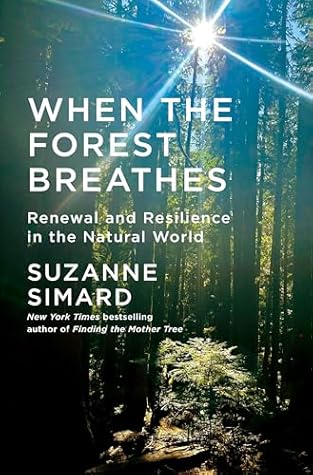
When the Forest Breathes: Renewal and Resilience in the Natural World
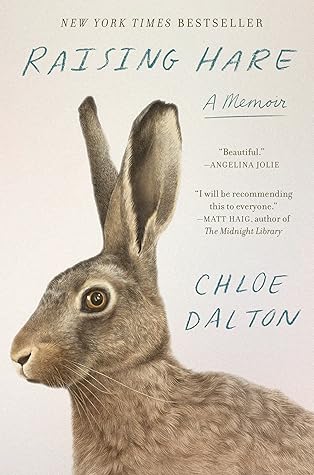
Raising Hare: A Memoir
A Walk in the Park: The True Story of a Spectacular Misadventure in the Grand Canyon
Is a River Alive?
Beasts of the Sea
When the Forest Breathes: Renewal and Resilience in the Natural World
What the Chicken Knows: A New Appreciation of the World's Most Familiar Bird
Vanishing Treasures: A Bestiary of Extraordinary Endangered Creatures
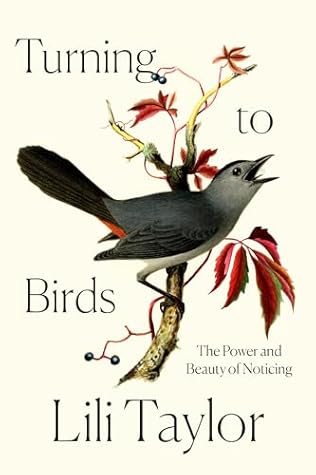
Turning to Birds: The Power and Beauty of Noticing
Fire Weather: A True Story from a Hotter World
The Rise and Reign of the Mammals: A New History, from the Shadow of the Dinosaurs to Us
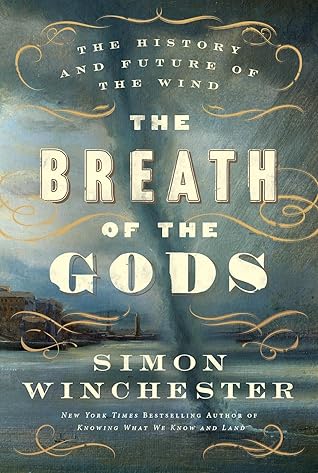
The Breath of the Gods: The History and Future of the Wind
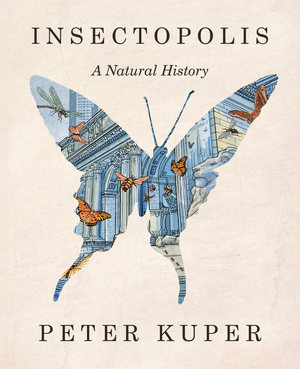
Insectopolis: A Natural History
Ocean: Earth’s Last Wilderness
Brave the Wild River: The Untold Story of Two Women Who Mapped the Botany of the Grand Canyon
Strata: Stories from Deep Time
The Sixth Extinction: An Unnatural History
The Rise and Fall of the Dinosaurs: A New History of a Lost World
The Invention of Nature: Alexander von Humboldt's New World
Entangled Life: How Fungi Make Our Worlds, Change Our Minds & Shape Our Futures
The Hidden Life of Trees: What They Feel, How They Communicate: Discoveries from a Secret World
Braiding Sweetgrass: Indigenous Wisdom, Scientific Knowledge, and the Teachings of Plants
The Origin of Species
A Sand County Almanac and Sketches Here and There
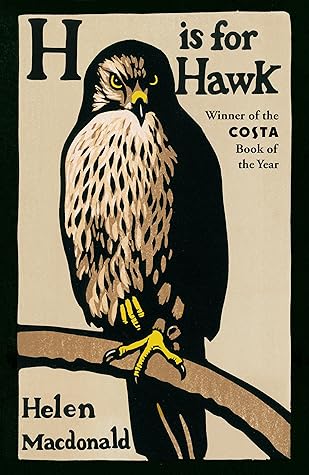
H is for Hawk
Gathering Moss: A Natural and Cultural History of Mosses
Underland: A Deep Time Journey
The Song of the Dodo: Island Biogeography in an Age of Extinction
Otherlands: A Journey Through Earth's Extinct Worlds
A Short History of Nearly Everything
Wonderful Life: The Burgess Shale and the Nature of History
A Natural History of the Senses by Diane AckermanA Natural History of Dragons by Marie BrennanRain by Cynthia BarnettThe Omnivore's Dilemma by Michael PollanA Natural History of Love by Diane Ackerman
A Natural History of...
107 books — 9 voters
The Poisonwood Bible by Barbara KingsolverThe Jungle Books by Rudyard KiplingGorillas in the Mist by Dian FosseyOut of Africa by Isak DinesenHeart of Darkness by Joseph Conrad
Rainforests and Jungles of the World
394 books — 118 voters
Salt by Mark KurlanskyAt Home by Bill BrysonTHE AMERICAN TRANSLATOR by Ahmed AlshuwaikhatGuns, Germs, and Steel by Jared DiamondA Short History of Nearly Everything by Bill Bryson
Histories of the Everyday
376 books — 421 voters
Silent Spring by Rachel CarsonA Sand County Almanac and Sketches Here and There by Aldo LeopoldThe Lorax by Dr. SeussThe Omnivore's Dilemma by Michael PollanDesert Solitaire by Edward Abbey
Best Environmental Books
1,091 books — 1,239 voters

The Spotted Sphinx by Joy AdamsonTomorrow's Sphinx by Clare BellChasing Cheetahs by Sy MontgomeryI...AM...CHEETAH! by Stephanie J. TeerThe Tribe of Tiger by Elizabeth Marshall Thomas
Books about Cheetahs
14 books — 13 voters
Silent Spring by Rachel CarsonA Sand County Almanac and Sketches Here and There by Aldo LeopoldThe Song of the Dodo by David QuammenThe Flight of the Iguana by David QuammenThe Sound of a Wild Snail Eating by Elisabeth Tova Bailey
Best of Natural History
362 books — 69 voters


There's a pleasure in knowing the names of things. It's not about a need to categorise the world, sectioning it into little boxes. And clearly you don't have to know the names of rocks - or trees or plants or birds - in order to enjoy a landscape. But if you do have this information, something changes about the way you exist in that space. A named landscape thickens. It's to do with history and context but also, I think, with the quality of attention. To assign something its name, you need to ta ...more
Helen Gordon, Notes from Deep Time

Amy Tan
I asked Bernd Heinrich if he knew why feeder birds, like finches, discard so many seeds. It turns out he and other scientiests did research on this back in the 1990s - of course, he did -measuring discarded seeds with painstaking accuracy. The short answer: Songbirds prefer shorter, fatter unshelled sunflower seeds, more depth than length, because they contain more oil. They take half a second to judge the seeds, dropping the low-density ones, until they find a seed to their liking.
Amy Tan, The Backyard Bird Chronicles

More quotes...
The Lost Words Nature/Naturalist/Environmentalist literature - aiming for diversity of writer/writing. Reading…more
16 members, last active 5 years ago
Great Plains Nature Center Walking Book Club This book club provides a relaxed environment for learning something new and getting outdoors wi…more
4 members, last active 4 years ago
All About Washington A Public Bookclub for those who enjoy reading about the the natural history of Washington State …more
9 members, last active 13 years ago
Birdfreak Natural History Book Club Natural History Book discussions, group reads and more!
6 members, last active 3 years ago

Tags

Tags contributing to this page include: natural-history and naturalist